Alkynes - properties of unsaturated hydrocarbons
how the general formulas of the homologous series of hydrocarbons are created;
how the molecular formula of a hydrocarbon with the specified number of carbon atoms is noted down;
which compounds are alkanes, and which are alkenes and alkynes.
what properties ethene and ethyne have;
to design experiment to distinguish saturated hydrocarbons from unsaturated hydrocarbons.
Unsaturated hydrocarbons – alkynes
Look at the table describing the physical properties of the alkynes. What do you notice?
Alkynes | Chemical formula | Boiling point | Melting point | Density (g·cmIndeks górny -3-3) |
ethyne | -84.7 | -80.7 | 0.377 in 25°C | |
propyne | -23.2 | -102.7 | 0.607 in 25°C | |
butyne | 8.0 | -125.7 | 0.678 in 0°C | |
butyne | 26.9 | -32.2 | 0.691 in 20°C |
The physical properties of alkynes change with the increase in the number of carbon atoms in their molecules – these transform from the gas state, through the liquid state, to the solid state. Alkynes have similar properties to alkanes and alkenes.
Chemical properties of alkynes
Before doing the experiment „Testing combustibility of alkynes”, formulate a research question and a hypothesis. During the experiment pay attention to what kind of combustion reactions occur.
How ethyne combusts?
Select one of the hypotheses and then verify it.
Ethyne combusts explosively.
Ethyne combusts completely.
Ethyne combusts incompletely.
corked test tube with collected ethyne,
splint.
Uncork the test tube filled with ethyne.
Bring splint closer to the outlet of the tube.
Observe the changes.
Incomplete combustion occurs in accordance with the equation:
Complete combustion in the conditions with increased oxygen availability, e.g. in oxy‑fuel welding burners, takes place according to the equation:
Do the experiment “Reactivity of ethyne with the solution of the potassium manganate(VII)“ , read a research question and a hypothesis. Write down the observations and conclusions. After doing the experiment, watch the animation of the reaction taking place in the experiment.
Does ethyne cause discoloration of the potassium manganate(VII) solution?
Select one of the hypotheses and then verify it.
Ethyne causes discoloration the solution of the potassium manganate(VII).
Ethyne does not discolor the solution of potassium manganate(VII).
two test tubes (including one filled with ethyne),
cork,
solution of potassium manganate(VII).
Into 1/3 of first test tube pour the potassium manganate(VII) solution (control sample).
Pour the same amount of potassium manganate(VII) solution into the second tube (filled with the ethyne). Close the tube with a cork and mix well by shaking.
Observe the changes.
Compare the contents of both tubes.
Film dostępny na portalu epodreczniki.pl
Nagranie filmowe przedstawiające eksperyment etynu, ethyne z manganianem siedem potasu, potassium permanganate. Do przeprowadzenia eksperymentu potrzebne są probówka, probówka wypełniona gazem etynem zamknięta korkiem, roztwór manganianu siedem potasu. Do pustej probówki wlewamy roztwór manganianu siedem potasu, do jednej trzeciej objętości probówki. Dokładnie taką samą ilość roztworu manganianu siedem potasu wlewamy do próbówki z etynem i zamykamy ją korkiem. Etyn zawiera potrójne wiązanie, triple bond w swojej strukturze C ha potrójne wiązanie c ha. Etyn powoduje odbarwienie roztworu manganianu siedem potasu.
Analyze the reaction scheme of ethyne with bromine in an anhydrous environment proceeds according to the equation. Then watch a movie showing the course of the reaction.

Film dostępny na portalu epodreczniki.pl
Nagranie filmowe przedstawia za pomocą równania reakcję addycji, czyli przyłączenia. Zapis równania reakcji: c dwa ha dwa dodać dwa be er dwa strzałka w prawo c dwa h dwa b er cztery. W wyniku tej reakcji ulega zerwaniu wiązanie wielokrotne (potrójne) i powstaje związek nasycony tetrabromoetan (przedrostek tetra- informuje, że w cząsteczce znajdują się cztery atomy bromu). Na ekranie pojawiają się dwa wzory: C en Ha dwa en odjąć dwa oraz c dwa ha dwa. Następnie zerwaniu ulega wiązanie potrójne, pozostaje podwójne pomiędzy atomami węgla. Jednocześnie przyłączają się atomy bromu i powstaje bromopochodna alkenu z wiązaniem podwójnym; W następnym etapie cząteczka bromu atakuje więzanie podwójne, które zostaje zerwane i pozostaje pojedyncze, równocześnie przyłączają się atomy bromu w wyniku czego powstaje związek nasycony z wiązaniami pojedynczym.
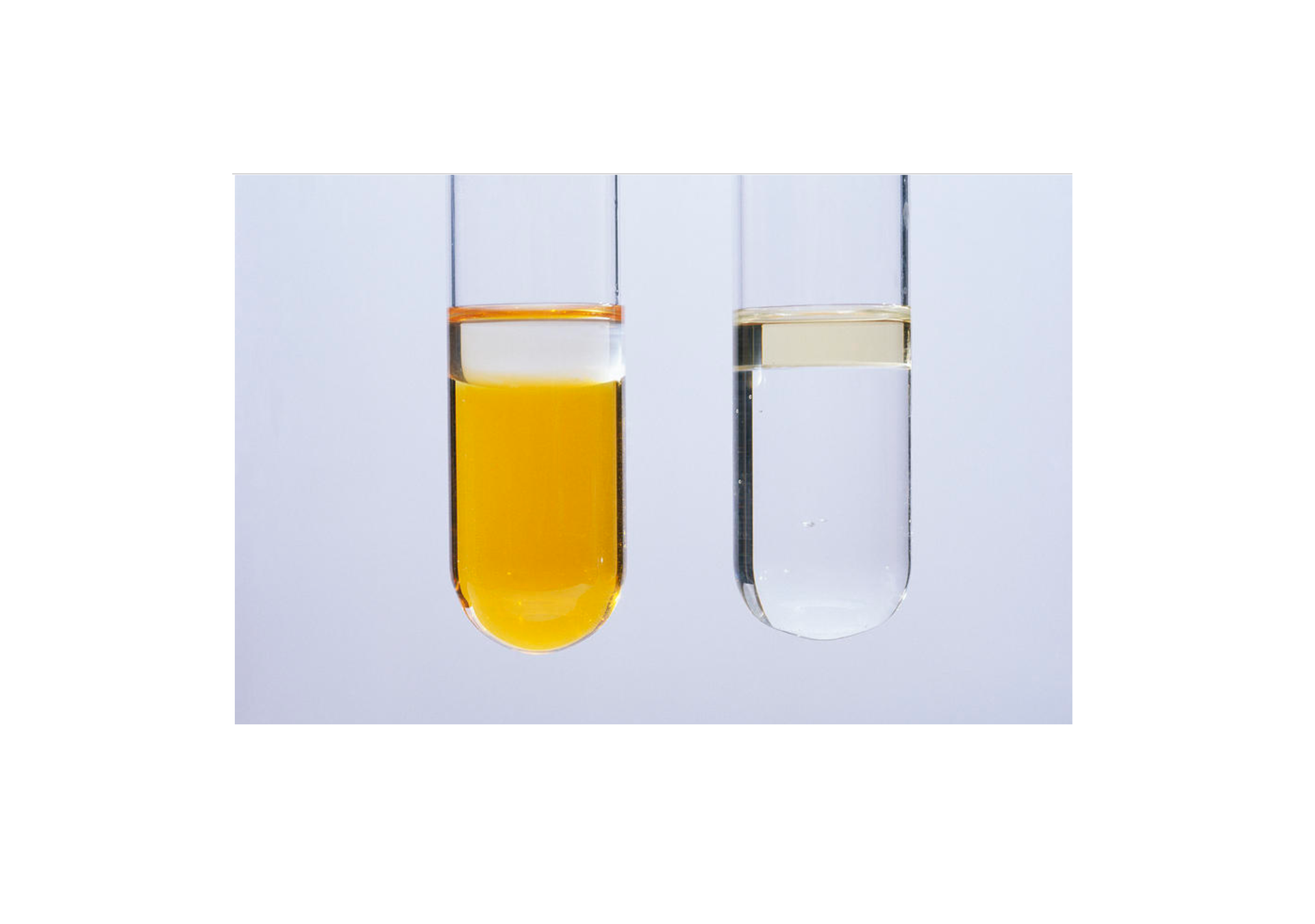
As a result of this reaction, a multiple (triple) bond breaks and a saturated tetrabromoethane compound is formed (the prefix tetra- indicates that there are four bromine atoms in the molecule). This type of reaction is called the addition reaction. Acetylene and other alkynes easily undergo addition reaction including with hydrogen, halogens (e.g., chlorine). As a result of these reactions, saturated compounds with single bonds between carbon atoms may be formed. Hydrogenation of ethyne:

Summary
The physical properties of alkenes and alkynes are similar to the physical properties of the alkanes. These change as the number of carbon atoms in the chain increases.
Alkenes and alkynes are chemically reactive, combustible, and are subjects to addition reactions.
Alkynes are more reactive than alkenes.
Explain the differences between the ethane, ethene and ethyne molecules.
Keywords
alkynes, unsaturated hydrocarbons, homologous series of alkynes, complete combustion, incomplete combustion
Glossary
reakcja addycji – reakcja przyłączenia atomów innych pierwiastków, np. fluorowców (chloru, bromu, jodu), do cząsteczki z wiązaniem wielokrotnym, bez wydzielenia produktów ubocznych
reakcja uwodornienia – reakcja przyłączenia cząsteczki wodoru do cząsteczki z wiązaniem wielokrotnym, bez wydzielenia produktów ubocznych