Application of hydrocarbons
which compounds are called alkanes, alkenes and alkynes;
what are physical and chemical properties of hydrocarbons.
what is the use of ethene and ethyne;
to write the equation for the ethene polymerization reaction.
The use of carbon and its compounds – alkanes
Crude oil, natural gas and black coal provide us with 85% of energy. These are raw materials for the production of fuels and many other products, including chemical and pharmaceutical industry. Methane is used as fuel in natural gas installations as a heating gas for the production of hydrogen, acetic acid and explosives. The mixture of propane and butane serves for heating in about 5 million households in Poland, but also for filling lighters, tourist bottles and as fuel for cars.
The use of unsaturated hydrocarbons
Among the unsaturated hydrocarbons, ethene and ethyne are most widely used. The first of these is used as a factor accelerating fruit ripening.
Before you watch the movie „Testing the speed of fruit ripening”, write down the research question and hypotheses. Follow the changes, summarize the conclusions and write them down in the appropriate columns.
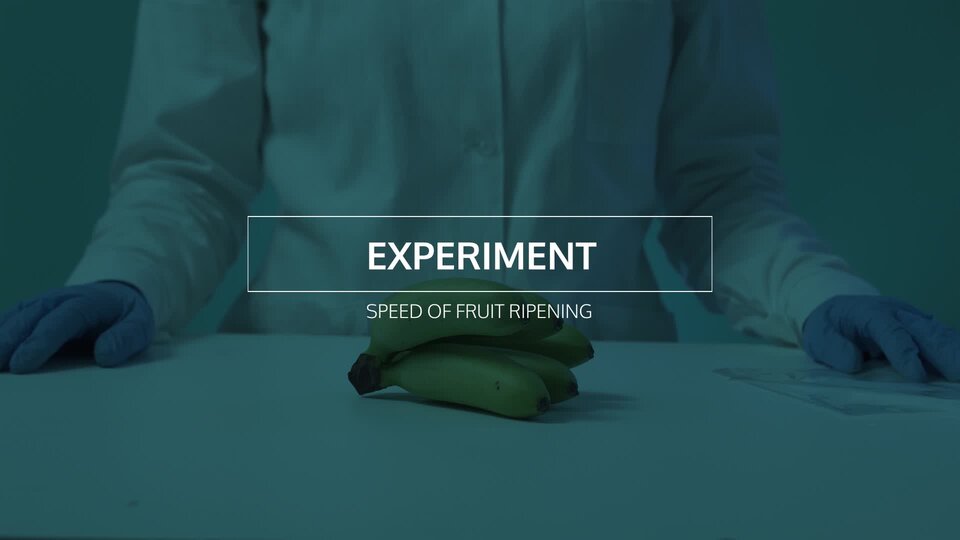
Film dostępny na portalu epodreczniki.pl
Film przedstawia eksperyment dotyczący szybkości dojrzewania owoców, speed of fruit ripening. Do wykonania eksperymentu potrzebne są: banany, jabłko i woreczki spożywcze. Przebieg eksperymentu: do jednego woreczka spożywczego należy włożyć banan. Do drugiego woreczka należy włożyć banan wraz z jabłkiem. Wraz z upływem czasu będzie mozna dostrzec, że w woreczku, w którym znajdują się dwa owoce, dojrzeją one szybciej niż pojedynczy owoc.
Unsaturated compounds under appropriate conditions can combine with each other to form long chains. This is polymerization reactionpolymerization reaction. It involves combining many molecules (monomersmonomers) into one molecule with a very long chain (polymerpolymer). The polymerization reaction is used to obtain polymers, i.e. synthetic materials that are compounds to produce everyday objects.
During polymerization of ethylene, double chemical bonds present in its molecules break and a molecule composed of many so‑called structural units is formed. The reaction product is polyethylene.
Polyethylene is a colourless or milky white, transparent solid. Thanks to its high strength, susceptibility to dyeing and forming and a relatively low price, it is used for the production of packaging films, bottles and containers for water, chemicals, bottle and food boxes, toys and small fancy goods. The widespread use of synthetic materials (e.g. disposable packaging) generates large amounts of waste, which in most cases is not biodegradable.
Types of polyethylene:
Most of the produced ethylene is processed into polyethylene and from ethylene due to various chemical processes – to other compounds.
The mixture of ethyne and oxygen due to the high combustion temperature is used in acetylene‑oxygen burners for cutting and welding metals. Acetylene (like ethylene) undergoes numerous chemical reactions leading to the formation of other compounds.
Prepare an infographic showing the use of hydrocarbons with the division into alkanes, alkenes and alkynes. You can use the drawing editor.
What is acetylene used for? Select the correct answer.
- For the production of rubber footwear
- For filling gas cylinders using, among others in gas stoves
- For accelerating fruit ripening in warehouses
- For obtaining carbide
Ethylene is used ... Finish the statement to be correct.
- in the production of ethanol
- in the production of rubber
- in fruit stores, where ethylene introduced from outside limits their maturation
- in the production of kerosene
What is the use of alkane? Choose the correct answer.
- For obtaining synthetic gas (cracking process)
- For filling gas cylinders, which are used, among others when welding or cutting metals
- For the production of plastics
- For the production of film dressing
Summary
Unsaturated hydrocarbons undergo appropriate polymerization reactions under certain conditions. As a result, small individual molecules – monomers – merge into long molecular chains (polymers).
The polymerization reaction products are macromolecular compounds (polymers).
Polyethylene is the product of the reaction of ethene polymerization.
Most synthetic materials are not biodegradable.
Keywords
hydrocarbons, acetylene, ethylene, alkynes, polymerization, polyethylene, monomers, polymers
Glossary
monomery – pojedyncze cząsteczki związku chemicznego o stosunkowo niedużej masie cząsteczkowej, z których w wyniku reakcji polimeryzacji mogą powstawać polimery różnej długości
polimery – (gr. polymeres– zbudowany z wielu części) związki, których cząsteczki składają się z wielokrotnie powtarzających się jednostek – grup atomów zwanych merami
reakcja polimeryzacji – reakcja łączenia monomerów w łańcuchy złożone z wielu takich samych merów