Arctic and Antarctic – the natural environment of polar regions
that areas beyond the polar circles are known as frigid zones;
the meaning of the terms: glacier, ice sheet, iceberg;
what the relation between the altitude of the Sun and the amount of solar energy reaching the surface of the Earth is.
to describe the geographic location and boundaries of the Arctic and the Antarctic;
about the relation between the geographic location of the polar regions and the features of their natural environment;
which organisms live in the Arctic and which live in the Antarctic;
about some of the changes that are taking place in the natural environment of the polar regions.
why it is necessary to protect the natural environment of the Arctic and the Antarctic.
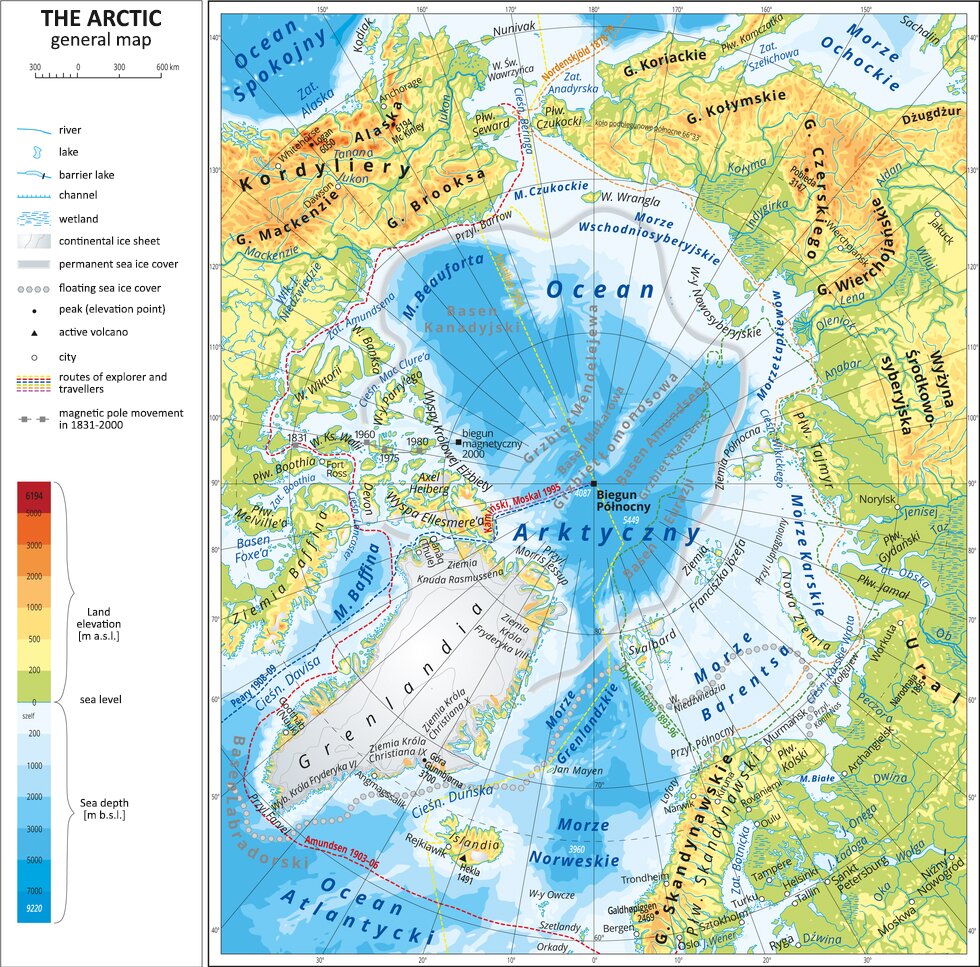
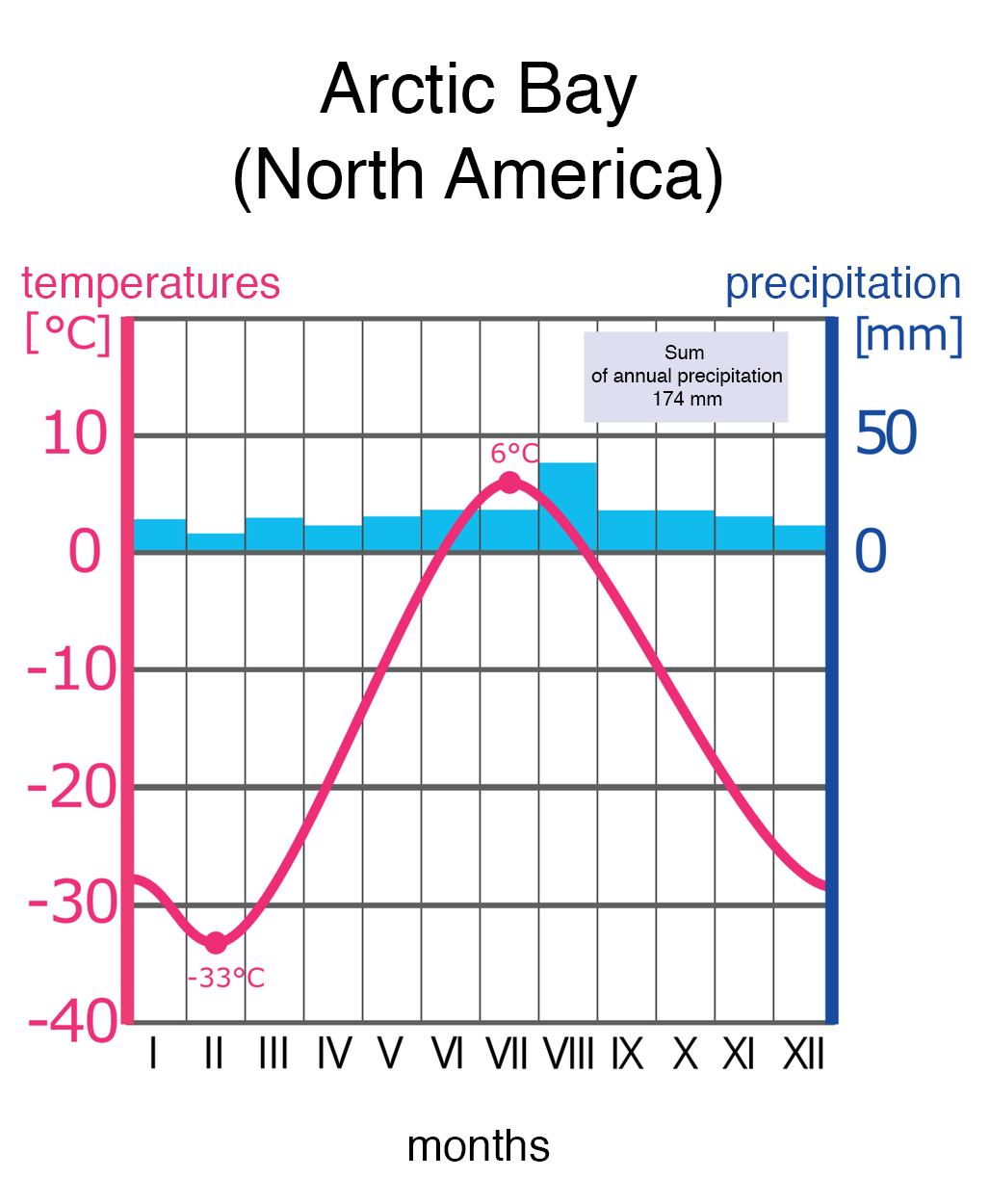
The Arctic and the Antarctic are the coldest places on Earth. The warmest month in the Arctic is July, when the average temperature in coastal areas is slightly above 0°C. In the interior of Greenland, however, it is always below 0°C and even in July temperature can drop to –20°C. In January, during the polar night, temperature in coastal areas drops to –30°C and in the central part of the Greenlandic ice sheet it can even reach –50°C.
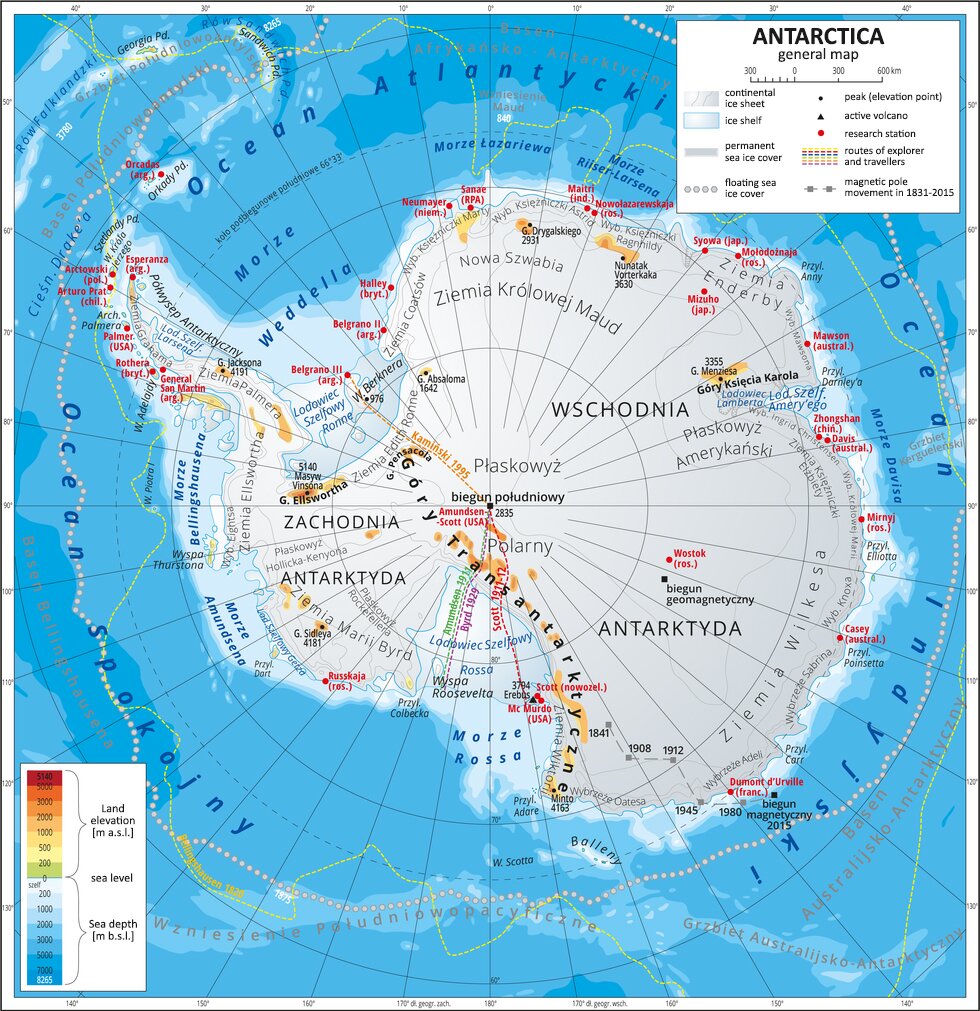
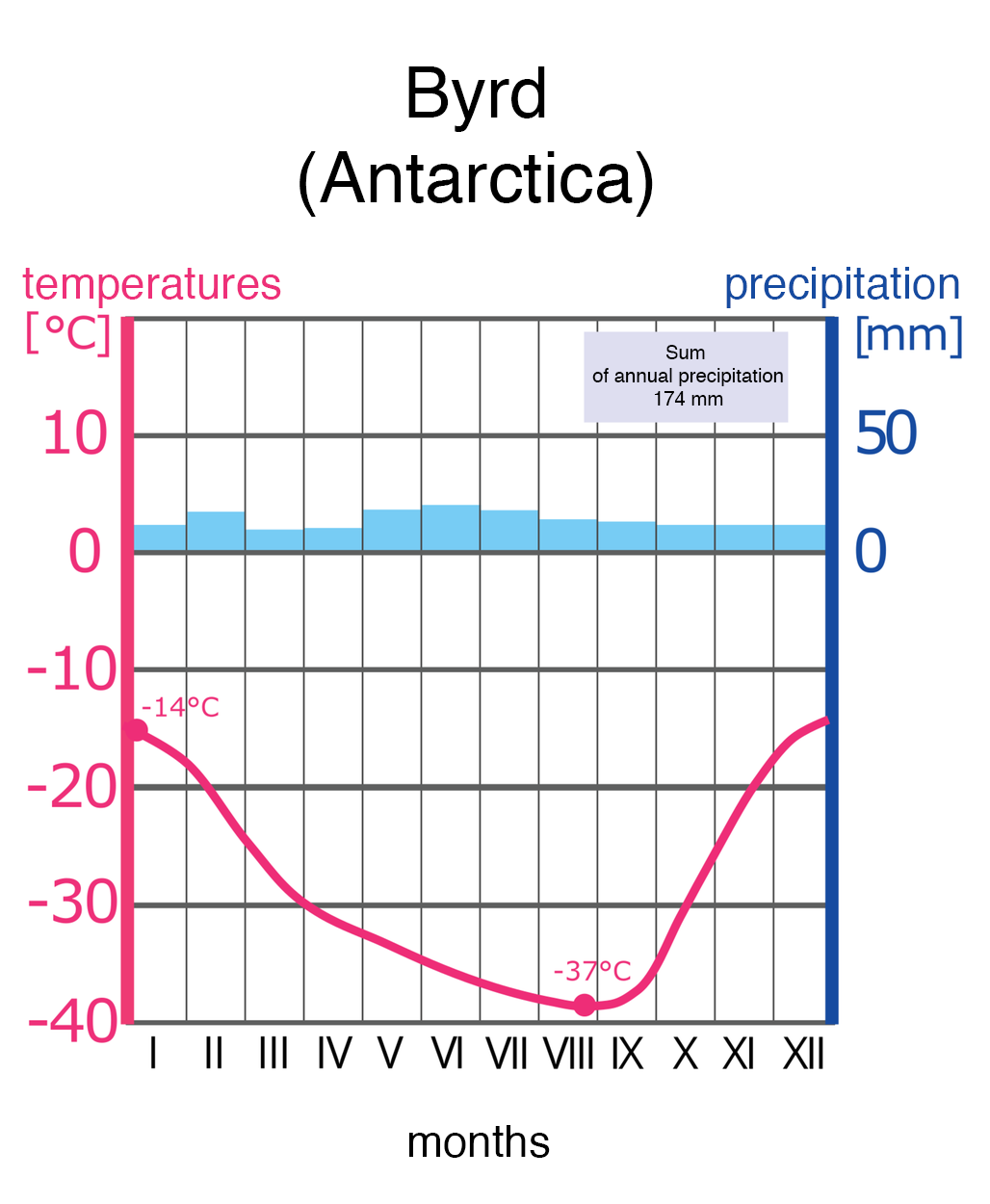
The Antarctic is an even colder region. In January, which is the warmest month here, average air temperature in Antarctica does not get higher than 0°C. The coldest month is July, the middle of the polar night, when average monthly temperature drops to –40°C, –50°C. The lowest air temperature, not only in Antarctica, but on the planet in general, was recorded at Vostok Station (78°28’S, 106°48’E) on 21 July 1983: –89,2°C. Vostok Station is considered the Earth’s Pole of Cold.
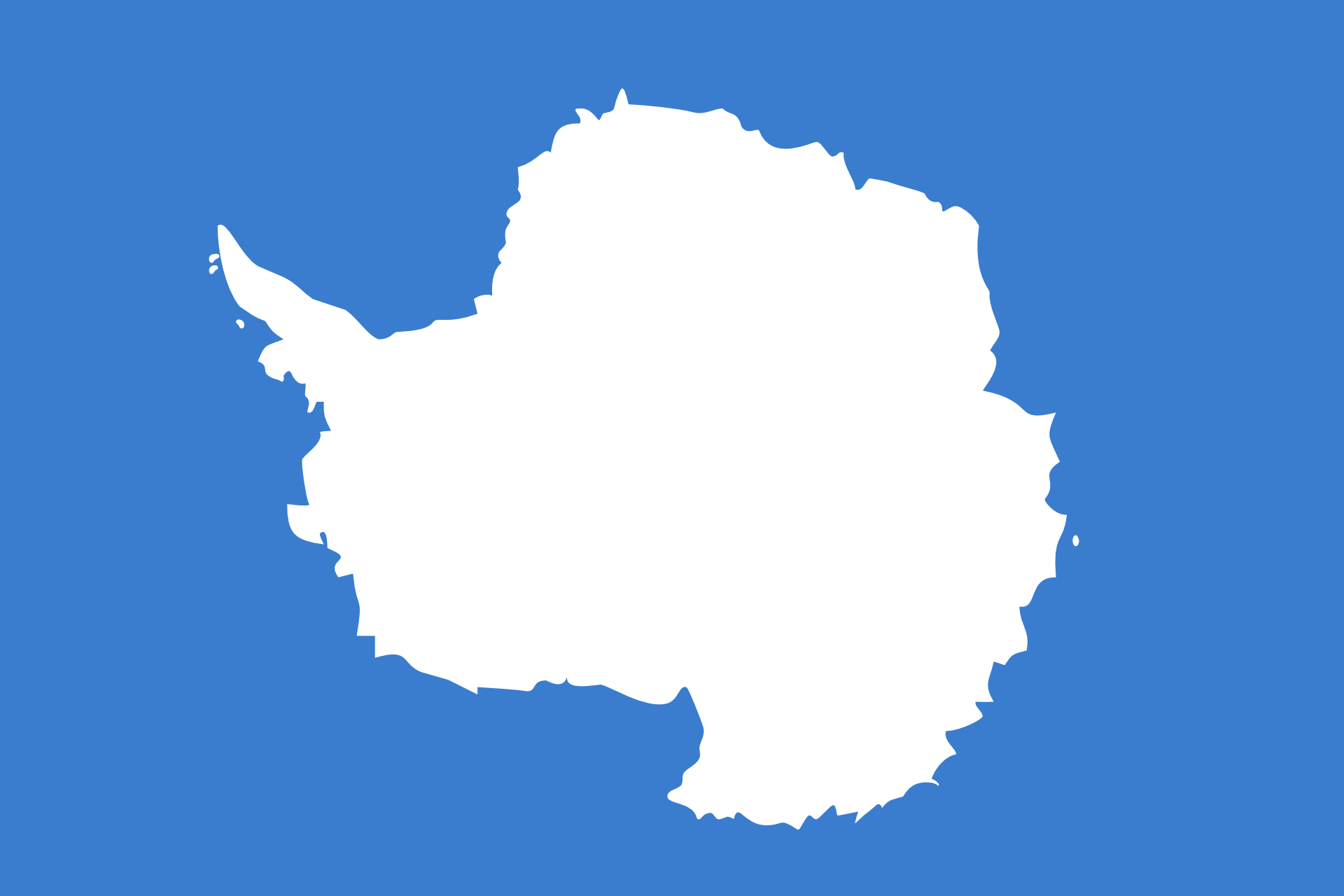
What makes Antarctica different from other continents is the fact that its surface is covered by the largest continental ice sheet in the world, with average thickness of 2300 m and maximum thickness of up to 4776 m. Only 4% of the surface of Antarctica is free of ice. The Antarctic ice sheet is moving from the middle of the ice cap towards the coast at an average speed of 200 metres per year. Coastal waters are where ice shelvesice shelves are formed. Ice shelves are fringed with ice barriers. Wave movement causes large parts of the shelves to break off and form enormous icebergs that can be up to several dozen kilometres wide. Only some parts of the coastline and mountain peaks are rocky and free of ice.
Natural conditions influence the flora and fauna of the polar regions. The few areas in the Arctic which are not covered by ice are covered by tundra. The most common plants found there include grasses, sedges, prostrate shrubs, lichens and mosses that can grow in permafrost. These areas are inhabited by large land mammals, such as the musk ox, the caribou or the polar bear, the great swimmer and hunter of the ocean. Arctic waters are inhabited by various species of seals and large numbers of birds that in summer nest on the ground, but feed in coastal waters. In Antarctica, there is no vegetation apart from a few species of lichen, moss and algae. Local fauna, however, is quite diverse. The largest group of animals are birds inhabiting the coastal areas, such as penguins (over a dozen species), skuas, petrels and cormorants. Coastal waters of Antarctica are home to many species of animals that feed on plankton, mainly krill. These are the great marine mammals: whales (also found in Arctic waters), four species of Antarctic seals, sea lions, elephant seals and fur seals. Seals are semiaquatic animals perfectly adapted to the conditions of their natural environment.
Think about what causes the changes in the natural environments of Antarctic and the Arctic. Find more information on the subject in available sources and create a metaplan.
Use what you have learnt to complete the exercises below.
Put the names of geographic locations on the outline map of Antarctica.
Indian Ocean, Atlantic Ocean, Ross Sea, Pacific Ocean, Antarctic Peninsula, Weddell Sea, Amundsen Sea, Transantarctic Mountains
Keywords
The Arctic, The Antarctic, Greenland
Glossary
lodowiec szelfowy - stosunkowo cienka pokrywa lodowa na wodach szelfu antarktycznego, od której odłamują się góry lodowe
lód dryfujący - stała pokrywa lodowa na wodach morskich w strefach podbiegunowych; na Oceanie Arktycznym występuje tzw. wielki pak polarny mający grubość ok. 6 m zimą i 3,5 m latem
nunatak - skalisty szczyt wznoszący się powyżej powierzchni lądolodu