Artificial and synthetic fibres
what are chemical structures of proteins and complex sugars, e.g. cellulose;
what is the structure of polymers and you can name examples of them.
to classify fibres into natural (protein and cellulose), artificial and synthetic, as well as name examples of them;
to identify the type of fibres and prepare experiments to identify protein and cellulose, artificial and synthetic fibres;
to describe the application of natural, artificial and synthetic fibres, considering their advantages and disadvantages.
Artificial fibres
Artificial fibres are fibres produced from natural raw materials – natural polymers, i.e. cellulose, protein, caoutchouc, which are chemically treated.
Viscose is a fibre consisting mainly of cellulose, which is obtained mainly from wood. Viscose fabrics have properties similar to cotton and feel like silk in touch. This is a thermoregulatory and breathable material, absorbing moisture, soft, elastic and pleasant to touch.
Modal is a fibre consisting in 100% of cellulose. The modal production process is very similar to the viscose production process. It is characterized by high resistance to damage and satin gloss. Absorbs 50% more moisture than cotton. Fabrics made of it are airy, soft and elastic. Underwear, sportswear and beddings are made of modal.
Before you watch the movie „Distinguishing between natural and artificial silk”, write down the research question and hypotheses. During the screening pay attention to what happens to the fibres of one and the other kind during the examination, and then note the observations and conclusions.
Film dostępny na portalu epodreczniki.pl
Film przedstawia eksperyment dotyczący tego, jak rozpoznać, czy tkanina jest wykonana z naturalnego lub sztucznego jedwabiu. Do tego celu wykorzystano reakcję ksantoproteinową. Hipoteza: Naturalny jedwab jest włóknem białkowym, więc podczas reakcji powinien przyjąć żółte zabarwienie. Sztuczny jedwab zawiera głównie celulozę, stąd efekt reakcji będzie inny. Potrzebne będą: 2 szkiełka zegarkowe, próbki naturalnego i sztucznego jedwabiu oraz próbka jedwabiu do identyfikacji. Instrukcja: Umieść próbkę naturalnego jedwabiu na szalce Petriego lub szkiełku i nanieść na próbkę badaną kwas azotowy pięć. Zrób to samo z próbką sztucznego jedwabiu i próbką kontrolną.
How to recognize (test) whether the fabric is made of natural or artificial silk?
Natural silk is a protein fibre, so during combustion the smell of burnt protein should be formed. Artificial silk contains mainly cellulose hence the effect of its combustion will be different, similar to that which occurs during the burning of paper.
metal claw,
burner,
2 watch glasses,
natural and artificial silk samples and silk sample for identification.
Place a sample of natural silk in the flame of the burner.
Place combustion residues on the watch glass.
Observe the flow of combustion process and the appearance of combustion residues. Also pay attention to the smell.
Do the same with a sample of artificial silk and a control sample.
How to recognize (test) whether the fabric is made of natural or artificial silk (another method)?
Natural silk is a protein fibre, which is why the result of xanthoproteic reaction should be positive. Artificial silk contains mainly cellulose and in this case the result should be negative.
two watch glasses,
pipette or dropper,
natural and artificial silk samples and silk sample for identification,
concentrated nitric acid.
Place small pieces of fabric made of natural and artificial silk on the watch glass.
Apply 2‑3 drops of concentrated nitric acid to each fabric.
Observe the changes.
Place a small piece of control silk on the glass watch.
Apply 2‑3 drops of concentrated nitric acid on the fabric.
On the basis of the observations, determine whether the tested fabric was made of natural or artificial silk.
Unique bamboo?
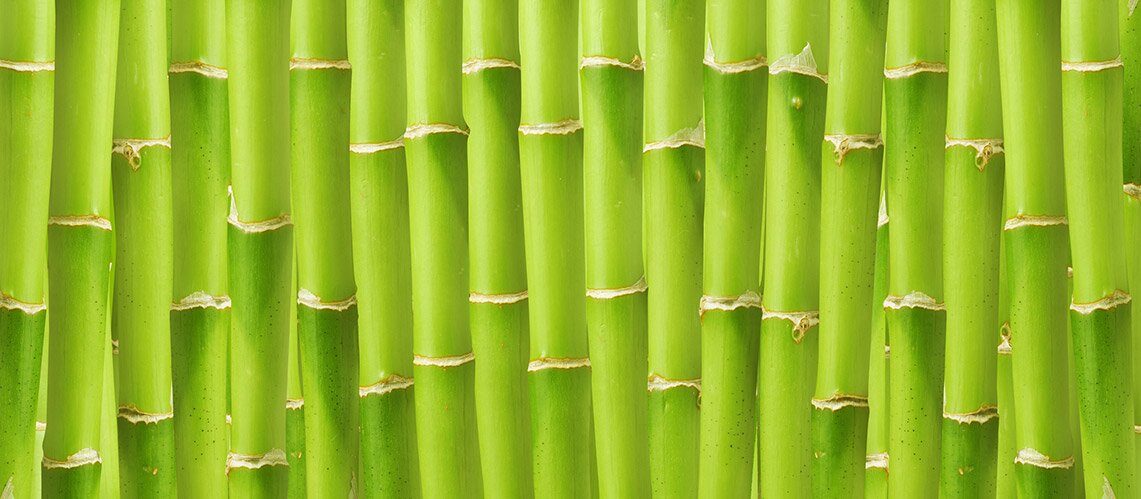
There are products on the market whose uniqueness is due to the fact that bamboo fibres were used for their production. The producers and sellers advertising them name a long list of their advantages, which result from the type of fibre used. Do bamboo fibres really have special properties? Well, in terms of chemical composition, these fibres are simply artificial cellulose fibres, for the production of which bamboo was used as a raw material supplying cellulose. Bamboo fibres are made of cellulose obtained from bamboo shoots. Cellulose from trees (spruce, pine, beech) is produced in a similar way and is used for the production of viscose yarn.
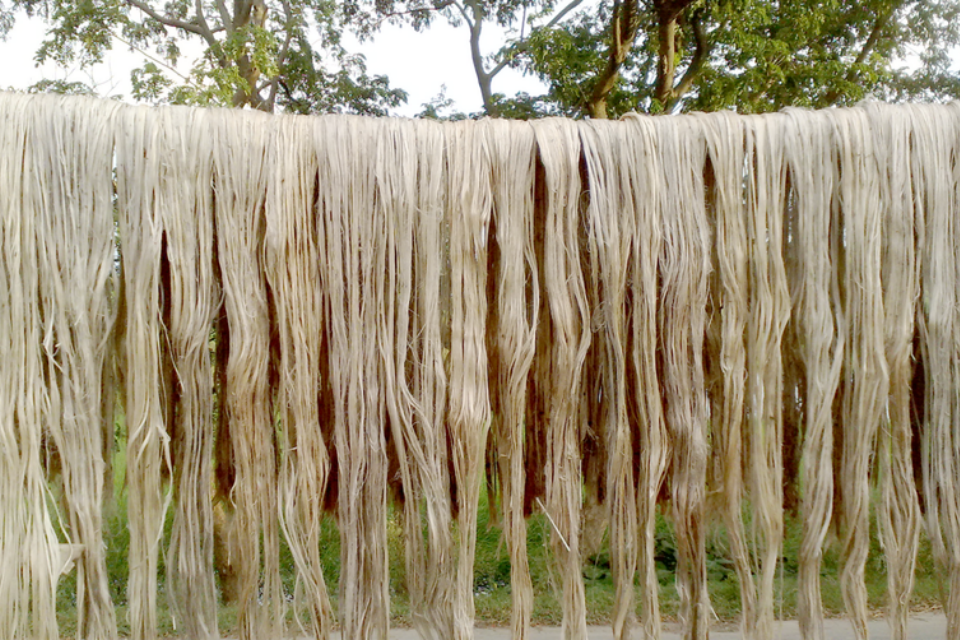
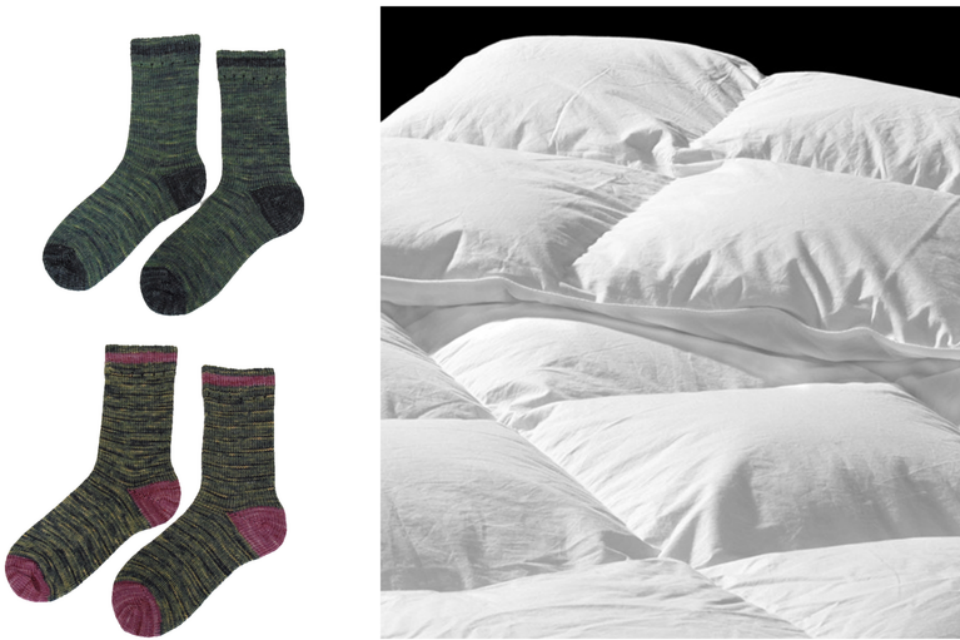
Mineral wool (rockwool) is an insulating material of mineral origin. It found application in construction – for thermal and acoustic insulation of walls, ceilings, floors and roofs – and as a raw material for the production of construction materials. For the production of mineral wool, among others, basalt stone and limestone aggregate are used. Recycled materials are also used.
Synthetic fibres
The difference between artificial and synthetic fibres is based on different production technologies. Synthetic fibres are produced by man from the beginning to the end – from synthetic polymers, in the polymerization process (mainly from petroleum and coal), and artificial fibres are created using chemical treatment of natural fibres.
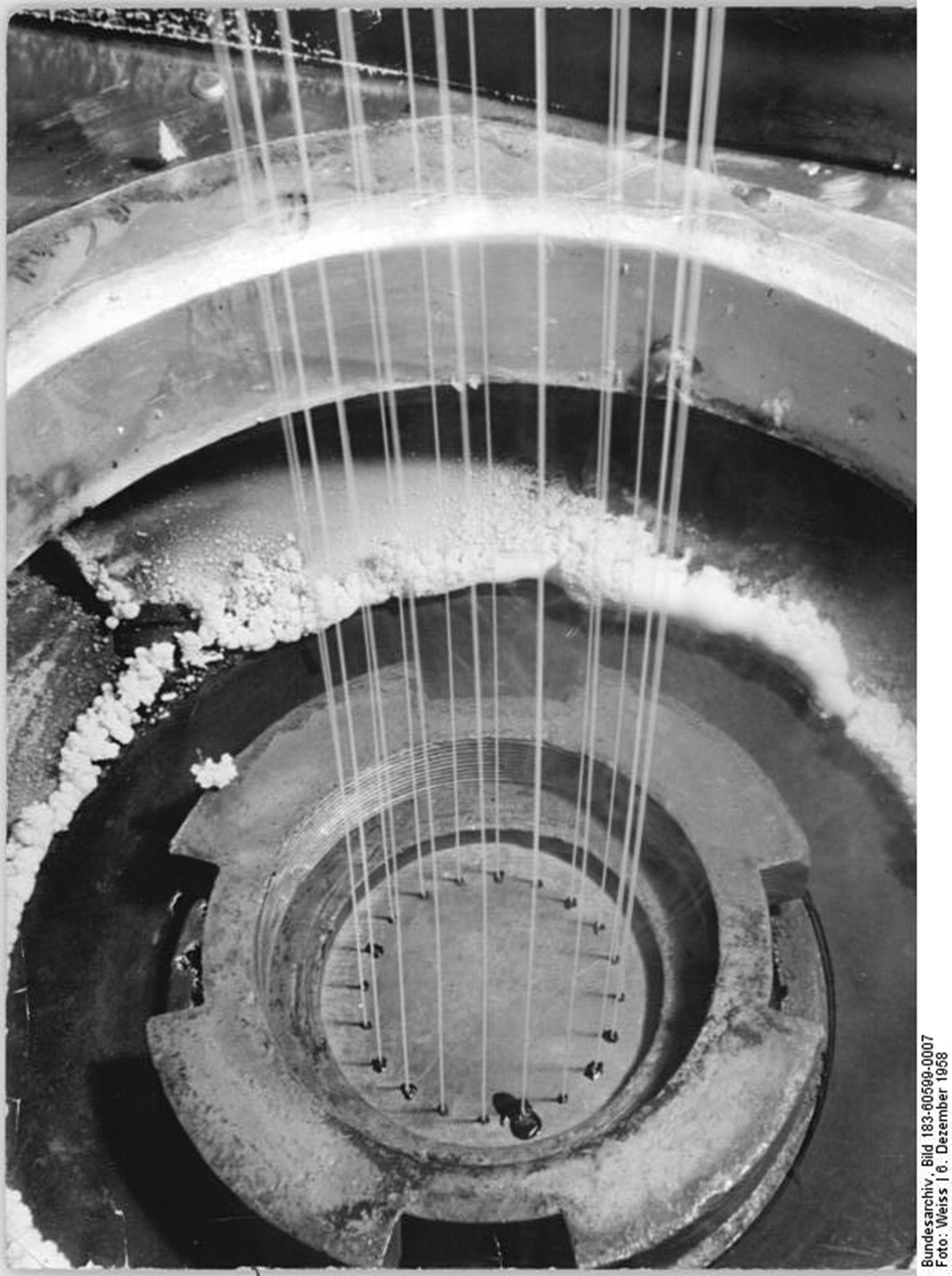
Polyamide (nylon) is the first synthetic fibre. Due to its properties, it gained great popularity among clothing manufacturers. It is lightweight, resistant to crease, very durable, easy to wash and it dries quickly. It is also used as an additive in the form of microfibers (microfiber), e.g. in underwear.
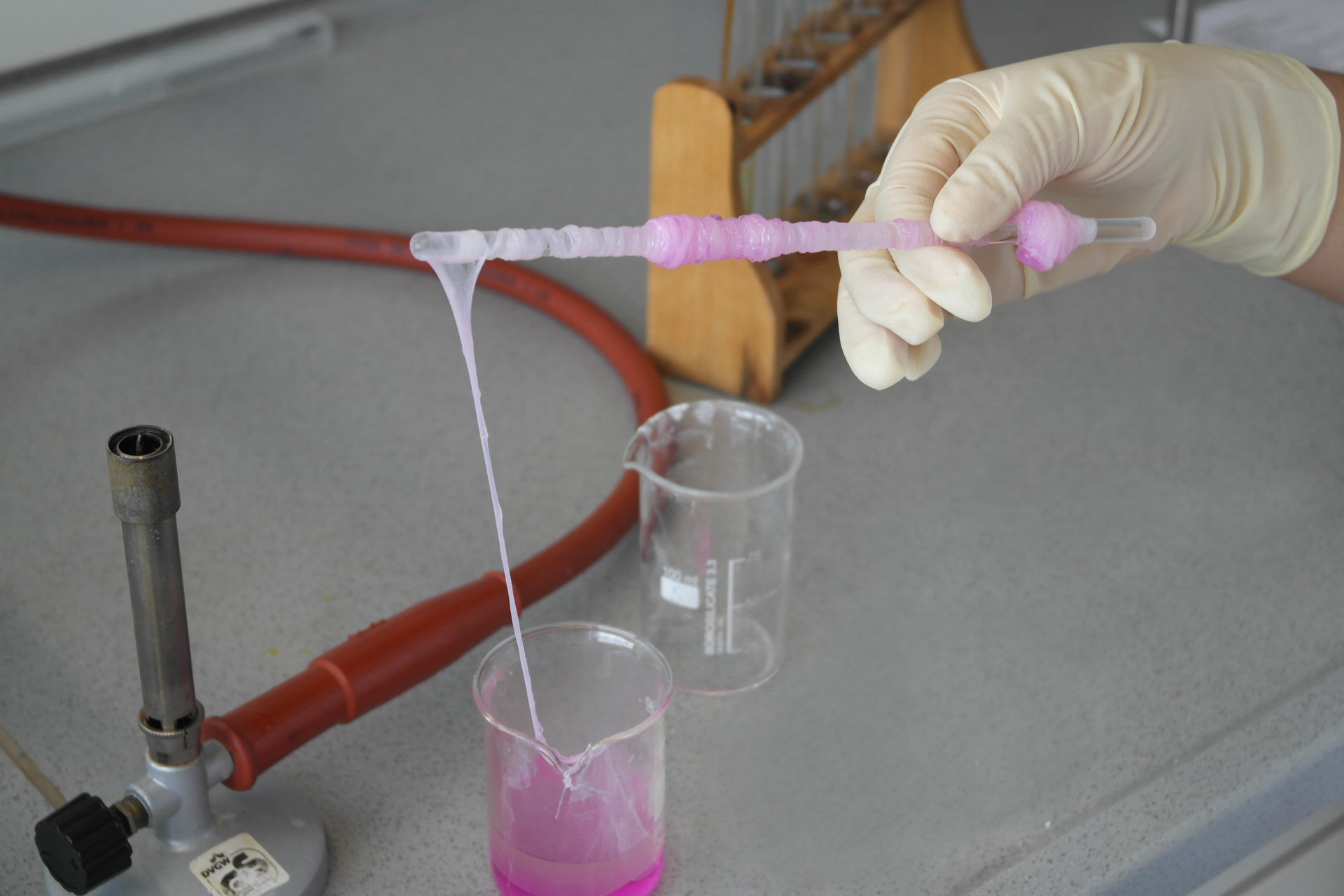
Many types of nylon are produced. The most well‑known is nylon 66 described here. It is formed as a result of the condensation reaction of adipic acid with hexane‑1,6‑diamine. This reaction consists of combining alternating dicarboxylic acid molecules with diamine molecules and forming polymer molecules. Nylon fibre can be obtained by dissolving substrates in water and hexane where substrates form layers instead of mixing together. The polymer forms on the border of these layers. It can be obtained in the form of a long strand.
Polyesters (Terylene, torlen) are synthetic fibres produced in the reaction of dicarboxylic acids with polyhydric alcohols.
These have high resistance to bending, tearing and abrasion, good resistance to light, chemical agents (weak acids and bases), are biologically resistant, absorb water very poorly. Polyester fibres – alone or as a blend with wool, cotton (terylene cotton) or viscose fibres – are used to make fabrics for outerwear, decorative fabrics, curtains.
Elastane (spandex, Lycra) is a polyurethane fibre that was invented in 1958 and immediately revolutionized the clothing industry. The use of elastane as an additive to the materials significantly reduced their weight, while increasing durability as well as comfort and ease of use. Elastane does not appear in the material alone, but as an addition – in blends with other fibres (e.g. with cotton, silk). This fibre is characterized by very high extensibility (up to 500%) and elasticity.
Fleece is a kind of knitted fabric made of PET and other plastics. It is characterized by hydrophobicity and much better thermal insulation properties than wool. It does not lose these properties even if it gets wet. It is used, among others, for the manufacture of sportswear. Currently, various types of fleece fabrics are produced. Depending on the application, these differ in weight (e.g. fleece 100 means that 1 square meter of material weighs 100 grams) and thermal properties, softness and elasticity.
Kevlar is a durable, light and resistant to high temperatures fibre. It is used, among others, for the production of bulletproof vests, helmets, equipment for extreme sports.
Fibre | Density d [g/cmIndeks górny 33] | Tensile strength RIndeks dolny mm [MPa] | Permitted operating temperature in the air tIndeks dolny pp [°C] | Notes |
cotton wool | 1.52 | 70 | 200 | approx. 95% cellulose |
natural silk | 1.25 | 50 | 120–200 | proteins |
nylon 66 | 1.14 | 90 | 30–150 | polyamide 66 |
Lycra | 1.2 | – | 40–120 | polyurethane |
kevlar‑49 | 1.46 | 3600 | 200–200 | aromatic polyamide |
Carbon fibres – formed in the process of transforming organic polymers with very long chains contributing to a significant increase in the carbon content in the product. Its important feature is low mass, due to which this material is used in cosmonautics and Formula 1. Currently, due to a significant reduction in production costs, it is also used for the production of many commonly used products.
Inorganic fibres
Among the inorganic fibres, chemical (artificial) fibres are distinguished, including glass and metal fibres.
Glass fibres are made of glass in the form of glass wool used as a material for thermal insulation in construction and in the form of fibres for the production of yarn for clothing fabrics for steelworks workers, filter cloths, theatre curtains. Glass fibres are characterized by high tensile strength, resistance to acids and lixivium, temperature resistance up to 600°C.
Metal fibres are obtained from copper, silver, gold, steel or alloys of these metals. Metal threads are obtained by wrapping cotton or silk yarn with metal wires. These threads are used for embroidery, the manufacture of decorative fabrics. Metal fibre products due to oxidation darken in the air – these should be protected from light and moisture.
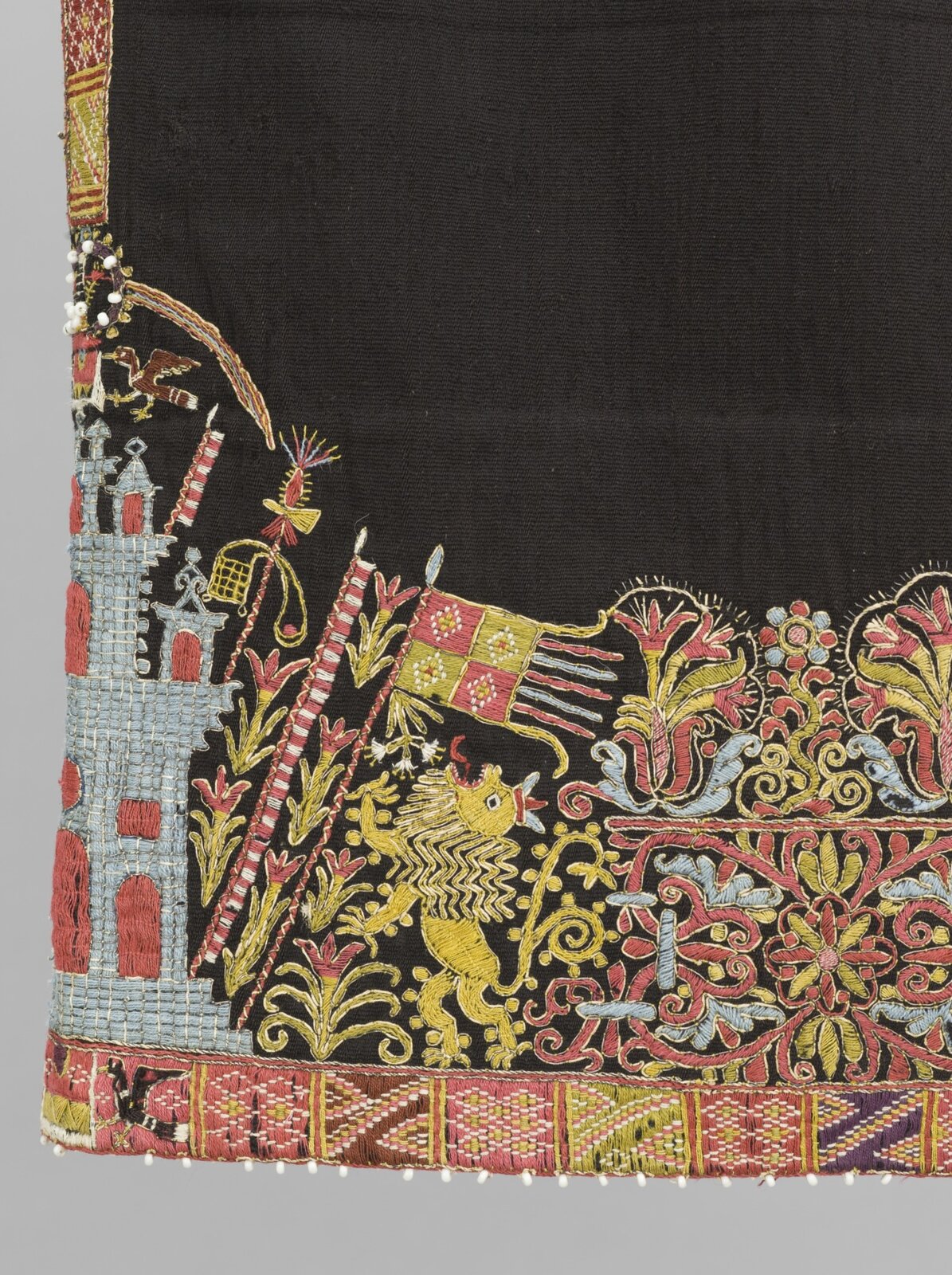
Select true statements.
- Modal is made entirely of cellulose.
- Artificial silk does not combust, it melts.
- Fleece is a kind of knitted fabric made of PET and other plastics.
- The fabric made of natural silk turns yellow due to the action of nitric acid, and the fabric made of artificial silk does not.
- Glass fibres are characterized by high tensile strength.
- Elastane is an artificial raw material made of natural polymers.
Summary
Natural fibres can be cellulose fibres (vegetable fibres) or protein fibres (animal fibres). Mineral fibres (asbestos) are also known.
Man‑made fibres are chemically synthesized – made of raw materials of natural origin, e.g. viscose from cellulose – and artificial fibres – made of substances obtained by chemical synthesis.
Today, many types of fibres are produced, which are used to manufacture products that meet sometimes very specialized requirements and serve the safety and comfort of users.
Observation of fibres combustion allows approximate determination of the type of fibre. In addition, protein fibres undergo reactions characteristic for proteins, e.g. xanthoproteic reaction.
Suggest an experiment that will show that wool fabric is made of protein fibres. Prepare the description and scheme of the experiment.
Keywords
artificial fibres, synthetic fibres, inorganic fibres, viscose, modal, spandex, silk, nylon, polyamide, polyester, fleece, Kevlar, glass fibres, metal fibres
Glossary
włókna naturalne – włókna pochodzenia roślinnego lub zwierzęcego występujące w przyrodzie, które po odpowiedniej obróbce moga być wykorzystane do produkcji tkanin; jedynym naturalnym włóknem mineralnym jest azbest
włókna syntetyczne – włókna wytwarzane w procesach polimeryzacji i polikondensacji związków organicznych (głównie węglowodorów i ich pochodnych), np. poliamid czy poliester
włókna sztuczne – włókna wytwarzane ze związków chemicznych znajdujących się już w przyrodzie, przez formowanie polimerów naturalnych, np. wiskoza powstająca z celulozy, czyli z masy drzewnej