BiotechnologybiotechnologyBiotechnology is an interdisciplinary branch of applied science, studying and developing various methods of the industrial‑scale use of biological materials and processes. Methods that are used currently emerged possibly when animal breeding and plant cultivation started. Traditional biotechnology uses organisms for production of food or medicines without modifying their genes. On the other hand, modern biotechnology adapts organism to production needs by introducing changes into their genomes.
RS4LGd5h0trt8
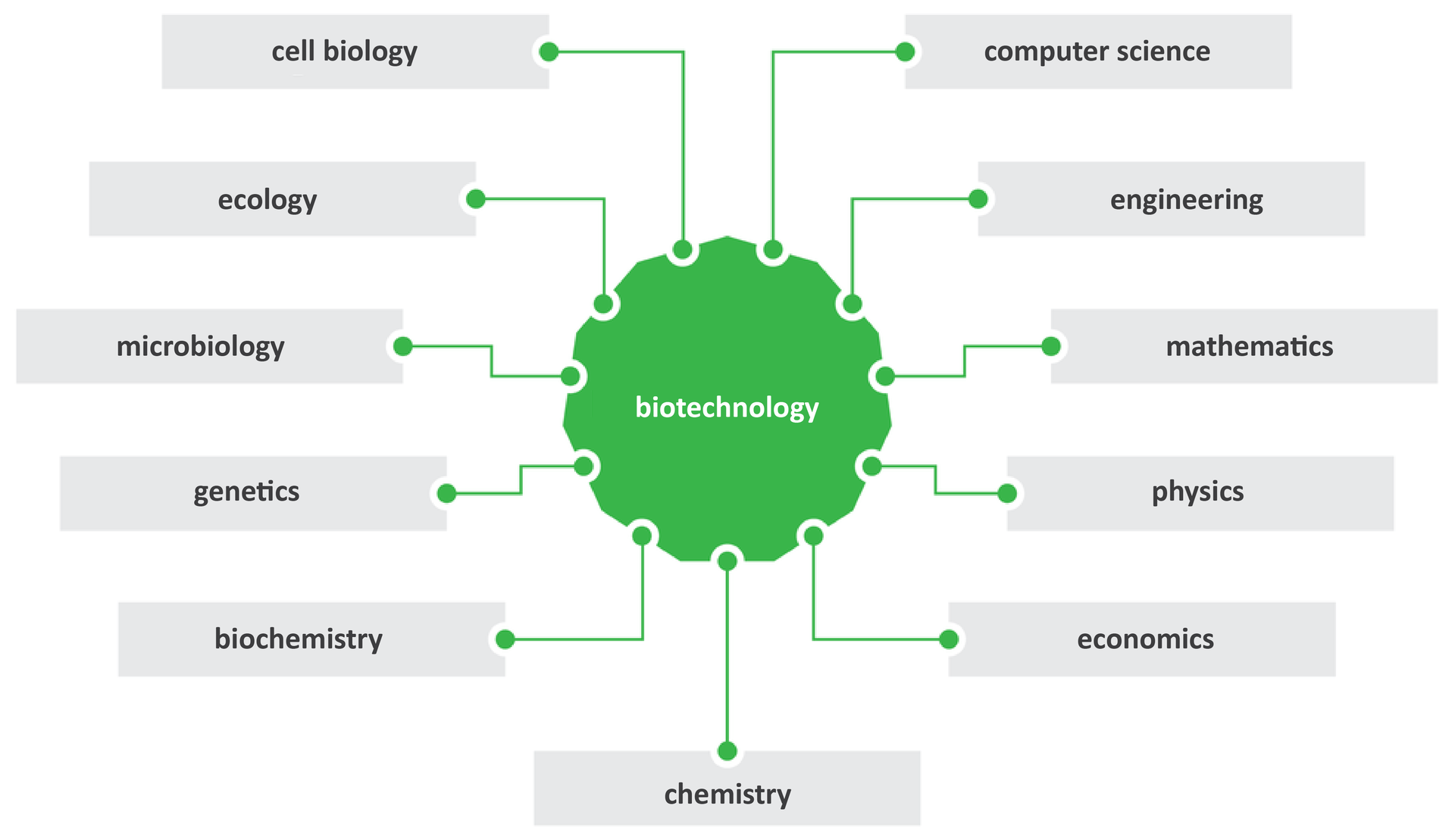
Grafika przedstawia umieszczony w środku napis biotechnologia, dookoła, w podanej kolejności: cell biology, ecology, microbiology, genetics, biochemistry, chemistry, economics, physics, mathematics, engineering, computer science
Biotechnology is an interdisciplinary branch of science
Source: Dariusz Adryan, licencja: CC BY 3.0.
Taking into account the areas in which biotechnology is used, it was classified into three categories described with colours: white, red and green. This classification was proposed by the Organisation for Economic Co‑Operation and Development, with the participation of the European Union.
White biotechnology is used in industrial production and environmental protection. Red biotechnology is used in health care, for production of new medicines (biomedicines) and development of genetic diagnostics. Green biotechnology is associated with agriculture and used to increase plant and animal production.
Many food products is manufactured using biological processes, mainly fermentation.
Lactic acid fermentation is a process for converting sugars (carbohydrates) into lactic acid, which causes coagulation of casein, a protein present in milk. This process is used to produce milk products and cheeses.
PicklingpicklingPickling is a method for preservation of fruit, vegetables, and mushrooms. Pickles can be stored for many months without a risk of their spoiling, because lactic acid prevents development of other saprofitic microorganisms, except for lactic acid bacteria tolerating it.
R1d1wr9eGgRQ0
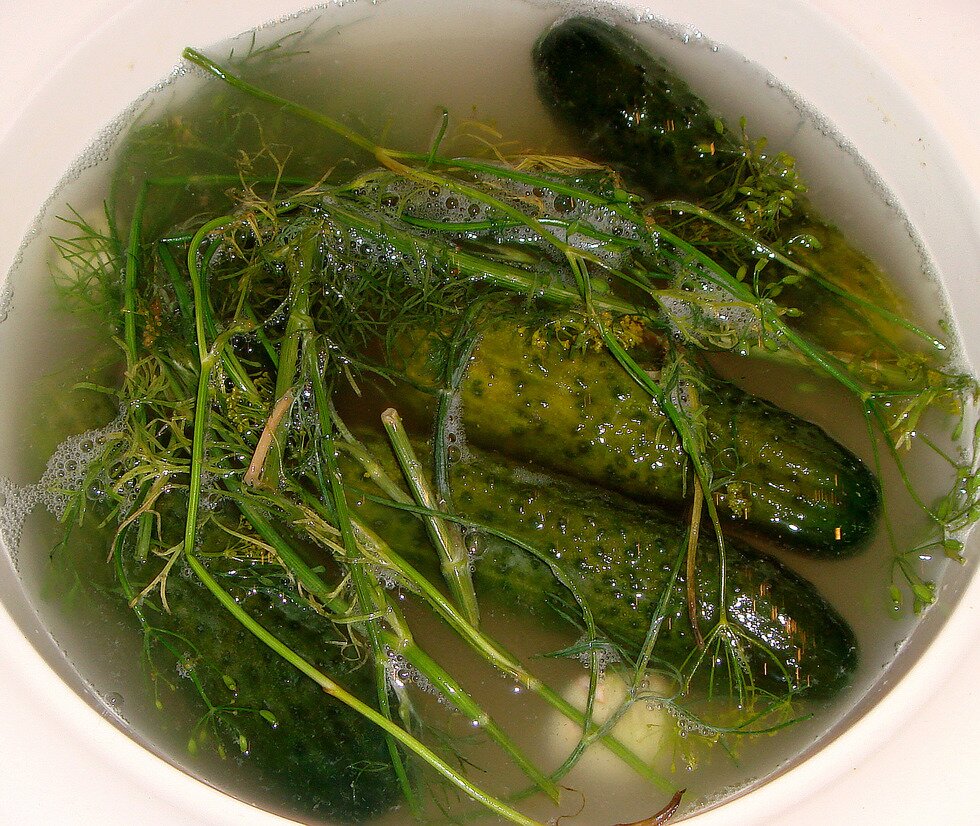
Fotografia przedstawia naczynie z czterema żółto zielonymi, kiszonymi ogórkami w zalewie. Na nich leżą gałązki kopru. Na powierzchni płynu są niewielkie skupienia białej piany.
Gherkins pickled using a home method
Source: Marcin Floryan, edycja: Krzysztof Jaworski, http://commons.wikimedia.org, licencja: CC BY 3.0.
The fermentation process is also used to produce alcohol, and in bakeries and patisseries.
Microorganisms most commonly used in the traditional biotechnology are bacteria and fungi. The first antibioticantibioticsantibiotic, penicillinpenicillinpenicillin, was obtain from a fungus and save lives of thousands of people. Bacteria also enables obtaining of metals from mine spoil waste.
Biotechnology is also used to produce biological weaponsbiological weaponbiological weapons. It allows to create or select strains of highly infectious bacteria or viruses able to cause severe diseases.
RaXnHmDc7KwQ9
Wersja alternatywna: Arrange a crossword using information from the abstract. Present it to your friends to solve.
Wersja alternatywna: Arrange a crossword using information from the abstract. Present it to your friends to solve.
Arrange a crossword using information from the abstract. Present it to your friends to solve.
R1PHrXxunNlwv
Exercise 1
Wersja alternatywna ćwiczenia: Match an area of use to each branch of biotechnology. white biotechnology Możliwe odpowiedzi: 1. health care, for production of new medicines and genetic diagnostics, 2. industrial production and environmental protection, 3. increase in plant and animal production red biotechnology Możliwe odpowiedzi: 1. health care, for production of new medicines and genetic diagnostics, 2. industrial production and environmental protection, 3. increase in plant and animal production green biotechnology Możliwe odpowiedzi: 1. health care, for production of new medicines and genetic diagnostics, 2. industrial production and environmental protection, 3. increase in plant and animal production
Wersja alternatywna ćwiczenia: Match an area of use to each branch of biotechnology. white biotechnology Możliwe odpowiedzi: 1. health care, for production of new medicines and genetic diagnostics, 2. industrial production and environmental protection, 3. increase in plant and animal production red biotechnology Możliwe odpowiedzi: 1. health care, for production of new medicines and genetic diagnostics, 2. industrial production and environmental protection, 3. increase in plant and animal production green biotechnology Możliwe odpowiedzi: 1. health care, for production of new medicines and genetic diagnostics, 2. industrial production and environmental protection, 3. increase in plant and animal production
Match an area of use to each branch of biotechnology.
industrial production and environmental protection, increase in plant and animal production, health care, for production of new medicines and genetic diagnostics
white biotechnology
red biotechnology
green biotechnology
Rsd0hCPyDrJH5
Exercise 2
Wersja alternatywna ćwiczenia: Transfer to each group names of products resulting from specific processes. lactic acid fermentation Możliwe odpowiedzi: 1. salted fish, 2. beer, 3. rennet cheese, 4. wine, 5. sauerkraut, 6. fruit syrup, 7. yogurt, 8. wine vinegar, 9. kefir alcohol fermentation Możliwe odpowiedzi: 1. salted fish, 2. beer, 3. rennet cheese, 4. wine, 5. sauerkraut, 6. fruit syrup, 7. yogurt, 8. wine vinegar, 9. kefir acetic fermentation Możliwe odpowiedzi: 1. salted fish, 2. beer, 3. rennet cheese, 4. wine, 5. sauerkraut, 6. fruit syrup, 7. yogurt, 8. wine vinegar, 9. kefir preserved with substances inhibiting microorganism growth Możliwe odpowiedzi: 1. salted fish, 2. beer, 3. rennet cheese, 4. wine, 5. sauerkraut, 6. fruit syrup, 7. yogurt, 8. wine vinegar, 9. kefir
Wersja alternatywna ćwiczenia: Transfer to each group names of products resulting from specific processes. lactic acid fermentation Możliwe odpowiedzi: 1. salted fish, 2. beer, 3. rennet cheese, 4. wine, 5. sauerkraut, 6. fruit syrup, 7. yogurt, 8. wine vinegar, 9. kefir alcohol fermentation Możliwe odpowiedzi: 1. salted fish, 2. beer, 3. rennet cheese, 4. wine, 5. sauerkraut, 6. fruit syrup, 7. yogurt, 8. wine vinegar, 9. kefir acetic fermentation Możliwe odpowiedzi: 1. salted fish, 2. beer, 3. rennet cheese, 4. wine, 5. sauerkraut, 6. fruit syrup, 7. yogurt, 8. wine vinegar, 9. kefir preserved with substances inhibiting microorganism growth Możliwe odpowiedzi: 1. salted fish, 2. beer, 3. rennet cheese, 4. wine, 5. sauerkraut, 6. fruit syrup, 7. yogurt, 8. wine vinegar, 9. kefir
Transfer to each group names of products resulting from specific processes.
preserved with substances inhibiting microorganism growth
RwjPpU9sx9S6f
Exercise 3
Wersja alternatywna ćwiczenia: For what purposes can humans use microorganisms? Mark all correct answers. Możliwe odpowiedzi: 1. for production of food and alcohol, 2. for food preservation, 3. for production of antibiotics, 4. as a biological weapon, 5. to sterilize medical equipment, 6. to obtain coal from poor deposits
Wersja alternatywna ćwiczenia: For what purposes can humans use microorganisms? Mark all correct answers. Możliwe odpowiedzi: 1. for production of food and alcohol, 2. for food preservation, 3. for production of antibiotics, 4. as a biological weapon, 5. to sterilize medical equipment, 6. to obtain coal from poor deposits
For what purposes can humans use microorganisms? Mark all correct answers.
for production of food and alcohol
for food preservation
for production of antibiotics
as a biological weapon
to sterilize medical equipment
to obtain coal from poor deposits
Conclusion
Biotechnology is used in food production and agricultural sectors, medicine, industrial production, and environmental protection.
Homework
Task 1.1
1. Establish lactic acid bacteria cultures in fresh, pasteurized and UHT milk. Compare changes occuring in these samples and explain differences.
Task 1.2
2. Find in a store food products manufactured using microorganisms. Note their names and names of microorganisms used to produce these products.
biotechnologia – interdyscyplinarna dziedzina nauki zajmująca się badaniem procesów zachodzących przy udziale mikroorganizmów, wirusów i składników komórek oraz wykorzystywaniem tych procesów do produkcji określonych substancji w przemyśle i medycynie