Birds
that birds fly efficiently;
that we can encounter birds in various environments;
that in your surroundings, there are birds which live in Poland for the whole year, others which fly away for winter to warm countries, and others still fly to us.
to say how birds are adapted for flight;
to recognise certain birds which live in Poland;
Characteristic features of birds
Birds are vertebrates which are adapted to flight. It is the means of moving which is characteristic of most of these animals. Birds' forelimbs are shaped into wings. Birds have a small skull with large eye sockets, and instead of teeth, they have a pointy beak. The bridge connecting their ribs has a large appendage called a keel, to which powerful muscles which move the wings are attached. Certain bones are filled with air. Birds are warm‑blooded, and their average body temperature measures almost 40°C. All birds are oviparousoviparous, and the vast majority look after their eggs and young. Eggs are covered in a strong, calcareous shell.
Birds' best‑developed sense is that of sight. They can see significantly further and more clearly than us. Birds' hearing is also very sensitive, despite the fact that they don't have ears which are visible on the outside of the body.
Bird diversity
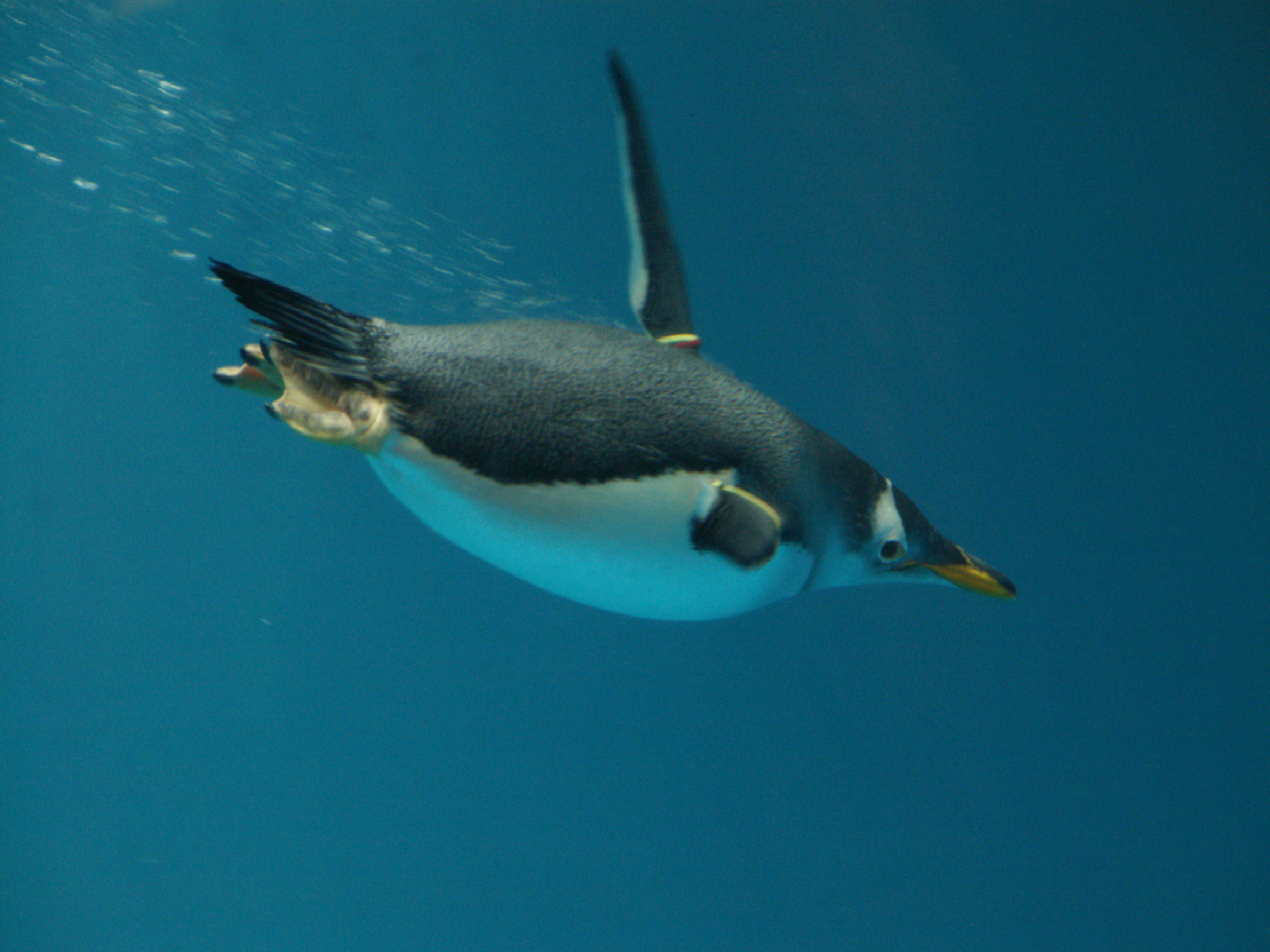
Birds are an extremely diverse group – over 12 000 species of these animals are known. They can be found in almost all environments – some of them can even survive the hot deserts. Most birds have the ability to fly, but there are some which are not able to (the ostrich, the emu and the kiwi). Penguins have also lost the ability of flight, but however, they are excellent swimmers.
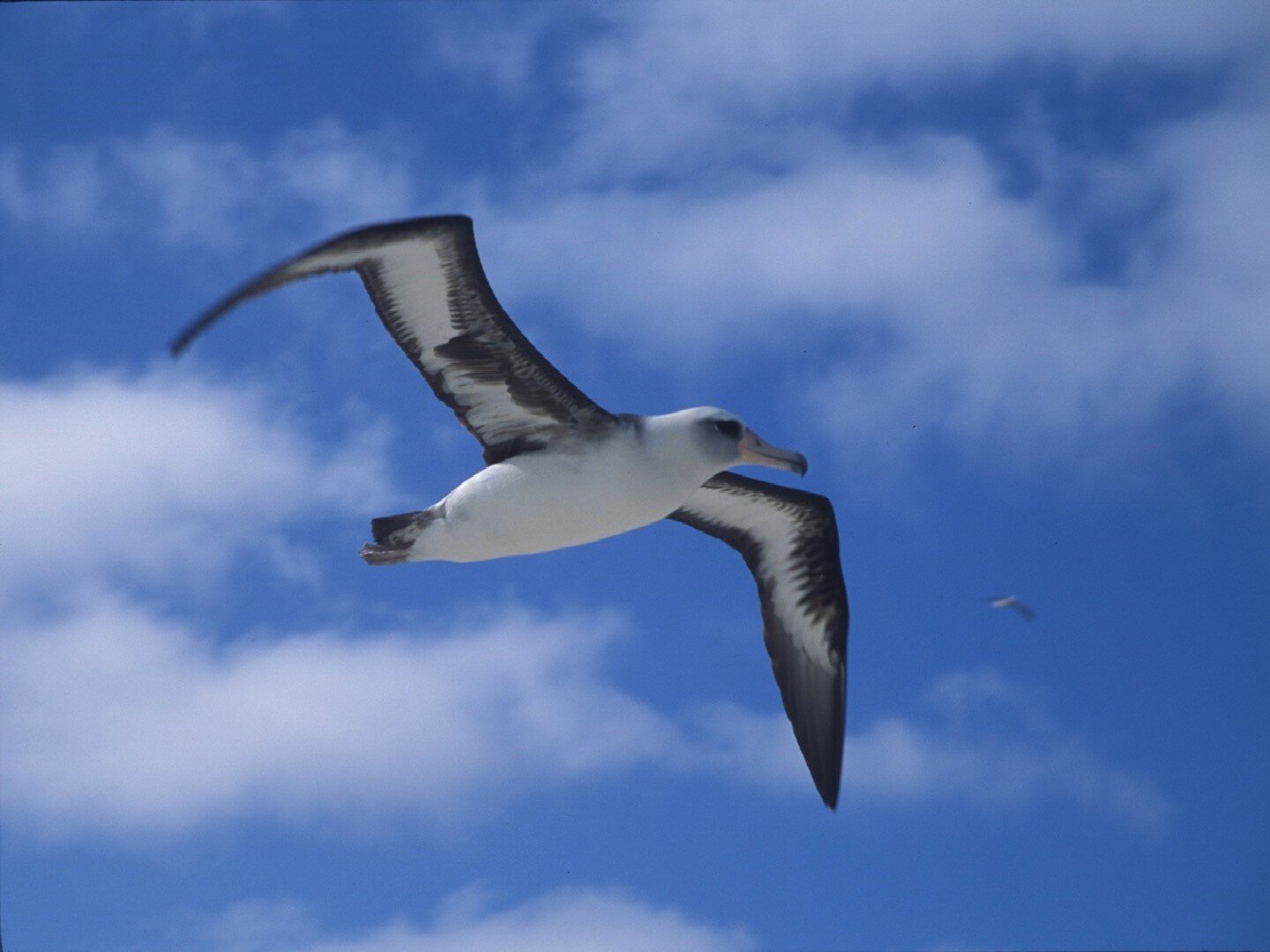
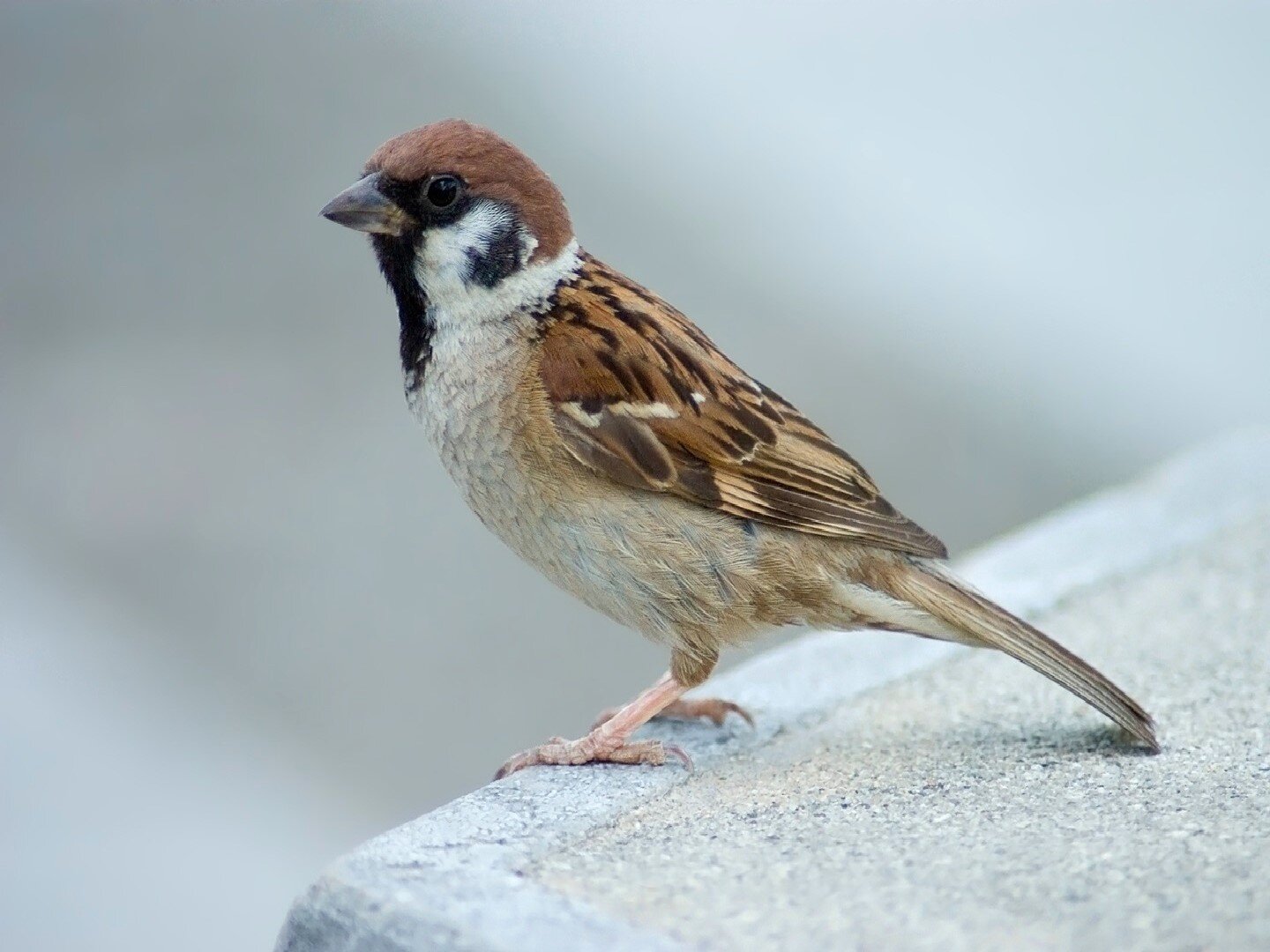
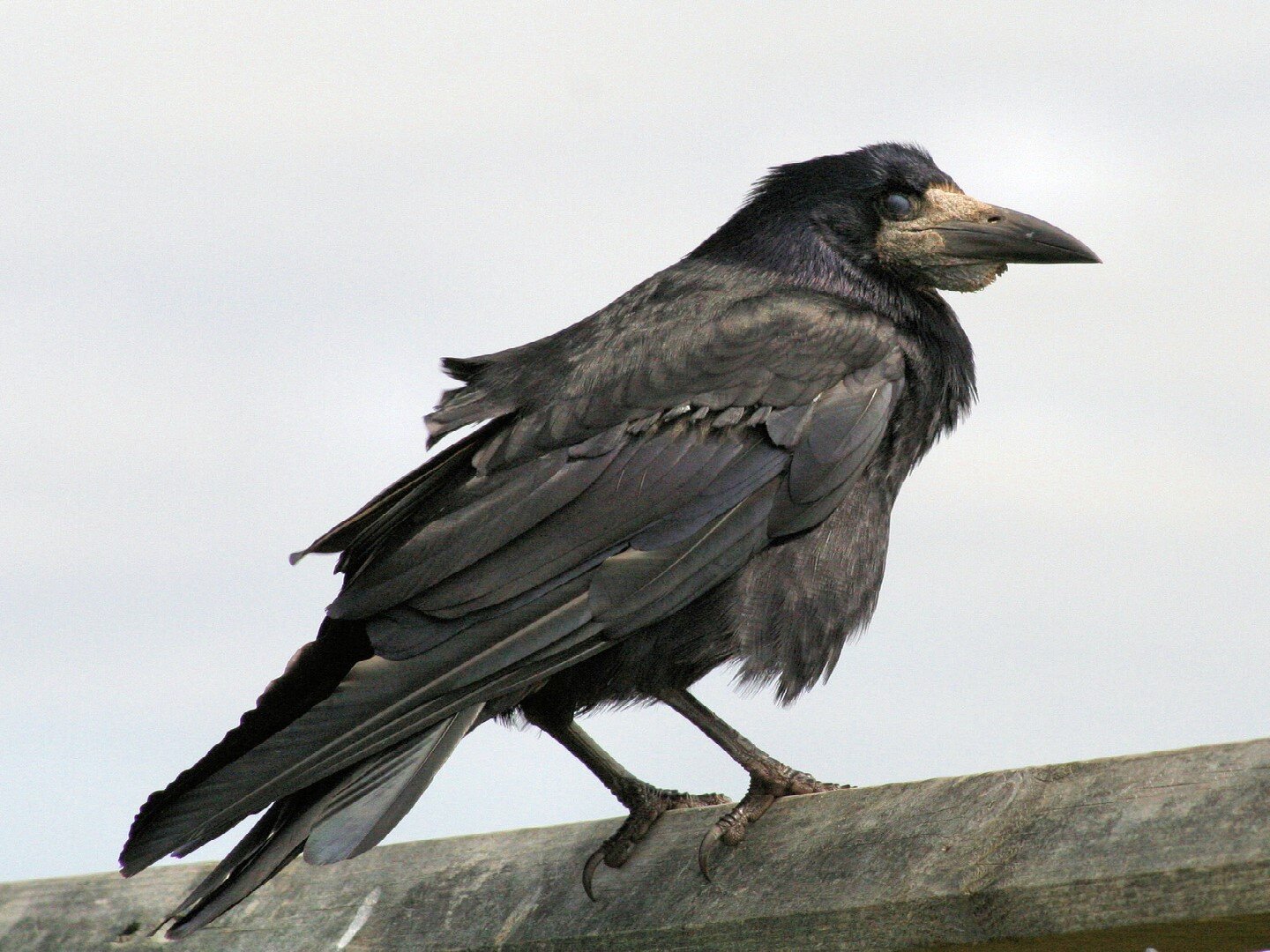
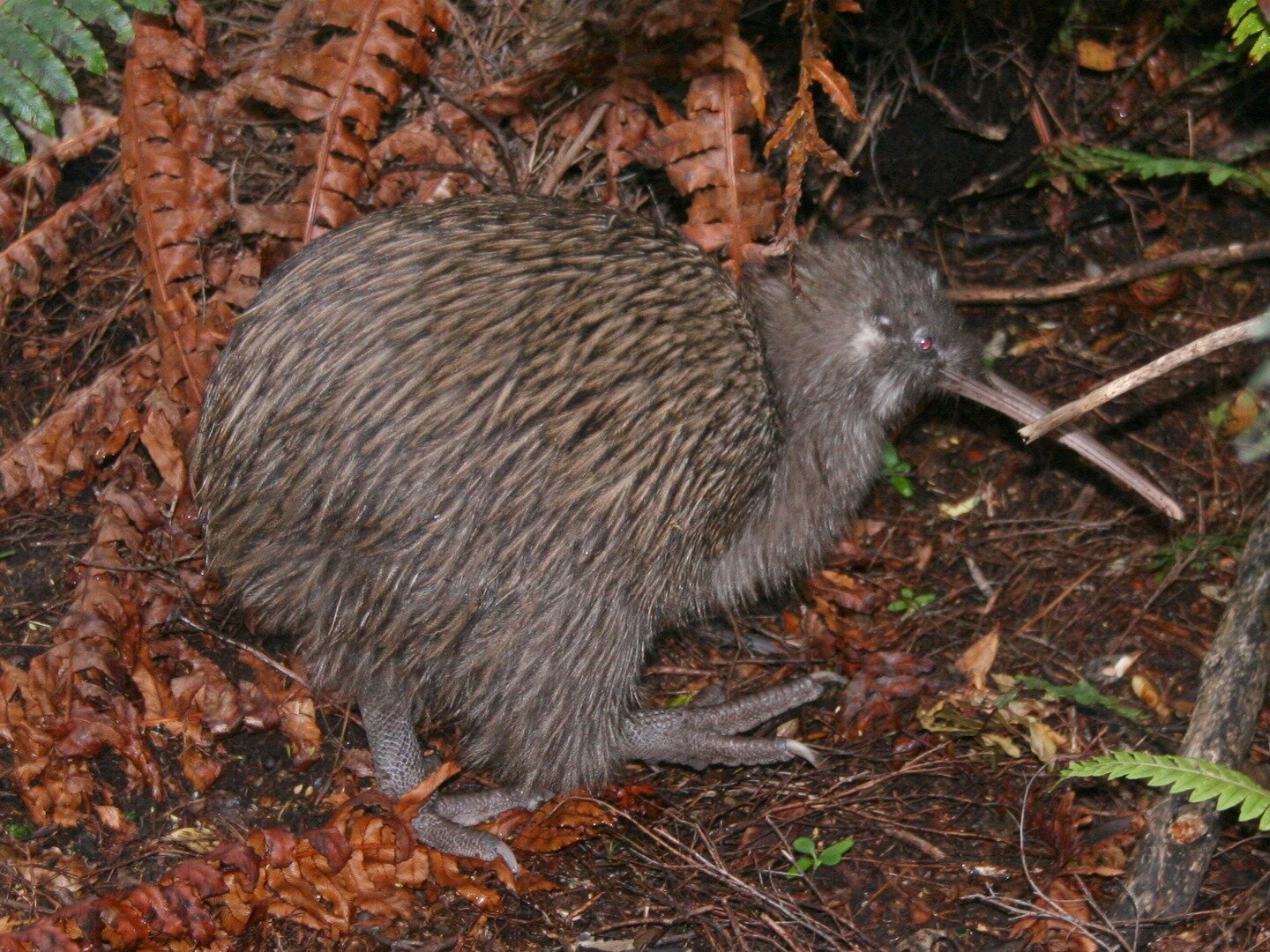
Another characteristic trait of birds is their ability to communicate via a variety of sounds. Song is characteristic of the bird species. Other than song, birds emit sounds which are used in various life situations, for example as a warning.
Birds reproduce sexually. Males are often more colourful than females, and both genders can also differ in terms of size. During the mating season, males can fight (for example grouse or sandpipers), dance (for example cranes and swans) or simply show their plumage (for example, peacocks) to catch the attention of a female. Birds lay eggs, and put them into various types of nests, hollows or burrows. Brooding is when the egg is warmed by a parent's warm body.
Birds feed on both plant matter and invertebrates (for example insects) or vertebrates (for example fish and rodents). Many of them eat various types of food, depending on the season. They themselves are also food for many animals and people. They play a huge role in limiting the number of insects – insectivorous birds eat as much as half of all adult insects which appear in summer! Birds also play an important part in spreading seeds. Woodpeckers also play an important role, as when they dig hollows, it is not only useful for them, but also for other animals.
Match the pairs: English words with Polish definition.
temperatura ciała stała, nie zależy od temperatury otoczenia., forma rozrodu płciowego zwierząt, w którym zarodki rozwijają się w jaju zaopatrzonym w substancje odżywcze.
| warm‑bloodedness | |
| oviparity |
Summary
Birds are vertebrates, whose jaws are formed into a beak, and whose bodies are covered in feathers.
Birds have four limbs, of which the forelimbs are shaped into wings.
Birds reproduce sexually, lay eggs, and usually look after their young.
Based on different sources look for information about the following species of birds: the nightingale, the mallard, the wood pigeon and the magpie. Find out what they feed on, whether they migrate and if they build nests.
Keywords
birds, warm‑bloodedness, feathers
Glossary
stałocieplność – temperatura ciała stała, nie zależy od temperatury otoczenia.
jajorodność – forma rozrodu płciowego zwierząt, w którym zarodki rozwijają się w jaju zaopatrzonym w substancje odżywcze.