Chemical properties of the substance
what chemistry is;
which safety rules should be followed in the school chemical laboratories;
which vessels and what equipment should be used to perform a specific laboratory activity;
how to handle substances and preparations marked with warning pictograms.
name the chemical properties of the substance;
determine which properties of the substance are physical and which are chemical;
plan methods for testing the physical and chemical properties of the substance;
examine and describe the properties of selected substances.
Which properties are chemical?
View photos. Both ladders were exposed to similar weather conditions for several months. Consider the differences in the properties of the substances from which both ladders were made.

Chemical propertiesChemical properties are those characteristics of substances that can be determined based on their behaviour towards other substances. These are, for example:
smell,
taste,
combustibility,
toxicity,
reactivity (ability to react with specific substances or lack thereof, chemical degradation to simpler substances under the influence of specific factors) – reactions with acids and bases, reducing or oxidizing effect, chemical degradation into simpler substances, corrosion.
Recall what are physical properties of the substance. Then type the substance features into empty fields and assign them to the appropriate categories of physical or chemical properties.
Write down physical and chemical properties of substance and set them in the right places. Compare what you wrote with the information in the summary.
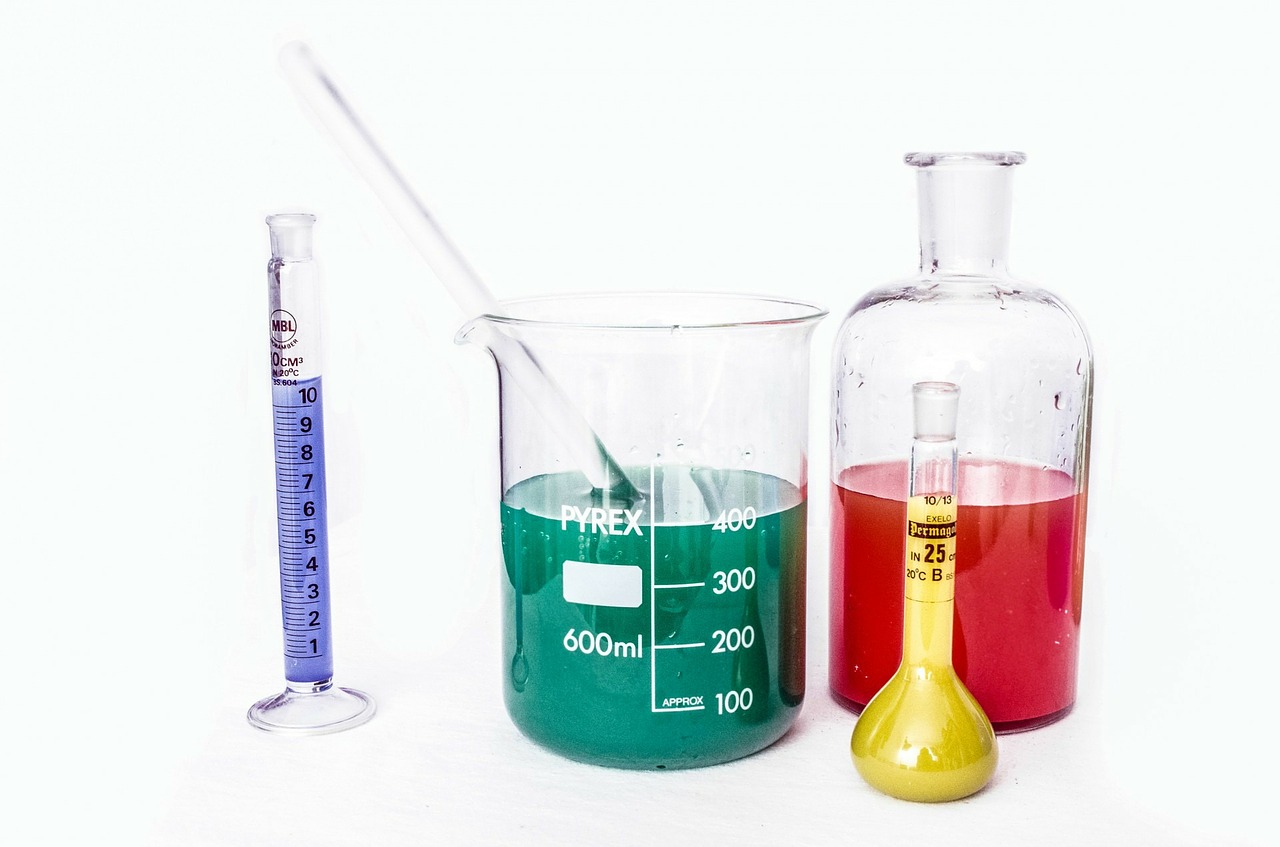
Before you watch the movie „Testing substances combustibility”, formulate a research question and a hypothesis. After the screening, note down observations and conclusions.

Film dostępny na portalu epodreczniki.pl
Film przedstawia eksperyment: spalanie drucika z miedzi. W efekcie działania temperatury, drucik zabarwia na czarno. Długie ogrzewanie miedzi przy dostępie powietrza powoduje, że miedź pokrywa się nalotem o czarnej barwie.
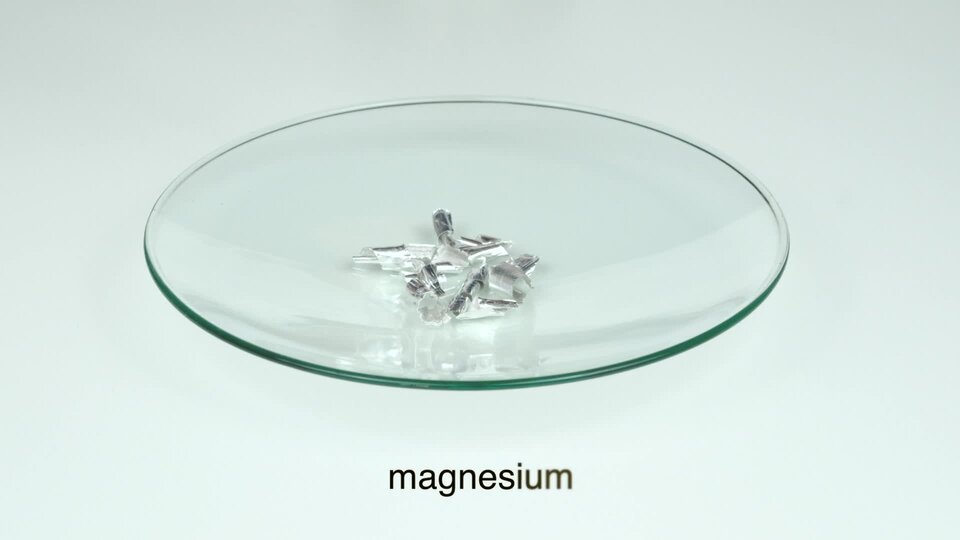
Film dostępny na portalu epodreczniki.pl
Film przedstawia eksperyment: spalanie magnezu. W efekcie działania temperatury, magnez zapala się i płonie oślepiającym białym płomieniem.
Before watching the movie „Testing chemical properties of selected substances”, formulate a research question and a hypothesis. After the screening, make notes of observations and conclusions.
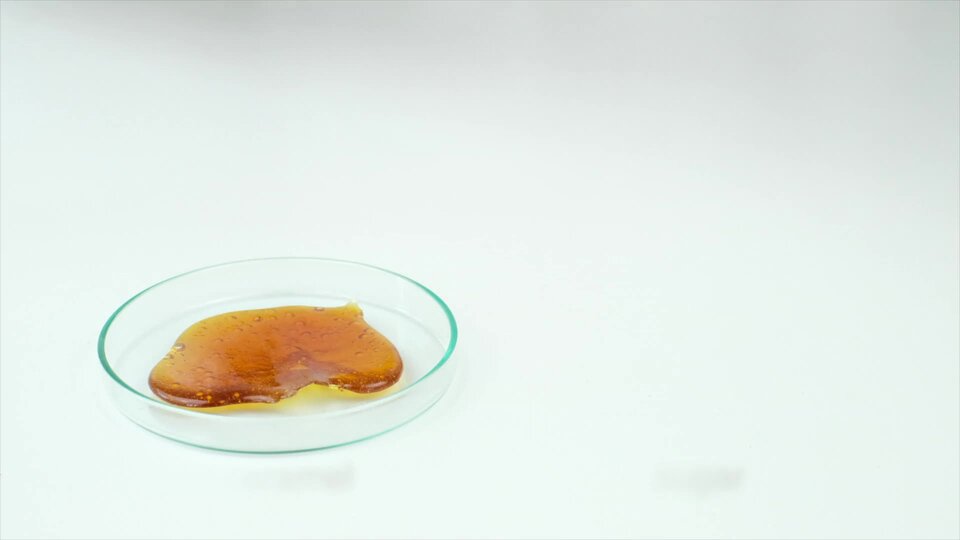
Film dostępny na portalu epodreczniki.pl
Film przedstawia badanie własciwości chemicznych substancji. Przebieg eksperymentu: na jednej szalce Petriego nałożony jest karmel, a na drugiej cukier. Osoba przeprowadzająca eksperyment wykonuje ruch ręką nad jedną z substancji, aby rozpoznać jej zapach.
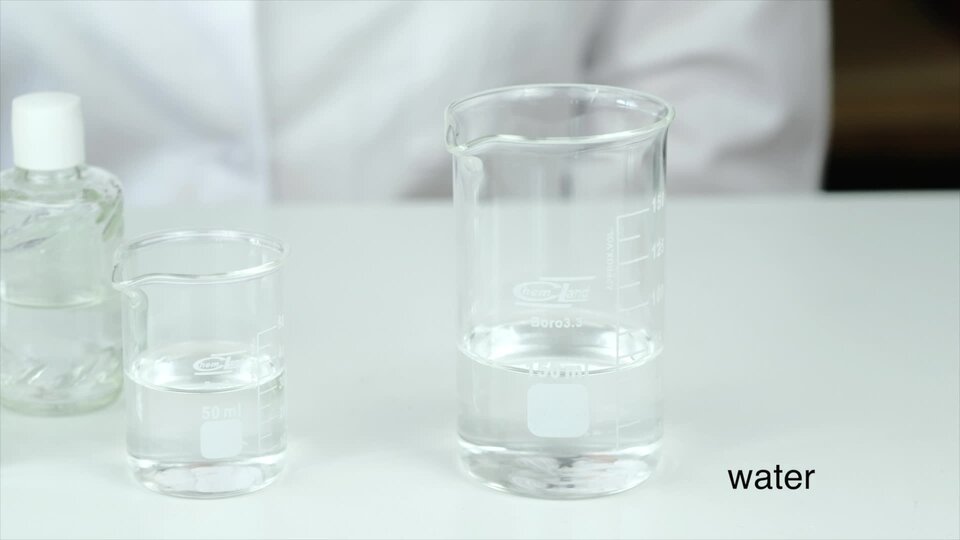
Film dostępny na portalu epodreczniki.pl
Film przedstawia badanie właściwości chemicznych (zapachu) wody i acetonu i octu. Zaprezentowane są trzy zlewki. Każda zawiera inny płyn: wodę, aceton lub ocet. Osoba przeprowadzająca eksperyment wykonuje ruch ręką nad jedną z substancji, kierując jej pary w kierunku nosa, aby rozpoznać jej zapach.
Find similarities and differences in the chemical properties of any three substances. Write it down here or in a notebook.
Compare the taste and aroma of any three chemicals: sugar, vinegar and salt. Plan the experience, carry it out, and make observations and conclusions in a notebook.
Dangerous substances
Recall information about the proper behaviour when conducting the experiments in the chemical laboratory.
By conducting experiments in a chemical laboratory, we engage our senses, receiving specific stimuli that provide us with information about the tested phenomena. We must take special care to ensure proper protection of the sensory organs. Always remember about risk of the absorption of dangerous substances into the body through the skin, mucous membranes and respiratory tract. Warning pictograms are used to identify potentially hazardous substances. Perform task and recall the most important of them.
Which set shows only physical properties? Select the correct answer.
- state of matter, colour, smell, density, hardness
- gloss, combustibility, solubility in water, boiling point, melting point
- smell, combustibility, chemical activity, taste, toxicity
- electrical and thermal conductivity, state of matter, hardness, colour, density
Which of the following examples indicate a change in chemical properties:
- dissolving sugar in tea
- magnesium combusting
- ice melting
- evaporation of water
Select the correct answer. The chemical property is connected with:
- rust formation on an object made of iron
- bending the wheel rim
- crushing sugar cubes
- combusting oxygen
Summary
The world consists of various substances that have a permanent composition and specific properties.
Each substance has its own physical properties, e.g. state of matter, colour, water solubility, and chemical properties, e.g. taste, odour, combustibility.
Chemical properties are those characteristics of substances that can be determined based on their behaviour towards other substances. These are, for example: smell, taste, combustibility, toxicity, reactivity.
Substances can be identified based on their properties.
The application of substances result from their characteristic properties, both physical and chemical (e.g. sugar is sweet, therefore we use it for sweetening, carbon dioxide does not support combustion, so it is used as a fire extinguisher in some types of fire extinguishers).
Key words
Properties of the substances, chemical properties, combustibility
Glossary
substancja – rodzaj jednorodnej materii (o stałym składzie chemicznym) o określonych właściwościach (cechach charakterystycznych, np. stan skupienia, w danych warunkach, barwa, twardość, palność), np. woda, żelazo, miedź, glin
właściwości chemiczne substancji – cechy substancji, które można określić na podstawie jej zachowania wobec innych substancji; do właściwości chemicznych zaliczamy m.in.: palność, reaktywność, zapach, smak