Climate change
that our everyday behaviours have an impact on nature;
that plants produce oxygen that we breathe;
that some substances are in the form of gas;
that atmospheric pollution affects the weather.
explain what the climate is;
describe the mechanism of the greenhouse effect;
describe human influence on the climate;
distinguish global warming from the greenhouse effect.
Nagranie dostępne na portalu epodreczniki.pl
Nagranie dźwiękowe dotyczące wyjaśnienia, czym jest klimat
What is the climate?
The cause of mysterious weather changes in 1816 was the eruption of the Tambor volcano in remote Indonesia. During the explosion in 1815, a huge amount of ash was released into the atmosphere. It is this ash floating around our planet that blocked the sun's access to the Earth's surface. The result of this phenomenon were rapid changes in the weather, which we call volcanic wintervolcanic winter.
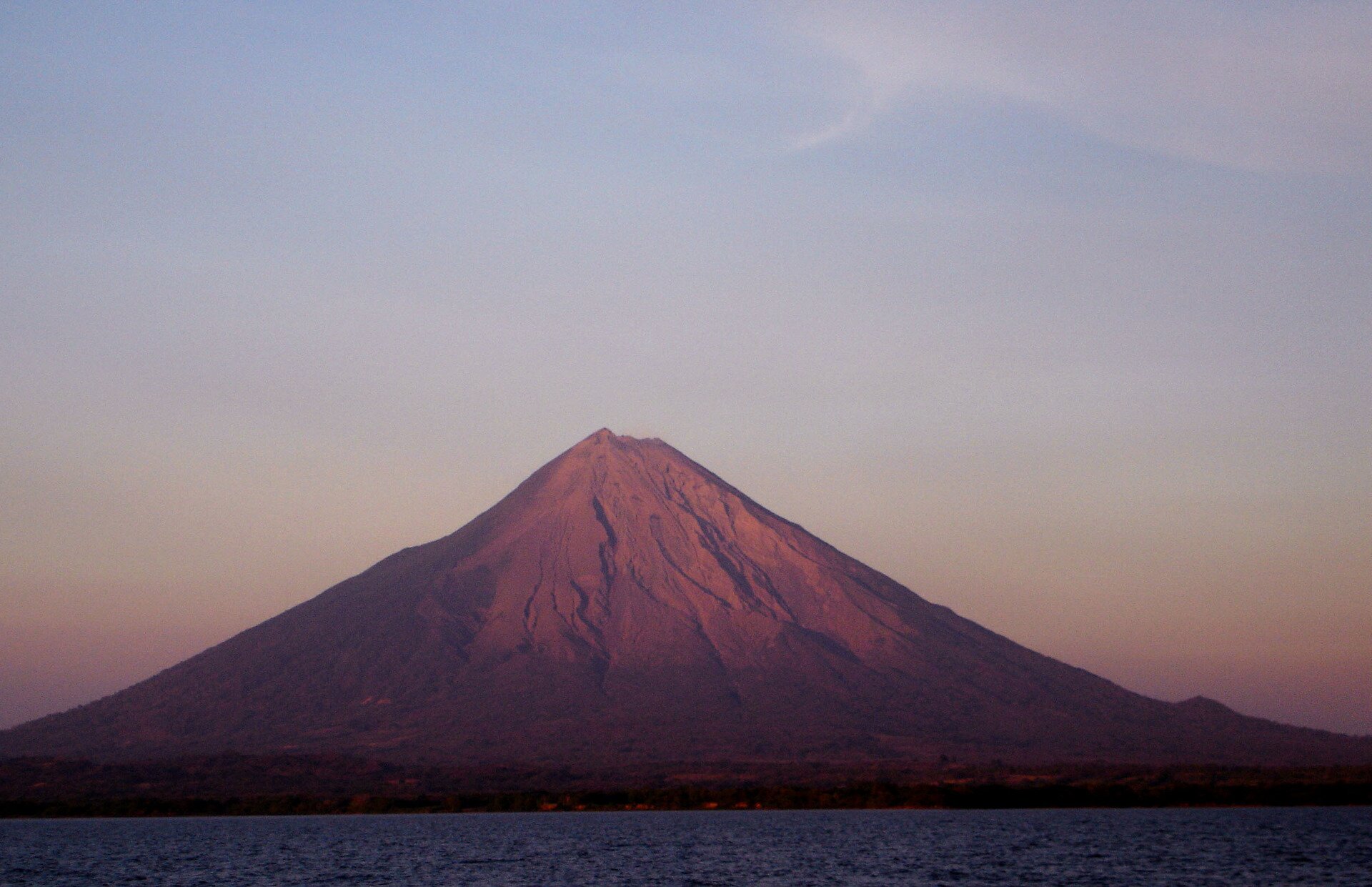
Volcanic winter threatens the life of plants and animals. However, it is a natural phenomenon that we can not prevent. As you can see, volcanoes have a huge impact on climateclimate.
What is the climate? It is the whole of the weather phenomena (temperature, precipitation, wind) occurring in a given area in the long‑term. We can talk about, for example, a mild coastal climate or even a climate on Earth.
The climate is not the same as the weather. The weather refers to a short time interval and the climate – to a long one.
The climate is influenced by factors such as:
the height of the Sun above the horizon – the lower, the colder;
distance from the sea – close to the sea, winters are milder, but cooler during the year than inland;
altitude above sea level – altitude decreases the average air temperature during the year.
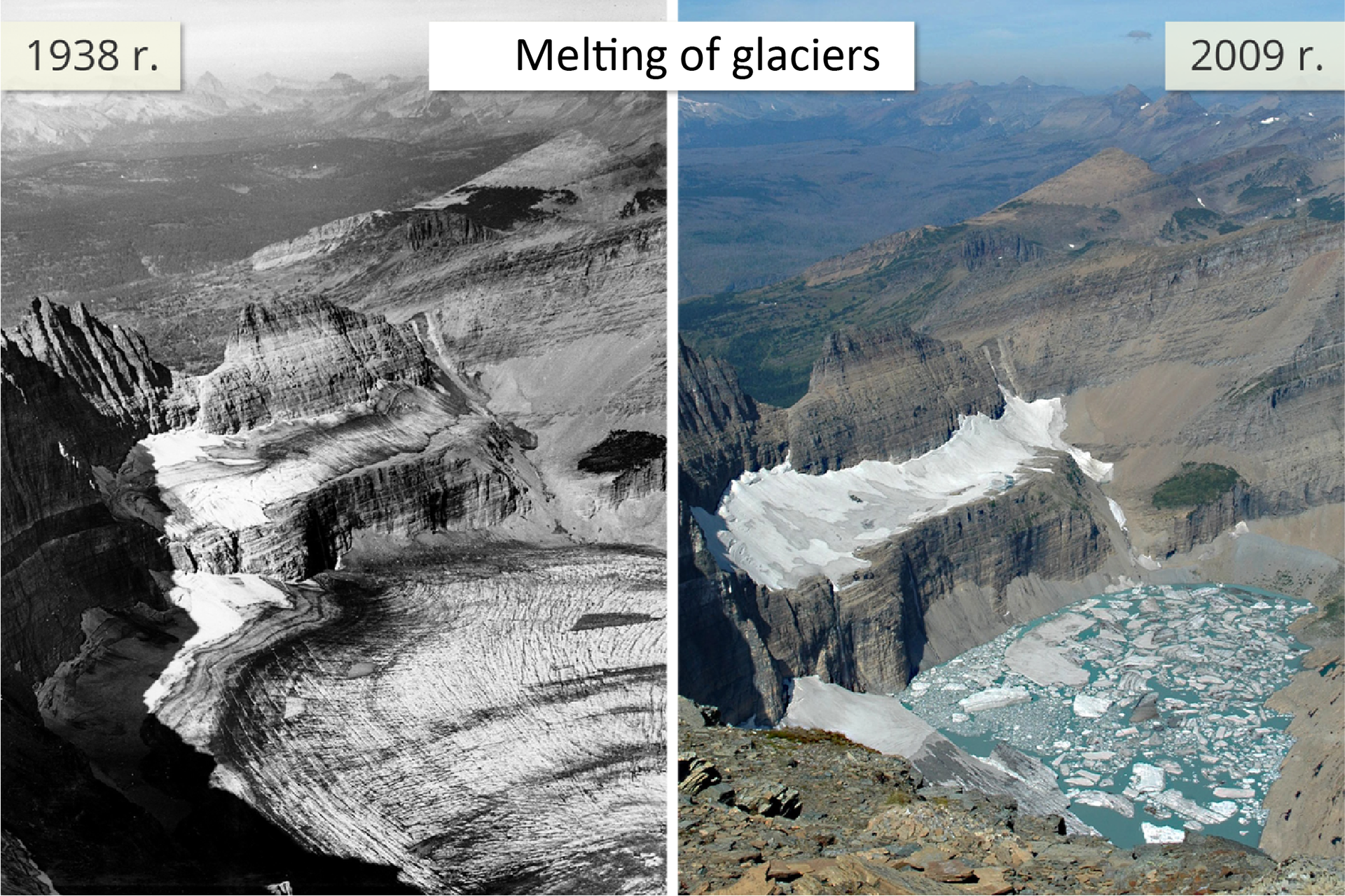
Over the millions of years, the climate has changed, but it has usually been slow. Unfortunately, not only volcanic eruptions are the cause of dust deposition in the Earth's atmosphere. Industry and even the everyday activities that we perform are also responsible for this. Because of them, the climate changes much faster than it used to do.
Can people influence the climate?
There are many factors changing the climate. These may be the natural factors mentioned above, such as volcanic eruptions, but also those caused by humans, such as industry. We know that plants extract carbon dioxide and produce oxygen that we all breathe. So what happens when we cut down forests? Yes, oxygen will be less and less, but the amount of carbon dioxide exhaled by us will increase.
Carbon dioxide belongs to the so‑called greenhouse gasesgreenhouse gases. They surround our planet and – although they are only invisible gases – they work exactly like windows in a greenhouse. They allow you to warm the Earth's surface with the rays of the Sun, but later the heat can not get out. These effects of these gases are called the greenhouse effectthe greenhouse effect. A greenhouse gas is also methane. It arises naturally, in swamps and mines due to decomposition of the remains of organisms.
The greenhouse effect means that the temperatures that allow the existence of life persist on Earth. However, further heating the surface of the planet contrary to appearances is not favorable. It may cause desertificationdesertification of fertile areas. In addition, it results in melting ice caps at the poles. There is a view that this may cause an increase in the level of the oceans. It is currently growing at a rate of around 3 - 5 mm per year. Raising the average temperature around the world is called global warmingglobal warming.
Heterogeneous chemical compounds called freons contribute to the growth of the ozone hole. These substances, after getting into the atmosphere, destroy the ozone – gas layer that protects us from harmful UV radiation. Freons can be found, for example, in deodorants and other spray products. When buying such products, try to choose those with the sign ('ozone friendly').
Climate change is not just global warming. Other problems happen more frequently, such as violent weather events like hurricanes. Also the change of the climate (hotter and hotter winters) is the result of climate change occurring on Earth. To some extent these changes are natural and inevitable. However, uncontrolled industry and the destruction of the natural environment by humans significantly contributed to their acceleration and intensification. So let's take care of the natural environment, because we can make the climate change milder.
Indicate the natural sources of air pollution.
- Volcanoes
- Industry
- Transport
- Agriculture
Summary
In the atmosphere there are greenhouse gases that retain heat from the Sun at the surface of the planet. This phenomenon is called the greenhouse effect.
Increasing the amount of greenhouse gases in the atmosphere causes the phenomenon of global warming.
The ozone hole and the greenhouse effect cause the melting of the ice caps at the poles, which is the reason for the increase in the level of oceans.
Climate change is not only global warming, but also the frequent occurrence of violent weather phenomena.
Keywords
pollution, monitoring, air
Glossary
Nagranie dostępne na portalu epodreczniki.pl
Nagranie dźwiękowe dotyczące słówka the greenhouse effect
efekt cieplarniany – podwyższenie temperatury planety na skutek otoczenia jej warstwą określonych gazów, np. metanu, dwutlenku węgla
gazy cieplarniane – gazy powodujące efekt cieplarniany
globalne ocieplenie – zjawisko podwyższenia średniej temperatury atmosfery
klimat – całość zjawisk pogodowych (temperatura, opady, wiatr) występujących na danym obszarze przez długi okres
pustynnienie – proces rozszerzania się pustyń na obszary wcześniej porośnięte przez roślinność
zima wulkaniczna – zjawisko ochłodzenia powierzchni planety spowodowane zaleganiem w atmosferze pyłu wulkanicznego pozostałego po erupcji; pył ten nie pozwala dotrzeć do powierzchni planety energii cieplnej ze Słońca