Conifers
the organs include, among others, roots, stems and leaves;
mosses and ferns reproduce using spores.
describe the places where gymnosperms occur on Earth and their adaptation to living conditions;
describe the characteristics of gymnosperms;
identify the most common gymnosperm species;
present the meaning of gymnosperms.
The habitat of gymnosperms
GymnospermsGymnosperms are vascular plants that, although they do not give fruit, spread with seeds. Most gymnosperms are conifers, and they are called like that because of the structure of their leaves that take the shape of needlesneedles.
Gymnosperms are trees and shrubs that live only on land. They grow from the equator to the Arctic circles, on mountain slopes, wet lowlands and semi‑deserts. In North America and Eurasia, in the cold temperate climate zone, they form large forest complexes called taiga. In the temperate climate zone, where there is no permafrost, they form coniferous forests or mixed forests. They also find appropriate living conditions in the mild and warm climate zones of the Mediterranean. Conifers in the northern hemisphere are, among others, pine, fir, spruce, larch. In warm and humid climate zones there are, for example, cedars, cypresses, and redwoods.
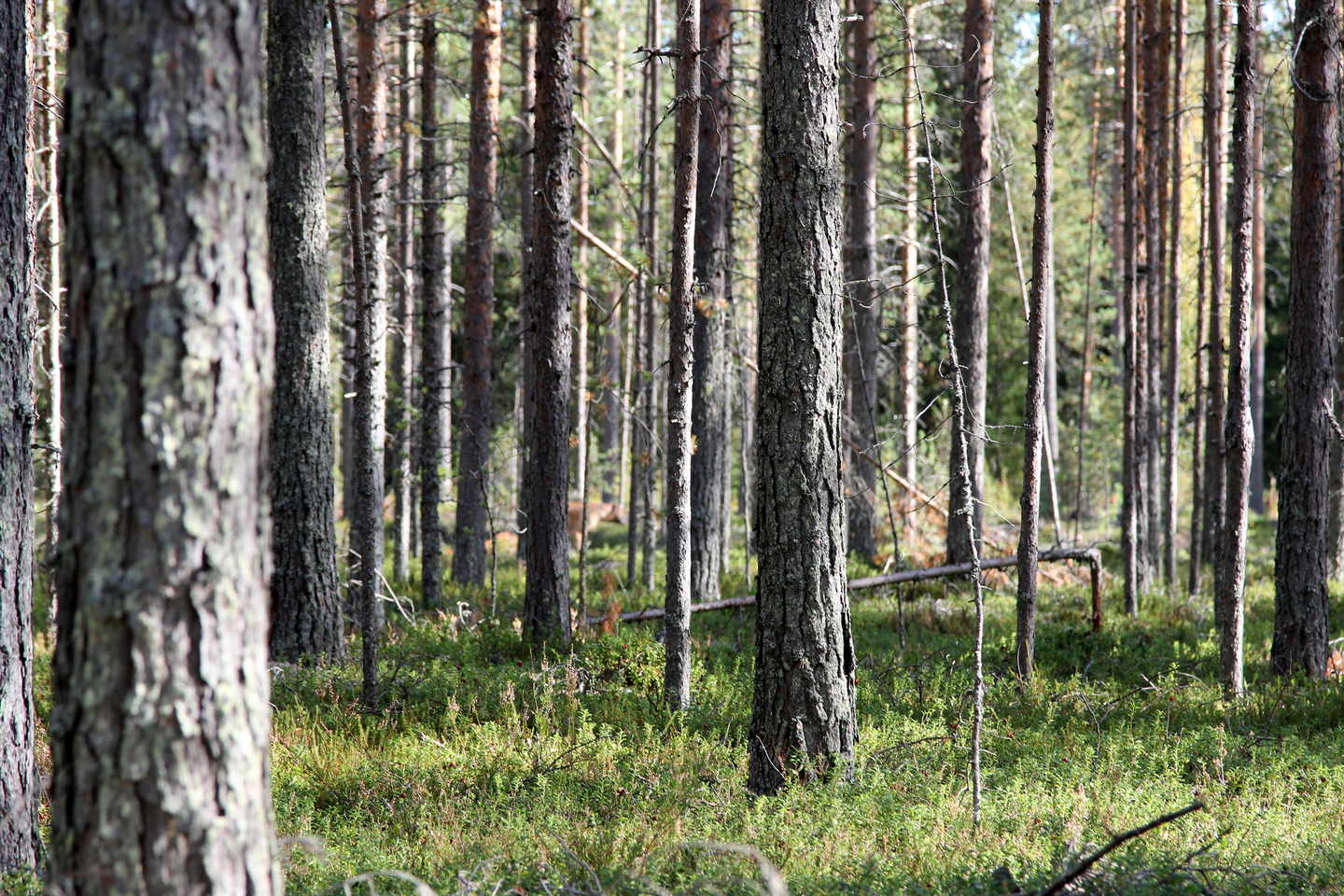
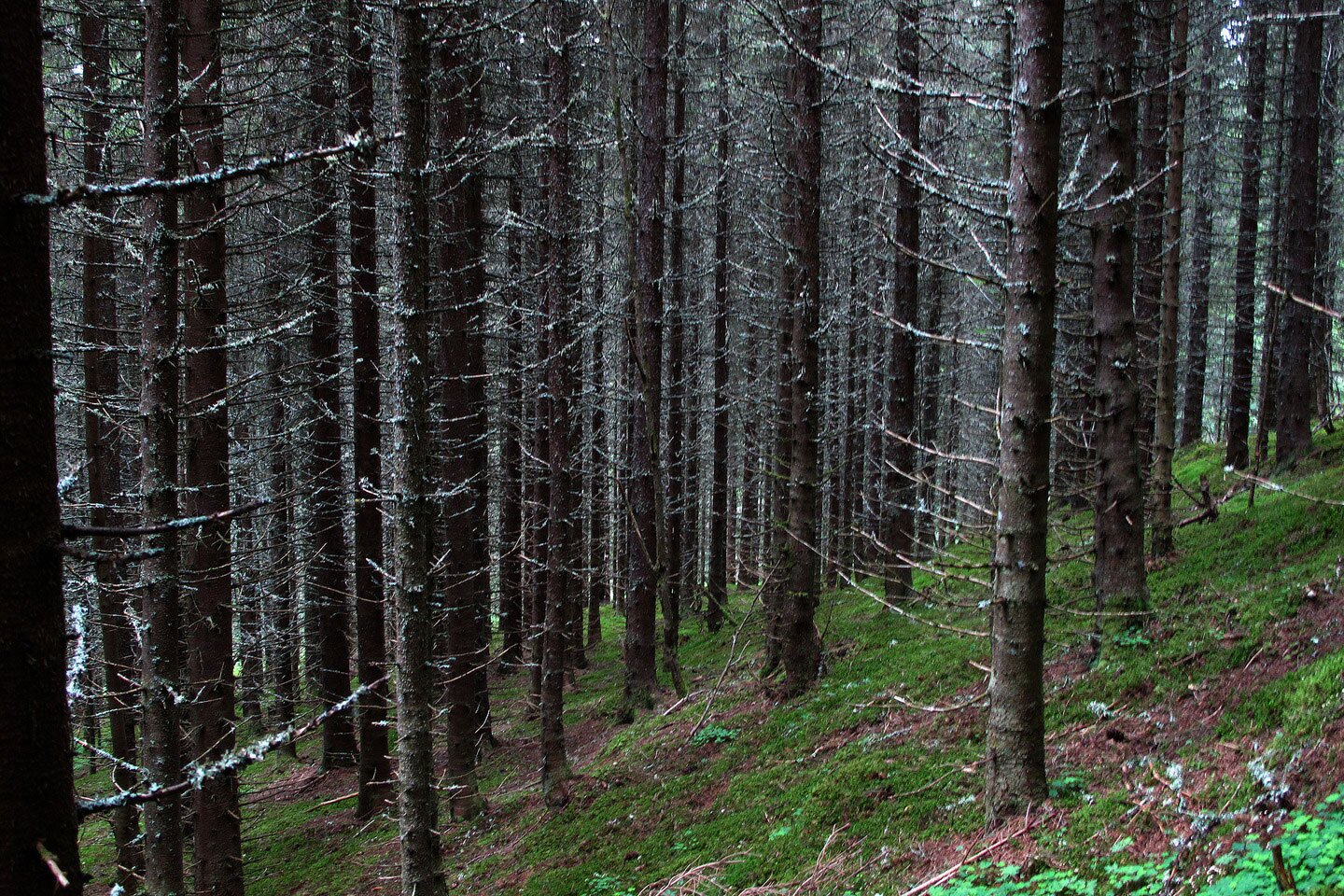
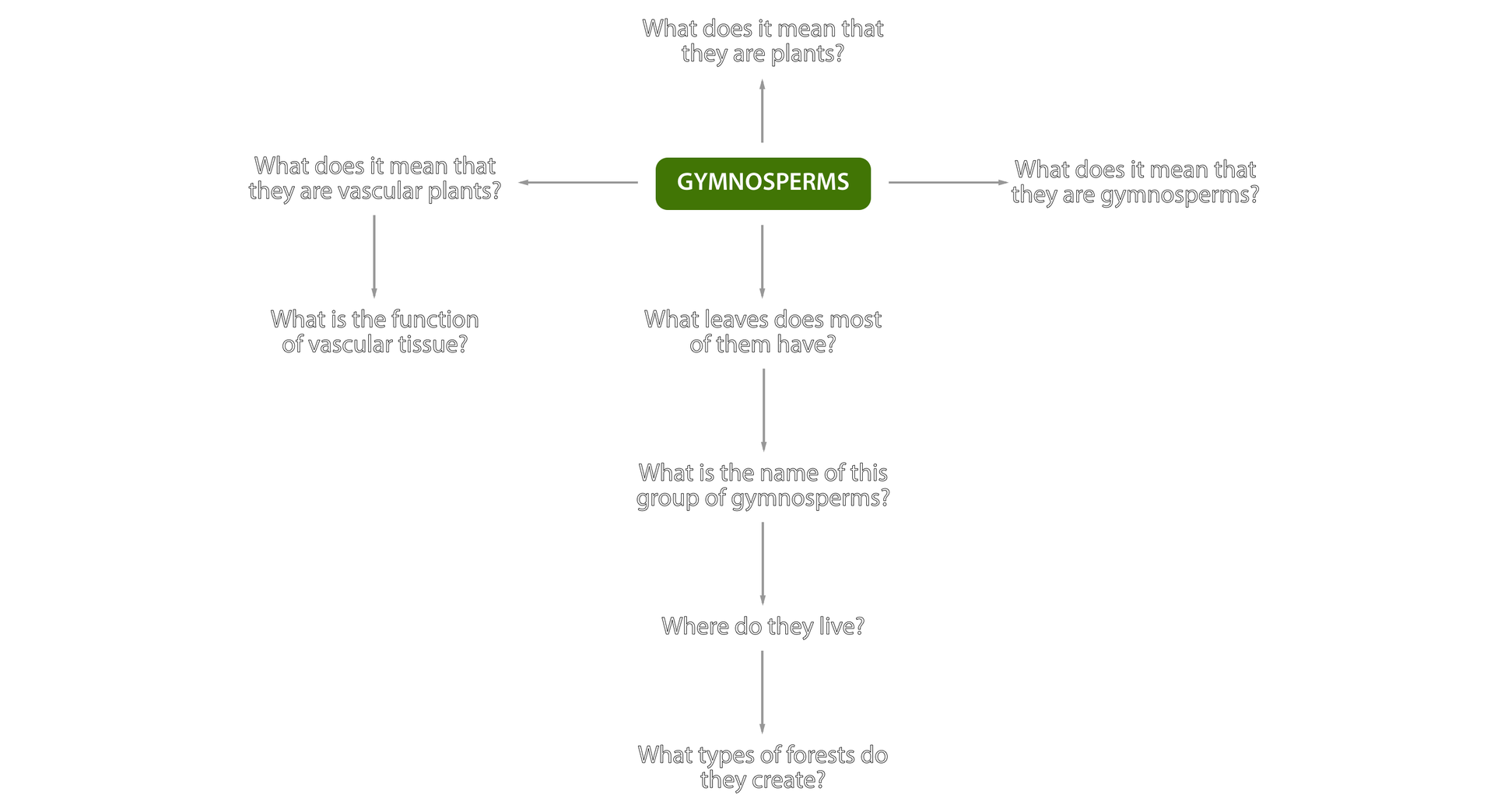
Get familiar with the map of questions related to gymnosperms. Try to answer the questions listed.
Do you know how to identify a coniferous tree? The diagram below will help you. Try to mark several trees in your area using the information presented here.
Polish gymnosperms
Coniferous plants are a characteristic element of Polish landscapes. They can be easily identified by the presence of needles and cones. Among native species, the most common are: Norway spruce, European fir, European larch, common yew, common juniper and various species of pine trees. Many species of conifers found in Poland are plants that do not occur naturally in our environment, and they are mainly imported as decorative and functional plants.
Norway spruce grows in north‑eastern Poland and in higher parts of mountains. It can reach about 45 m in height. It has short, sharp, angular and prickly needles that grow out of the shoot one by one and stay on it for 5‑7 years. Its long and cylindrical cones hang freely from twigs, and when ripe they fall to the ground.
European fir occurs in the south of Poland in lower parts of mountains. It is a huge tree with a dense crown growing up to 50 m in height. Its flat needles grow out one at a time. They are rounded at the top and do not sting like spruce needles. They are dark green on the top and have two white stripes on the underside. Fir cones are cylindrical, and before they mature, they stand on branches, and after ripening they fall apart into single husks.
European larch grows up to 35 m in height. It has light green, soft needles that grow in bunches, and turn yellow in autumn and fall. Cones are small, ovate, directed upwards.
Common yew can be found in natural habitats in mountains and in north‑western Poland. It is usually a shrub or a small tree. It has flat, soft, sharp‑edged dark green needles with a light green bottom. The yew does not produce cones, its seeds are surrounded by a red juicy cover – aril. The whole plant, with the exception of the aril which the birds feed on, has poisonous properties. Cultivated yew species are often planted in parks and gardens. Yews belong to long‑lived plants. It is estimated that they can live up to 3 thousand years.
Common juniper is a shrub commonly found in pine forests. It has short, blue‑green, sharp and prickly needles, growing in threes around the shoot. In autumn, fleshy, navy‑blue cones are formed on themnavy‑blue cones are formed on them.
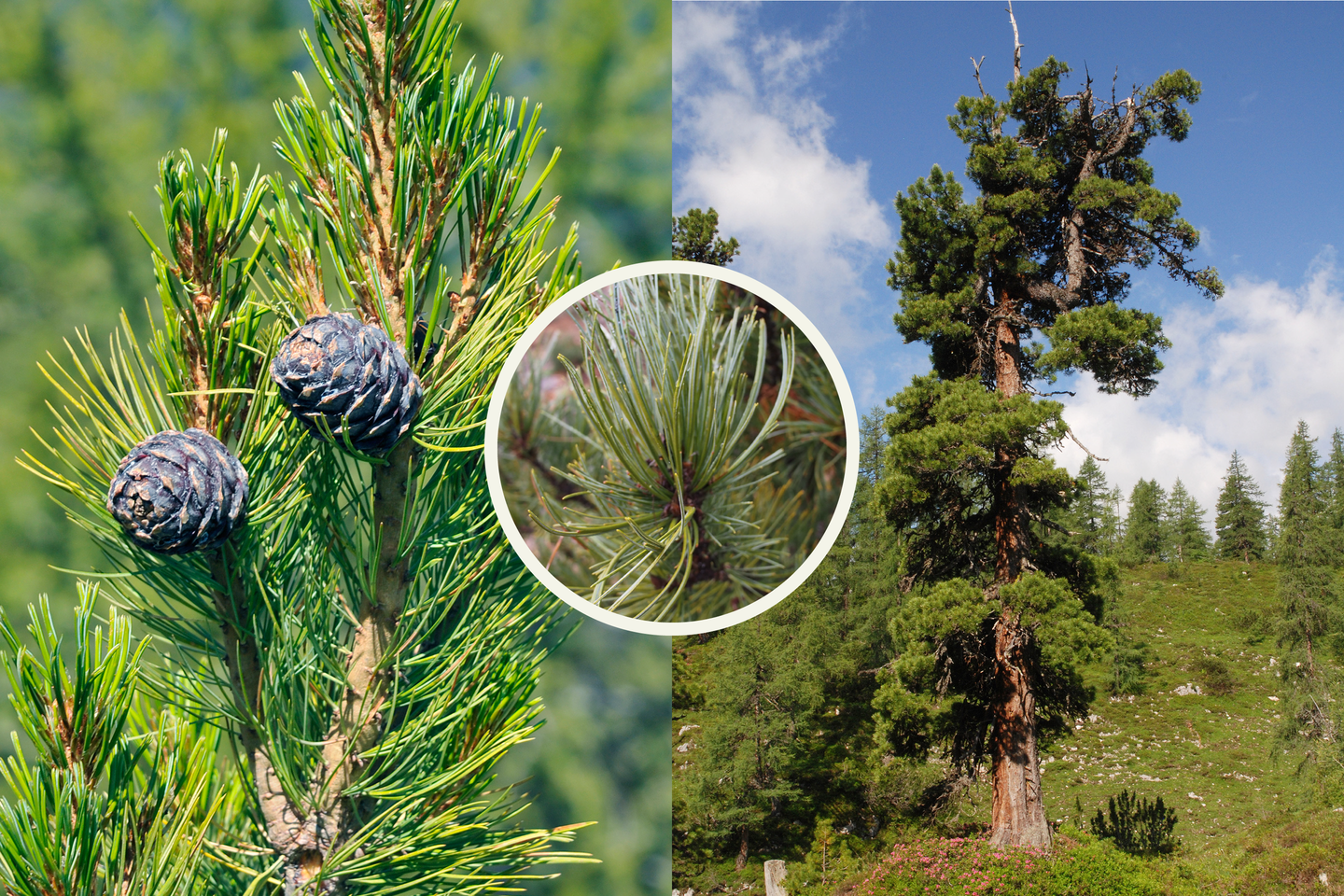
Swiss pine occurs in the Tatra Mountains. It is a tree reaching 20 m in height. It can be recognized by five long and stiff needles growing from the shortened shoot. Its ovoid pine cones fall apart, releasing seeds without wings.
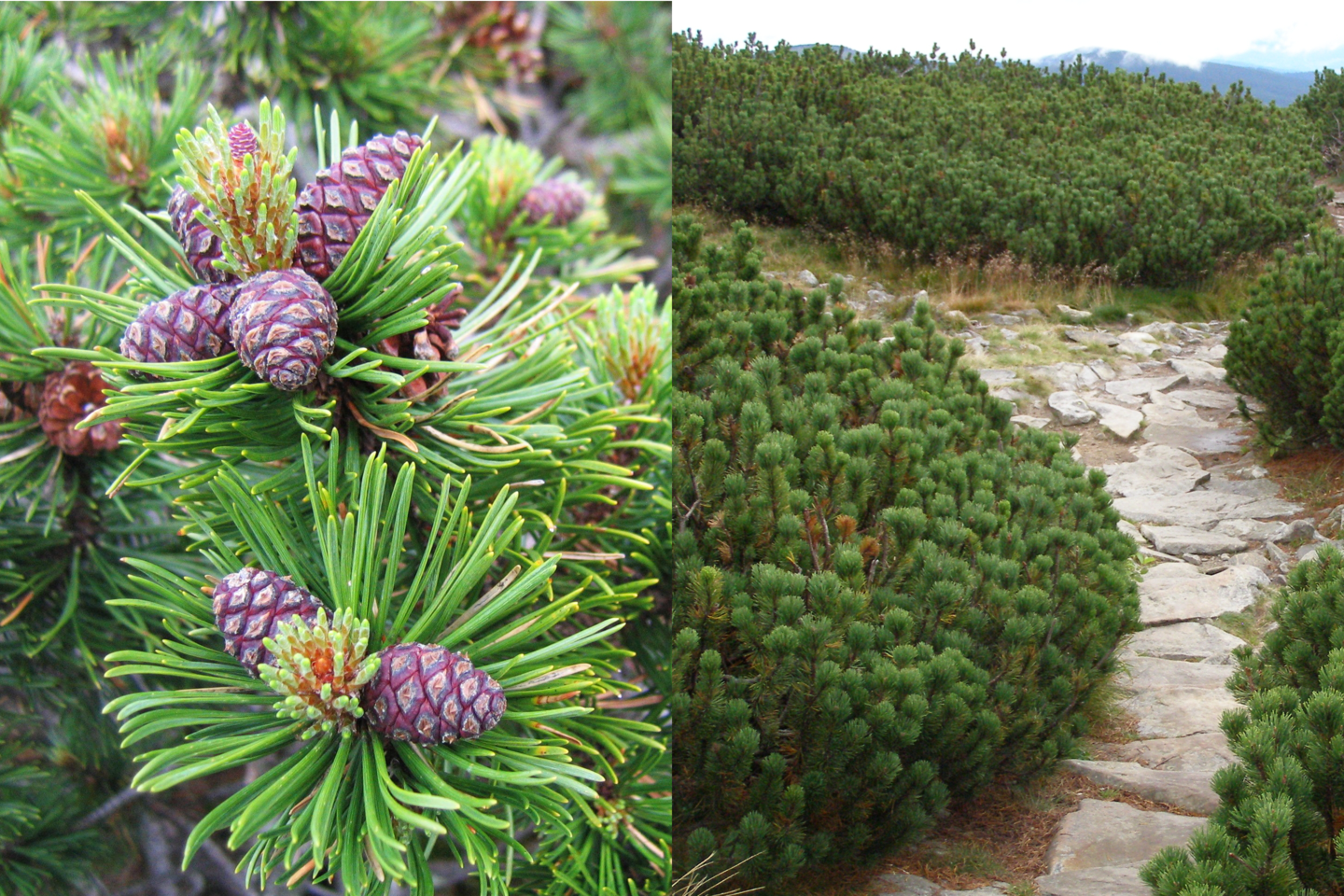
Dwarf mountain pine is a species of pine. It forms shrubby thickets in the upper parts of mountains. Its short and very stiff needles grow in twos from the shortened shoot. Cones are small and roundish.
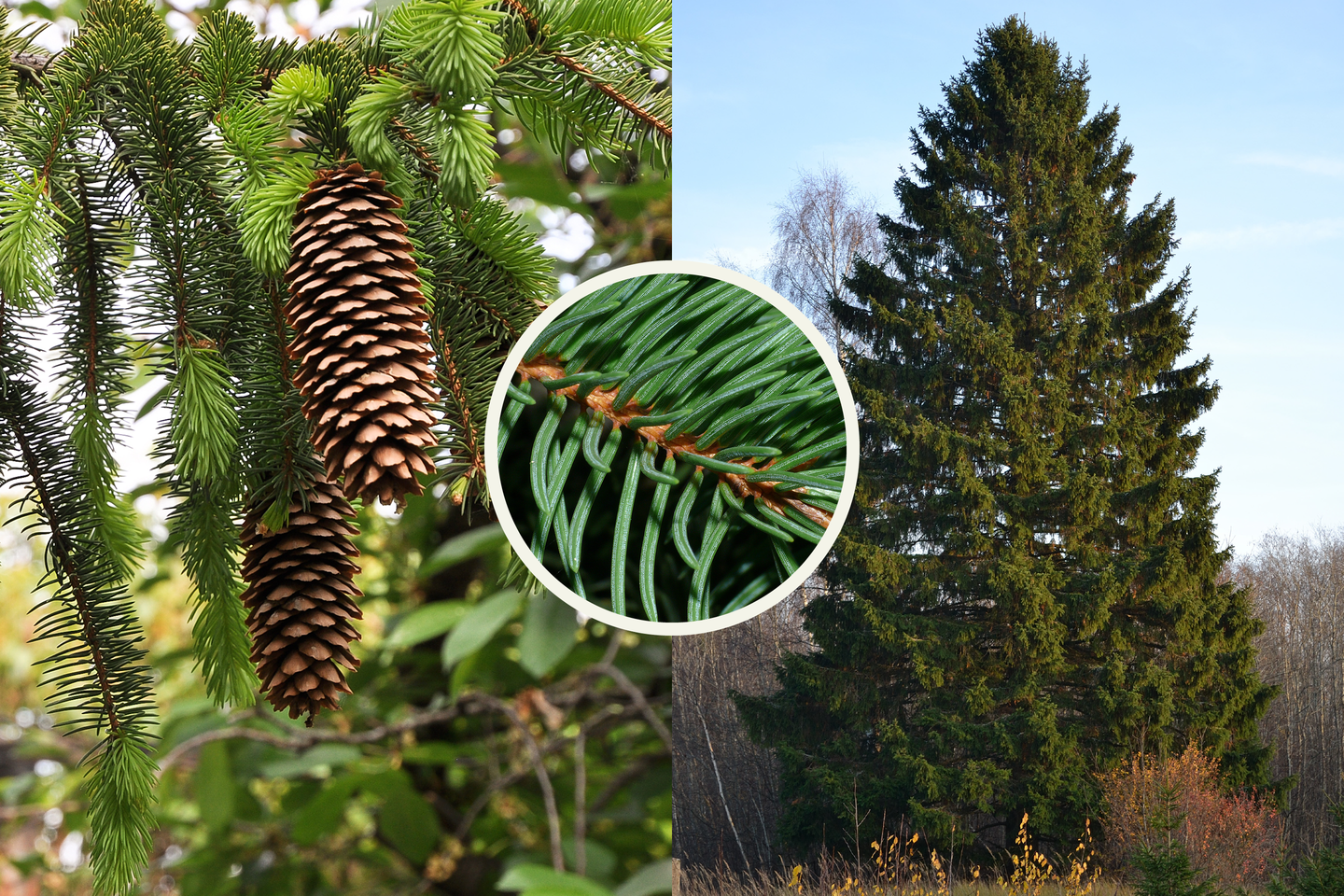
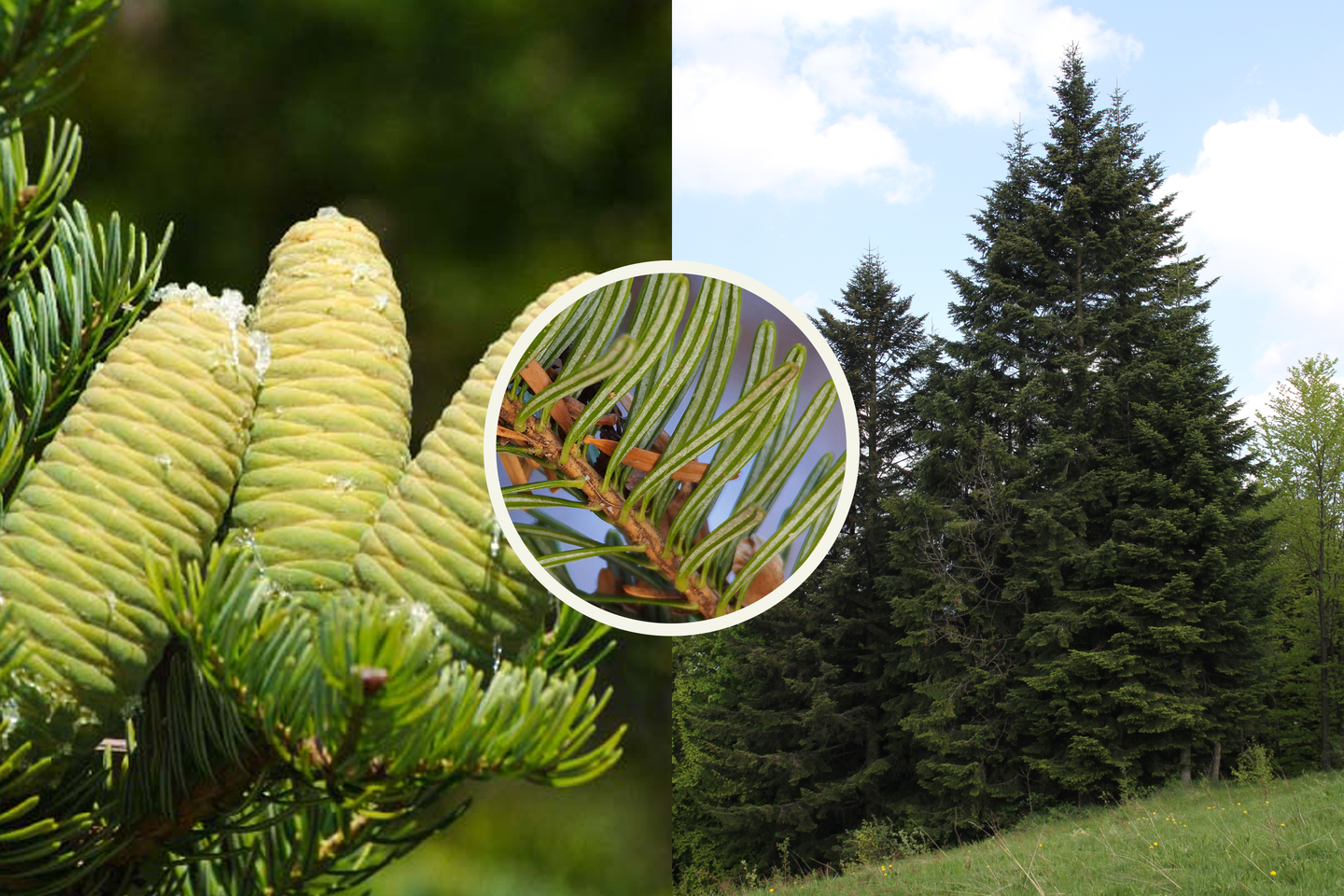
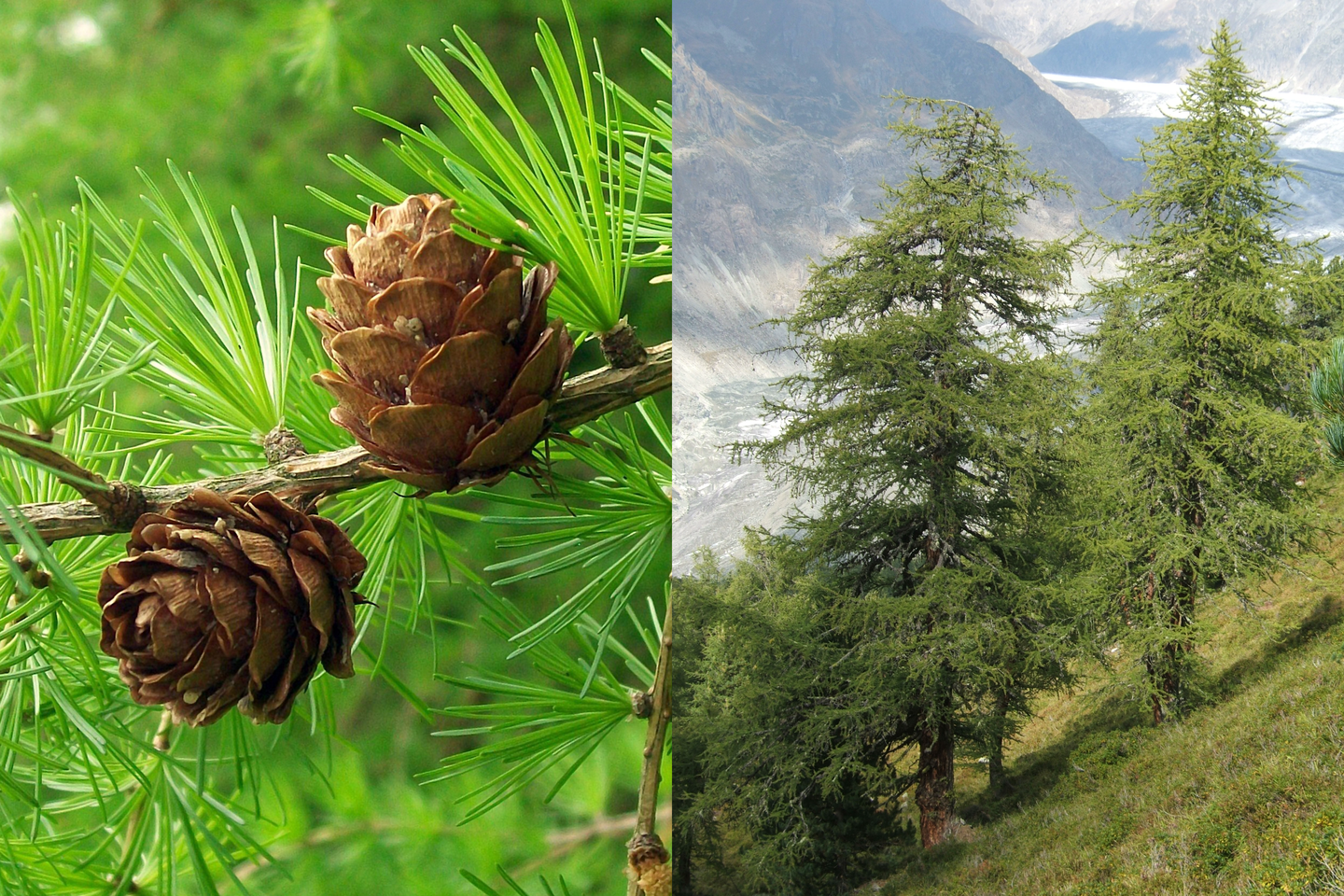
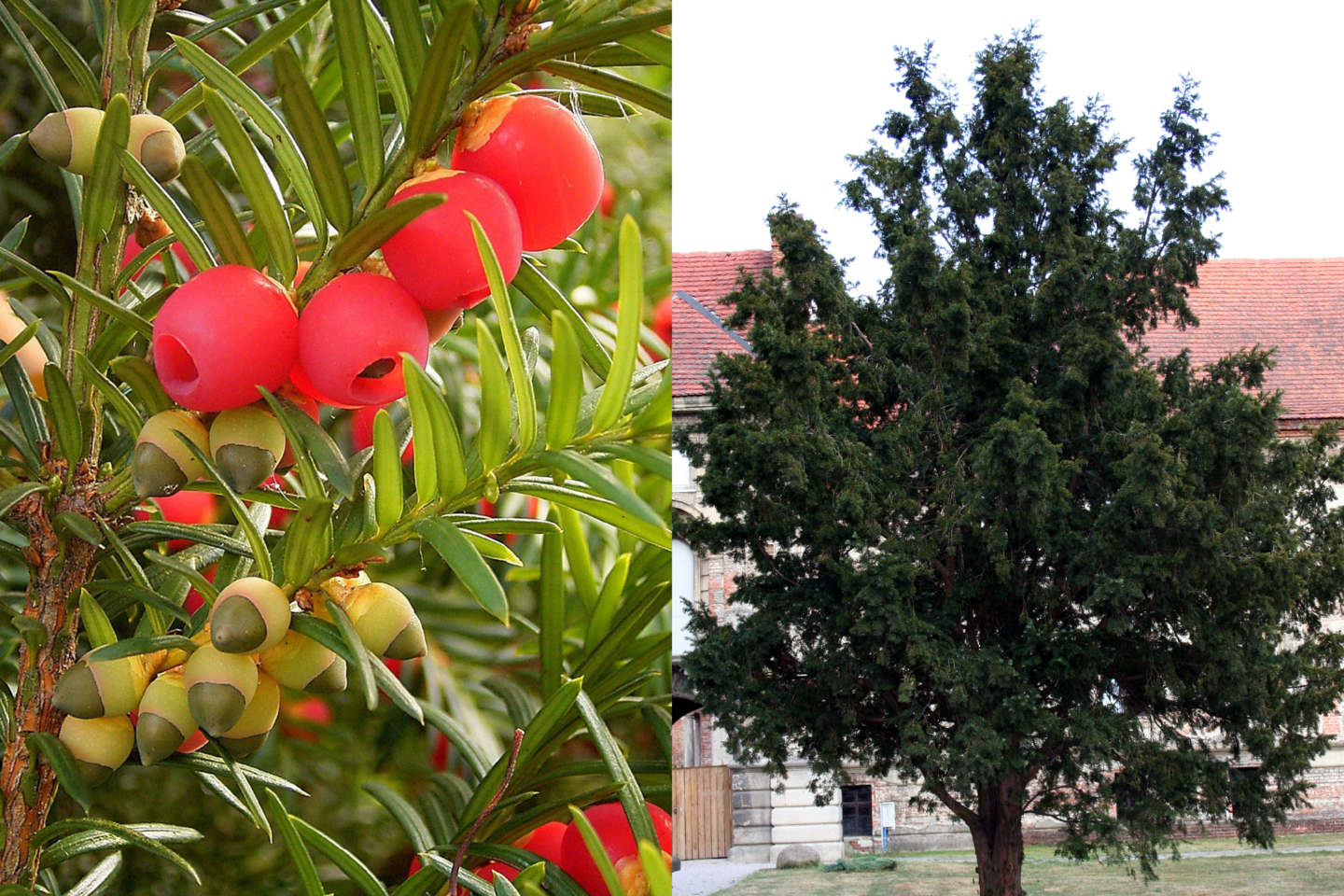
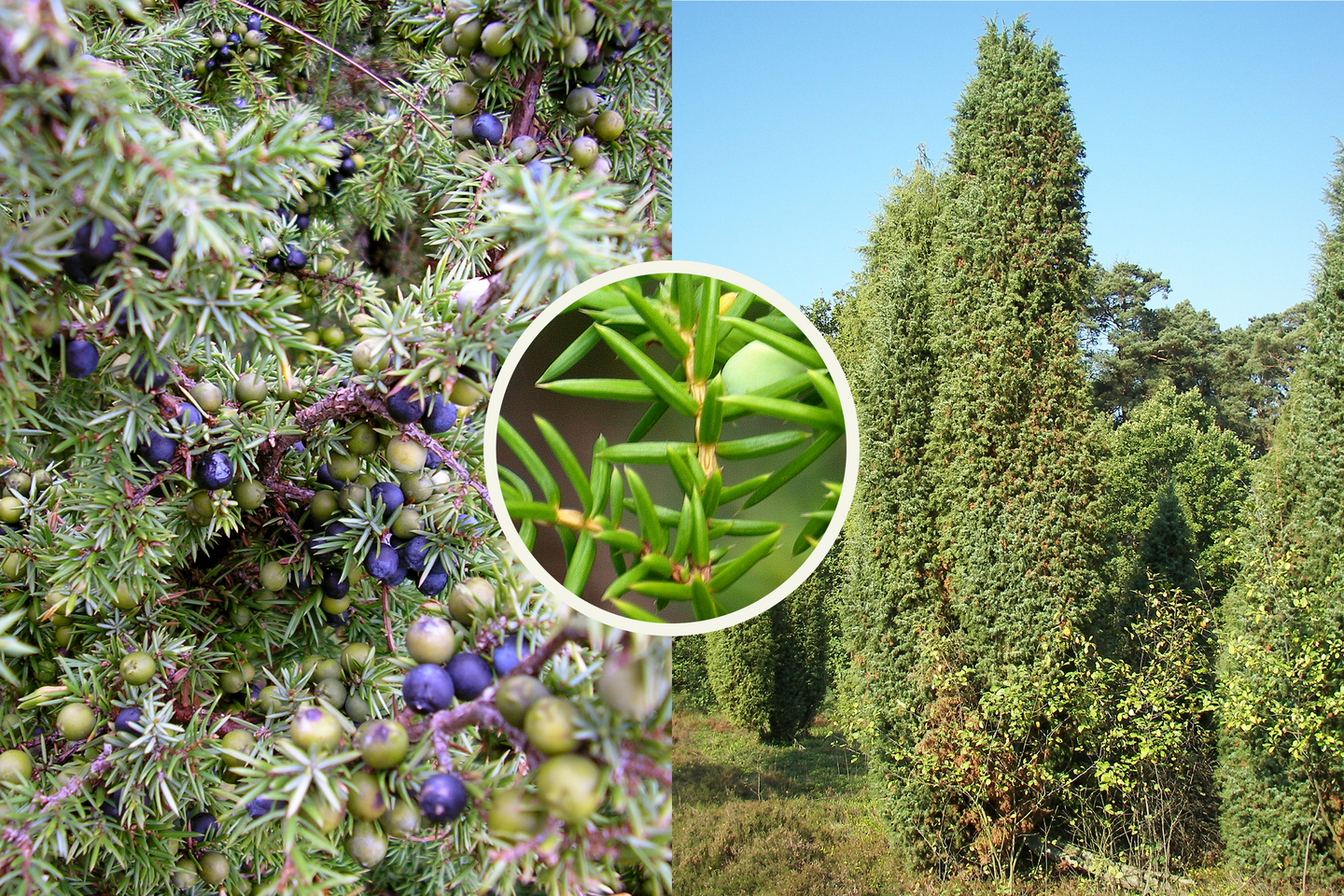
Imagine you are buying a Christmas tree. Cheap spruces and expensive firs are available. Explain how you will know whether or not you are offered a spruce at the price of a fir.
Comparison of needles of various species of conifers.
specimens of signed twigs of Scots pine, mountain pine, spruce, yew, fir;
ruler;
magnifying glass.
Compare the needles on a twig of a yew, a fir and a spruce, a Scots pine and a mountain pine.
Count how many needles grow from each bunch (spur), and check how the needle base differs.
Measure the needles.
Specify by touch whether their shape is flat, angular, round, triangular or maybe different.
Compare the tips of the needles.
Make a drawing documentation of the observation.
The observation of needles allows distinguishing conifers very quickly. This can be told by features such as the number of needles growing out of the spur, their shape, colour, hardness, shape of the needle tip.
List the names of domestic conifers the mature cones of which can be collected for your collection. Can you collect the cones of all species? Justify the answer.
Move plant names to the appropriate frames.
dwarf mountain pine, potato, wheat, mountain ash, currant, oak, hazel, pansy, lilac
| Herbaceous plants - they do not have woody stems | |
|---|---|
| Bushes - perennial plants with lignified multiple stems | |
| Trees - perennial plants with lignified stem supporting branches and leaves |
Combine the pine construction feature with an appropriate environmental factor.
frost, type of substrate, wind, presence near other trees, amount of light, drought-frozen water in winter is not available
| shape of the crown | |
| root length | |
| needle-shaped leaves | |
| cones placed high above the ground, seeds with wings | |
| thick bark |
Summary
Gymnosperms are typical land plants inhabiting the environments of the whole Earth, being the main component of taiga, coniferous forest and an admixture of mixed forests.
Gymnosperms produce roots, stems and leaves, and seeds that develop on bare scales of female cones.
Seeds are organs that protect the embryo and provide it with nutrients in the first stage of life. They are also used for spreading of plants.
Most gymnosperms are conifers, wind‑pollinated and wind‑borne plantswind‑borne plants.
Keywords
gymnosperms, cone, conifers, anemochory
Glossary
igła – silnie wydłużony, płaski, półokrągły lub graniasty liść roślin iglastych.
nagonasienne – inaczej nagozalążkowe; wiatropylne rośliny naczyniowe, których nieosłonięte zalążki spoczywają na łuskach szyszek żeńskich, a nasiona nie są zamknięte w owocu.
szyszkojagoda – mała szyszka o mięsistych, zrośniętych ze sobą łuskach; wystpępuje u jałowca.
wiatrosiewność – roznoszenie nasion przez wiatr.