Diffusion
that the substances are made of particles;
that substances are present in three states: solid, liquid and gas;
that the higher the temperature, the faster the particles move.
explain the term „diffusion”;
show diffusion with a model;
propose experiments proving diffusion;
explain how diffusion is very important for living organisms using examples.
What is diffusion?
Air fresheners, potpourri and incense are ways to give the room a pleasant fragrance. This is possible due to something we call diffusiondiffusion. It is a process of the spreading and mixing of particles of various substances as a result of the movement of their particles. Conduct an experiment to understand exactly what diffusion is.
Investigate how scents spread
balloon,
almond oil,
large, closed cardboard box.
Put a few drops of almond oil carefully into the balloon.
Blow the balloon and tie it, then close it in the box.
After an hour, open the box. What do you smell?
After opening the box you can smell the almond oil. This means that its particles have penetrated through the material from which the balloon is made. It was possible thanks to diffusion.
Diffusion and states of matter
Diffusion in gases occurs quickly, because between the particlesparticles of each gas there is a lot of space that can be filled by particles of another substance. For example, when we remove a hot cake from an oven, we can smell its aroma almost immediately. Tiny particles come out of the cake which mix with air and reach our noses.
Diffusion also occurs in liquids whose particles also make quick movements. It can be easily observed in the home, e.g. when adding fruit syrup to water. In solids, the diffusion process takes place very slowly.
Before you watch the film „Testing the dye behavior in liquid”, write down the research question and the hypothesis. Make notes while watching the movie, and finally make conclusions.
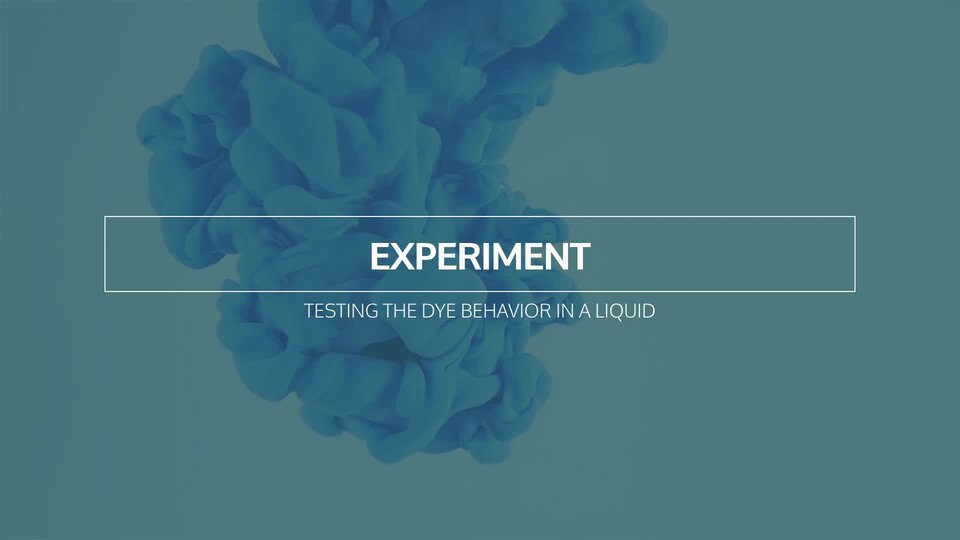
Film dostępny na portalu epodreczniki.pl
Na filmie przedstawiono, jak niebieska farba rozpuszcza się w wodzie - przypomina dym.
What determines the speed of diffusion?
In solids, the movement of particles consists of vibrations around fixed positions. As the temperature rises, the particles begin to move faster. When a substance reaches its melting point, it’s physical statephysical state changes to liquid. The particles can then move (move away and closer together). For this reason, liquids – in contrast to solids – change shape (taking the shape of the container into which they were poured). However, in gases, the particles are far away from each other, move quickly and can move around freely. Since the temperature affects the speed of particle motion, can it also affect the rate of dissolution of the substance and diffusion?
Investigate that temperature affects the diffusion rate.
3 heat‑resistant glasses,
stopwatch,
water,
teaspoon,
kettle,
ink.
Fill the first glass 2/3 with hot water from the kettle and add a drop of ink. Turn on the stopwatch and watch how much time until the water is mixed with the ink. Be careful not to shake the contents of the glass.
Add the same amount of lukewarm water to the second glass. Proceed as in No.1.
Pour the same amount of cold water into the third glass. Proceed as in No.1.
The mixing of ingredients took place faster at the higher temperature. This means that temperature increase affects the diffusion rate, as particle movement increases.
The importance of diffusion
Diffusion is of great importance in nature. Thanks to it, we can breathe, because oxygen from the air diffuses into the blood in our lungs. It also has many other uses in human life. Thanks to it, it is possible to build many devices and make them work.
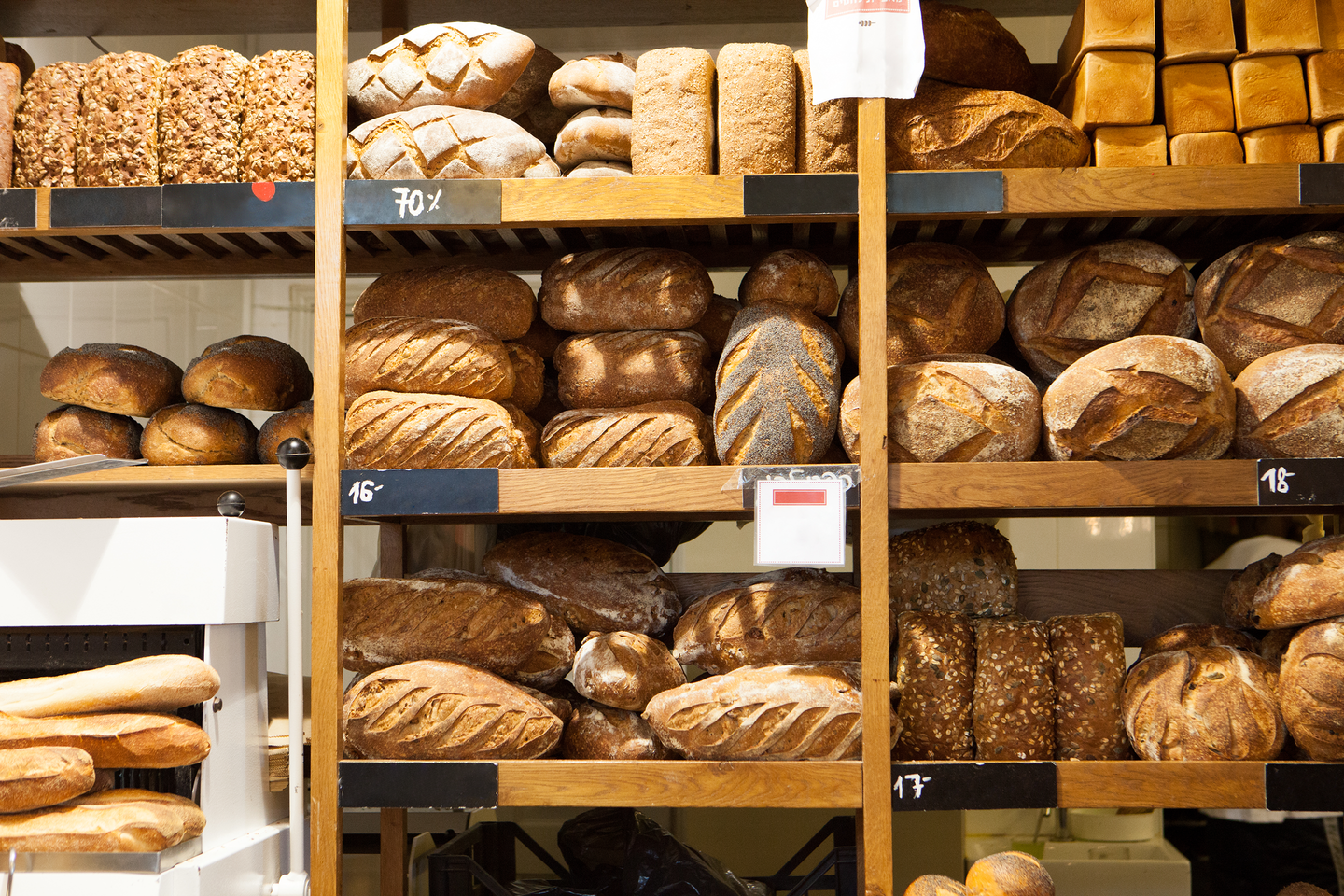
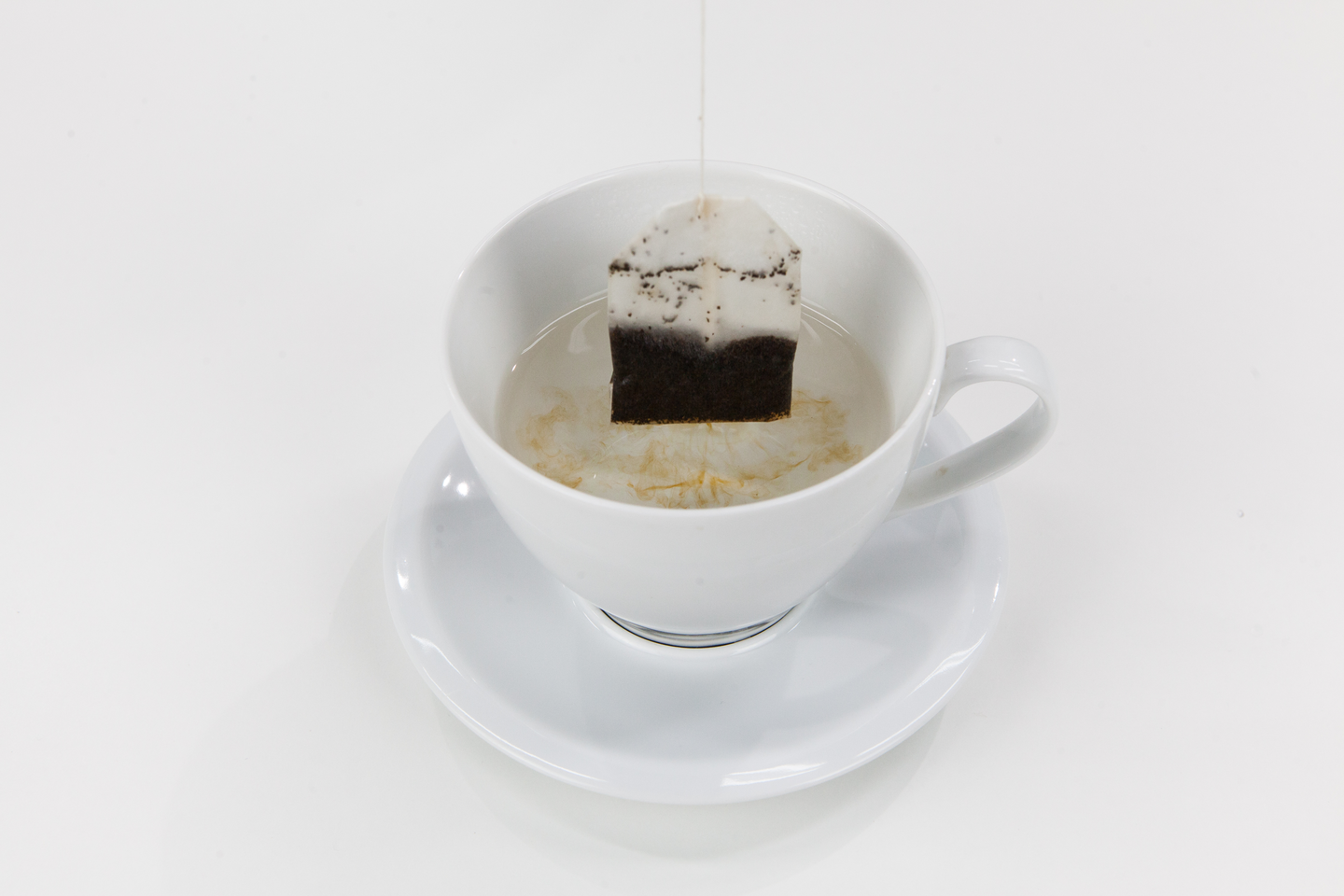

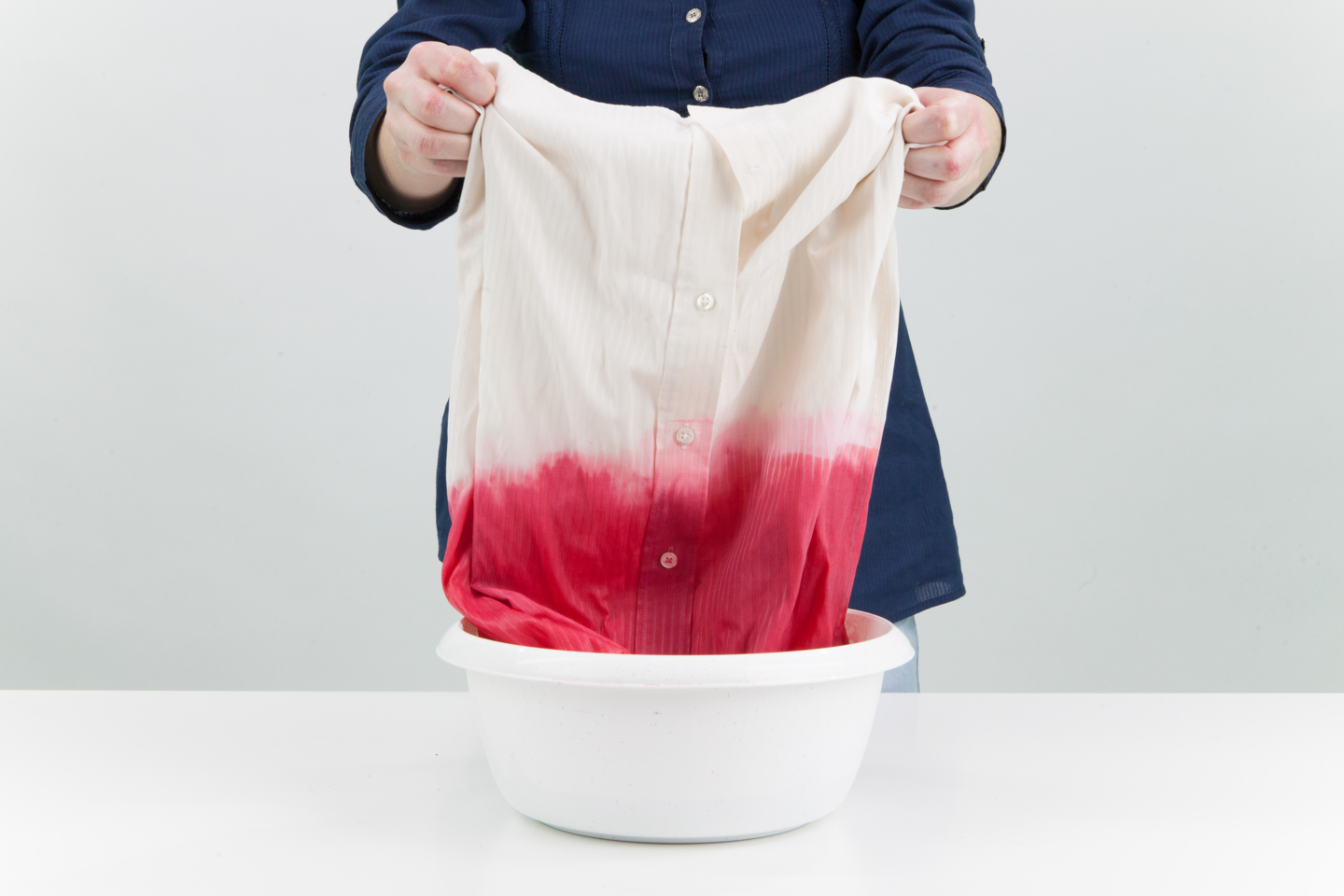
Match the pairs: English words with Polish definition.
proces polegający na samorzutnym i chaotycznym rozprzestrzenianiu i mieszaniu się drobin różnych substancji w wyniku ruchu cząstek, forma, w jakiej występuje substancja, dowolne elementy tworzące substancję, czyli atomy lub cząsteczki
| diffusion | |
| physical state | |
| particles |
Summary
Diffusion is the spontaneous mixing of various substances due to the movement of particles.
Liquids, solids and gases are made of particles that are constantly in motion. We can tell this by observing the changes of the substances state of matter and diffusion.
The diffusion rate depends, among other things, on the temperature, mixing and particle size of the solute.
Keywords
diffusion, particle, physical state
Glossary
dyfuzja – proces polegający na samorzutnym i chaotycznym rozprzestrzenianiu i mieszaniu się drobin różnych substancji w wyniku ruchu cząstek
stan skupienia – forma, w jakiej występuje substancja
drobiny – dowolne elementy tworzące substancję, czyli atomy lub cząsteczki