E-materiały do kształcenia zawodowego

Dzielenie i kształtowanie kęsów ciasta. Galeria zdjęć w języku angielskim.

SPC.03. Produkcja wyrobów piekarskich - Piekarz 751204 i Technik technologii żywności 314403

Various forms of shaping pieces of dough

PHOTO GALLERY

1,21
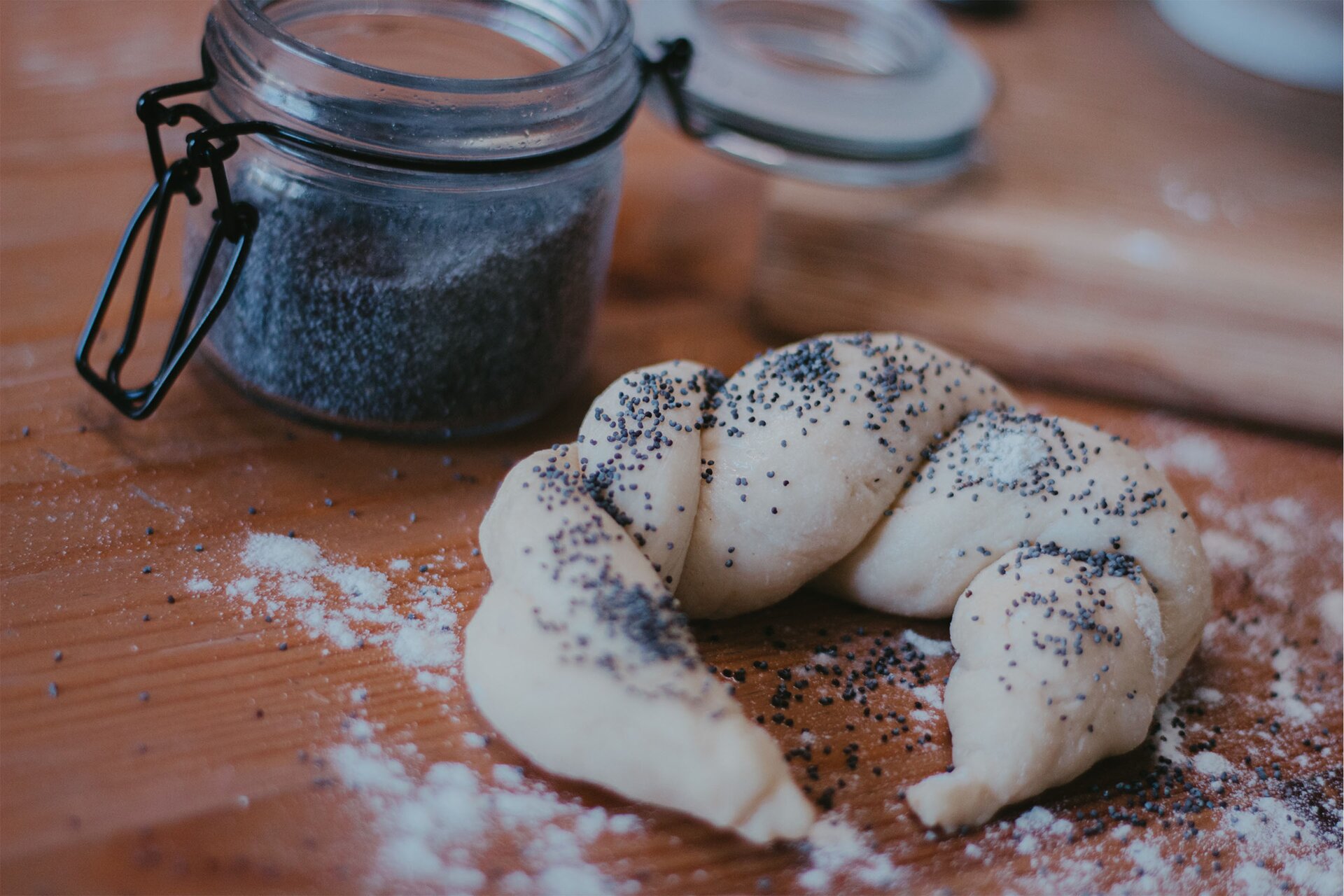
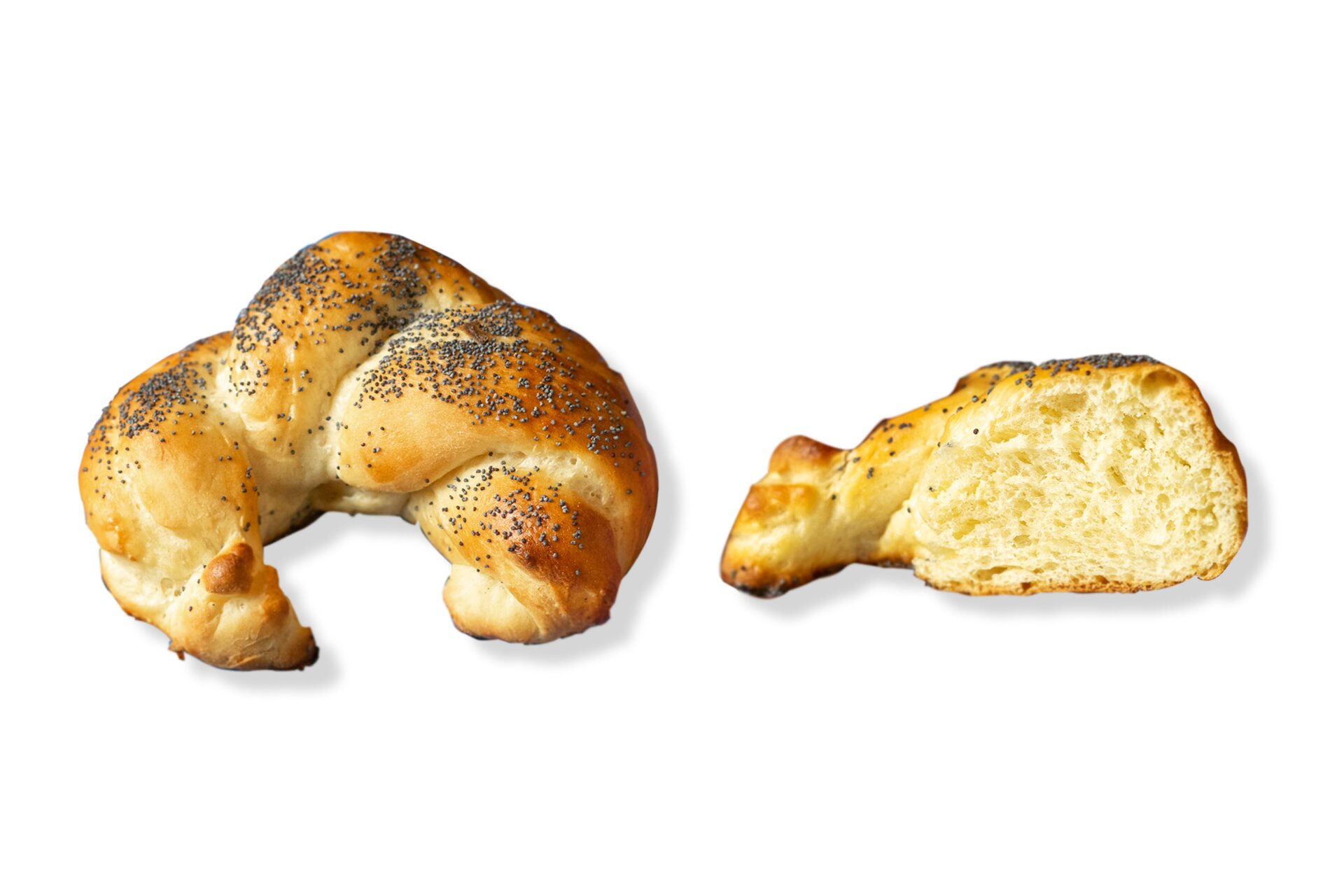
Forming Hungarian croissants
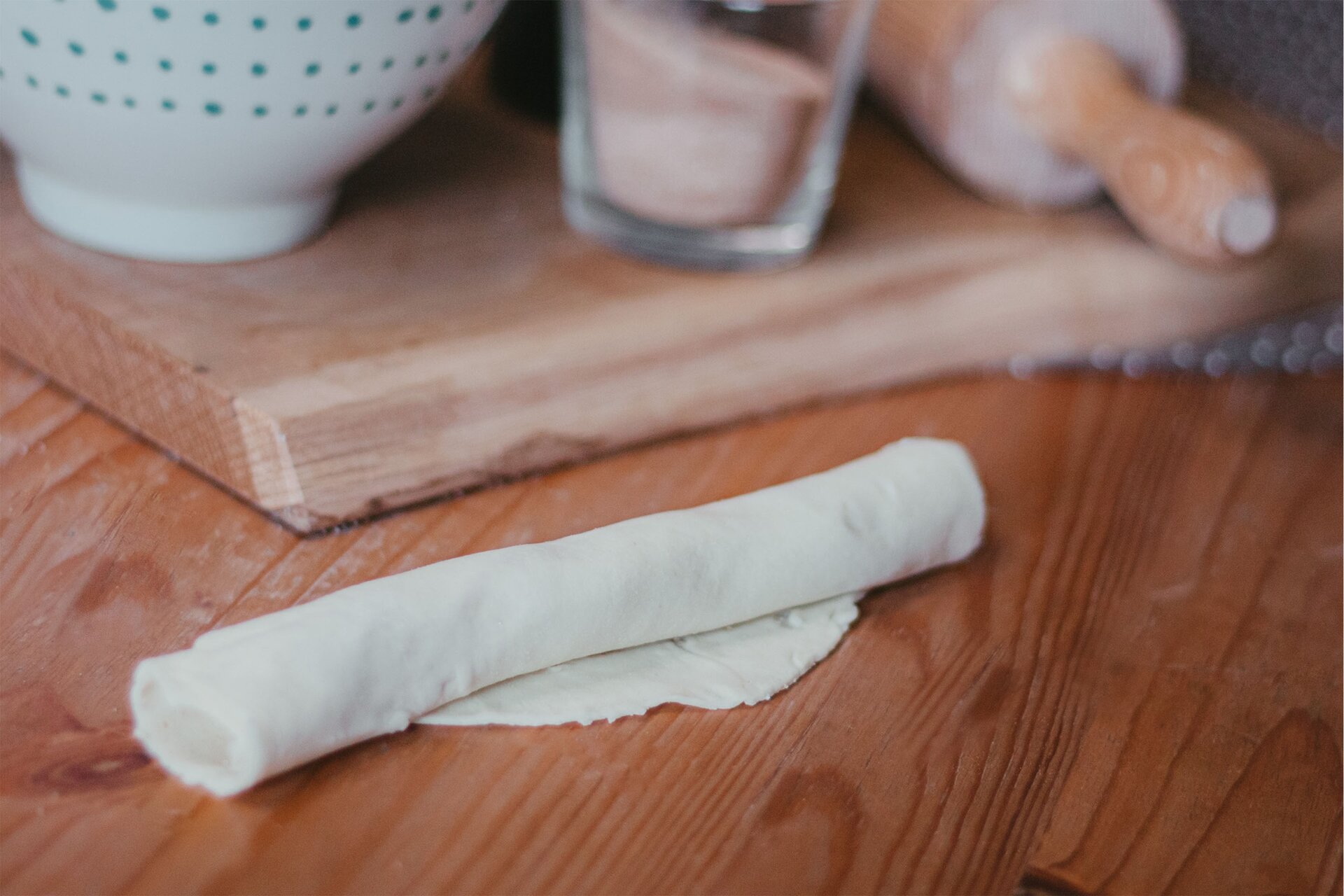
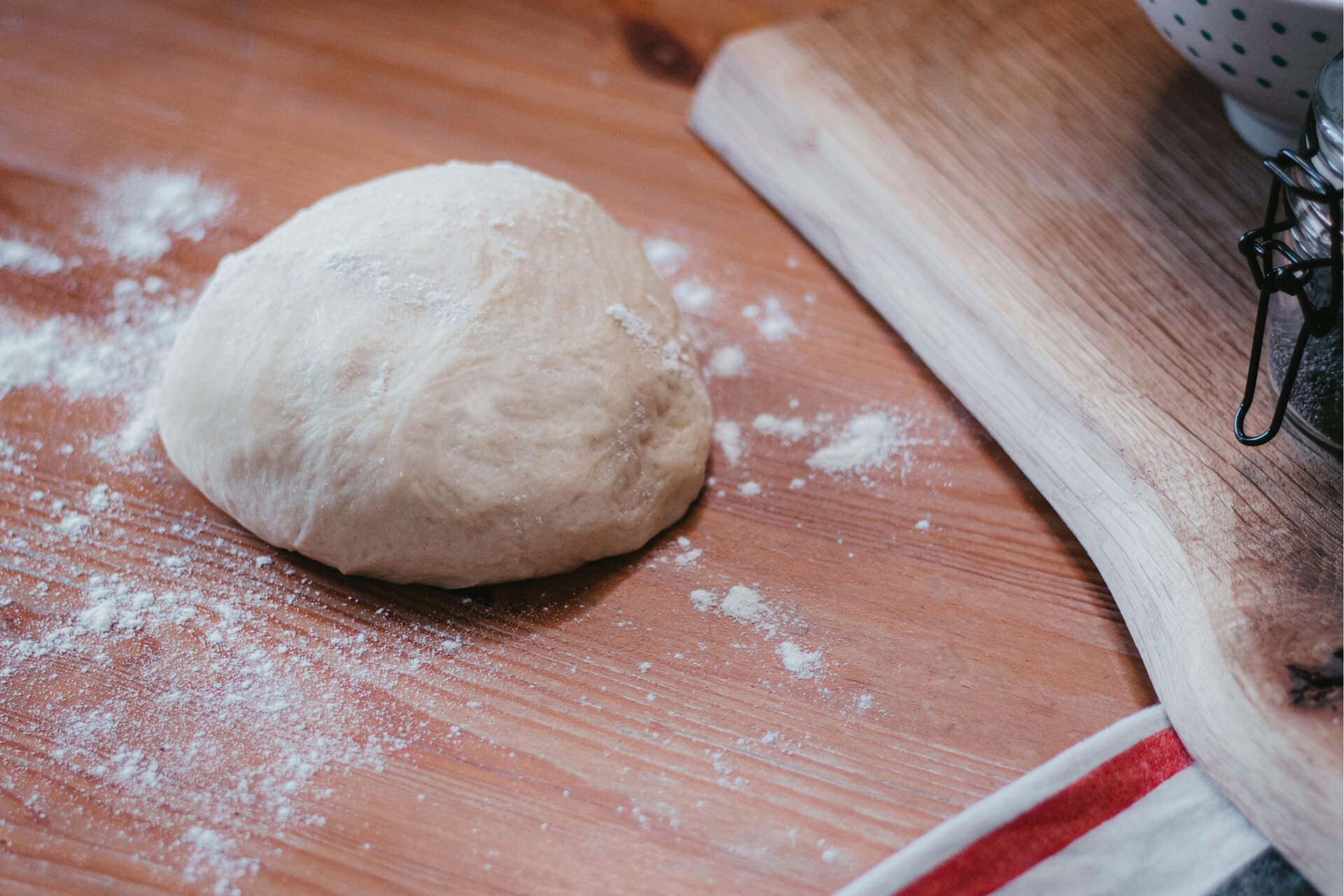
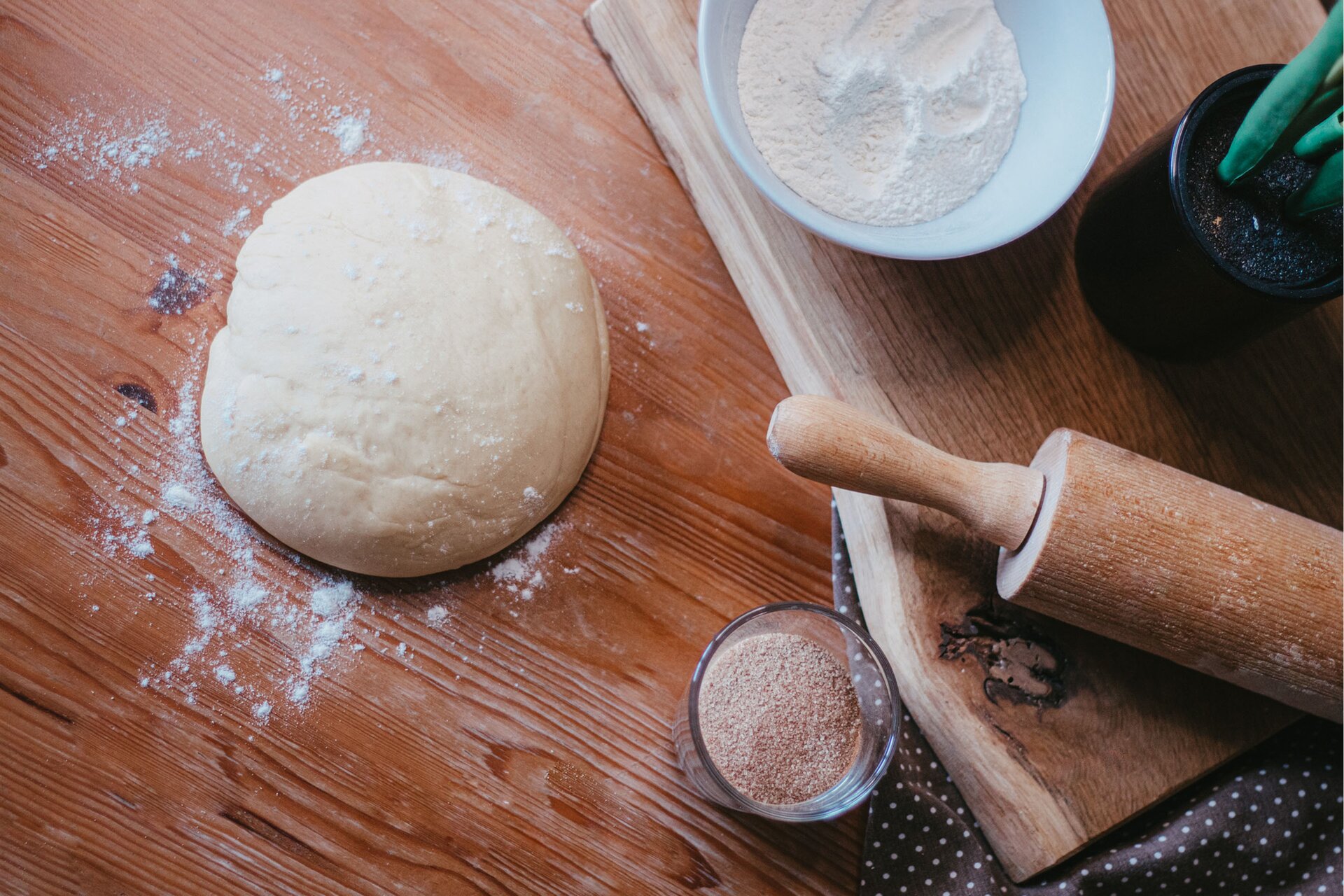
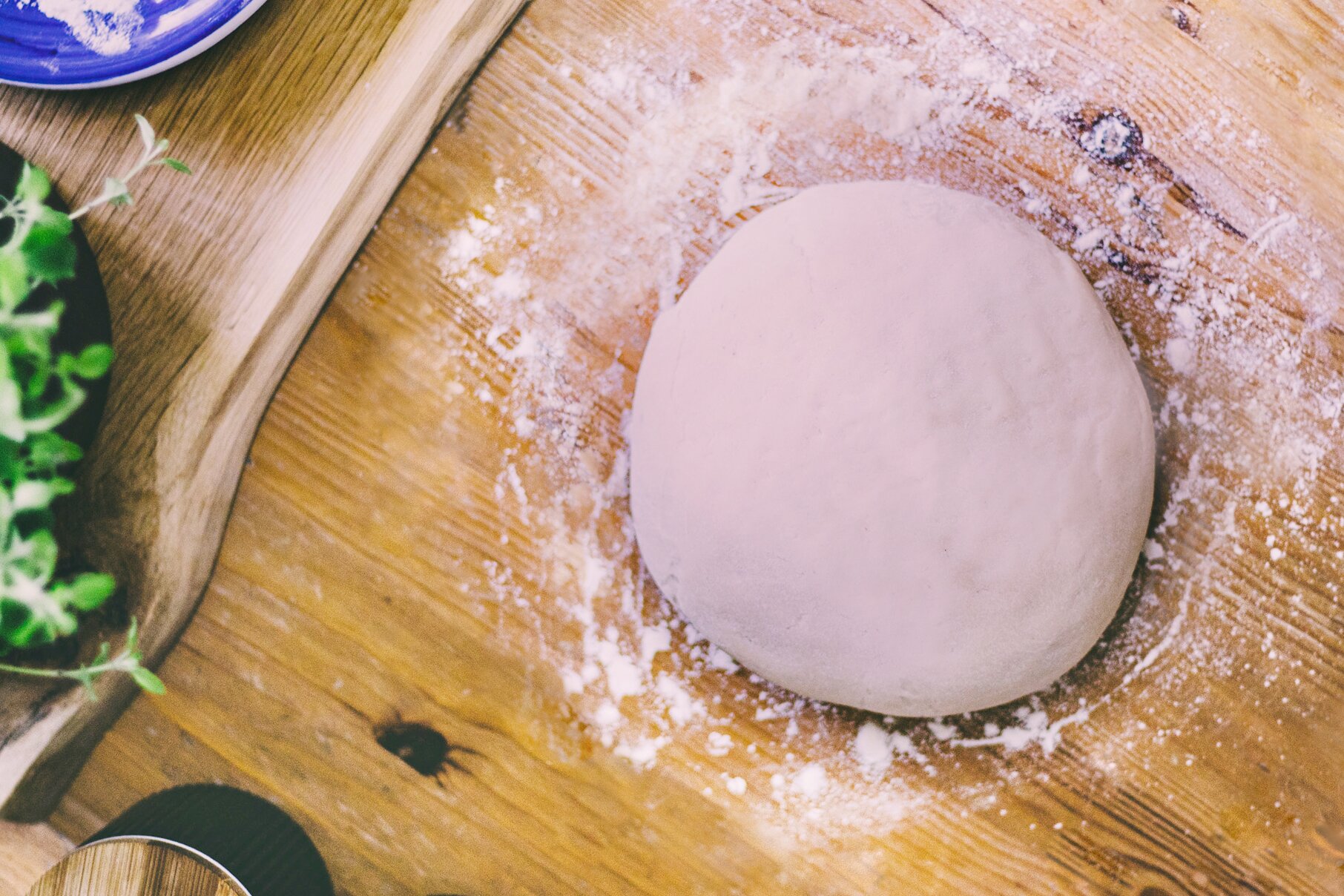
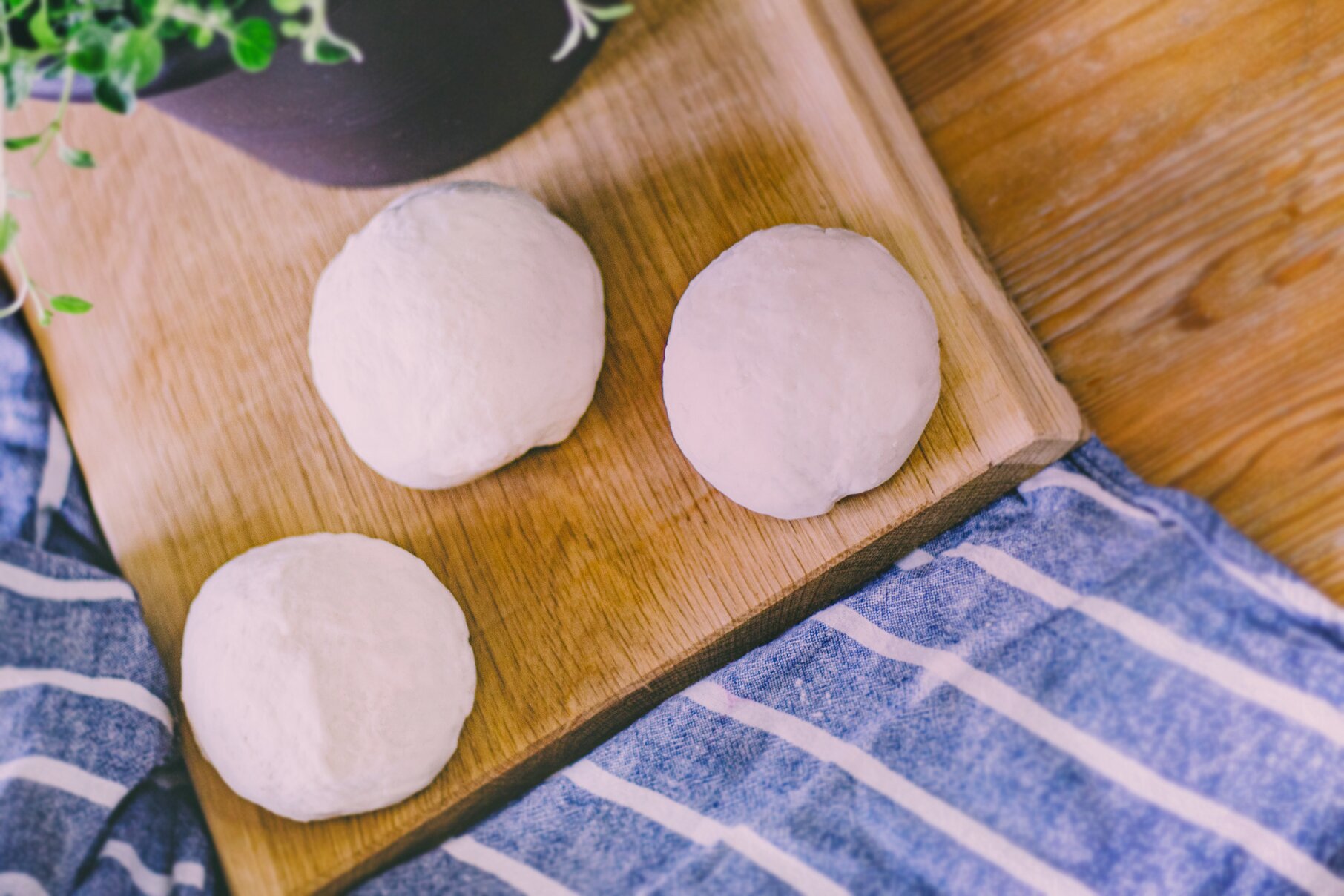
  1. Prepare yeast dough pieces.

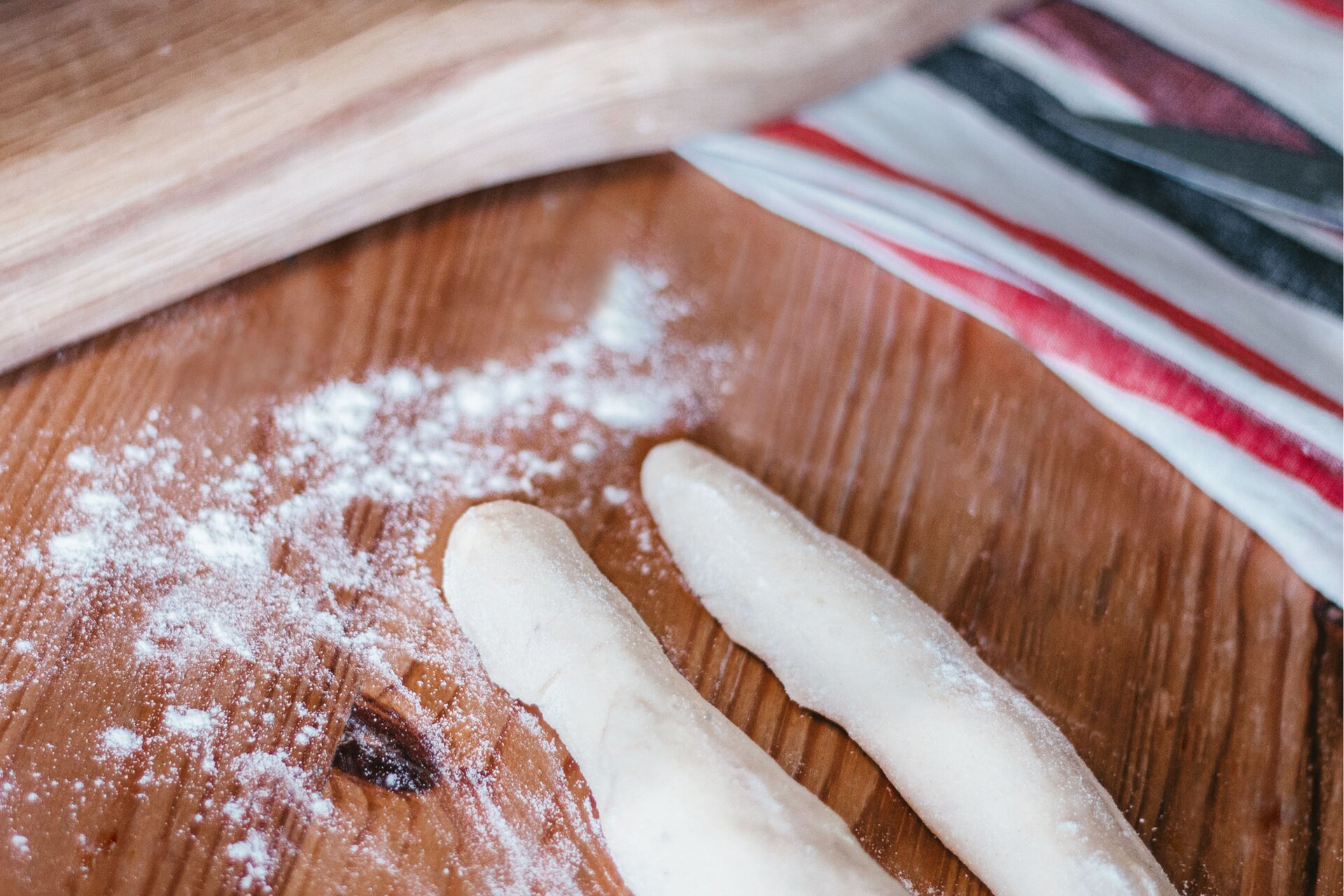
  2. The risen dough should be divided into two parts and two rolls of equal size should be formed.

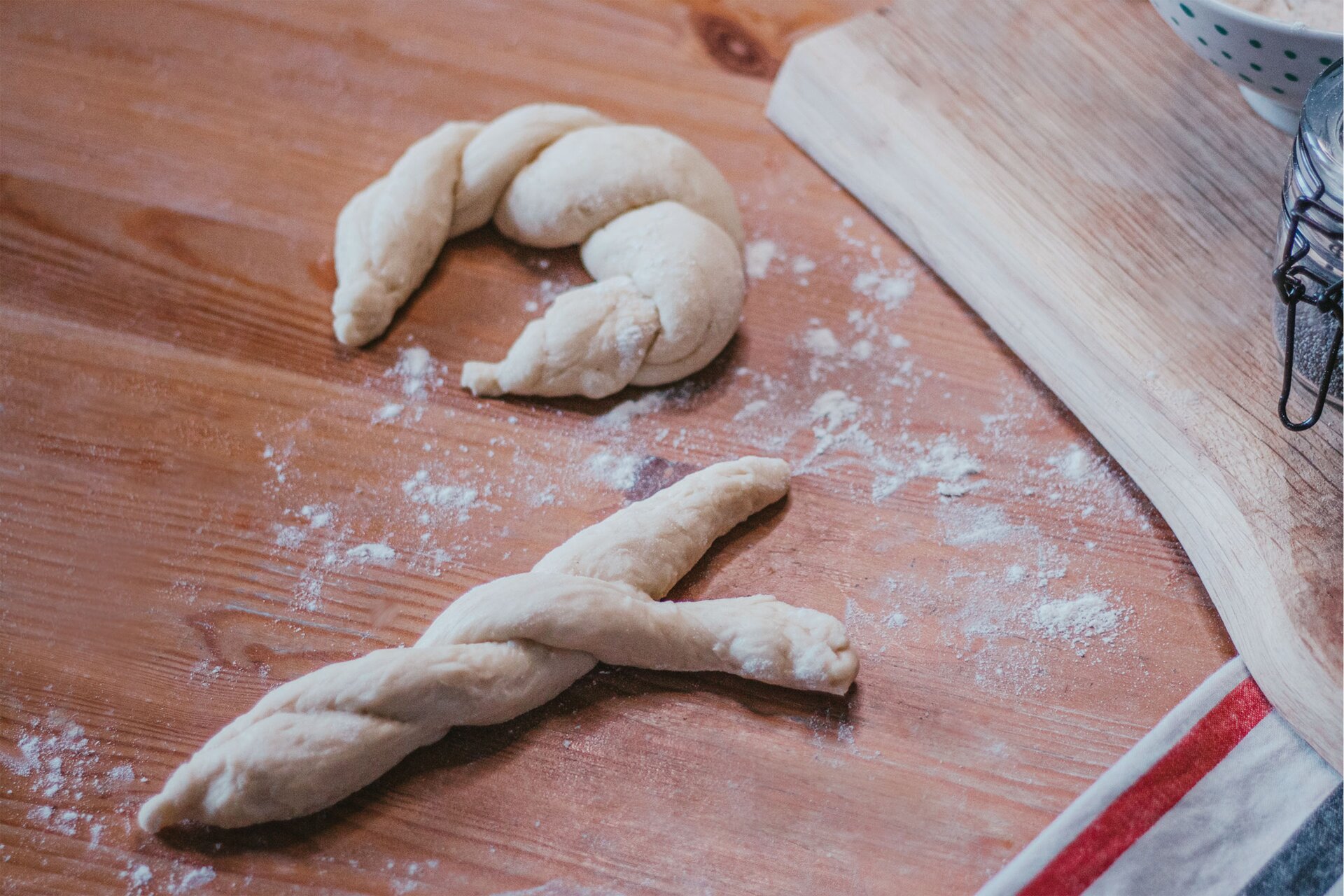
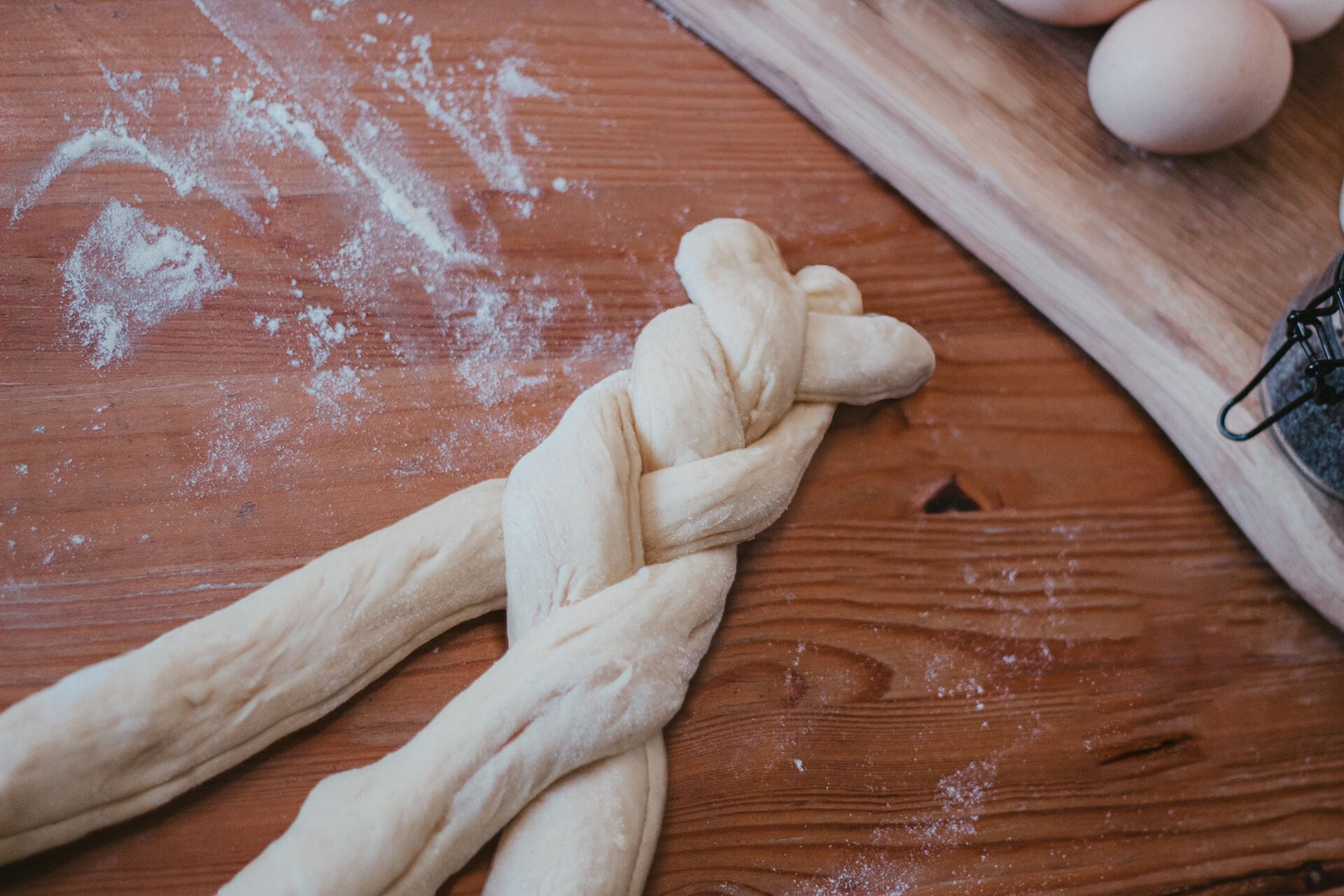
  3. Place the rollers parallel to each other and braid.

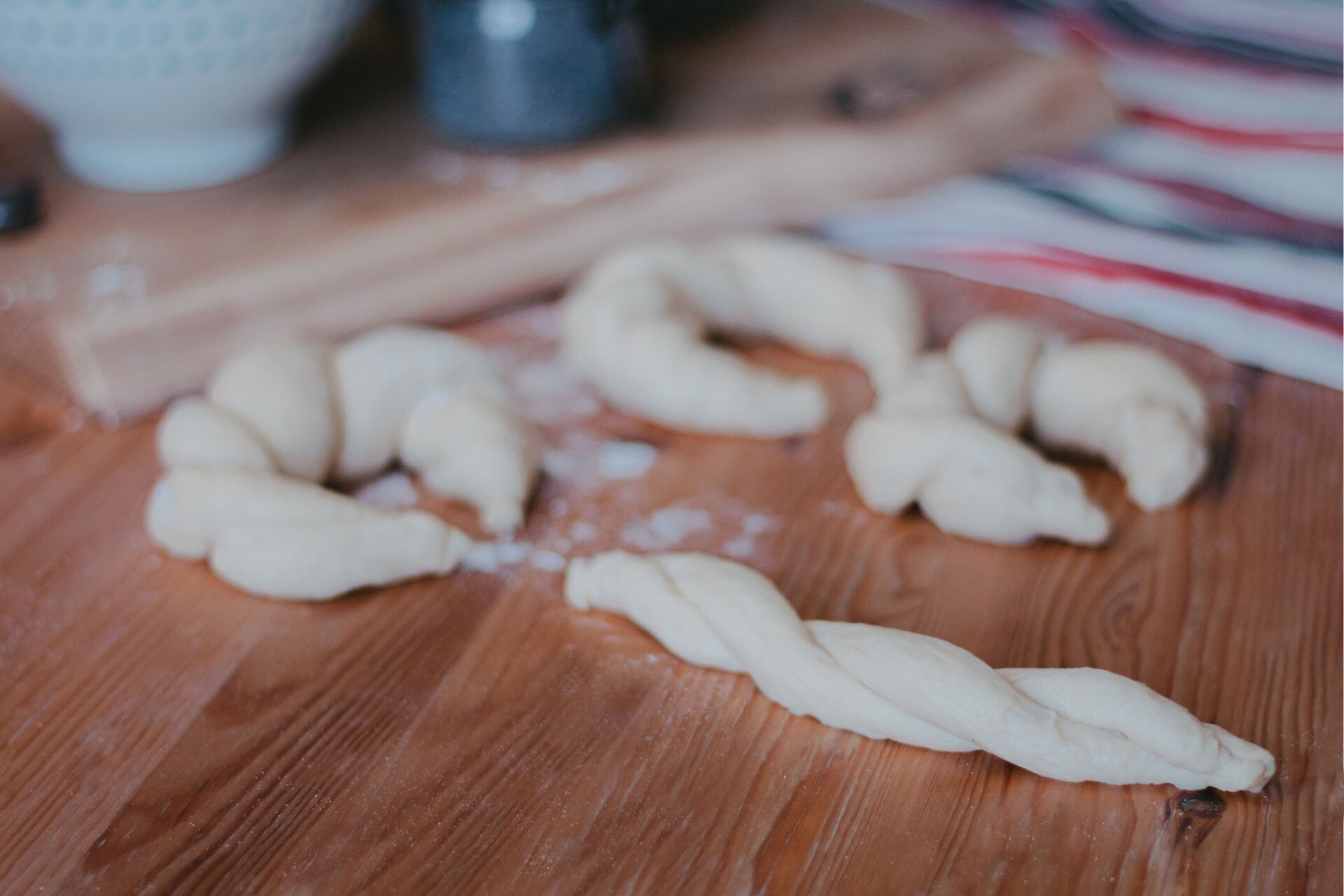
  4. Form the braid into a crescent shape.

  5. Leave the croissant for the final growth.

  6. Before baking, sprinkle the croissant with blue poppy seeds.

  7. The baked croissant retains its crescent shape. In cross‑section it is oval, with visible layers of interwoven dough rolls.

  8. The crust surface is dark golden brown to light brown after baking.

1,21
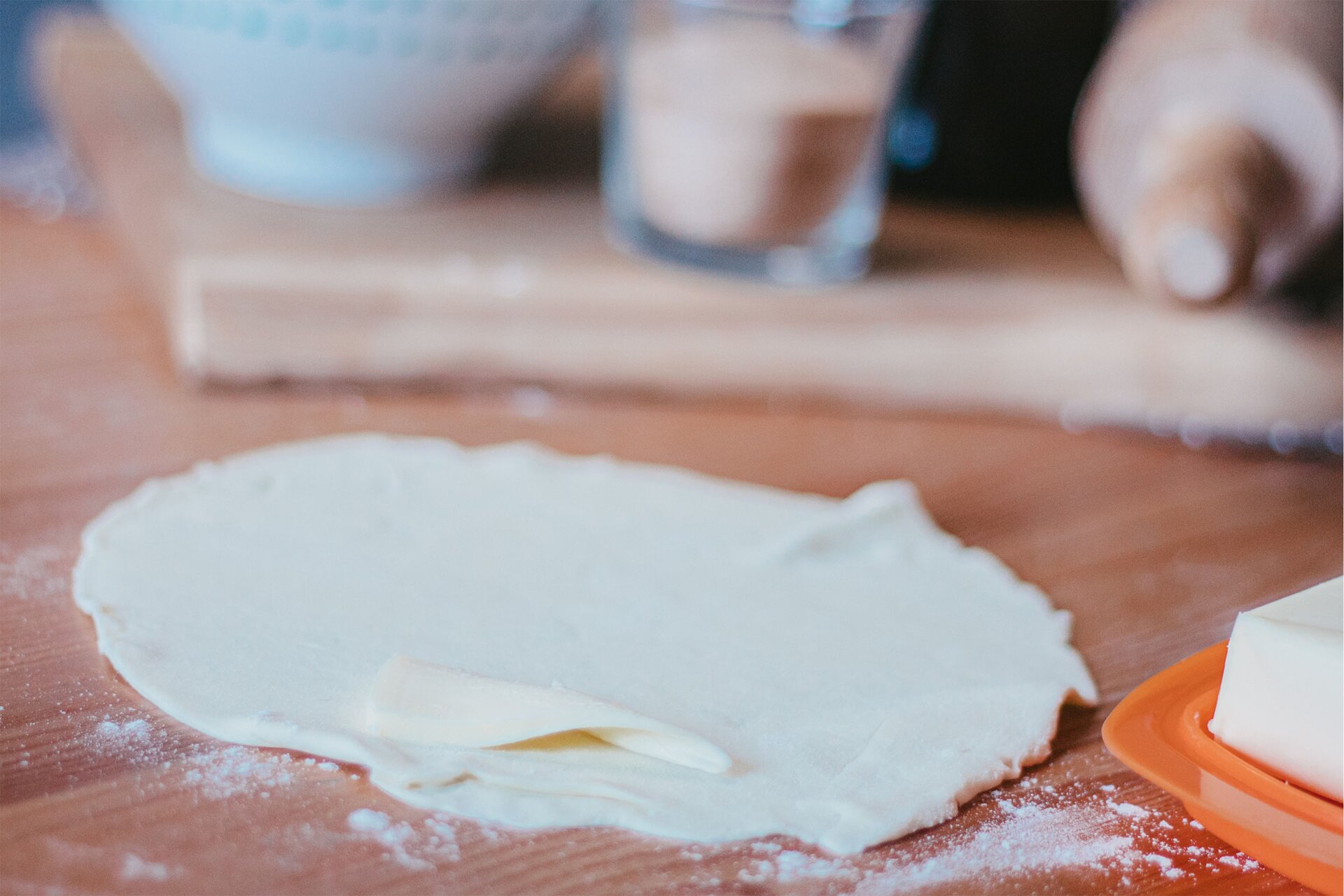
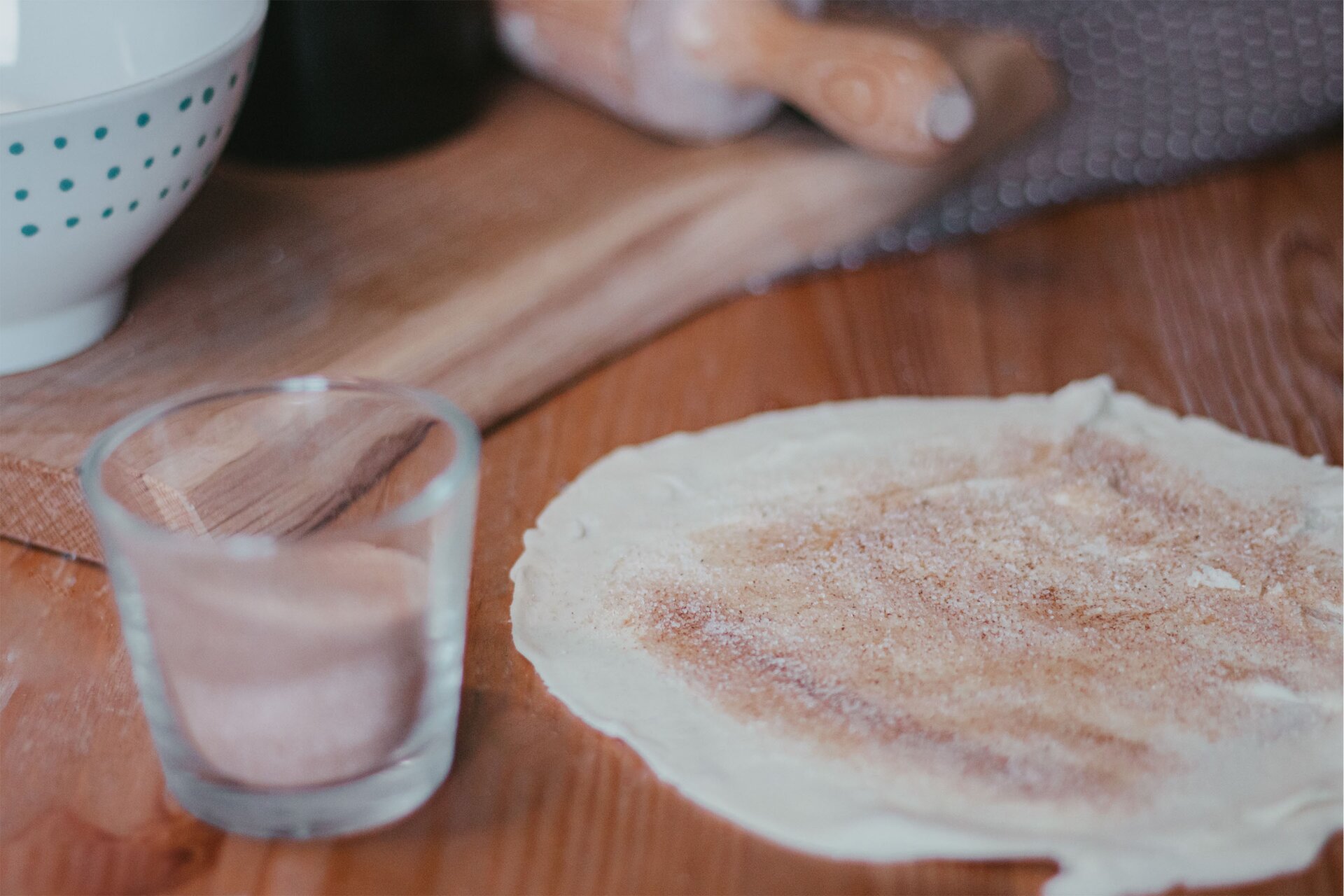
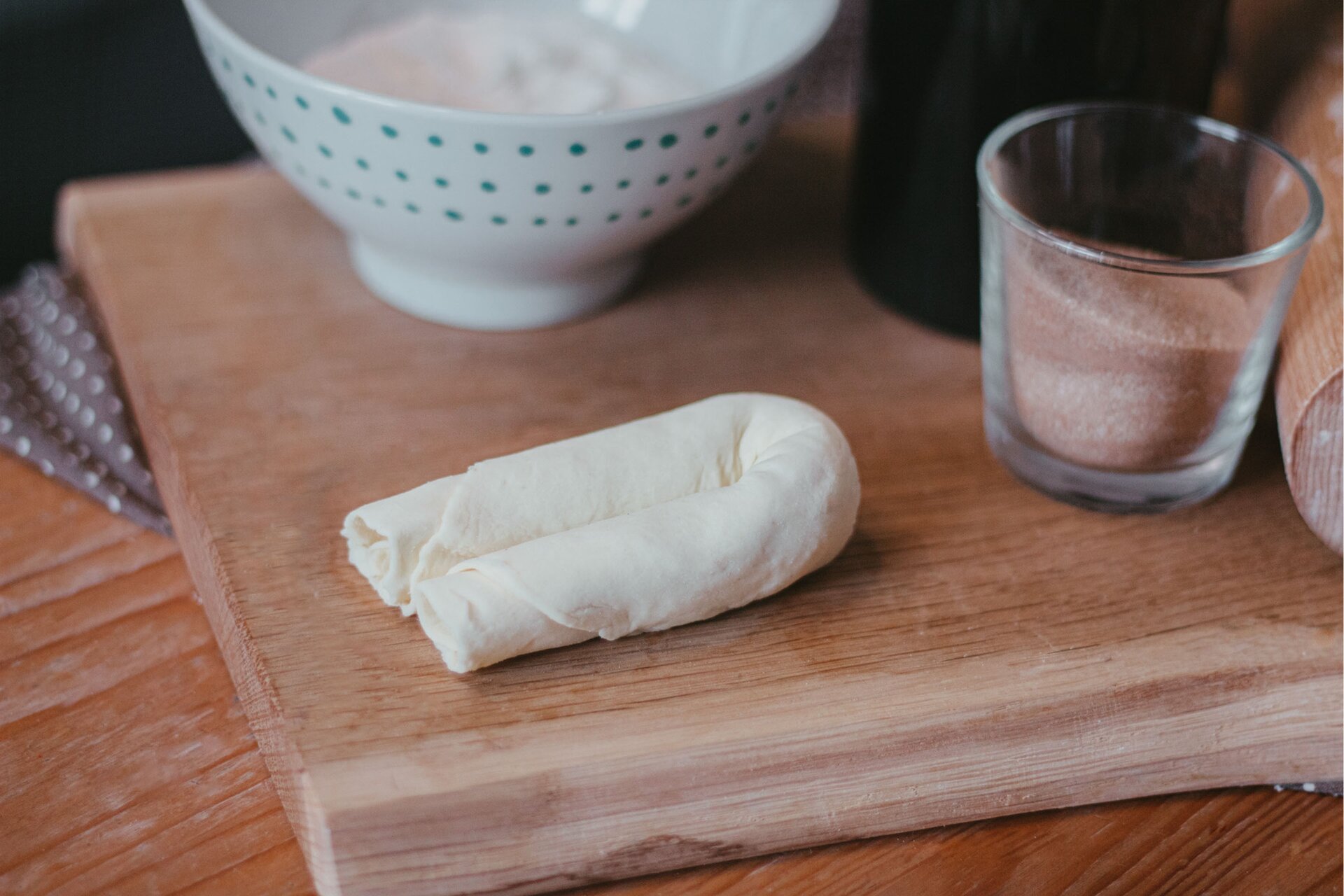
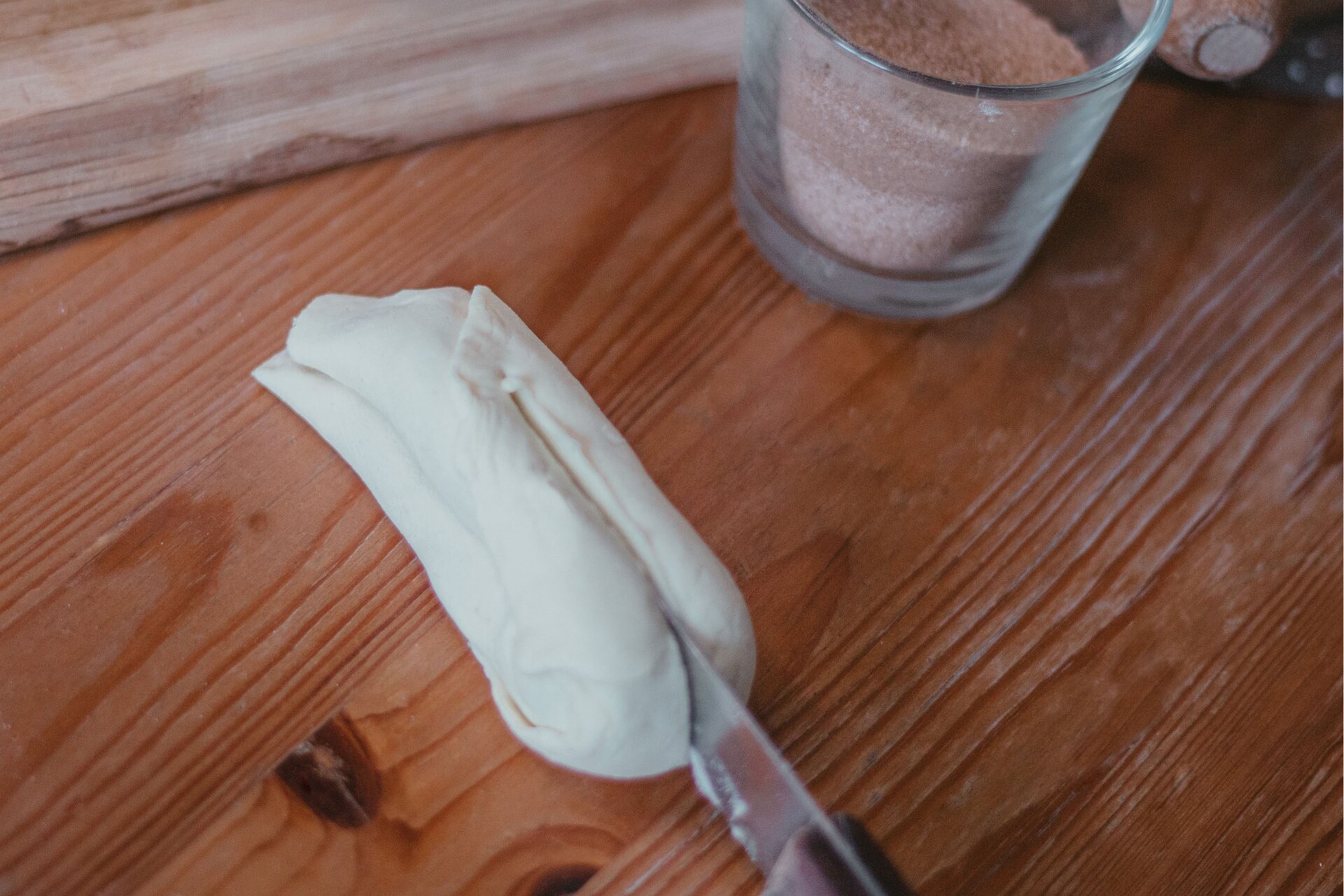
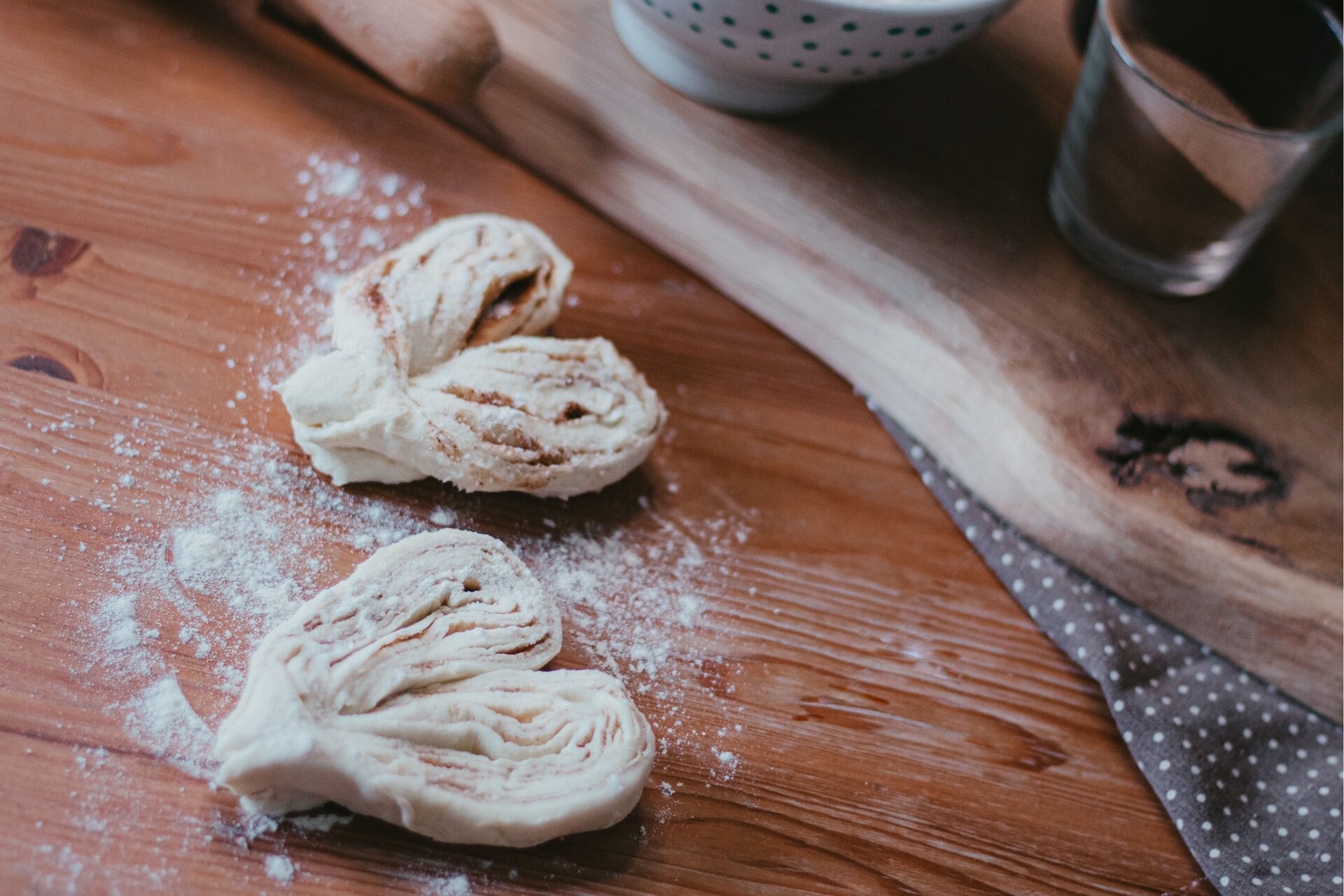
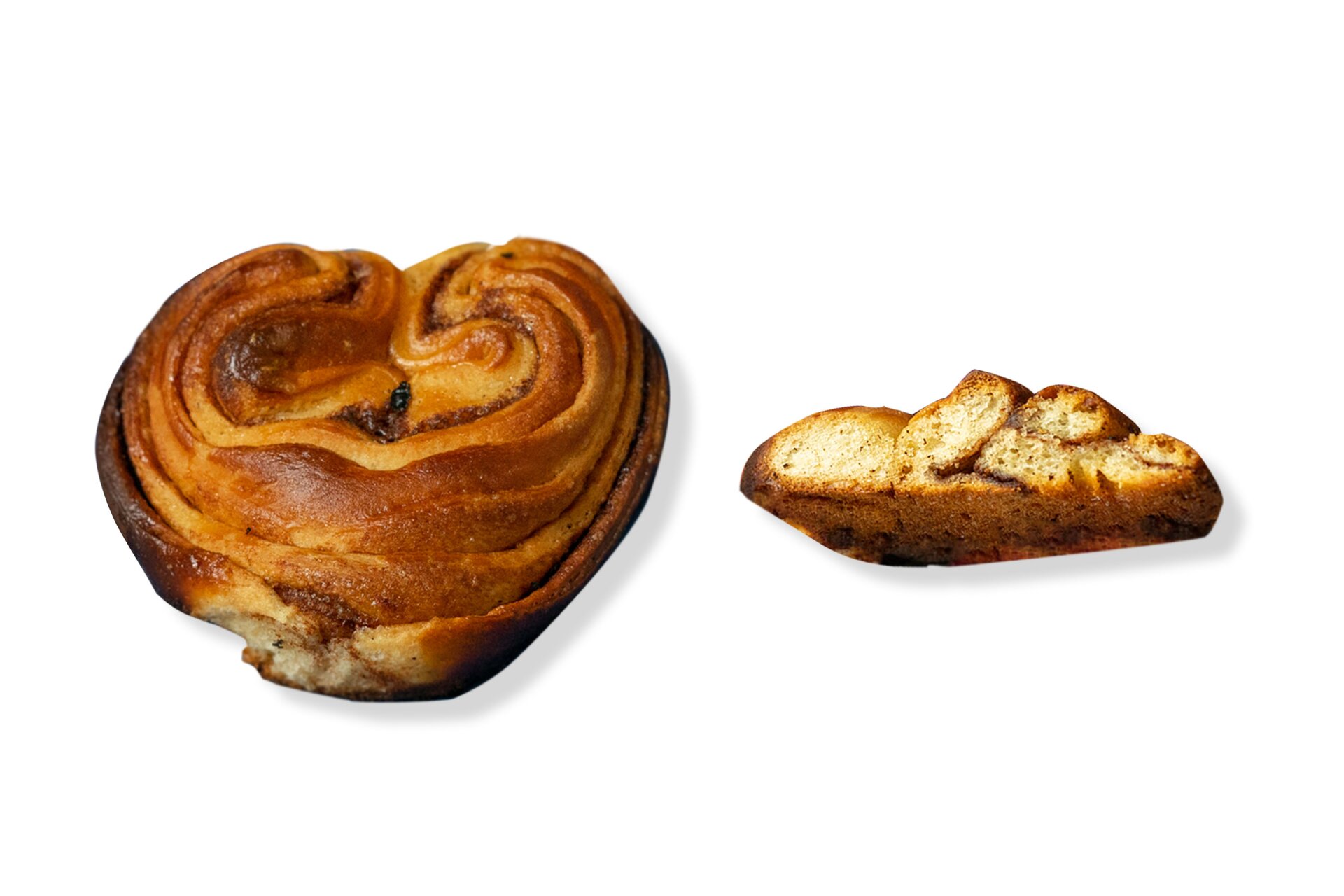
Shaping hearts
  1. Prepare pieces of yeast dough.

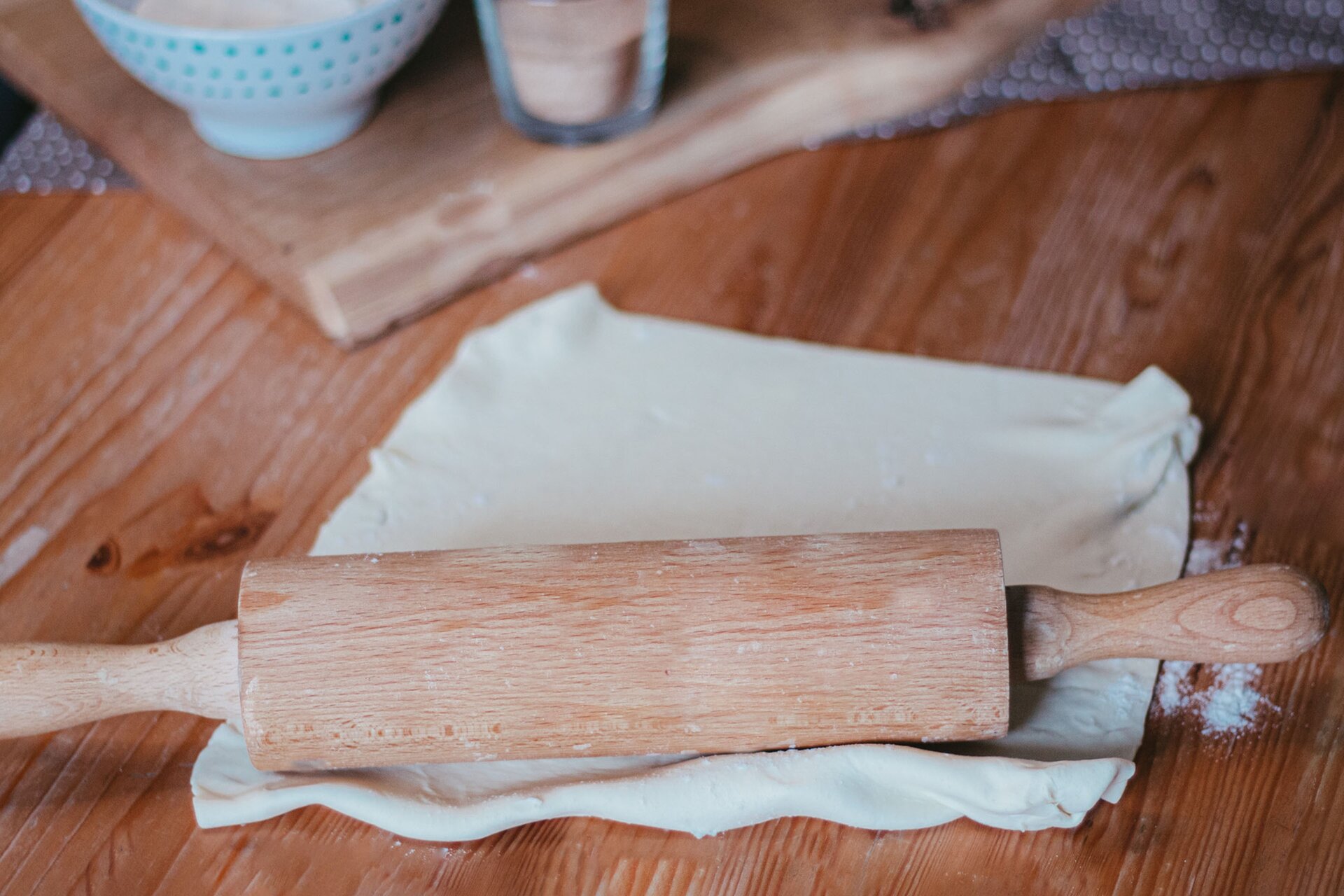
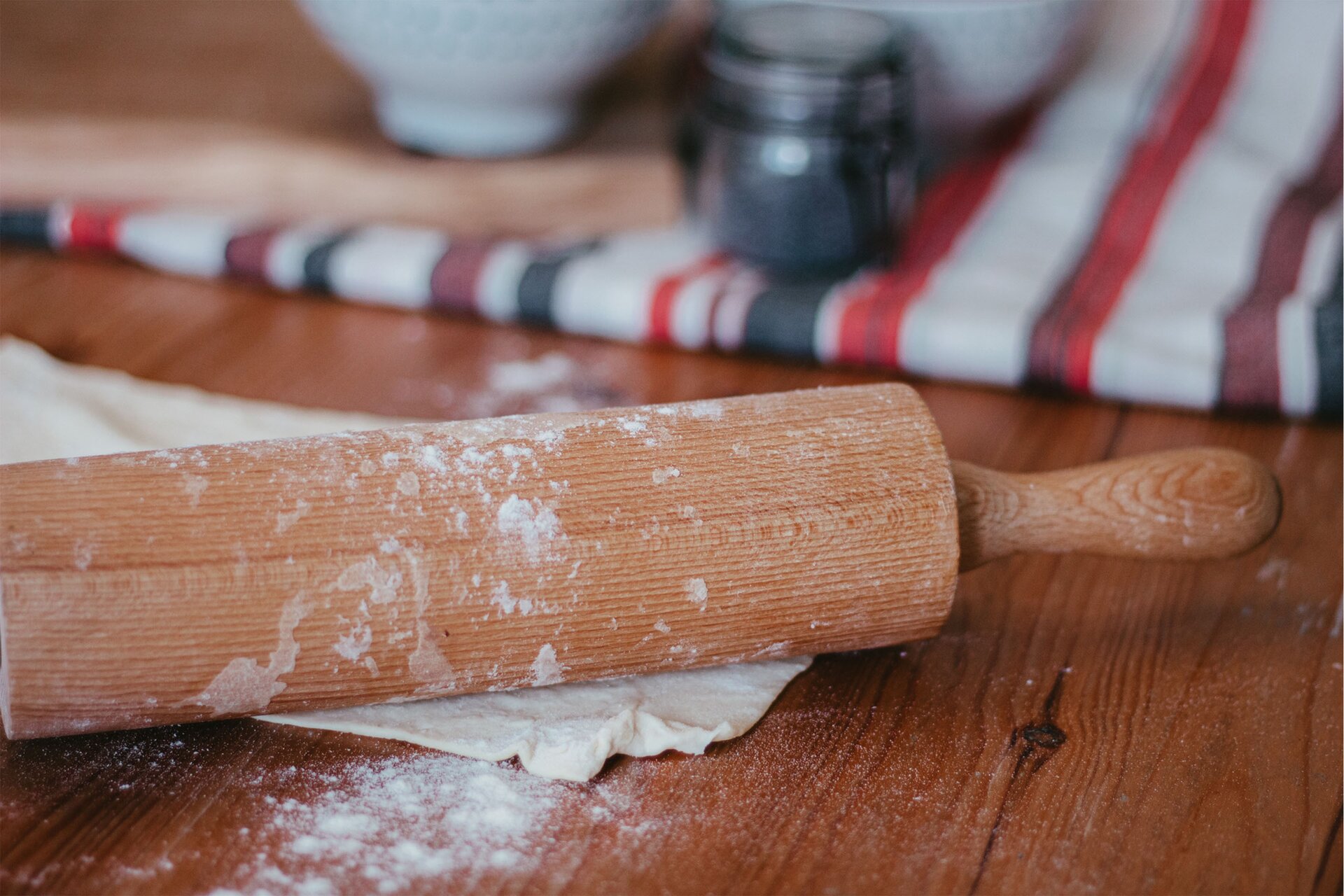
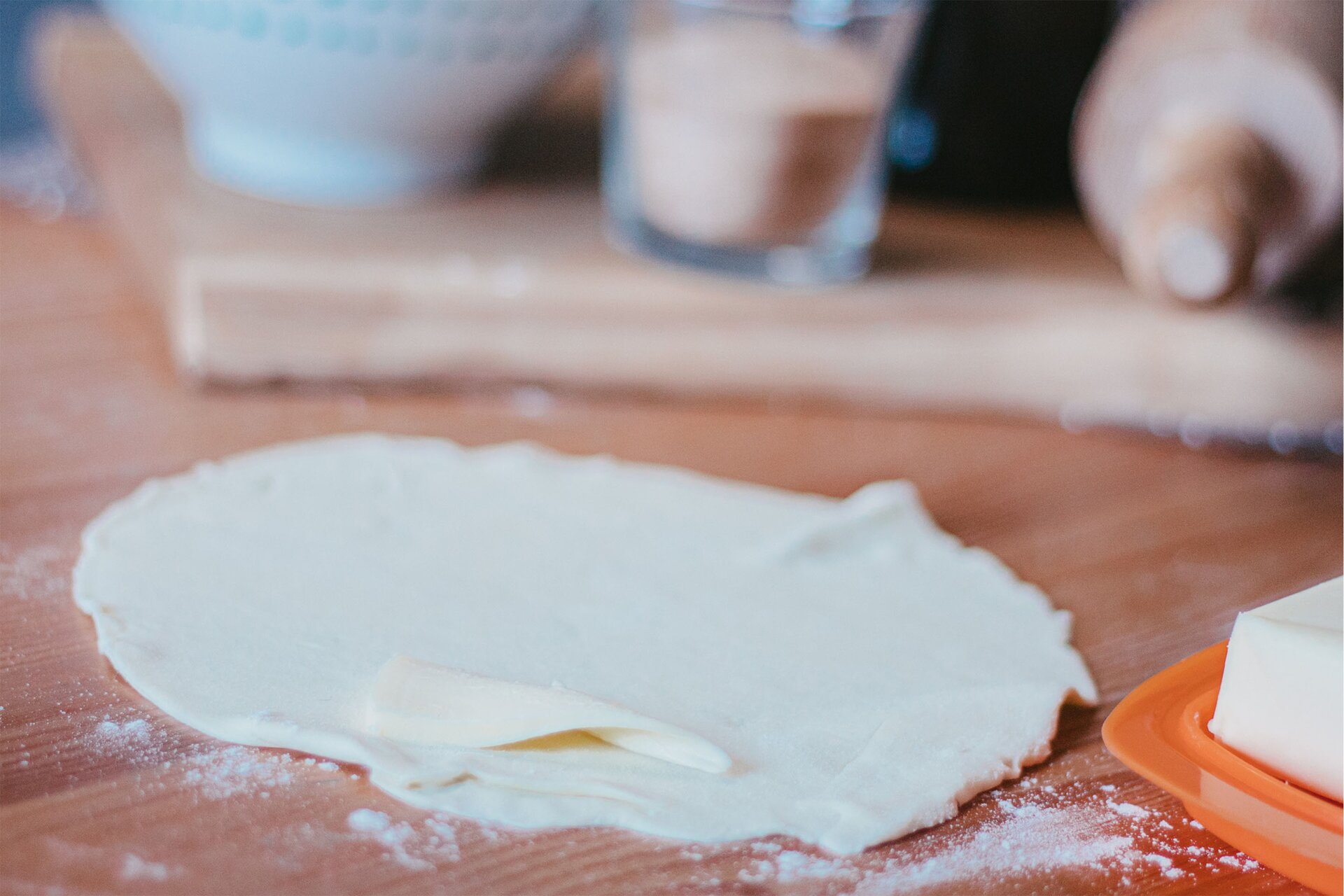
  2. Roll out the risen dough into a very thin sheet.

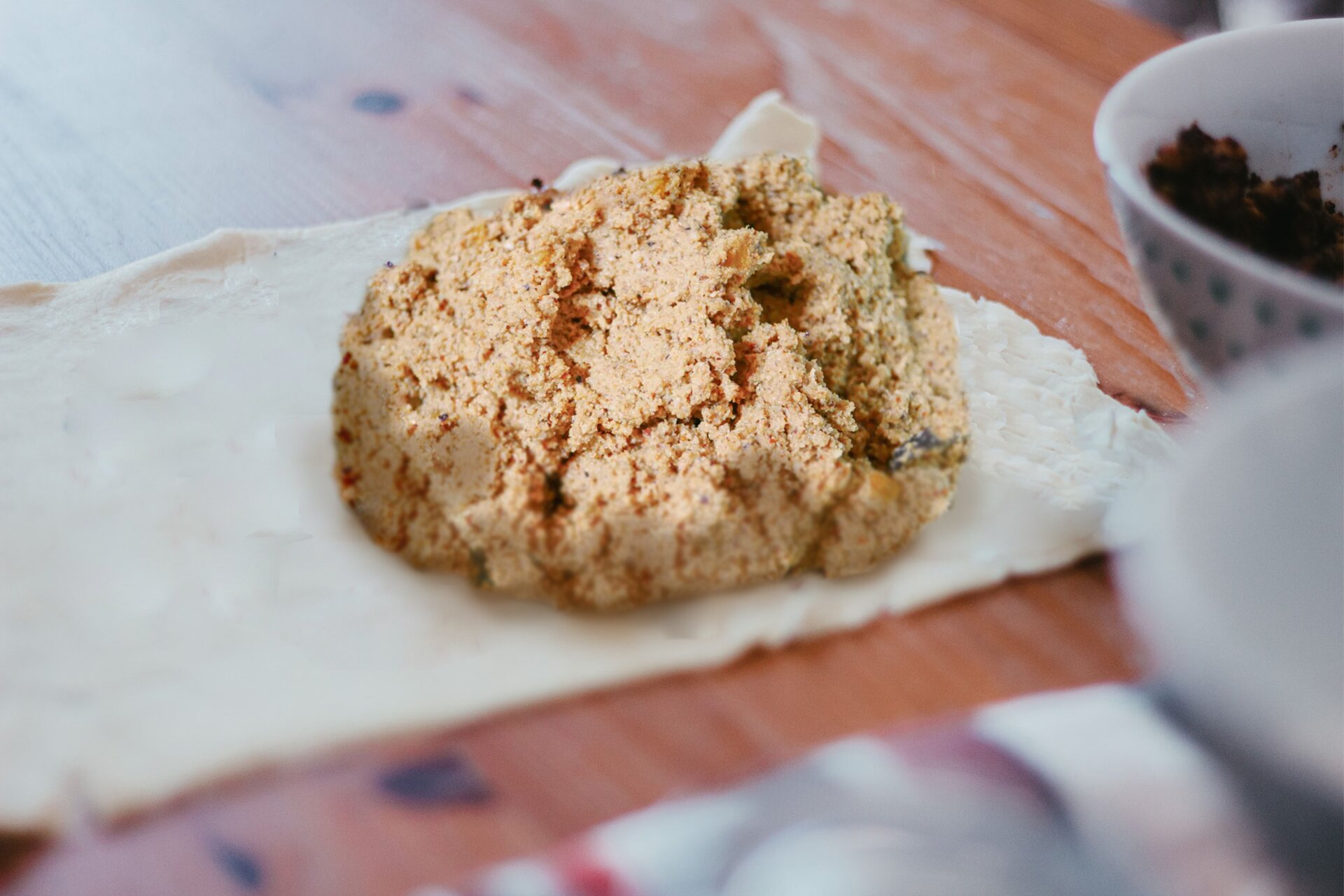
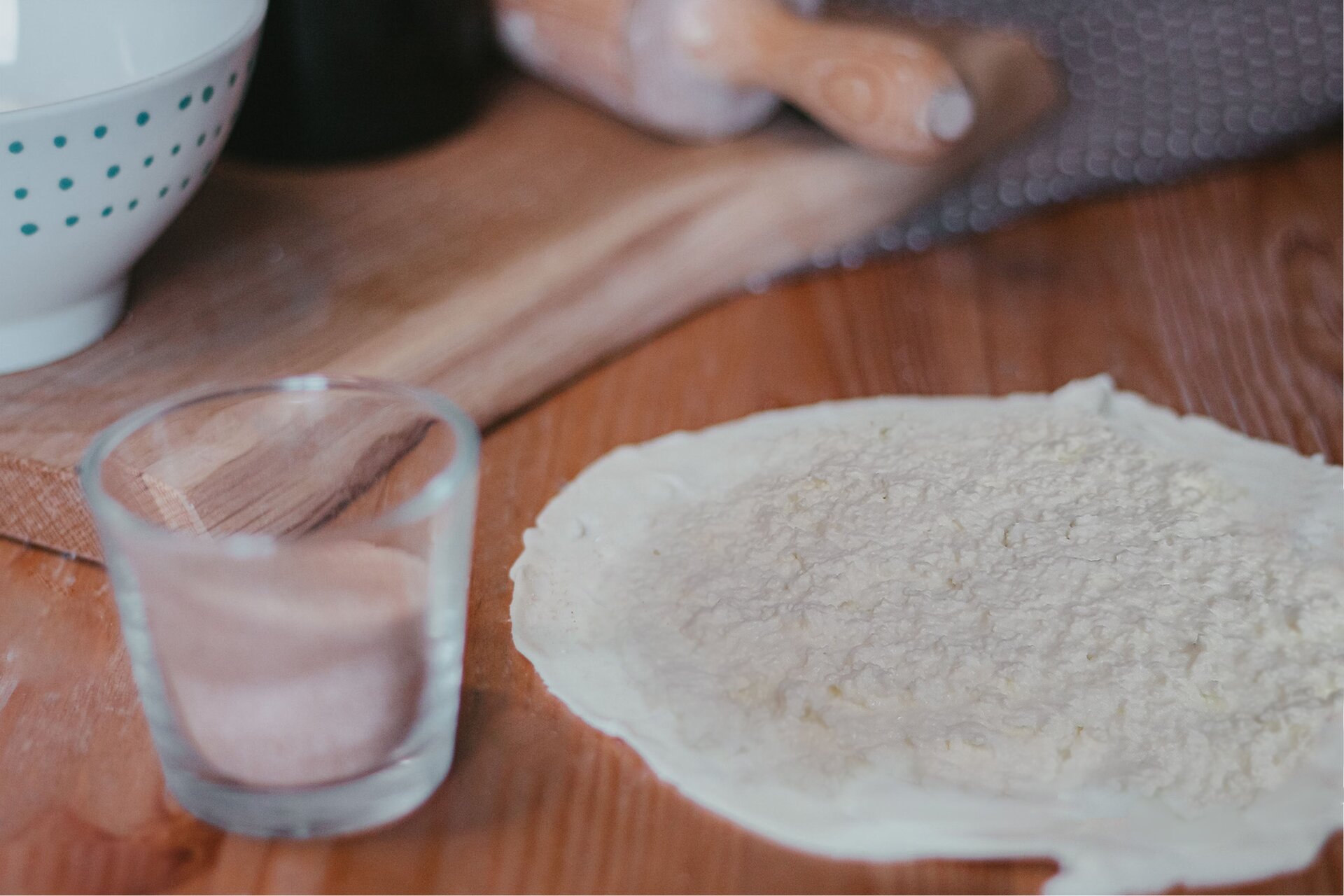
  3. Place the filling (e.g. almond or walnut paste) on the pancake prepared in this way.

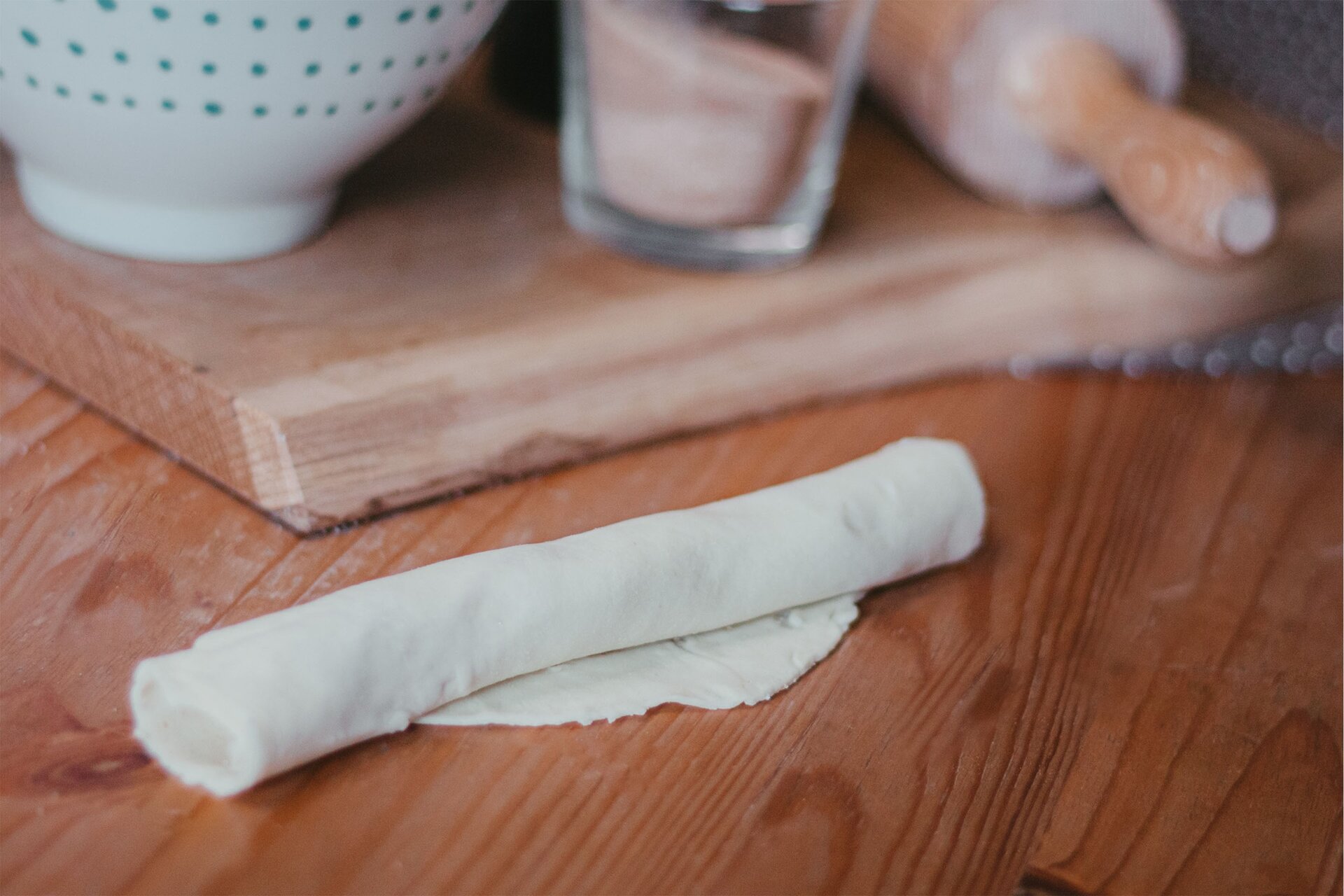
  4. Roll up the resulting product.

  5. Fold the roll in half and lay it to the side.

  6. Cut the roulade in the middle to 2/3 of its length. Fold the cut parts to the sides, form the end and give the whole a heart shape.

  7. The baked product retains its heart shape. In cross‑section it is oval in shape, with layers of rolling visible on one side. The dough is creamy in colour.

  8. After baking, the crust surface is dark golden brown to light brown in colour and the filling remains moist.

1,21
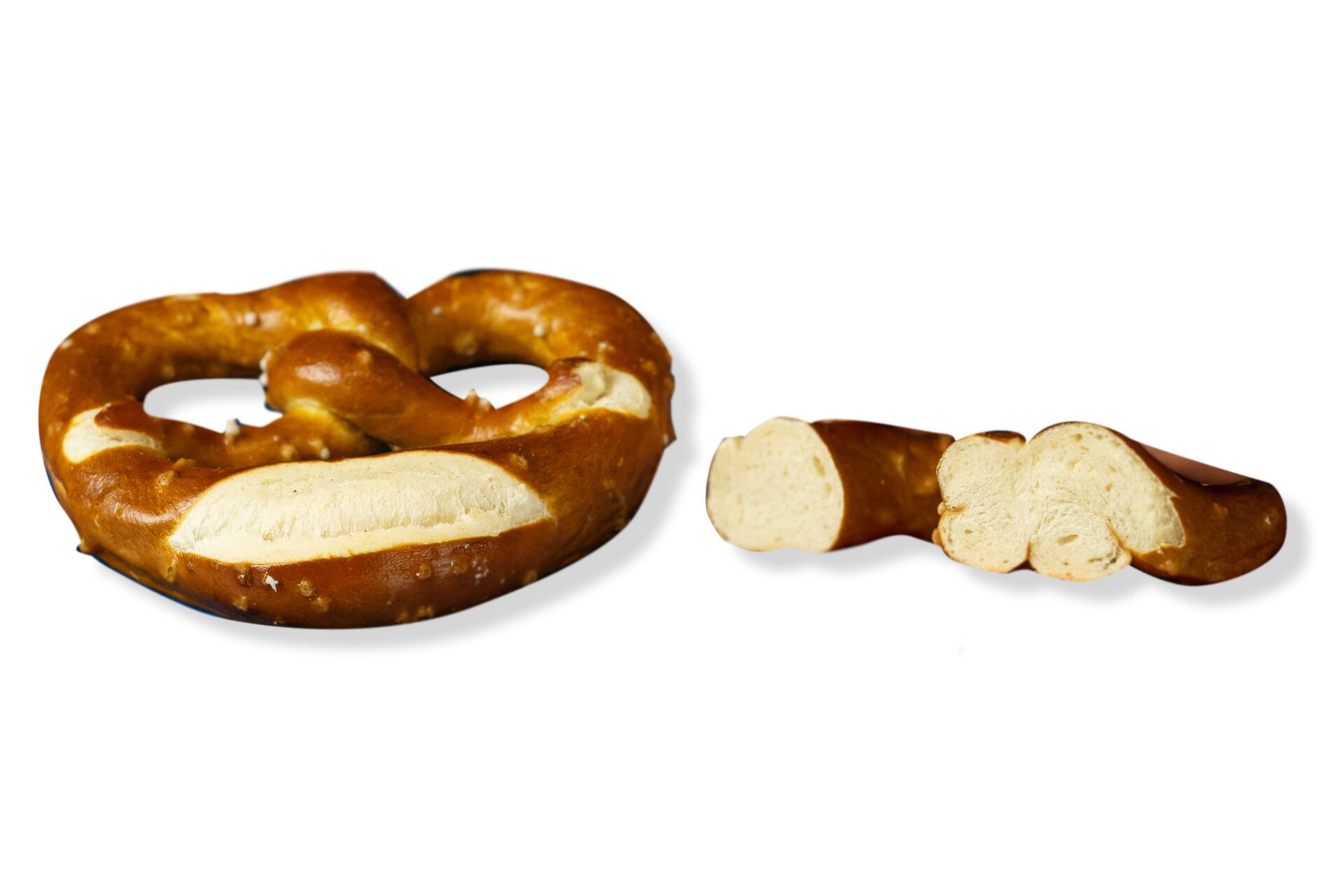
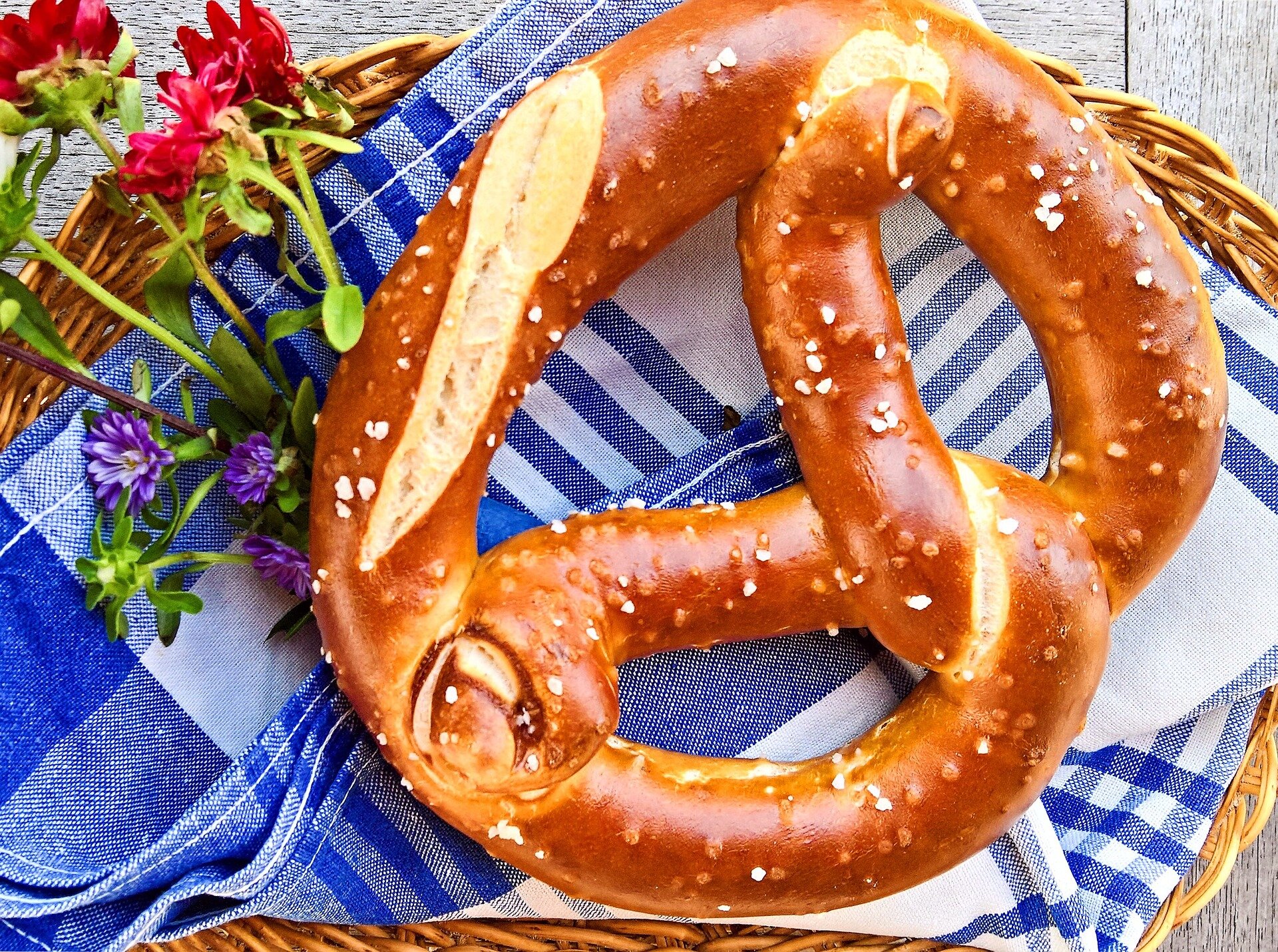
Forming pretzels
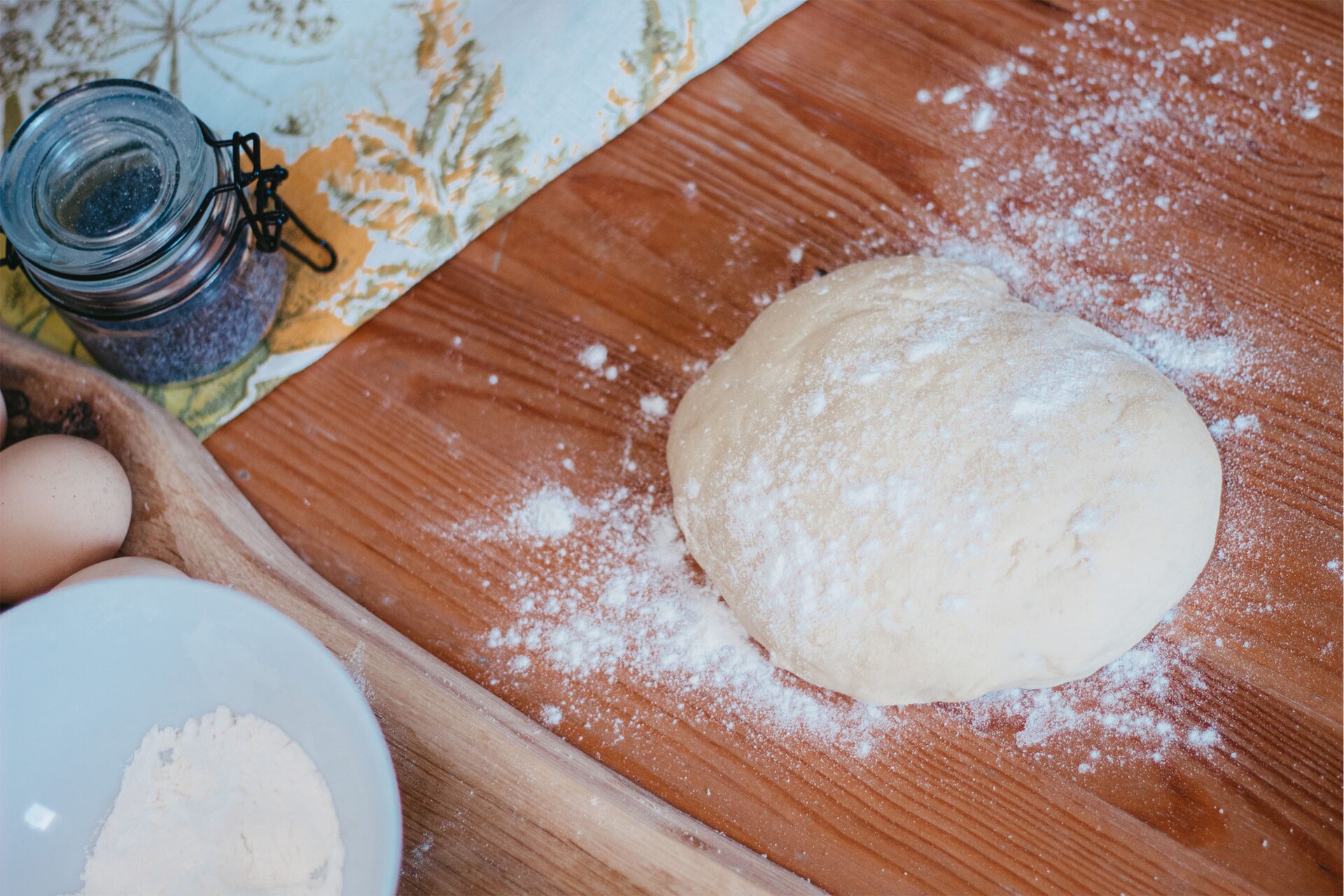
  1. Prepare a slab of whipped or egg white protein‑foamed yeast dough.

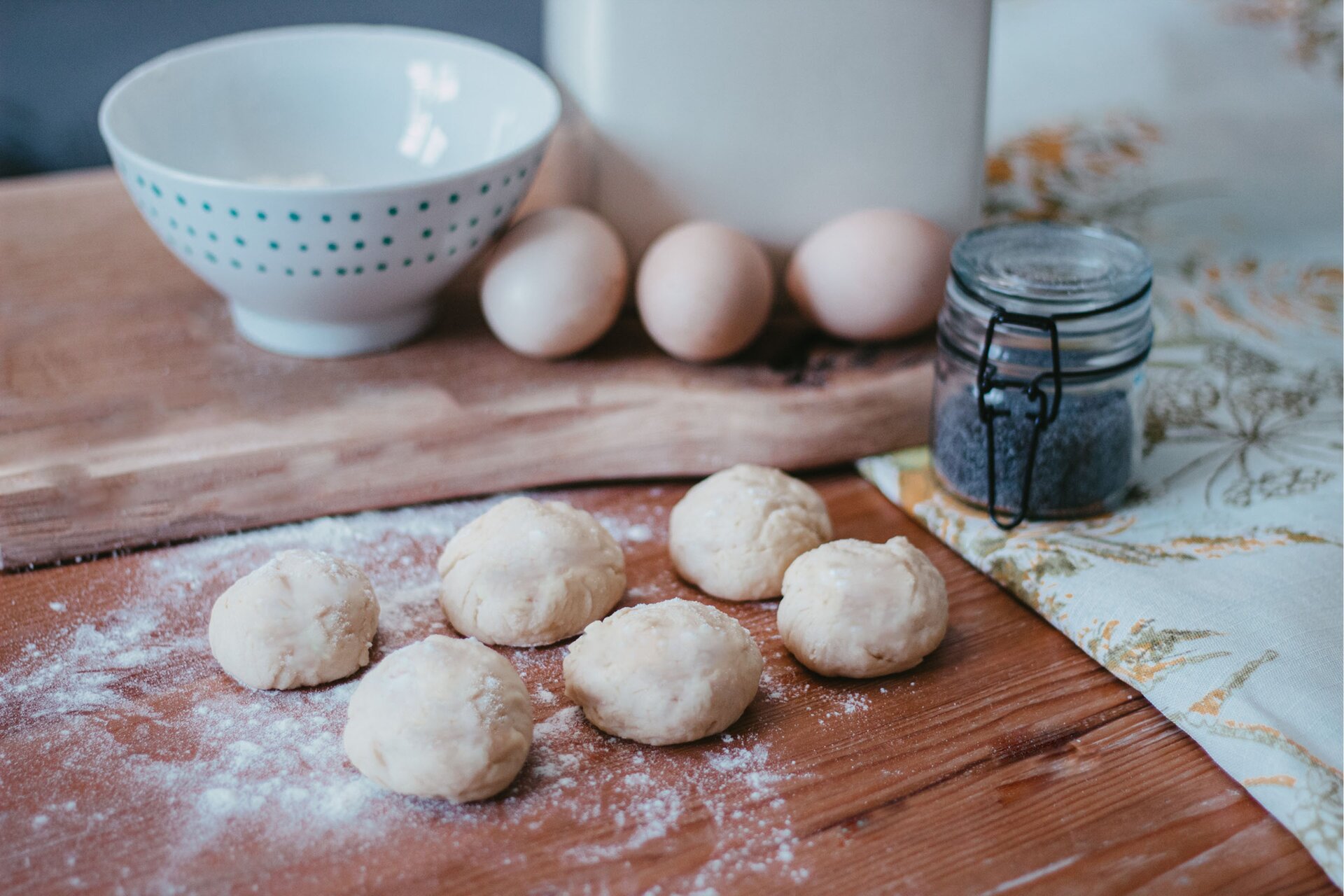
  2. Divide the dough into pieces of equal weight and leave for the final rise.

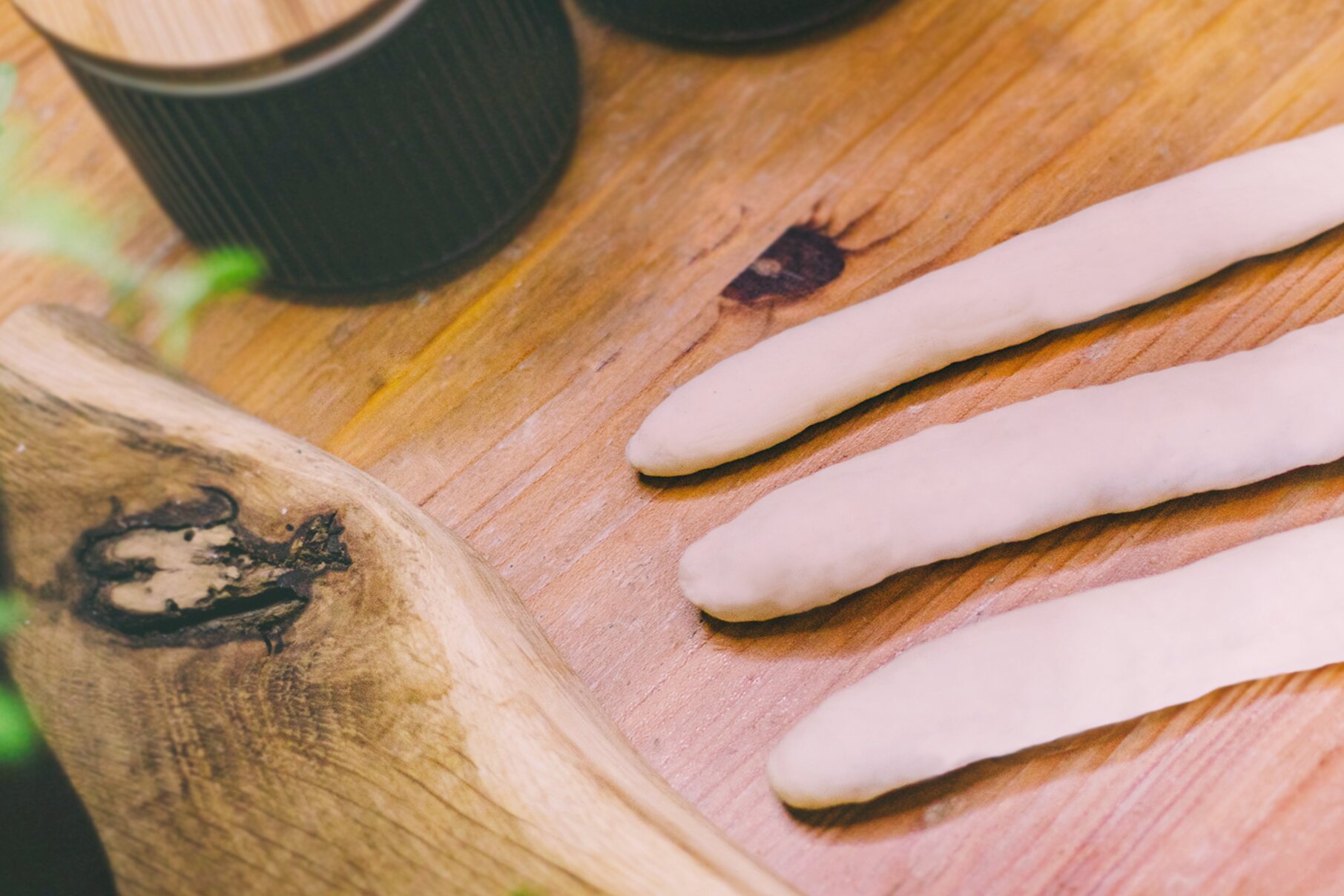
  3. From each piece, form a roll so that the ends are thinner than the centre.

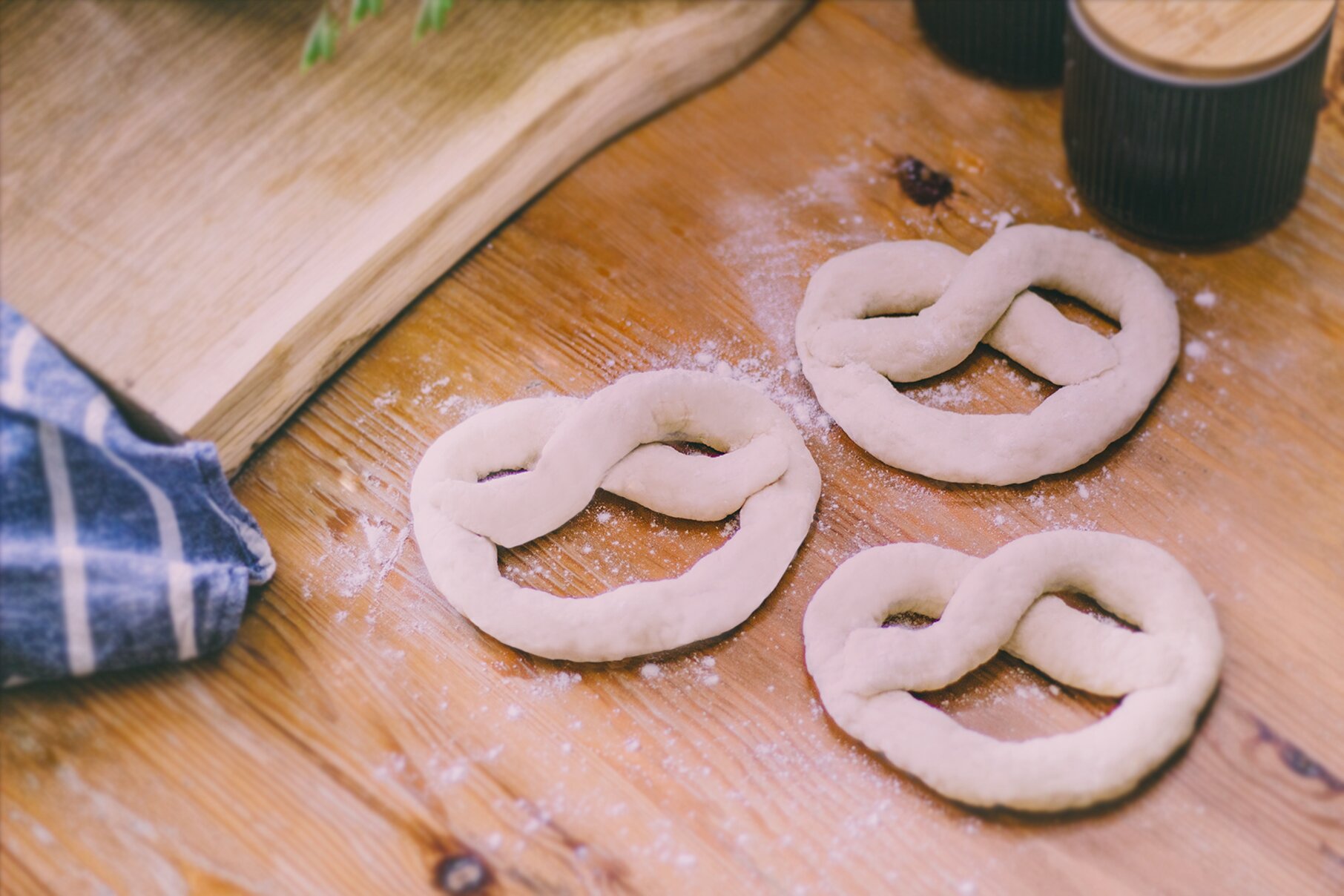
  4. Make a semicircle out of the shaped roll and cross the two ends together. Then bend the ends and press them against the inner sides of the semicircle. This produces a pretzel in the shape of a figure eight. Pretzels may vary in size.

  5. Leave the pretzel prepared in this way for the final rise.

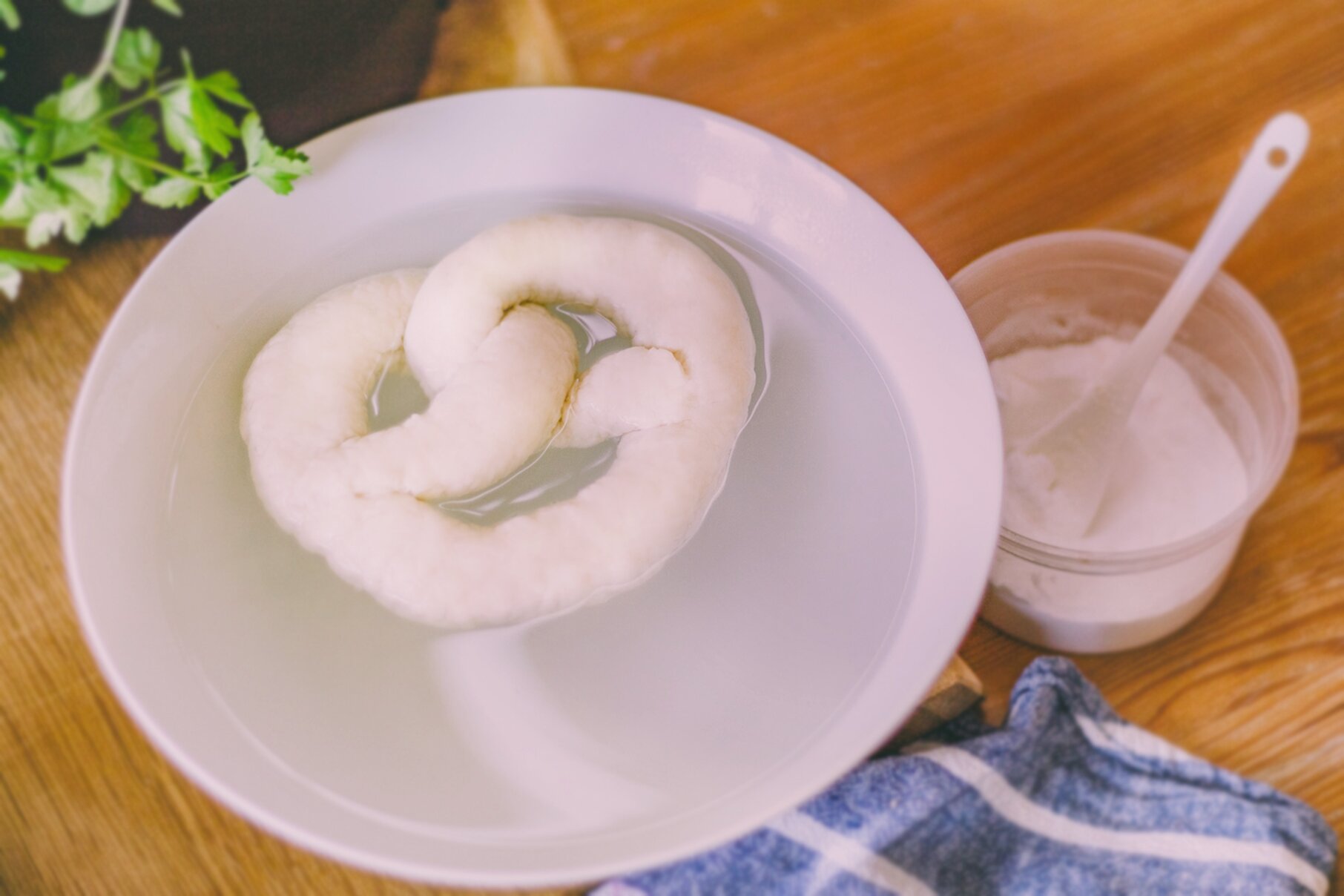
  6. Boil the pretzel in water with baking soda for a few seconds.

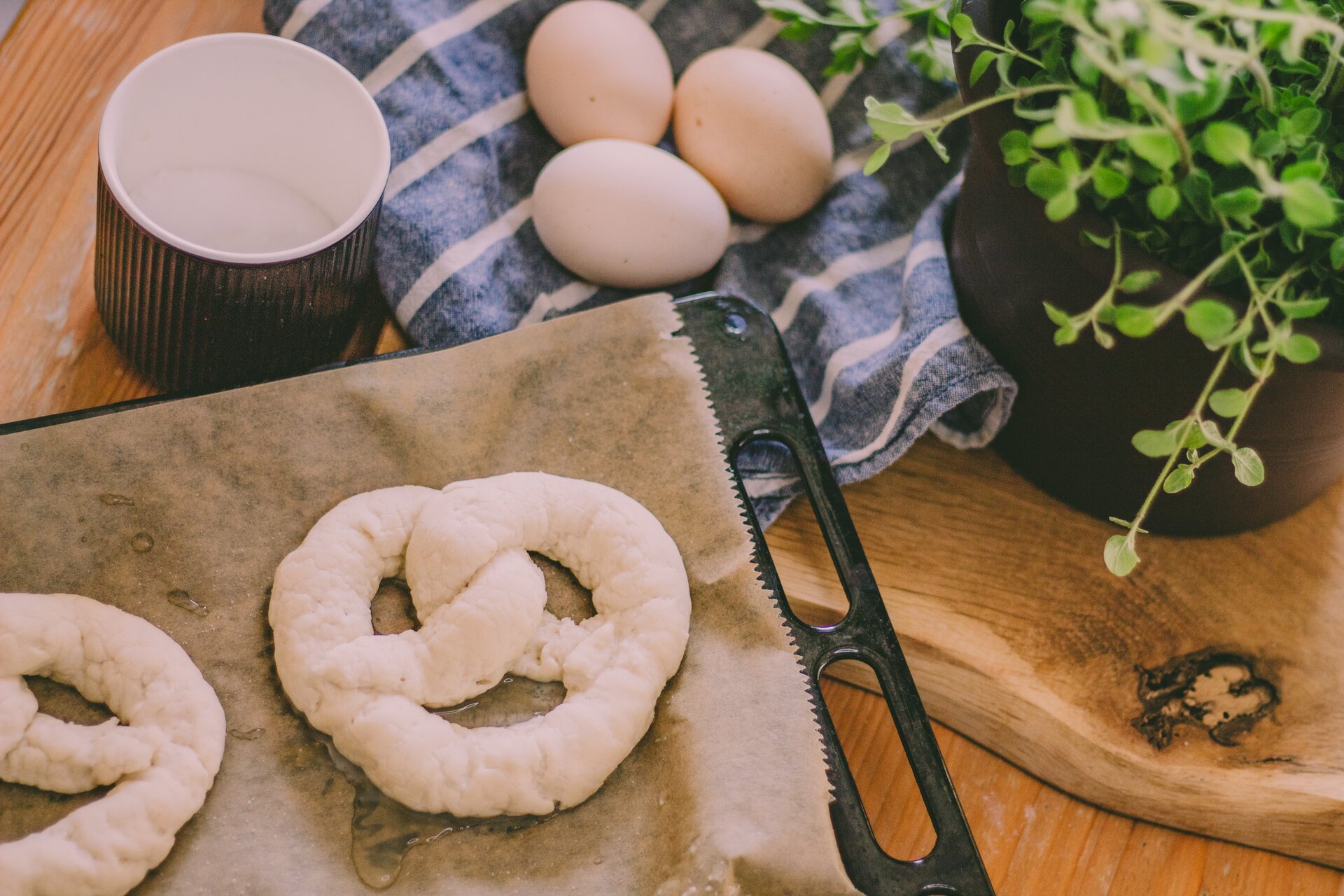
  7. Before baking, the pretzel can be sprinkled with e.g. fine‑grained salt, cumin, white sesame, blue poppy or mixed sprinkles.

  8. The baked product retains the given figure‑eight shape. In cross‑section it is oval in shape, with the intersection of the rollers visible on one side. The dough is creamy in colour.

  9. After baking, the crust surface is dark golden brown to dark brown in colour.

1,21
Forming the Kiev hallach
R1atWKo4BSmFC
Zawartość nagrania audio jest identyczna z tekstem znajdującym się poniżej nagrania.
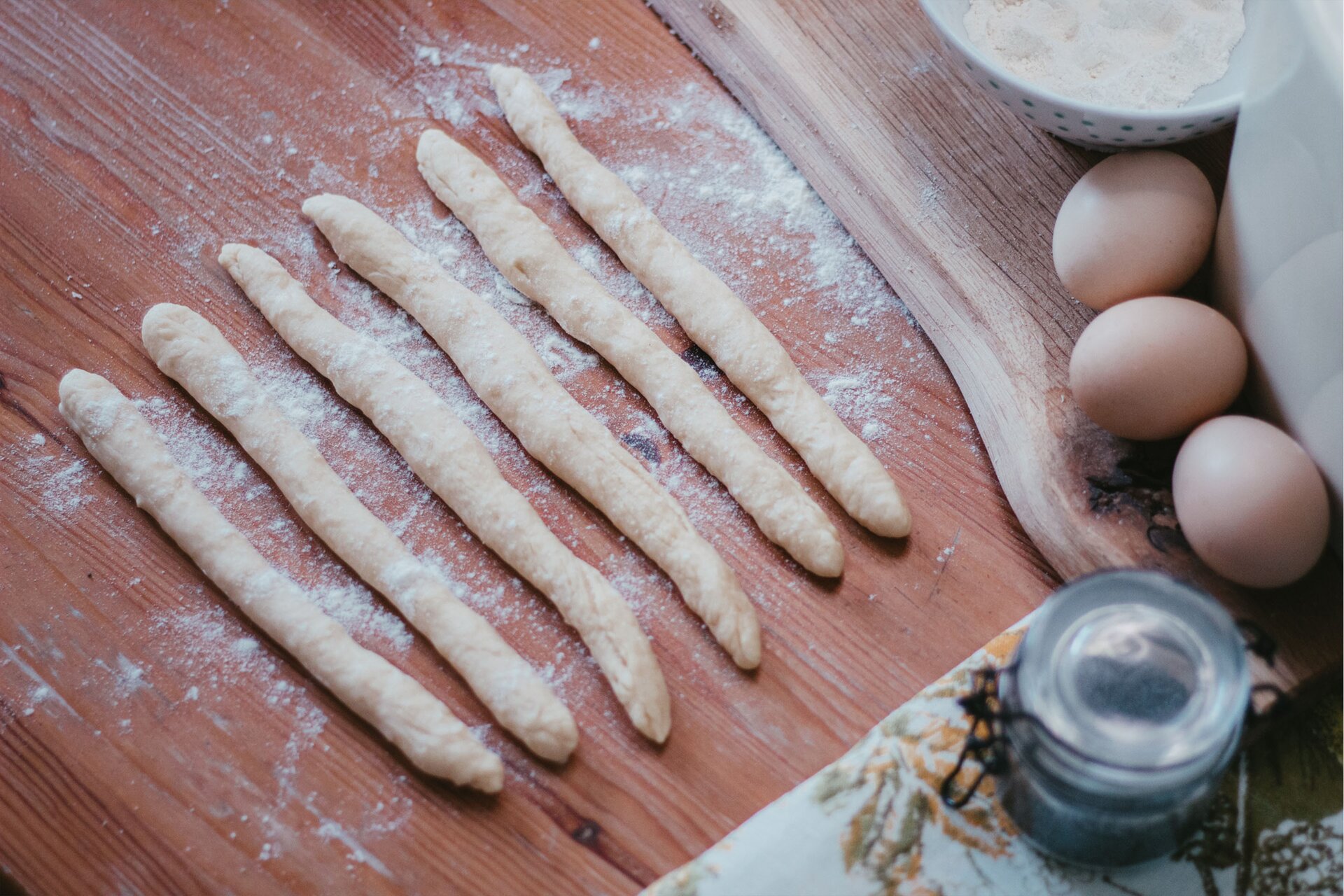
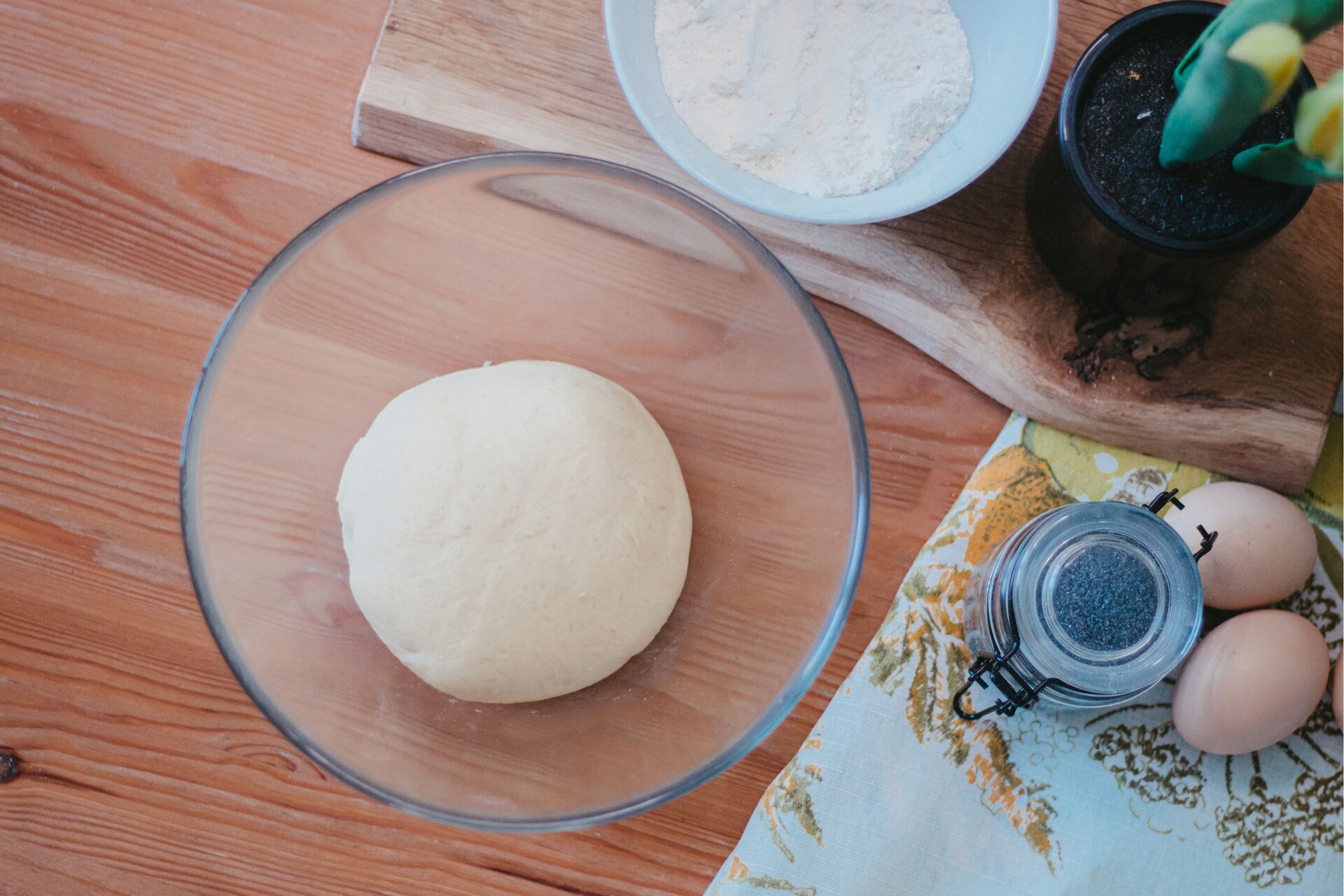
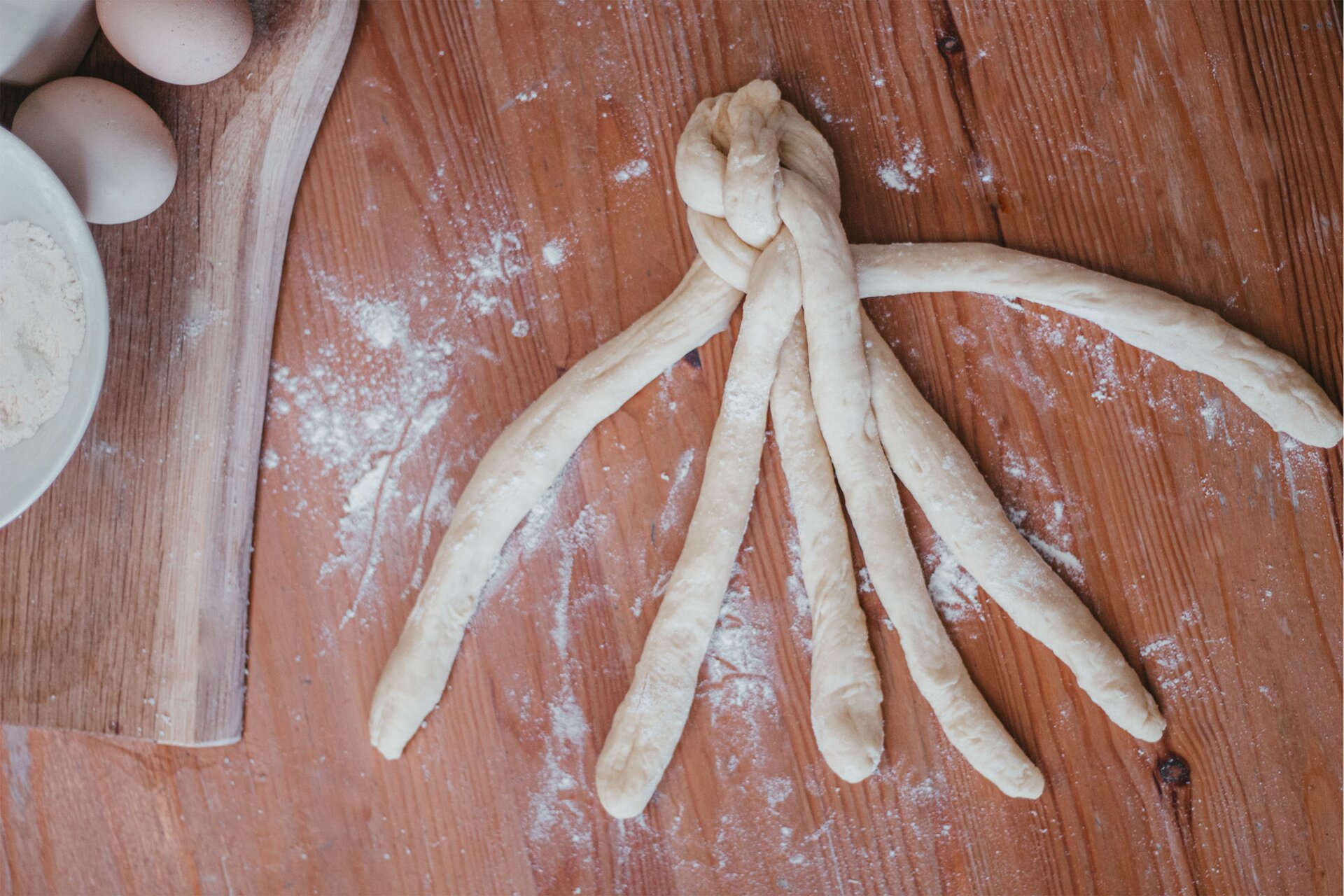
  1. Prepare 6 pieces of yeast dough.

  2. Roll out the risen dough with both hands to elongate it and form six, equal‑sized rolls, tapered at both ends.

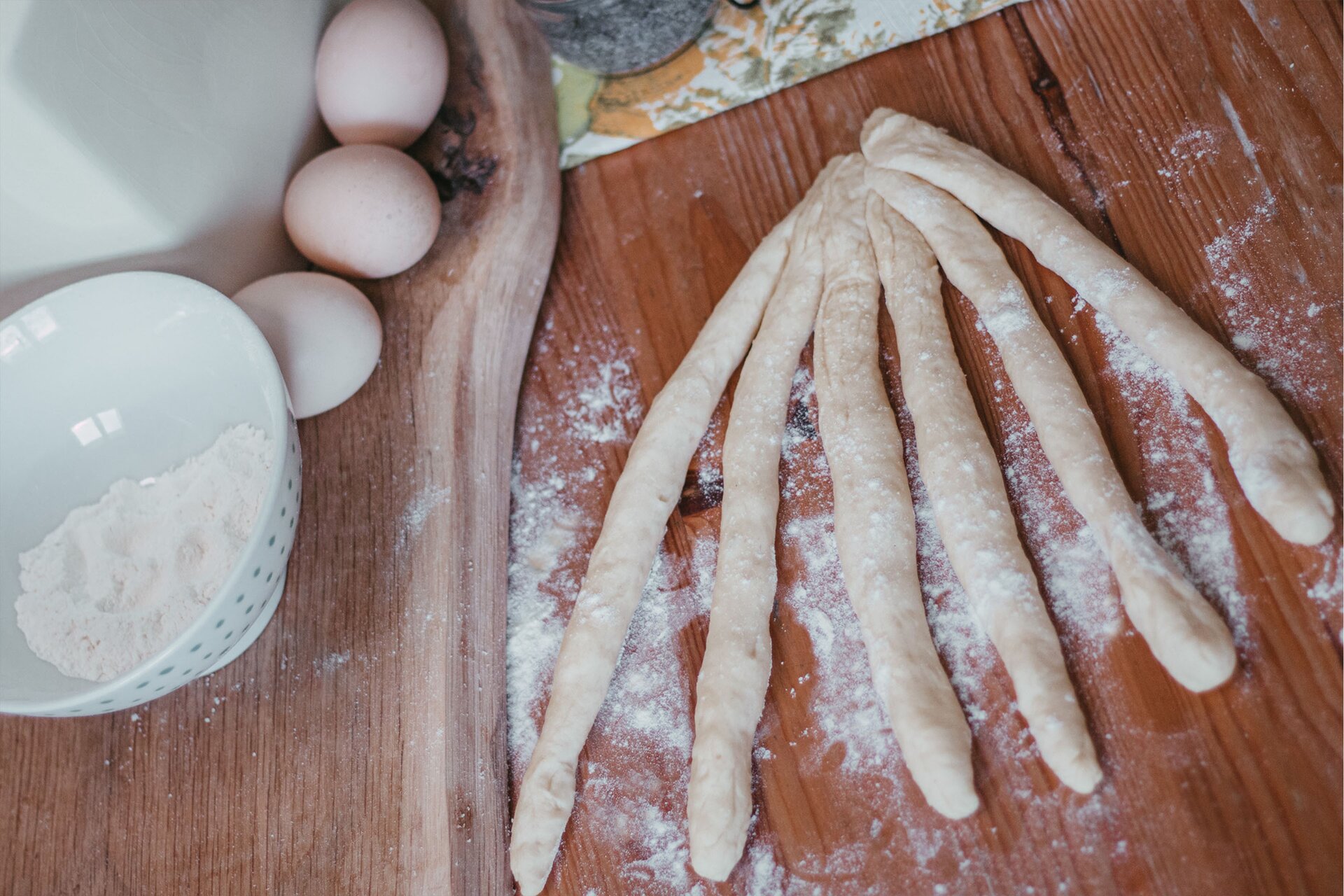
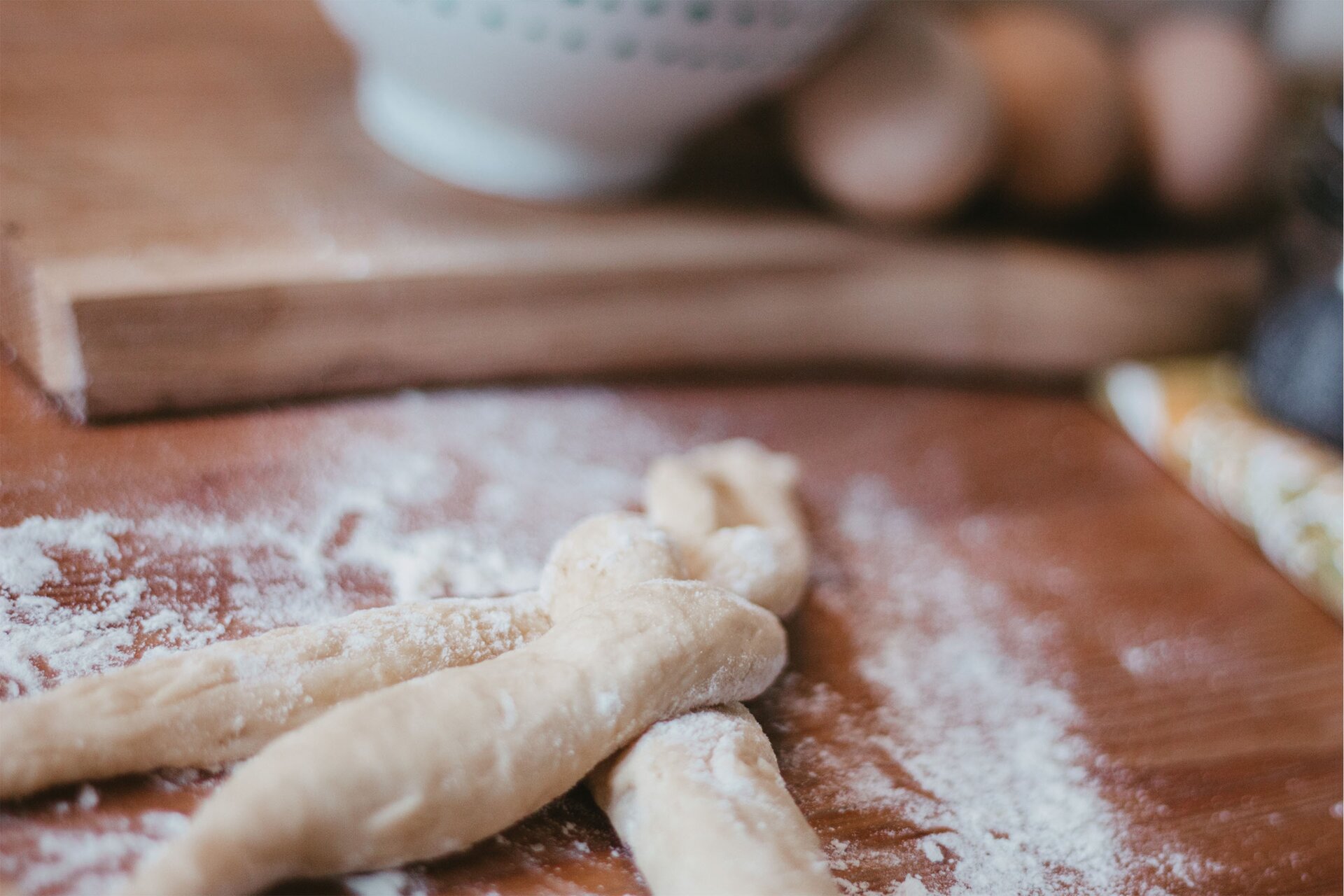
  3. Sprinkle the dough balls with flour and place them next to each other.

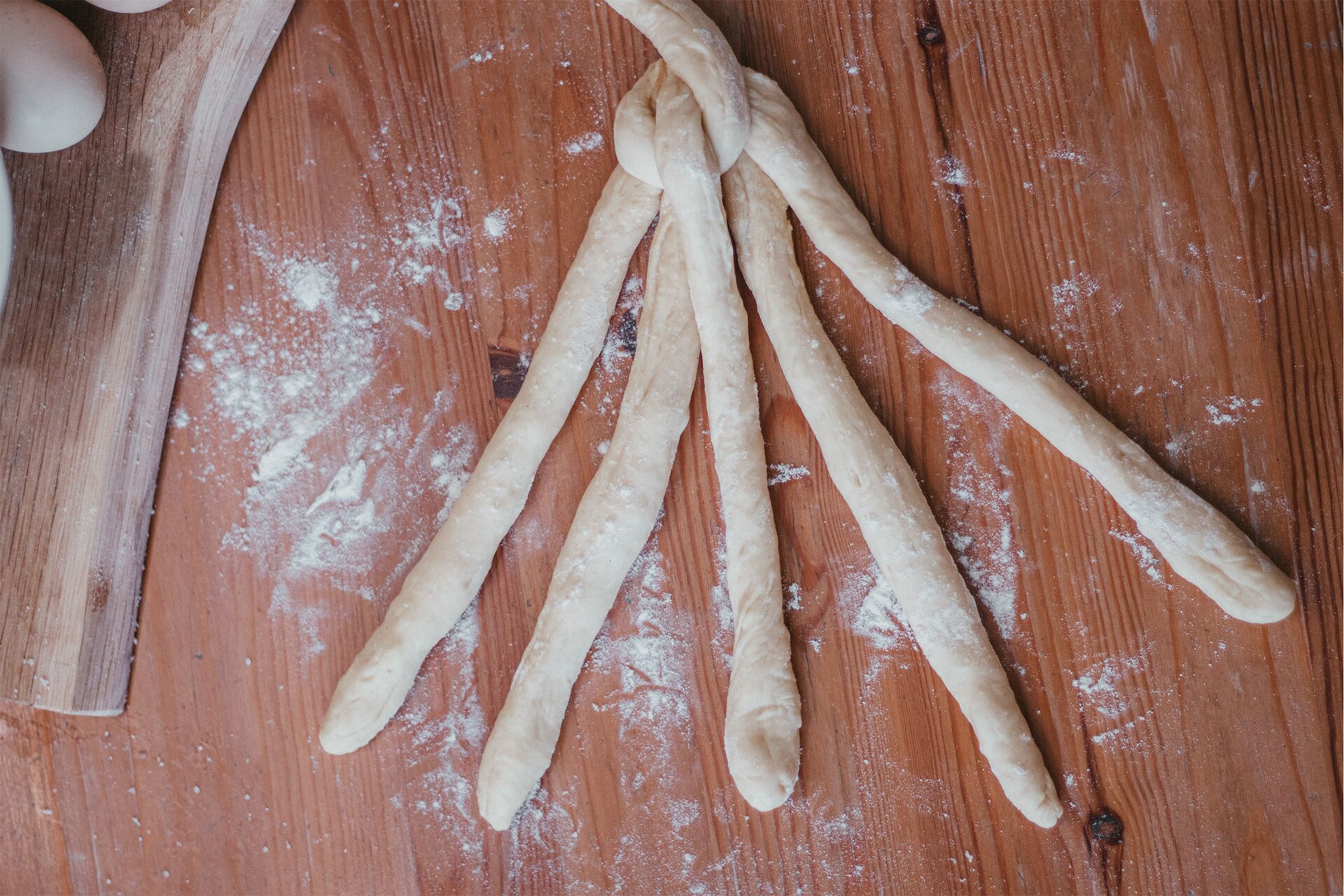
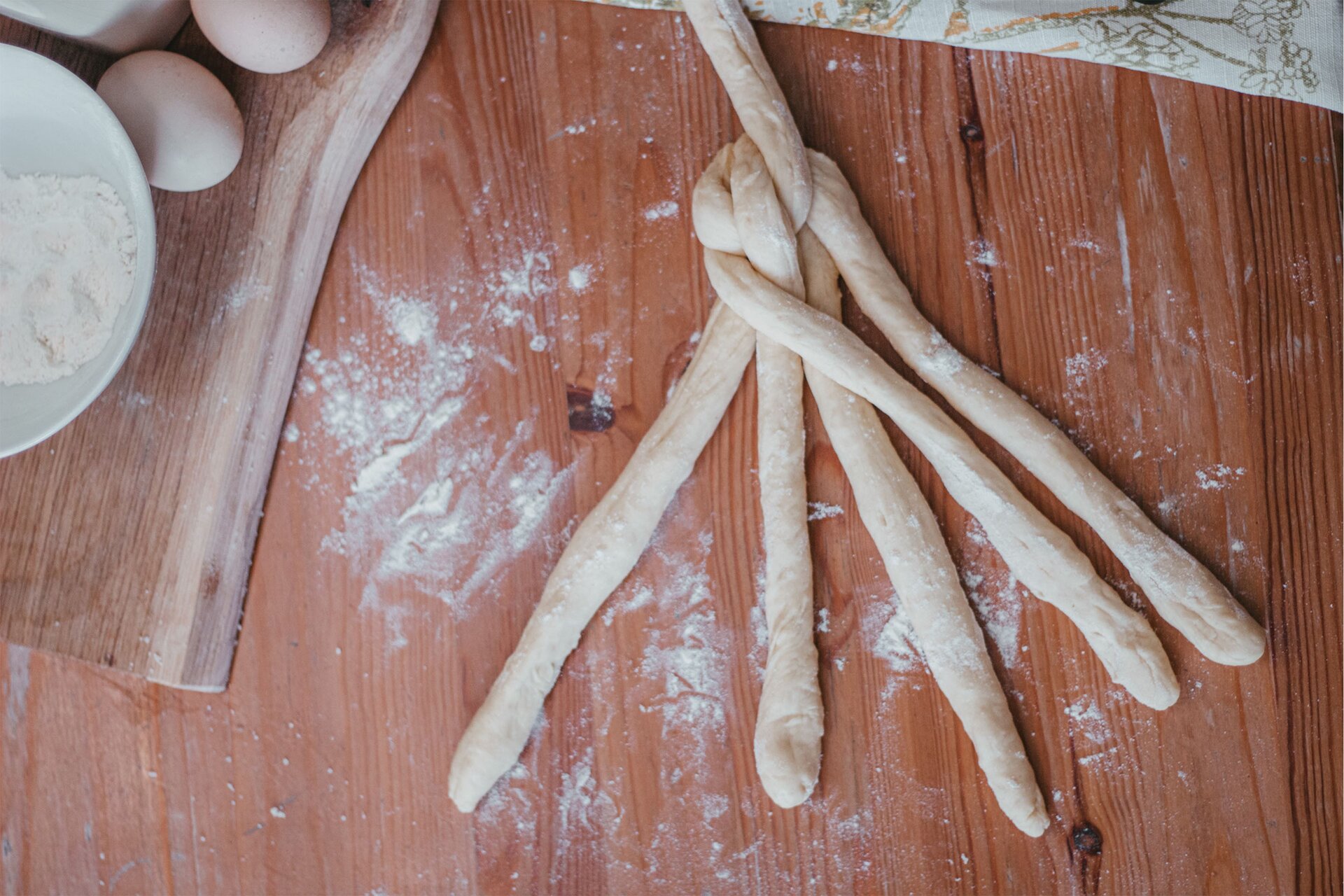
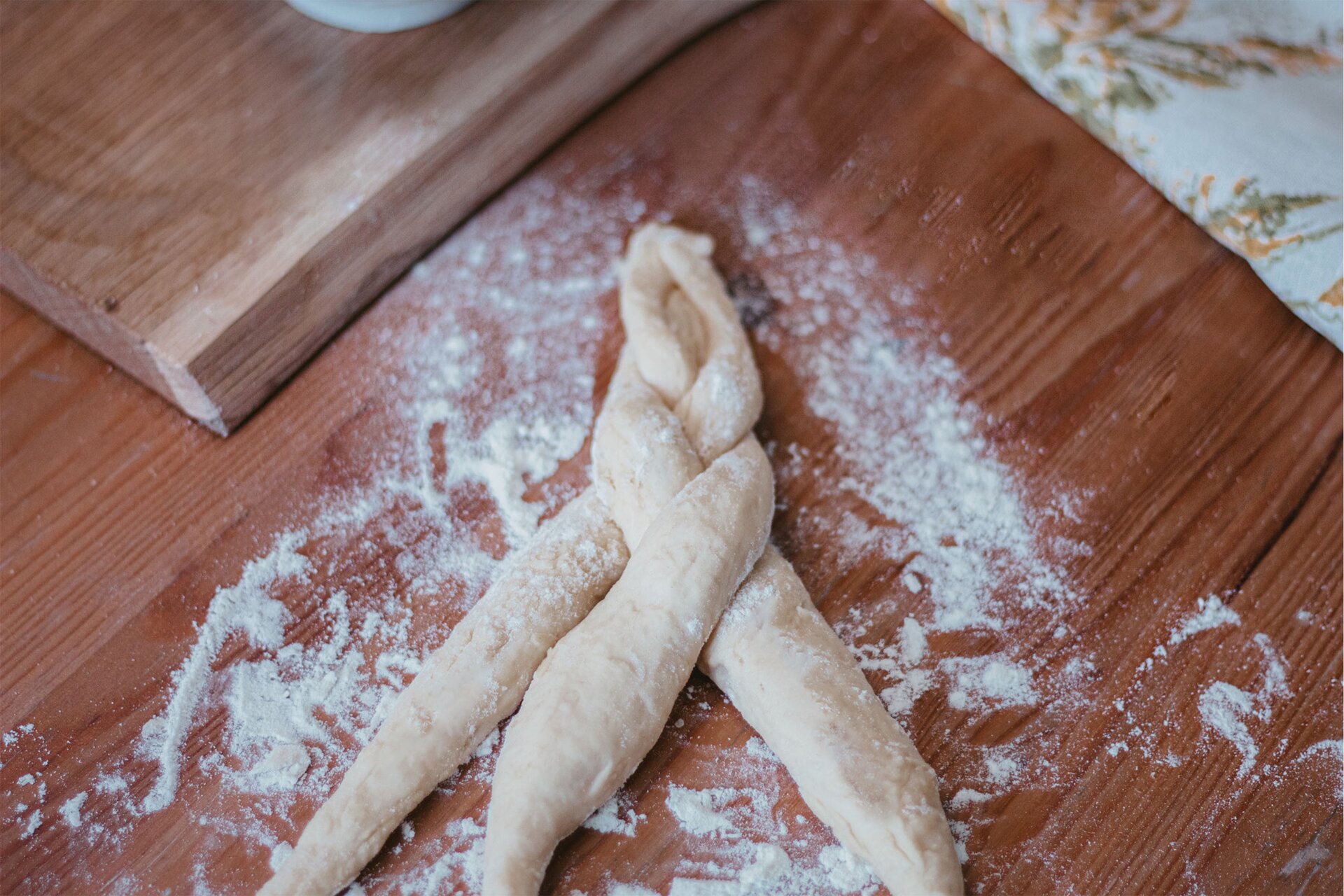
  4. In order to improve the adhesion, pinch the ends of the rolls together at one end with your fingers, pull the dough rolls apart and braid the challah. Then pinch the braided rolls together at the other end to make sure they stick together.

  5. Leave the challah prepared in this way for the final rise.

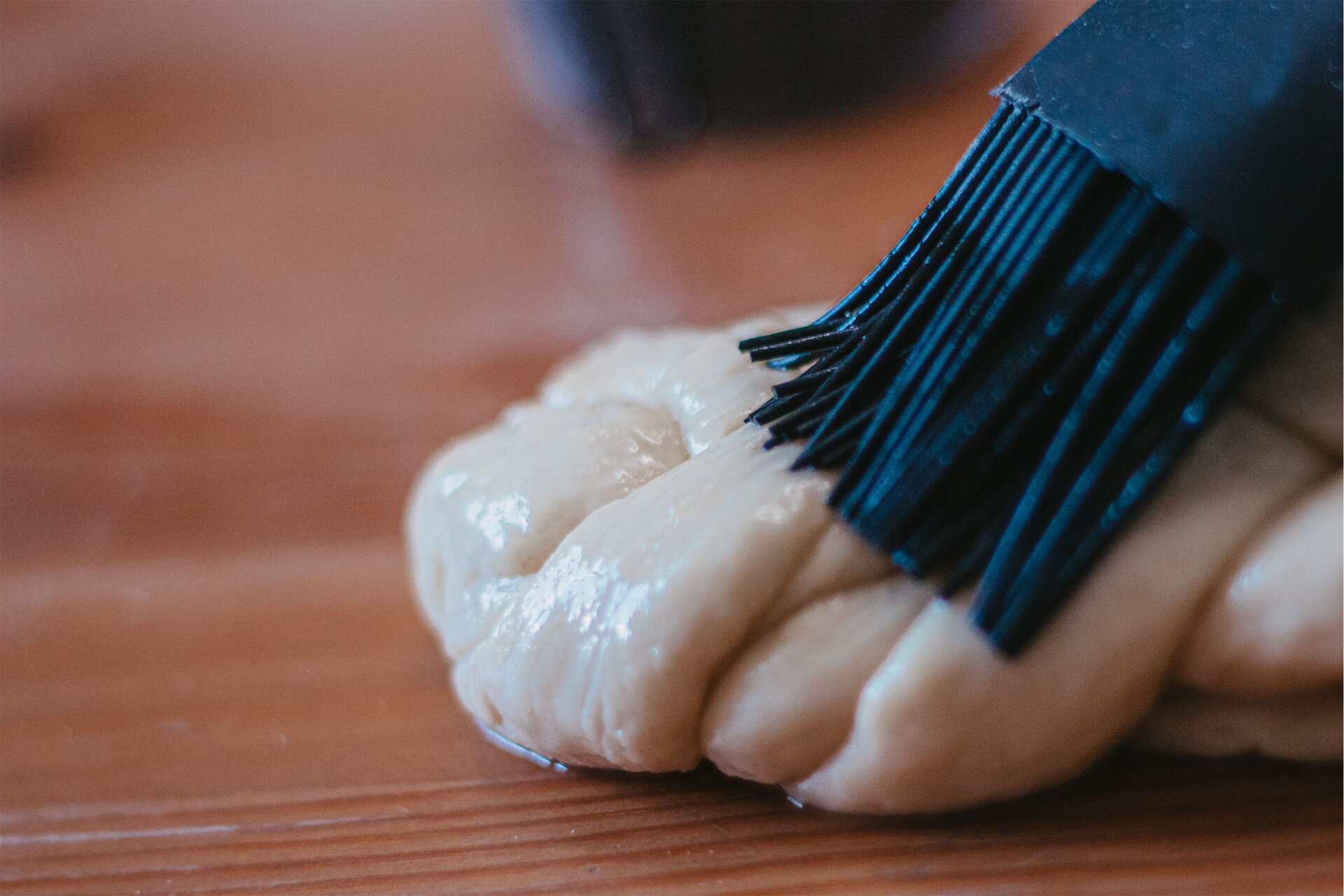
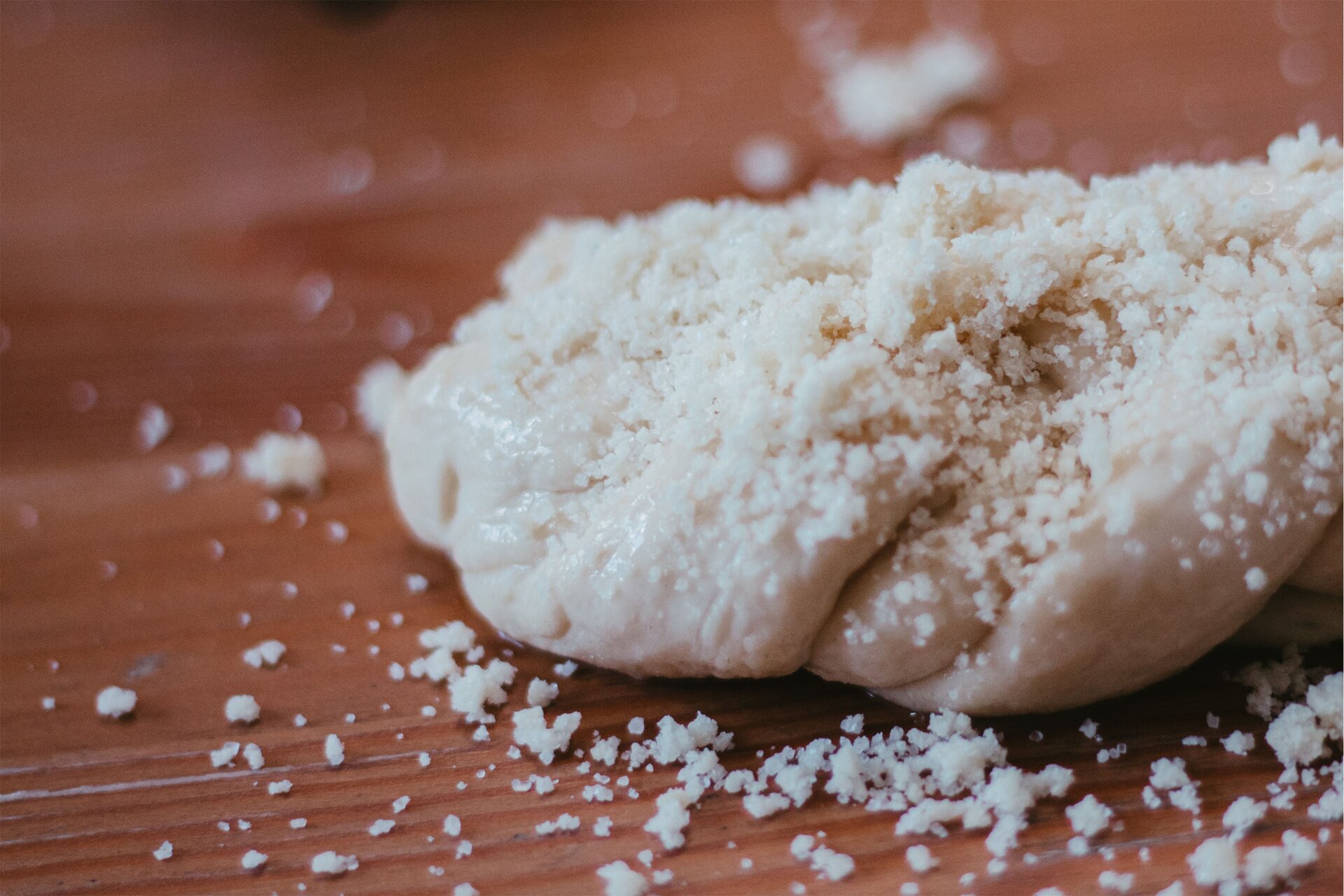
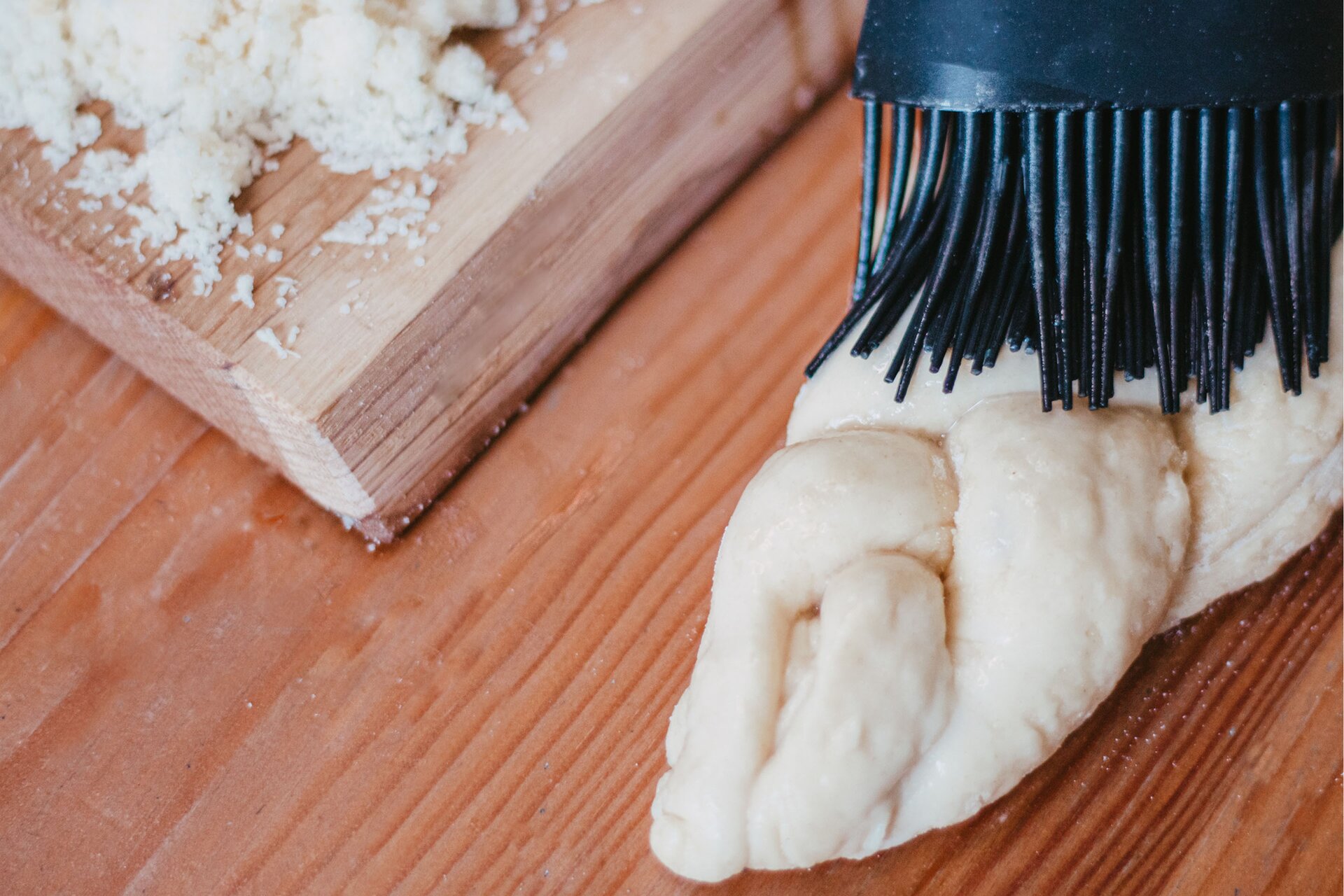
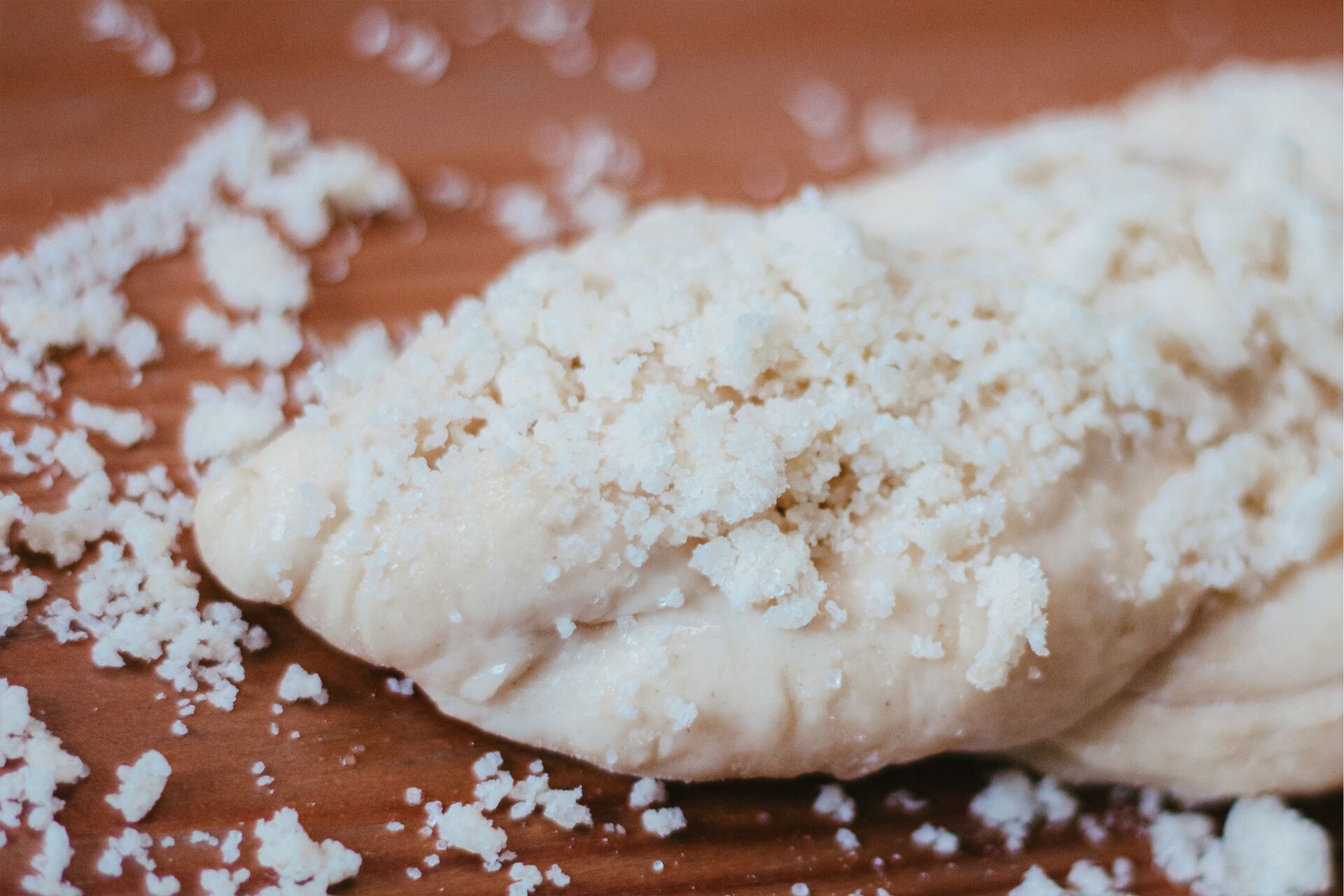
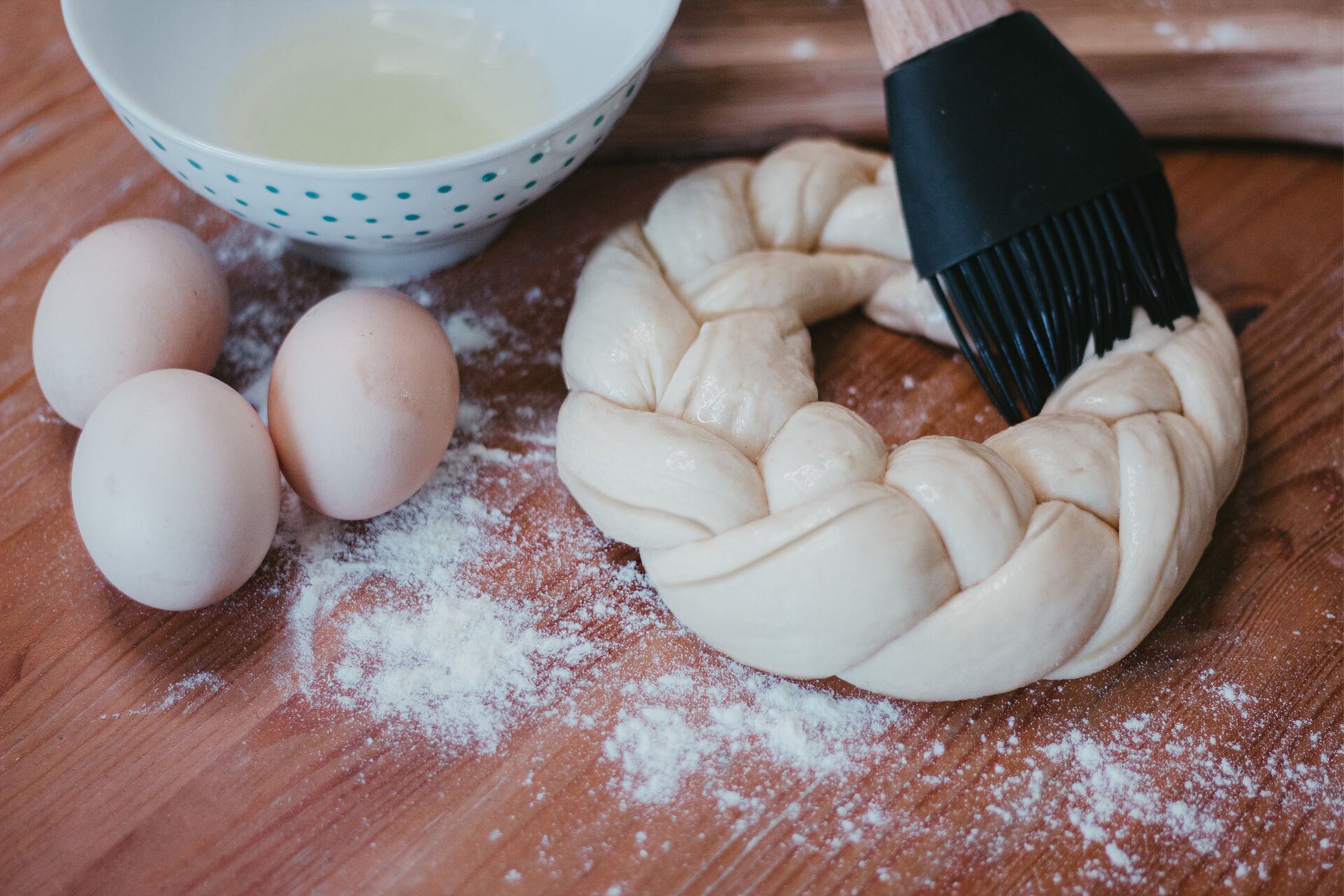
  6. Spread egg white on the challah and sprinkle with crumble.

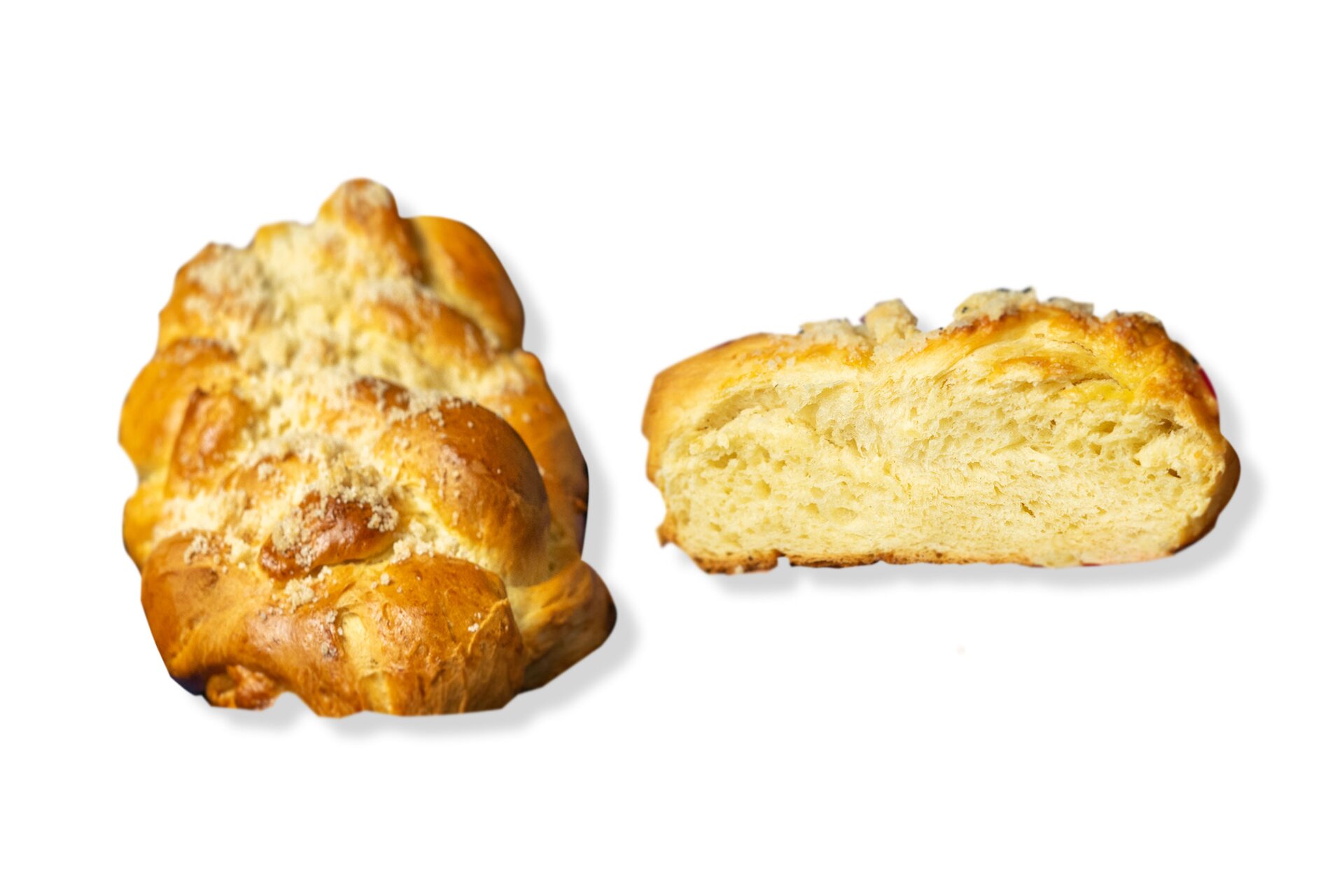
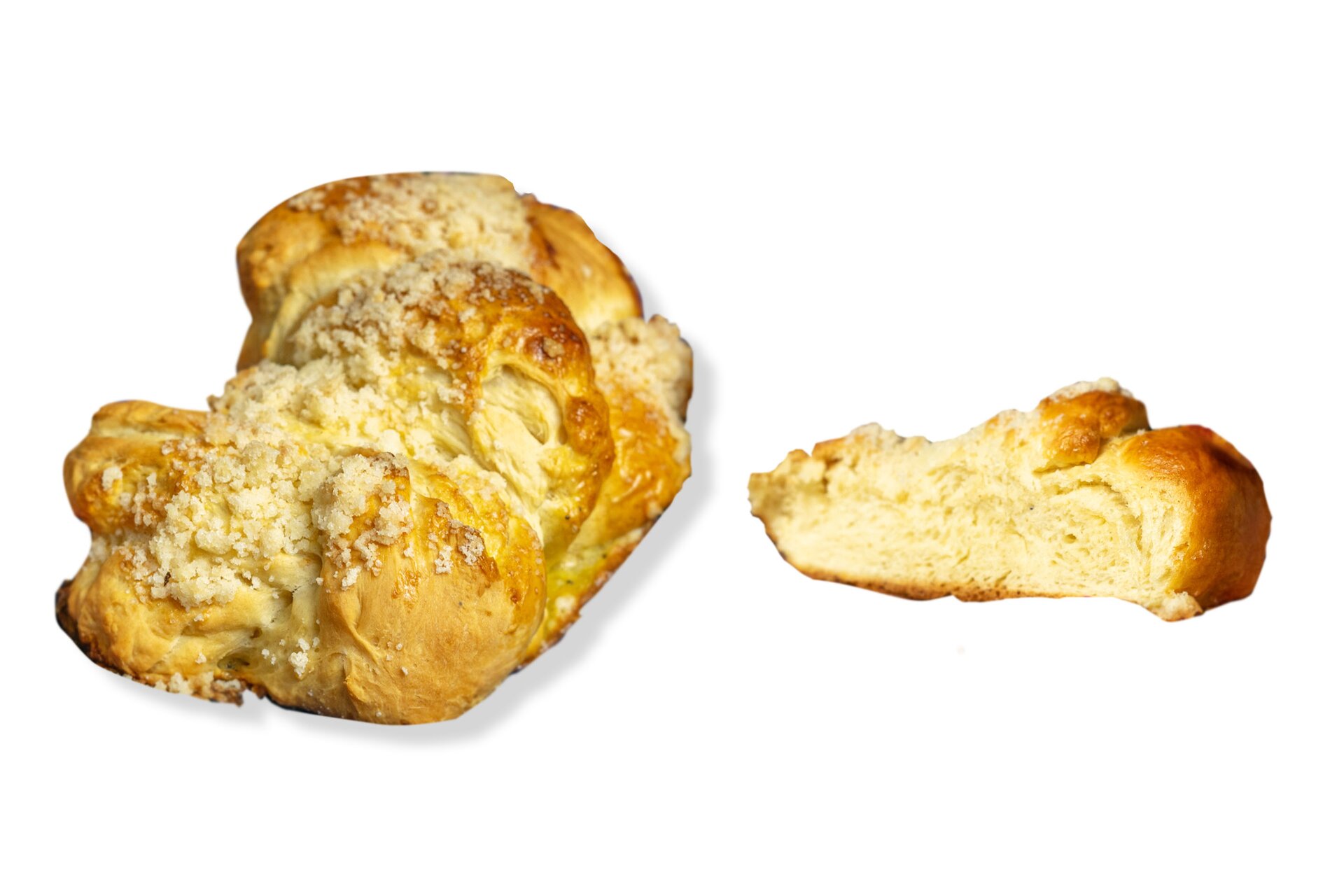
  7. Baked kiev challah retains its shape and weaves. It is oval in cross‑section and should have visible so‑called windows between the strands. The dough is creamy in colour.

1,21
Forming the turkish challah
R1W47bReUQmAn
Zawartość nagrania audio jest identyczna z tekstem znajdującym się poniżej nagrania.
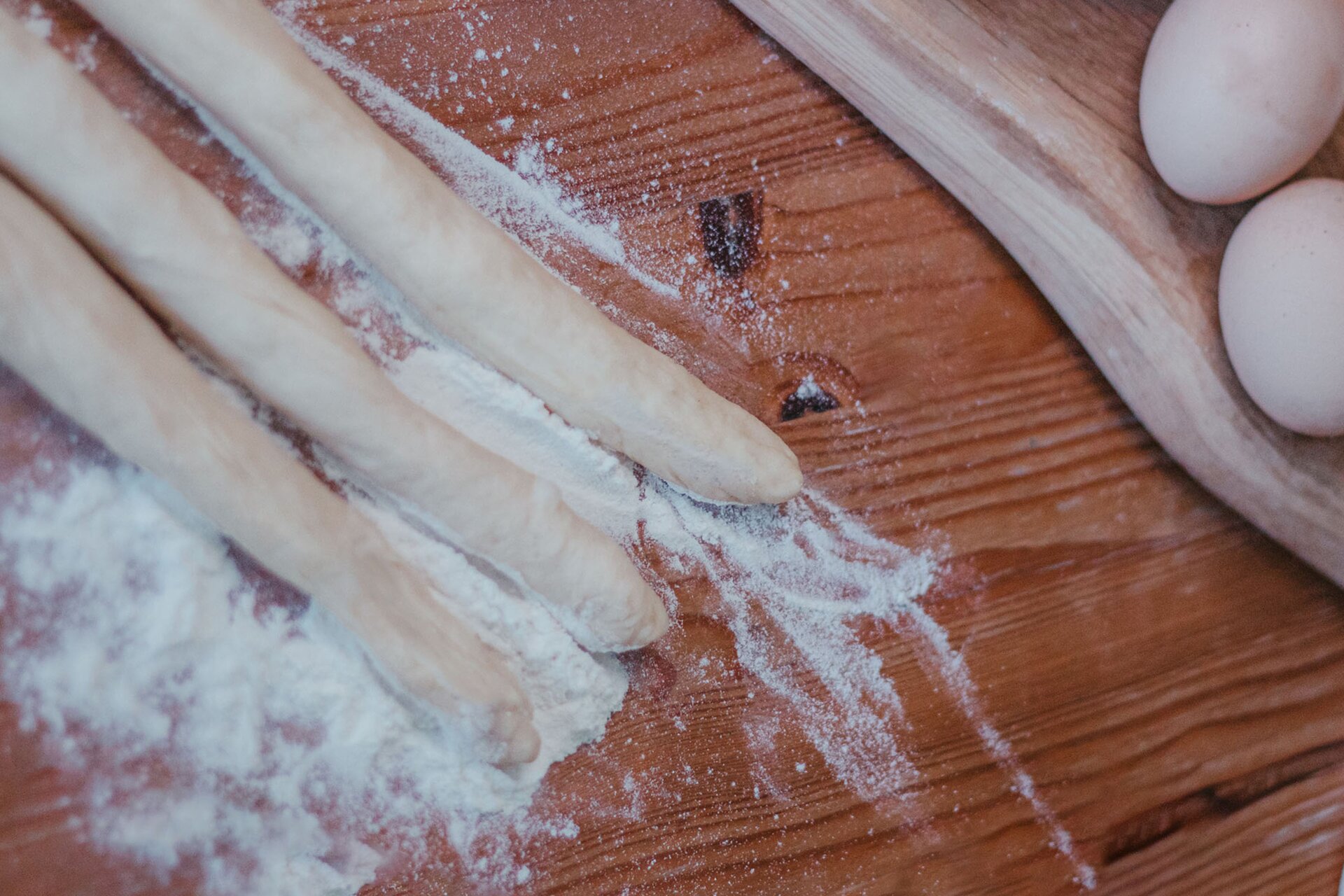
  1. Prepare 3 pieces of yeast dough.

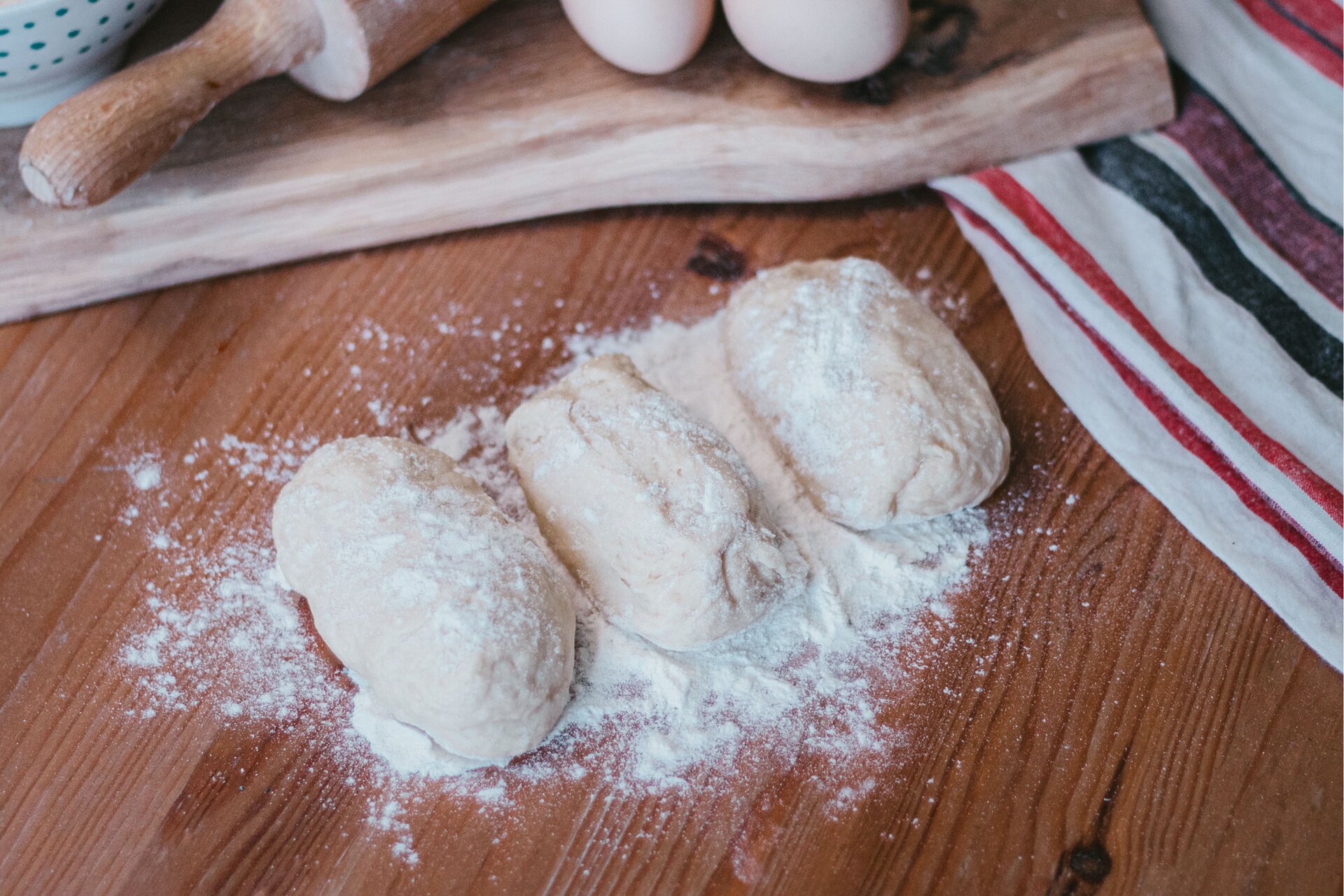
  2. Roll out the risen dough with both hands to elongate it and form three equal‑sized rolls, tapered at both ends.

  3. Sprinkle the dough balls with flour and place them next to each other.

  4. In order to improve the adhesion, pinch the ends of the rolls together at one end with your fingers, pull the dough rolls apart and braid the challah. Then pinch the braided rolls together at the other end to make sure they stick together.

  5. Leave the challah prepared in this way for the final rise.

  6. Spread egg white on the challah and sprinkle with crumble.

  7. Baked turkish challah retains its shape and strands. In cross‑section it is oval, slightly flattened and should have visible so‑called windows between the strands. The dough is creamy in colour.

1,21
Forming St. Martin's day croissants
RwHl8TvJgOR79
Zawartość nagrania audio jest identyczna z tekstem znajdującym się poniżej nagrania.
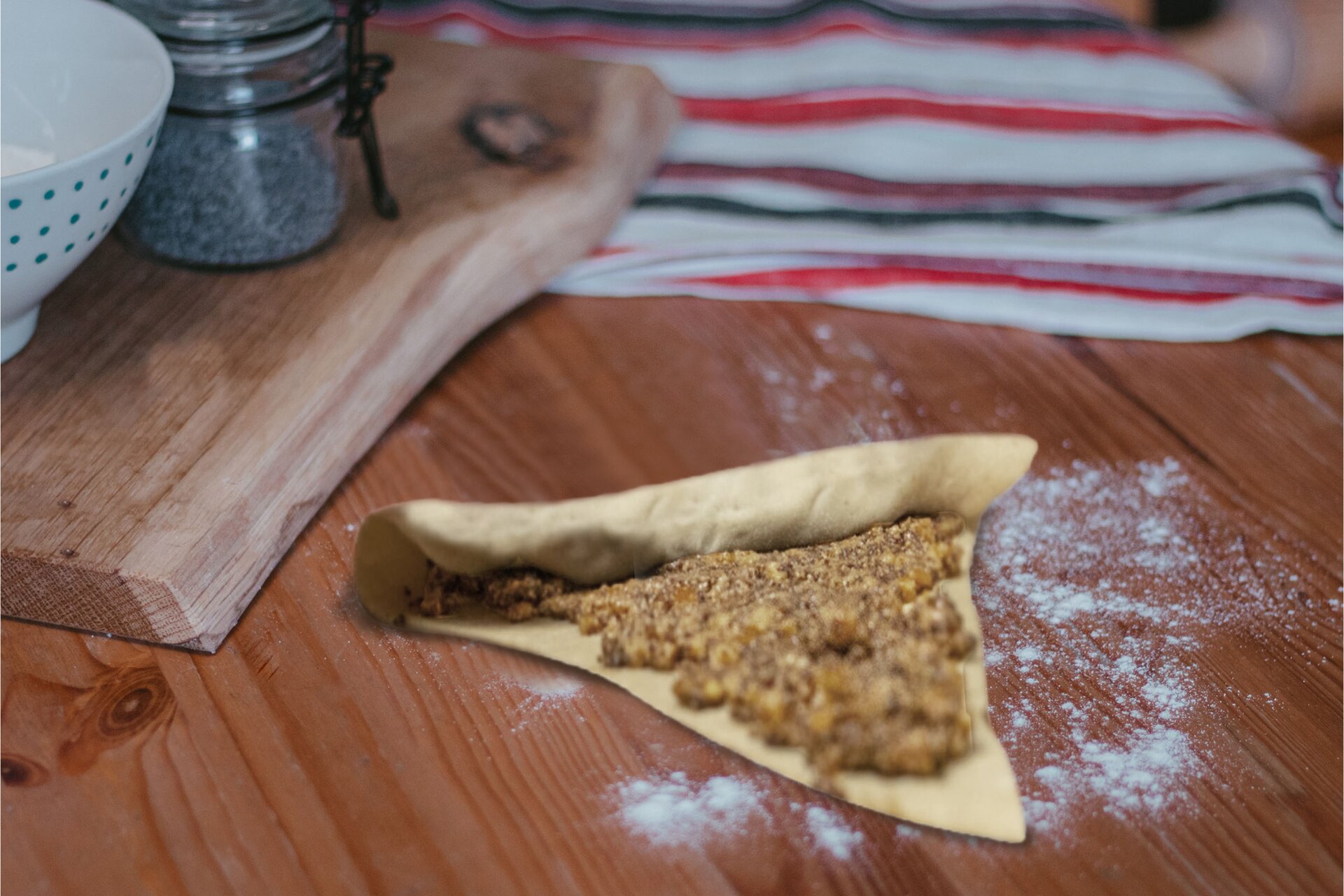
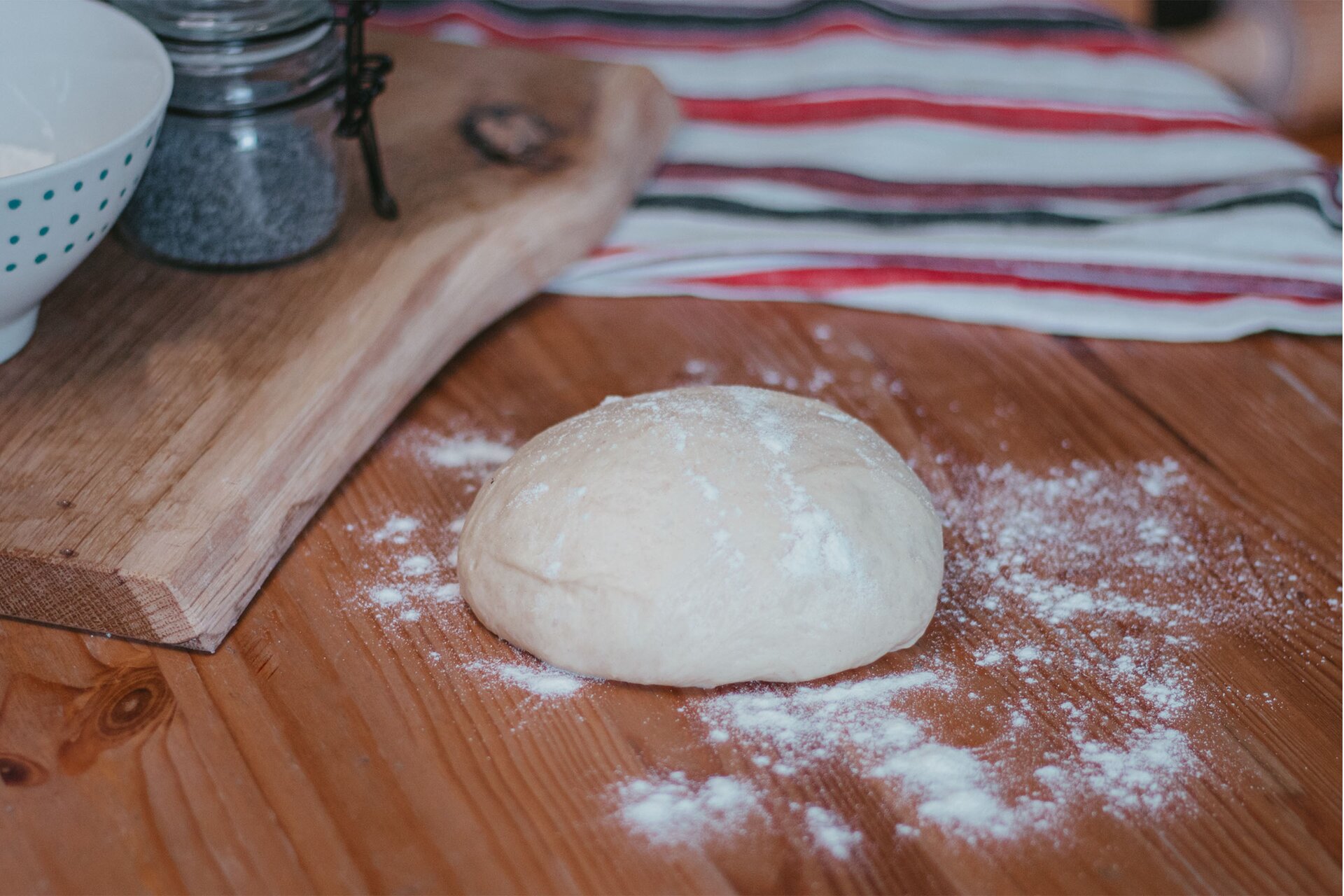
  1. Prepare yeast dough pieces.

  2. Roll out the risen dough and cut into equal‑sized triangles.

  3. On the prepared triangles put the filling (made of white poppy seeds (30%), confectionery crumbs, sugar, margarine, nuts, sultanas, fruit in syrup or candied fruit, egg mass, almond flavouring) which is light to dark beige in colour.

  4. Roll up the croissant, starting from the base of the triangle.

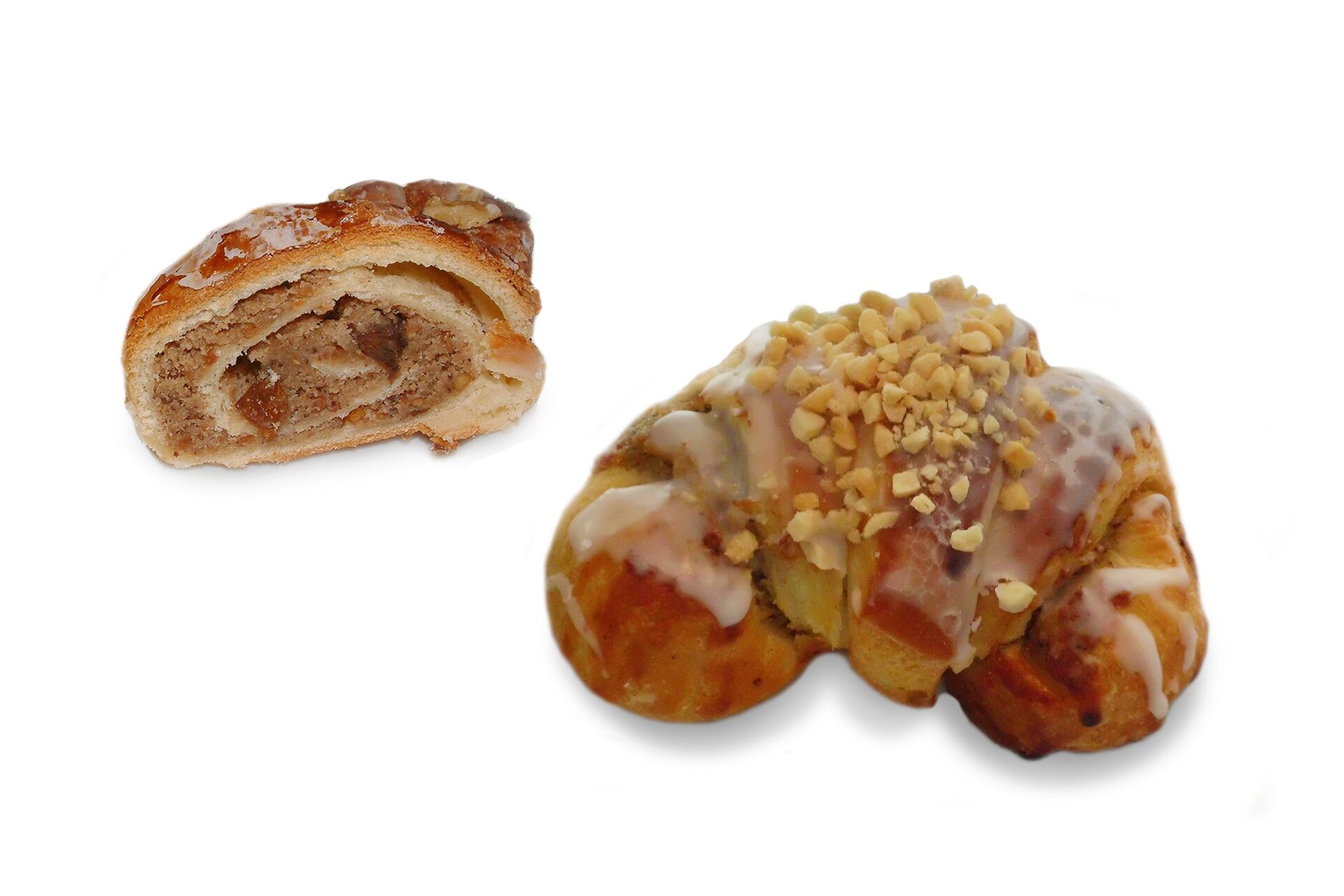
  5. Once ready, form the product into a crescent shape. The weight of “a St. Martin's day croissant” ranges from 200 to 250 g.

  6. Leave the croissant for final growth.

  7. The baked croissant retains its crescent shape. It is oval in cross‑section, the cream‑coloured dough is enriched by the addition of margarine during the rolling and folding process, which results in the characteristic layering.

  8. After baking, decorate the croissant by spreading white fondant and sprinkling with crushed nuts. The filling remains moist. The surface of the crust is dark golden to light brown, the dough is elastic to the touch, and porous in cross‑section with visible layers.

1,21
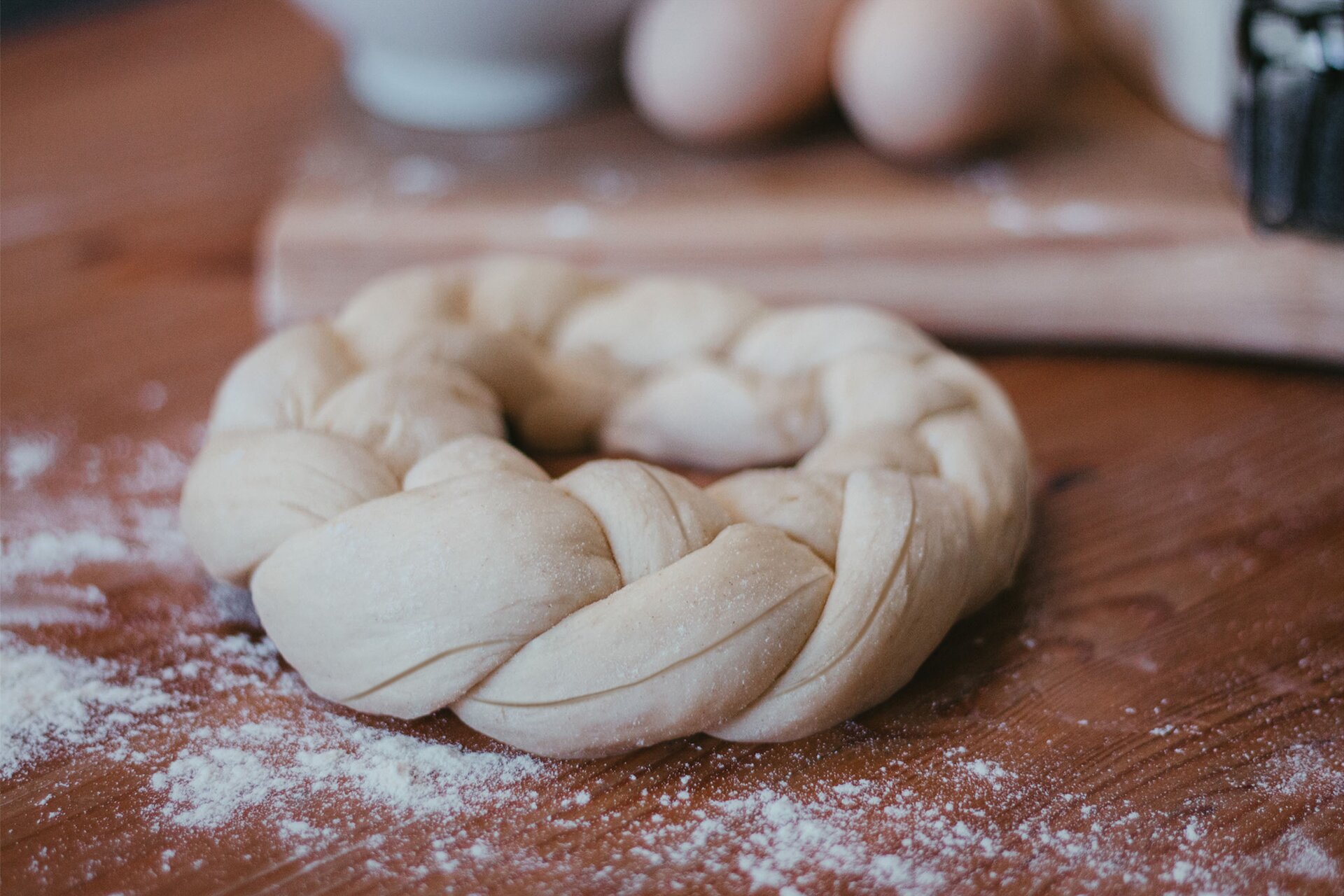
Forming a Debrzno garland
RyH3hXAZS9q6z
Zawartość nagrania audio jest identyczna z tekstem znajdującym się poniżej nagrania.
  1. Prepare 3 pieces of yeast dough.

  2. Roll the risen dough into three long cakes.

  3. On the pancakes prepared this way, along the longer side, put the filling from the cheese mass.

  4. Roll up the pancakes and seal the ends carefully.

  5. Sprinkle the shaped rolls with flour and place them side by side, forming roulades.

  6. Braid the roulades.

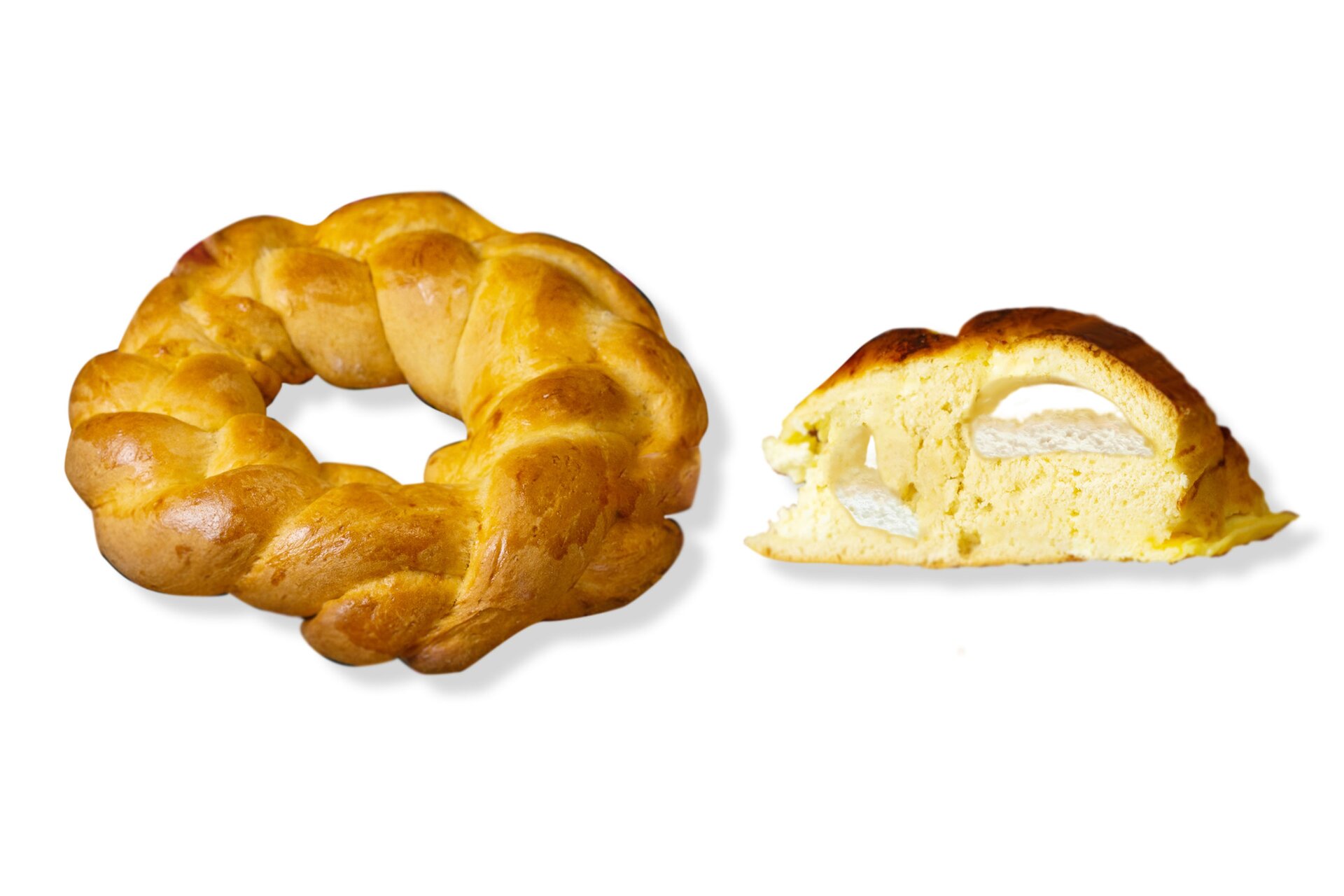
  7. The braid is then joined at the ends to form a circle 18 cm in diameter, 6 cm wide and weighing approximately 300 g.

  8. Leave the garland for final growth.

  9. The baked garland maintains a circular shape with small depressions on the surface resulting from the shaping of the product. When cut, the it is oval in cross‑section and the dough is pale yellow‑golden in colour.

  10. After baking, finish the garland by covering it with icing. The filling remains moist. The crust surface is light brown and the dough is elastic to the touch..

Galeria zdjęć w języku polskim

pl