Everyday chemistry
how to properly use available chemical products;
how to observe natural phenomena as well as do simple experiments and interpret their results;
that certain chemical products are dangerous.
to assess the importance of chemistry in everyday life;
to give examples of industries that are associated with chemistry;
to list the names of known chemists and present their achievements.
Nagranie dostępne na portalu epodreczniki.pl
Nagranie dźwiękowe abstraktu
Chemical magic. Is chemistry an experimental science?
The aim of the experiment is to present one of the reactions of compounds from the fascinating world of chemistry.
distilled water,
sodium hydroxide,
glucose,
methylene blue (used, among others, as a preparation for aquariums),
conical flask with a capacity of 300 cmIndeks górny 33,
plug,
laboratory scale,
measuring cylinder.
Weigh approximately 5 g of sodium hydroxide and approximately 3 g of glucose.
Pour about 250 cmIndeks górny 33 of distilled water into the conical flask. Add the previously weighed substances and a pinch of methylene blue.
Close the flask with the plug and shake it vigorously until the added reagents dissolve.
Leave the flask for a while.
Observe the changes that occur.
What is alchemy?
The origins of chemistrychemistry should be sought in alchemyalchemy, which was a combination of myths, religion, philosophy and experimental works with the use of laboratory equipment.
Alchemy originates from the practices of the priests of ancient Egypt, who, among other things, dealt with embalming and mummification of bodies of the dead, as well as with production of dyes, ointments and cosmetics. Later on, alchemists searched for the philosopher's stonephilosopher's stone i.e. a substance that would allow to convert metals into gold. In their research, alchemists often resorted to magic. They tried to discover an elixir of immortality and a medicine treating all illnesses – the panaceapanacea. Alchemy flourished not only in ancient Egypt and Europe but, above all, in China and India. Asian alchemists mainly sought recipes for immortality.
How did alchemists describe experiments?
Alchemists used codes, symbols and complicated illustrations of dragons, warriors and monsters to describe experiments. A snake devouring its own tail is the symbol of mysterious knowledge and changes continually occurring in nature.
What is chemistry about?
Chemistry investigates many relationships between substances in almost every area of our lives. It looks for answers to the questions:
what are substances composed of (i.e. getting to know their structure)?
what can be obtained from substances (learning their properties, discovering and using them)?
how can substances be produced (that is, searching for methods of obtaining them)?
how and why can substances change?
Chemistry is present in almost every area of our lives. When we take medicines, cook and eat meals, conduct medical examinations or choose the right clothes for the given season of the year or sport. Think how the development of chemistry has affected the daily lives of us all.
Which industries are related to chemistry?
Chemistry is a science that examines the properties of substances, especially the transformations occurring in them. It is an experimental science i.e. it is based on observations, much like physics. Both these fields of knowledge belong to natural sciences and form their basis. Information obtained from chemistry and physics is used to explain phenomena occurring in animate and inanimate nature. Basic knowledge of chemistry is very important in everyday life of every human being, and chemical knowledge is useful in many professions.
What is chemistry about?
Chemistry investigates many relationships between substances in almost every area of our lives. It looks for answers to the questions:
Its purpose is to check the effect of fabric whitening liquid / cleaning and disinfecting liquid on hen egg whites.
fabric whitening preparation (chlorine based) or toilet cleaner/disinfectant (chlorine based),
boiled hen egg white,
Petri dish,
glass rod.
The experiment should be performed in gloves and safety goggles.
Carefully read the information on the liquid's packaging.
Immerse the glass rod in the liquid. Taking special care, apply a few drops of the liquid to a piece of the egg white placed on the Petri dish.
Leave the test sample for a few minutes.
Look at portraits of famous Polish scientists in the field of chemistry. Do you know what they did? If not, check in available sources.

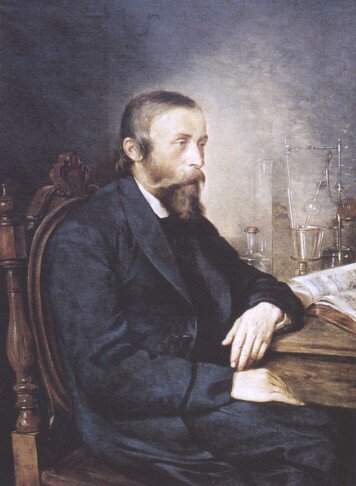

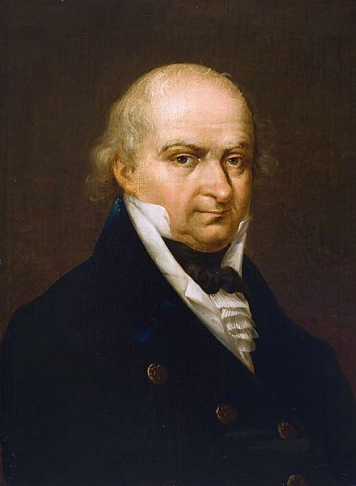
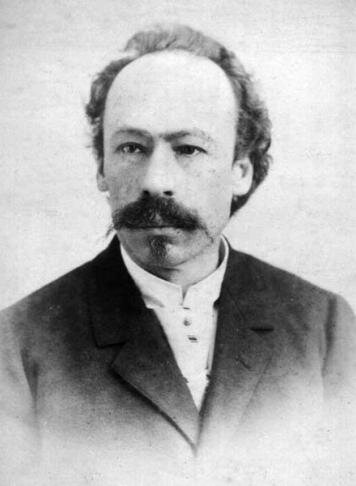
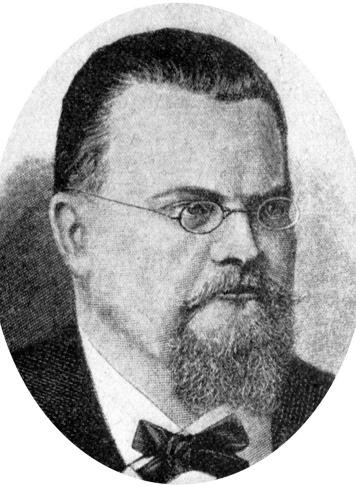
Match the names of the chemists with their achievement.
Discovery of two new elements – radium and polonium, Development of the innovative method for obtaining nitric acid from the air, Development of the first Polish chemistry textbook., Conducting the world's first condensation of oxygen and nitrogen, Inventor of the kerosene lamp, pioneer of the kerosene industry in Europe.
| Maria Skłodowska-Curie | |
| Ignacy Mościcki | |
| Jędrzej Śniadecki | |
| Ignacy Łukasiewicz | |
| Karol Olszewski and Zygmunt Wróblewski |
Solve the crossword and enter the meaning of the guessed answer.
- A domain combining scientific elements (e.g. information derived from chemistry and physics) and non-scientific ones (e g. magic practices, astrology)
- A specialist working on understanding the properties of chemical elements and compounds as well as transformations occurring between them
- Medicine for all diseases
- Branch of chemistry dealing with learning about changes in a plant, animal and human organisms
- Substance intended to convert substances into gold
- Pharmacy employee
| 1 | |||||||||||||||||||||||
| 2 | |||||||||||||||||||||||
| 3 | |||||||||||||||||||||||
| 4 | |||||||||||||||||||||||
| 5 | |||||||||||||||||||||||
| 6 |
Conclusion
Chemistry is not only a school subject – it is present in every area of our lives. It has a long and interesting history.
Chemistry is a science that investigates the composition and structure of substances, their transformations and conditions affecting the speed of these transformations.
Keywords
chemistry, alchemy, fields of chemistry, substance
Glossary
Nagranie dostępne na portalu epodreczniki.pl
Nagranie dźwiękowe słówka
alchemia – dziedzina łącząca elementy naukowe (np. wiadomości z zakresu chemii i fizyki) i nienaukowe (np. praktyki magiczne, astrologię); badania alchemików koncentrowały się wokół prób odkrycia kamienia filozoficznego, panaceum oraz eliksiru nieśmiertelności
chemia – nauka badająca naturę i właściwości substancji, a zwłaszcza przemiany zachodzące między nimi
chemik – specjalista w zakresie jednej z podstawowych nauk przyrodniczych, zajmującej się właściwościami i strukturą pierwiastków i związków chemicznych oraz ich przemianami; w tym zawodzie z powodzeniem pracuje wiele kobiet
kamień filozoficzny – poszukiwana przez alchemików legendarna substancja, która miała zamieniać metale w złoto; obecnie jest synonimem, symbolem bezskutecznego poszukiwania czegoś cennego
panaceum – poszukiwany przez alchemików lek na wszystkie choroby potocznie: lekarstwo
piktogram – znak, który pełni funkcję informacyjną, umieszczony np. na opakowaniach niektórych produktów jako informacja o rodzaju zagrożenia i skutkach, która może spowodować ich niewłaściwe użycie
przemysł chemiczny – jedna z gałęzi przemysłu przetwórczego, zajmująca się pozyskiwaniem i obróbką surowców; wyróżnia się: przemysł chemii organicznej (produkty wytwarzane są m.in. z węgla kamiennego, ropy naftowej i gazu ziemnego) i przemysł chemii nieorganicznej (produkty wytwarzane są m.in. z soli mineralnych i siarki)