External structure of the leaf
plants produce organs: roots, stems, leaves, flowers and fruits;
the root is an underground organ of a plant that keeps it in the soil and absorbs water and mineral salts from it;
the stem with the leaves form the shoot – the overground plant parts.
describe the structure of a leaf and its role in a plant;
identify different leaf shapes;
identify the adaptation of leaves to different living conditions and performing various functions;
explain how plants transport water;
Plants have a huge variety of leaves. They differ from each other with many characteristics, such as shape, size, and arrangement on the stem. A single leafleaf consists of:
leaf bladeleaf blade, which is usually thin, flat and has a large surface, which allows for the best use of light by the plant and conducting gas exchange (taking and expelling oxygen and carbon dioxide); in the blade there are the so‑called leaf nerves made of conductive and support tissue – they are a scaffolding for other leaf tissues and transport water and photosynthesis products;
leaf petiole, which connects the blade with the stem and keeps the leaf in the right position towards the light and absorbs wind gusts and drops of rain; some leaves do not have a petiole - they grow directly from the stem and are then called sesile leaves.
What functions do leaves individual elements perform?
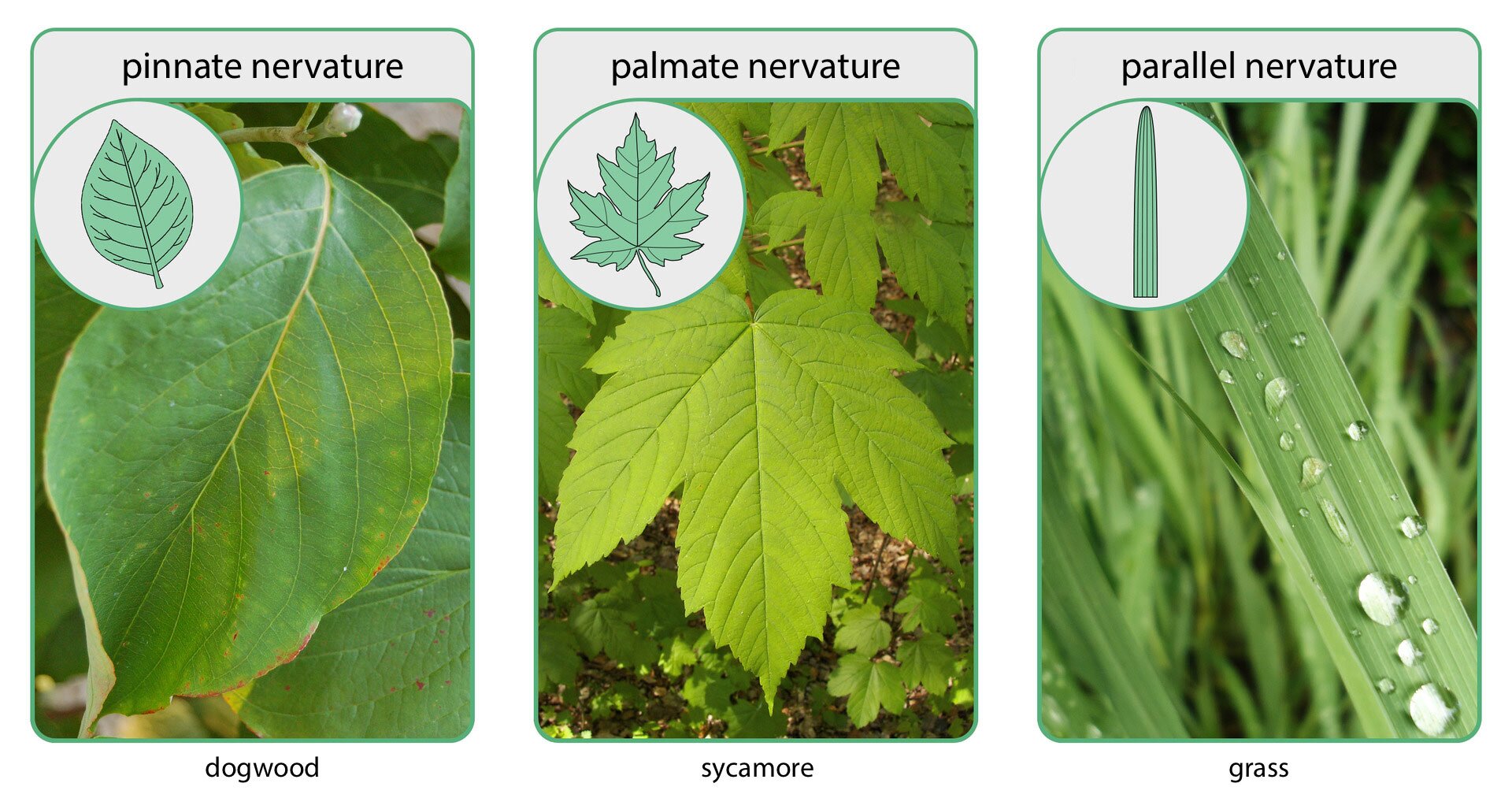
Leaves of individual groups of plants are characterized by a specific system of nerves, which can be used to classify plants. Some leaves have one main nerve from which smaller side nerves branch out – this arrangement is called pinnate nervature. In other plants, there are nerves of an equal thickness, arranged side by side. This is parallel nervature. However, the system in which the main nerves radiate from the base of the leaf is called palmate nervature.
Leaf blades of ground cover plants are generally dark green. Explain what gives them this colour and what is the relationship between the colour of the leaves of these plants and their occurrence in the lower layer of the forest.
Different leaf shapes
Due to the structure of leaf blades, simple leaves and compound leaves are distinguished. Simple leaves have one blade and can take various shapes, e.g. ovate, heart‑shaped, kidney‑shaped, round, oval, and palmate. In the case of compound leaves, on one petiole there are several smaller leaves which can have a palmate shape, like a chestnut, or a pinnate shape – like a rowanberry.
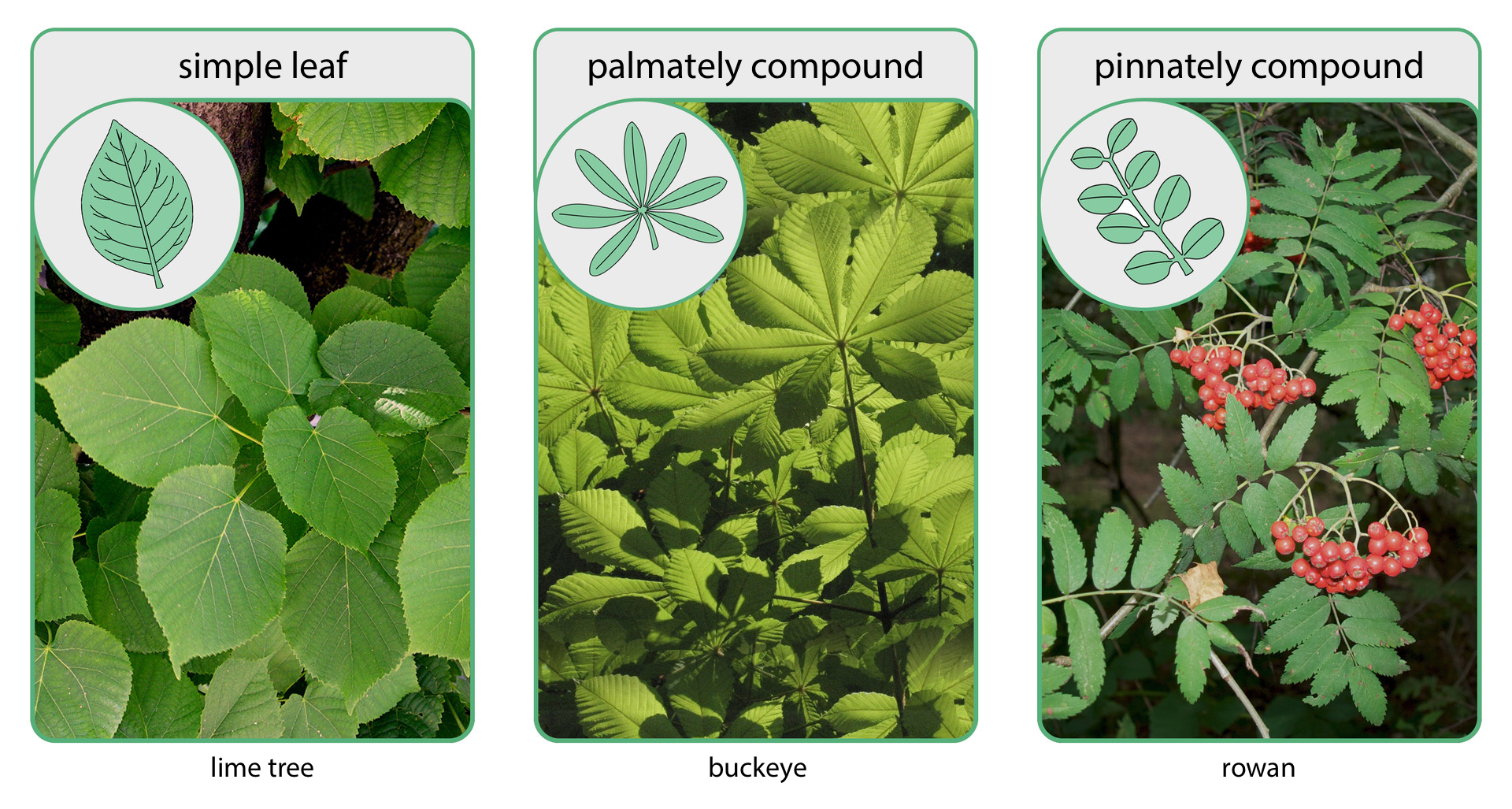
Comparison of the external structure of plant leaves.
leaves of various plant species (e.g. willow, oak, lilac, robinia, horse chestnut, pea, carrot, clover, grass, iris, onion, heath).
Look at the leaves of plants.
Pay attention to the characteristic features of the external structure of the leaf (blade shape, its edge, nervature and petiole).
Draw one of the individual leaves and sign its elements.
Divide the leaves into simple and compound (palmately and pinnately).
Identify the leaves that act as storage organs.
The type and shape of the leaf and the characteristics of the leaf blade structure allow distinguishing plants and identify the species to which they belong.
During the way back from school to home, find as many leaves of different shapes as possible. Dry the collection: put them between newspapers (do not use colourful magazines) and put, for example, books on top. Using the botanical atlas, try to determine the names of the plants the leaves of which you found.
Ways of leaf planting on the stem
The way leaves are planted on the stem results from the adaptation of plants to collecting light, protection against excessive solar radiation, violent rain or wind. This arrangement is called a leaf mosaic.
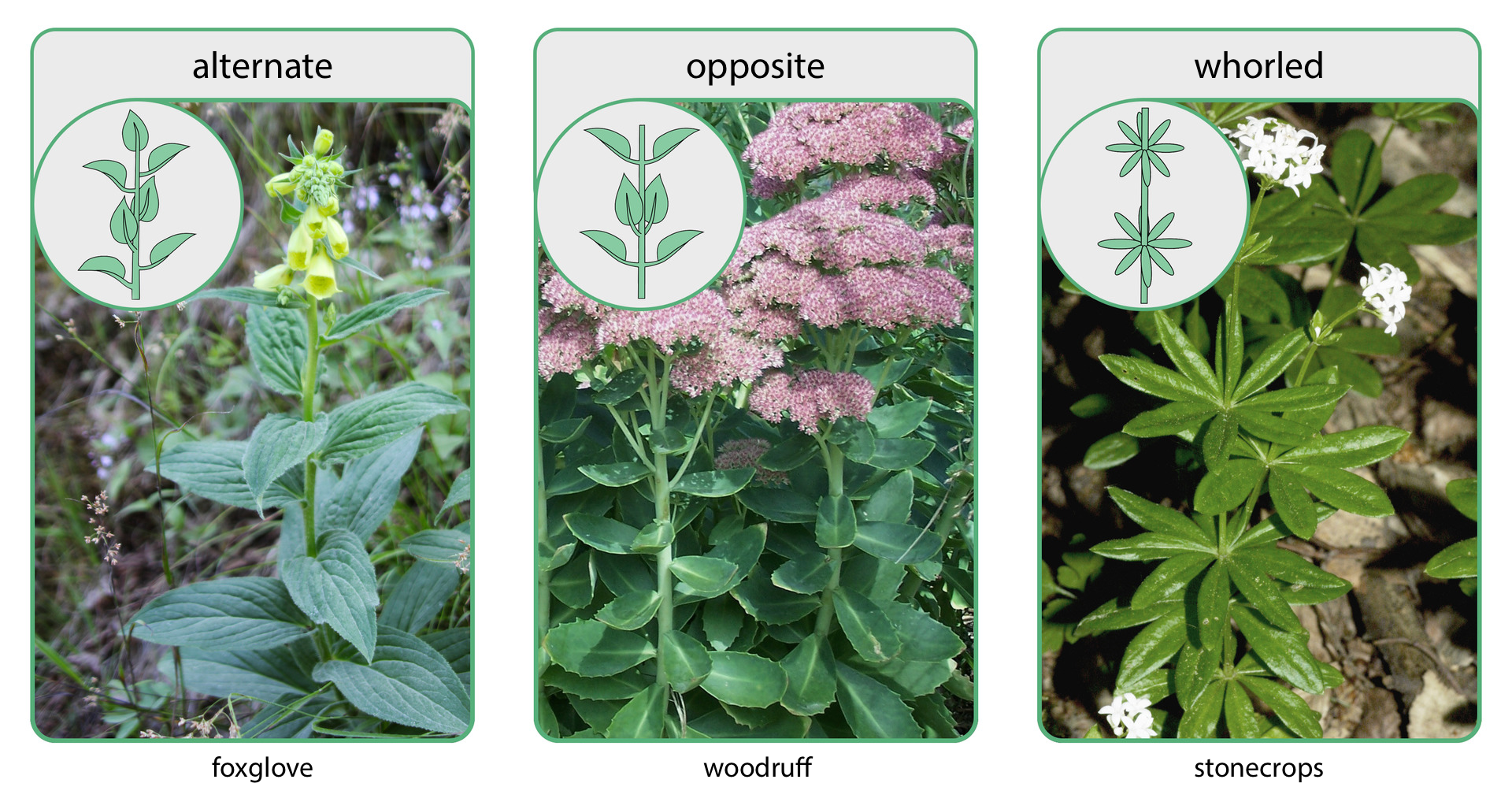
Leaf modifications
In addition to basic functions, leaves of various plants also perform other tasks to which they are adapted thanks to the modifications of their structuremodifications of their structure. These adaptations allow plants to survive in different environments, even with such extreme conditions as there are in deserts or Arctic regions. Leaves can have the following functions: storage, climbing, defensive, trap, and even participate in asexual reproduction.
Among modified leaves we distinguish:
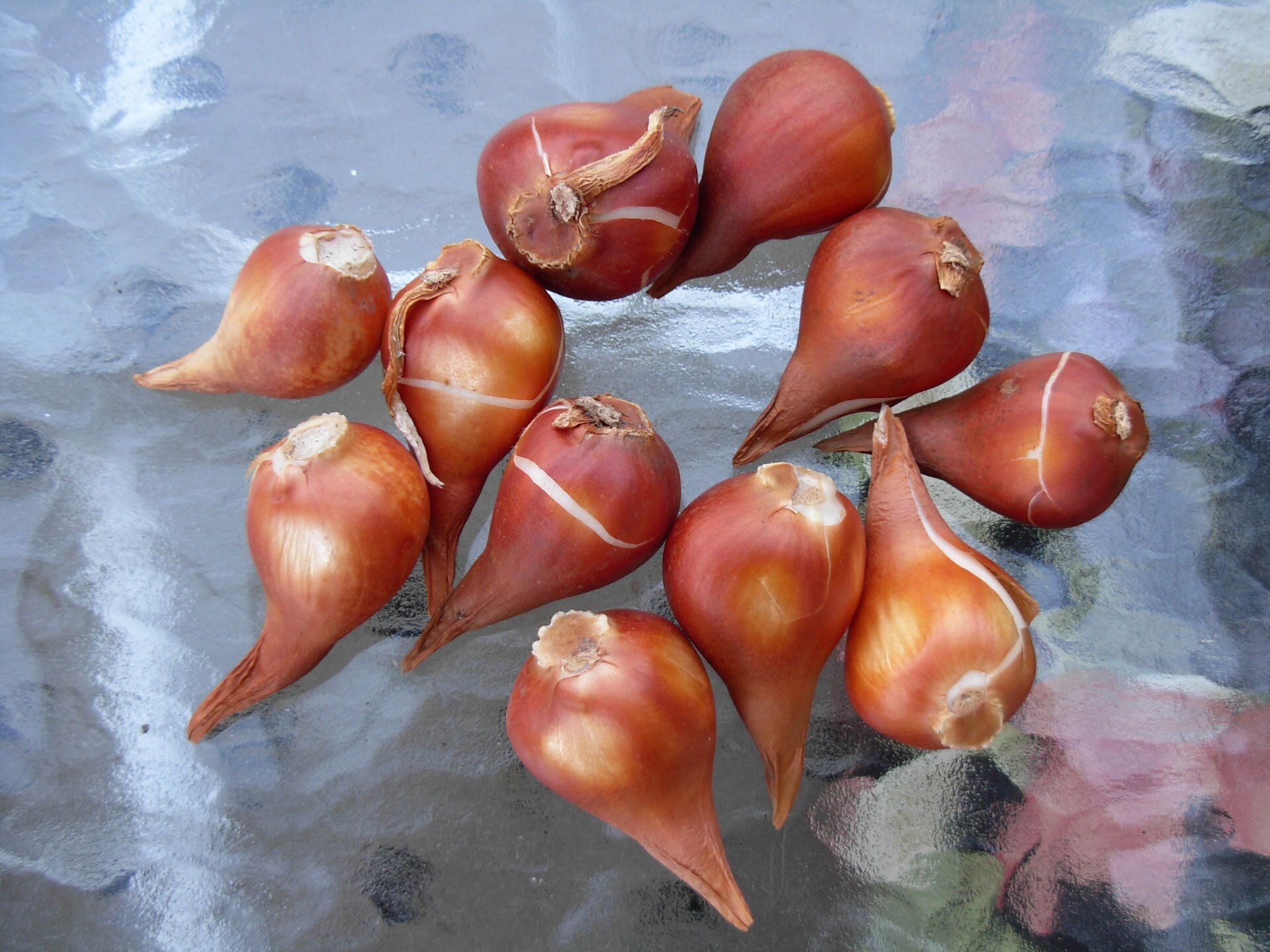
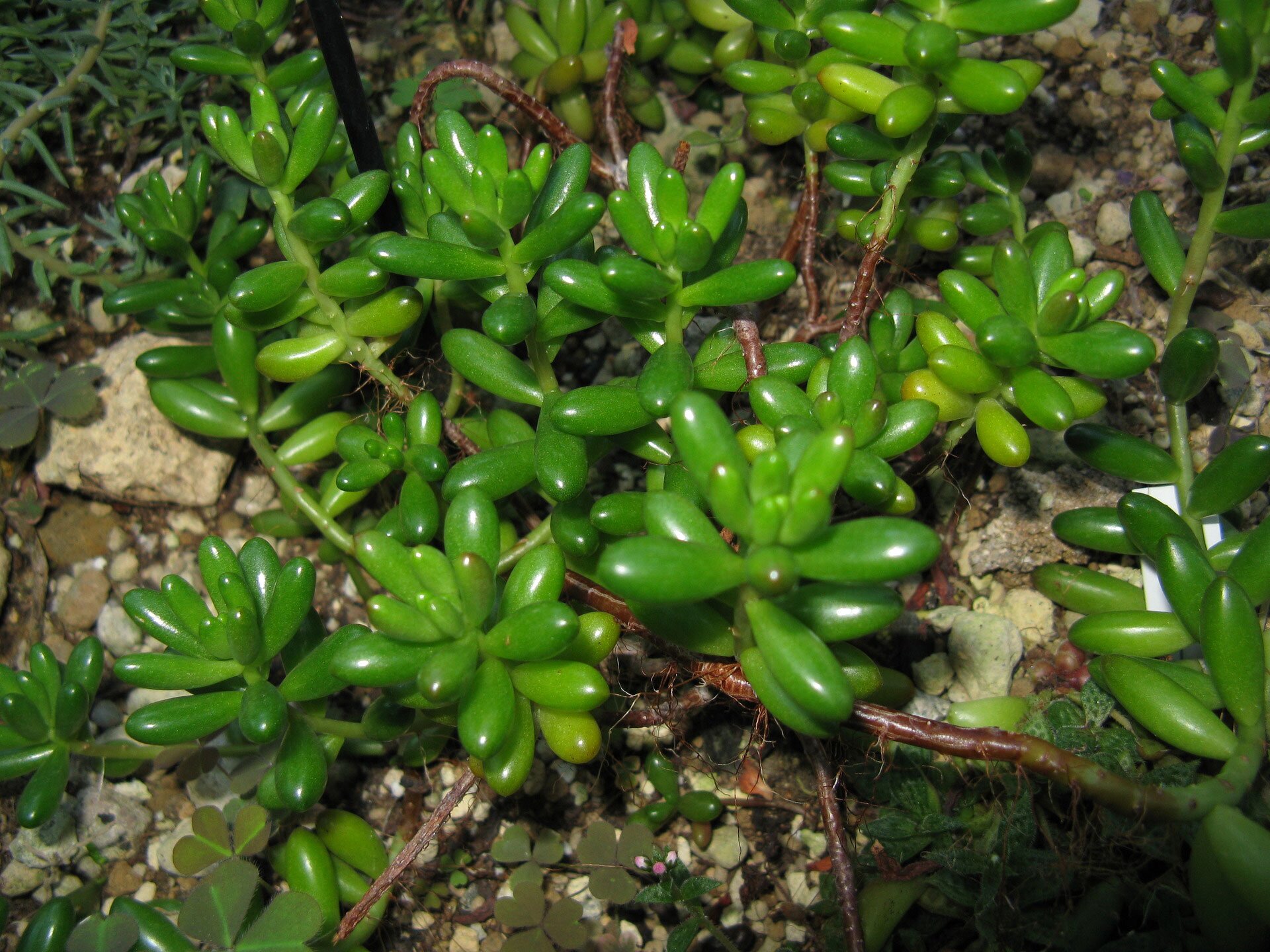
storage leaves specialized in the storage of food substances or water; occur in plants forming bulbs such as: garlic, narcissus, tulip, hyacinth; internal leaves of onions are characterized by high thickness and fleshiness and well‑formed storage parenchyma, whereas external ones form protective husks; storage leaves that store water occur in plants that have adapted to living in conditions of draught and are equipped with water‑bearing tissues – such plants live mostly in deserts, although they are also found in all climate zones, for example, aloe vera, agave and stonecrop growing in Poland;
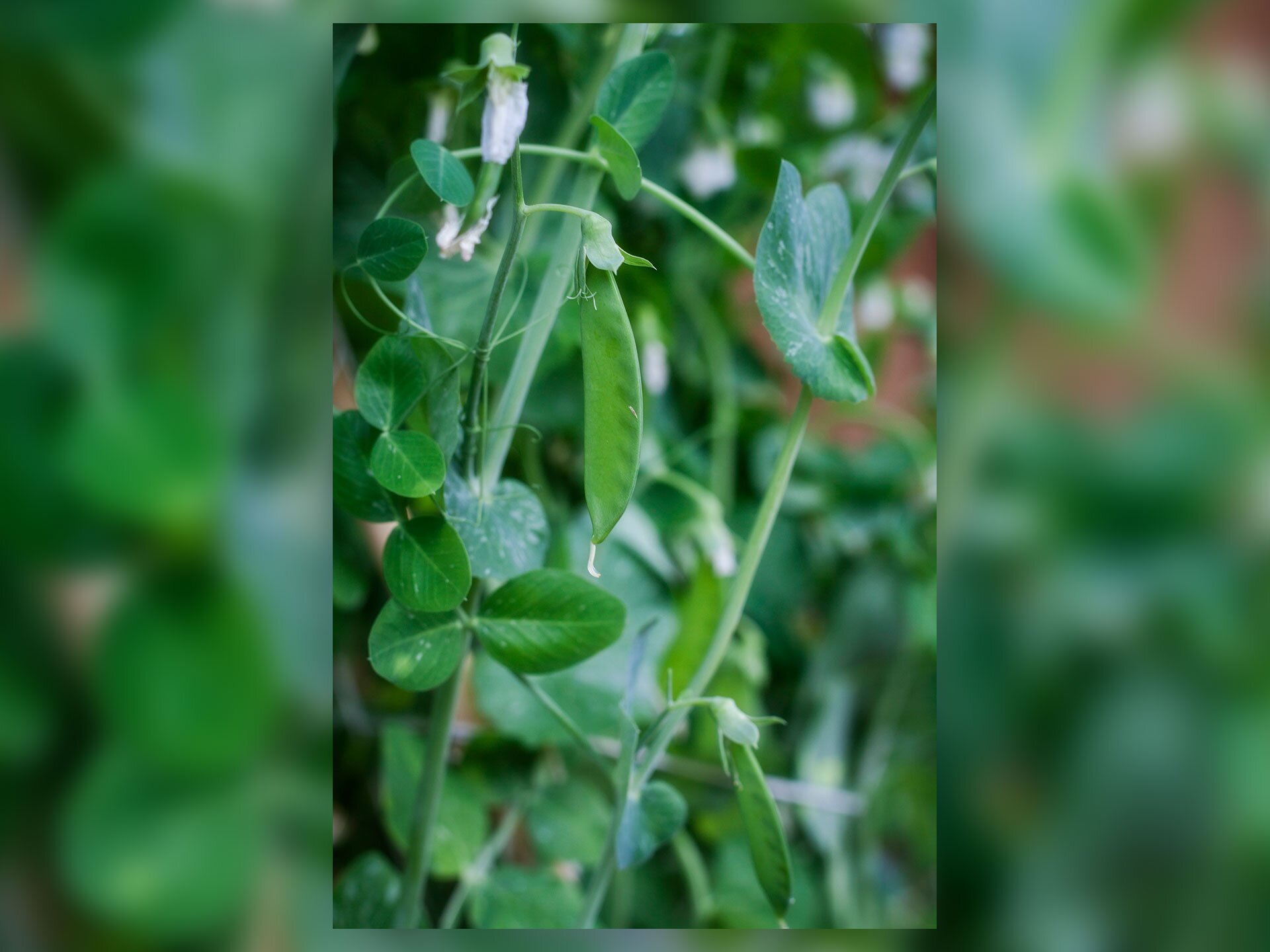
leaf tendrils found in climbing plants; these are touch sensitive organs and therefore wrap around supports; this way they enable a plant to climb to the light. They are formed as modifications of entire leaves or parts thereof; they are found, for example, in peas;
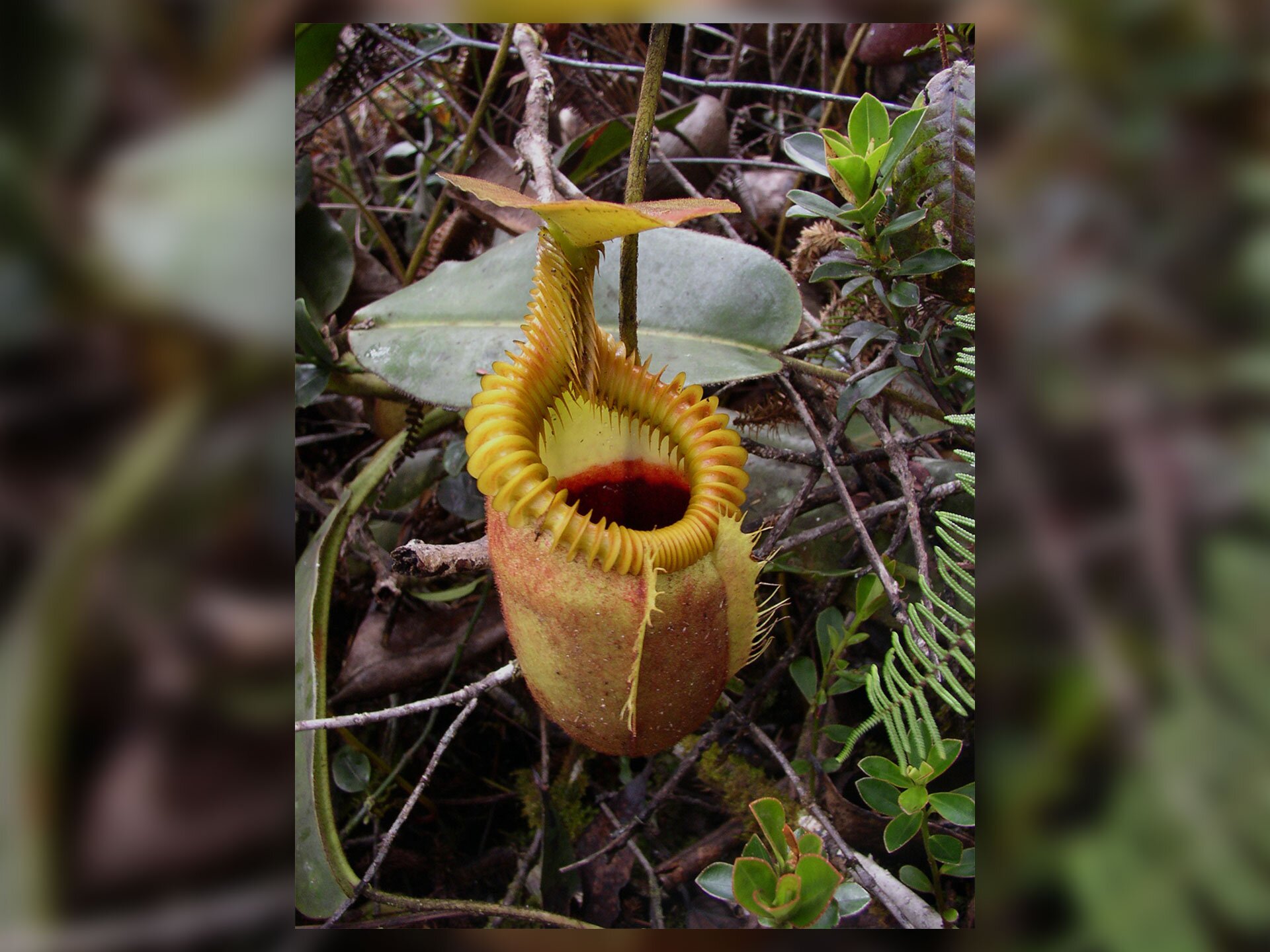
trap leaves present in all carnivorous plants and adapted to capture small animals, usually insects; traps formed from leaves have a variety of shapes and they look like jugs, flaps, pouches; the interior of the traps can be covered with mucus that holds insects or filled with liquid in which these insects melt; special glandular cells secrete enzymes that digest insect bodies – this way plants supplement minerals which are little in the soil, primarily nitrogen compounds; trap leaves are produced by sundew, Venus Flytraps, Nepenthes;
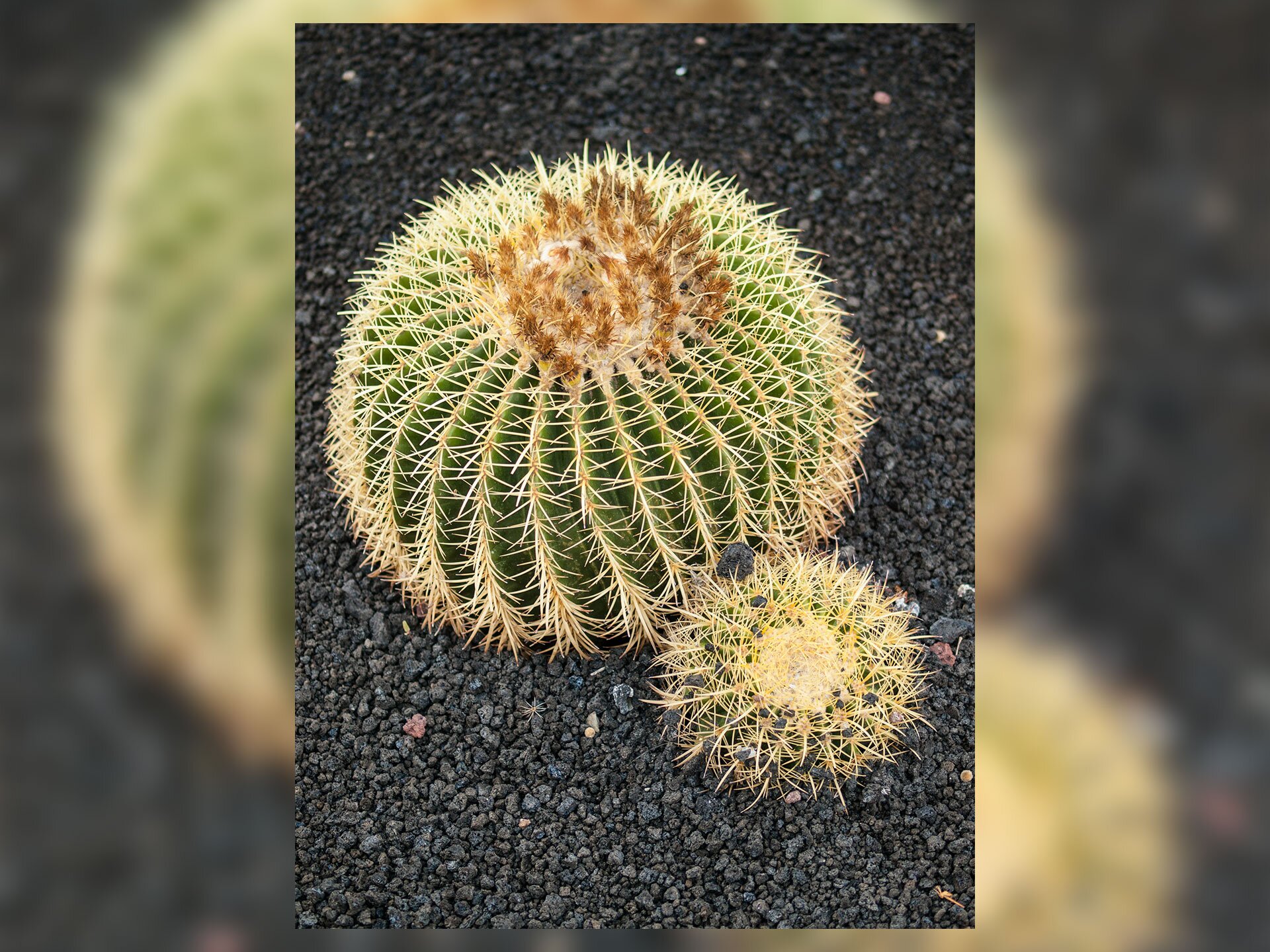
leaf thorns formed as a result of reducing the leaf area to reduce water loss; they grow directly from shoots; they do not carry out photosynthesis, so they do not have chlorophyll; they are rigid and sharp, thus protecting plants against being eaten by animals; leaf thorns are found, for example, in cacti.
Leaves can be food for humans or animal feed. People use them as stimulating substances and also as raw materials in the pharmaceutical industry. Give examples of plants whose leaves are used in your home.
Match the pairs: English words with Polish definition.
proces wyparowywania wody przez liście, dzięki któremu w roślinie zapewniony jest stały przepływ wody od korzenia do liści; powoduje także obniżenie temperatury tkanek rośliny., wytwór skórki pędu; składa się z dwóch komórek szparkowych, między którymi znajduje się szparka --- otwór, przez który zachodzi parowanie wody i wymiana gazowa., organ wegetatywny roślin, w którym zachodzą procesy fotosyntezy, wymiany gazowej i parowania; liście mogą być pojedyncze lub złożone., siła powstająca wskutek zachodzącej w liściach transpiracji; wymusza pobieranie wody z gleby i przewodzenie jej do liści., przystosowania kształtu i tkankowej budowy liścia do pełnienia innych funkcji niż odżywianie; wyróżnia się m.in. przystosowanie do rozmnażania, gromadzenia pokarmu i wody, obrony, chwytania organizmów, przetrwania w warunkach suszy., tkanka miękiszowa zawierająca w komórkach dużą liczbę chloroplastów; bierze udział w fotosyntezie; występuje głównie w liściach., główna część liścia, najczęściej szeroka i płaska, przystosowana do prowadzenia procesu fotosyntezy.
| stomata | |
| leaf blade | |
| leaf | |
| chlorenchyma | |
| leaf modifications | |
| suction power of leaves | |
| transpiration |
Summary
The external structure of leaves is diverse however some elements are the same: leaf petiole, leaf blade with nervature, leaf base.
Leaves serve the plant for the processes of photosynthesis, gas exchange and transpirationtranspiration.
The structure of the leaf indicates its very good adaptation to the functions it performs.
Name the elements of the external structure of a birch leaf and specify its basic functions.
Describe what functions can modified leaves perform in plants, give examples of plants having such leaves.
Keywords
leaf, modified leaves, leaf blade
Glossary
aparat szparkowy – wytwór skórki pędu; składa się z dwóch komórek szparkowych, między którymi znajduje się szparka – otwór, przez który zachodzi parowanie wody i wymiana gazowa.
blaszka liściowa – główna część liścia, najczęściej szeroka i płaska, przystosowana do prowadzenia procesu fotosyntezy.
liść – organ wegetatywny roślin, w którym zachodzą procesy fotosyntezy, wymiany gazowej i parowania; liście mogą być pojedyncze lub złożone.
miękisz asymilacyjny – tkanka miękiszowa zawierająca w komórkach dużą liczbę chloroplastów; bierze udział w fotosyntezie; występuje głównie w liściach.
modyfikacje liści – przystosowania kształtu i tkankowej budowy liścia do pełnienia innych funkcji niż odżywianie; wyróżnia się m.in. przystosowanie do rozmnażania, gromadzenia pokarmu i wody, obrony, chwytania organizmów, przetrwania w warunkach suszy.
siła ssąca liści – siła powstająca wskutek zachodzącej w liściach transpiracji; wymusza pobieranie wody z gleby i przewodzenie jej do liści.
transpiracja – proces wyparowywania wody przez liście, dzięki któremu w roślinie zapewniony jest stały przepływ wody od korzenia do liści; powoduje także obniżenie temperatury tkanek rośliny.