bg‑azure

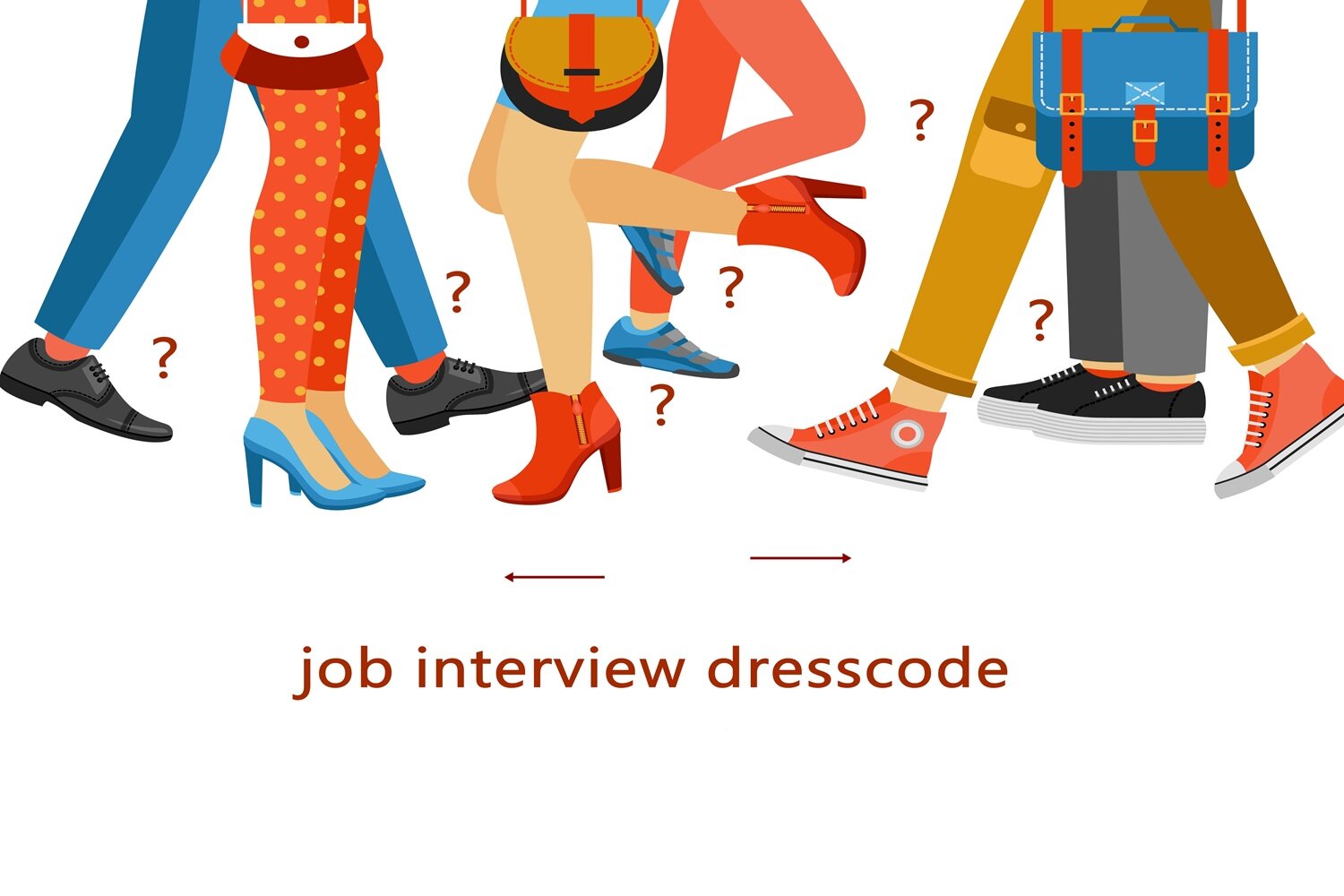
Selecting the appropriate apparel for a job interview can be a challenging task. Whether we like it or not, interviewers will form their first judgement about us on the basis of how we look and what we’re wearing. Study the video and follow the decision‑making process connected to what to wear that the two candidates for new positions went through.

Wybór odpowiedniego ubioru na rozmowę o pracę może być niemałym wyzwaniem. Czy nam się to podoba, czy nie, rekruterzy ocenią nas po wyglądzie i po naszym stroju. Zapoznaj się z filmem i przekonaj się, jak dwie osoby ubiegające się o pewne stanowisko podejmowały decyzję o tym, jak się ubrać na rozmowę o pracę.
R1TXUttYe61xs
Is there such a thing as an interview dress code?
Czy istnieje coś takiego jak przepisowy strój na rozmowę o pracę?
Źródło: dostępny w internecie: www.freepik.com [dostęp 27.04.2022], domena publiczna.
Exercise 1

There are some questions which are almost always asked at job interviews. Do you know what they are? Reorder the words below to form 5 commonly used interview questions.

R1dGRLu7LENQs
1. 1. What, 2. are, 3. your, 4. weaknesses, 5. and, 6. strengths1. What, 2. are, 3. your, 4. weaknesses, 5. and, 6. strengths1. What, 2. are, 3. your, 4. weaknesses, 5. and, 6. strengths1. What, 2. are, 3. your, 4. weaknesses, 5. and, 6. strengths1. What, 2. are, 3. your, 4. weaknesses, 5. and, 6. strengths1. What, 2. are, 3. your, 4. weaknesses, 5. and, 6. strengths?
Źródło: GroMar Sp. z o.o., licencja: CC BY-SA 3.0.
R1VUaaEMIiDz9
2. 1. you, 2. position, 3. for, 4. the, 5. makes, 6. candidate, 7. this, 8. best, 9. What1. you, 2. position, 3. for, 4. the, 5. makes, 6. candidate, 7. this, 8. best, 9. What1. you, 2. position, 3. for, 4. the, 5. makes, 6. candidate, 7. this, 8. best, 9. What1. you, 2. position, 3. for, 4. the, 5. makes, 6. candidate, 7. this, 8. best, 9. What1. you, 2. position, 3. for, 4. the, 5. makes, 6. candidate, 7. this, 8. best, 9. What1. you, 2. position, 3. for, 4. the, 5. makes, 6. candidate, 7. this, 8. best, 9. What1. you, 2. position, 3. for, 4. the, 5. makes, 6. candidate, 7. this, 8. best, 9. What1. you, 2. position, 3. for, 4. the, 5. makes, 6. candidate, 7. this, 8. best, 9. What1. you, 2. position, 3. for, 4. the, 5. makes, 6. candidate, 7. this, 8. best, 9. What?
Źródło: GroMar Sp. z o.o., licencja: CC BY-SA 3.0.
R1dfdIvmEgKZZ
3. 1. is, 2. What, 3. your, 4. greatest, 5. accomplishment1. is, 2. What, 3. your, 4. greatest, 5. accomplishment1. is, 2. What, 3. your, 4. greatest, 5. accomplishment1. is, 2. What, 3. your, 4. greatest, 5. accomplishment1. is, 2. What, 3. your, 4. greatest, 5. accomplishment?
Źródło: GroMar Sp. z o.o., licencja: CC BY-SA 3.0.
RKktiQ3FSjjQS
4. 1. you, 2. deal, 3. situations, 4. do, 5. How, 6. with, 7. stressful1. you, 2. deal, 3. situations, 4. do, 5. How, 6. with, 7. stressful1. you, 2. deal, 3. situations, 4. do, 5. How, 6. with, 7. stressful1. you, 2. deal, 3. situations, 4. do, 5. How, 6. with, 7. stressful1. you, 2. deal, 3. situations, 4. do, 5. How, 6. with, 7. stressful1. you, 2. deal, 3. situations, 4. do, 5. How, 6. with, 7. stressful1. you, 2. deal, 3. situations, 4. do, 5. How, 6. with, 7. stressful?
Źródło: GroMar Sp. z o.o., licencja: CC BY-SA 3.0.
RaytDnL77Wo0N
5. 1. you, 2. describe, 3. How, 4. your, 5. boss, 6. would1. you, 2. describe, 3. How, 4. your, 5. boss, 6. would1. you, 2. describe, 3. How, 4. your, 5. boss, 6. would1. you, 2. describe, 3. How, 4. your, 5. boss, 6. would1. you, 2. describe, 3. How, 4. your, 5. boss, 6. would1. you, 2. describe, 3. How, 4. your, 5. boss, 6. would?
Źródło: GroMar Sp. z o.o., licencja: CC BY-SA 3.0.

Work with the film and then, do the exercises below.
ROYtSBj29Mi0s
Film nawiązujący do treści materiału
TRANSCRIPTazurewhite
R1Pwq7kgYCu202
Exercise 2
Play the video and then decide if the following sentences are True or False. 1. Alice and Mick studied together. TRUEFALSE
2. Alice and Mick applied for jobs in construction and children’s toys industries respectively. TRUEFALSE
3. Alice and Mick both consider different options of outfits for their respective interviews. TRUEFALSE
4. A classic black dress can be modernised with some less common elements. TRUEFALSE
5. Tights worn for an interview shouldn’t cause any controversy. TRUEFALSE
6. Dress pants can be worn in elegant and casual combinations. TRUEFALSE
7. Mick is not going to bother with the dress code for his interview. TRUEFALSE
8. A blazer and slacks in the same colour always look professional. TRUEFALSE
9. Mick’s second outfit option puts his position at stake. TRUEFALSE
10. Mick really wants to get this job. TRUEFALSE
Źródło: GroMar Sp. z o.o., licencja: CC BY-SA 3.0.
R13RFyfkgj8zE2
Exercise 3
Watch the video again and decide which option best paraphrases the underlined parts of the sentences. 1. The build-up to their interviews is now in full swing.
a) preparations
b) mental training
2. A little black dress has always been the manifestation of good taste and business savvy.
a) knowledge about dress code in different industries
b) know-how connected with operating in the business world
3. They show their non-conformist approach to life.
a) rebellious
b) unreactive
4. He’s going to soften the image by adding a statement tie.
a) wear something comfortable
b) make himself look a bit more approachable
5. If things go awry, he’ll just keep looking for another opening somewhere else.
a) don’t go according to the plan
b) are botched
Źródło: GroMar Sp. z o.o., licencja: CC BY-SA 3.0.
3
Exercise 4

Choose one question and write your answer in 4–5 sentences.

  1. Do you think there is a universal outfit appropriate for each and every interview? Why? Why not?

  2. Do you think it is fair for employers to judge candidates by the clothes they wear during an interview? Why? Why not?

  3. What are some other occasions which require people your age to dress up? What is the appropriate outfit then?

RSQADpYOgC71r
(Uzupełnij).
Źródło: GroMar Sp. z o.o., licencja: CC BY-SA 3.0.