I didn't use to be much of a geek, me. Yes, that's actually me, more of a school poet, later, the director of the school's theater festival. I was much more into literature and acting than technology back then.
Until the last year of my high school, when on top of directing the play we were to stage, I had to take place of our technician's assistant. He had broken his leg, and the girl who was responsible for all the technical details really needed a hand.
If I wanted the performance to go ahead, I needed to become a jack‑of‑all‑trades. She showed me the ropes and I did just that. The play was a spectacular success, but what's much more important than that is the fact how that experience changed my attitude towards technology.
I have been cooperating with various technological start‑ups as an Internet of Things service designer for seven years now. I'm here today to convince you that being tech‑savvy is a great asset now, and will become must in the near future. I’ll tell you about a few applications of the Internet of things in branches of industry, not necessarily directly associated with technology and the Internet, in which hi tech skills give you so many more opportunities.
Most big global companies, which try to keep up to date with the newest trends, are looking into implementing the concept of the Internet of Things in their functioning, as well as offering it to their customers with the products and services they provide.
One might ask what is the difference between having and not having the Internet of things solutions in your facility? Let's take a look at a random production plant fitted with a number of machines performing a range of duties. That's already called automation, so devices do the job instead of people.
However, before the IoT, a person had to run from one machine to another to set them up and enter instructions regarding what we wanted them to do. With the Internet of Things, devices interact with one another, and share data reducing human involvement in the whole cycle.
Where is the potential for new jobs in that? It looks more like the machines are taking human jobs and leaving people unemployed with nothing to do. That’s not quite the case. It is true that unskilled, repetitive jobs will keep being replaced with automated systems, but the demand for semi and high skilled professionals is and will continue growing.
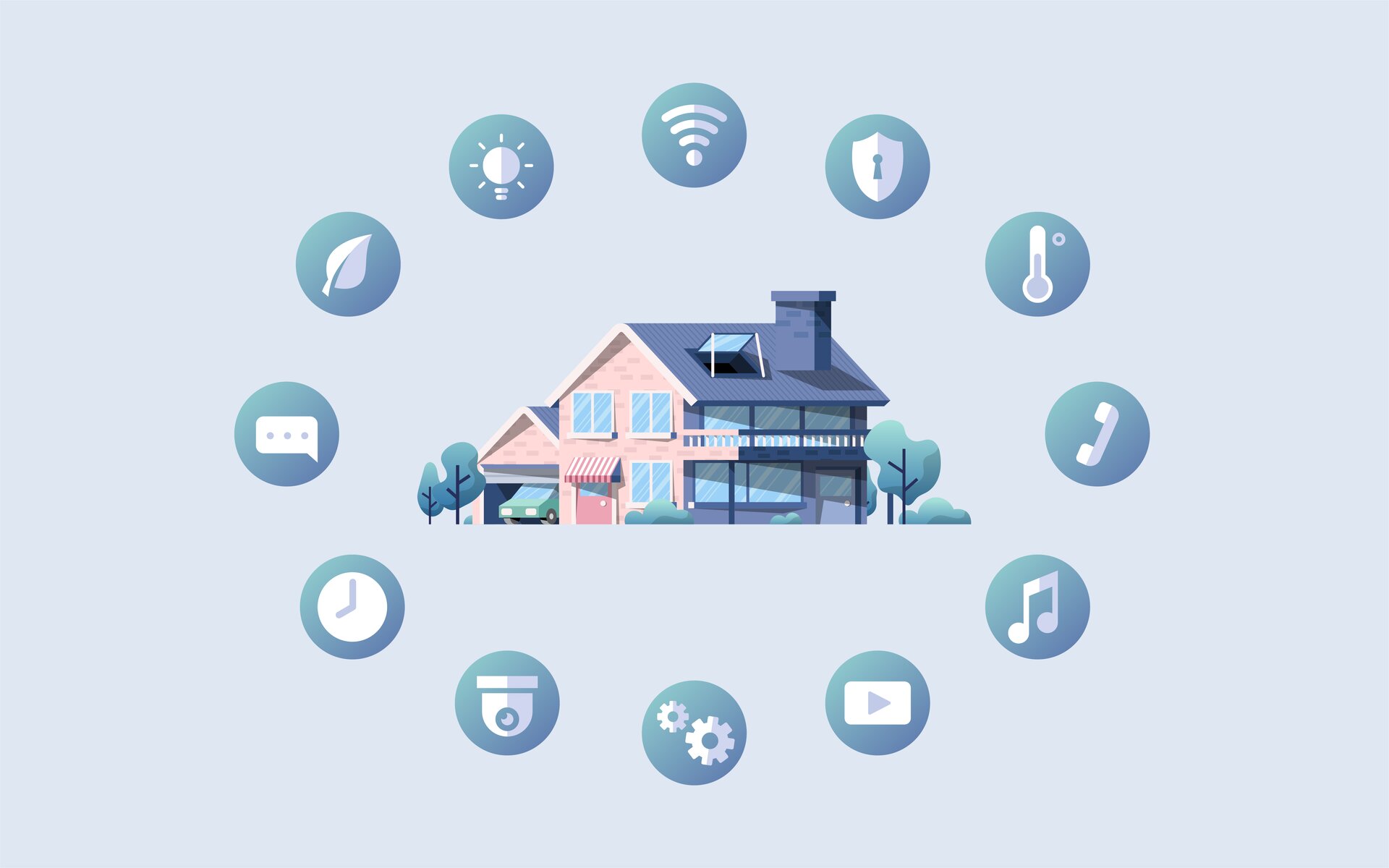
The connectivity of all sorts of devices is growing constantly. We’re not talking only about smartphones, household appliances, our cars, or production facilities, but about the whole urban or rural system. IoT finds applications in such areas as healthcare, agriculture, industrial automation, disaster management, and many others.
IoT is sometimes about troubleshooting problems, but more often it’s about making things better, more convenient, and safer for the users. If you think about the applications of IoT in everyday life you can imagine how much you could save on, let’s say central heating.
If you had a system that had enough information about your daily routine to adjust the temperature in your house according to your presence and different activities during the day, the system would turn the heating down at night and make it pleasantly warm again just before you wake up. The moment you leave the house, the heating would be switched off, and then sensors in your phone would send the message to the heating system to turn it up minutes before you arrive home after work. Wouldn’t that be great?
But wait, that’s already possible! Intelligent thermostats are already available on the market. Connected with the house owner’s smartphone, these devices collect data about the inhabitant’s routines and they “learn” how to adjust the temperature to ensure maximum comfort at the lowest cost.
Here is one more IoT solution from the area of household appliances. You can have a smart door installed in your house with smart locks, smart doorbells with built‑in video transmission, and smart keypads. “Who needs that?” one may think. Well, imagine this. You’re waiting for a package delivery but you have some errands to run in the city and you cannot be home all day waiting for it.
When the courier arrives, they ring the smart doorbell which connects to your phone and you can see the person in front of your door. You can remotely open the door for them, let them drop the package off in the flat, and again, remotely lock your door when they go out. Even more advanced options have an activity feed. So not only can you follow what’s happening in front of and around your door live, but you can also review all the activities later.
Unlocking the smart door when you arrive home also sends a signal to other devices in the house or flat which are interconnected with one another. It means that the signal initiated by unlocking the door can switch the light on or turn on any other devices in the house that are important for you as a user of the whole system. Quite cool, right?
The Internet of Things is also about ensuring our safety. Imagine an integrated system of smoke and gas detectors connected with sensors built in the ventilation system. In the case of fire or gas leakage, detectors will send signals to the ventilation system to activate and increase the exchange of air until the arrival of adequate emergency services.
And here is an interesting fact about the job opportunities connected with designing such services. People think it’s a domain of programmers and engineers. It’s only true to some extent. Companies which specialise in designing customised Internet of Things solutions want to make sure that their products cater to the real needs of their customers.
For that reason they want to employ specialists, such as sociologists, big data analysts, or people knowing various languages, to conduct research for them. And these are only a few examples. As the Internet of Things proliferates into new areas, new specialists will be required to support IT companies in the process of designing new integrated systems. So, stay tuned. Even if a career in IT is the last thing you’d ever think of.
Let’s have a look at an application of the Internet of Things on a much wider scale, in agriculture. It exemplifies how the Internet of Things can affect the functioning of the whole industry. From sensors monitoring the irrigation of the fields to the systems connecting producers with suppliers, the Internet of Things makes agriculture more sustainable and efficient. Precision farming and effective distribution of labour allows farmers to make significant savings, especially during climate change, when resources such as water become scarce and nobody can afford to waste them.
What’s more, by controlling all parameters meticulously, farmers can increase crop yields and their quality.
The Internet of Things will definitely continue to grow and encompass more and more areas of our lives. It’s an ocean of opportunities for us as the end users of this technology but also for many of us as the creators of new solutions. If somebody had told me twenty years ago I would end up being an Internet of Things service designer, I would have shrugged them off with disbelief. Be smarter than me, start early and invest in your future. The Internet of Things offers countless exciting career opportunities.