Flower
plants produce organs: roots, stems, leaves, flowers and fruits;
vegetative organs of plants are roots, stems and leaves.
distinguish flower structure elements and indicate their functions;
explain what wind‑pollination and entomophily are;
describe the process of flower‑into‑fruit transformation;
carry out observation of flowers and inflorescences of selected plants.
The structure and role of a flower
A flowerflower is a transformed shoot which green leaves of which conduct photosynthesis and have been modified and adapted to perform the sexual reproduction function. The flower is on a flower stalk that is called a pedicel, which expands upward to form a receptacle. All elements of the flower are placed on the receptacle. These include pistilspistils, stamensstamens and the perianth (calicle) that in entomophilousentomophilous plants is divided into the calyx and the corolla.
The most external part of the flower pollinated by insects is the calyx built from several sepals. Usually, these are green leaves that protect the bud until the flower is opened and support the corolla when it is fully developed. The corolla is made of petals that protect the interior of the flower. Their role is also to lure insects or other animals.
The pistil is a female reproductive organ placed in the centre of the flower. It consists of an enlarged lower part – the ovaryovary, and an elongated style topped with a stigma, which is adapted to receive pollen grains. In the ovary there are several integument‑covered ovulesovules. The ovary wall protects them from the outside. These plants are called – angiospermsangiosperms. The stigma of the pistil is often sticky or rough to stop pollen grains settling on it.
Stamens are male reproductive organs that grow around the pistil. A single stamen is made of a filament on which the head of the stamen is located. Each head consists of two anthers, and each anther has two pollen sacs. Pollen grains are produced in the sacs.
At the bottom of the flower there are nectaries producing sweet liquid which apart from pollen is food of animals pollinating flowers.
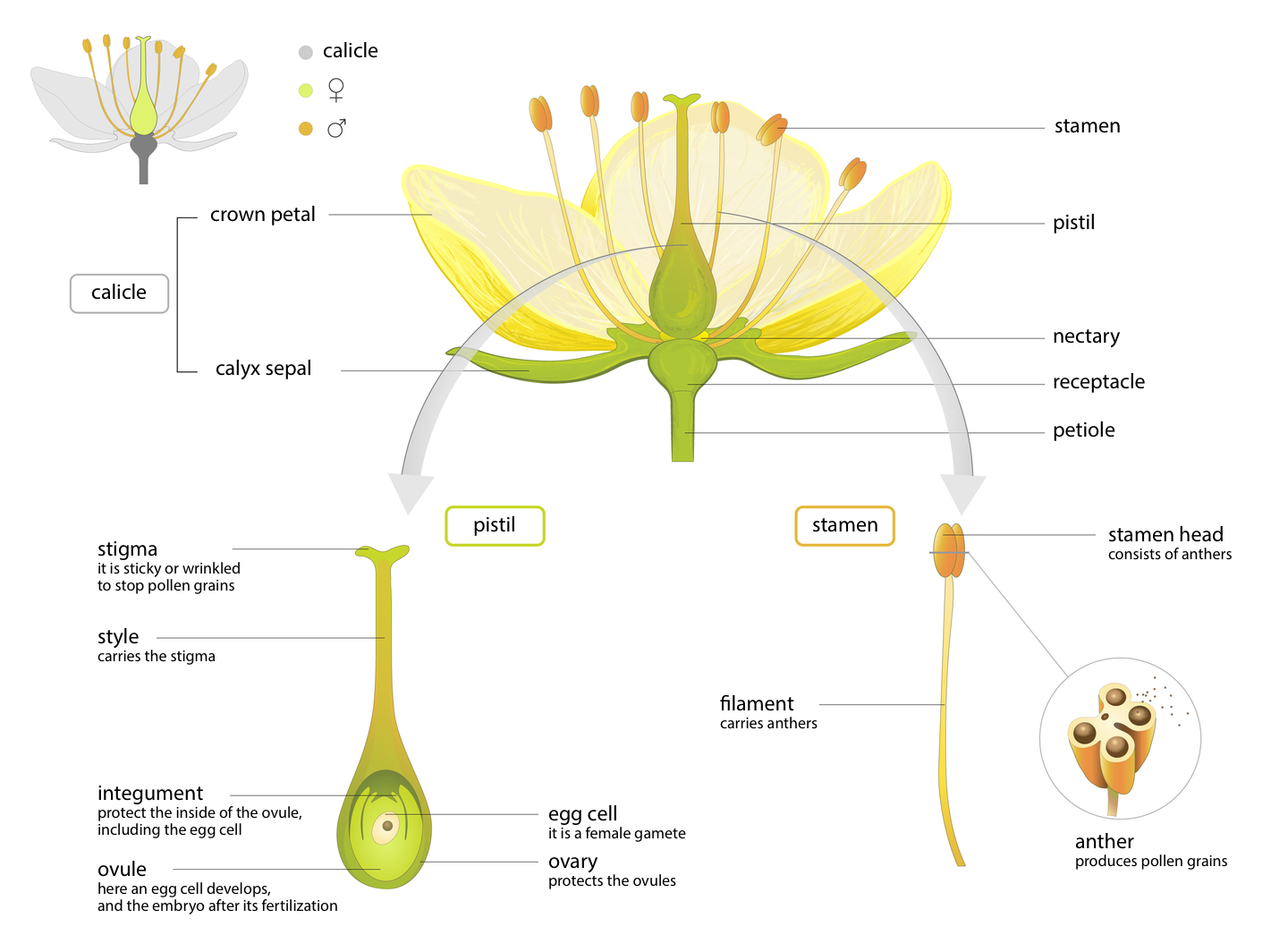
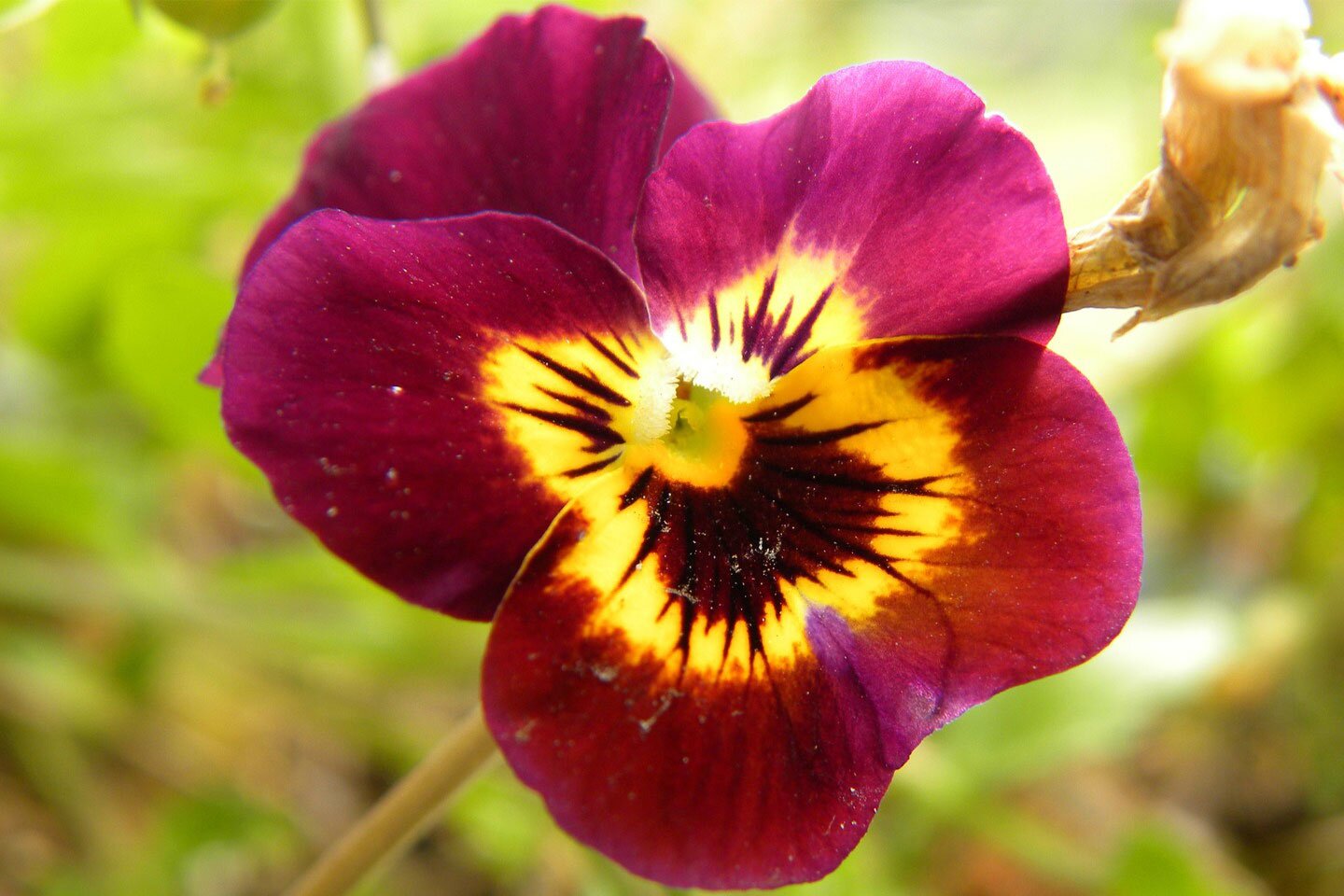
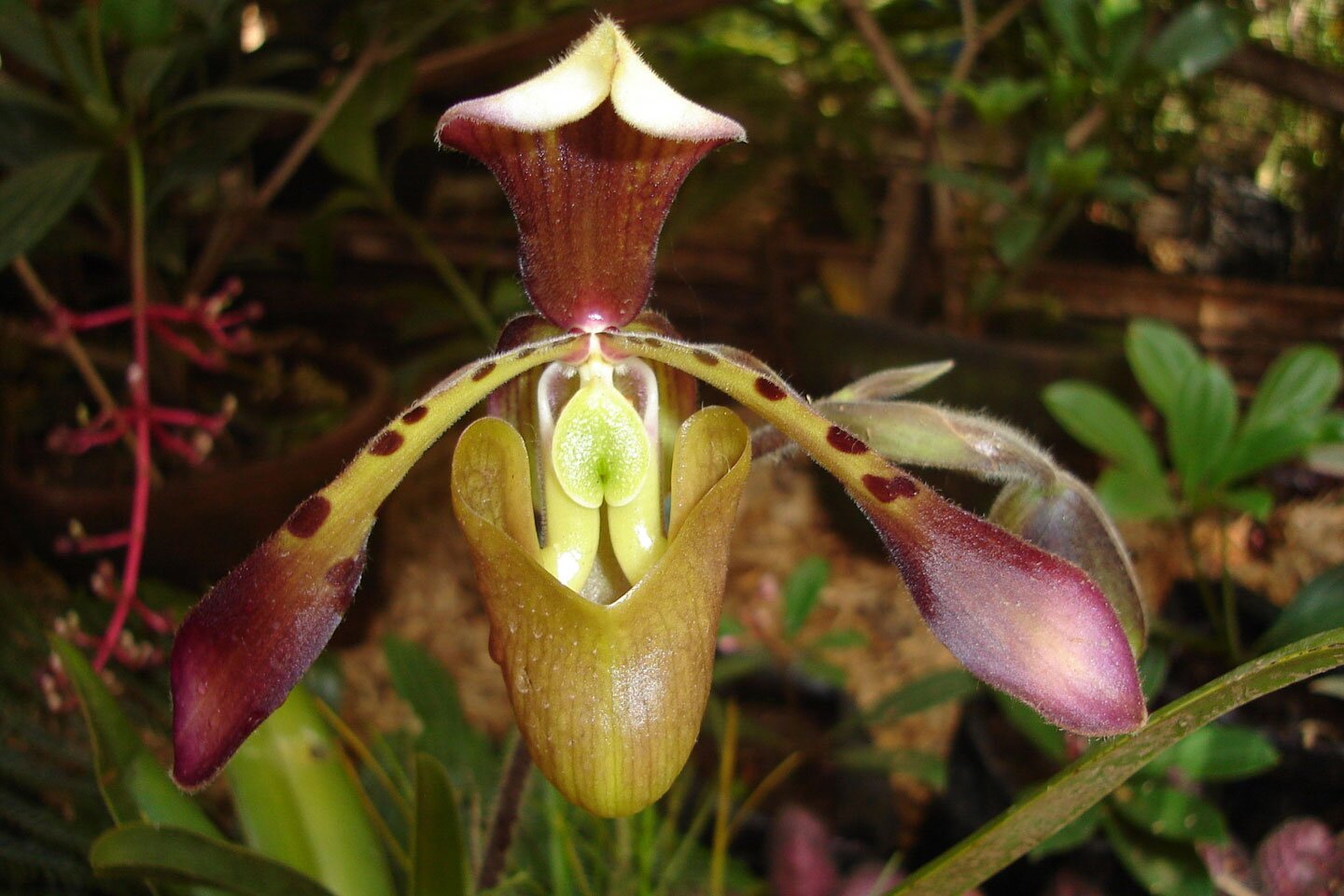
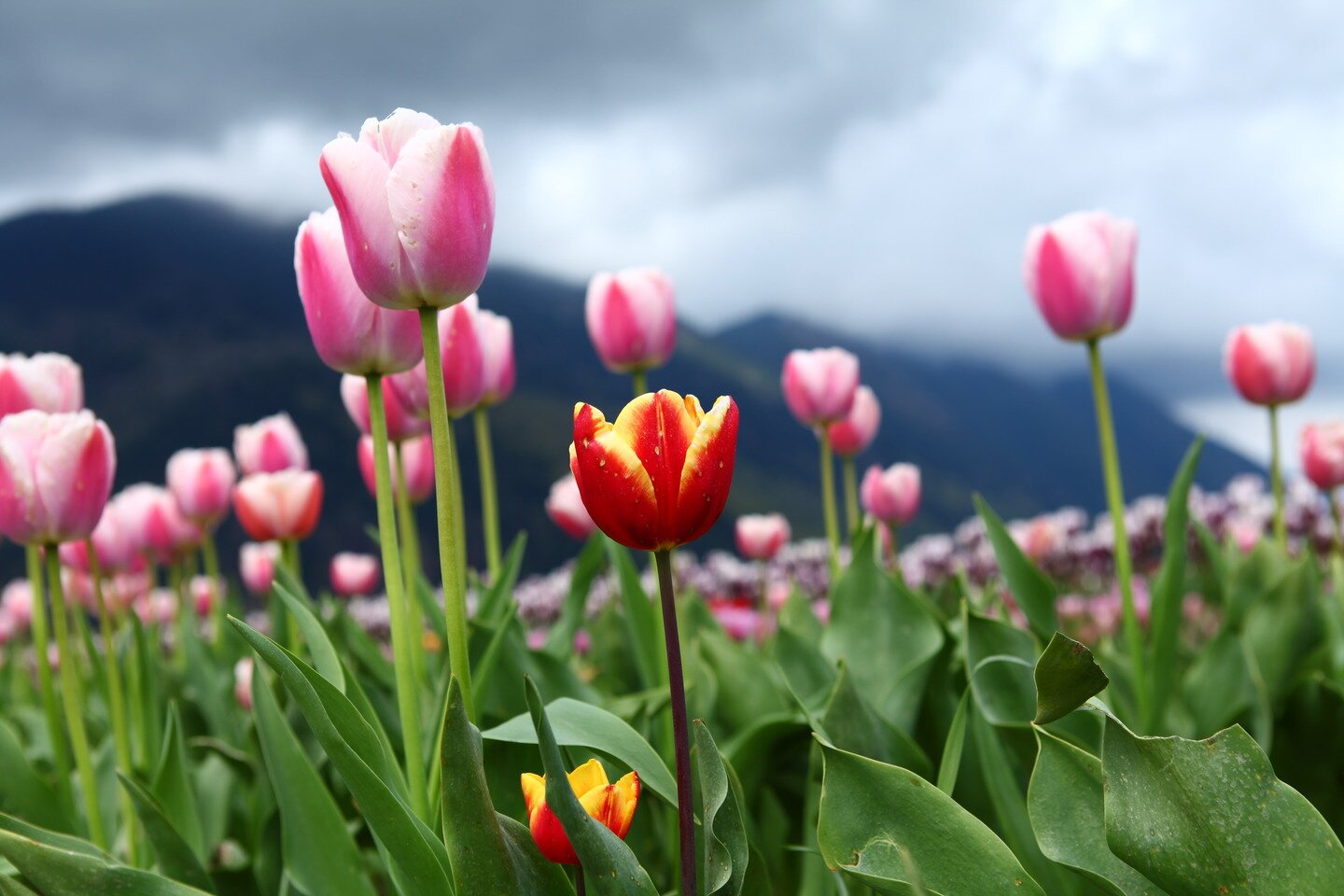
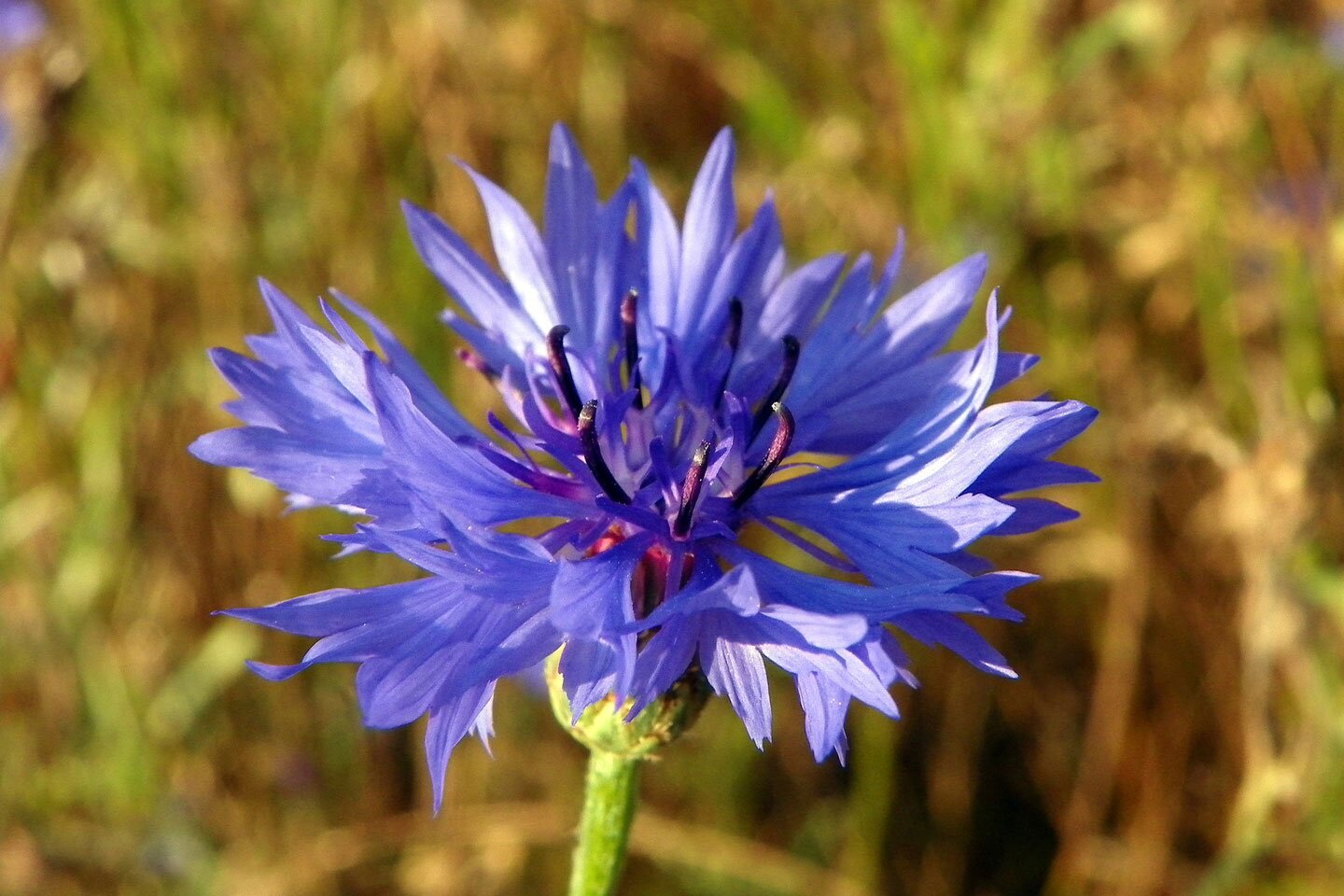
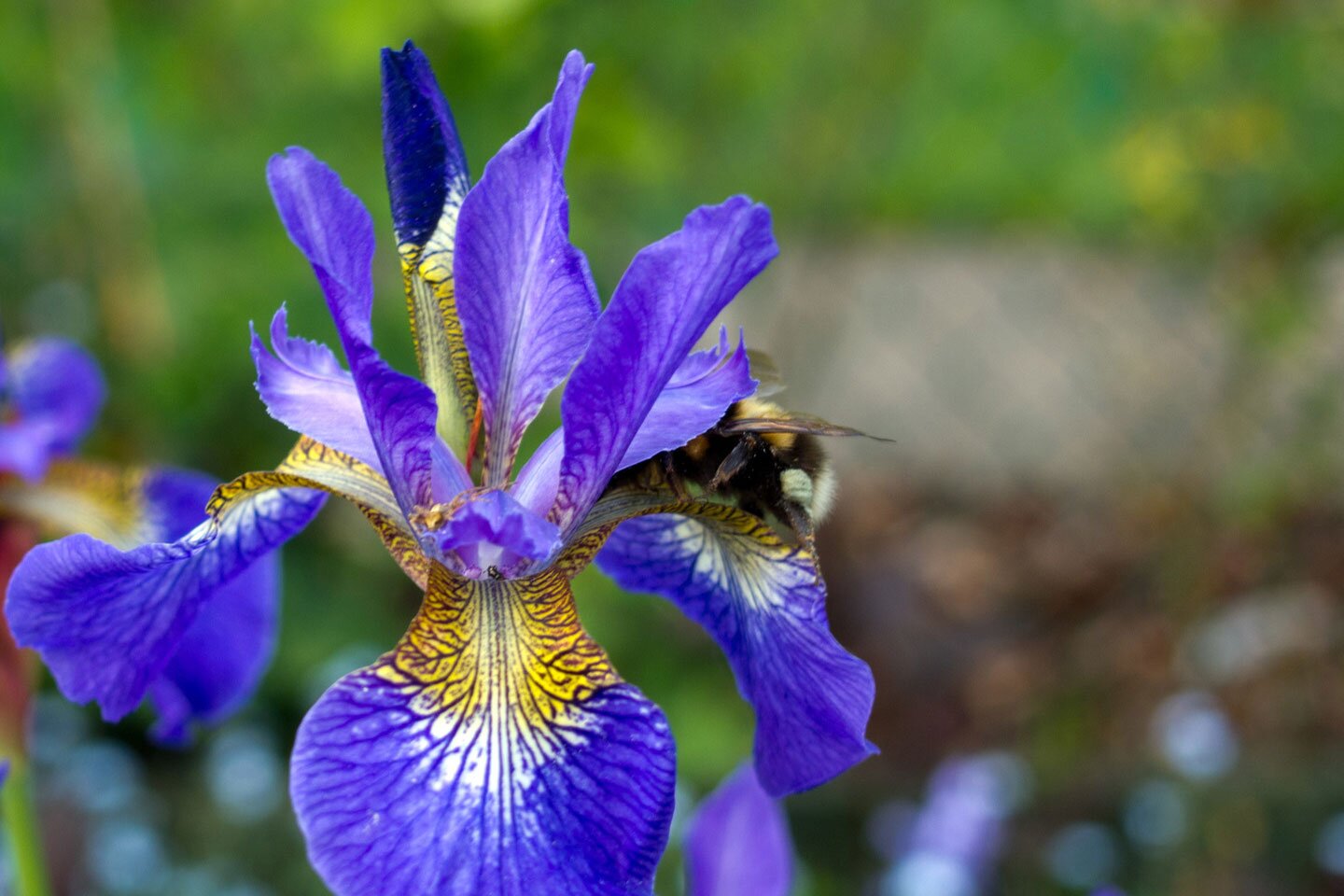
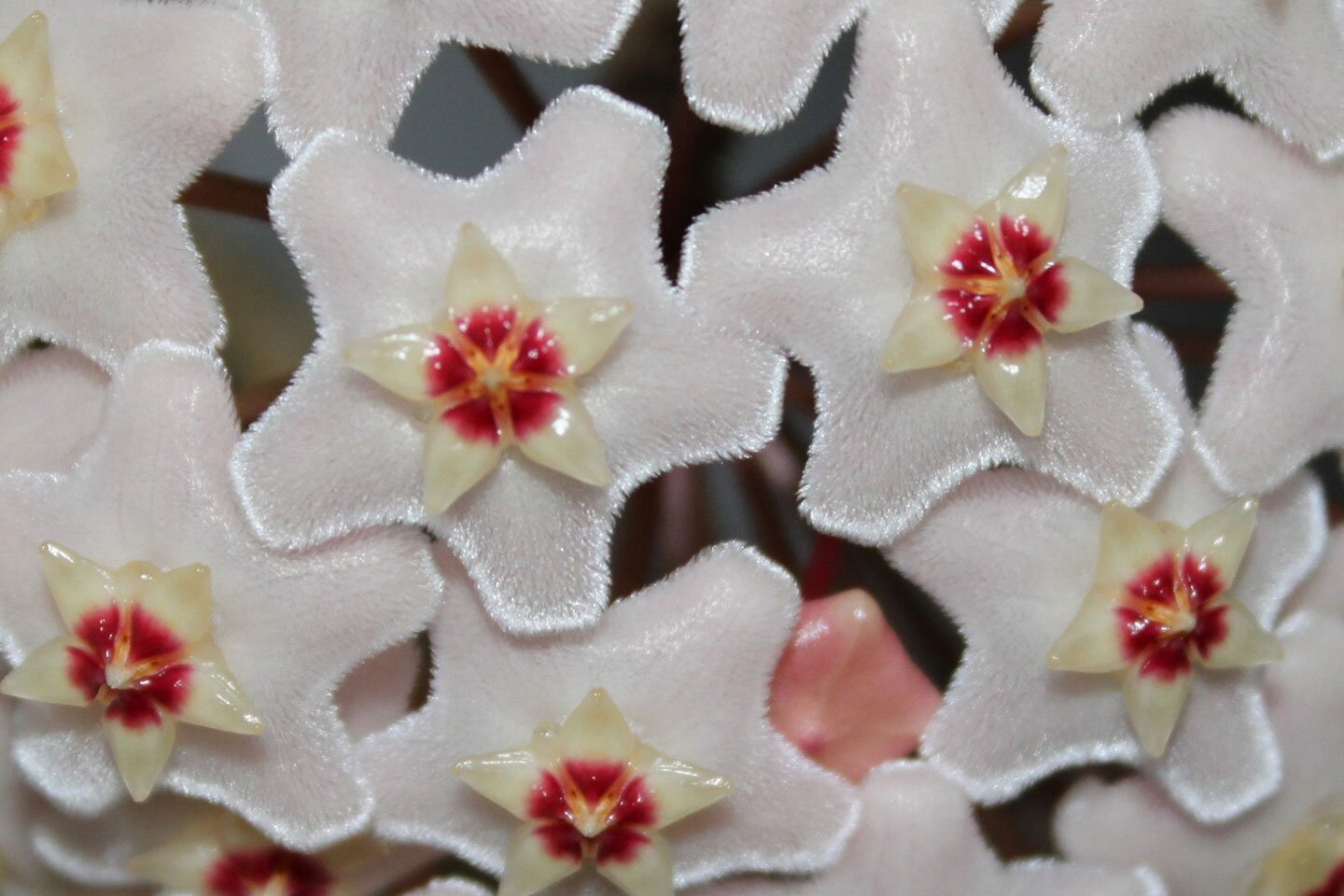
Flowers are most often androgynous(bisexual). This means that in one flower there are pistils and stamens. Unisexual flowers containing only pistils or only stamens are more seldom.
Unisexual flowers may be found on one plant, called monoecious, or on two separate plants, called dioecious.
Showing similarities and differences in the structure of flowers.
flowers of various plant species (e.g. tulip, apple, lilac, iris, narcissus),
a scalpel (knife),
magnifying glass.
Look at the flowers of various plant species (at least three).
Identify individual flower parts: perianth (calicle), stamens, pistils, receptacle, stalk.
Cut a pistil and a stamen out of the flower, then look through the magnifying glass.
Cut the pistil at the height of the ovary.
Observe the location of the ovules through the magnifying glass.
Make a drawing of the stamen and the cross‑section of the pistil. Describe and sign drawings.
Flowers, despite their different shapes and sizes, have the same structure plan.
Identify the parts of the flower in the illustration and name their functions. OR What are the parts of the flower?
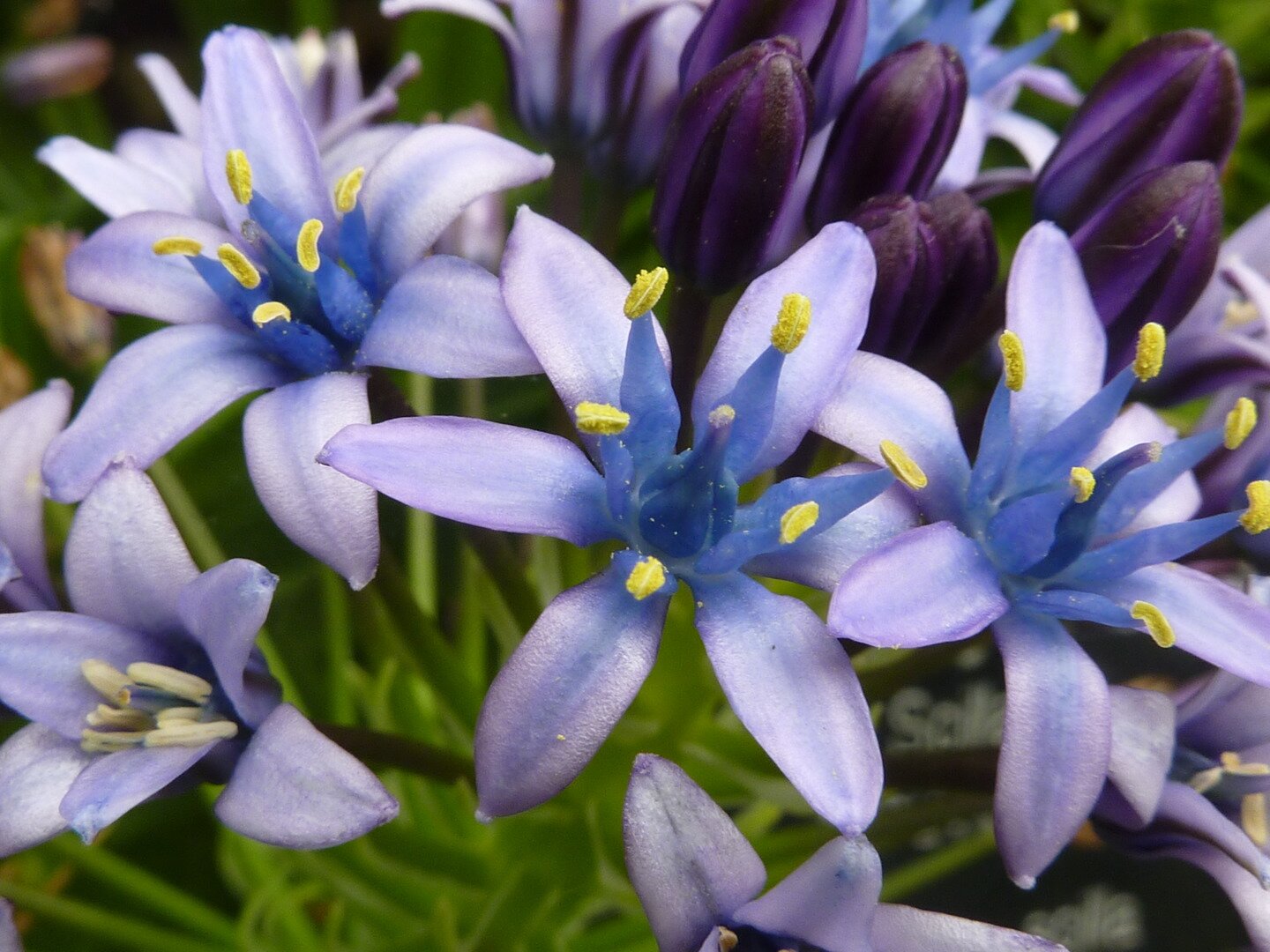
Describe how insects are encouraged by flowers to visit them.
Types of inflorescences
Some flowers of angiosperms grow on the stem individually, other plants form clusters called inflorescencesinflorescences. One to several tens of thousands of flowers are then placed on one apical shoot. Thanks to placing such a great amount in one place, the insects do not have to look for more flowers at long distances. This increases the chance of pollinationpollination and thus the opportunity to release more seeds. Inflorescences differ in the way of shoots are branched, and the way flowers are placed on them.
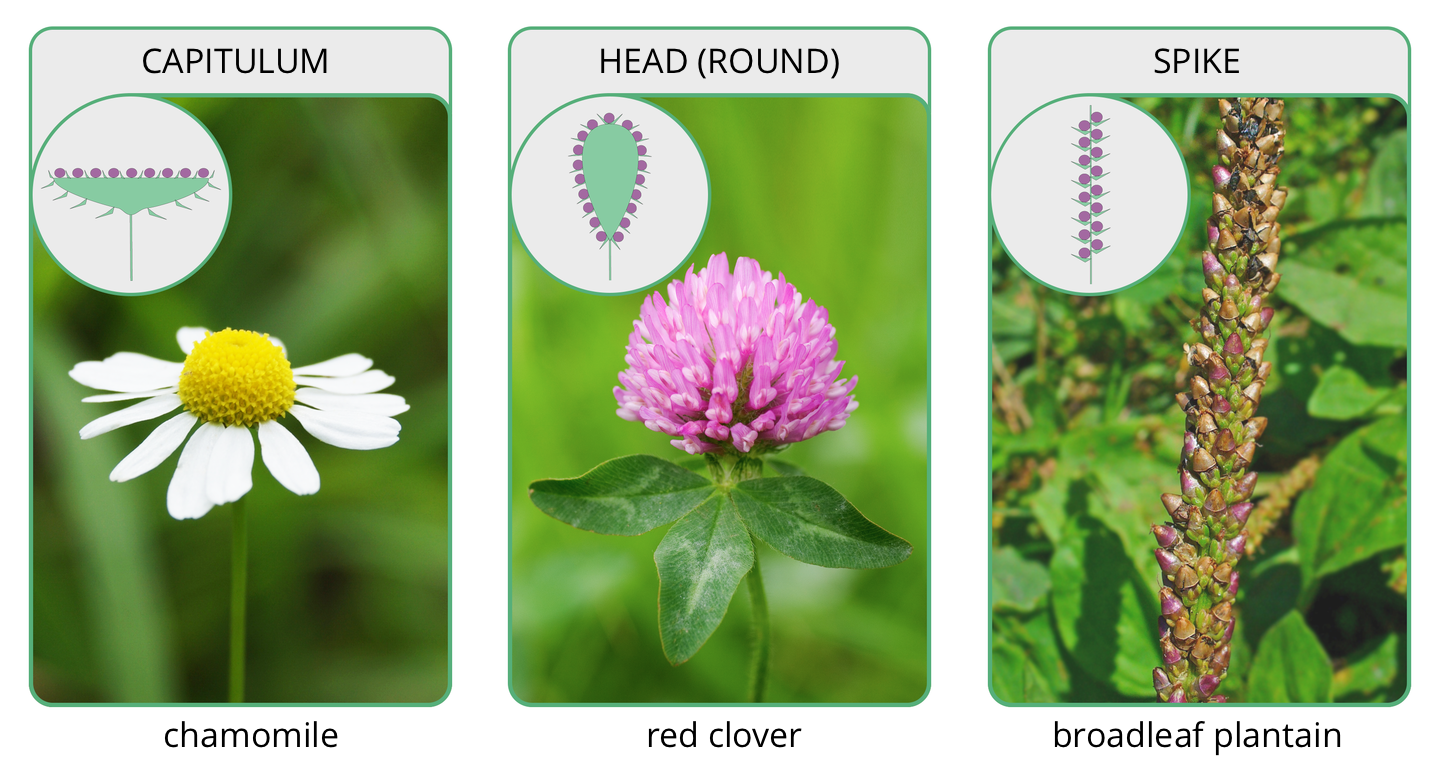
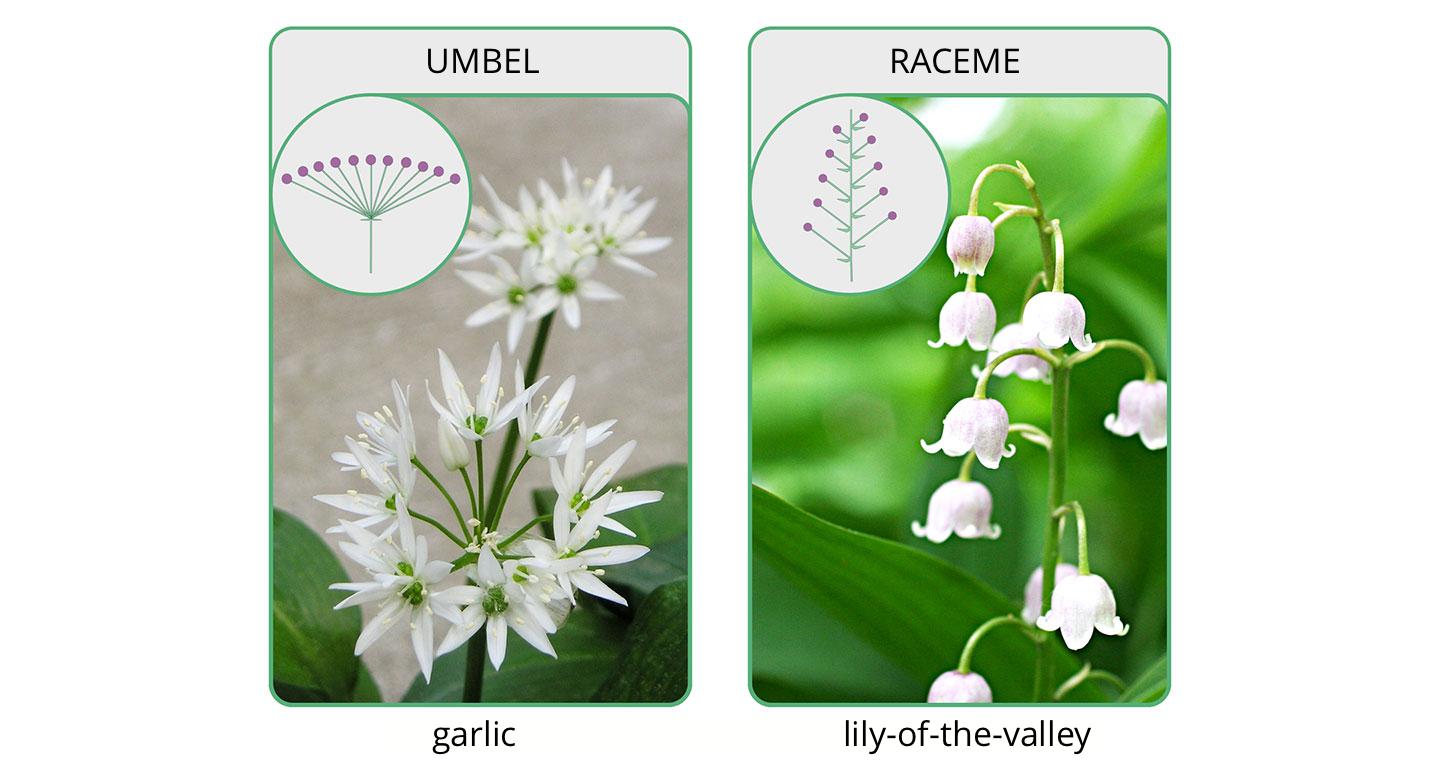
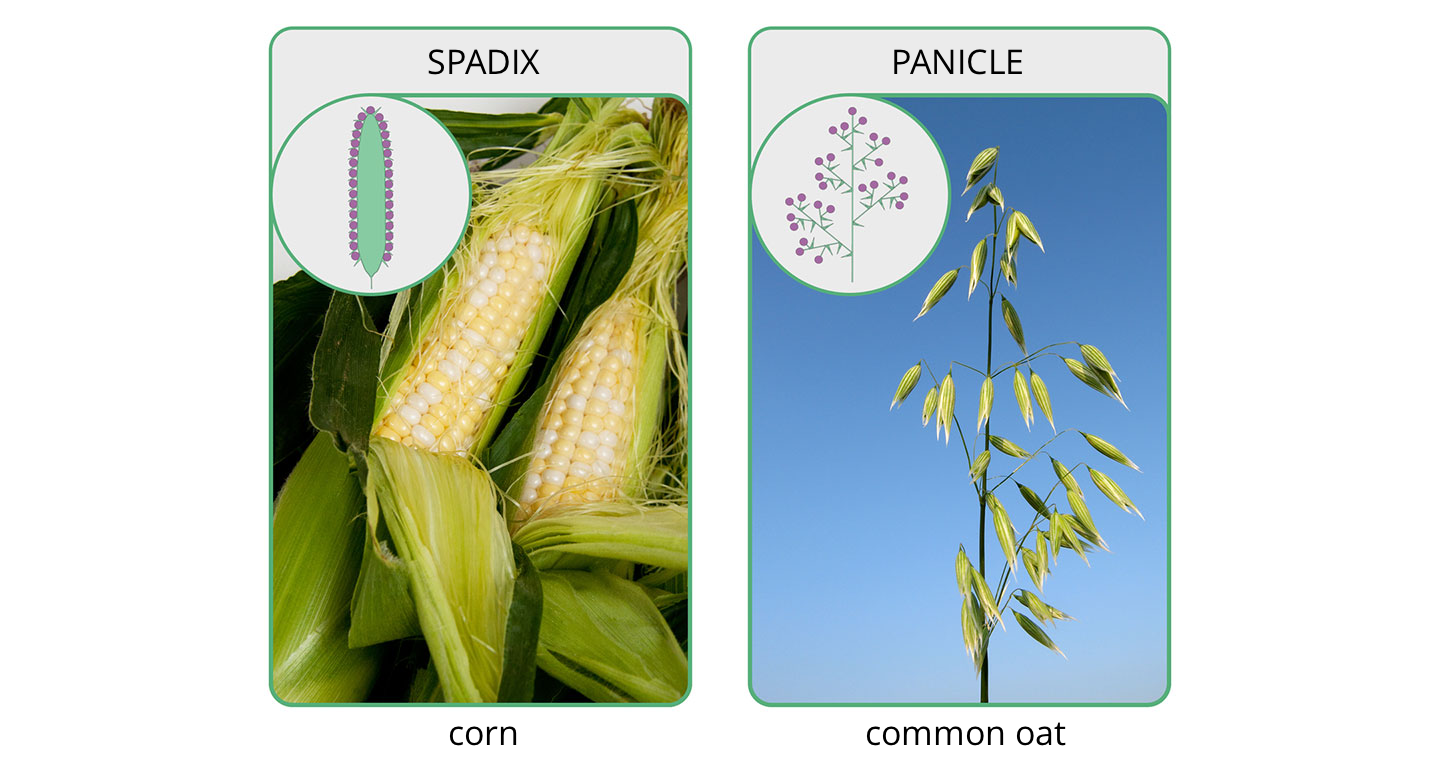
Assess which species have a greater chance of spreading – those producing single flowers or those having inflorescences. Justify the answer.
Methods of pollinating flowers
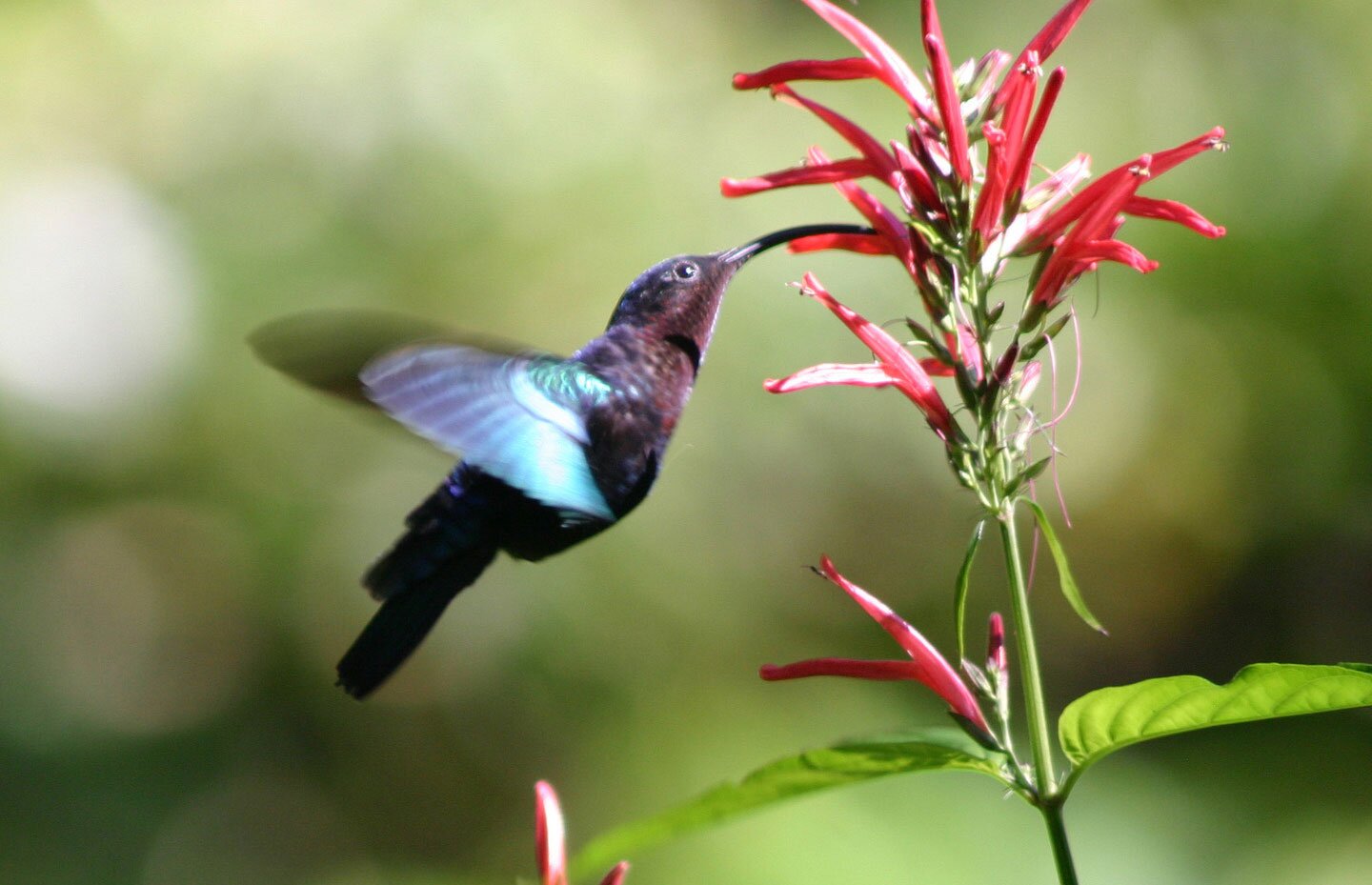
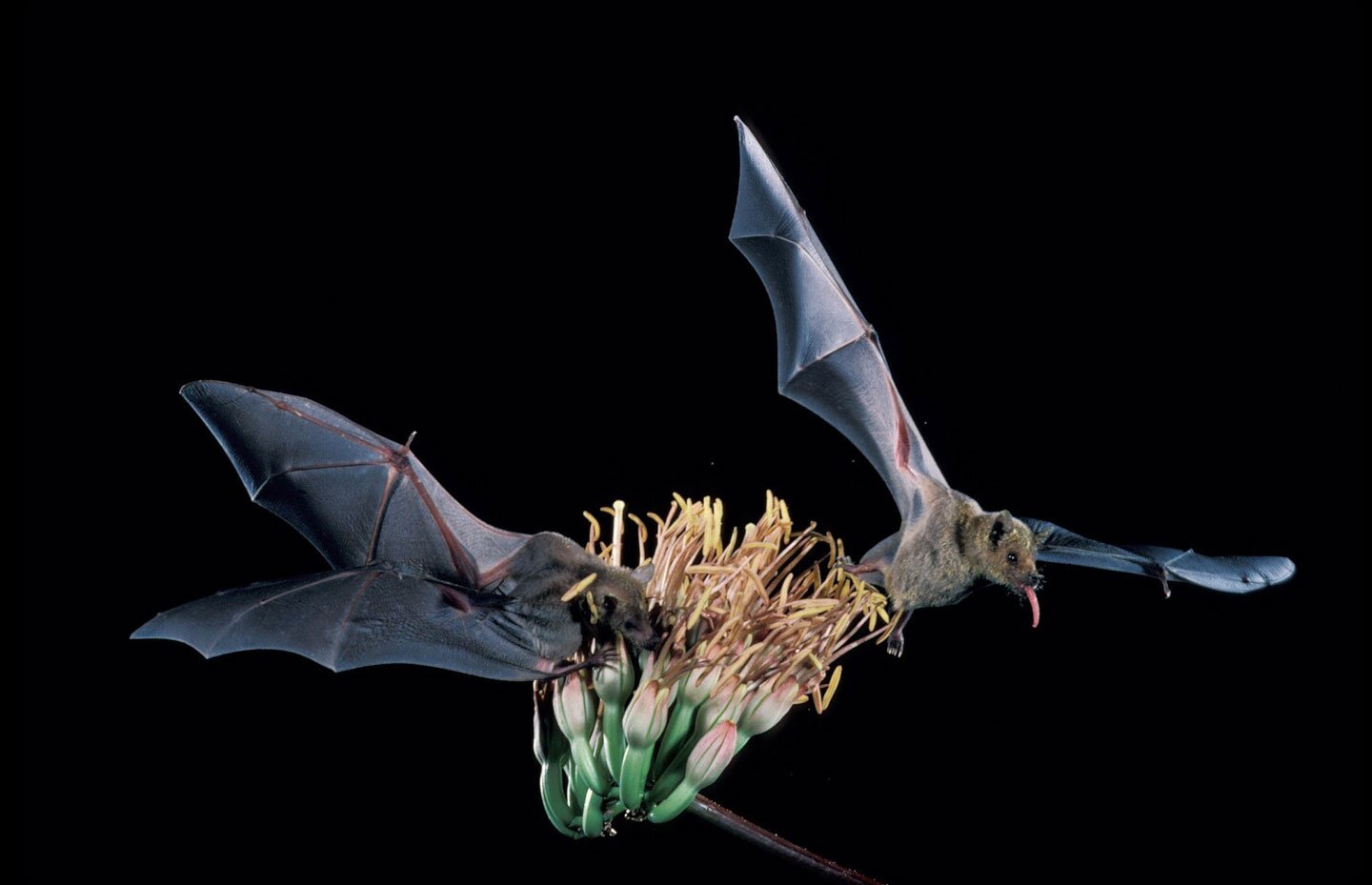
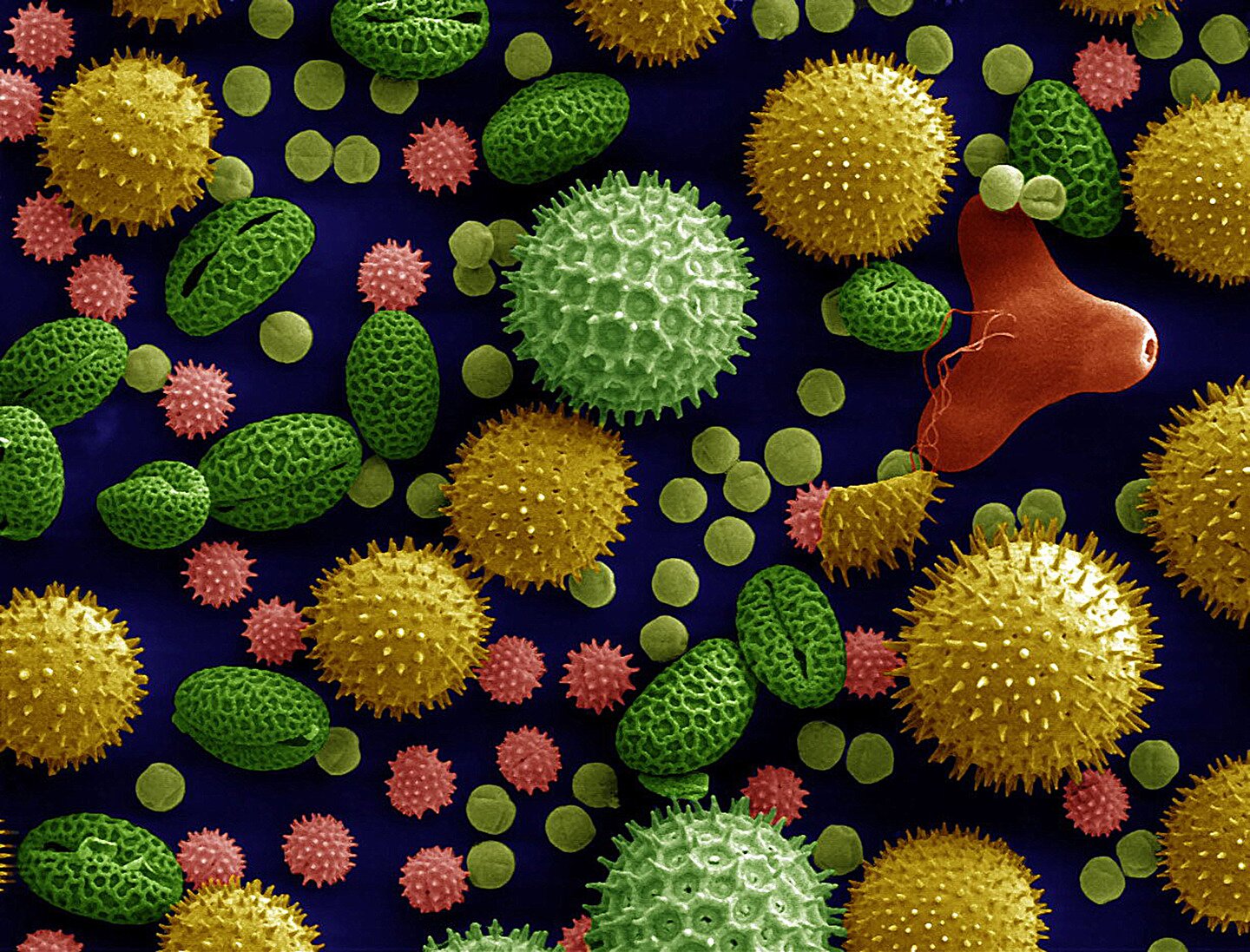
Mature pollen grains are usually transferred from one flower to the stigmas of another flower of the same species. This process is called pollination. The carrier of pollen in angiosperms is the wind, few species use water for this purpose, but most often pollination takes place through animals, mainly insects.
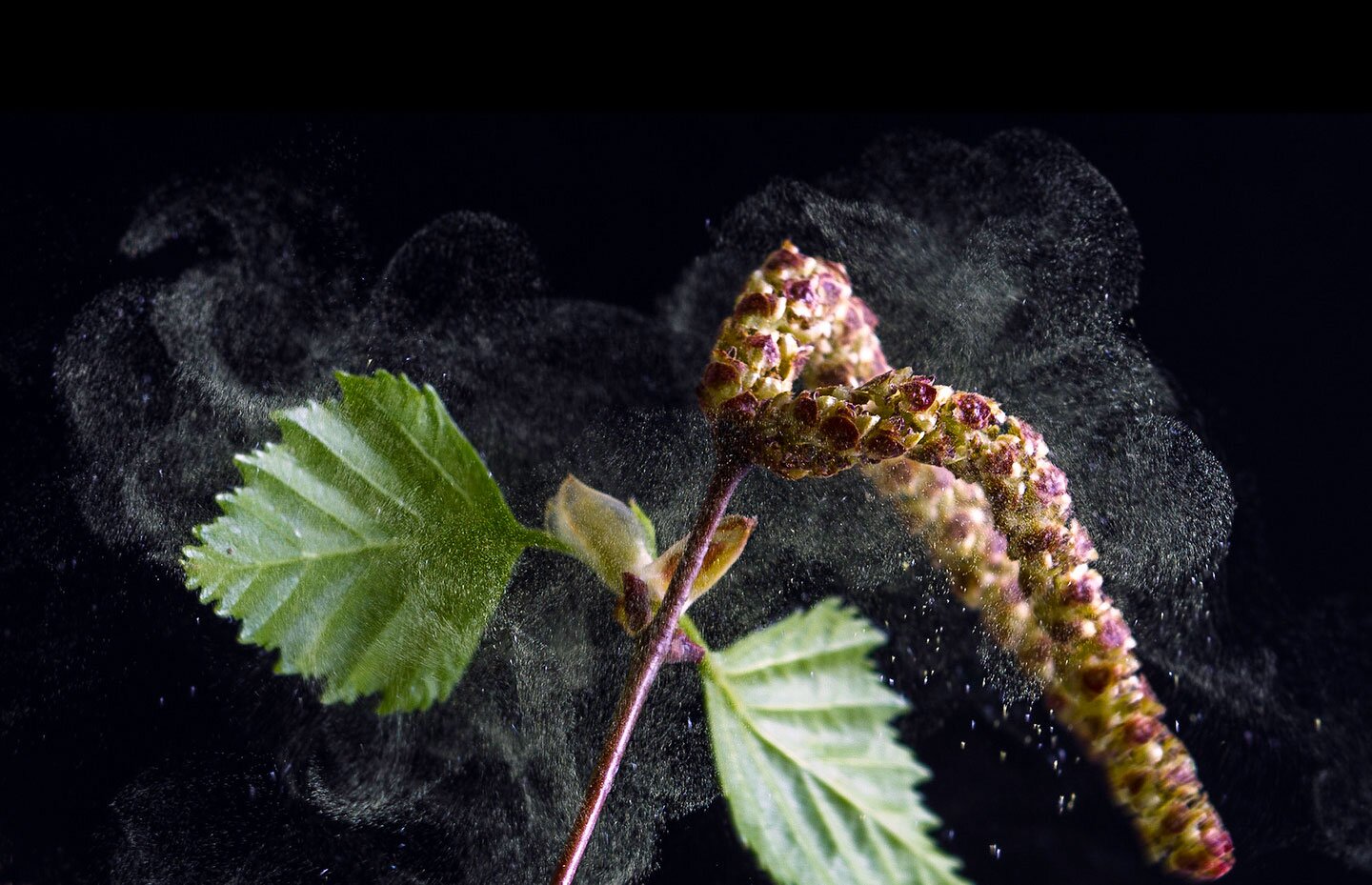
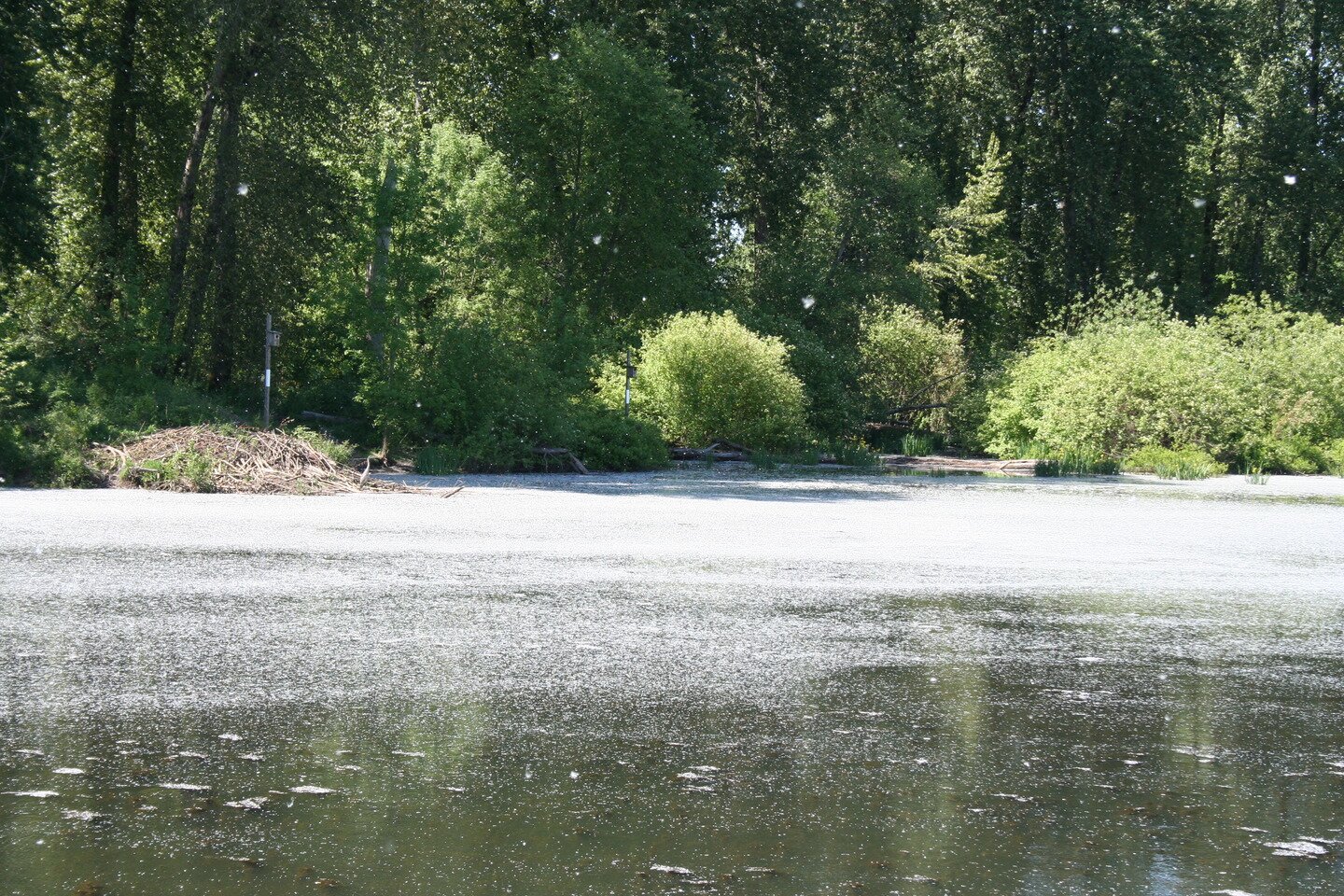
Flowers of anemophilous plantsanemophilous plants do not have to lure insects. They do not have coloured petals, do not smell and do not produce nectar. Their perianths (calicles) are inconspicuous or absent, and male and female organs are often found on separate plants. The pistils have complex, feathery marks that capture wind‑shed pollen grains. The stamens produce huge amounts of fine and light pollen to increase the likelihood of reaching a female flower. Examples of plants that produce particularly large amounts of pollen are birch – a single inflorescence produces about 5.5 million, and rye – one ear is about 42 million anthers.
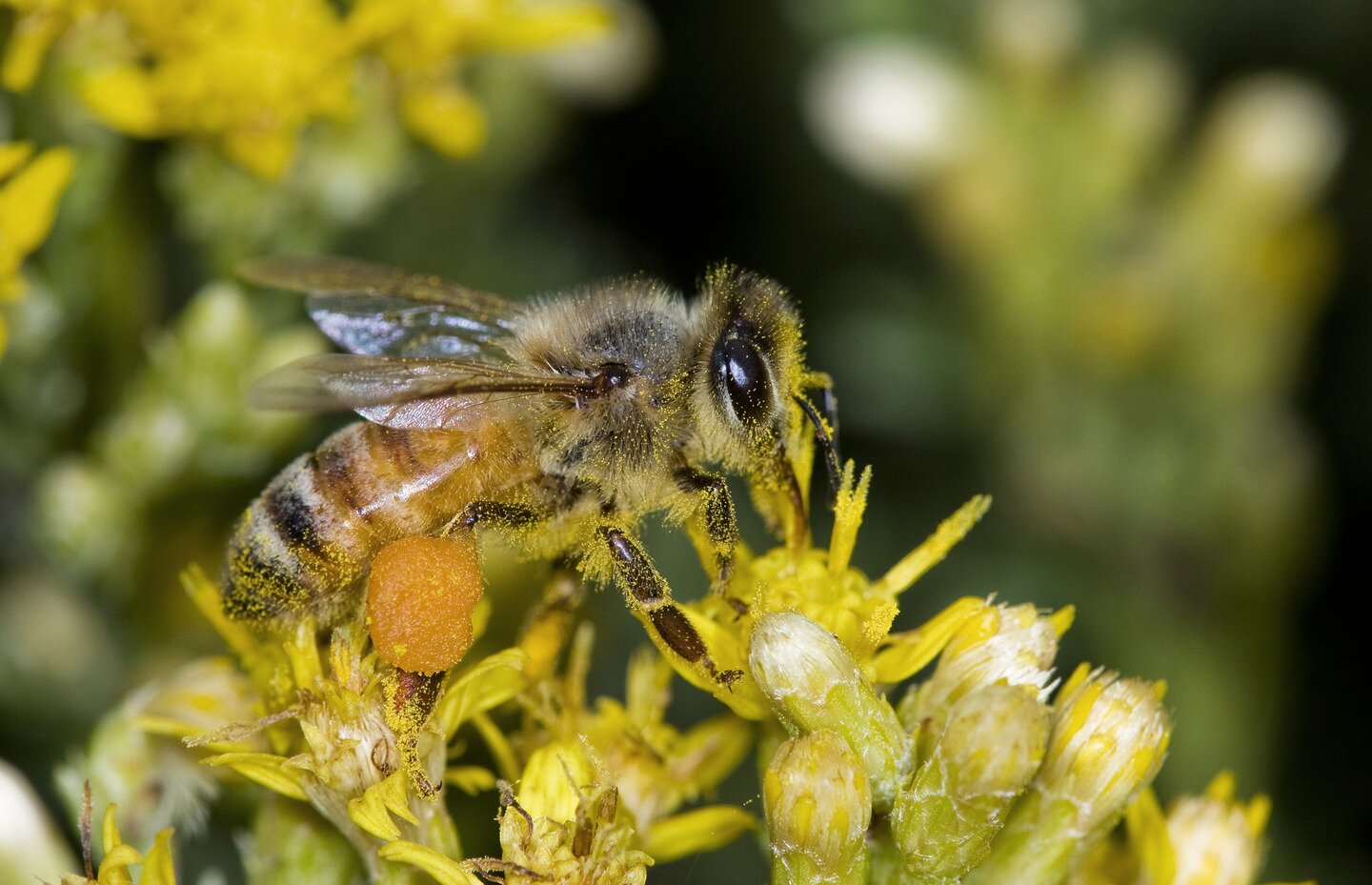
Flowers of plants pollinated by animals lure them with their scent, colour and shape. Colourful, magnificent petals of the corolla are often covered with lines and dots, and show insects the way to the interior of the flower. During the search for food, which is nectar produced in nectaries, the insect is dusted with pollen and moves it to the pistil of the next flower. There it leaves it on a sticky stigma of the pistil. Entomophilous plants are pollinated by insects of various species. The most well‑known pollinators are bees, but this group also includes bumblebees, wasps, flies and butterflies.
Plant development cycle
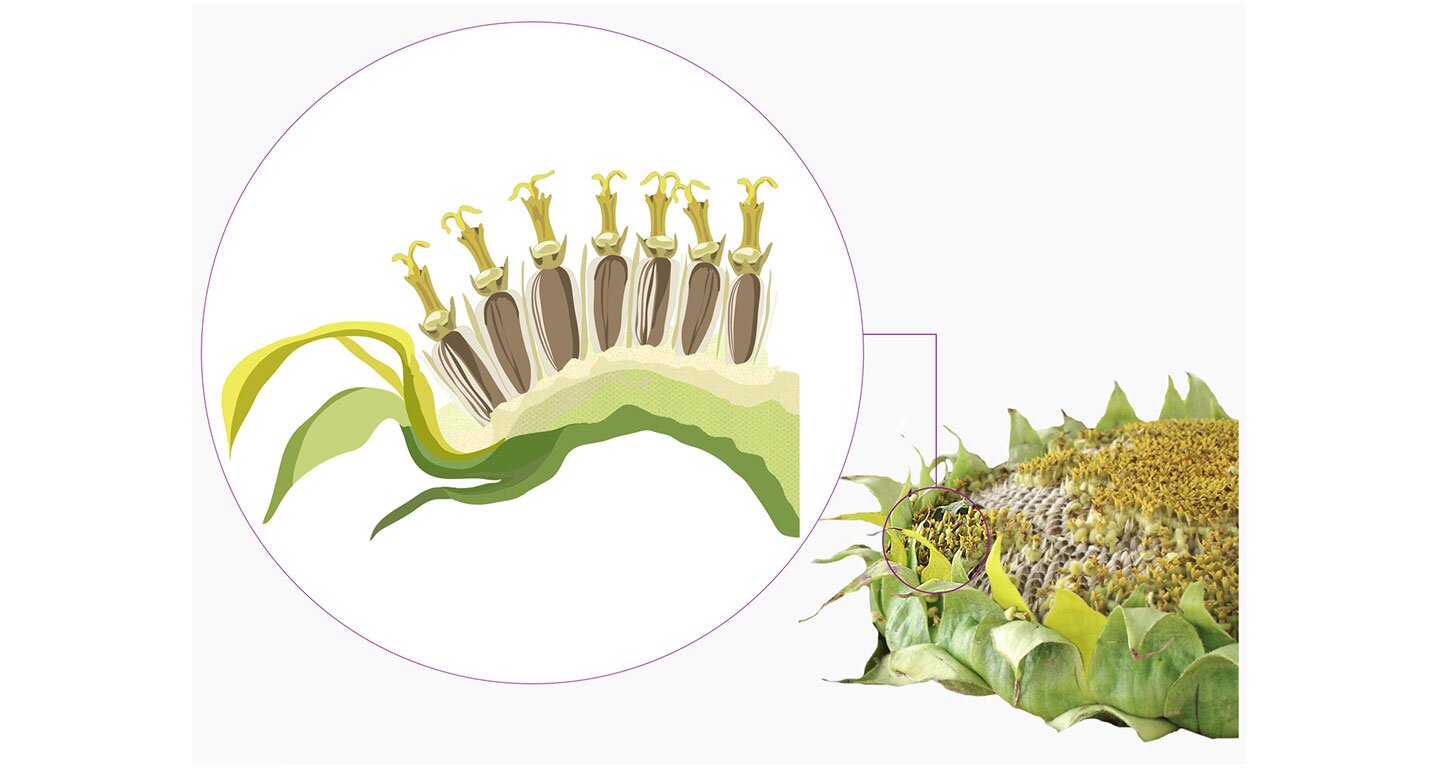
When a pollen grain gets to the stigma of the pistil, it germinates, producing a pollen tubepollen tube that grows through the style of the pistil to the ovary. At the top of the tube there are two sperm cells. When along with the pollen tube they reach the ovule, fertilization takes place. One of the sperm cells connects to the egg cell, resulting in a zygote, and from it a embryo – a new plant anlage. After fertilization a flower transforms into a fruit; The pistils and the style with the stigma dry out, the flower dies out and disappears.
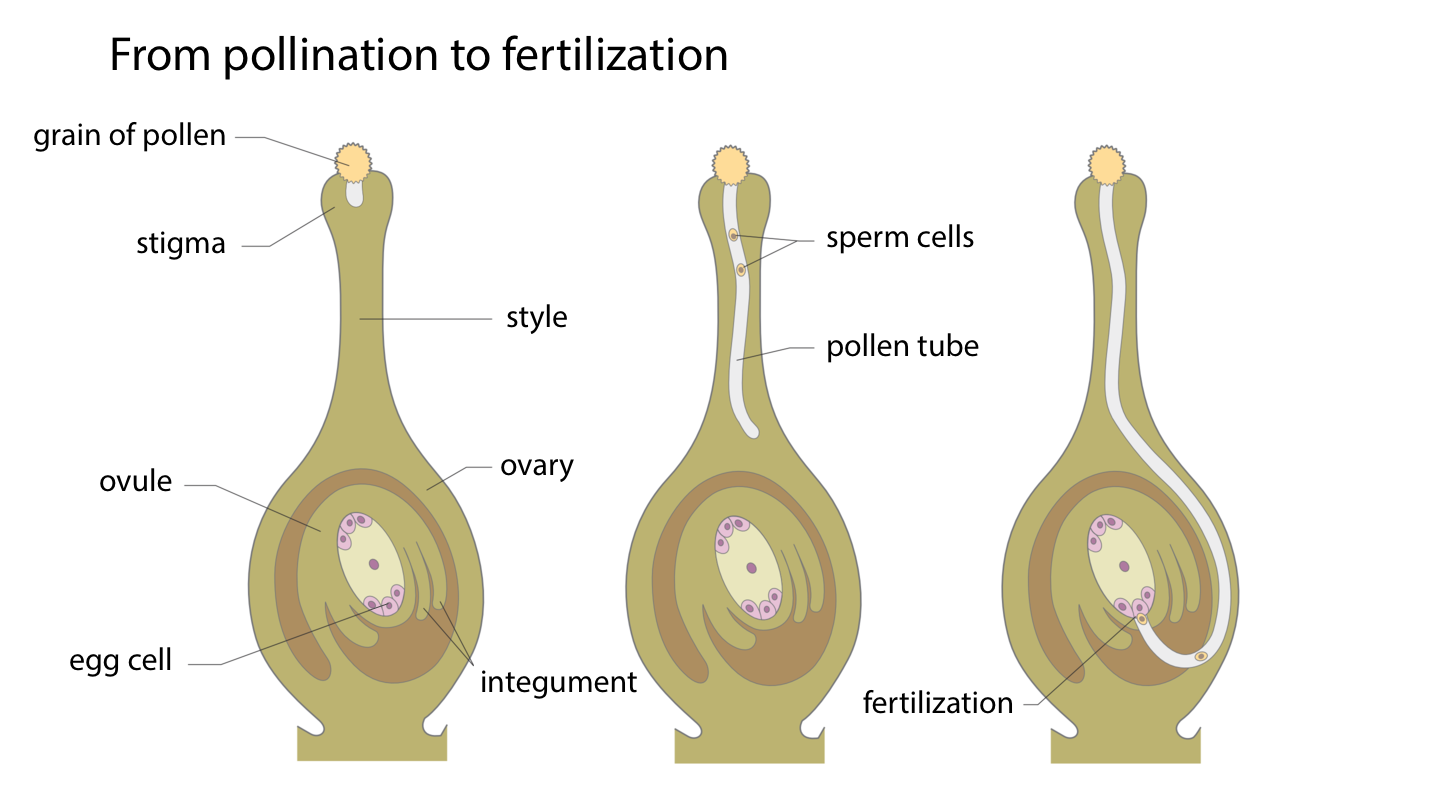
In the ovule the nutrient tissue is formed for the embryo, and its hardening shells change into a testa. The embryo together with the nutrient tissue and the testa form a seed. The ovarian wall transforms into a pericarp, which together with the seed creates a fruit. There can be one or many seeds in one fruit. After being released from the fruit, the seed germinates if it has favourable conditions. A seedlingseedling is formed, i.e. a young, immature plant. After reaching maturity, it will bloom and it will bear fruit and its development cycle will close.
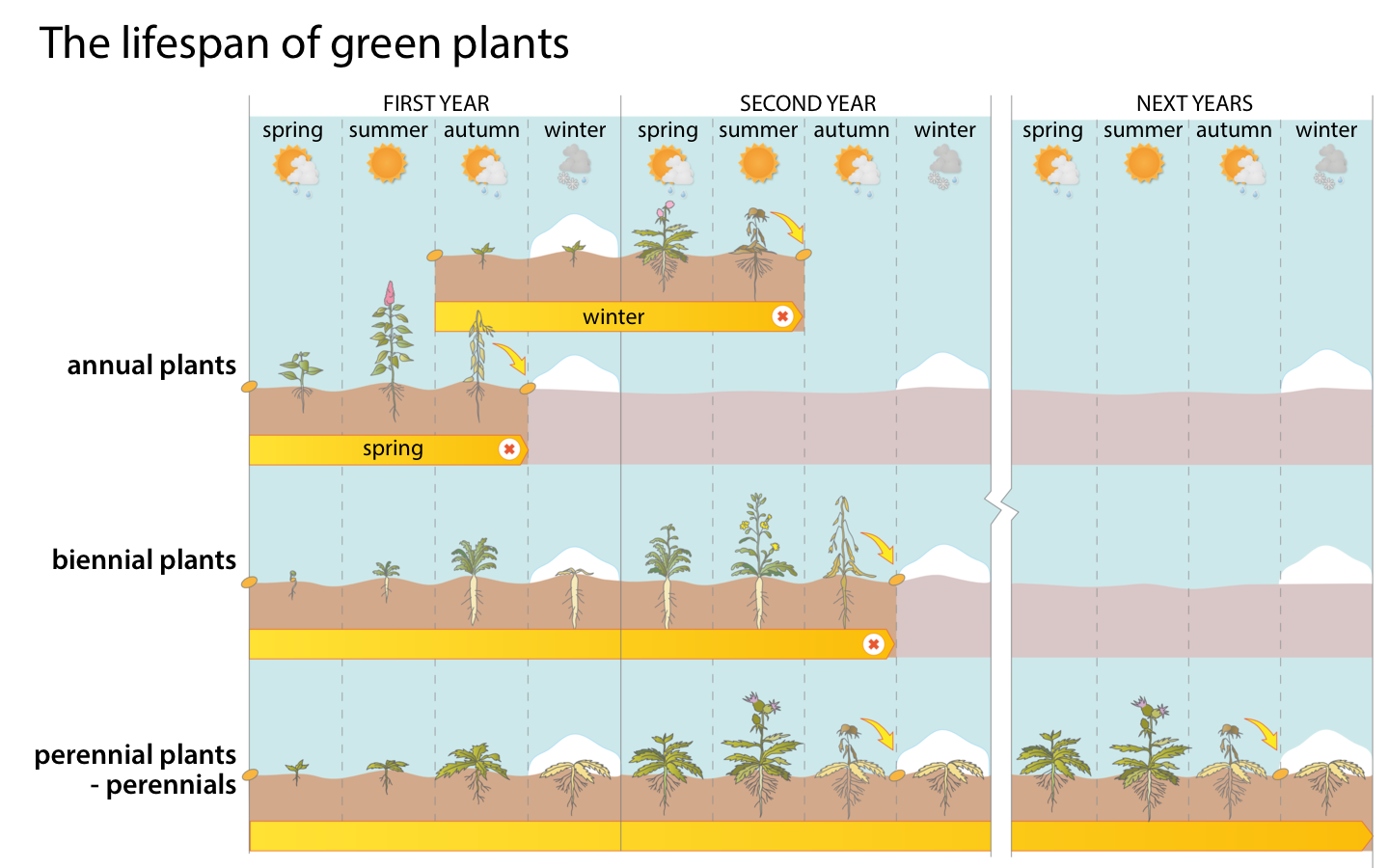
Give three examples (other than those mentioned in the text) of vegetables belonging to annual, biennial and perennial plants.
Complete the text with given options.
reproductive, pollen, female, egg, seeds, sperm, Sexual, embryos
........................ reproduction occurs in the flowers. The male ........................ organ is a rod. It produces ........................ grains in which there are ........................ cells. The post is a ........................ reproductive organ. There is an ........................ cell in it. From the flower arises the fruit in which there are ......................... The seeds contain ........................ of new plants.
Summary
The organ of sexual propagation of seed plants is a flower.
Pollen grains contain sperm cells.
The ovule contains an egg cell.
Pollination of a flower occurs by transferring pollen from the anther to the mark of the pistil.
As a result of fertilization, i.e. the connection of a sperm cell with an egg ell, a germ of a new plant is formed in the ovule.
Explain why wind‑pollinated trees produce flowers before their leaves grow.
Keywords
flower, sexual reproduction, egg cell, sperm cell
Match the pairs: English words with Polish definition.
zapylanie kwiatów pyłkiem przenoszonym przez owady, zapylanie kwiatów pyłkiem roznoszonym przez wiatr, proces przeniesienia ziarna pyłku na znamię słupka, organ roślin nasiennych, który służy do rozmnażania płciowego, młoda roślina, która wykiełkowała z nasiona, rośliny, których kwiat po zapyleniu przekształca się w owoc; ich nazwa pochodzi stąd, że zalążki są osłonięte ścianą zalążni, część zalążni, gdzie znajduje się komórka jajowa; po zapłodnieniu przekształca się w nasiono, męski element kwiatu, który wytwarza ziarna pyłku; w pyłku znajdują się gamety męskie, charakterystyczny dla roślin nasiennych rurkowaty wyrostek kiełkującego ziarna pyłku, w którym komórki plemnikowe przemieszczają się ku komórce jajowej, rozszerzona, dolna część słupka, zawierająca zalążki z komórkami jajowymi, po zapłodnieniu przekształca się w owocnię, skupisko wielu pojedynczych kwiatów w jednym miejscu pędu, żeński element kwiatu zawierający zalążnie z gametami żeńskimi (komórkami jajowymi)
| flower | |
| inflorescence | |
| pollen tube | |
| angiosperms | |
| entomophily | |
| stamen | |
| seedling | |
| pistil | |
| anemophily | |
| ovule | |
| ovary | |
| pollination |
Glossary
kwiat – organ roślin nasiennych, który służy do rozmnażania płciowego
kwiatostan – skupisko wielu pojedynczych kwiatów w jednym miejscu pędu
łagiewka pyłkowa – charakterystyczny dla roślin nasiennych rurkowaty wyrostek kiełkującego ziarna pyłku, w którym komórki plemnikowe przemieszczają się ku komórce jajowej
okrytozalążkowe – rośliny, których kwiat po zapyleniu przekształca się w owoc; ich nazwa pochodzi stąd, że zalążki są osłonięte ścianą zalążni
owadopylność – zapylanie kwiatów pyłkiem przenoszonym przez owady
pręcik – męski element kwiatu, który wytwarza ziarna pyłku; w pyłku znajdują się gamety męskie
siewka – młoda roślina, która wykiełkowała z nasiona
słupek – żeński element kwiatu zawierający zalążnie z gametami żeńskimi (komórkami jajowymi)
wiatropylność – zapylanie kwiatów pyłkiem roznoszonym przez wiatr
zalążek – część zalążni, gdzie znajduje się komórka jajowa; po zapłodnieniu przekształca się w nasiono
zalążnia – rozszerzona, dolna część słupka, zawierająca zalążki z komórkami jajowymi, po zapłodnieniu przekształca się w owocnię
zapylenie – proces przeniesienia ziarna pyłku na znamię słupka