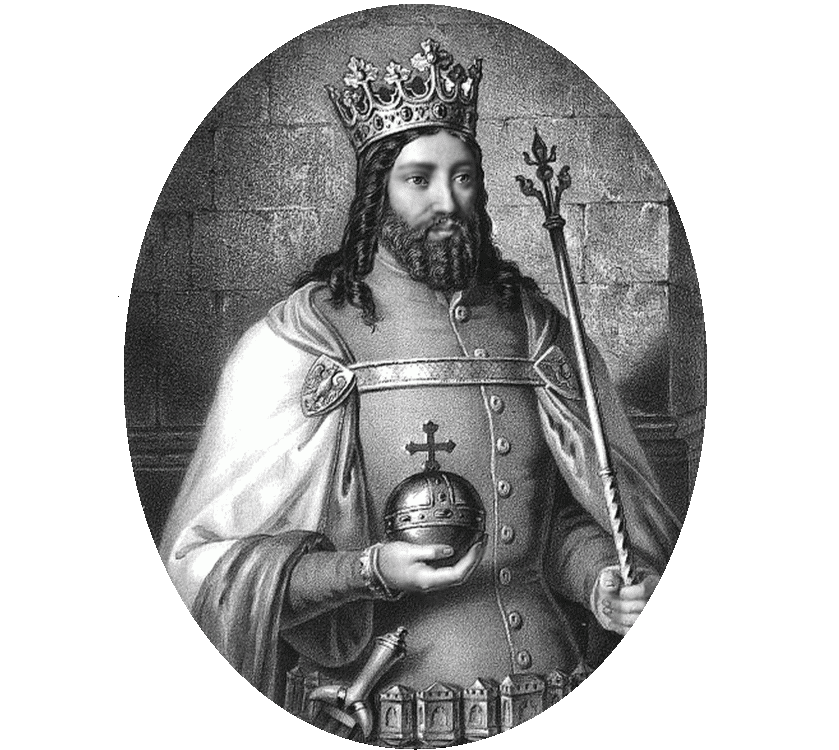
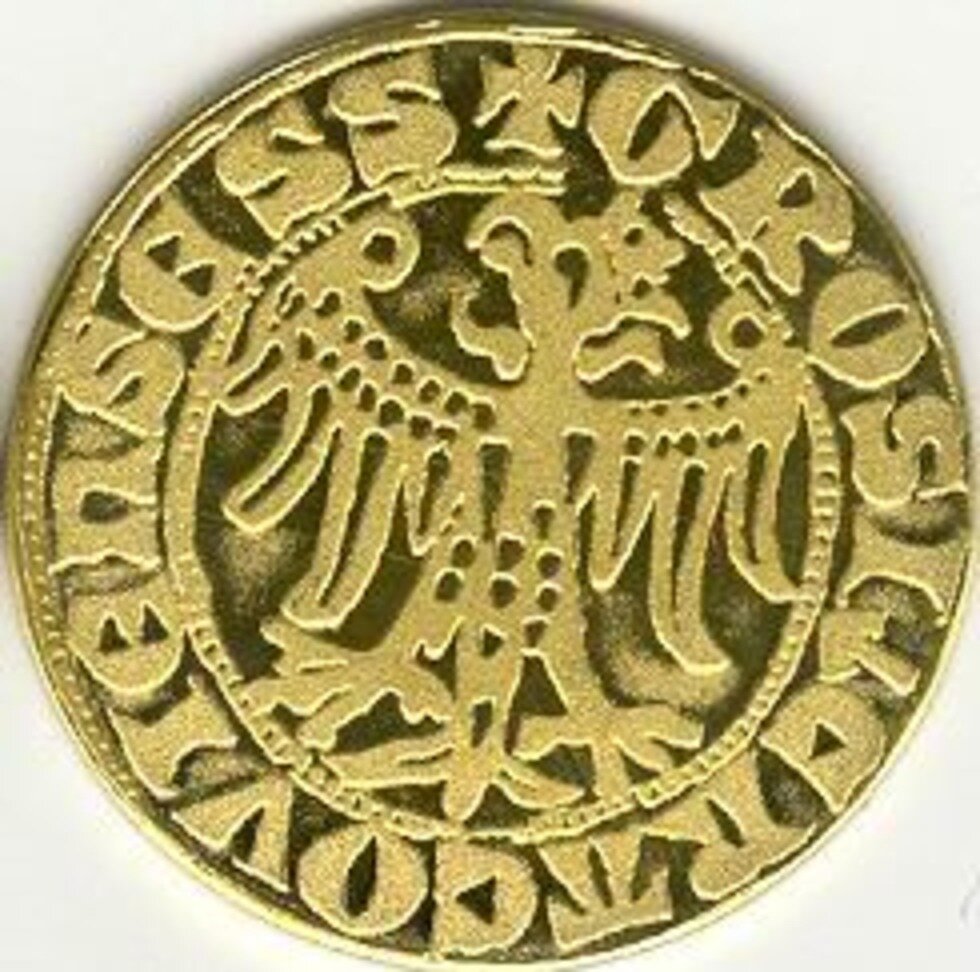
Casimir III the Great was the son of King Władysław I the Elbow‑high and the last Polish king from the Piast dynasty. This monarch cared for the comprehensive development of the country. On the order of the king, numerous villages and towns were established under German town law. Unification of common law was pursued (separate statutes for Lesser Poland and Greater Poland were promulgated). Casimir also carried out a monetary reform in 1338, and began to mint a penny coin. A universityuniversityuniversity was established in Kraków. The King protected the Jewish population. Casimir ordered the construction of defensive castles (the so‑called Trail of the Eagles' Nests) to protect the kingdom from invasion by Czech kings who claimed the Polish crown. The ruler was also a skillful diplomat - he managed to obtain from the Czech king John of Bohemia a waiver of the rights to the Polish throne. He also negotiated a treaty with the Teutonic Order in Kalisz in 1343. Thanks to Hungary's support, he managed to join a large part of Galicia‑Volhynia into the country.
Exercise 1
RTBFf0febFgoQ
Cechy dobrego monarchy to ... Wprowadź swoje sugestie.
Cechy dobrego monarchy to ... Wprowadź swoje sugestie.
RNiSM8XTFjBNl
Exercise 2
Jakie atrybuty charakteryzowały władcę w czasach Jagiellonów ?
Jakie atrybuty charakteryzowały władcę w czasach Jagiellonów ?
Assign the descriptions of the monarch's attributes to the correct place in the illustration.
Justice and guardianship of the monarch over the state and subjects.
,
Unity over the state and majesty of power, confirms its sacred, divine character.
,
Ruling the world in unity, harmony and peace.
,
Royal position of supreme judge, through him the king could pardon the condemned and confirm judgments.
.................
.................
.................
.................
Task 1
Czym zasłynął Król Kazimierz Wielki jeśli chodzi o architekturę Polski?
Czym zasłynął Król Kazimierz Wielki jeśli chodzi o architekturę Polski?
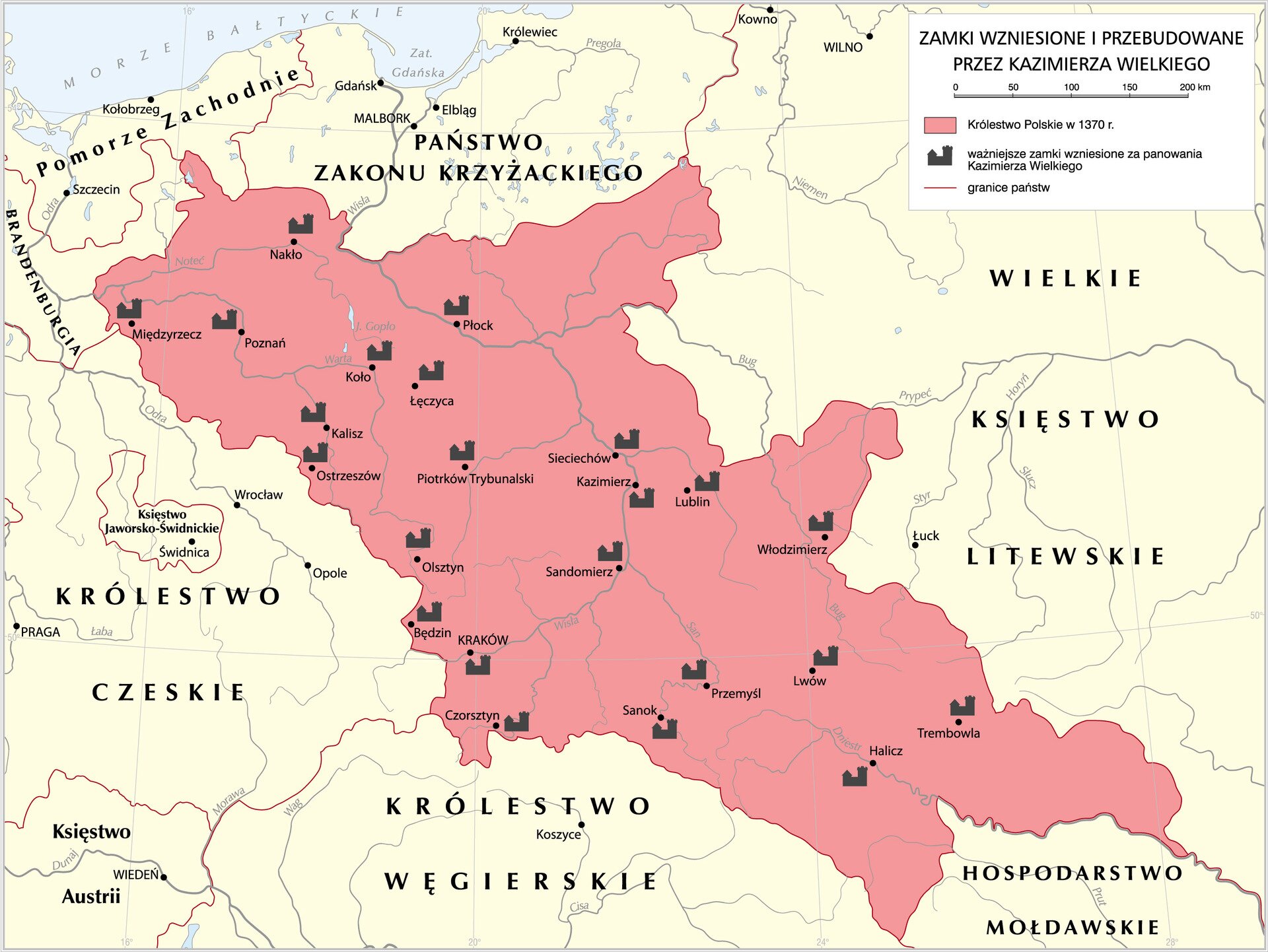
Read from the map the names of the five border that were built under King Casimir III the Great. Show Kraków on the map.
RRNyxLn3NwWHX
Grafika mapy przedstawiającej Zamki zbudowane i zrekonstruowane przez Kazimierza III Wielkiego.
Castles built and reconstructed by Casimir III the Great
Source: Krystian Chariza i zespół.
Task 2
What can we learn from the text below? Do you know a saying about King Casimir III the Great that matches the content of the chronicle?
Kronika katedralna krakowska
[Kazimierz Wielki] murował miasta, zamki, domy. Naprzód ozdobił zamek krakowski podziwu godnymi domami, wieżami, rzeźbą, malowidłem, dachami wielkiej piękności. Naprzeciw zaś zamku krakowskiego, po drugiej stronie Wisły […] wymurował miasto, które od imienia swego nazwał Kazimierzem, jak również wiele innych miast, jako to Wieliczkę i Skawinę, Lanckoronę, zamek Olkusz, Będzin, Lelów, miasto i zamek Czorsztyn, zamek Niepołomice, zamek Ojców, zamek Krzepice […].
kronika katedralna Source: Kronika katedralna krakowska, tłum. J. Żerbiłło, Kraków 2001, s. 16–17.
Task 3
Wymień kilka głównych zamków zbudowanych przez Króla Kazimierza Wielkiego.
Wymień kilka głównych zamków zbudowanych przez Króla Kazimierza Wielkiego.
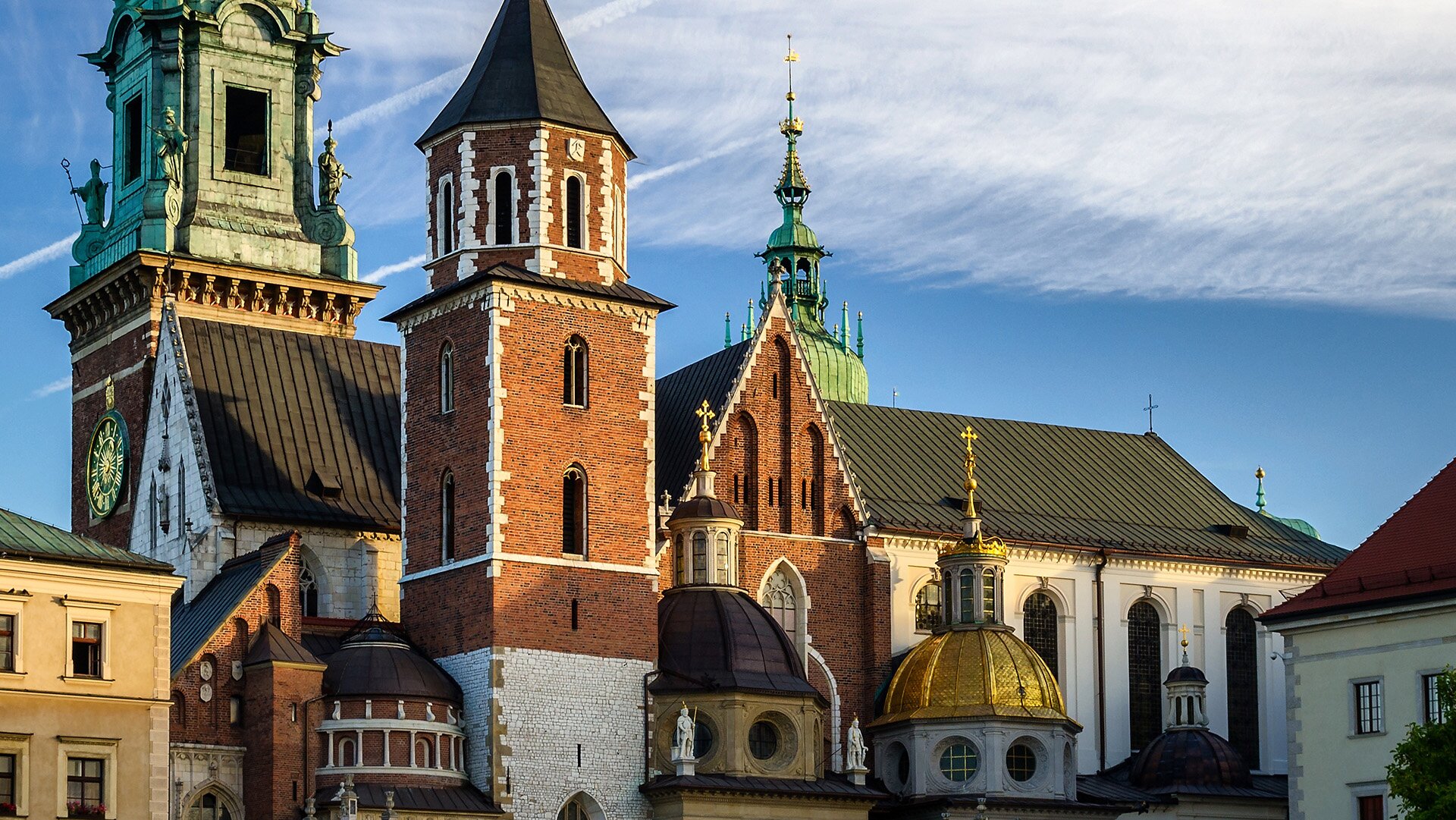
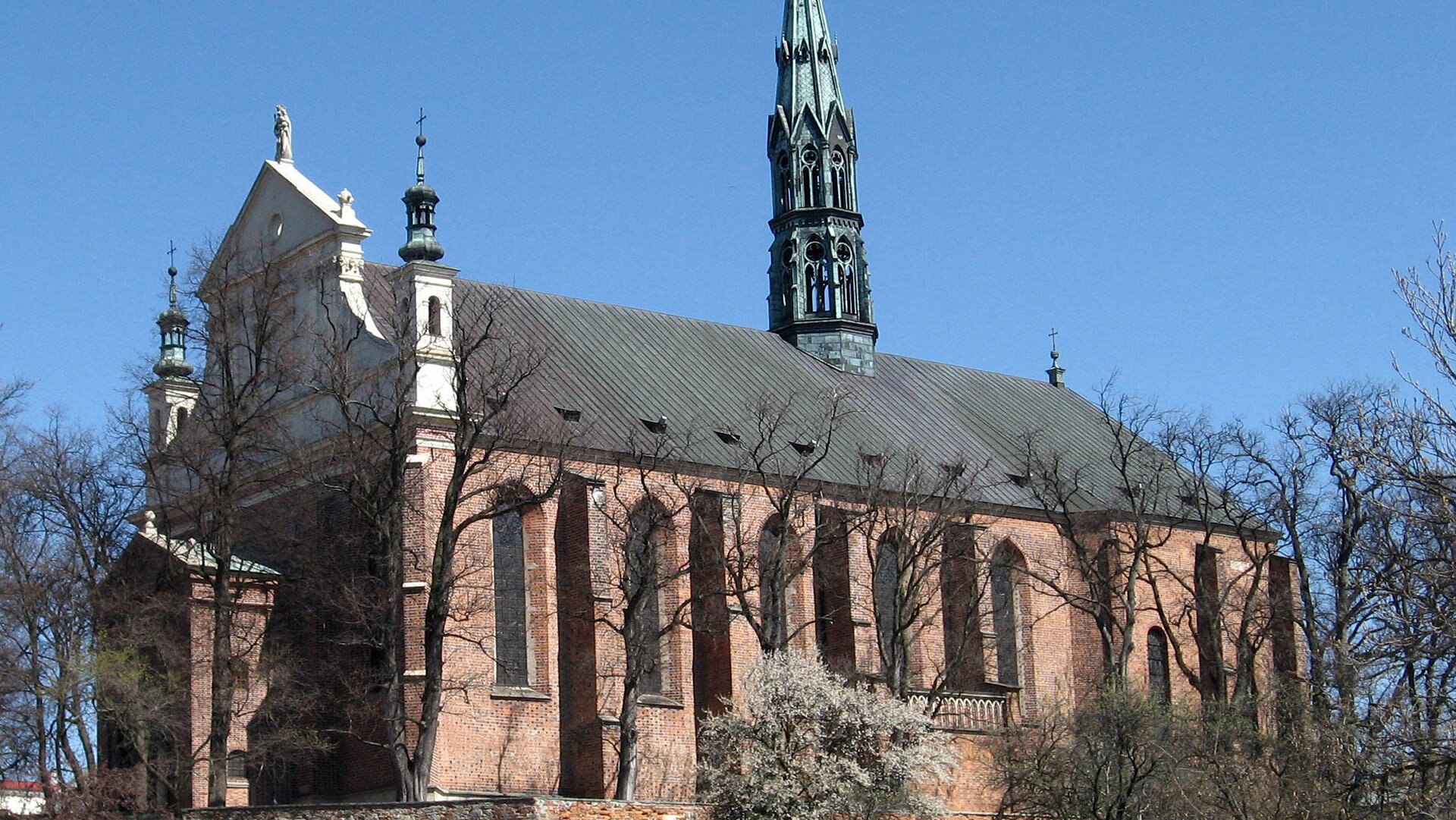
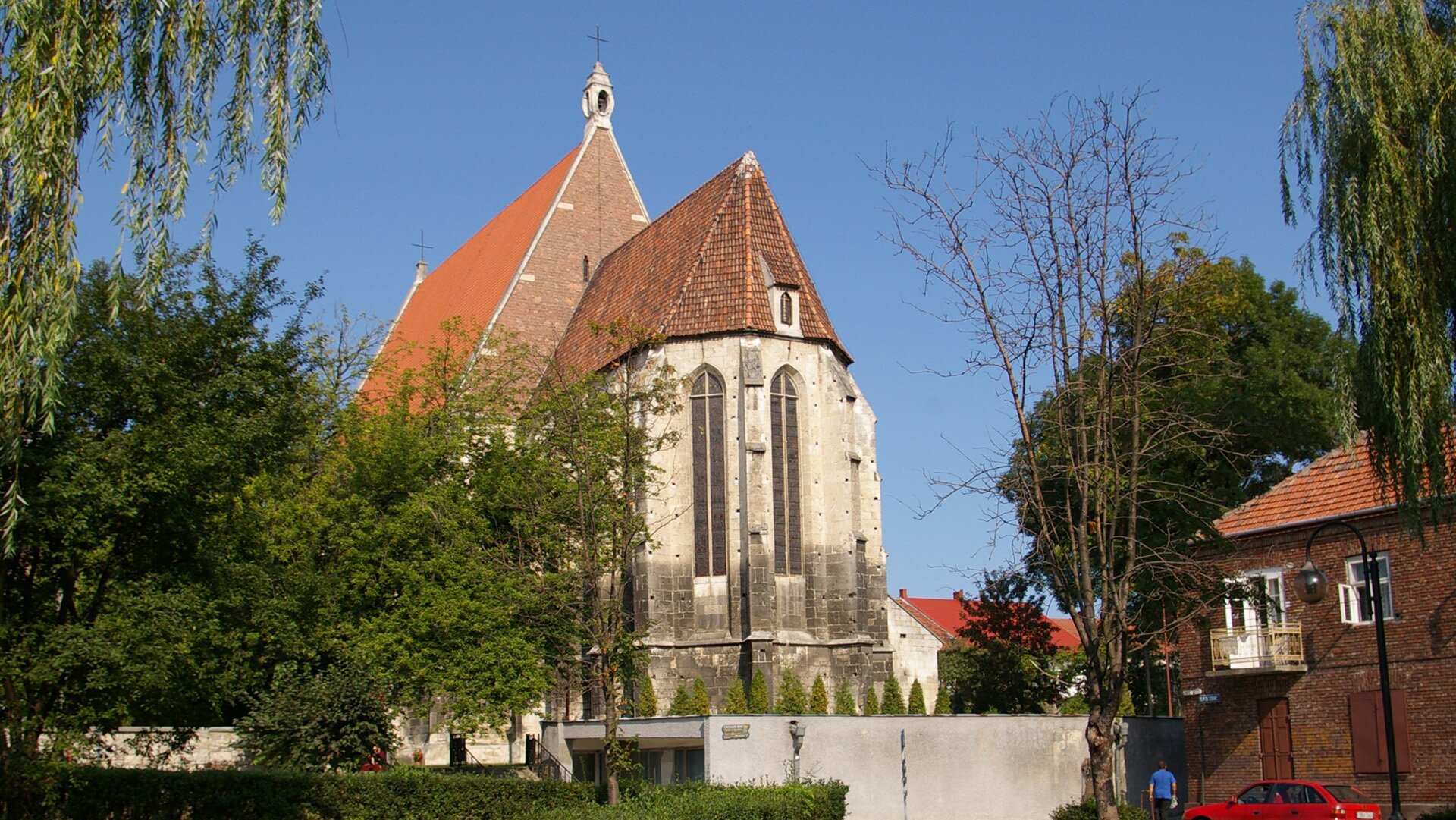
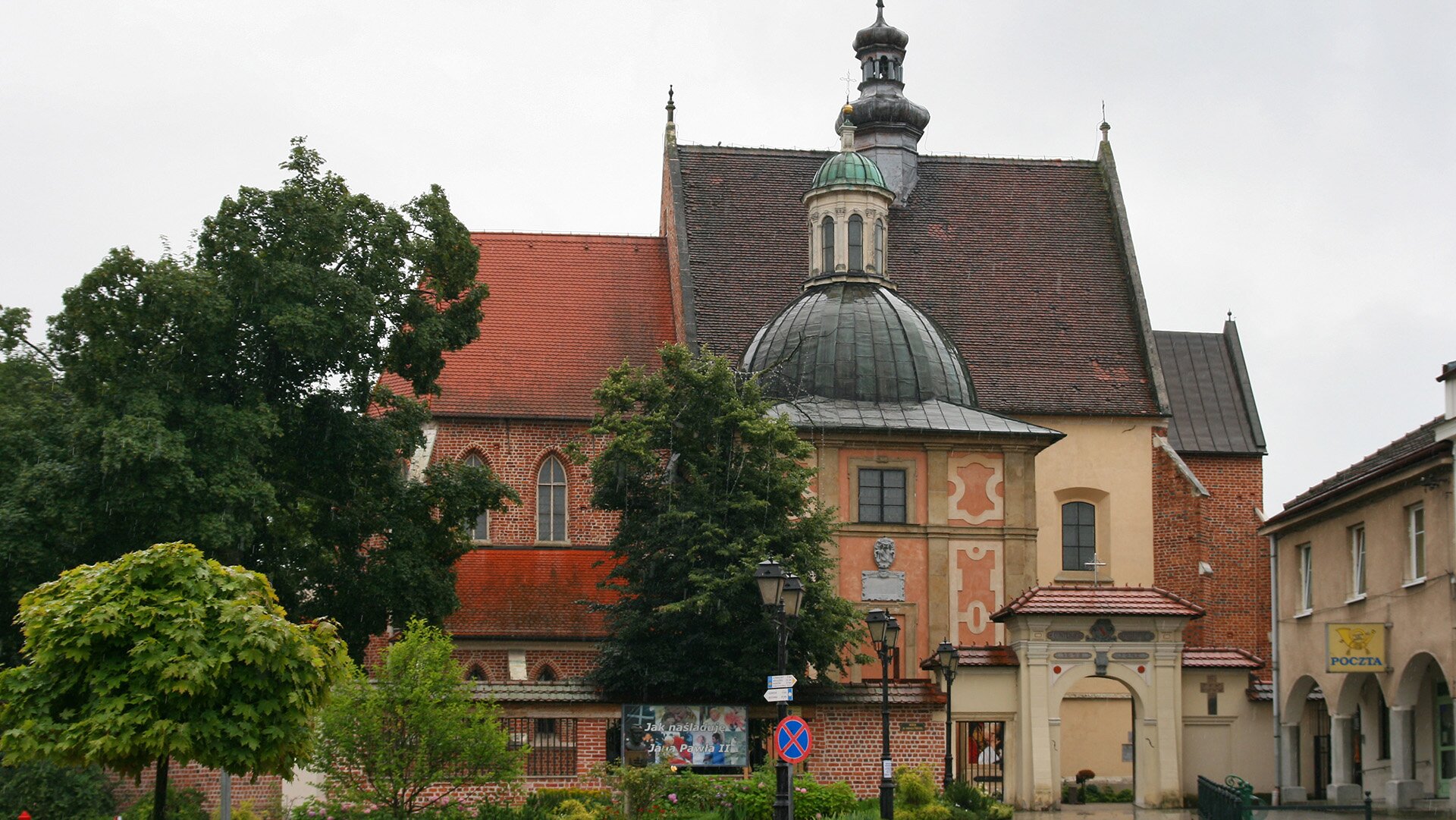
Look at the photos of several of the many buildings that were built during the reign of Casimir III the Great. Find out more about the style in which they were built
Rd0PjDGVDcaDs
Fotografia barwna przedstawiająca Królewską Bazylikę archikatedralną Świętych Stanisława i Wacława na Wawelu.
The Royal Archcathedral Basilica of Saints Stanislaus and Wenceslaus on the Wawel Hill
Source: Jar.ciurus, Wikimedia Commons, licencja: CC BY-SA 3.0.
RItqUOyQNIyku
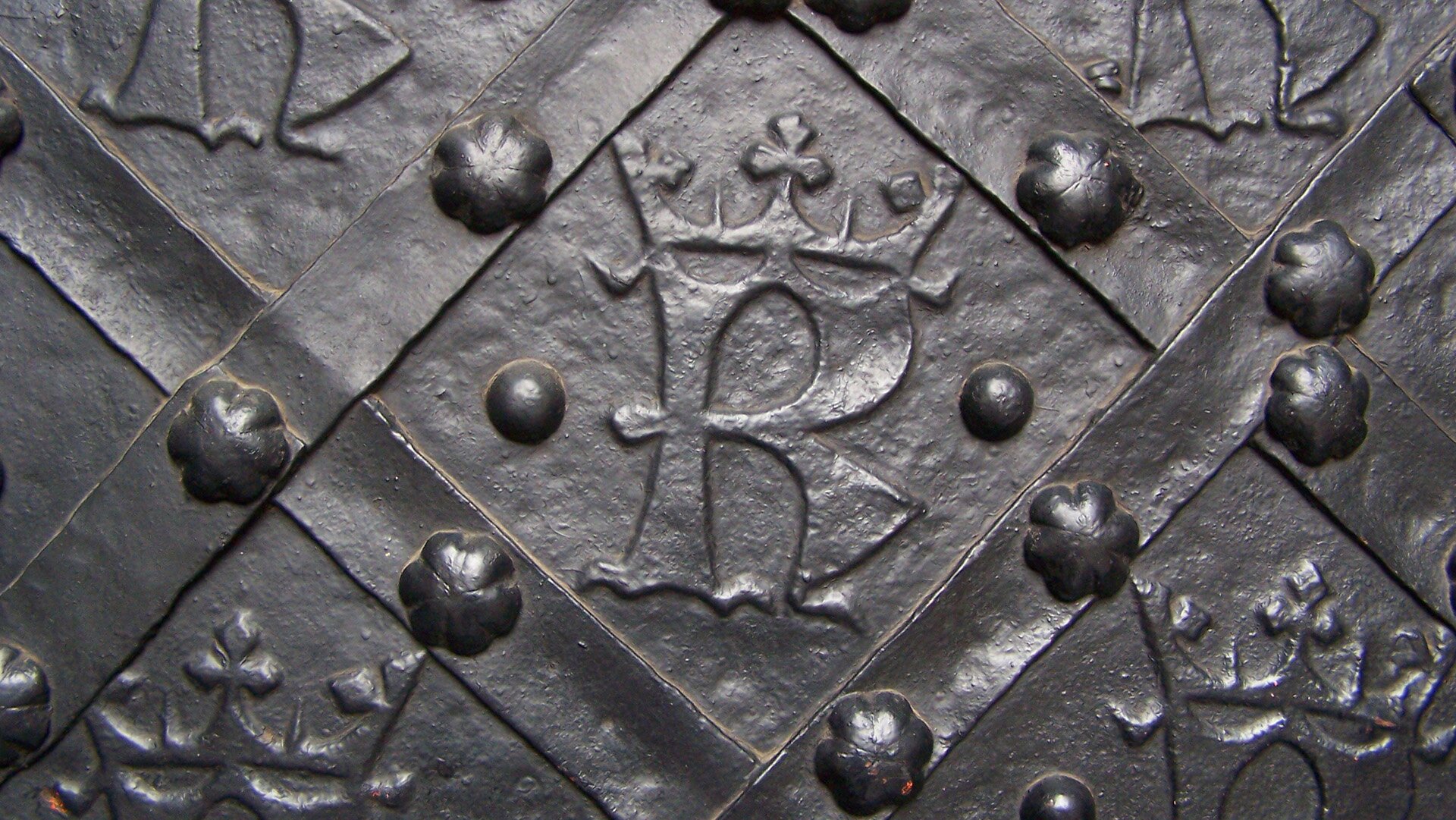
Fotografia barwna przedstawiająca Katedre Wawelską - drzwi z napisem Kazimierza III Wielkiego.
Wawel Cathedral - door with the inscription of Casimir III the Great
Source: Lestat, Wikimedia Commons, licencja: CC BY-SA 3.0.
RSpLG9g17cRZh
Fotografia barwna przedstawiająca Katedrę w Sandomierzu.
Collegiate Basilica of the Birth of the Blessed Virgin Mary, Wiślica
Source: Jakub Hałun, Wikimedia Commons, licencja: CC BY-SA 3.0.
R199BPund9TH6
Fotografia barwna przedstawiająca Kościół Dziesięciu Tysięcy Męczenników w Niepołomicach.
The Church of the Ten Thousands of Martyrs in Niepołomice
Source: Lestat, Wikimedia Commons, licencja: CC BY-SA 3.0.
Exercise 3
Wymyśl pytanie na kartkówkę związane z tematem abstraktu.
Wymyśl pytanie na kartkówkę związane z tematem abstraktu.
Look at and read the materials below and answer the questions.
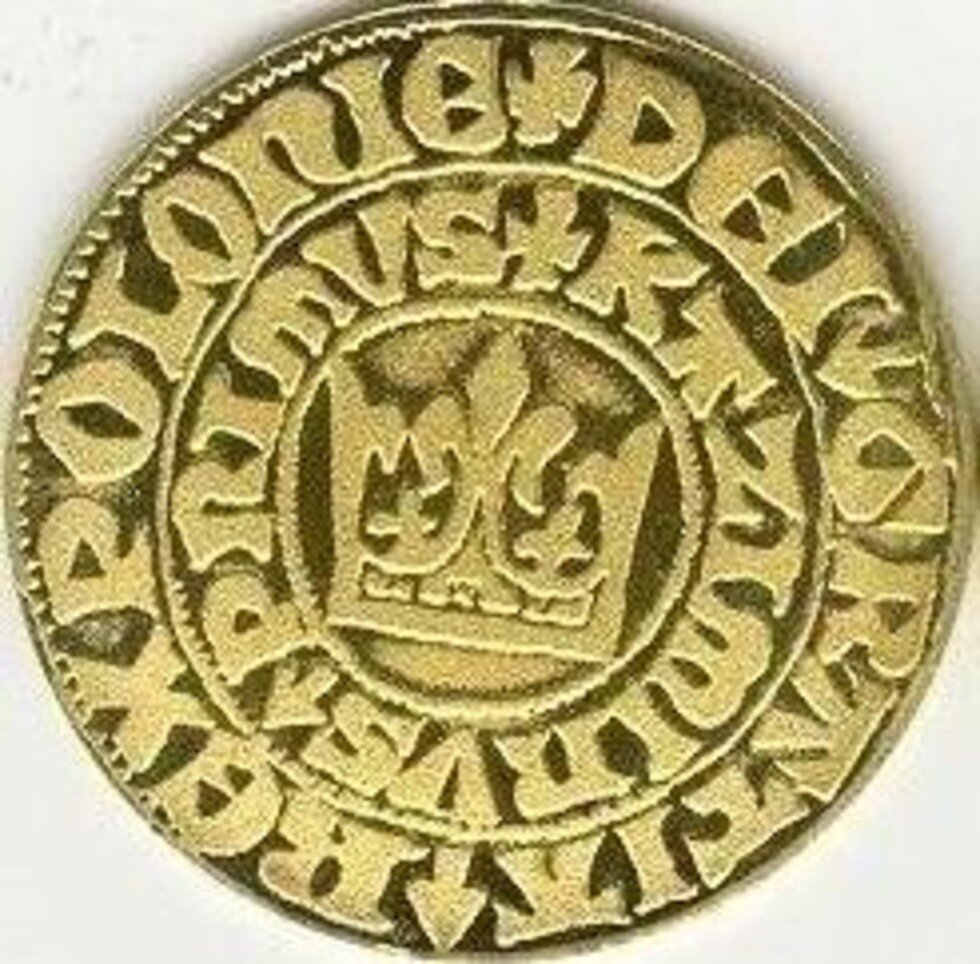
Coin, the so‑called Kraków grosz of Casimir III the Great. The Latin inscription on the obverse side reads: Casimir the first, by the Grace of God the King of Poland, and on the reverse side – Kraków grosz.
R1bE1pPp76Tej
Fotografia barwna przedstawiająca monetę.
Kraków grosz – obverse
Source: mzopw, licencja: CC BY-SA 3.0.
R1Qxvi8UOwNi7
Fotografia barwna przedstawiająca monetę.
Grosz krakowski – rewers
Source: mzopw, licencja: CC BY 3.0.
Feliks KirykKronika Wielkopolska
Skoro jeden jest władca, to i jedno prawo i także jedna powinna obowiązywać moneta w całym królestwie, która winna być wieczysta i dobra w swej wartości, by przez to tym chętniej była przyjmowana.
grosz Source: Feliks Kiryk, Kronika Wielkopolska, Kraków 1992, s. 23.
What elements prove that this is a coin minted by the Polish king?
R111WsZmjbXst1
Exercise 4
Na podstawie własnej wiedzy lub informacji wyszukanych w źródłach uzupełnij poniższy tekst. Po utracie Tu uzupełnij przez Mieszka II i Bolesława II Śmiałego władcy Polski musieli czekać blisko 250 lat, by znowu powróciła ona na ich głowy. Stało się to dopiero w 1320 roku za panowania Tu uzupełnij, wnuka Konrada I Mazowieckiego, który znany jest ze sprowadzenia Tu uzupełnij w 1226 roku na swoje ziemie. Zjednoczenie wszystkich księstw okazało się bardzo trudne. Wielu książąt piastowskich próbowało tego dokonać, udało się to dopiero Władysławowi Łokietkowi. Połączył on między innymi dwie dzielnice – Tu uzupełnij i Pomorze. Jego Tu uzupełnij był król Kazimierz III, który przez potomnych otrzymał przydomek Tu uzupełnij. Wzniósł on wiele budowli, osad i zamków Tu uzupełnij wzdłuż granic Polski. Za jego długiego panowania Polska znowu stała się krajem silnym i dobrze rozwijającym się. Król nakazał bicie własnej monety - Tu uzupełnij, wspierał wydobycie surowców naturalnych oraz kulturę i naukę. Jedną z jego największych zasług króla jest utworzenie pierwszego na ziemiach polskich uniwersytetu, zwanego wtedy Tu uzupełnij w roku Tu uzupełnij. Kazimierz Wielki panował wyjątkowo długo od 1333 roku aż do swojej śmierci w Tu uzupełnij roku. Jest on ostatnim władcą z dynastii Tu uzupełnij zasiadającym na Tu uzupełnij tronie.
Na podstawie własnej wiedzy lub informacji wyszukanych w źródłach uzupełnij poniższy tekst. Po utracie Tu uzupełnij przez Mieszka II i Bolesława II Śmiałego władcy Polski musieli czekać blisko 250 lat, by znowu powróciła ona na ich głowy. Stało się to dopiero w 1320 roku za panowania Tu uzupełnij, wnuka Konrada I Mazowieckiego, który znany jest ze sprowadzenia Tu uzupełnij w 1226 roku na swoje ziemie. Zjednoczenie wszystkich księstw okazało się bardzo trudne. Wielu książąt piastowskich próbowało tego dokonać, udało się to dopiero Władysławowi Łokietkowi. Połączył on między innymi dwie dzielnice – Tu uzupełnij i Pomorze. Jego Tu uzupełnij był król Kazimierz III, który przez potomnych otrzymał przydomek Tu uzupełnij. Wzniósł on wiele budowli, osad i zamków Tu uzupełnij wzdłuż granic Polski. Za jego długiego panowania Polska znowu stała się krajem silnym i dobrze rozwijającym się. Król nakazał bicie własnej monety - Tu uzupełnij, wspierał wydobycie surowców naturalnych oraz kulturę i naukę. Jedną z jego największych zasług króla jest utworzenie pierwszego na ziemiach polskich uniwersytetu, zwanego wtedy Tu uzupełnij w roku Tu uzupełnij. Kazimierz Wielki panował wyjątkowo długo od 1333 roku aż do swojej śmierci w Tu uzupełnij roku. Jest on ostatnim władcą z dynastii Tu uzupełnij zasiadającym na Tu uzupełnij tronie.
Basing on your own knowledge or information found in the sources, complete the text below.
After Mieszko II and Bolesław II the Bold had lost their ............, Polish monarchs had to wait almost 250 years for it to return to them again. It did not happen until 1320, during the reign of .........................................................., the grandson of Konrad I of Masovia, who is known for bringing ............................ in 1226 to his lands. It turned out to be very difficult to unite all the principalities. Many Piast princes tried to do it, but it was only Władysław I the Elbow-high who managed to do it. He merged, among others, two provinces – ........................ and Pomerania. His ............ was King Casimir III, who received the title of ............ from his descendants. He erected many buildings, settlements and .................. castles along the Polish borders. During his long reign, Poland became a strong and well-developing country again. The king ordered the minting of his own coin, the .........................., and supported culture and science as well as the extraction of natural resources. One of his greatest achievements is the establishment of the first university in Poland, then called the .............................., in the year ............. Casimir III the Great’s reign was exceptionally long, from 1333 until his death in ............. He was the last monarch of the ............ dynasty to sit on the ............ throne.
R11YutKsrH4pe
Exercise 5
Match the pairs: English words with Polish definition. economic development Możliwe odpowiedzi: 1. a small town whose inhabitants are engaged in one branch of economy, e.g. salt mining., 2. a defensive structure made of stone or brick, whose task is to protect the city against the threat from the outside., 3. the former name of the mine, mainly salt mines (salt żupa/mine)., 4. a higher education institution, consisting of several departments of science, e.g. law, administration, and having the right to award degrees., 5. a building or group of buildings for defense, housing and utility purposes surrounded by walls. It was often the seat of the monarch or the center of princely authority., 6. a representative building being the seat of the city/town authorities, located most often in the city/town center., 7. an obligation imposed on merchants passing through the city/town to stay there for a certain period of time and sell their goods., 8. the process of growth and improvement of the quality of the economy, it leads to an increase in the standard of living of the inhabitants. settlement Możliwe odpowiedzi: 1. a small town whose inhabitants are engaged in one branch of economy, e.g. salt mining., 2. a defensive structure made of stone or brick, whose task is to protect the city against the threat from the outside., 3. the former name of the mine, mainly salt mines (salt żupa/mine)., 4. a higher education institution, consisting of several departments of science, e.g. law, administration, and having the right to award degrees., 5. a building or group of buildings for defense, housing and utility purposes surrounded by walls. It was often the seat of the monarch or the center of princely authority., 6. a representative building being the seat of the city/town authorities, located most often in the city/town center., 7. an obligation imposed on merchants passing through the city/town to stay there for a certain period of time and sell their goods., 8. the process of growth and improvement of the quality of the economy, it leads to an increase in the standard of living of the inhabitants. city hall/town hall Możliwe odpowiedzi: 1. a small town whose inhabitants are engaged in one branch of economy, e.g. salt mining., 2. a defensive structure made of stone or brick, whose task is to protect the city against the threat from the outside., 3. the former name of the mine, mainly salt mines (salt żupa/mine)., 4. a higher education institution, consisting of several departments of science, e.g. law, administration, and having the right to award degrees., 5. a building or group of buildings for defense, housing and utility purposes surrounded by walls. It was often the seat of the monarch or the center of princely authority., 6. a representative building being the seat of the city/town authorities, located most often in the city/town center., 7. an obligation imposed on merchants passing through the city/town to stay there for a certain period of time and sell their goods., 8. the process of growth and improvement of the quality of the economy, it leads to an increase in the standard of living of the inhabitants. defensive walls Możliwe odpowiedzi: 1. a small town whose inhabitants are engaged in one branch of economy, e.g. salt mining., 2. a defensive structure made of stone or brick, whose task is to protect the city against the threat from the outside., 3. the former name of the mine, mainly salt mines (salt żupa/mine)., 4. a higher education institution, consisting of several departments of science, e.g. law, administration, and having the right to award degrees., 5. a building or group of buildings for defense, housing and utility purposes surrounded by walls. It was often the seat of the monarch or the center of princely authority., 6. a representative building being the seat of the city/town authorities, located most often in the city/town center., 7. an obligation imposed on merchants passing through the city/town to stay there for a certain period of time and sell their goods., 8. the process of growth and improvement of the quality of the economy, it leads to an increase in the standard of living of the inhabitants. castle Możliwe odpowiedzi: 1. a small town whose inhabitants are engaged in one branch of economy, e.g. salt mining., 2. a defensive structure made of stone or brick, whose task is to protect the city against the threat from the outside., 3. the former name of the mine, mainly salt mines (salt żupa/mine)., 4. a higher education institution, consisting of several departments of science, e.g. law, administration, and having the right to award degrees., 5. a building or group of buildings for defense, housing and utility purposes surrounded by walls. It was often the seat of the monarch or the center of princely authority., 6. a representative building being the seat of the city/town authorities, located most often in the city/town center., 7. an obligation imposed on merchants passing through the city/town to stay there for a certain period of time and sell their goods., 8. the process of growth and improvement of the quality of the economy, it leads to an increase in the standard of living of the inhabitants. staple right Możliwe odpowiedzi: 1. a small town whose inhabitants are engaged in one branch of economy, e.g. salt mining., 2. a defensive structure made of stone or brick, whose task is to protect the city against the threat from the outside., 3. the former name of the mine, mainly salt mines (salt żupa/mine)., 4. a higher education institution, consisting of several departments of science, e.g. law, administration, and having the right to award degrees., 5. a building or group of buildings for defense, housing and utility purposes surrounded by walls. It was often the seat of the monarch or the center of princely authority., 6. a representative building being the seat of the city/town authorities, located most often in the city/town center., 7. an obligation imposed on merchants passing through the city/town to stay there for a certain period of time and sell their goods., 8. the process of growth and improvement of the quality of the economy, it leads to an increase in the standard of living of the inhabitants. żupa/mine Możliwe odpowiedzi: 1. a small town whose inhabitants are engaged in one branch of economy, e.g. salt mining., 2. a defensive structure made of stone or brick, whose task is to protect the city against the threat from the outside., 3. the former name of the mine, mainly salt mines (salt żupa/mine)., 4. a higher education institution, consisting of several departments of science, e.g. law, administration, and having the right to award degrees., 5. a building or group of buildings for defense, housing and utility purposes surrounded by walls. It was often the seat of the monarch or the center of princely authority., 6. a representative building being the seat of the city/town authorities, located most often in the city/town center., 7. an obligation imposed on merchants passing through the city/town to stay there for a certain period of time and sell their goods., 8. the process of growth and improvement of the quality of the economy, it leads to an increase in the standard of living of the inhabitants. university Możliwe odpowiedzi: 1. a small town whose inhabitants are engaged in one branch of economy, e.g. salt mining., 2. a defensive structure made of stone or brick, whose task is to protect the city against the threat from the outside., 3. the former name of the mine, mainly salt mines (salt żupa/mine)., 4. a higher education institution, consisting of several departments of science, e.g. law, administration, and having the right to award degrees., 5. a building or group of buildings for defense, housing and utility purposes surrounded by walls. It was often the seat of the monarch or the center of princely authority., 6. a representative building being the seat of the city/town authorities, located most often in the city/town center., 7. an obligation imposed on merchants passing through the city/town to stay there for a certain period of time and sell their goods., 8. the process of growth and improvement of the quality of the economy, it leads to an increase in the standard of living of the inhabitants.
Match the pairs: English words with Polish definition. economic development Możliwe odpowiedzi: 1. a small town whose inhabitants are engaged in one branch of economy, e.g. salt mining., 2. a defensive structure made of stone or brick, whose task is to protect the city against the threat from the outside., 3. the former name of the mine, mainly salt mines (salt żupa/mine)., 4. a higher education institution, consisting of several departments of science, e.g. law, administration, and having the right to award degrees., 5. a building or group of buildings for defense, housing and utility purposes surrounded by walls. It was often the seat of the monarch or the center of princely authority., 6. a representative building being the seat of the city/town authorities, located most often in the city/town center., 7. an obligation imposed on merchants passing through the city/town to stay there for a certain period of time and sell their goods., 8. the process of growth and improvement of the quality of the economy, it leads to an increase in the standard of living of the inhabitants. settlement Możliwe odpowiedzi: 1. a small town whose inhabitants are engaged in one branch of economy, e.g. salt mining., 2. a defensive structure made of stone or brick, whose task is to protect the city against the threat from the outside., 3. the former name of the mine, mainly salt mines (salt żupa/mine)., 4. a higher education institution, consisting of several departments of science, e.g. law, administration, and having the right to award degrees., 5. a building or group of buildings for defense, housing and utility purposes surrounded by walls. It was often the seat of the monarch or the center of princely authority., 6. a representative building being the seat of the city/town authorities, located most often in the city/town center., 7. an obligation imposed on merchants passing through the city/town to stay there for a certain period of time and sell their goods., 8. the process of growth and improvement of the quality of the economy, it leads to an increase in the standard of living of the inhabitants. city hall/town hall Możliwe odpowiedzi: 1. a small town whose inhabitants are engaged in one branch of economy, e.g. salt mining., 2. a defensive structure made of stone or brick, whose task is to protect the city against the threat from the outside., 3. the former name of the mine, mainly salt mines (salt żupa/mine)., 4. a higher education institution, consisting of several departments of science, e.g. law, administration, and having the right to award degrees., 5. a building or group of buildings for defense, housing and utility purposes surrounded by walls. It was often the seat of the monarch or the center of princely authority., 6. a representative building being the seat of the city/town authorities, located most often in the city/town center., 7. an obligation imposed on merchants passing through the city/town to stay there for a certain period of time and sell their goods., 8. the process of growth and improvement of the quality of the economy, it leads to an increase in the standard of living of the inhabitants. defensive walls Możliwe odpowiedzi: 1. a small town whose inhabitants are engaged in one branch of economy, e.g. salt mining., 2. a defensive structure made of stone or brick, whose task is to protect the city against the threat from the outside., 3. the former name of the mine, mainly salt mines (salt żupa/mine)., 4. a higher education institution, consisting of several departments of science, e.g. law, administration, and having the right to award degrees., 5. a building or group of buildings for defense, housing and utility purposes surrounded by walls. It was often the seat of the monarch or the center of princely authority., 6. a representative building being the seat of the city/town authorities, located most often in the city/town center., 7. an obligation imposed on merchants passing through the city/town to stay there for a certain period of time and sell their goods., 8. the process of growth and improvement of the quality of the economy, it leads to an increase in the standard of living of the inhabitants. castle Możliwe odpowiedzi: 1. a small town whose inhabitants are engaged in one branch of economy, e.g. salt mining., 2. a defensive structure made of stone or brick, whose task is to protect the city against the threat from the outside., 3. the former name of the mine, mainly salt mines (salt żupa/mine)., 4. a higher education institution, consisting of several departments of science, e.g. law, administration, and having the right to award degrees., 5. a building or group of buildings for defense, housing and utility purposes surrounded by walls. It was often the seat of the monarch or the center of princely authority., 6. a representative building being the seat of the city/town authorities, located most often in the city/town center., 7. an obligation imposed on merchants passing through the city/town to stay there for a certain period of time and sell their goods., 8. the process of growth and improvement of the quality of the economy, it leads to an increase in the standard of living of the inhabitants. staple right Możliwe odpowiedzi: 1. a small town whose inhabitants are engaged in one branch of economy, e.g. salt mining., 2. a defensive structure made of stone or brick, whose task is to protect the city against the threat from the outside., 3. the former name of the mine, mainly salt mines (salt żupa/mine)., 4. a higher education institution, consisting of several departments of science, e.g. law, administration, and having the right to award degrees., 5. a building or group of buildings for defense, housing and utility purposes surrounded by walls. It was often the seat of the monarch or the center of princely authority., 6. a representative building being the seat of the city/town authorities, located most often in the city/town center., 7. an obligation imposed on merchants passing through the city/town to stay there for a certain period of time and sell their goods., 8. the process of growth and improvement of the quality of the economy, it leads to an increase in the standard of living of the inhabitants. żupa/mine Możliwe odpowiedzi: 1. a small town whose inhabitants are engaged in one branch of economy, e.g. salt mining., 2. a defensive structure made of stone or brick, whose task is to protect the city against the threat from the outside., 3. the former name of the mine, mainly salt mines (salt żupa/mine)., 4. a higher education institution, consisting of several departments of science, e.g. law, administration, and having the right to award degrees., 5. a building or group of buildings for defense, housing and utility purposes surrounded by walls. It was often the seat of the monarch or the center of princely authority., 6. a representative building being the seat of the city/town authorities, located most often in the city/town center., 7. an obligation imposed on merchants passing through the city/town to stay there for a certain period of time and sell their goods., 8. the process of growth and improvement of the quality of the economy, it leads to an increase in the standard of living of the inhabitants. university Możliwe odpowiedzi: 1. a small town whose inhabitants are engaged in one branch of economy, e.g. salt mining., 2. a defensive structure made of stone or brick, whose task is to protect the city against the threat from the outside., 3. the former name of the mine, mainly salt mines (salt żupa/mine)., 4. a higher education institution, consisting of several departments of science, e.g. law, administration, and having the right to award degrees., 5. a building or group of buildings for defense, housing and utility purposes surrounded by walls. It was often the seat of the monarch or the center of princely authority., 6. a representative building being the seat of the city/town authorities, located most often in the city/town center., 7. an obligation imposed on merchants passing through the city/town to stay there for a certain period of time and sell their goods., 8. the process of growth and improvement of the quality of the economy, it leads to an increase in the standard of living of the inhabitants.
Match the pairs: English words with Polish definition.
the former name of the mine, mainly salt mines (salt żupa/mine)., a representative building being the seat of the city/town authorities, located most often in the city/town center., an obligation imposed on merchants passing through the city/town to stay there for a certain period of time and sell their goods., a defensive structure made of stone or brick, whose task is to protect the city against the threat from the outside., a building or group of buildings for defense, housing and utility purposes surrounded by walls. It was often the seat of the monarch or the center of princely authority., a higher education institution, consisting of several departments of science, e.g. law, administration, and having the right to award degrees., a small town whose inhabitants are engaged in one branch of economy, e.g. salt mining., the process of growth and improvement of the quality of the economy, it leads to an increase in the standard of living of the inhabitants.
economic development
settlement
city hall/town hall
defensive walls
castle
staple right
żupa/mine
university
Keywords
Casimir III the Great, monarch, King of Poland, reign, Middle Ages
zamek – budynek lub zespół budynków obronnych, mieszkalnych i gospodarczych otoczony murami. Często był siedzibą władcy lub ośrodkiem władzy książęcej.
prawo składu – obowiązek nakładany na kupców przejeżdżających przez miasto, polegający na przymusie zatrzymania się w nim na pewien czas i sprzedaży swoich towarów.