Genetically modified food. Hopes and fears
Organisms are being genetically modified to create beneficial properties.
GMO stands for genetically modified organism.
Genetic modifications are a controversial subject.
to explain the current legal situation regarding GMO cultivation and selling genetically modified products on the market;
to explain the notions of a GMO product and GMO food;
to provide arguments for and against producing and eating genetically modified food.
One of the 27 principles of sustainable development adopted at the United Nations Conference in Rio de Janeiro is the precautionary principle. It is relevant in situations in which certain human actions are feared to cause permanent changes to the environment. Any possibility of negative impact is taken as a certainty. This concern is also raised by genetic modifications to organisms.
GMO regulations in Poland
The most important legal act in Poland regarding GMO is the Genetically Modified Organisms Act of 22 June 2001. This Act regulates matters such as contained use of GMOscontained use of GMOs, placing GMO products on the market, or releasing GMOs into the environment for purposes other than placing them on the market. It defines a genetically modified organism as a non‑human organism the genetic material of which has undergone an artificial modification that does not occur naturally. The Act also enumerates methods of genetic modification, which include:
direct insertion of foreign genetic material into a cell of the organism being modified;
insertion of foreign DNA into the DNA of the recipient using viral, plasmid or other vectors;
non‑natural methods of combining the genetic material of at least two different cells, resulting in a cell with different genetic material.
The Act also provides a definition of a GMO productGMO product, that is any product that contains any genetically modified organisms or any parts thereof.
In order to ensure biosecuritybiosecurity, the production, processing, transport, storing and using GMOs and products thereof are subject to strict monitoring. Production, storing, transport and destroying GMOs must be done in enclosed spaces, isolated from humans and environment. This applies to the so‑called contained use of GMOs described in the Genetically Modified Organisms Act. Genetically modified foodGenetically modified food and food that contains GMOs must have special markings. Moreover, each time a company receives such food, it must document where it received this food from and where it transfers it to. Such evidence must be kept over the period of five years.
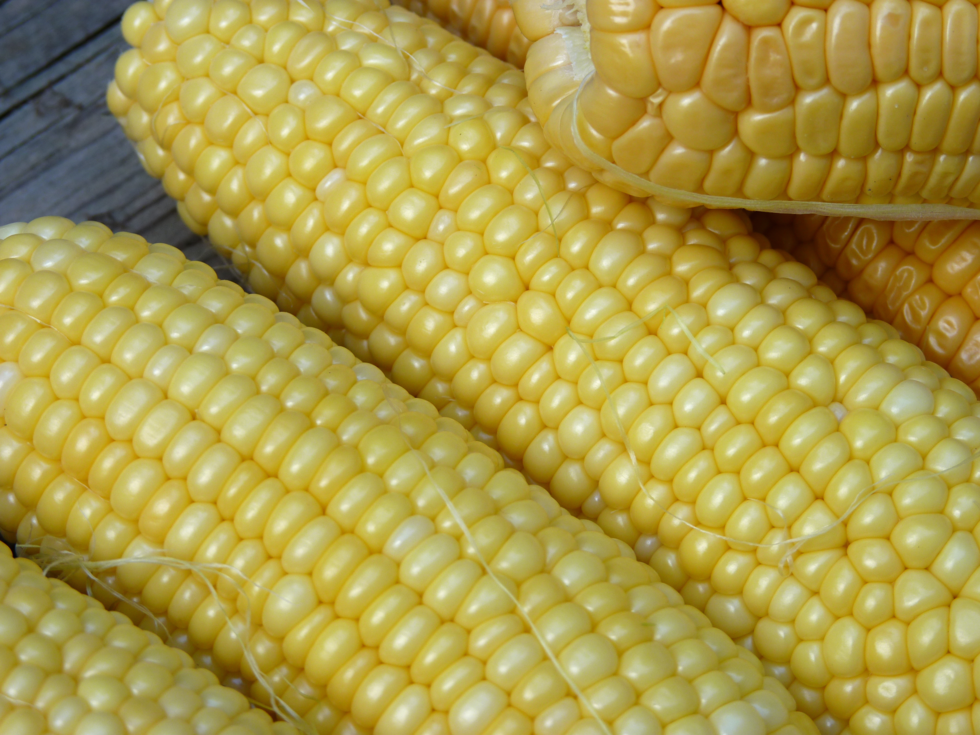
The European Union allows for growing 17 types of genetically modified corn (including MON 810 corn) and for industrial use of the genetically modified potato Amflora. However, EU associated countries may apply their own internal regulations to GMO cultivation. In 2013, Poland banned growing genetically modified crops, but every year it imports around 2 million tonnes of genetically modified soybeans to produce cattle, pig and poultry feed. Under the applicable law, GMO fodder may be used to feed animals since 2017.
Prepare a survey to find out what are the concerns of consumers who are unwilling to buy genetically modified food. Conduct the survey among your peers. Analyse the results and determine which concerns stem from insufficient information and which have grounds in science. Prepare a multimedia presentation and show it in class.
No to GMO?
GMO proponents assume that genetically modified crops will help reduce world hunger. GMO opponents claim that people are starving not due to insufficient food but poor distribution thereof.
An argument in favour of developing new genetically modified cultivars is the recently changing climate throughout the world. By replacing traditional plant species that may soon turn out to be unable to survive the new environmental conditions, new ones have the potential to prevent a dramatic decline in crop yields.
As reported by the non‑governmental International Service for the Acquisition of Agri‑biotech Applications (ISAAA) in 2012, in the period of 1996‑2011 genetically modified crops boosted food production, generating $78 million in profits for the producers. At the same time, nearly 0.5 million tonnes less of pesticides were used, and COIndeks dolny 22 emissions dropped by 90,000 tonnes. Thanks to the increased efficiency of genetically modified crops, 90 million hectares of cropland were set aside, which in turn boosted the spread of wild plant and animal populations and helped sustain or increase biodiversity.
However, it should be noted that due to the introduction of biotech crops, 15 million people working in agriculture lost their jobs. Another major concern is that farmers are very likely to become dependent on biotech corporations.
Which of the following attitudes is in line with the precautionary principle?
- People who eat GMO food should be convinced to stop as these products are potentially harmful.
- Any possibility of negative impact of eating GMO food should be taken as a certainty.
- GMO opponents should be convinced to give them a try as the harmfulness of these products is grossly exaggerated.
- All food products should be approached with great caution, with the exception of ecological products as they are the only ones that do not contain harmful substances.
Which of the following methods are named in the Genetically Modified Organisms Act of 22 June 2001 as methods of genetic modification of organisms?
- direct insertion of foreign genetic material into a cell of the organism being modified
- insertion of foreign DNA into the DNA of the recipient using viral, plasmid or other vectors
- natural methods of combining the genetic material of at least two different cells, resulting in a cell with different genetic material
- non-natural methods of combining the genetic material of at least two different cells, resulting in a cell with different genetic material
Summary
Genetic engineering plays a large part in creating organisms with genome changes that are beneficial for humans.
Currently, there is a ban on growing genetically modified crops in effect in Poland.
How was this lesson? Did you like it? Finish selected sentences.

Keywords
GMO, biosecurity, genetic engineering
Glossary
bezpieczeństwo biologiczne – działania ekologiczne podejmowane w celu ochrony ludzi przed zagrożeniami wynikającymi z naruszenia funkcjonowania przyrody oraz zamierzonego wykorzystywania zjawisk i czynników przyrodniczych przeciw człowiekowi; obejmuje m.in. działania zapobiegające ubożeniu ekosystemów, stymulowanie procesów gospodarczych (by sprzyjały ochronie i odtwarzaniu różnorodności biologicznej i ekosystemów), ochronę populacji ludzkich przed głodem, monitorowanie i ochronę przed epidemiami wśród ludzi i zwierząt, kontrolę nad wprowadzaniem do środowiska organizmów modyfikowanych genetycznie (obcych gatunków i genotypów), przeciwdziałanie bioterroryzmowi
produkt GMO – produkt składający się z organizmów genetycznie zmodyfikowanych lub zawierający ich fragmenty bądź kombinacje oraz DNA lub białka z organizmów genetycznie zmodyfikowanych (wg: Ustawa z dnia 22 czerwca 2001 r. o organizmach genetycznie zmodyfikowanych, Dz. U. 2007 r. Nr 36 poz. 233, z późn. zm.)
zamknięte użycie GMO – działania polegające na ograniczeniu kontaktu GMO z ludźmi i środowiskiem stosowane podczas modyfikacji genetycznych organizmów i ich hodowli, przechowywania, transportu, niszczenia, usuwania lub innego wykorzystywania organizmów transgenicznych i pochodzących z nich produktów
żywność GMO – żywność wyprodukowana z organizmów GMO lub zawierająca ich domieszkę bądź produkty z nich pochodzące