Globalization
what the modern political map of the world looks like;
where the underdeveloped and highly developed regions are located;
what migrations are;
where the world's main transport routes are;
what the features of contemporary foreign tourism are.
to explain what globalization is;
to give examples of globalization processes;
to describe the influence of globalization processes on the development.
What is globalization?
GlobalizationGlobalization is the growth of interdependence and interaction between countries, companies and people worldwide.
Using the source materials, such as geography textbook, e‑textbook or the Internet resources, prepare information on the dimensions of globalization.
Economic and social aspects of globalization
Globalization can be analysed from different points of view. The economic aspect is very important. In 2013, 1.45 trillion dollars have been invested abroad, 39% of which in the highly developed countries.
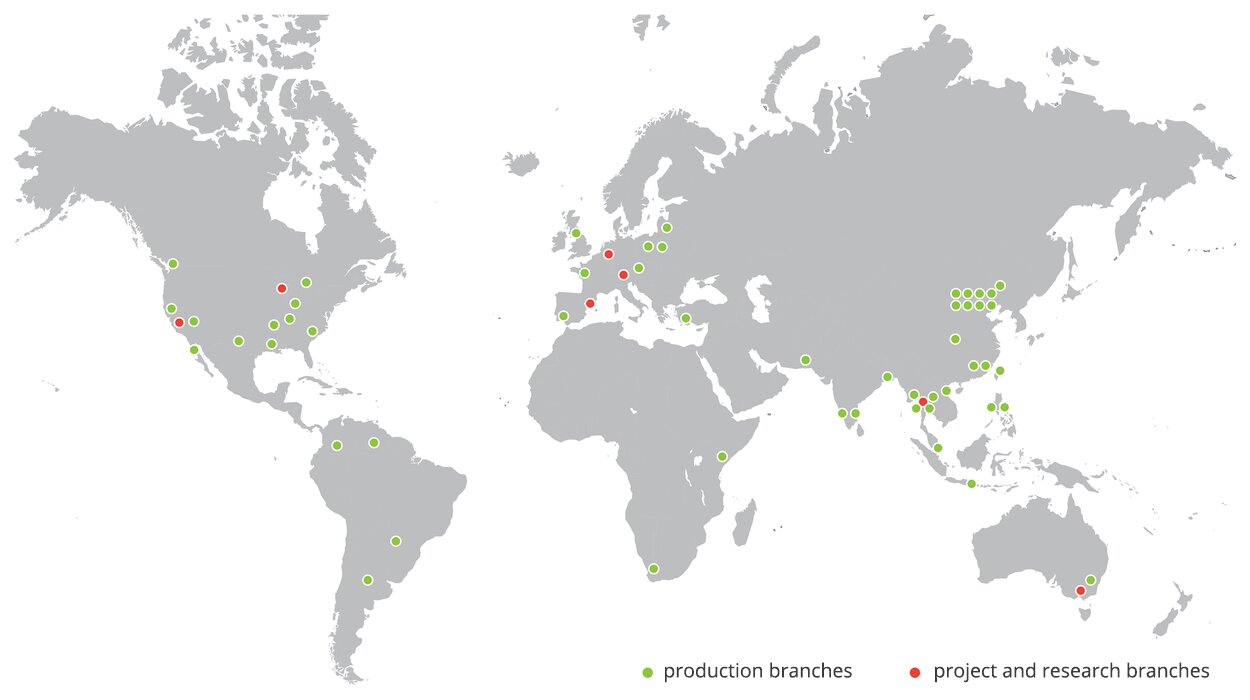
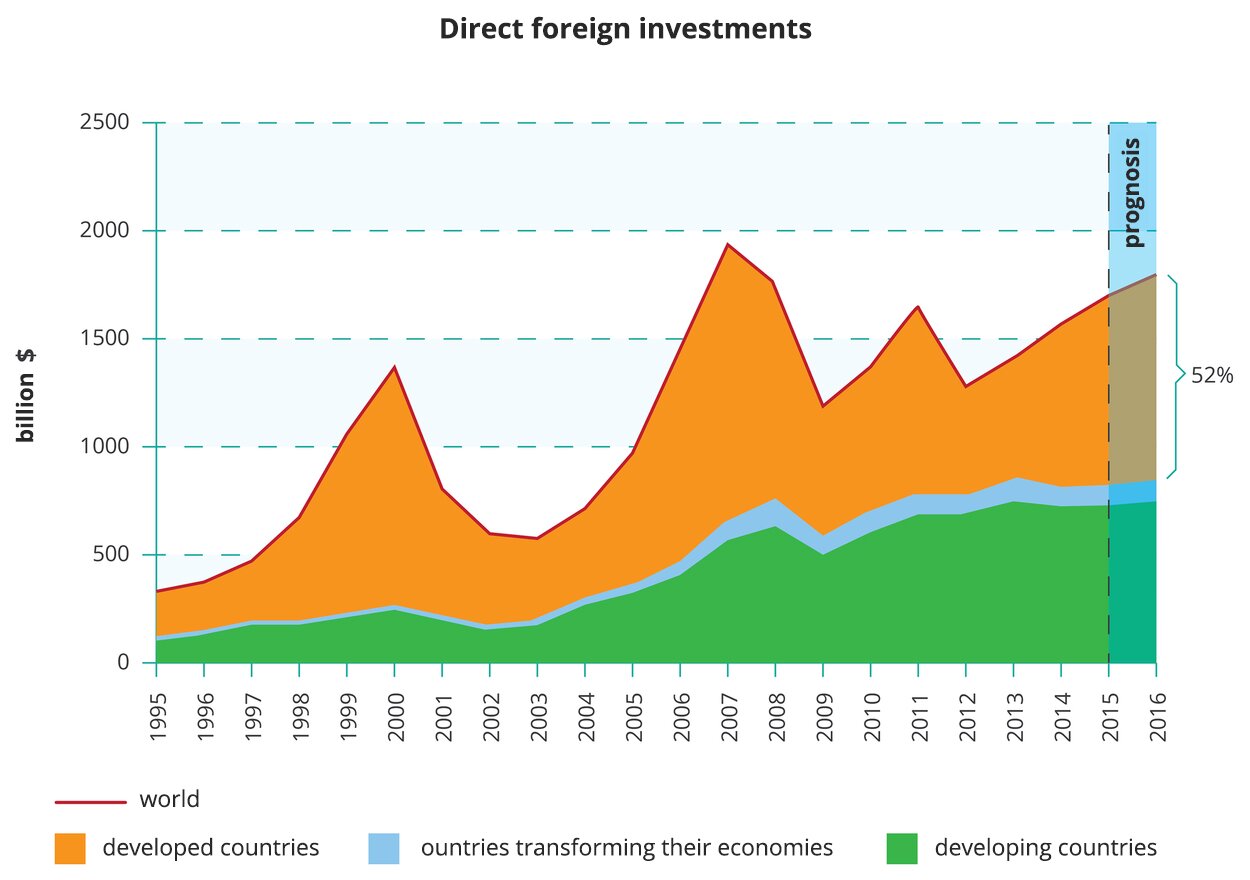
Foreign investments contribute to creating jobs, increasing exports and paying taxes. Transnational corporations produce ca. 25% of global GDP. Thanks to them, there are many new technologies and organizational solutions. Business contacts are established. As a result, develops not only the production area, but also infrastructure, education or health care.
The biggest transnational corporations are presented in the table in the e‑textbook.
There is also a darker side of the transnational corporation's activity. Investors are primarily interested in their profits. That's why, they try to use local natural and human resources as effectively as possible. There are often well‑founded allegations about their ruthless exploitation. Transnational capital is very mobile, it withdraws and moves where it sees better prospects for greater profit.
Working for international corporations is an example of the social aspect of globalization. Employees must adapt their way of working, most often, to the western style. Multinationalism enforces the use of a common language, usually English. On the occasion of manufacturing products for recipients from another part of the world (e.g. producing Christmas decorations in China). That's why, contact and knowledge of different cultures take place, at least to a small degree.
Thanks to modern technologies, we participate in cultural or sports events regardless of their place. The Olympic Games, the World Cup, concerts, Oscars awards, etc. are watched by hundreds of millions of people from all over the world. Cultural patterns are changing, fashion and music are rapidly spreading. Film premieres take place in many places around the world at the same time. The above examples can be called the cultural globalization.
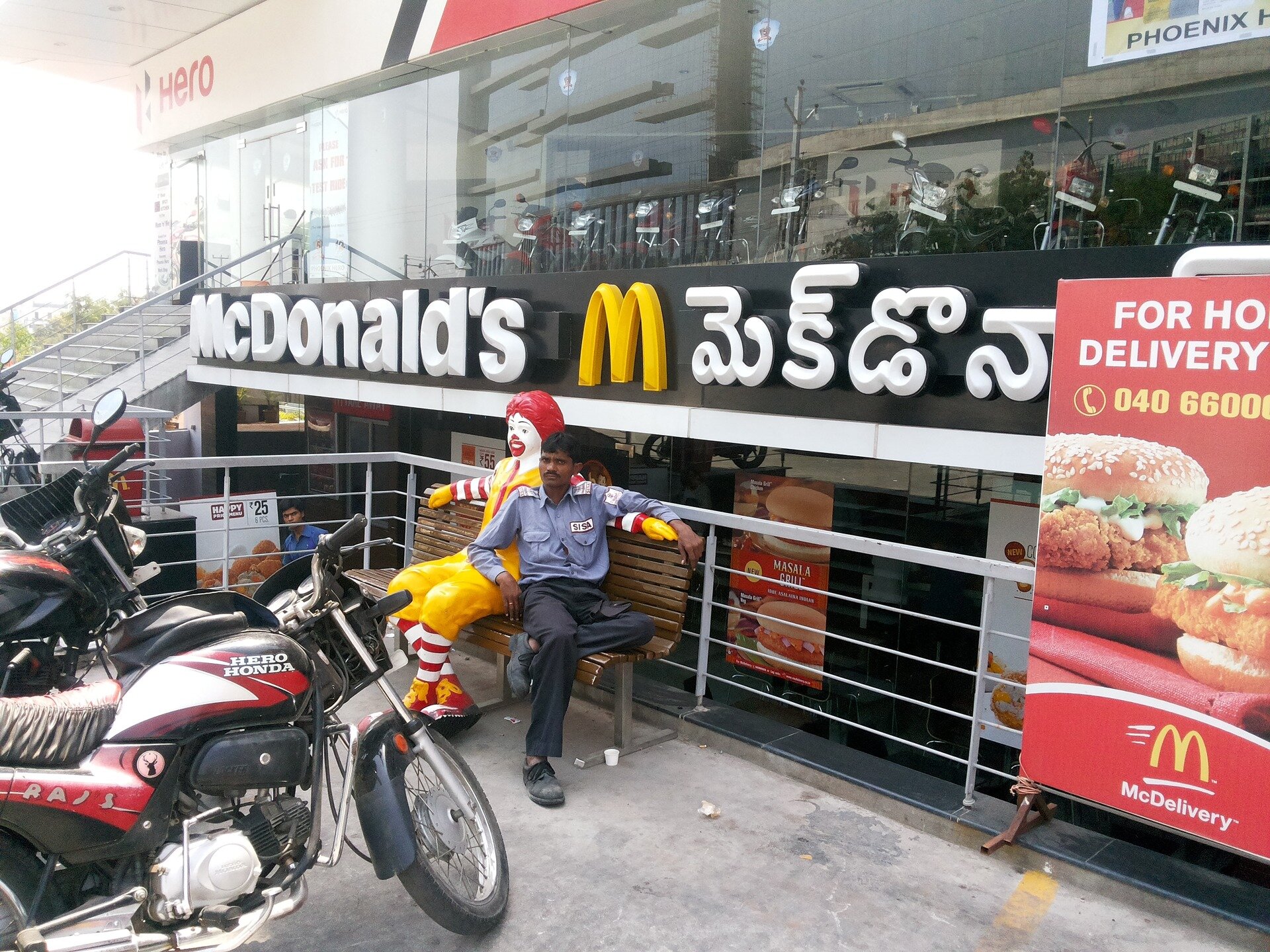
At the same time, there are efforts to maintain cultural identity. Even the symbol of globalization, which is the McDonald's, adapts its menu to local customs, e.g. in Japan it sells shrimp sandwiches and in India they don't use beef. In the Hindu version of Spider‑Man, the main character changed his name, clothing and opponents. Many magazines are issued in multilingual versions that also refer to local problems. This process is called glocalizationglocalization - the adaptation of global phenomena to local conditions, mainly economic and social. In this case, both sides gain - companies increase sales, and customers do not have to give up their habits and preferences.
It is impossible to ignore the demographic facet of globalization. It is estimated that about 200 million people live outside their country of birth. Immigration countries gain new, usually young, determined, courageous, resourceful and often well‑educated residents. This is very positive for the development of these countries. In contrast, emigration countries lose their valuable residents, what affects wrongly their development
Political facets of globalization
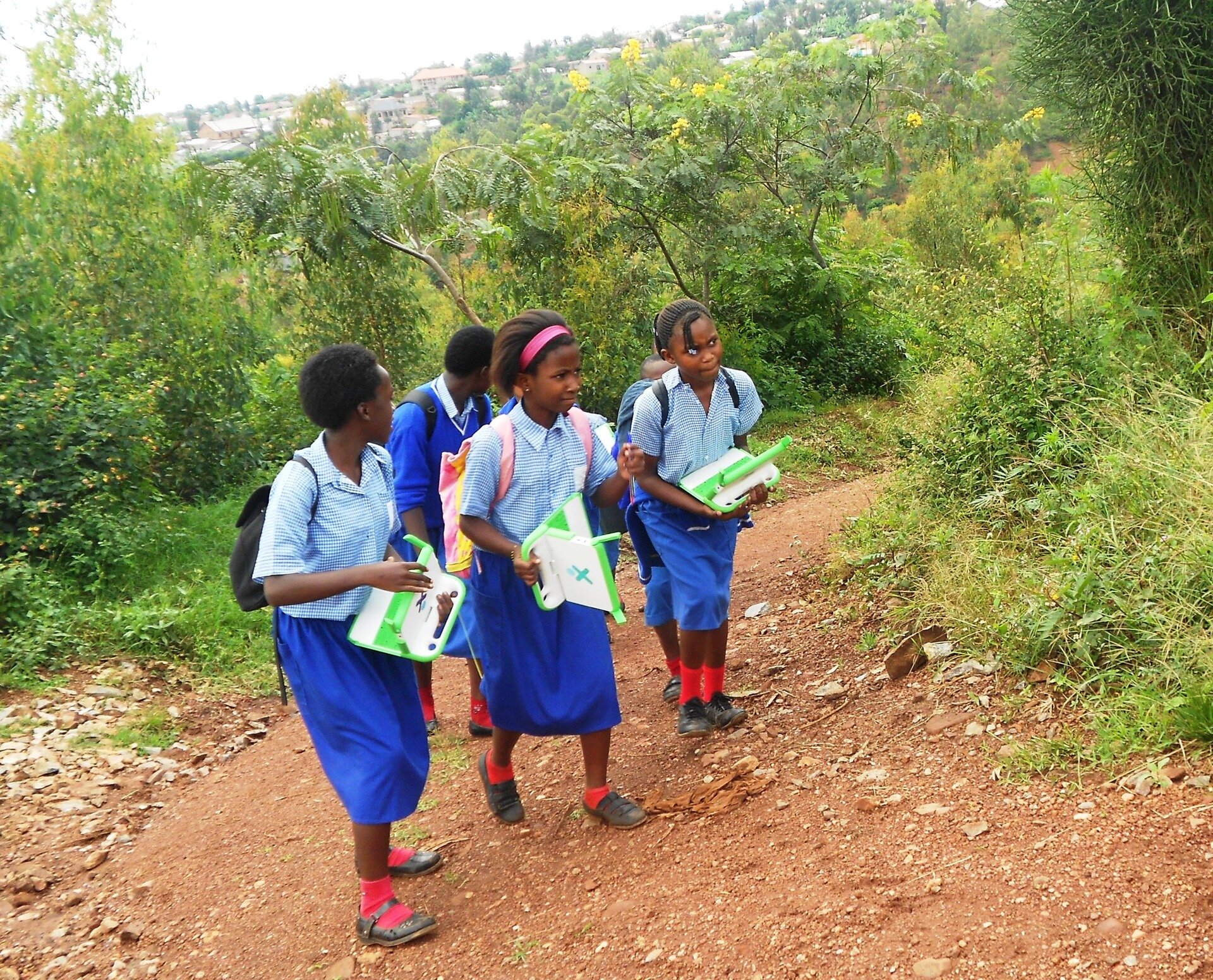
Globalization is largely about political issues. The United Nations groups 193 countries. Through its organs, such as the General Assembly or the Security Council, and specialized organizations such as the International Monetary Fund, it affects the decisions or actions of Member States. The UN may send military peacekeepers to conflict areas. In July 2014, there were 16 such missions. The organization introduced the Millennium Development Goals, which is a long‑term program to improve living conditions, health, education, equality, sustainable management in developing countries through vaccination, construction of schools, assistance in increasing agricultural production.
Other smaller organizations of the type, MERCOSUR (Southern Common Market - includes countries from South America), NAFTA (North American Free Trade Agreement - agreement among the United States, Canada and Mexico) or European Union, are political and economic. They significantly affect life of societies of member states. Countries that are members of such organizations agree to certain restrictions on sovereignty (e.g. by abolishing capital punishment in the EU) or take on a duty to protect of individual citizens' rights under the UN Universal Declaration of Human Rights. Member states also try to support and protect regional and traditional products (for example, „rogal świętomarciński” can come only from Poznań and several surrounding poviats, what results from EU regulations).
Development is also affected by political decisions. For example, membership in the World Trade Organization (WTO) opens the market to goods from abroad, sometimes better than local ones or previously unavailable. On the other hand, it facilitates export of local goods to the global market.
Environmental facets of globalization
Various types of processes affecting the environment, e.g. carbon dioxide emission, also have a global reach. The increase in the air temperature on the Earth, partly due to human activity, leads among others to the rise of sea level. Countries located on low coral islands are threatened with the loss of territory, although they have not contributed to it themselves as the main CO2 emitters are geographically distant.
Main emitters of carbon dioxide in 2013
Country / union of countries | Share in global emissions (%) |
China | 29 |
United States | 16 |
European Union | 11 |
India | 6 |
Russia | 5 |
Japan | 4 |
The economic development of China and India is conditioned by the technologies available there, which are often not environmentally friendly, and therefore their industrial factories emit large amounts of pollution.
The priority for these countries is to expand the economy, not the quality of the environment. The United States haven't undertaken enough efforts to reduce pollutions, and the European Union is too small to contribute enough by itself. The changes introduced by the EU won't affect the entire planet. European regulations translate into the development of energy and material‑saving technologies, and thus are less burdening for the environment.
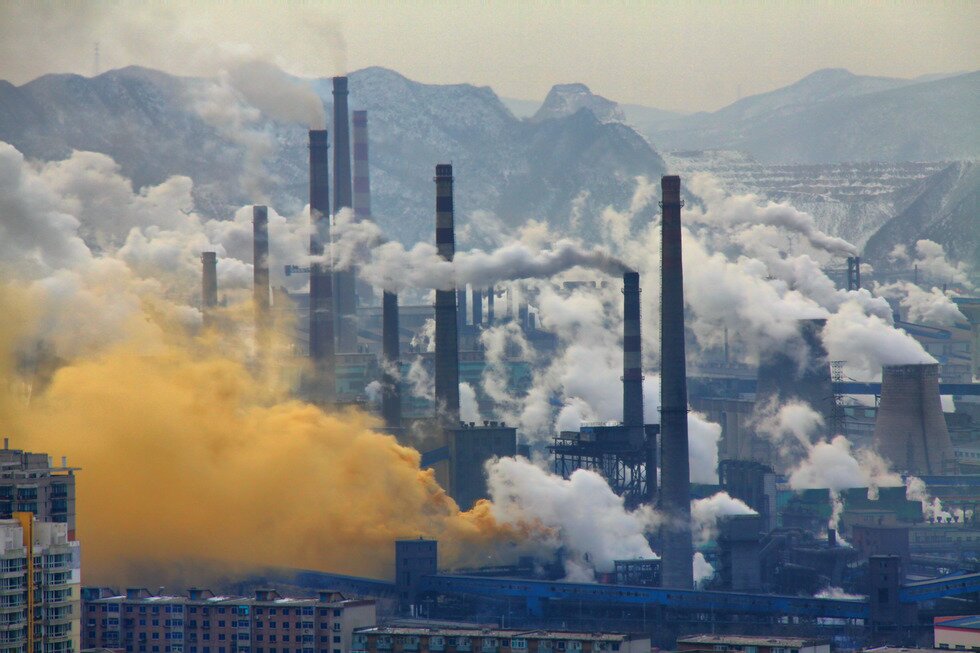
Another example of global environmental destruction is the logging of equatorial forests. it benefits only the countries clearing forests, but it does make huge losses in the Earth's ecosystem. Importing products from developing countries allows them to increase their income, but it often comes with the price of excessive exploitation of their resources, including water, soil or mineral resources.
Connections between the aspects of globalization
One should remember that all aspects of globalisation overlap with one another. Coltan is an ore of niobium and tantalum - metals used to produce electronic elements, including mobile phones. About 70‑80% of coltan comes from the conflict‑torn eastern part of the Democratic Republic of Congo. Miners, working with primitive, manual tools, earn there only about $1 a day, if they are not slaves in the mine controlled by one of the armed groups: then they earn nothing. Money from the sales is in the major part used by the rebels, who control the mines, for the purchase of weapons. That is how a buyer of a mobile phone, for example in Europe, funds an armed conflict in Africa. The extraction of coltan is also connected with huge damage to the natural environment.
Globalization also enables to aid in crisis situations. In November 2013, when an extremely strong typhoon hit the Philippines, the assistance arrived a few days later. The aircraft of Malaysian Airlines missing in March 2014 was sought by experts and volunteers from all over the world. However, the action of making sweaters for oil‑rescued penguins was so successful that the organizer from Australia asked not to send them anymore.
Give reasons for the growing significance of international corporations in the economic space of the world and of Poland.
How much do you know about the dimensions of globalization? Check your knowledge. If you do not remember something, reverse the flashcard.
| Integration processes leading to the growth in the importance of international organizations, visa waiver agreement. Interpol operations. Counter-terrorism actions. | political |
| International environmental protection. Global climate risks. | ecological |
| Popularization of one single style in the mass culture. International work environment. Norms and views shaped by mass media. | socio-economic |
| The growth in the importance of international corporations. Free movement of capital, products and services. Global market. Standarization of products. | economic |
| Free movement of information thanks to the promotion of modern forms of telecommunication. Economy based on knowledge. The growth in the importance of the advanced research and development works and innovation. | technological |
Divide these pieces of information into positive and negative effects of globalization.
Increase of tolerance for other cultures, customs and views, Blurring of the cultural diversity of the world, Little competitivity of small and medium enterprises, Replacement of traditional, local brands and medium products by global brands, Free movement of goods, Monopolization of the markets by international concerns, Better access to knowledge and information, Reduction of unemployment and increase of GDP in those countries in which branches of global concerns are formed
| Negative | |
|---|---|
| Positive |
Keywords
globalization, WTO, concerns, local brands, global brands
Glossary
globalizacja - wzrost współzależności i wzajemnego oddziaływania państw, firm oraz ludzi w skali całego świata
glokalizacja - dostosowanie globalnych zjawisk do lokalnych warunków
World Trade Organization - Światowa Organizacja Handlu.
Głównym zadaniem Światowej Organizacji Handlu jest liberalizacja międzynarodowego handlu dobrami i usługami, prowadzenie polityki inwestycyjnej wspierającej handel, rozstrzyganie sporów dotyczących wymiany handlowej oraz przestrzegania praw własności intelektualnej.