Growing plants
that some plants, such as trees, live for a very long time;
that some plants are poisonous;
that plants are also our food and that we use them, among others for the production of clothing.
do the independently breeding plants;
discuss the life cycle of the plant;
distinguish between perennial, biennial and annual plants.
We come across plants everywhere we go – they grow in gardens, parks and urban green areas. We buy flowers at a florist’s and fruits and vegetables at a local market. Our clothes are made out of fibres of plants such as cotton and flax. Plants are also grown in pots in our homes. It is important to be able to take good care of them.
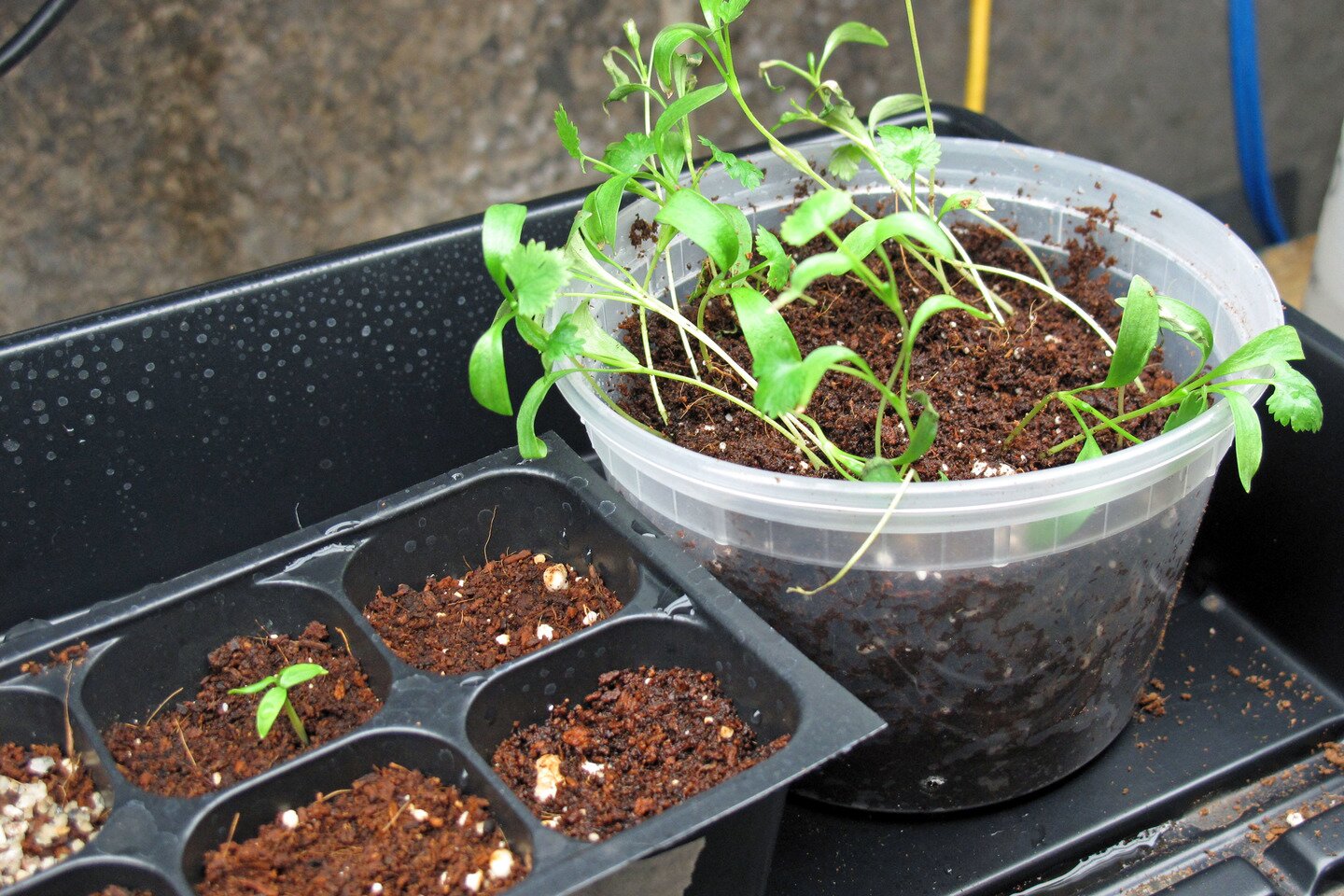
Getting started with your own plants
Most of the plants around us are grown from seeds. Some need many years to grow (like fruit trees), while others – a few weeks or months. For example, the sunflower may be sown in the spring, and already in the summer or autumn you will enjoy beautiful flowers. Majority of plants that we eat are sown, than watered, patiently cared for and finally - once fully ripe - harvested in their entirety or in parts (e.g. fruits).
Observation of the stages of plant growth and development.
plastic pot with an underplate,
food wrap,
garden soil,
small stones,
water,
bean seeds or other annual plant seeds.
Pour some stones onto the bottom of the pot (thanks to them, water will not stop in the lower layers of the soil). Make sure that the pot has a few holes in the bottom.
Fill the pot with soil up to a level about 1 cm lower than its edge.
Make a shallow hole in the soil and put in 2‑3 seeds of the plant you want to grow. Fill the hole with soil and pour some water.
Put a plastic wrap on the pot and attach it with an elastic band – this way, you will create a miniature greenhouse and provide the plant with the right amount of heat.
Regularly check that the soil is not too dry and water the plant from time to time.
When a small plant grows out of the soil, you can remove the foil. Remember to keep the pot warm, and after removing the foil, water the plant a little more frequently.
Watch how your plant grows.
Note results of observations.
If you have successfully planted a plant and take care of it, it will grow.
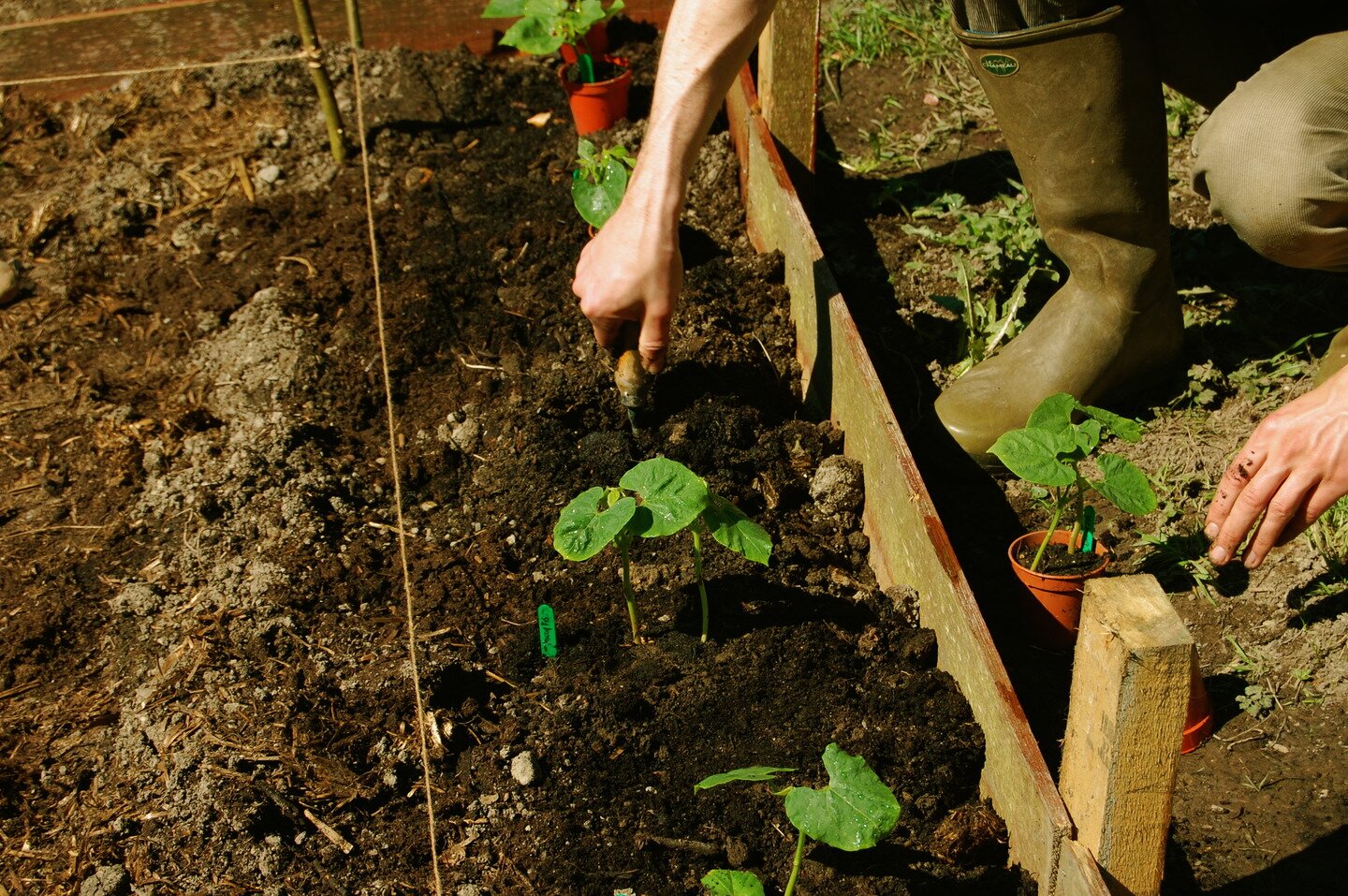
Plant lifecycle
Growing a plant you may get to know its lifecycle. Plants develop from seeds – we call it germination. Initially seeds sit in soil and then – provided the right conditions, e.g. access to water and appropriate temperature, are there – start to germinate. The plant increases in size for a while. Then it starts to produce flowers and fruits. We call all those changes a lifecycle.
Plant lifespan
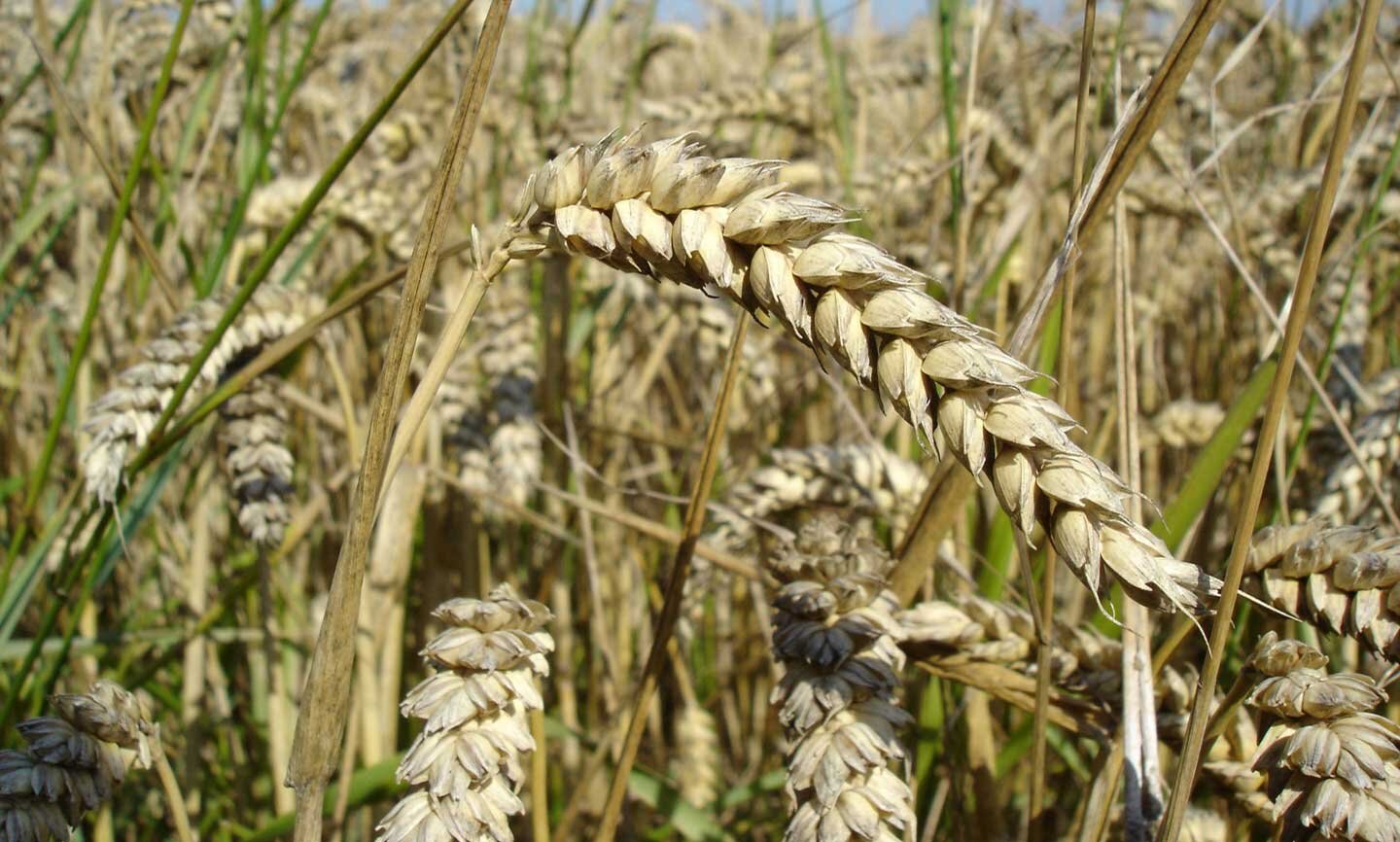
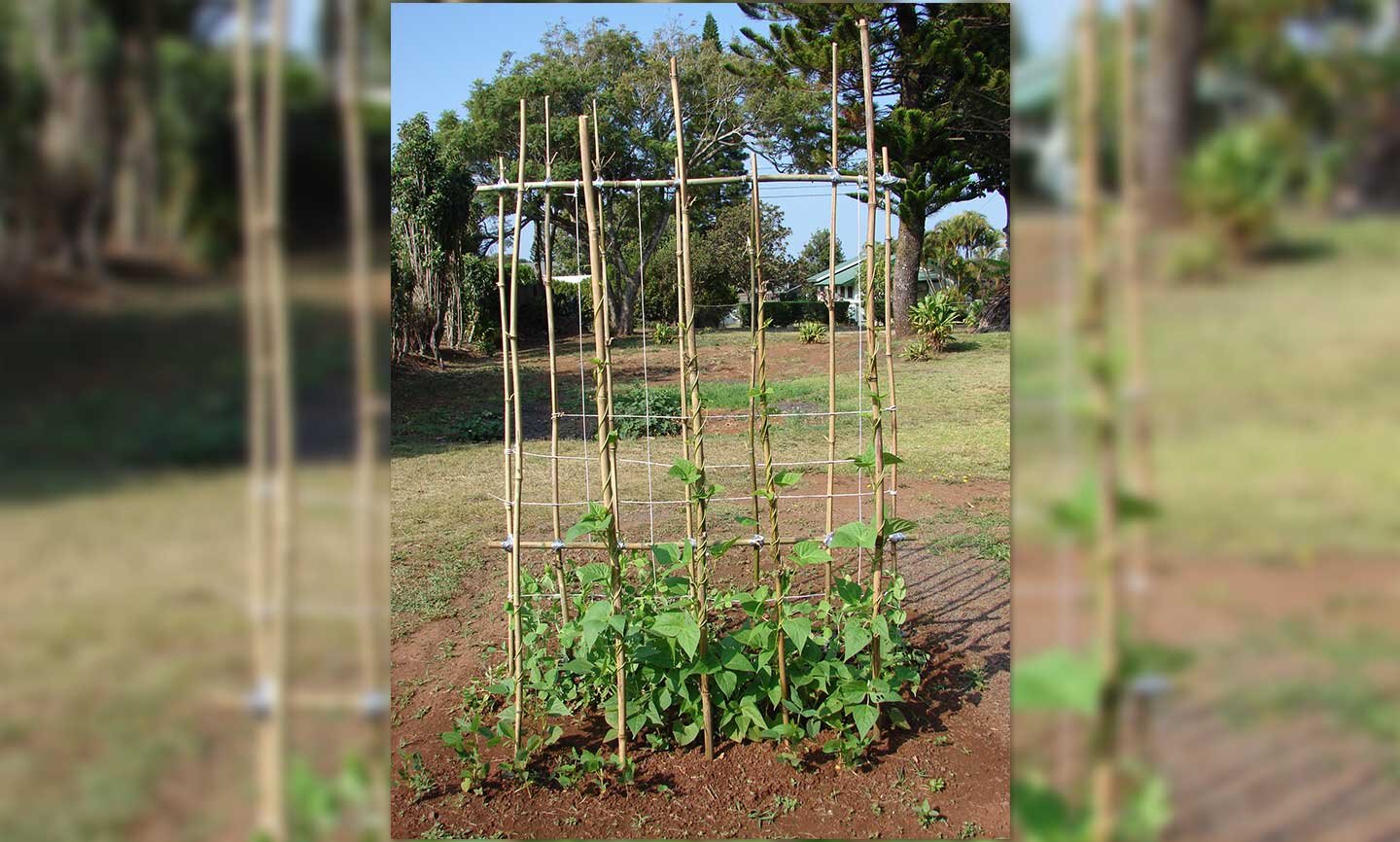
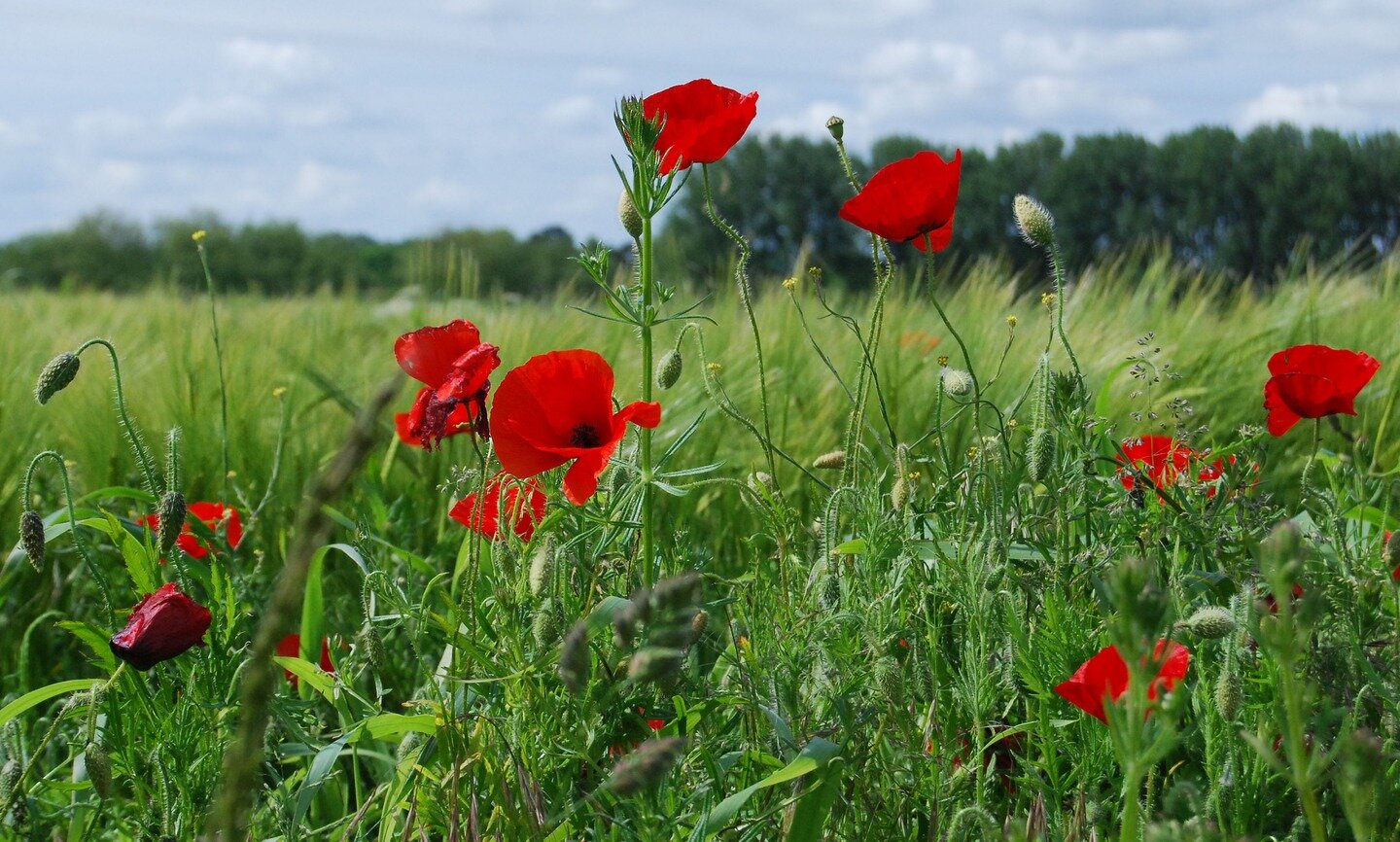
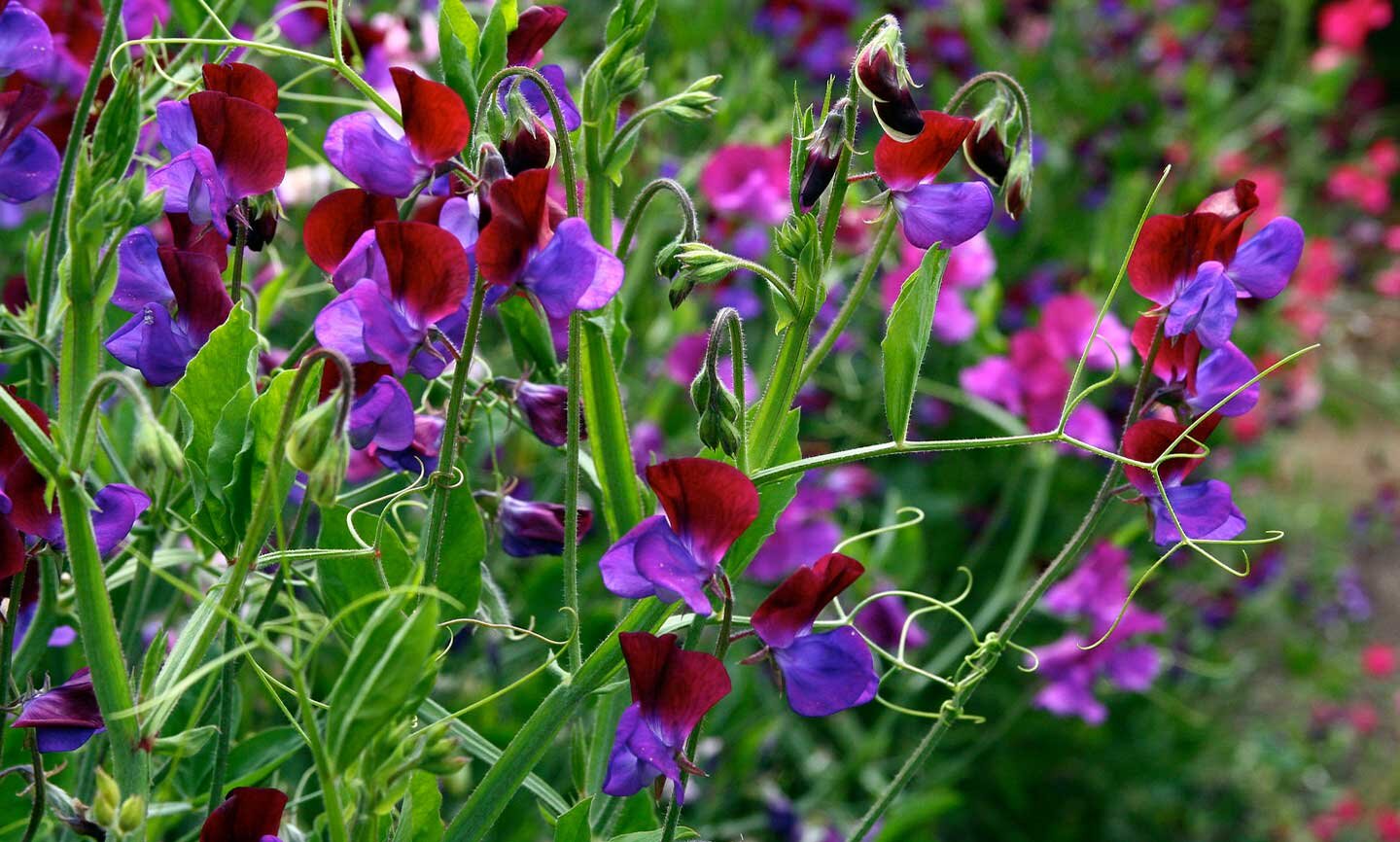
Plants are grouped according to the time it takes to complete their lifecycle into: annual, biennialbiennial and perennialperennial plants. Annual plantsAnnual plants are plants that germinate (in the spring) and produce fruits and flowers all in the same year. They live from spring until autumn – then they die. If we left them to themselves, new plants would grow in their place the following spring. It happens because the plants produce seeds that sit covered with snow in soil through the winter and then germinate in the spring. This group of plants includes wheat, bean, poppy and many flowers, such as marigold and sweet pea.
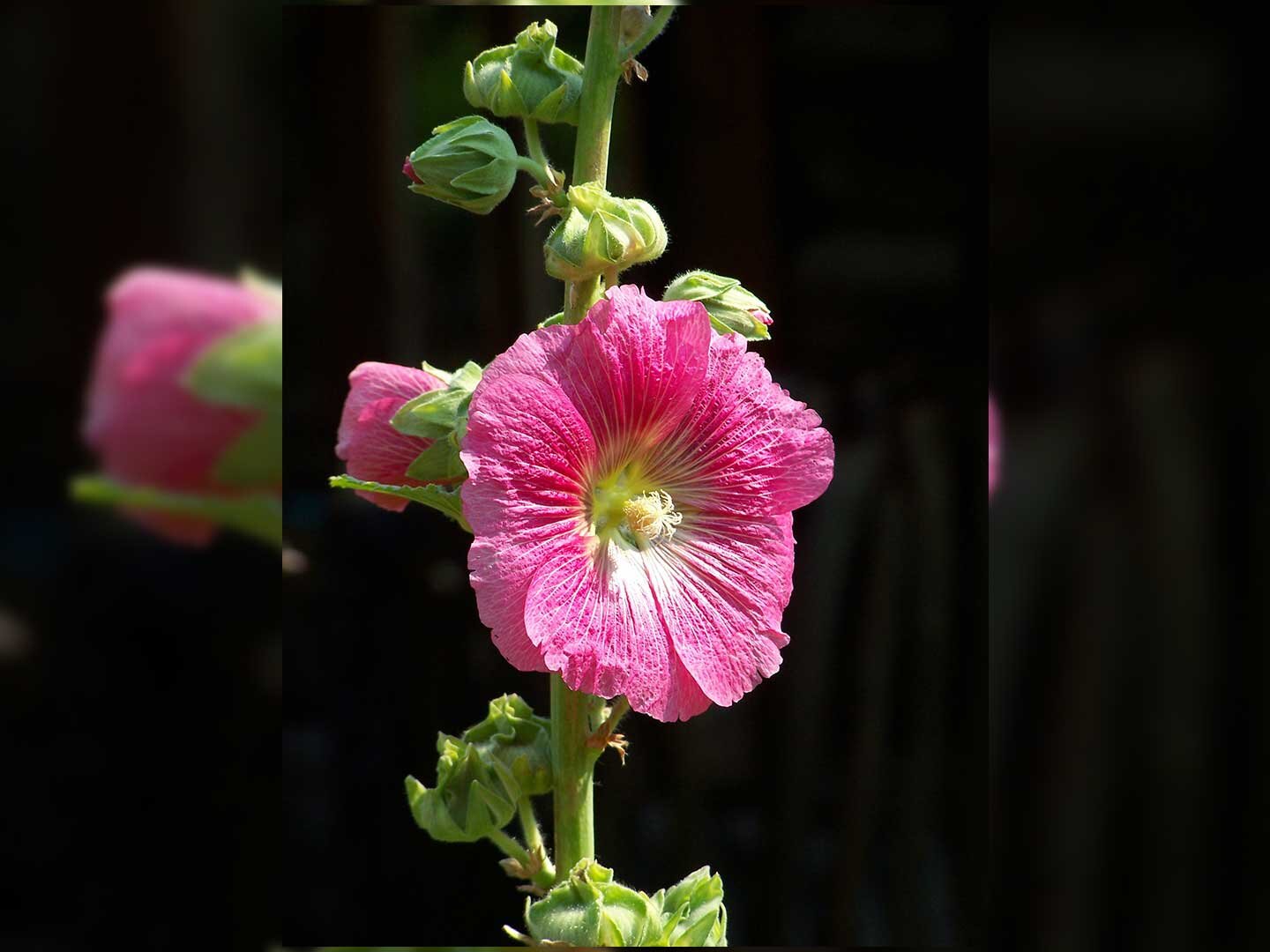
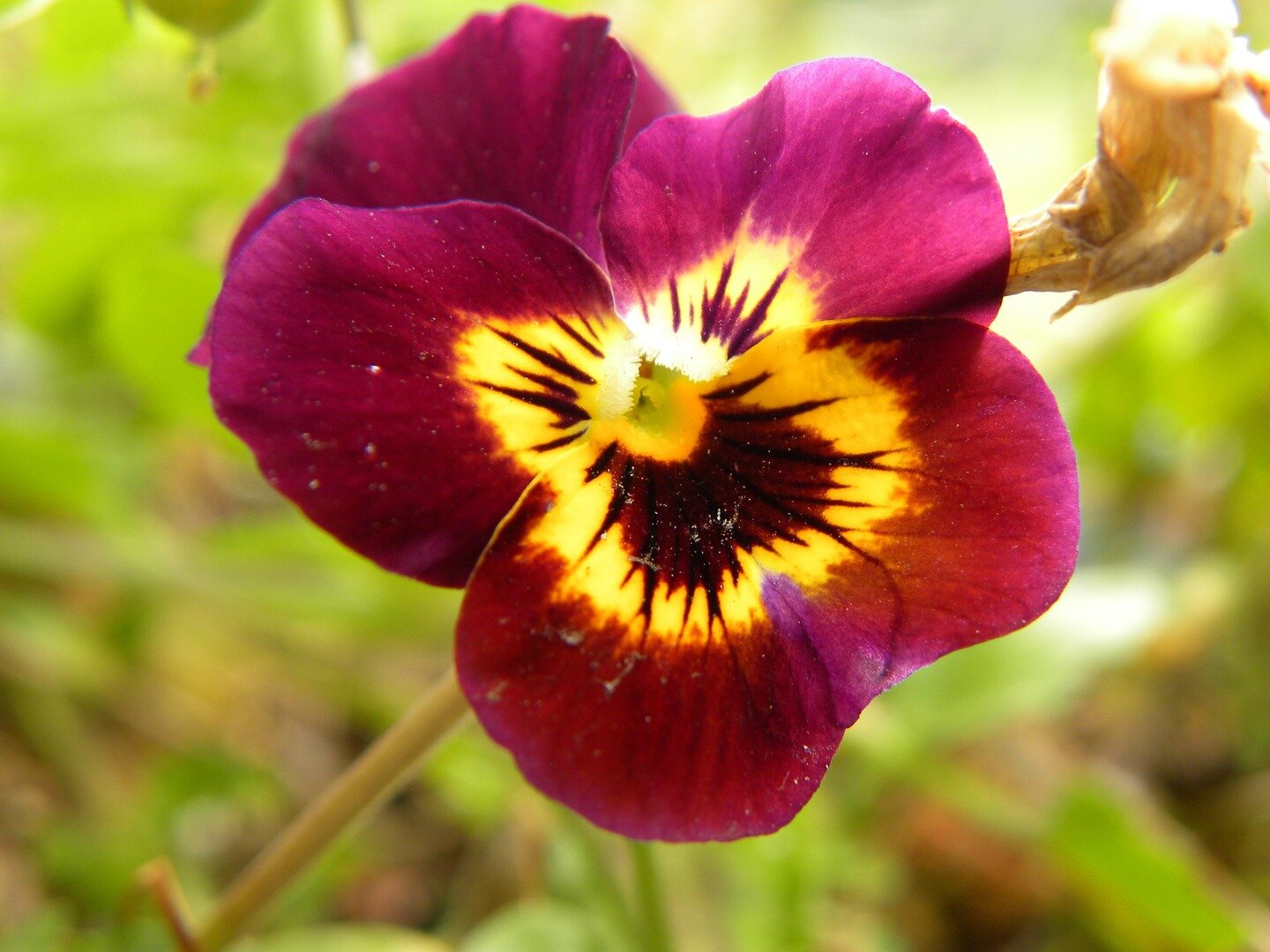
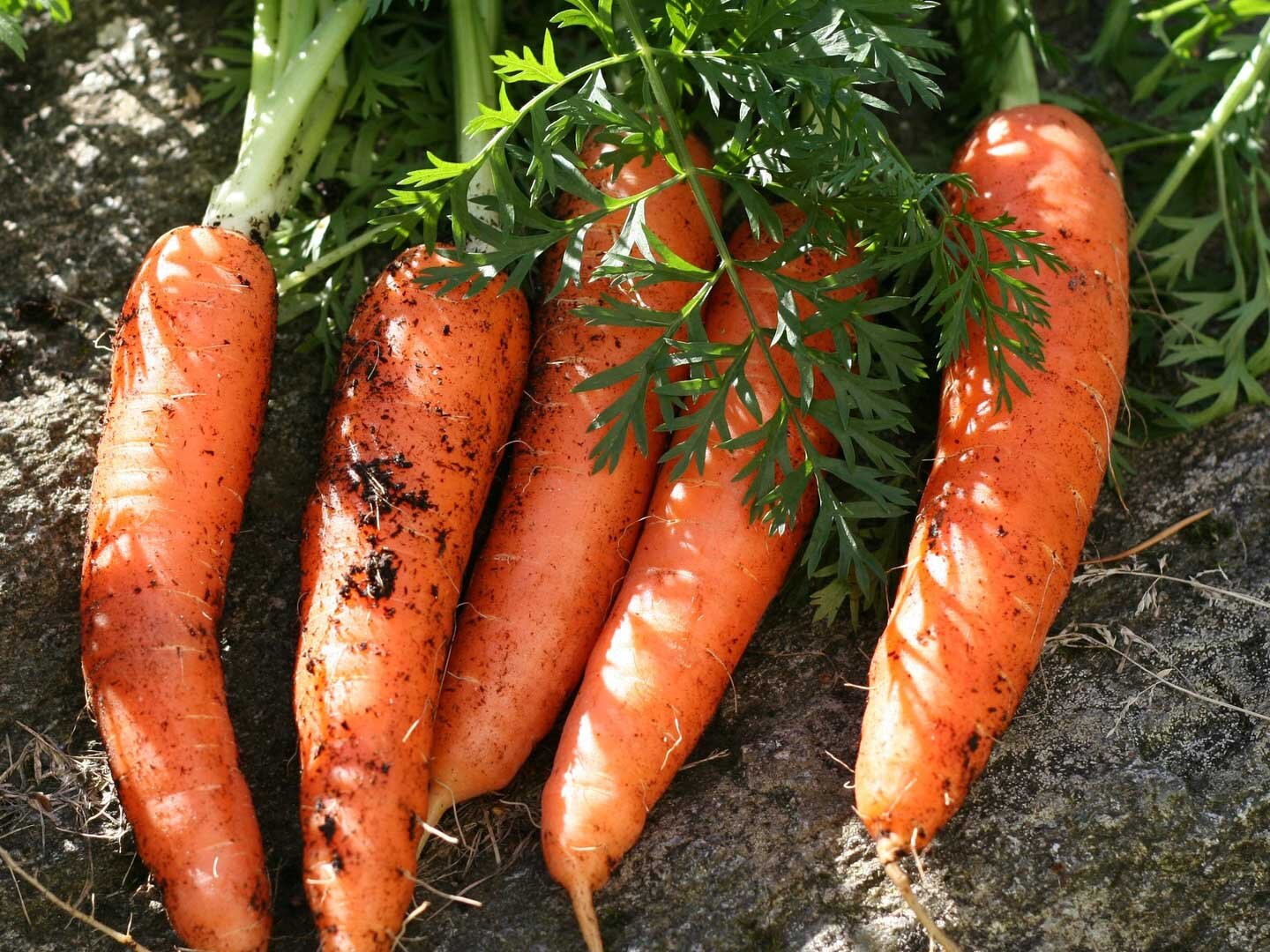
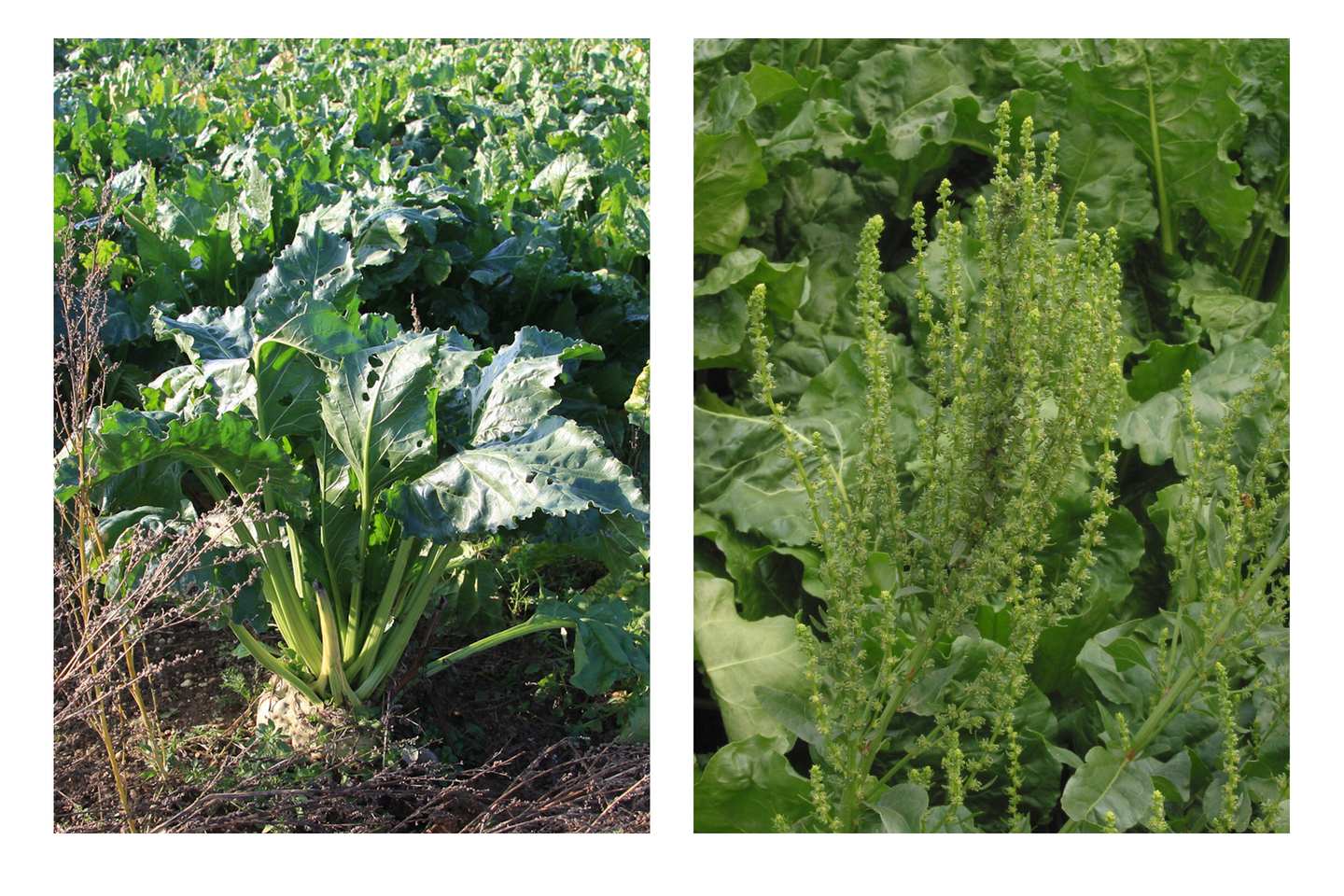
Biennials are plants that geminate in the spring of one year and then gather supplies, for example in their roots, like carrots and beets. In the autumn the overground part of the plant withers. Only the underground parts survive winter hardships. In the spring the overground part grows back, produces flowers and fruits and dies in the autumn. Many vegetables are cultivated and harvested for their nutrient‑filled roots, that is why we grow them only for one year. However, if we left such plants in the soil for the winter, they would produce flowers and seeds in the following year. The biennials group includes many garden flowers, e.g. hollyhock, chrysanthemums and pansy, as well as many vegetables: carrot, beet, onion and others.
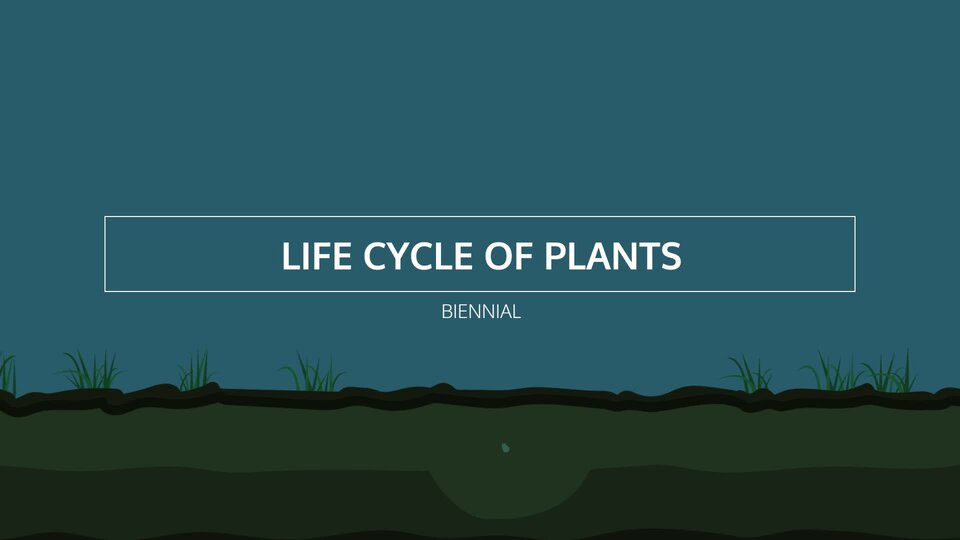
Film dostępny na portalu epodreczniki.pl
Nagranie filmowe przedstawiające cykl życia rośliny
Perennials live longer than one or two years. Some of them, e.g. trees may live for hundreds, or even thousands of years. They achieve maturity after a few years – afterwards they start to produce seeds. Perennials usually flower and produce fruits every year. However, some of them, like bamboo, flower only once in their lifetime. Perennials group includes, among other plants, all trees. Some plants lose their shootshoot every year; the shoot grows back in the spring – it is their underground parts, like roots or underground parts of the shoot, that survive the winter. Such plants are often called perennials to distinguish them from woody plants.
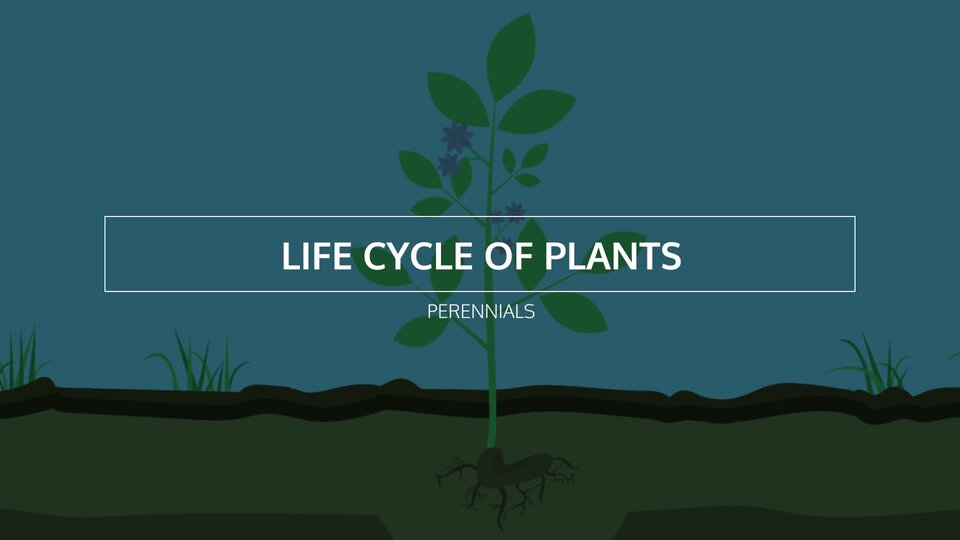
Film dostępny na portalu epodreczniki.pl
Nagranie filmowe przedstawiające cykl życia rośliny
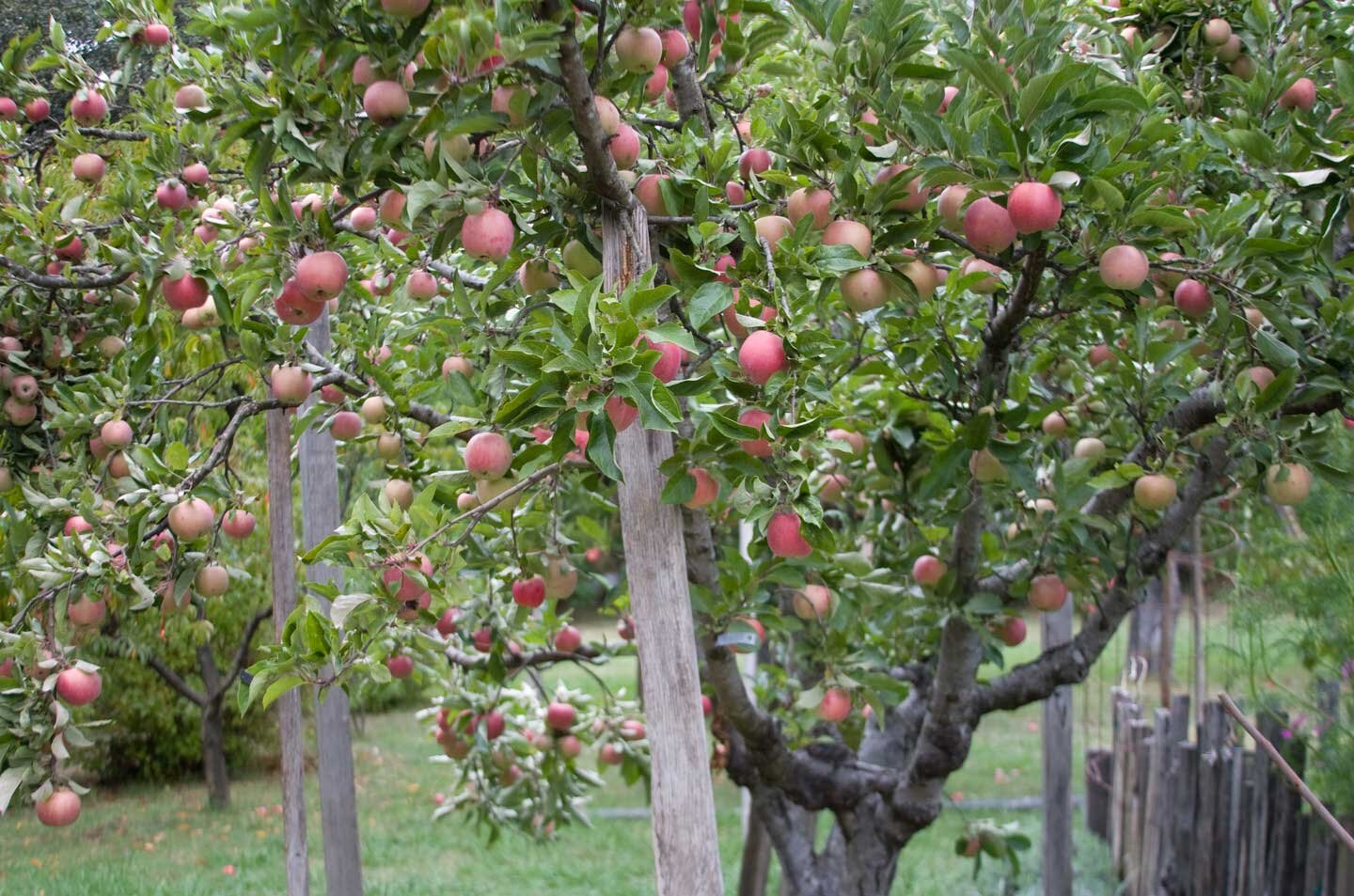
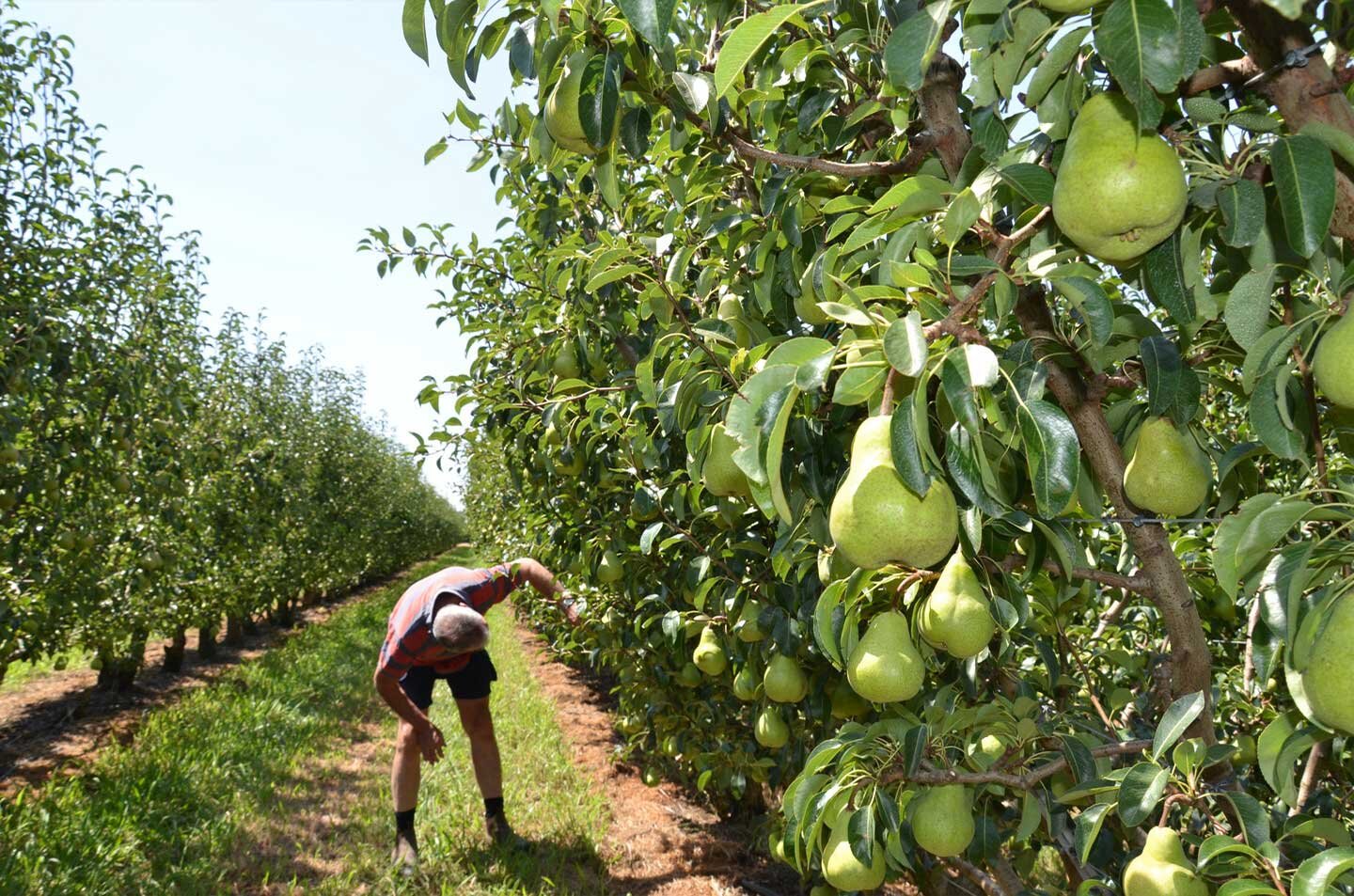
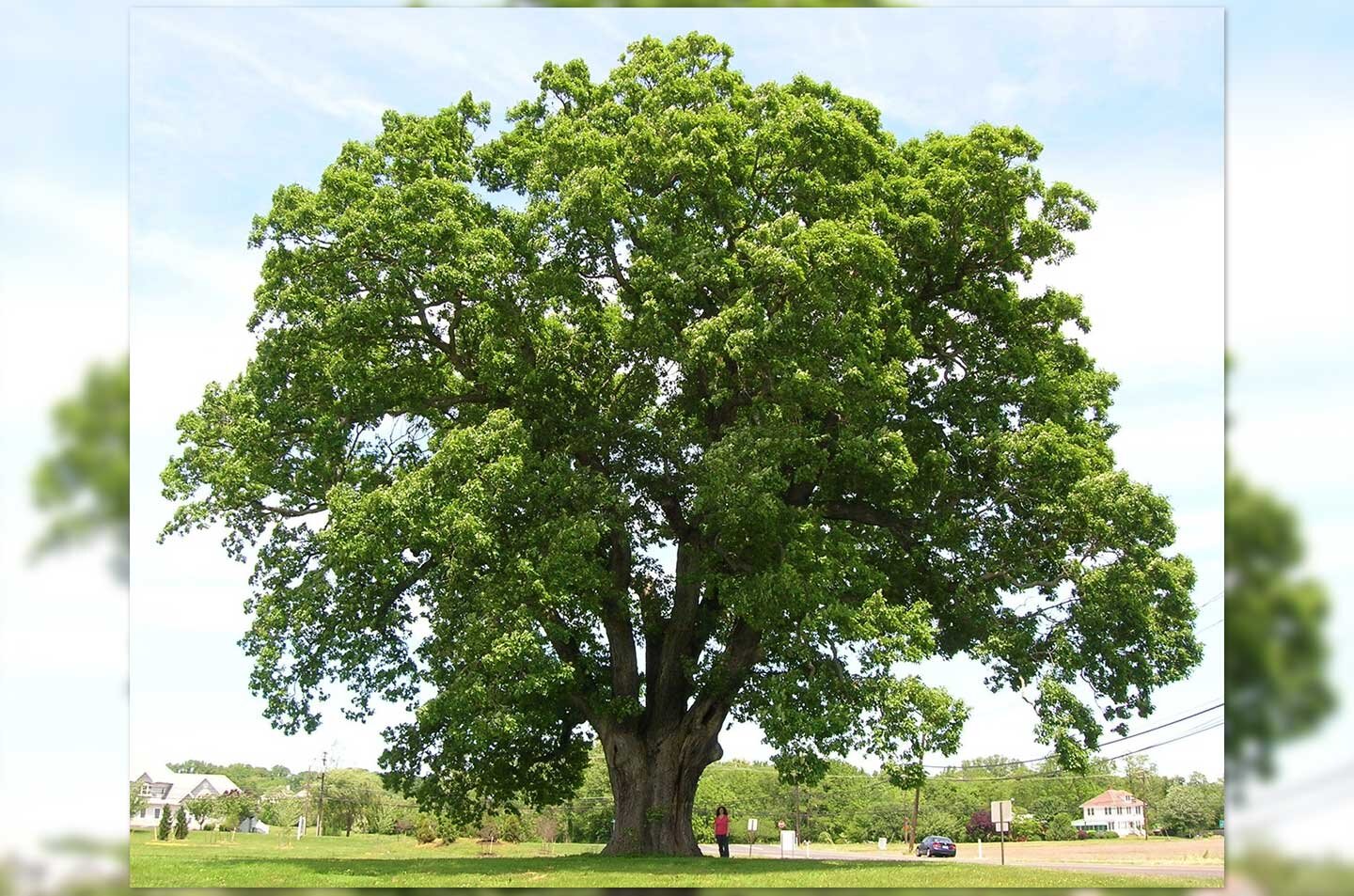
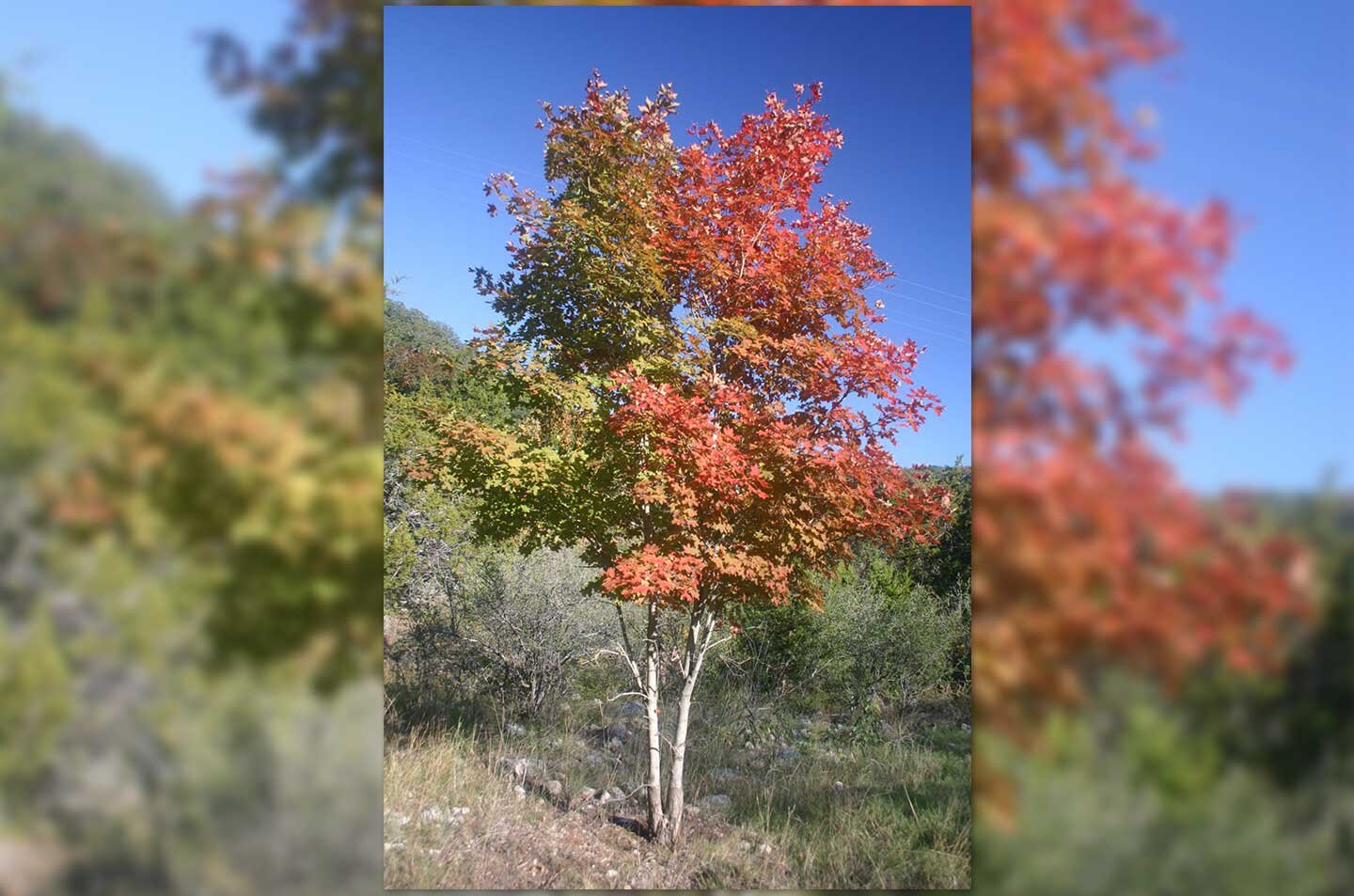
Set the planting stages in the correct order.
- Make a shallow hole in the ground and put the plant seeds there.
- At the bottom of the pots, pour a bit of pebbles.
- Regularly check the humidity of the earth.
- Water the plant from time to time.
- Fill the pot with soil.
- Fill the hole with soil and pour.
- Choose a pot that has several holes in the bottom.
What does shoot consist of?
- Stems
- Leaves
- Roots
- Buds
- Bulbs
Match the pairs: English words and Polish definitions.
roślina realizująca cykl życiowy w ciągu jednego roku, roślina realizująca cykl życiowy przez dwa lata: w pierwszym roku rosną na wielkość, a w drugim wydają kwiaty, owoce i nasiona, roślina, która wielokrotnie w ciągu życia kwitnie oraz wydaje owoce i nasiona
| biennial plant | |
| annual plant | |
| perennial plant |
Check whether the following statements are true or false.
| True | False | |
| Perennial plants usually produce seeds in the first year of their life. | □ | □ |
| We harvest the annual plants fruit in the first year of their cultivation. | □ | □ |
| We collect vegetables such as carrots and beets two years after they are sown. | □ | □ |
| Some perennial plants bloom only once in their lifetime. | □ | □ |
Indicate annual plants.
- Fragrant peas
- Apple-tree
- Carrot
- Beetroot
- Poppy
- Pansy
- Pear
- Oak
- Pyrethrum
- Wheat
- Sunflower
- Mallow
- Tagetes
Indicate biennial plants.
- Carrot
- Mallow
- Fragrant peas
- Oak
- Marigold
- Pear
- Pyrethrum
- Pansy
- Apple-tree
- Wheat
- Beetroot
Indicate perennial plants.
- Wheat
- Pansy
- Pyrethrum
- Oak
- Pear
- Fragrant peas
- Beetroot
- Marigold
- Mallow
- Sunflower
- Carrot
- Apple-tree
Summary
The life cycle of most plants begins with the seed. Then the plant germinates, grows, and finally gives flowers. Flowers develop into fruits containing seeds.
We divide plants into one‑year, two‑year and long‑term due to the length of life.
Keywords
annual plant, biennial plant, perennial plant
Glossary
bylina – roślina wieloletnia, której naziemna część umiera pod koniec każdego okresu wegetacyjnego; przeżywa jedynie część podziemna, z której na wiosnę wyrasta nowa łodyga z liśćmi.
pęd – nadziemna część rośliny, czyli łodyga z liśćmi.
roślina dwuletnia – roślina realizująca cykl życiowy przez dwa lata: w pierwszym roku rosną na wielkość, a w drugim wydają kwiaty, owoce i nasiona.
roślina jednoroczna – roślina realizująca cykl życiowy w ciągu jednego roku.