How are various types of coasts created?
the interior structure of the Earth;
the action of the Earth’s internal forces that shape its surface;
the action of mass wasting that shapes the surface of our planet;
how the wind affects the terrain.
to list the factors that affect the form of a sea coast;
to give examples of various types of coasts;
to discuss the origin of a selected type of coast;
to list the types of sea coasts found in Poland.
How are various types of coasts created?
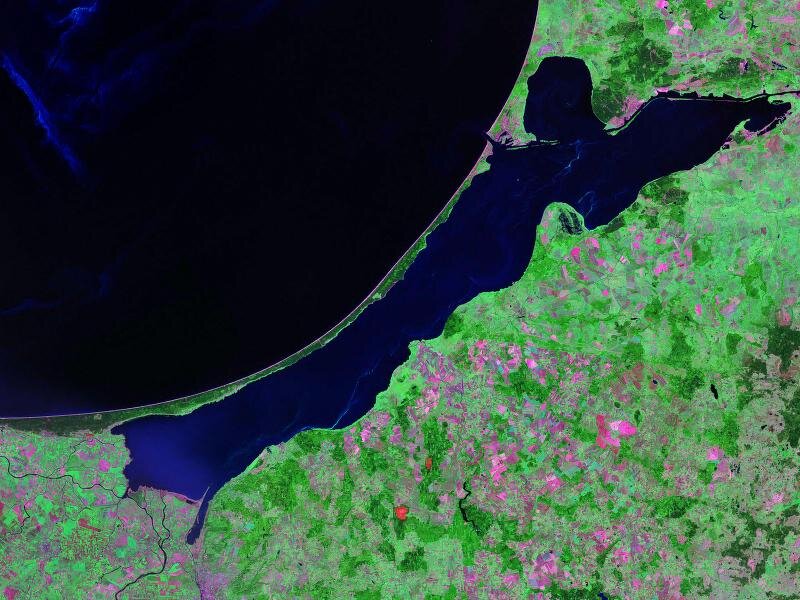
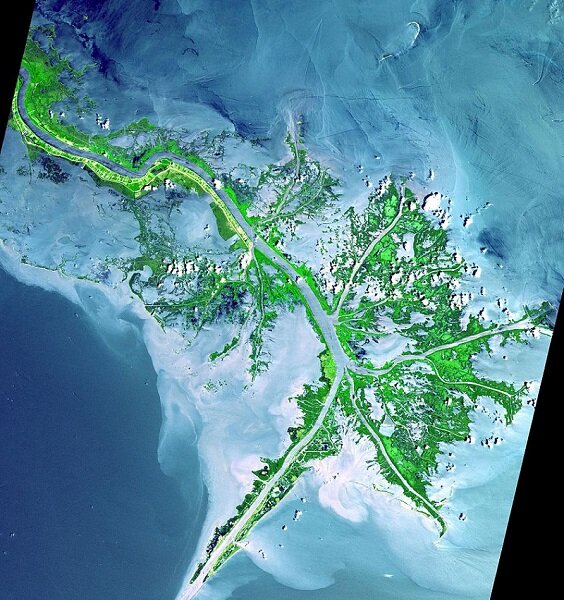
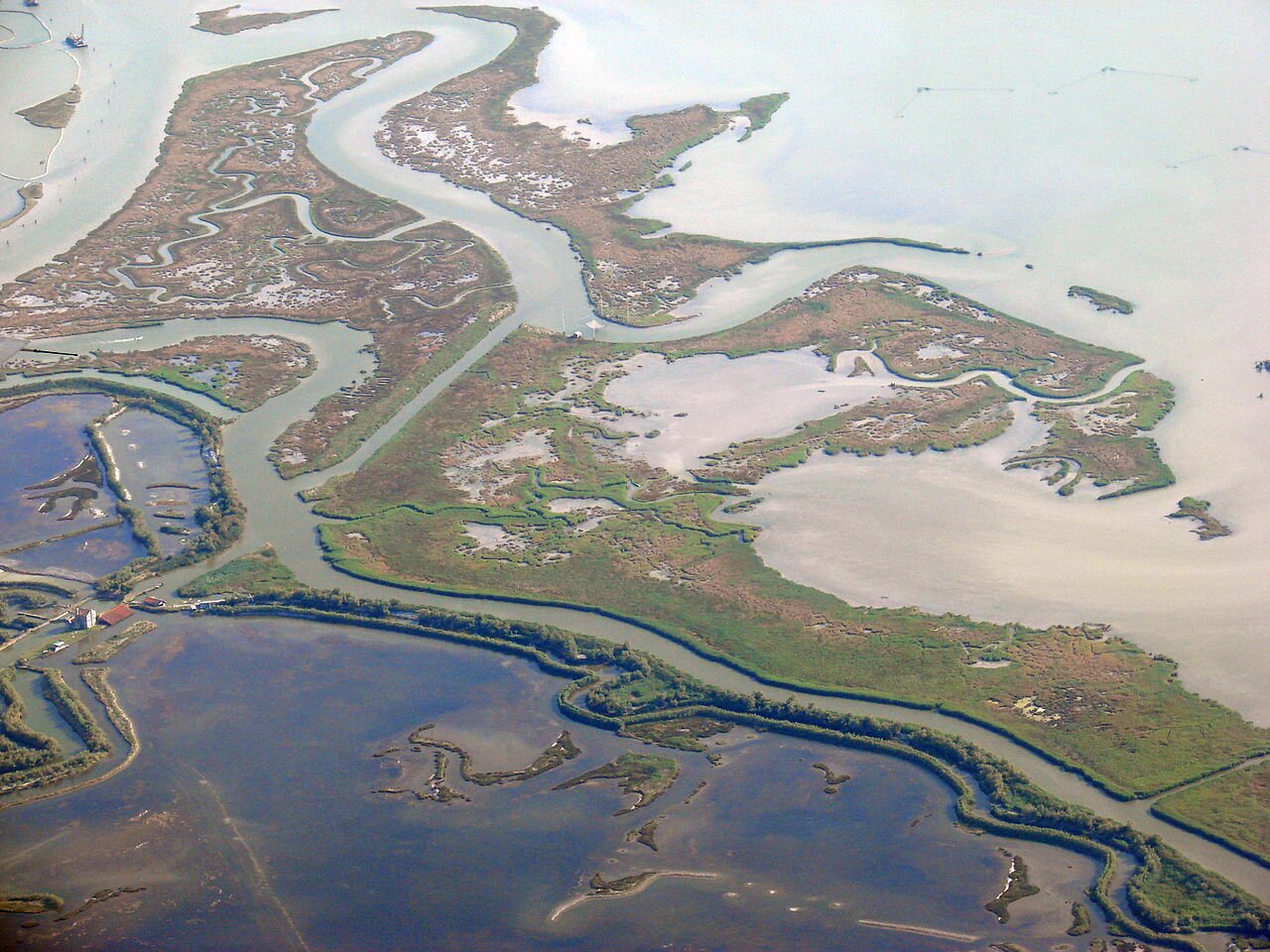
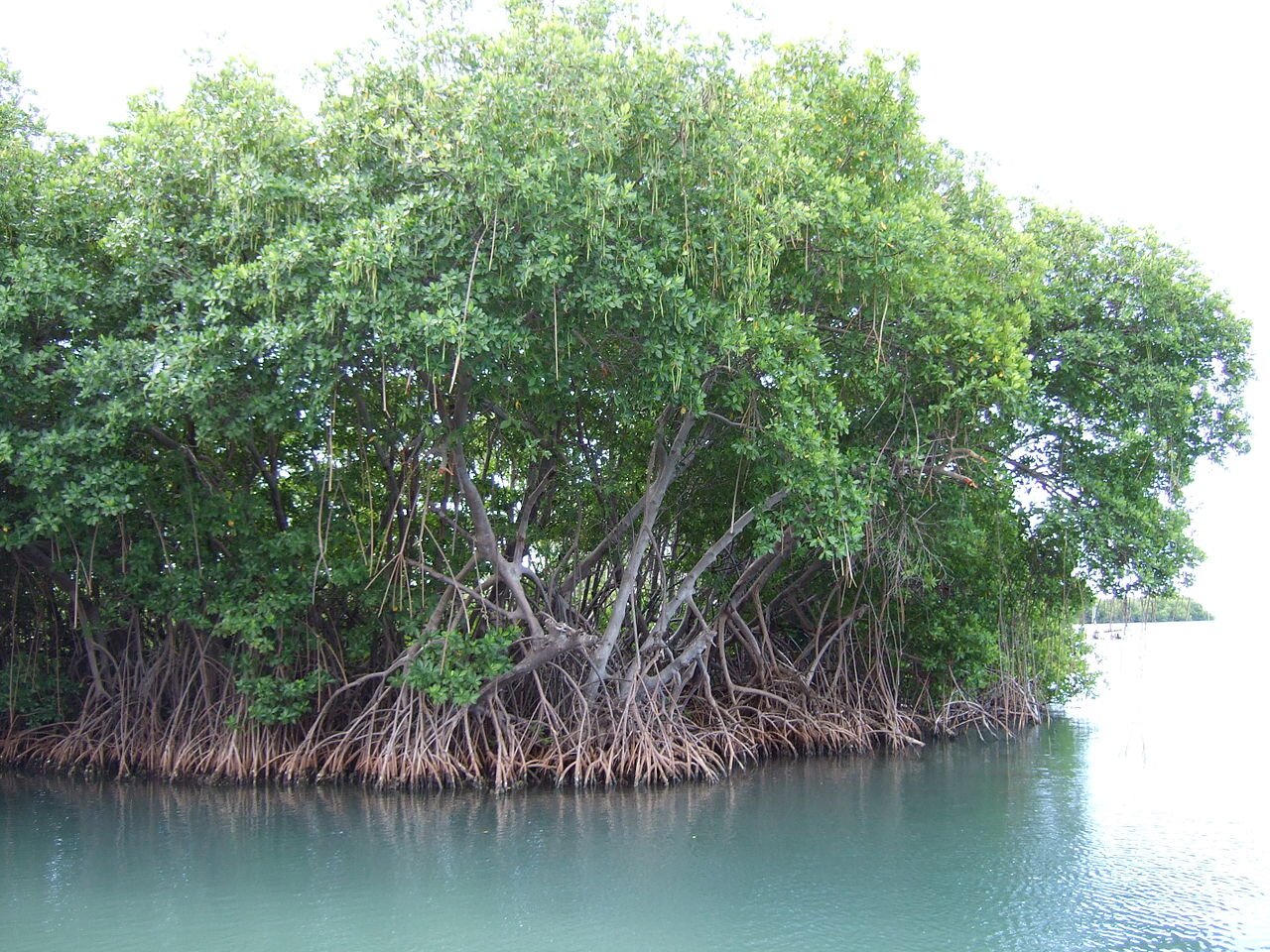
Coast type name | Origins | Characteristics | Example of location |
SPIT COASTSPIT COAST | formed by coastal currents and waves | narrow sandy peninsulas cutting off the bays from the sea and transforming them into lagoons or lakes | southern coast of the Baltic Sea |
DELTA COASTDELTA COAST | formed mainly by rivers | areas in the shape of a triangle or fan, expanding into the sea or rising upstream (inverted delta) | deltas of the great rivers: Amazon, Nile, Ganges and Brahmaputra, Mississippi, Danube, Volga and others |
BARRIER ISLAND COASTBARRIER ISLAND COAST | sandy embankments built by sea currents and high tides | narrow sea strips (lagoons) cut off from the open sea by sandy shafts (lido) | northern Adriatic coast, south coast of the United States (on the Gulf of Mexico) |
MANGROVE COASTMANGROVE COAST | created by the accumulation of marine sediments by the growing roots of plants forming mangrove forests | difficult to cross, marshy, dense, tangled forests covering flat banks flooded with high tide | numerous flat coasts in the tropic zone with a humid climate |
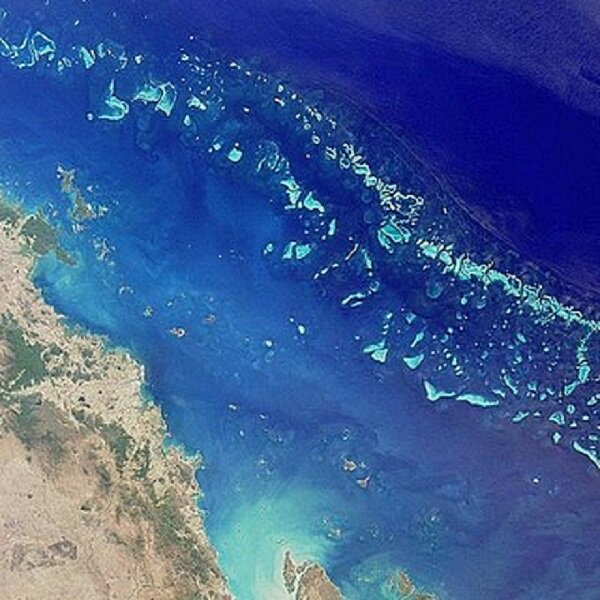
REEF COASTREEF COAST | formed as a result of the growth of the reef forming species e.g. corals that enlarge the reefs | flat reef islands, often in the form of a ring of land, so‑called atoll, surrounding a shallow lagoon | shallow, warm and salty coasts in the tropic zone |
SKERRY COASTSKERRY COAST | created in partially submerged areas, where there are hills (skerries) with a surface smoothed by a glacier | hundreds of small flat islands separated by shallow straits | coasts of Finland, Scotland and Alaska |
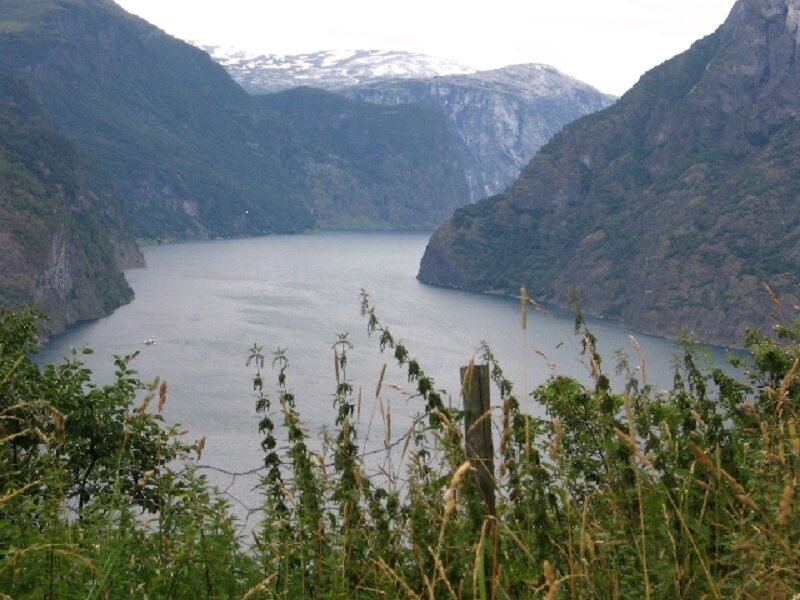
FIORD COASTFIORD COAST | created by submerging (most often as a result of the sea level rise after melting glaciers) the lower parts of the glacial troughs (valleys) | long narrow bays with a depth of over 1 thousand meters and steep shores, penetrating the land for dozens or even hundreds of kilometers | Norway, Scotland, Greenland, Alaska, New Zealand |
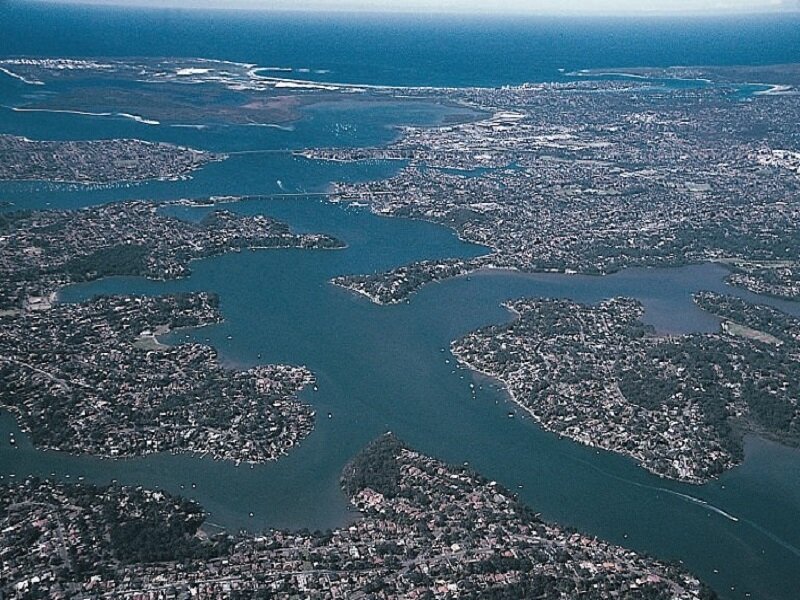
RIA COAST | formed as a result of flooding valleys between parallel mountain ridges, located transversely to the shoreline | long winding bays from the sea and equally long and winding peninsulas from the land side | Ireland, West France, Portugal |
DALMATIAN COASTDALMATIAN COAST | resulting from the flooding of mountain valleys located parallel to the coast | long islands parallel to the shore | Croatia, California |
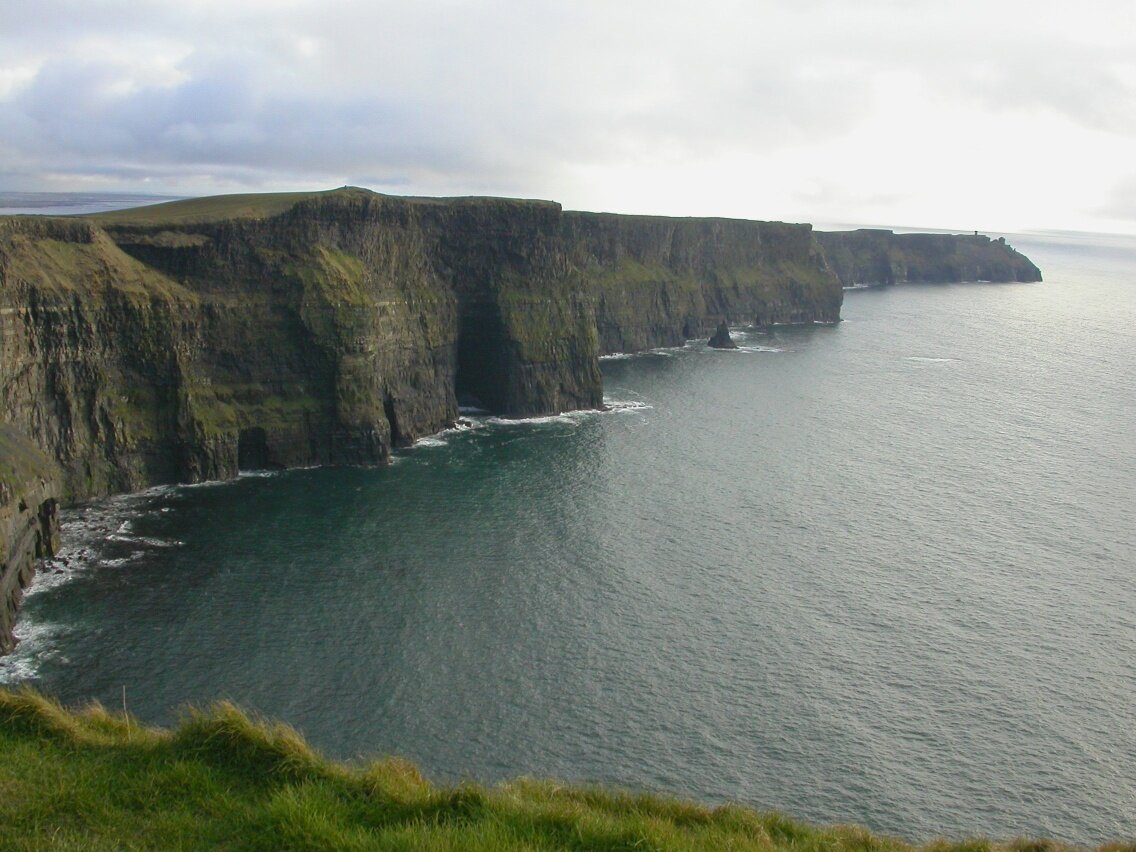
CLIFF COASTCLIFF COAST | formed as a result of the destruction of the high bank by sea waves (abrasion) | high steep banks called cliffs, undercut by waves forming abrasive niches at the base of the shore and churning abrasion platforms in the bottom of the sea, parallel to the shore | Normandy, Great Britain, the southern coast of the Baltic Sea in Wolin and around Trzęsacz, Rozewie and Puck |
Arrange the picture. What type of coast presents the photograph? List the most important features of this coast.
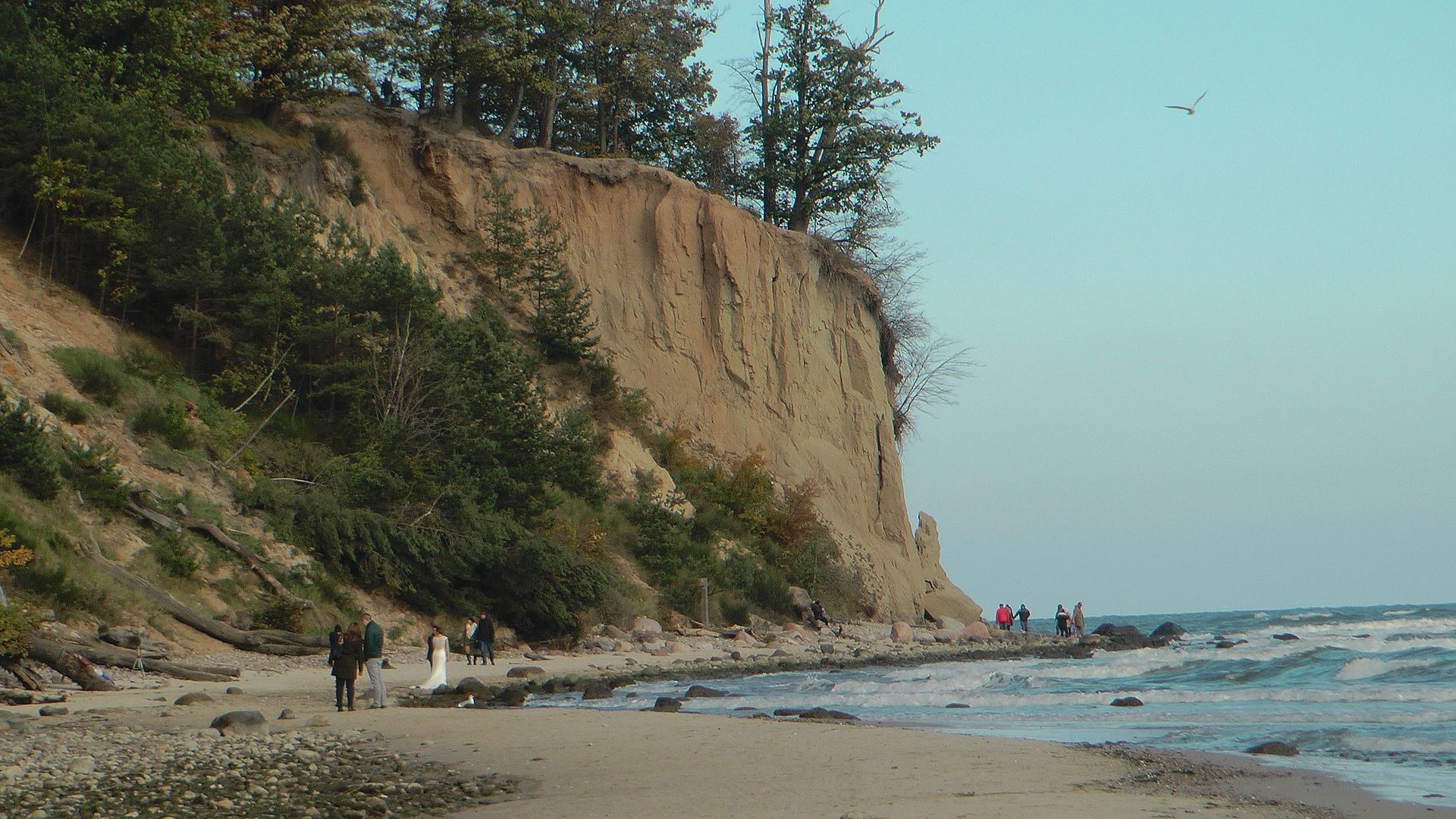
Many factors influence the form of the narrow strip of land adjacent to the shoreline – the coast. The most important are: the magnitude of waves and the associated destructive and accumulating processes, intensity of sea tides, strength and direction of sea currents, geological structure, epeirogenic and isostatic movements, coastal vegetation, and many others. Some coasts are growing as a result of various processes, other are retreating.
Select four factors that affect the shape of a sea coast from the list below.
- intensity of sea tides
- air temperature
- salinity of the sea
- geological structure
- coastal vegetation
- strength and direction of sea currents
Move individual types of coasts to the appropriate group.
ria coast, cliff coast, barrier island coast, reef coast, delta coast, spit coast, dalmatian coast, skerry coast, flooding the area, fiord coast, mangrove coast
| Types of coast formed as a result of submering or flooding the area | |
|---|---|
| Types of coasts formed as a result of other processes |
Keywords
accumulation, sea tides, isostatic movements, coast
Glossary
wybrzeże lagunowe – wąskie pasy morza (laguny) odcinane od otwartego morza piaszczystymi wałami (lido)
wybrzeże klifowe – wysokie strome brzegi nazywane klifami, podcinane przez fale tworzące nisze abrazyjne u podstawy brzegu i usypujące platformy abrazyjne w dnie morza równolegle do brzegu
wybrzeże dalmatyńskie – długie wyspy równoległe do brzegu
wybrzeże deltowe – obszary w kształcie trójkąta lub wachlarza rozrastającego się w głąb morza lub narastającego w górę rzeki (delty wstecznej)
wybrzeże fiordowe – długie wąskie zatoki o głębokości nawet ponad 1 tys. m i stromych brzegach, wchodzące w ląd na dziesiątki, a nawet setki kilometrów
wybrzeże namorzynowe – trudne do przebycia, bagniste, gęste, splątane lasy obejmujące płaskie brzegi zalewane przypływem
wybrzeże rafowe (koralowe) – płaskie wyspy rafowe, często w postaci pierścienia lądu, tzw. atolu, otaczającego płytką lagunę
wybrzeże szkierowe – setki małych płaskich wysepek poprzedzielanych płytkimi cieśninami
wybrzeże mierzejowe – wąskie piaszczyste półwyspy odcinające zatoki od morza i przekształcające je w zalewy lub jeziora