How does nature change in autumn and winter?
what are the changes in the weather;
how to measure the weather;
why do we have seasons;
describe how animals prepare for winter;
discuss the role of migration and hibernation for animals;
explain why many plants lose their leaves for the winter.
Autumn and plants
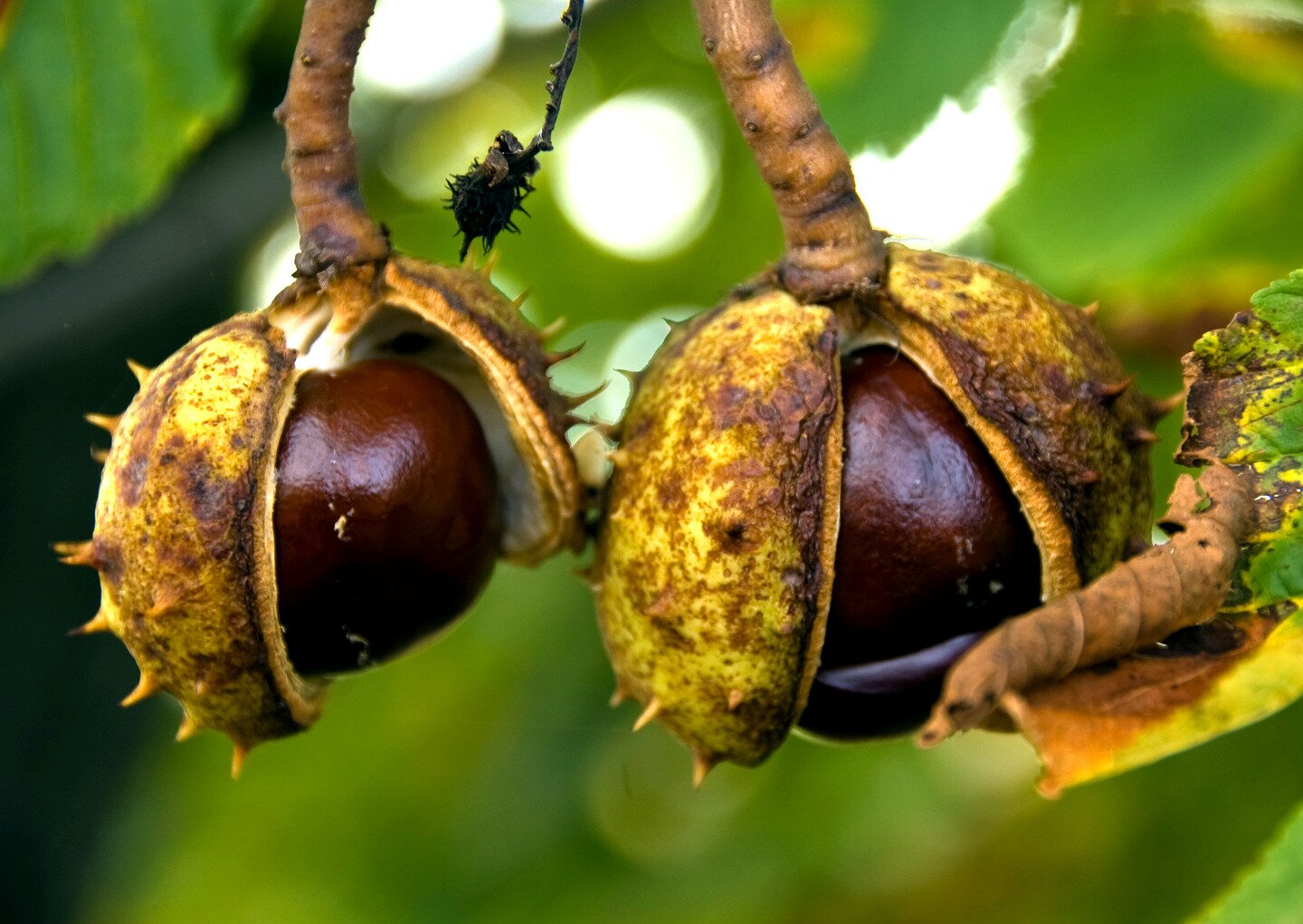
By the calendar, autumn starts on September 23. The night falls faster this season and it gets colder. Nature is preparing for the upcoming winter. As the temperatures drops, annual plants completely die – during winter only their seeds hidden in the soil survive. Perennials are perennial plants whose stems are not woody. They can gather nutrients and supplementary substances in their underground parts, such as rhizomes and bulbs. Although some of their stems die, their underground parts can survive adverse weather conditions. Thanks to this, perennials grow back in spring.
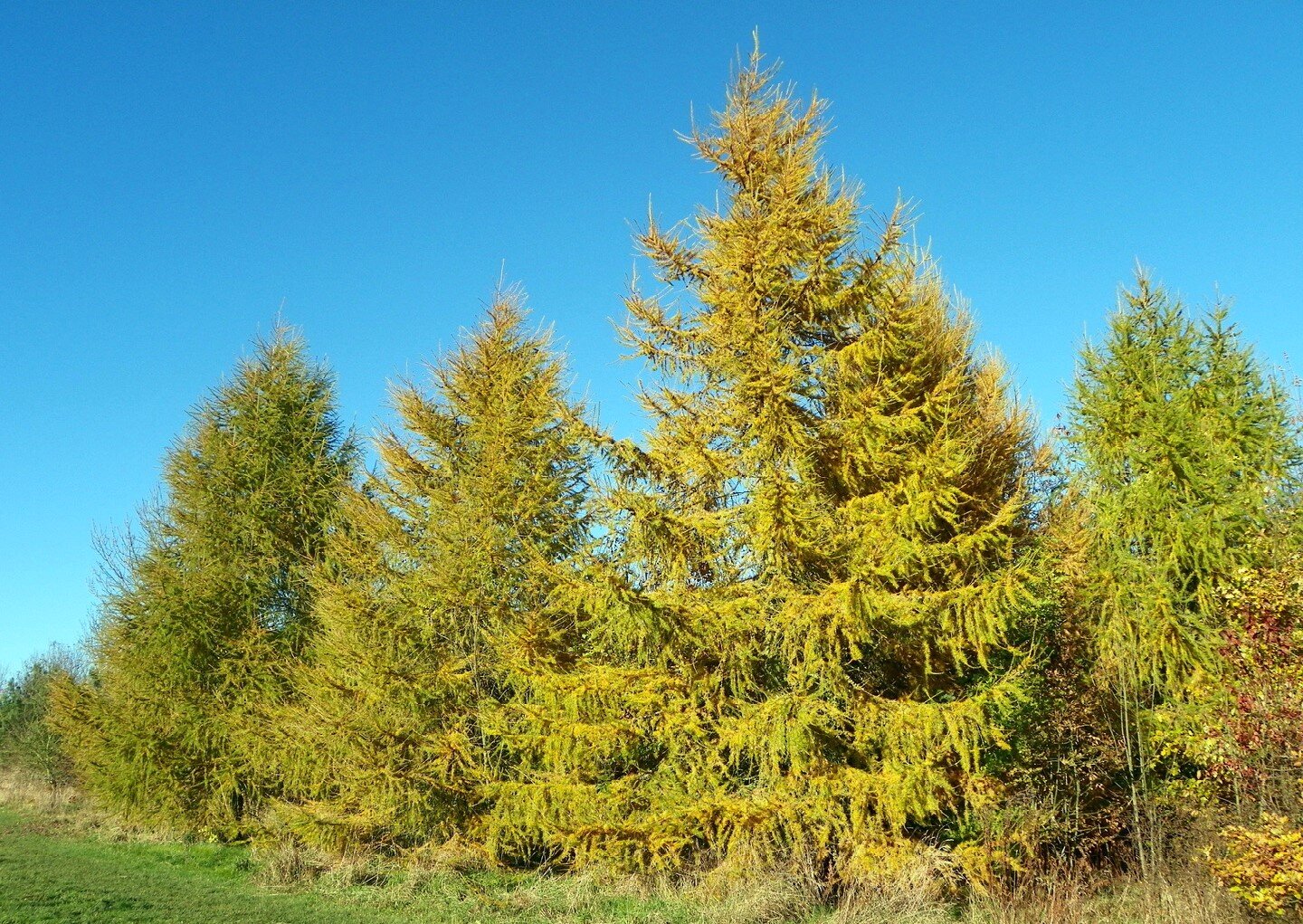
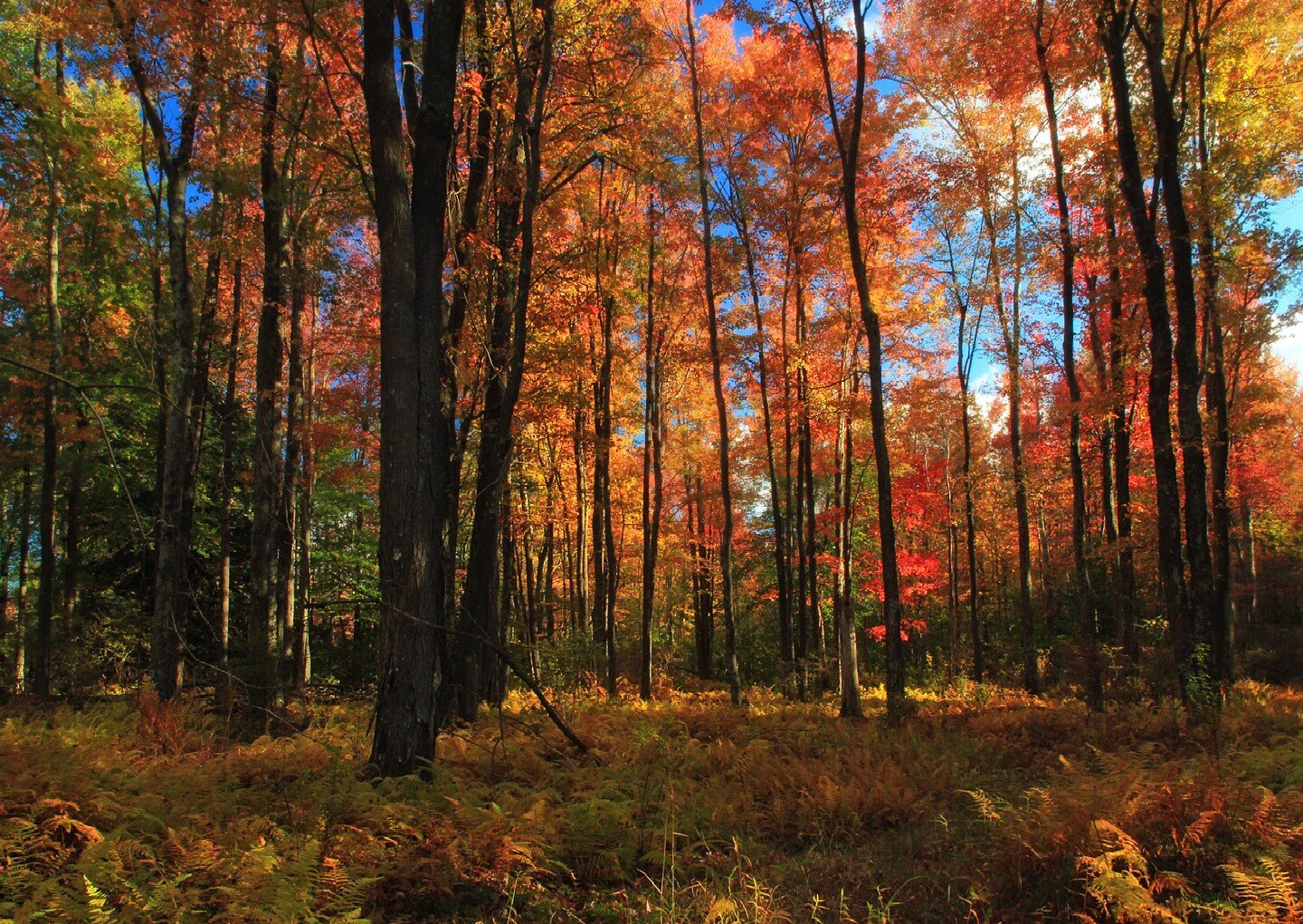
The leaves of plants with woody stems – shrubs and trees– change color and then fall. In this way, these plants limit their loss of water, which they can not gather because it is frozen. The shoots store nutrients, which increases their resistance to frost. Coniferous trees are different. They are evergreen plantsevergreen plants – it means that they do not lose their leaves for the winter. Fortunately, their needles, or their leaves, are very well protected from frost. It is covered with a substance that limits water evaporation. The only exception is larch, which loses all of it’s delicate and thin needles in the autumn.
How do changes in vegetation affect other organisms?
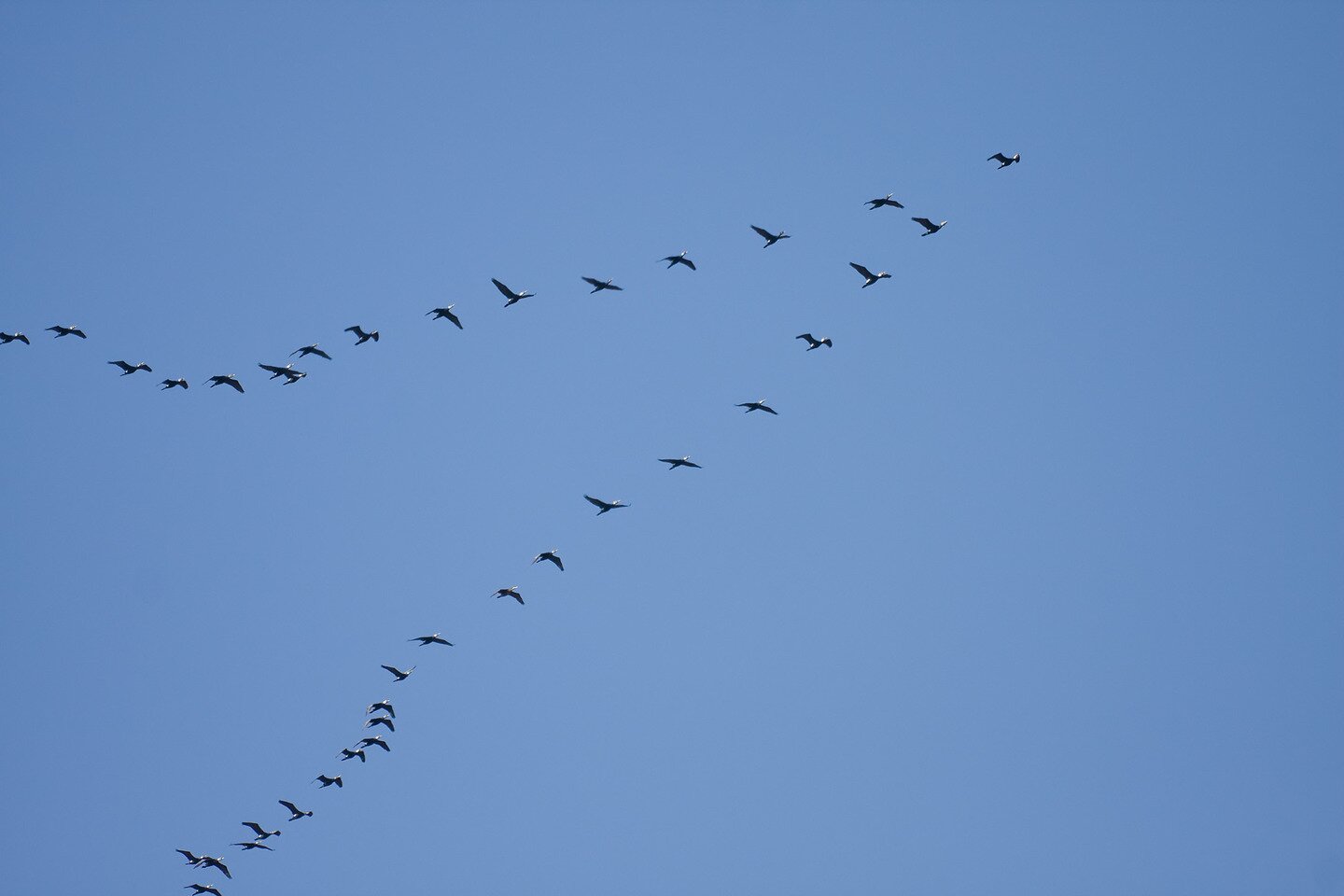
Autumn for animals means the arrival of the season when they have to deal with unfavorable weather and lack of food. That's why they use a variety of methods to survive this period. Many birds deal with it effectively by migrating to warmer countries. There they find the conditions suitable for survival.
Many animals do not change their location. For them, autumn is a period of increased work in collecting supplies for the winter and looking for hiding places. At the beginning of this season, many plants produce fruits and seeds that are eaten herbivores. Some of these animals fill themselves with food, many of them gather food in nests, dens and hollows. Mammals that are active in the winter, moult – they change their fur to a denser, warmer one. Thanks to this, animals that stay during the cold season in Poland have a chance to survive the winter.
Nature in winter
The winter temperature is low, often below zero. There are snowfalls and rains, and rivers and lakes can be frozen. For nature, it is a time of rest, but it’s also a challenge – how to survive without any food? At this time of year, some animals, including insects, snails, amphibians and reptiles, hide in rotten tree trunks, in forest litter, caves or simply bury themselves deep underground or in the mud at the bottom of the water sources. Some, like bats, bears, badgers and many rodents, fall into a winter sleep called hibernationhibernation. Animals in this state can slow the beating of their hearts down to three times per minute. Their breathing is also slowed and their body temperature drops to several degrees Celsius. Thanks to this, these animals hardly consume energy and can survive the winter without feeding.
Birds and many mammals remaining in Poland and exhibit normal activity at this time of year. Their fur and undercoatundercoat become denser and warmer. The Color of feathers and hair often gets brighter, so that the animals are hardly noticeable in the snow. Finding food is a big problem. Wild boar, roes and deer dig in the snow, eating the remnants of grass, roots or fruit after autumn. Usually the forest is able to feed its inhabitants. Sometimes, however, in a period of exceptionally snowy and long winters, foresters must feed the animals. They leave hay, carrots, cabbages and cereal grains in their pastures.
Winter guests
Most birds fly from Poland at the end of summer and autumn. In winter, we mainly see those who live here all year round. In the place of birds departing for the winter, others - belonging to the same species - come from colder countries. Such is the case with rooks, jays, jackdaws or goshawks.
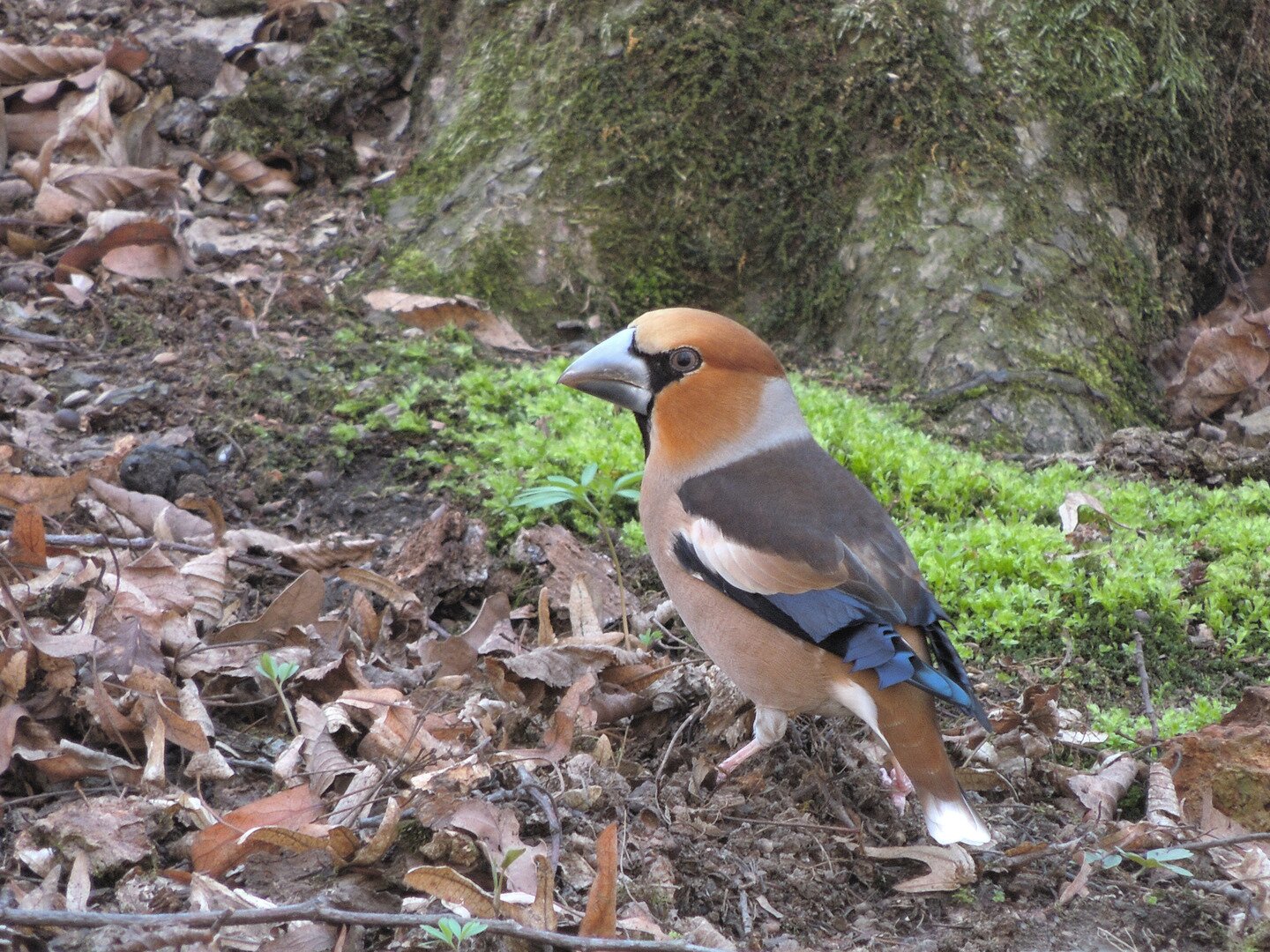
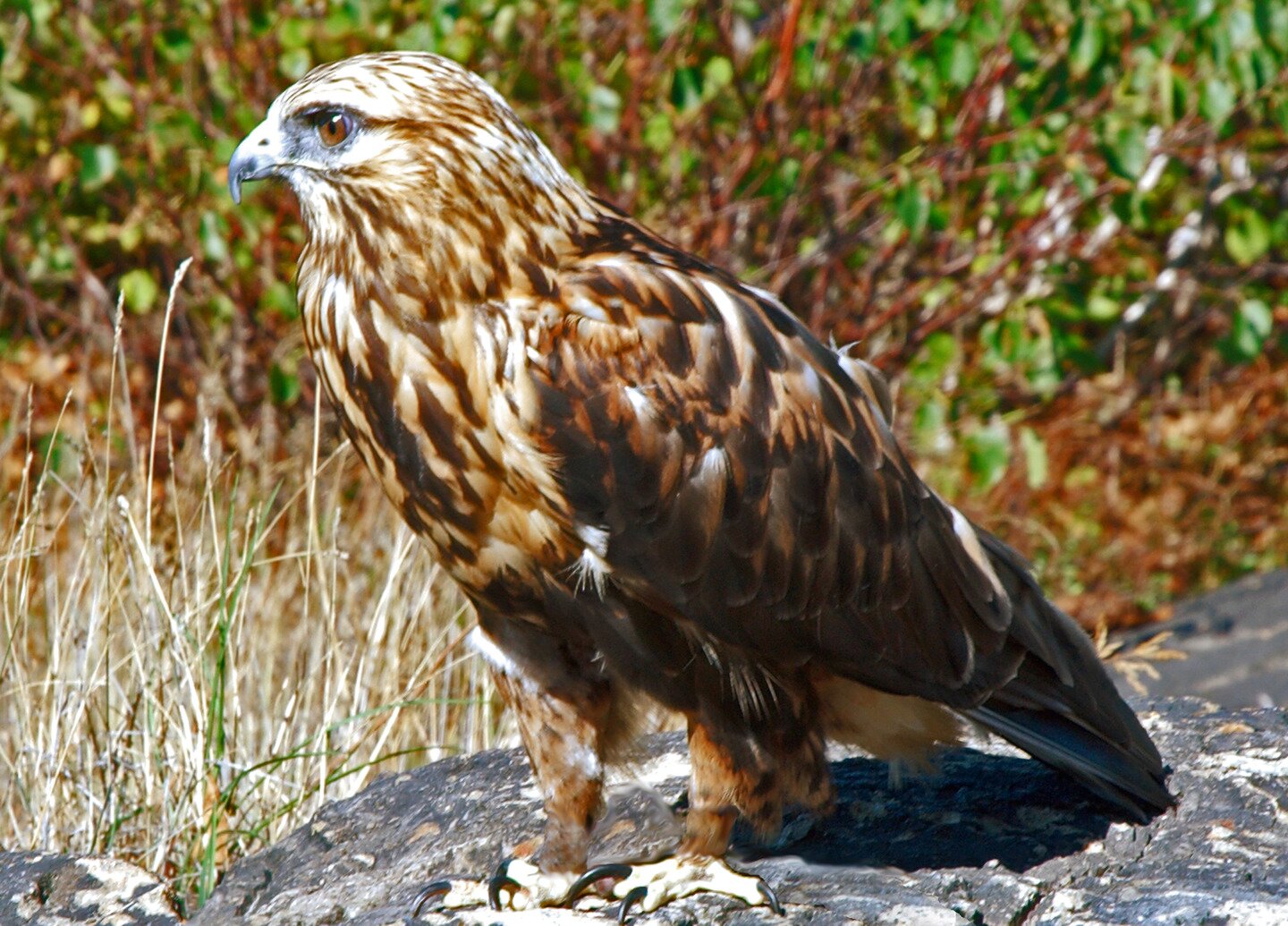
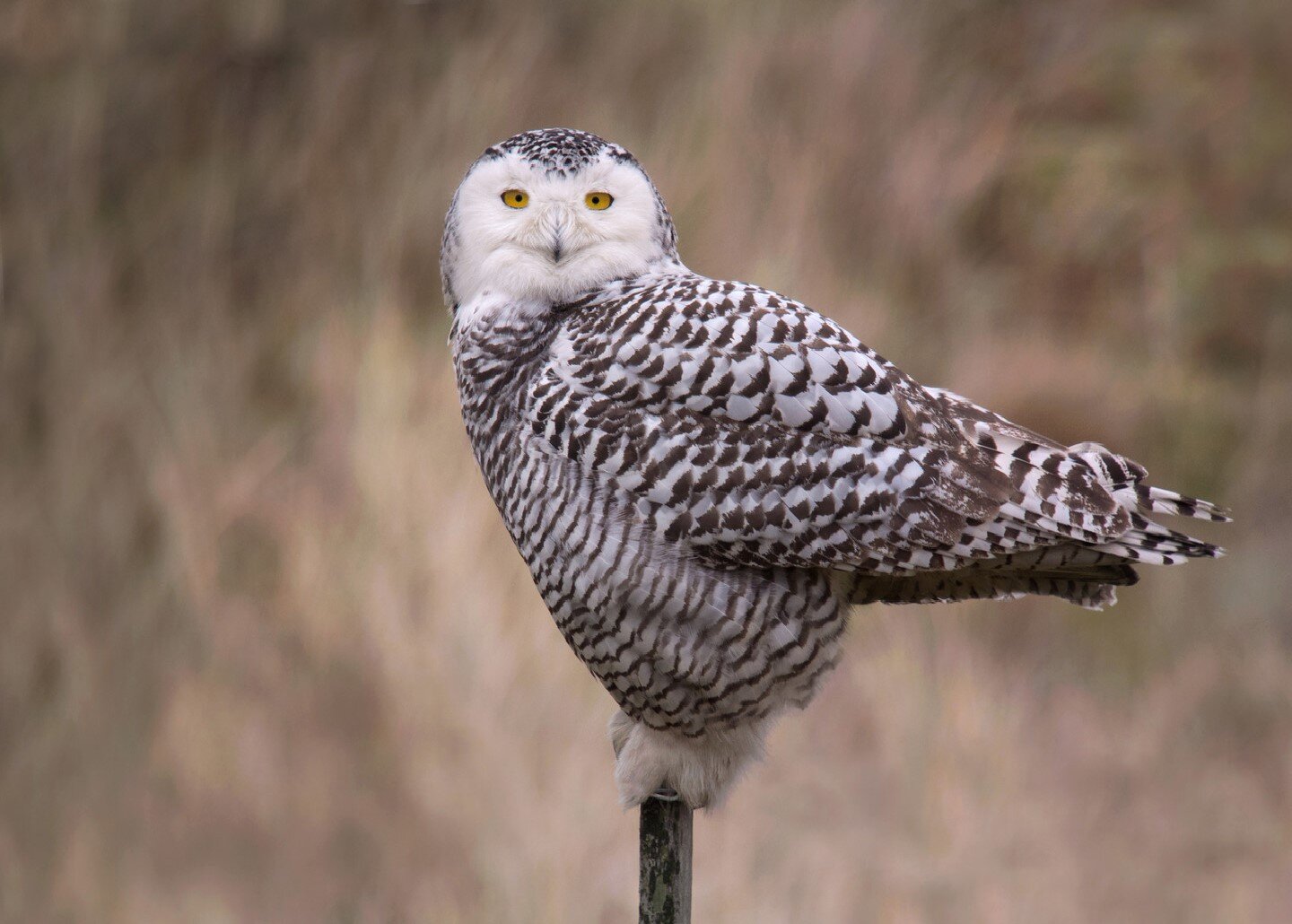
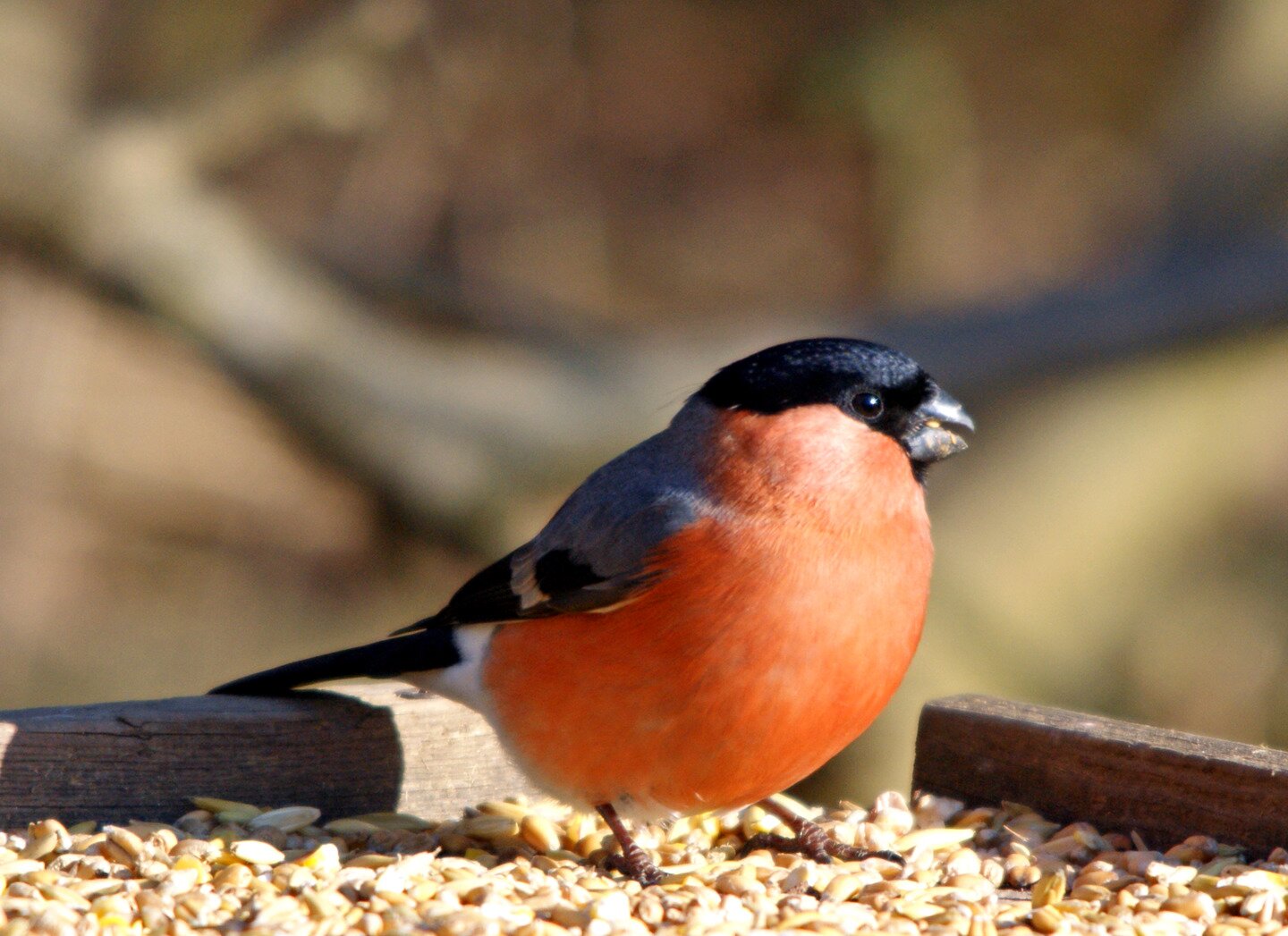
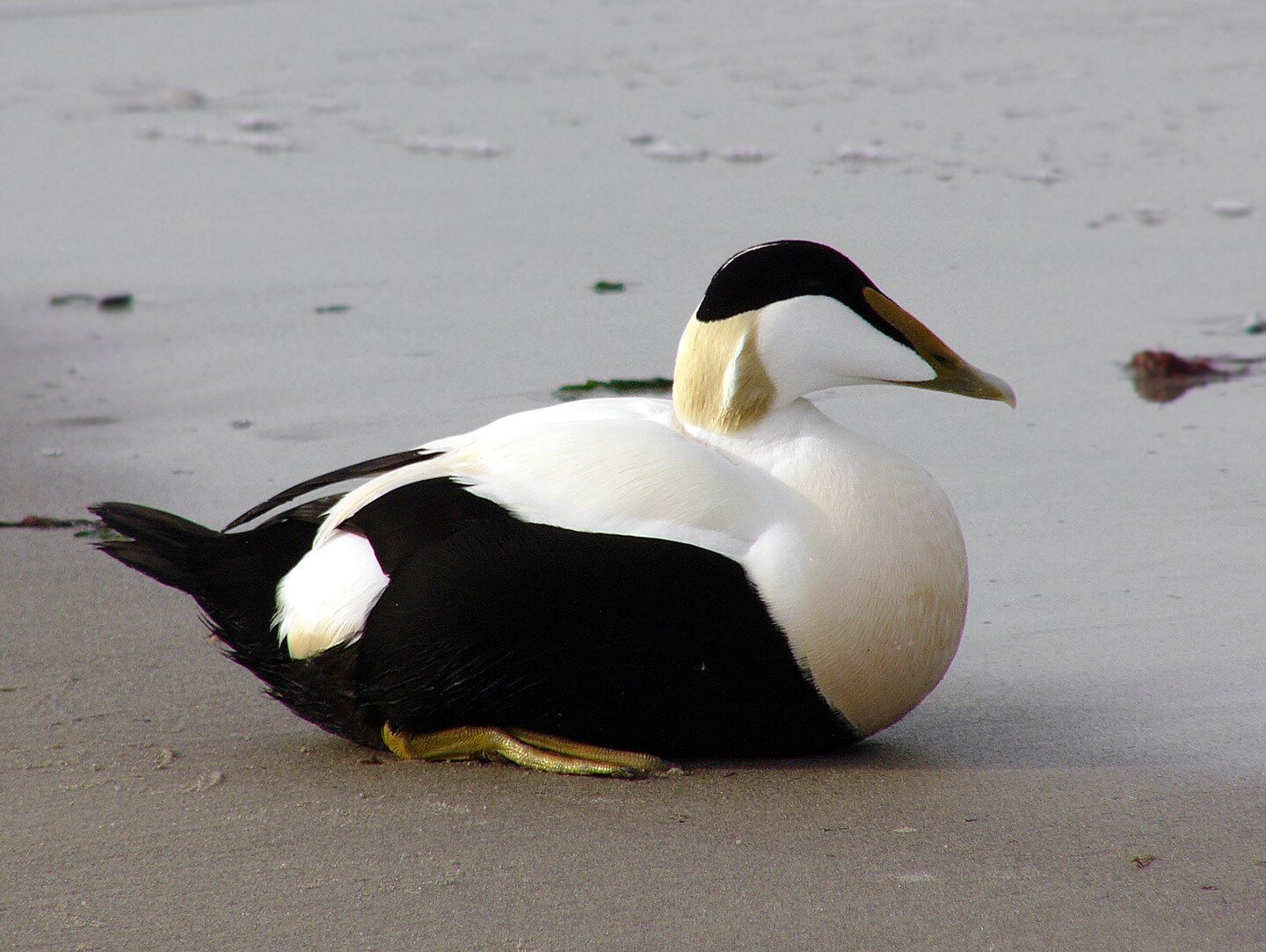
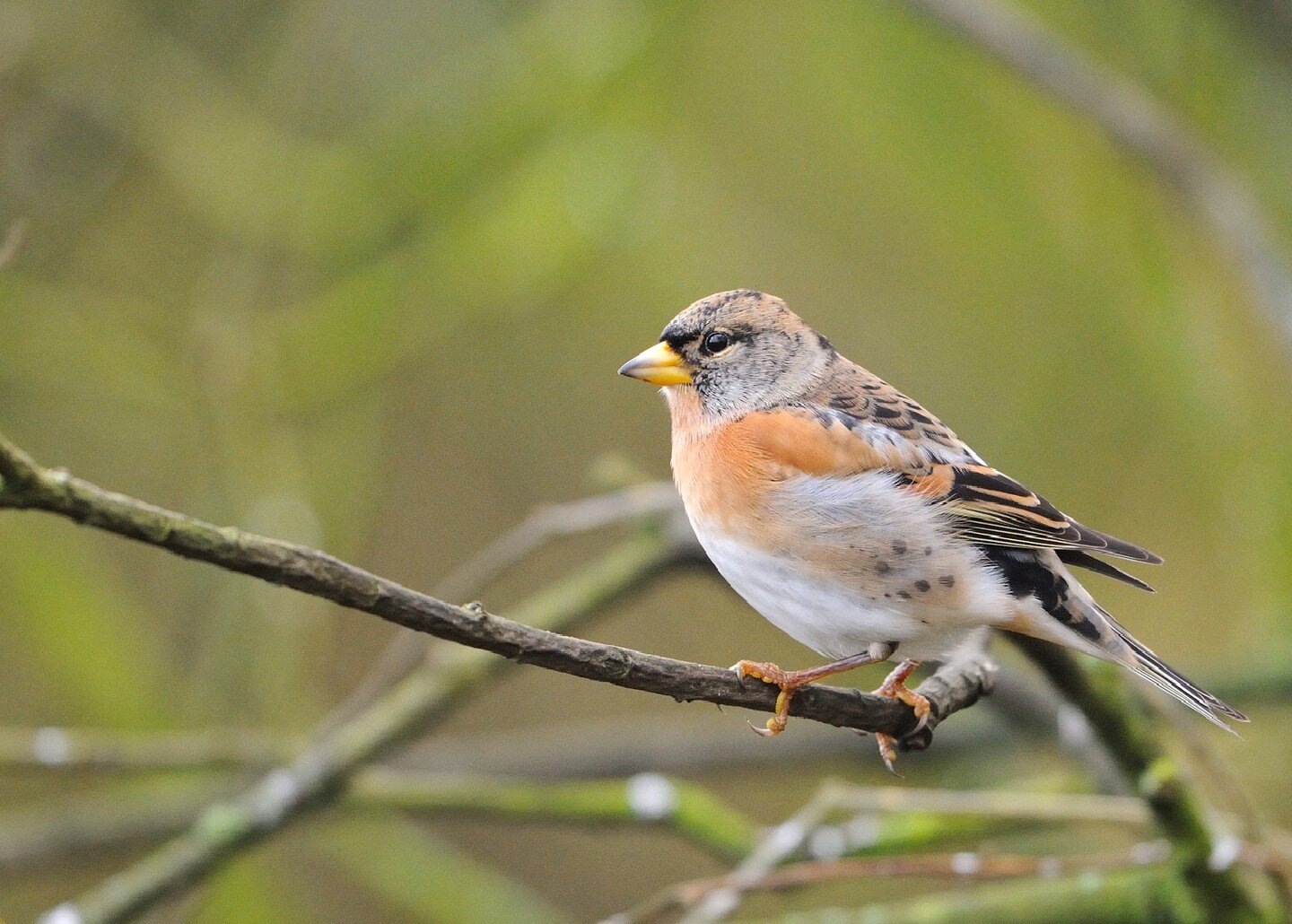
In winter, you can also observe birds that are not found in Poland during the summer. These include, for example, bohemian waxwings and bullfinches. Why are they coming? They come from the east and from northern Europe, where winter is much more severe. They really like many trees, such as rowan or mistletoe, whose fruits are excellent food for them. Wintering birds also include crossbills. During mild winters, we also provide shelter for water birds, such as long‑tailed ducks, velvet scoters and common eiders. Some of them can be found only on the seashore. Sometimes large predators also migrate to Poland, such as buzzards and snow owls.
Choose the correct terms which describe perennial plants before the winter.
- they die completely
- they drop seeds
- they collect supplies to survive
- they undergo the whole development cycle
Plants with woody stems in autumn:
- all die.
- bloom.
- lose their leaves.
Summary
In autumn, days become shorter and colder. For living organisms, it is a sign of the upcoming worsening of the weather due to shorter days and the lowering of the Sun above the horizon.
Lots of animals in autumn collect supplies for the winter; many birds fly away to warmer regions.
Winter is a dormant period for plants and many animals.
Weather conditions in winter in Poland favor some animals who migrate to our country.
Keywords
evergreen plants, undercoat, hibernation
Glossary
hibernacja – zjawisko polegające na spowolnieniu czynności życiowych, występujące u zwierząt narażonych na niekorzystne warunki, jak niska temperatura zimą
rośliny zimozielone – rośliny, które nie zrzucają liści na zimę
podszerstek – warstwa krótkich, bardzo gęstych włosów występująca u wielu ssaków, nieprzemakalna i chroniąca przed utratą ciepła; zimą podszerstek jest bardziej obfity niż latem