How does the immune system work?
lymph is a blood filtrate and contains numerous leukocytes;
lymphatic vessels have a similar structure to veins;
in the organs of the lymphatic system, cells of the immune system arise.
exchange elements of the immune system;
describe the mechanisms of non‑specific immunity;
explain the role of macrophages, T lymphocytes and B lymphocytes in specific immunity;
indicate the difference between active and passive immunity;
compare the effects of serum and vaccine;
explain what transplantation is and discuss the importance of transplants.
The body's immune system
The human body is exposed to harmful factors every day. To survive in this environment, it uses mechanisms that fight infections.
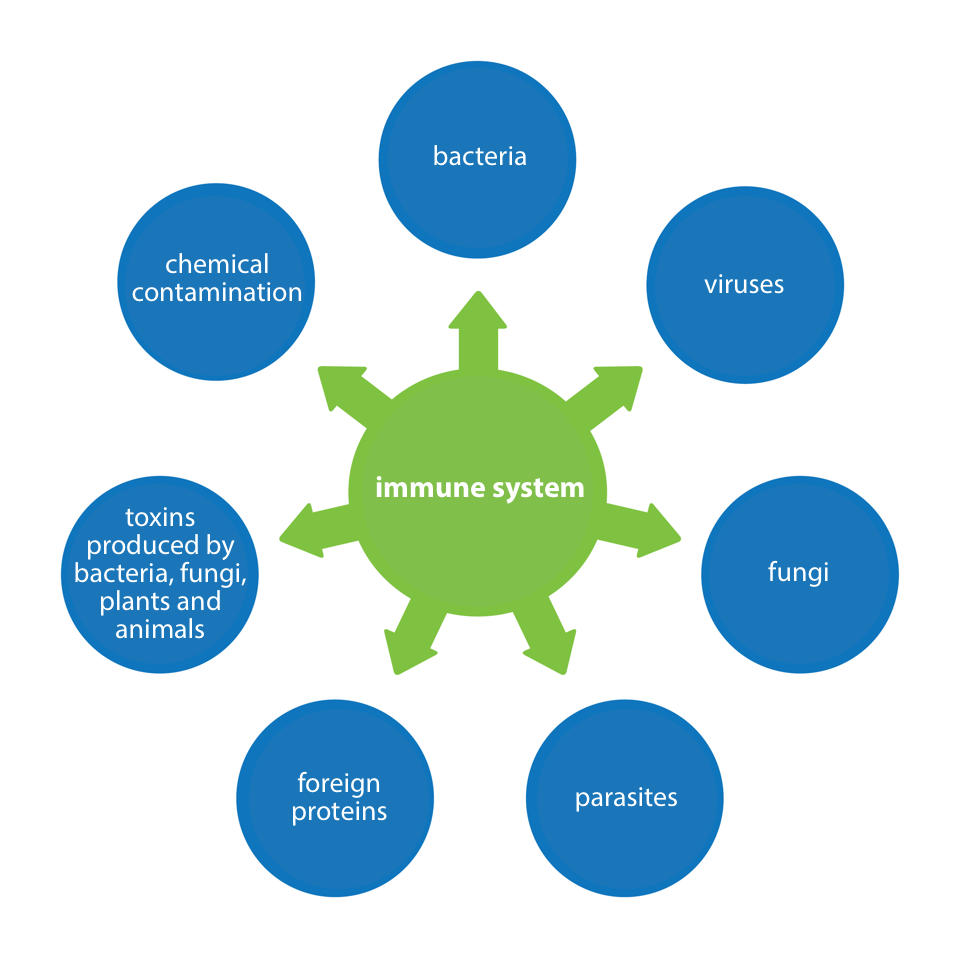
The basic task of the immune system is to distinguish between the enemy and its own cells. The cells have special, unique proteins on the surface - antigens that act as identification cards. Thanks to them, the immune system is able to identify bacteria, fungi, viruses, toxins and contaminants as foreign and tries to destroy them.
Non‑specific immunity
The body has 2 defence systems – non‑specific and specific. Non‑specific immunityNon‑specific immunity can be acquired or congenital. Mechanisms of innate non‑specific immunity protect the body from the invasion of pathogens. This non‑specific immunity is based on physical, chemical and cellular barriers.
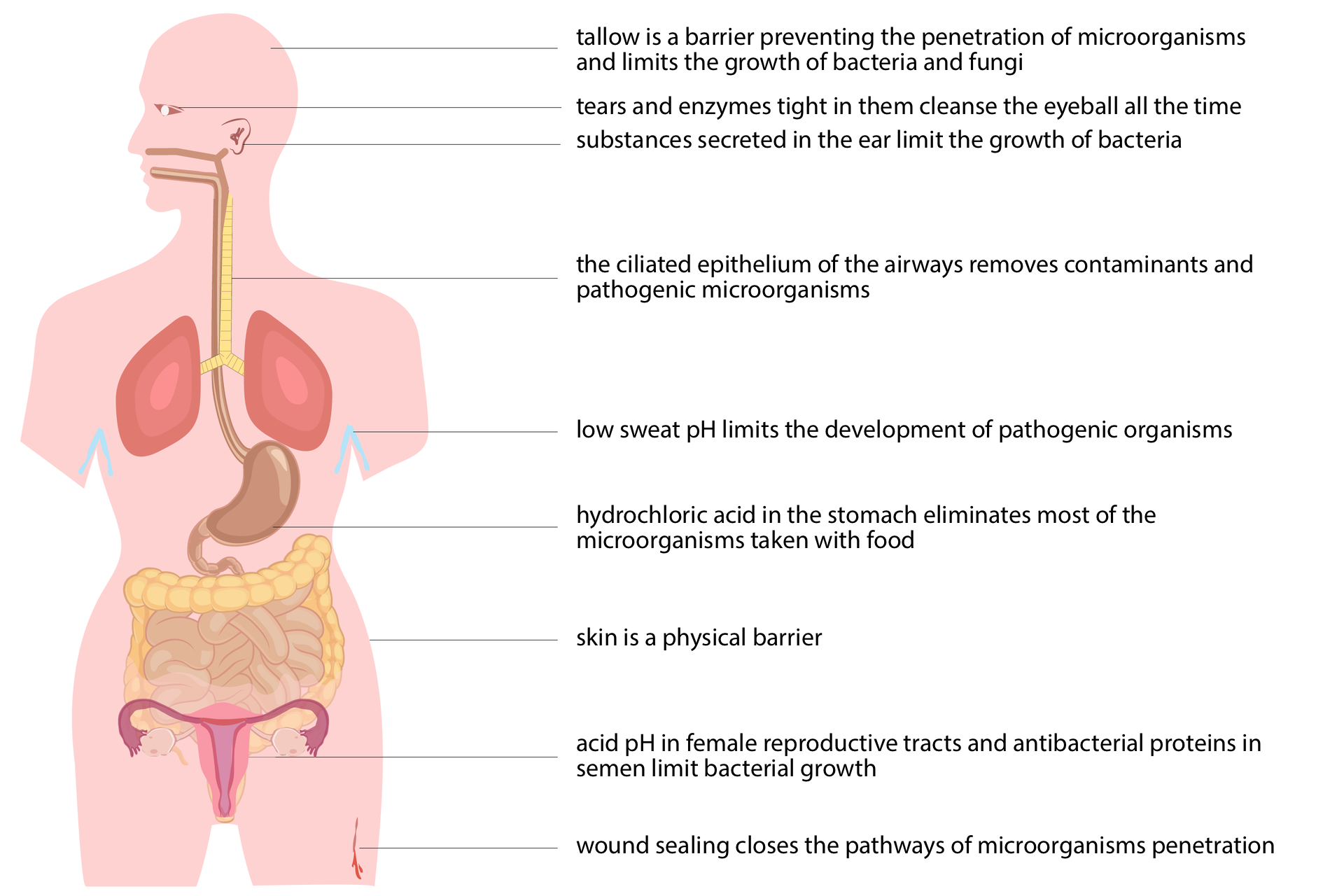
Physical barriers act as mechanical protection and are the first obstacle that pathogenspathogens encounter on their path. To prevent from the penetration of pathogens, the body is protected by the skin and the mucous membranes of the gastrointestinal, respiratory and urinary tracts. Defensive reactions such as sneezing, coughing and vomiting help to remove intruders from the body.
The chemical barriers are secretions: sweat, tallow, hydrochloric acid in the stomach and tears and saliva which contain substances that destroy bacteria and viruses. The cell barrier is made up of defensive cells including leucocytes and macrophages. They become active when pathogens overcome the physical and chemical barriers and penetrate into tissues. Leucocytes secrete substances that raise the body's temperature above normal. In this way, the body creates adverse conditions for the development of bacteria. Unfortunately, a very high fever is also deadly for the body itself.
Sometimes when we get hurt, bacteria can penetrate the wound which provides favourable conditions for multiplication. Macrophages travel to these wounds and move to fight bacteria. They devour them and then they themselves breakdown, releasing proteolytic enzymes. Inflammation occurs. The area around the wound becomes red, swollen and painful. Under the influence of enzymes, damaged and dead cells are digested and the wound is filled with pus.
Non‑specific immunity | ||
phisical barriers | chemical barriers | |
integumentary system | defense reflexe | sweat |
skin | sneezing | sebum |
mucous membrane of the gastrointestinal tract, respiratory tract | cough | mucus |
epithelia | vomiting | tears |
saliva | ||
hydrochloric acid | ||
Specific immunity
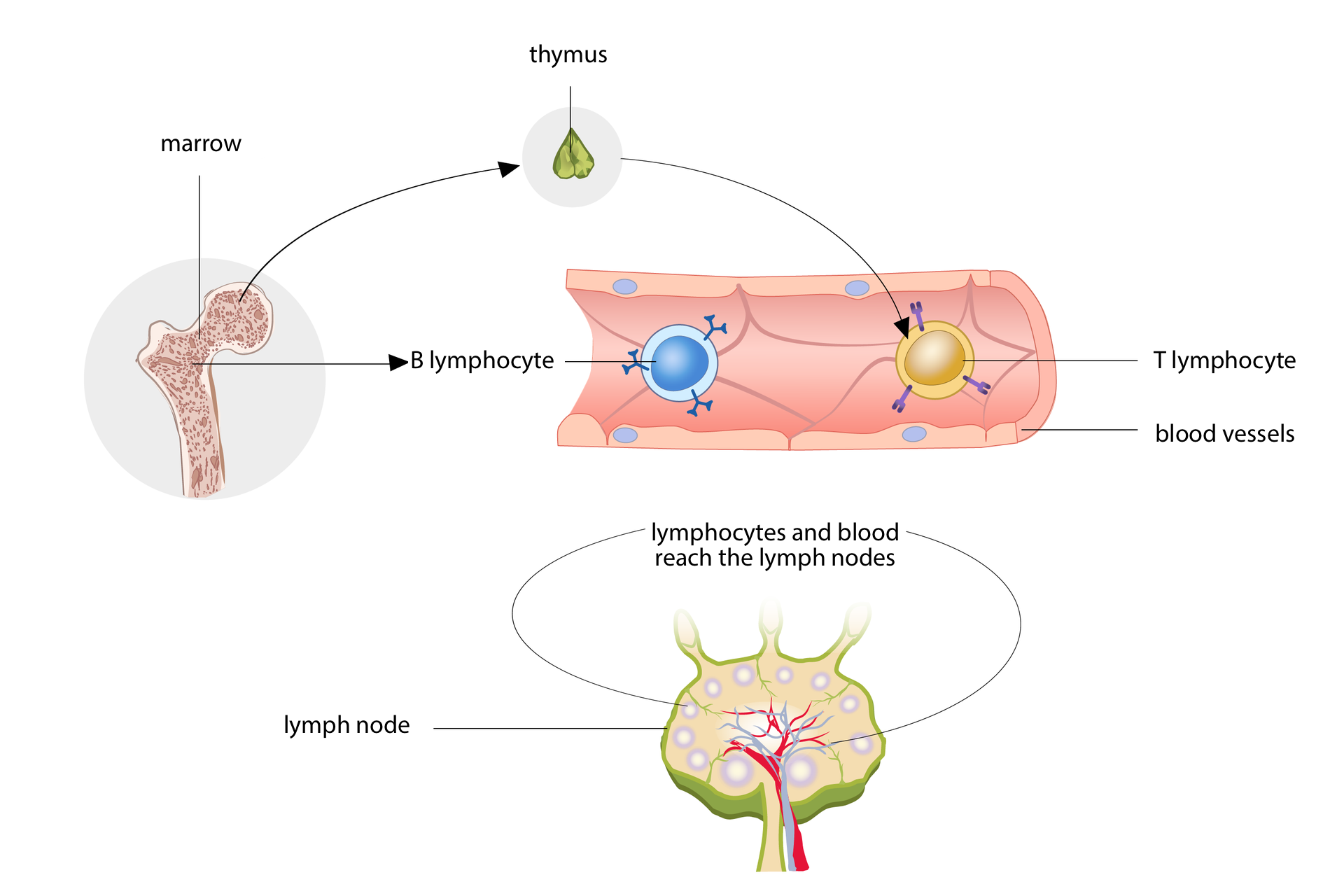
When the mechanisms of non‑specific immunity fail, pathogens enter and spread within the body's tissues. The immune system responsible for the creation of the specific immunityspecific immunity then becomes involved. It consists of recognising and disposing of specific microorganisms. There is mobilisation of white blood cells - macrophages and T- and B- lymphocyteslymphocytes.
Germs have specific proteins called antigens on the surface. B‑lymphocytes present in the blood produce antibodies specific to these antigens that match them like a key to a lock. At the time of contact with the foreign antigen, the number of antibodies in the body increases. After identifying the enemy, the antibodies surround it and signal for macrophages to destroy the indicated objects. After the eradication of the foreign object in the blood, a group of lymphocytes remain - memory cells, which in the event of another infection are able to quickly multiply and produce appropriate antibodies to fight the germs, preventing the development of infection.
T‑lymphocytes support immune system reactions. They are divided into several groups. Some excrete specific substances that destroy own cells, infected with microorganisms and those with cancerous changes. They are also responsible for the discards of transplanted tissues. The second group facilitates the activation of B lymphocytes and macrophages and secretes specific proteins that activate the body's defense mechanisms (eg anti‑drug production) and enable communication between cells of the immune system. The next group quenches the inflammatory reaction. The part of T lymphocytes has immunological memory, thanks to which we fight the next infection faster.
Will the antibodies produced by the B‑lymphocytes of a person suffering from tuberculosis be involved in the fight against measles virus, which 3 months later will enter the body of this person? Justify the answer with one argument.
Active and passive immunity
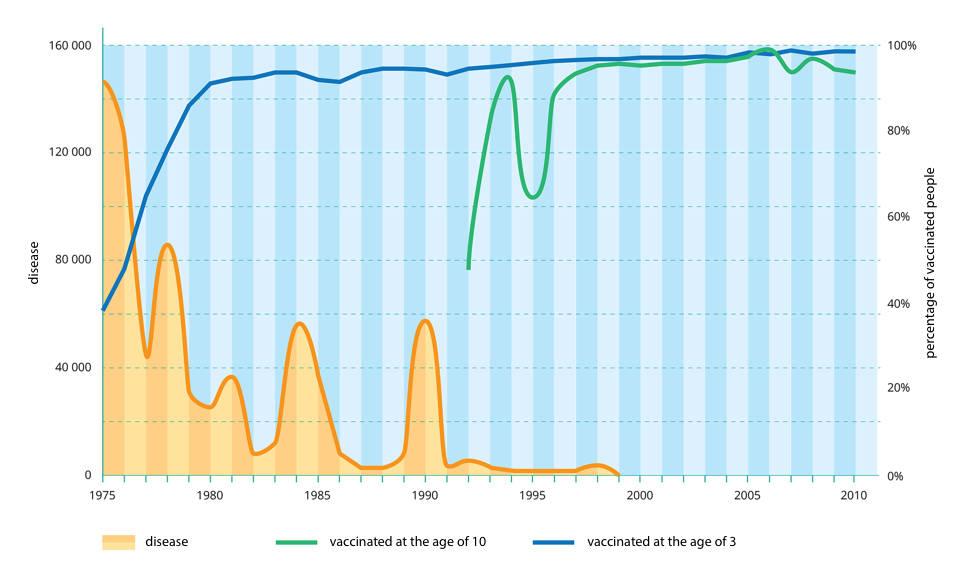
Active immunityActive immunity involves the production of antibodies and memory cells, either in a natural way as a result of an infection (natural active immunitynatural active immunity), or after administration of a vaccinevaccine (artificial active immunity). Vaccines contain weakened or killed pathogenic microorganisms. They mobilise the immune system but are too weak to cause disease. Vaccines are given in advance, before a person comes into contact with the germs. When a vaccine is given, the organism has ready‑made defense tools at the onset of a given pathogen, and prevents the disease from developing or combats it very quickly.
Some vaccinations are mandatory, others are recommended. The first ones are free of charge and run according to the vaccination schedule from the birth of a child up to age of 19. On the first day after birth, the child receives a vaccination against tuberculosis and hepatitis B. In subsequent years, they receive further vaccinations. The teenager should have the vaccine against diphtheria, tetanus and pertussis at the age of 14. This vaccination is repeated at the age of 19. Other vaccinations are recommended which provide for a wider protection against infectious agents. These include among others: influenza, tick‑borne encephalitis and human papillomavirus (HPV).
Passive immunityPassive immunity can be obtained thanks to ready‑made antibodies delivered to the body from the outside. For example, after being infected with a particularly dangerous disease serumserum is administered. It comes from the blood of animals that have gone through the disease and contains antibodies. They are ready to fight antigens immediately in the infected organism. In this way, you get the artificial passive immunityartificial passive immunity. Newborns have natural passive immunitynatural passive immunity - in their early lives, antibodies produced by the mother's immune system are transmitted by the placenta and then together with milk during breastfeeding.
Transplantation
The immune system can recognise, remember and distinguish between its own cells and others. Unfortunately, in some situations this skill of the immune system can be harmful rather than helpful. This applies to those sick people or victims of accidents, for whom the only way to save their health or life is transplantationtransplantation (graft). Acceptance of the graft depends on the compatibility of antigens on the surface of the recipient and donor cells. The greater the compatibility, the greater the chance of acceptance of transplant. 100% acceptance is achieved through auto‑graft (e,g. the transfer of a healthy skin fragment to a damaged part of the body of the same person). Transplants between identical twins who have the same antigens in general end successfully. The more distant the relationship between the donor and the recipient, the greater the likelihood of rejection of the transplant.
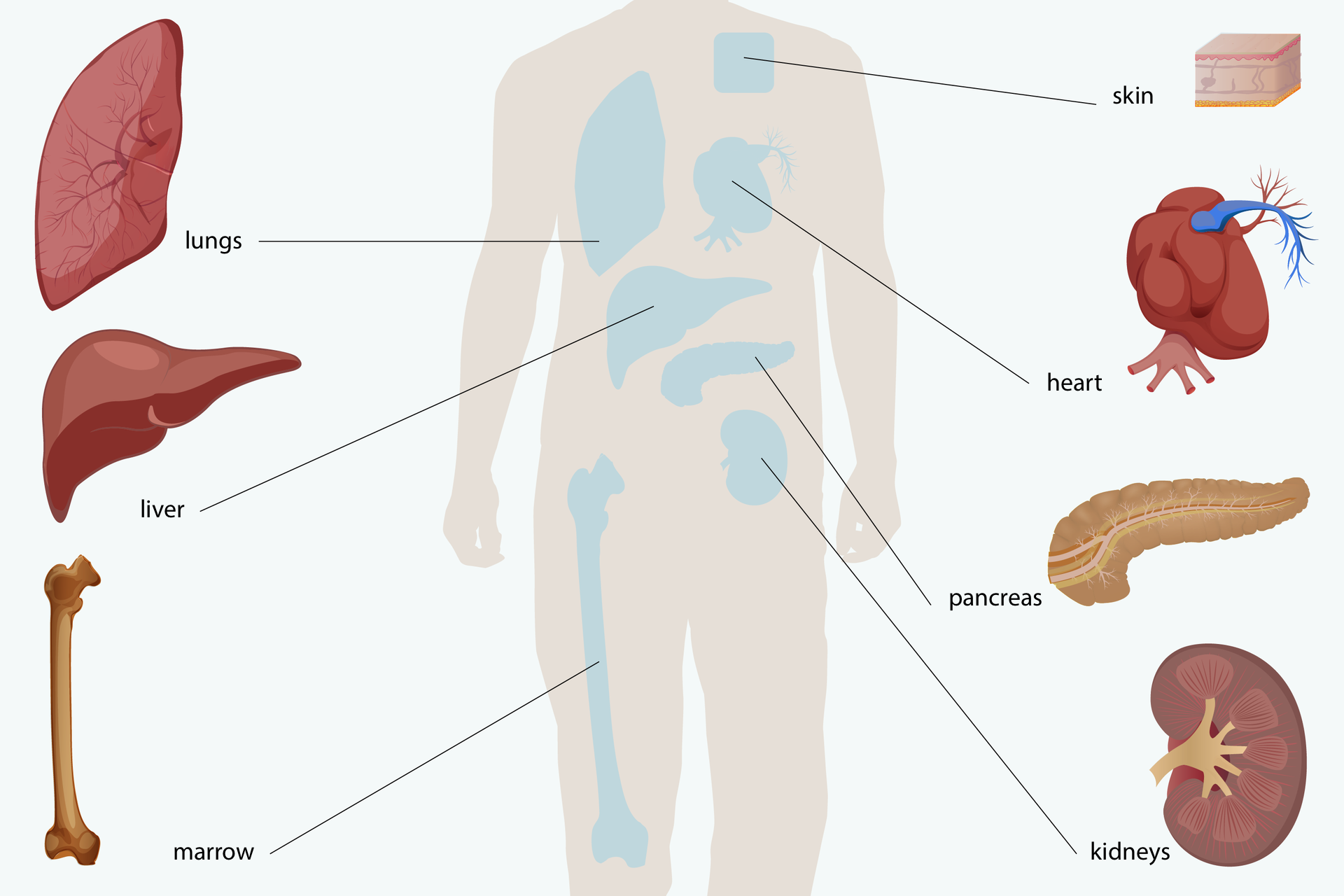
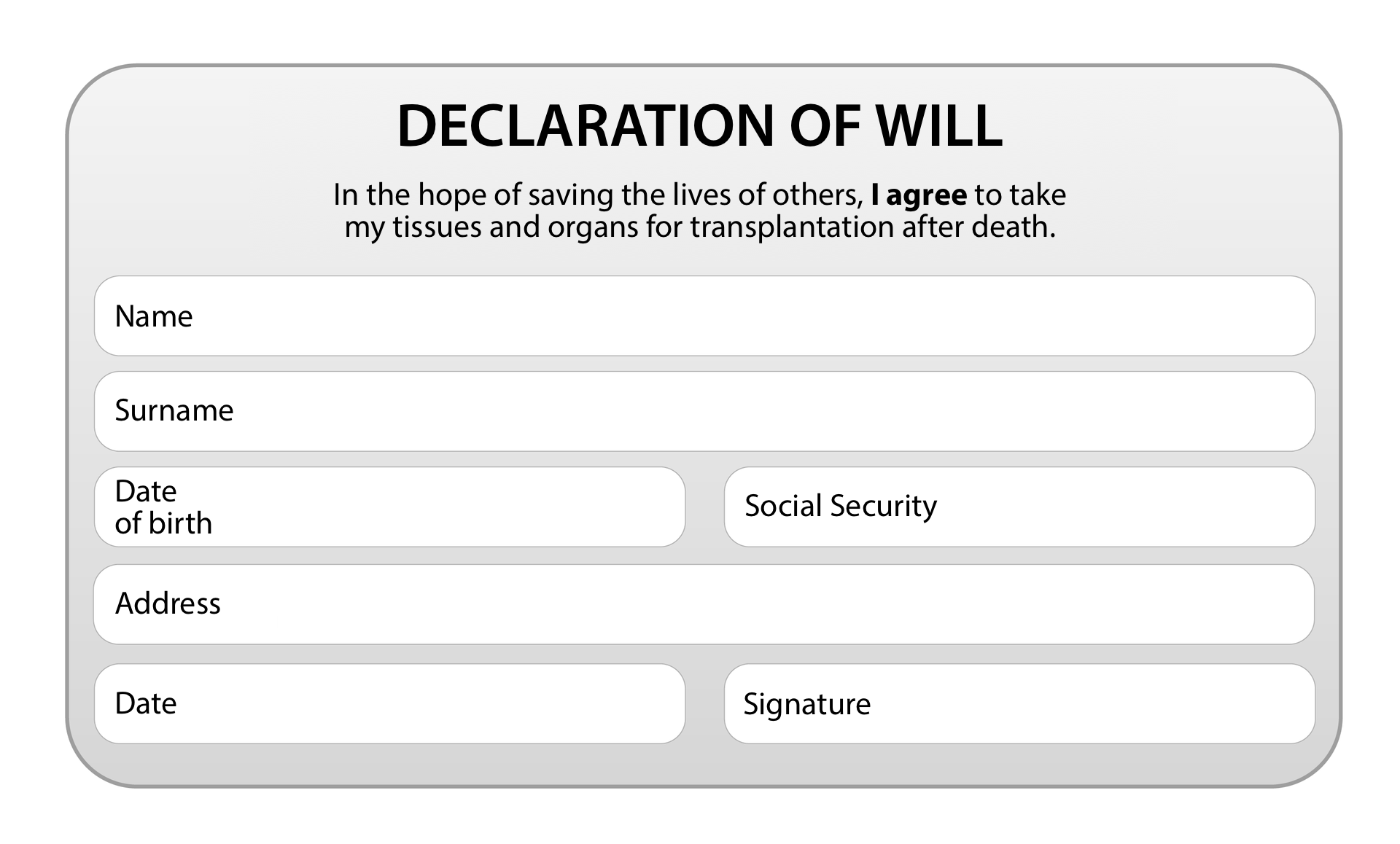
Most organ transplants come from deceased people. According to Polish law, when doctors have confirmed death, the person is a potential organ donor, provided that they have not previously expressed a written objection in the Central Register of Objections in the Organisation and Coordination Centre for Transplantation or as a verbal statement in the presence of witnesses. In practice, doctors discuss it with deceased's family. When the family does not agree to organ donation, their wish is respected and the deceased is withdrawn from organ donation. This is a reason why many patients can not be saved or be helped in making a recovery. Each of us are able to help our family and doctors with the decision by carrying a completed declaration of will.
The number of transplanted organs from dead donors in 2013, źródło www.poltransplant.org.pl | |||
kidney | liver | heart | lung |
1076 | 318 | 87 | 17 |
The number of transplanted organs from living donors in 2013, źródło www.poltransplant.org.pl | |||
kidney | fragments of the liver | ||
57 | 18 | ||
Select the mechanisms of innate immunity.
- Vomiting.
- Mucus secretion through the nose.
- Presence in the saliva and sweat of bactericidal substances.
- Inflammation of the skin.
Write down as many arguments as possible to support a social campaign under the slogan: Do not take your organs to Heaven!
Summary
Non‑specific immunity is the first line of defense, protects the body against the penetration of pathogenic agents.
Specific immunity is involved in: macrophages, T lymphocytes, B lymphocytes and antibodies. Macrophages consume a pathogenic agent.
T lymphocytes destroy the cell‑infested cell.
B lymphocytes produce antibodies that neutralize the pathogen.
Antibodies fight only 1 type of antigen.
Specific immunity is produced by contact with the antigen (active immunity) or by the administration of ready‑made antibodies (passive immunity).
As a result of the first contact with the antigen, T and B lymphocytes are formed that remember the image of the antigen and constitute memory cells that quickly fight against the given antigen when they come back into contact with it.
Transplants involve the transplantation of cells, tissues and organs from the donor organism into the recipient organism in order to save his health or life.
What are the features of active and passive resistance.
Keywords
immune system, T lymphocytes, B lymphocytes, macrophages, antigen, antibody
Glossary
limfocyty – komórki krwi będące składnikami układu odpornościowego, podstawa odporności swoistej, są odpowiedzialne za czynne zwalczanie ciał obcych w organizmie.
odporność bierna – nie angażuje układu odpornościowego, tworzą ją naturalne bariery przed patogenami np. skóra, błony śluzowe
odporność bierna naturalna – rodzaj odporności nieswoistej uzyskiwanej od matki za pośrednictwem łożyska lub z mlekiem w okresie karmienia piersią.
odporność bierna sztuczna – rodzaj odporności swoistej powstałej po otrzymaniu surowicy.
odporność czynna – angażuje głównie układ odpornościowy, dzięki czemu oraganizm rozróżnia komórki własne od obcych, elimunuje nienależące do jego układu.
odporność czynna naturalna – rodzaj odporności swoistej powstałej po przebytej chorobie.
odporność nieswoista – wrodzony lub nabyty mechanizm obronny organizmu w postaci systemu zabezpieczeń, który zapobiega wnikaniu do organizmu czynników chorobotwórczych bez względu na ich rodzaj.
odporność swoista – mechanizm obronny organizmu skierowany przeciwko określonym antygenom, oparty na działaniu komórek układu odpornościowego i przeciwciał.
patogen – ciało obce zdolne wywołać chorobę; może nim być na przykład wirus, mikroorganizm chorobotwórczy, substancja chemiczna.
surowica – osocze krwi pozbawione czynników krzepnięcia krwi, w tym fibrynogenu i płytek krwi; zawiera przeciwciała skierowane przeciwko ściśle określonym antygenom.
szczepionka – osłabione bądź zabite drobnoustroje chorobotwórcze lub ich białka, które pobudzają układ odpornościowy do wytwarzania przeciwciał i komórek pamięci.
transplantacja – metoda ratowania życia i zdrowia polegająca na przeszczepianiu chorym osobom komórek, tkanek lub narządów pobranych z organizmu dawcy.