How to become famous?
to characterise different ways of achieving famefame
to analyse the figures of famous people
to differentiate the basic self‑presentationself‑presentation techniques
Before the lesson
Prepare some information about a famous person (use the information from the media - a few photos and short texts). It can be a pop starstar, a sportsman or a politician.
Fame
Fame... Many people dream about fame, they are interested in the celebritiescelebrities, actors, singers or sportsman’s lives... However, there is something ambiguous in fame. Fame very often means appearances and emptiness. People who compete in the race for fame are very often perceived in a negative way, their behaviour is seen as a vanity and selfishness. Can we dream of fame and not expose ourselves to the similar accusations?
Complete the set phrases connected with fame. Do you understand their meaning?
To be held in ...................
.............. has many parents.
Peak of .............
Man of ...............
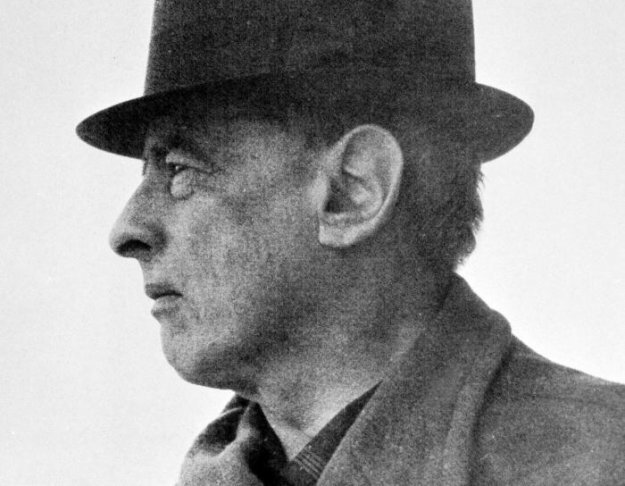
Witold Gombrowicz (1904‑1969), one of the best known Polish writers in the world, was sceptical about fame. On the one hand, he treated with suspicion fame that was unmerited or apparent, on the other hand, he wanted himself and his books to be famous. He was convinced that the fame should be earned, and it is not guaranteed only by the fact of being a writer. He called himself a genius. It is easy to guess that many readers and literary critics could not bear it.
PiątekPiszę ten dziennik z niechęcią. Jego nieszczera szczerość męczy mnie. Dla kogo piszę? Jeśli dla siebie, dlaczego to idzie do druku? A jeśli dla czytelnika, dlaczego udaję, że rozmawiam ze sobą? Mówisz do siebie tak, żeby cię inni słyszeli?
(…)
Trudność na tym polega, że piszę o sobie, ale nie w nocy, nie w samotności, tylko właśnie w gazecie i wśród ludzi. Nie mogę w tych warunkach potraktować siebie z należytą powagą, muszę być „skromny” – i znów mnie męczy to samo, co przez całe życie mnie męczyło, co tak zaważyło na moim sposobie bycia z ludźmi, ta konieczność lekceważenia siebie, aby się dostroić do tych, którzy mnie lekceważą, lub którzy w ogóle nie mają o mnie zielonego pojęcia. A tej „skromności” ja za nic nie chcę się poddać i odczuwam ją jako mego śmiertelnego wroga. (…) Trzeba grać w otwarte karty. Pisanie nie jest niczym innym, tylko walką, jaką toczy artysta z ludźmi o własną wybitność. (…) Powinienem potraktować ten dziennik jako narzędzie mego stawania się wobec was – dążyć do tego abyście w pewien sposób mnie ujęli – w sposób, który by umożliwił mi (niech się pojawi słowo niebezpieczne) talent. Ten dziennik niech będzie bardziej nowoczesny i bardziej świadomy i niechaj będzie przepojony ideą, że talent mój może powstać tylko w związku z wami, to jest iż wy jedynie możecie podniecić mnie do talentu – więcej – stworzyć go we mnie.
(…)
Wydobyć się na koniec z tego przedmieścia, przedpokoju, kredensu, stać się nie autorkiem – polskim, czyli podrzędnym, nieprawdaż? – ale zjawiskiem mającym własny sens i rację! Przebić się przez morderczą drugorzędność mego środowiska i wreszcie zaistnieć! Sytuacja moja jest dramatyczna i, rzekłbym, rozpaczliwa – ja już od dłuższego czasu sugeruję delikatnie tym umysłom, umeblowanym „rozgłośnymi nazwiskami” że jednak i bez światowej sławy można coś znaczyć, jeśli się jest naprawdę i bezwzględnie sobą; ale oni chcą abym ja naprzód stał się rozgłośny; dopiero wówczas wciągną mnie do swego inwentarza i będą się nade mną głowić. (...)
(…)
Inny zarzut w tej polemice zwrócił moją uwagę, ten mianowicie którym Łobodowski godzi w moją „geniuszowską minoderię”, co znaczy, że kokietuję „genialnością” i zdradzam skłonności do megalomanii. Przypuszczam, że jeszcze nieraz zostanę obstrzelany inwektywami z tej beczki – ja, i zapewne mój dziennik.
Zgadzam się… może być rażąca dla konwencjonalnego widzenia, przyzwyczajonego do taktownej skromności, ta nieprzyzwoitość z jaką obnażam moje apetyty gdy idzie o chwałę, odkrywczość, genialność nawet. Ale, skromnisie, nie macie powodu do obaw; i ja umiem stroić skromną minkę, nie gorzej od was; tyle tylko, że ona już nie może mi być przydatna w moim stosunku do czytelnika – który ja chcę mieć bardziej rzeczywistym, osadzonym na istotnej grze sił w literaturze.
I w mojej „minoderii”, obnażającej ambicje, więcej może skromności niż w waszym taktownym chowaniu ich pod sukno… I w ogóle, mając do czynienia z człowiekiem świadomym, który wie co robi i wie dlaczego to robi, nie używajcie chwytów płytkich jak uszczypnięcie.
Source: Witold Gombrowicz, Piątek, [w:] tegoż, Dziennik 1953-1956, Kraków 1997, s. 56–198.
Read the fragment of the “The Diary” by Witold Gombrowicz and answer the following questions:
According to Gombrowicz, what is talent? Mark the right answers.
- Talent is an inherent skill.
- Talent is independent of the artist or the recipients of his work.
- Talent can develop only in the relationship between the artist and his work recipients.
- talent appears in the artist only under the influence of the recipients of his works.
- Talent depends solely on the artist.
- Talent is an acquired skill.
Witold Gombrowicz letters were published in the collection entitled Fight for fame. At that time his efforts to become popular, and the constant writing about himself and his own works seemed scandalous for many people. Today, similar behaviour is not surprising. In the colour magazines and on the Internet we can observe celebrities deliberately directing their careerscareers. Very often the following rule applies: it doesn't matter what people say about you, as long as they're talking about you.
Work in pairs. Discuss: who are celebrities? Try to make a definition of this term. Exchange your opinions with the rest of the class.
Keywords
literature, diary, fame, public image, celebrity
Glossary
dziennik
sława
wizerunek publiczny
celebryta
autoprezentacja
kreowanie wizerunku
autopromocja
taktyki autoprezentacyjne
wywieranie wrażenia
skromność
sukces
talent
popularność
kariera
gwiazda