Remember what happens when you take a warm bath – your body warms up. However, when you make a snowball in the winter, your hands freeze. Why is this happening?
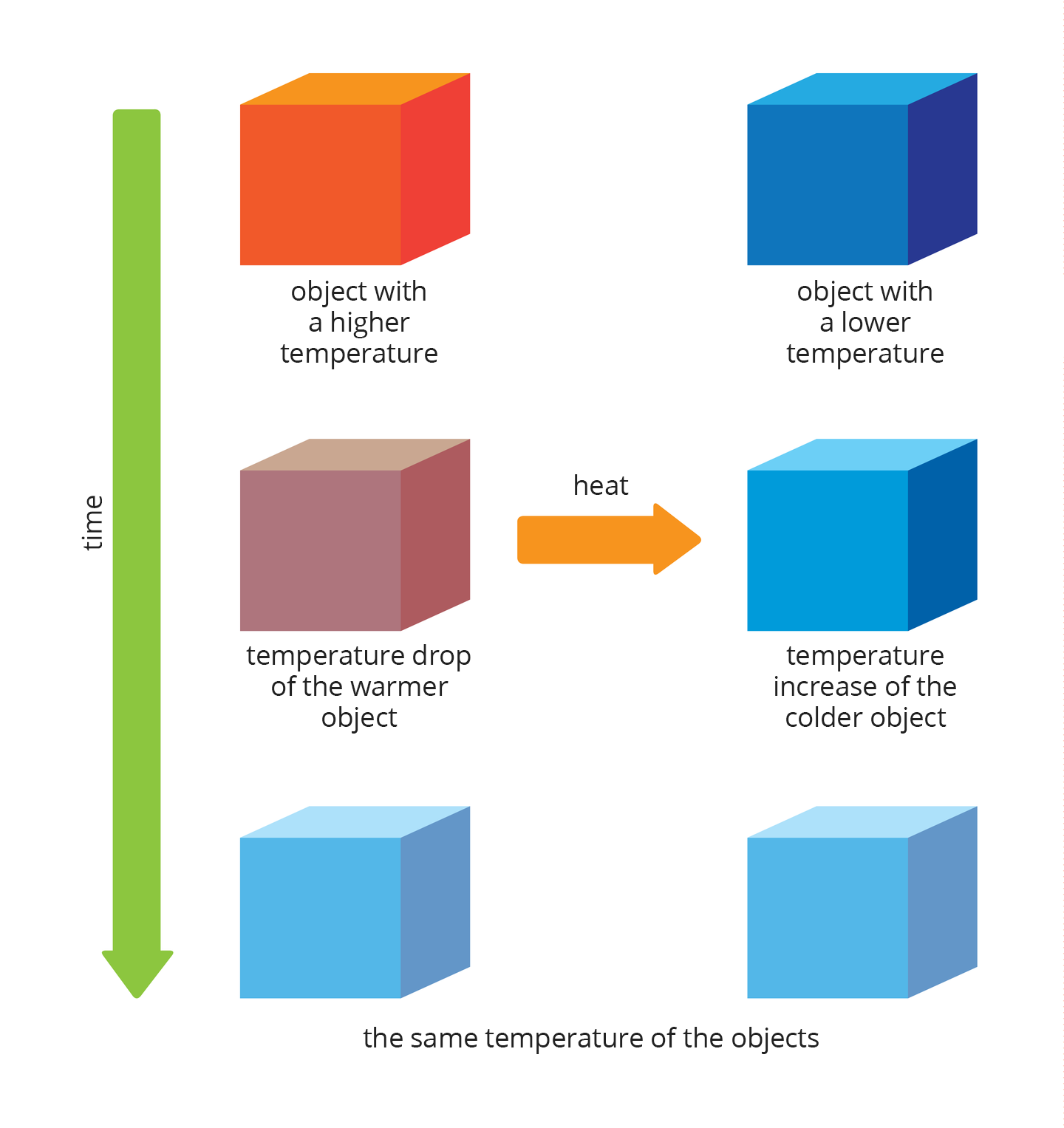
Items warm up or cool because they take or give away heat. Heat flows (moves) from an object with a higher temperature to an object with a lower temperature.
The ability of a substance to conduct heat is called thermal conductivitythermal conductivitythermal conductivity. The substances that conduct heat well, we say that they are goodheat conductorsheat conductorheat conductors. All metals belong to this group, e.g. copper, silver. Materials that poorly conduct heat are called insulatorsinsulatorinsulators. These include, for example, wood and polystyrene. All substances in the form of liquids and gases conduct heat poorly.
Task 1
Before you watch the movie „Thermal conductivity of metals, wood and plastic”, Write down the research question and the hypothesis. Watch the observations while watching the movie, and finally - conclusions.
RWYFd2GOaQktw
Analysis of the experiment. Research question (Uzupełnij). Hypothesis (Uzupełnij). Observations (Uzupełnij). Conclusions (Uzupełnij).
Analysis of the experiment. Research question (Uzupełnij). Hypothesis (Uzupełnij). Observations (Uzupełnij). Conclusions (Uzupełnij).
Analysis of the experiment
RgGoKw3Rf1Uv8
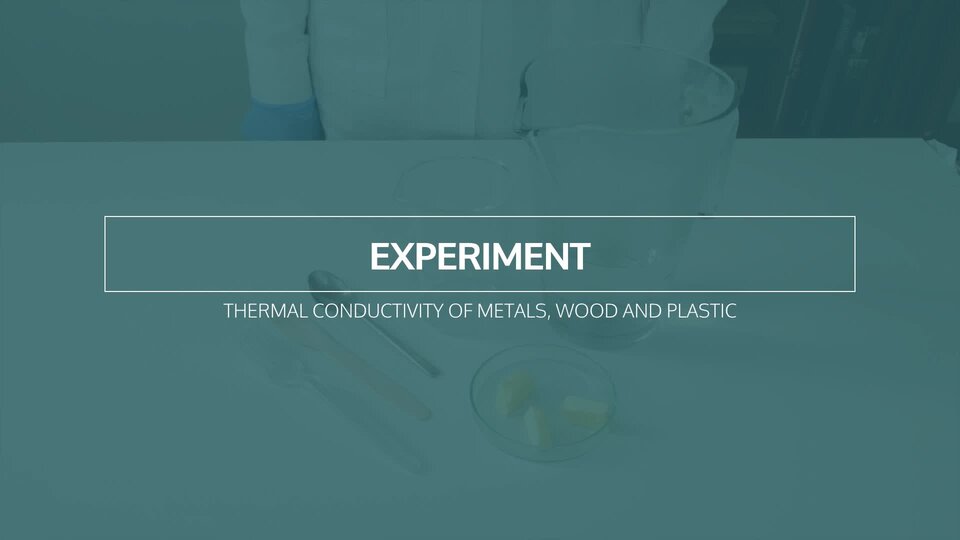
Nagranie filmowe przedstawiające eksperyment, w którym sprawdzane jest, jak przenosi się ciepło. Doświadczenie przeprowadzane jest w laboratorium, gdzie znajduje się stół, na którym położone są rzeczy potrzebne do doświadczenia takie jak: beaker, metal spoon, wooden fork, plastic fork, hot water, butter. Przebieg doświadczenia: nabijamy masło na łyżkę, widelec plastikowy oraz patyczek drewniany, po czym wkładamy wszystko do zlewki w pozycji stojącej masłem do góry. Następnie wlewamy gorącą wodę do połowy. Po kilku minutach widoczne jest, jak dany materiał przenosi ciepło. Masło na widelcu plastikowym i patyczku drewnianym zostało, natomiast na łyżce metalowej się roztopiło.
Nagranie filmowe przedstawiające eksperyment, w którym sprawdzane jest, jak przenosi się ciepło. Doświadczenie przeprowadzane jest w laboratorium, gdzie znajduje się stół, na którym położone są rzeczy potrzebne do doświadczenia takie jak: beaker, metal spoon, wooden fork, plastic fork, hot water, butter. Przebieg doświadczenia: nabijamy masło na łyżkę, widelec plastikowy oraz patyczek drewniany, po czym wkładamy wszystko do zlewki w pozycji stojącej masłem do góry. Następnie wlewamy gorącą wodę do połowy. Po kilku minutach widoczne jest, jak dany materiał przenosi ciepło. Masło na widelcu plastikowym i patyczku drewnianym zostało, natomiast na łyżce metalowej się roztopiło.
Thermal conductivity of metals, wood and plastic
Source: GroMar Sp. z o.o., licencja: CC BY-SA 3.0.
Source: GroMar Sp. z o.o., licencja: CC BY-SA 3.0.
Nagranie filmowe przedstawiające eksperyment, w którym sprawdzane jest, jak przenosi się ciepło. Doświadczenie przeprowadzane jest w laboratorium, gdzie znajduje się stół, na którym położone są rzeczy potrzebne do doświadczenia takie jak: beaker, metal spoon, wooden fork, plastic fork, hot water, butter. Przebieg doświadczenia: nabijamy masło na łyżkę, widelec plastikowy oraz patyczek drewniany, po czym wkładamy wszystko do zlewki w pozycji stojącej masłem do góry. Następnie wlewamy gorącą wodę do połowy. Po kilku minutach widoczne jest, jak dany materiał przenosi ciepło. Masło na widelcu plastikowym i patyczku drewnianym zostało, natomiast na łyżce metalowej się roztopiło.
Heat transfer
We know that heat can flow and that some substances protect against this process, while others - on the contrary - are good at it. Now look for answers to the question: How is heat transferred?
Heat flows from a warmer object to a colder one until their temperatures are even. Of course, the speed of this process depends on what materials these objects are made of. The better the heat conductors, the faster the temperatures will even out. It is easy to check by pouring warm water into Styrofoam and metal cups. As you already know, the water in the metal cup will cool down quickly, and in the Styrofoam will cool down slowly, because the polystyrene is a thermal insulator.
RlNKYtm3jdqOK
Schemat przedstawiający jak zachowują się dwa zbliżone do siebie ciała o różnych temperaturach. Do momentu wyrównania się temperatur, cieplejsze z nich zacznie się schładzać, a chłodniejsze ogrzewać.
Heat transfer
Source: Dariusz Adryan, licencja: CC BY 3.0.
How to save heat?
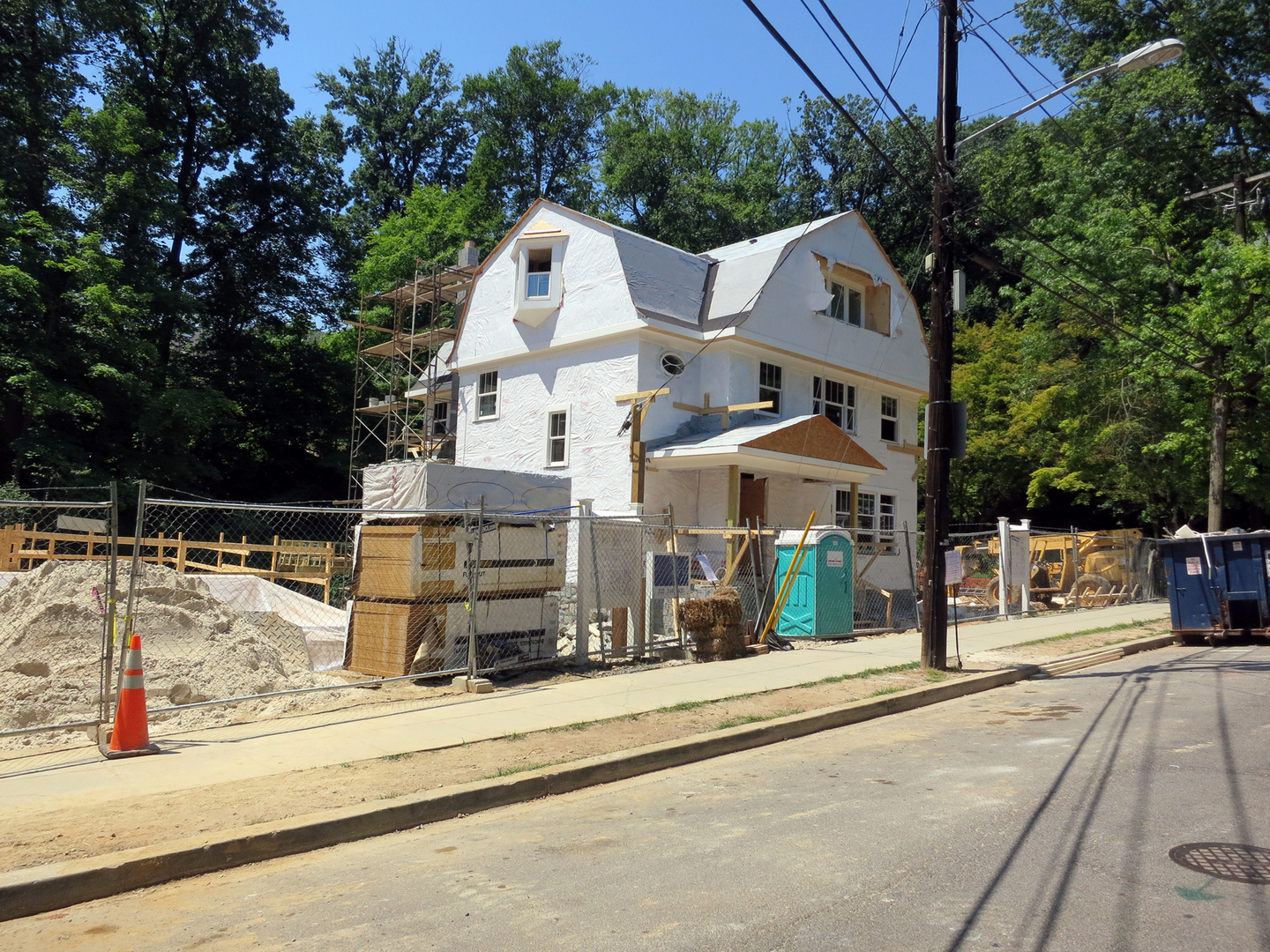
In Poland, we have to heat homes in winter. To reduce heat losses in buildings, materials that are poor heat conductors, eg mineral wool, Styrofoam, are used to insulate them. Insulated walls in the winter retain heat inside the building. In the summer, on hot days, the same materials ensures the heat from the outside does not get inside and the house is cooler. Similarly with clothes. In winter, we wear „layers”, that is, we put on many layers of clothing, between which there is air acting as an insulator. In the summer, we wear light, airy clothes that easily let heat through.
RzMyw7pwS8Omc
Na fotografii ulica, przy której stoi dom w trakcie ocieplania.
Insulation of the walls in a house
Source: Daniel Lobo, www.flickr.com, licencja: CC BY 2.0.
The use of heat conductors and insulators
The use of heat conductors and insulators
Rul3ofsDypDl7
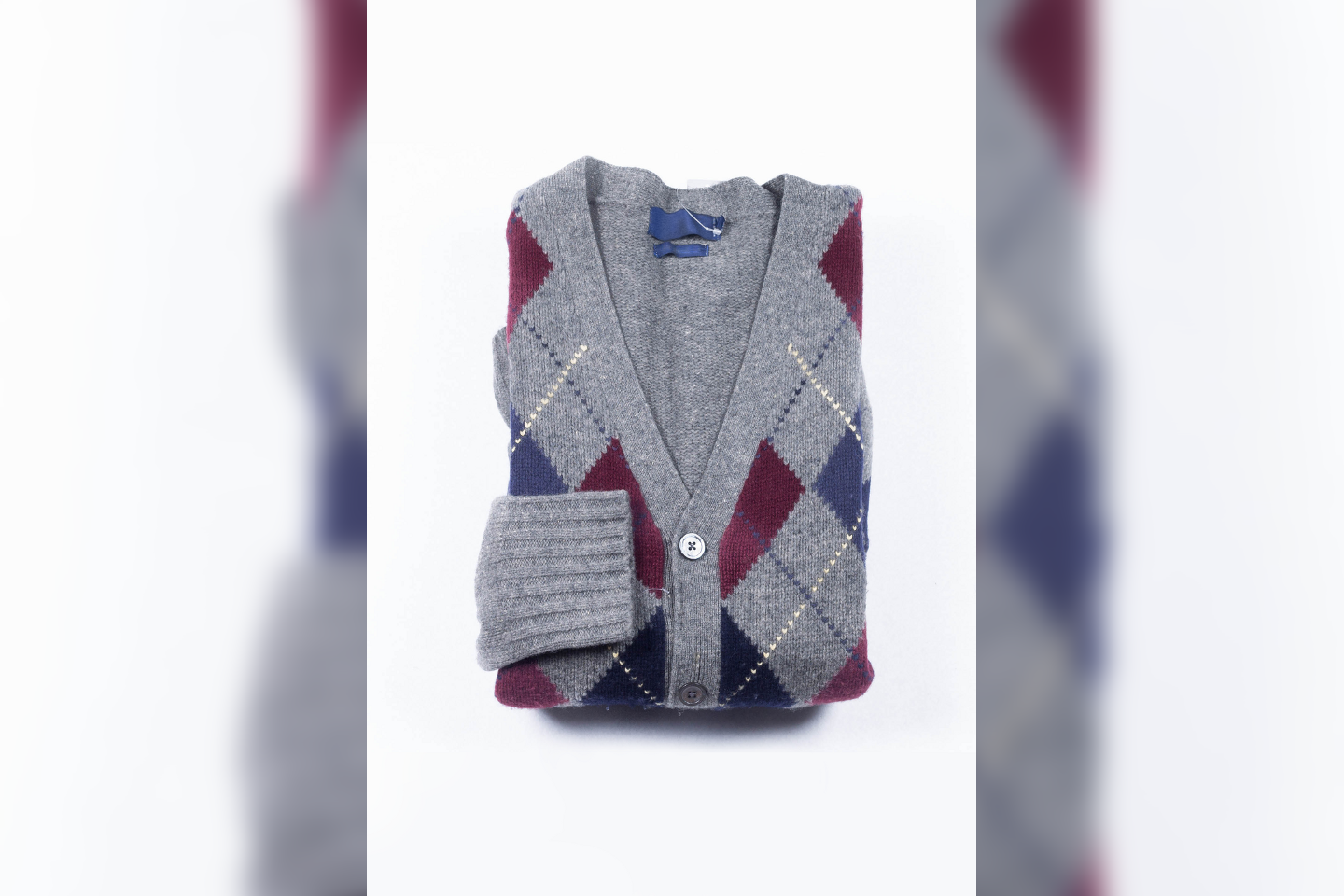
Fotografia przedstawia złożony, popielaty, w granatowe i niebieskie romby wełniany sweter.
Woolen clothes are warm because the fibers in the wool are loosely arranged and retain a layer of air. Similarly, we do not freeze under a quilt because it contains air. Thanks to this, the removal of heat from our body occurs very slowly.
Source: Robert Sheie, www.flickr.com, licencja: CC BY 2.0.
R56JlAaR4QidD
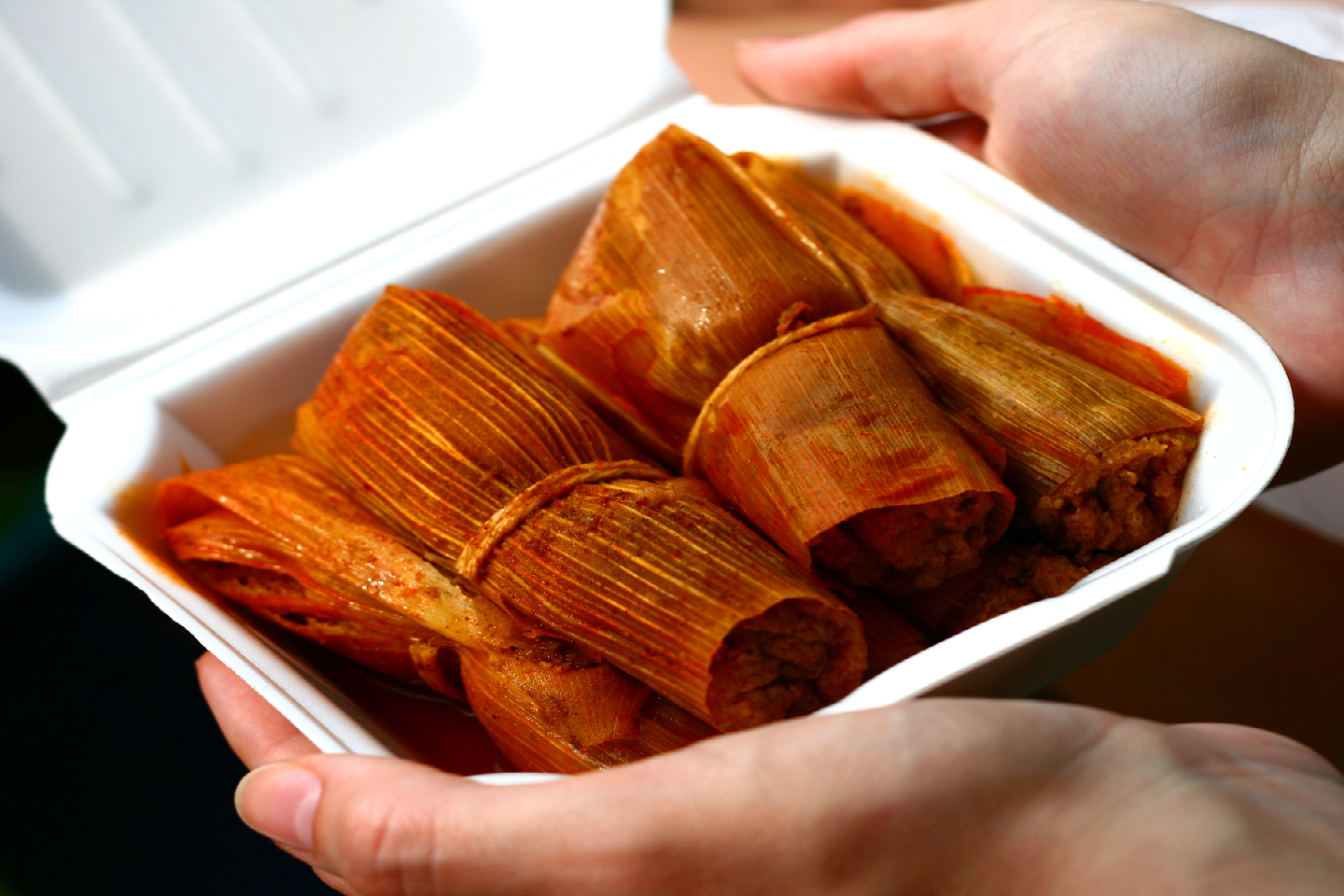
Fotografia przedstawia otwarte białe styropianowe pudełko, w którym jest pożywienie. Pudełko trzymane rękoma.
Styrofoam containers are used as take away dishes. Thanks to this, dishes reach customers hot
Source: lucianvenutian, www.flickr.com, licencja: CC BY-SA 2.0.
R1GUk8nlJ6Byo
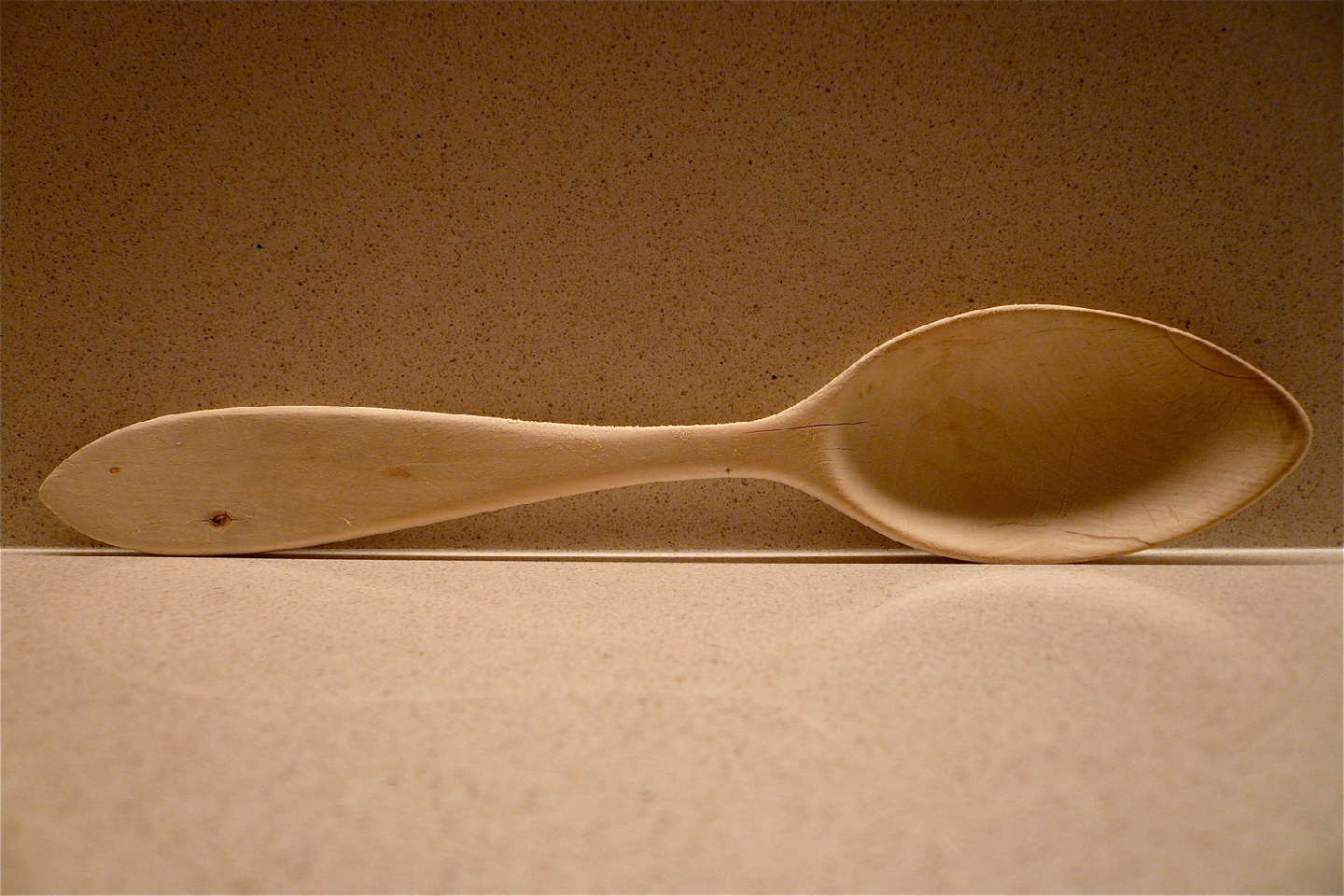
Fotografia przedstawia drewnianą łyżkę, poziomo opartą o ścianę.
A wooden spoon does not heat up, because wood does not conduct heat well. It is therefore well suited for mixing dishes during cooking
Source: Procsilas Moscas, licencja: CC BY 2.0, [online], dostępny w internecie: www.flickr.com.
RFVDe2ZntslBw
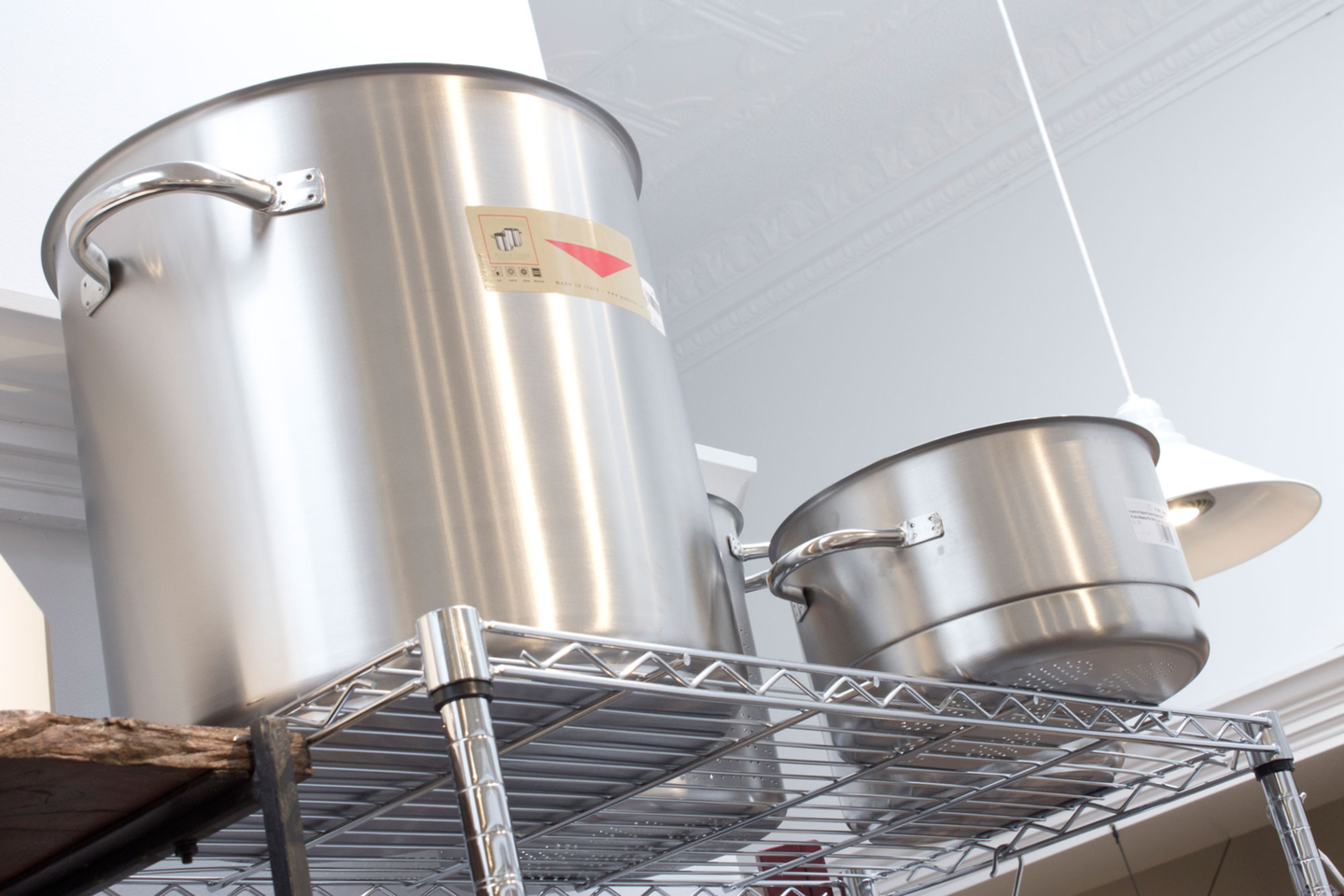
Fotografia przedstawia dwa metalowe garnki różnej wielkości stojące na metalowej wysokiej półce.
Metal from which this pot is made, conducts heat well, so you can cook or heat the food in it quickly
Source: Didriks, www.flickr.com, licencja: CC BY 2.0.
RPLidUgEnKewm
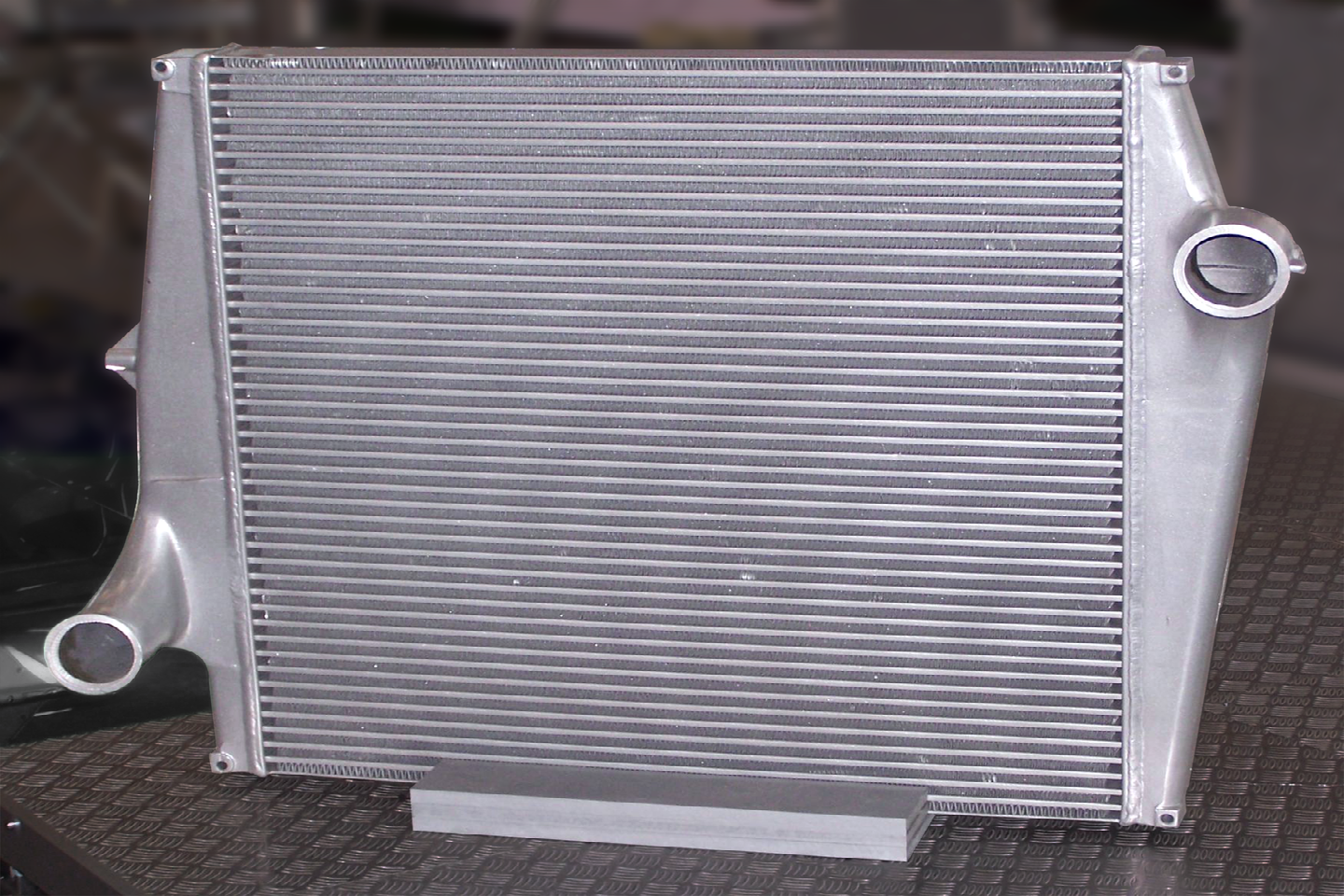
Fotografia przedstawia chłodnicę samochodową. To aluminiowy, kwadratowy przedmiot. Środek ma poziome cienkie pręty, naokoło gruba ramka. W prawym górnym rogu i lewym dolnym rogu jest okrągły otwór. Aluminium ma kolor srebrny.
Aluminum is used for car coolers, because this metal is a good conductor and transfers heat very well, thanks to which water is cooled faster
Source: Maly LOLek, commons.wikimedia.org, licencja: CC BY-SA 3.0.
R1OnJV1Xw0GO5
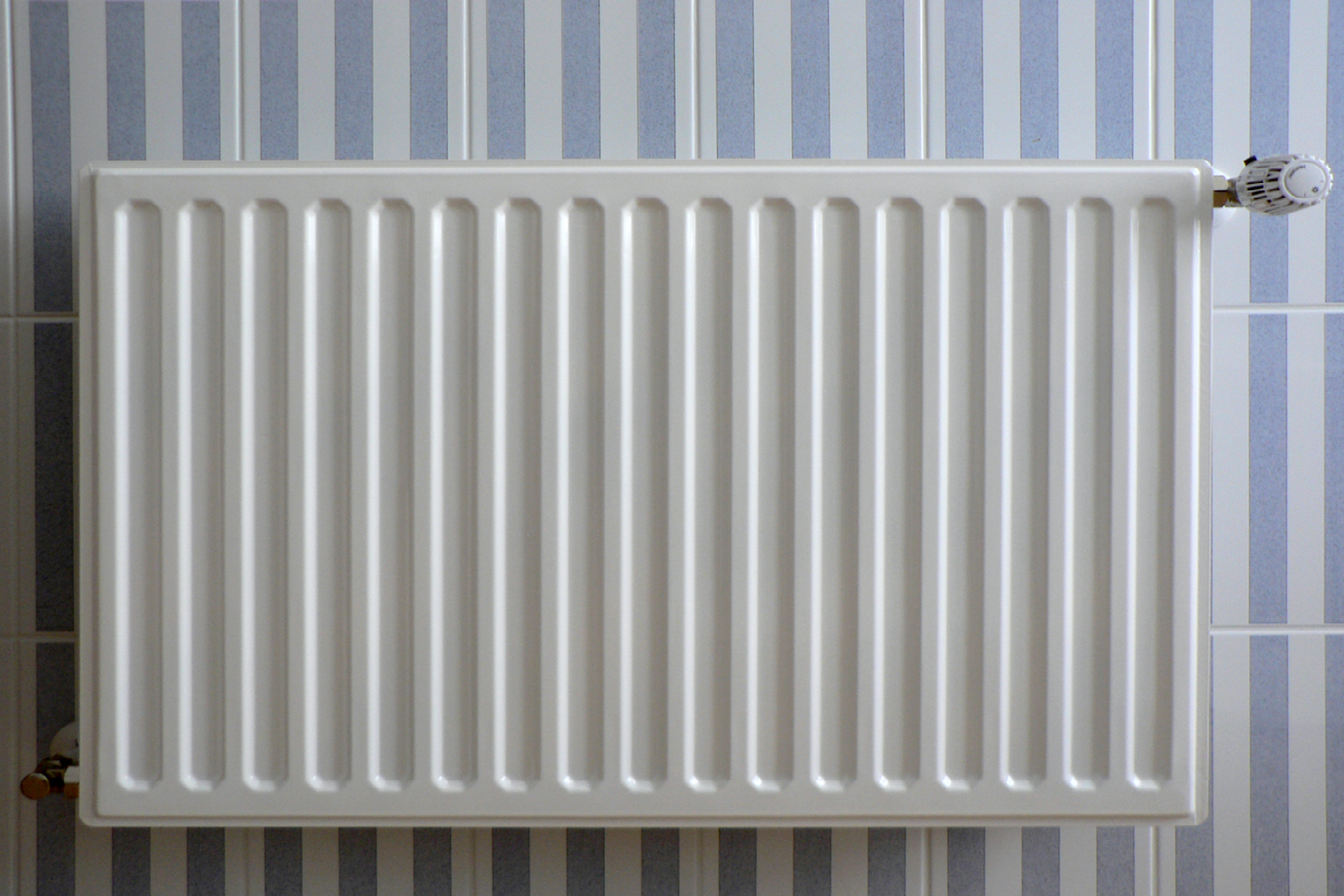
Fotografia przedstawia wiszący na ścianie biały kaloryfer z widocznymi pionowymi wgłębieniami. W prawym górnym rogu jest pokrętło ustawiające temperature.
Radiators are made of metals, because they are good conductors of heat
Source: Bios, http://commons.wikimedia.org, licencja: CC BY-SA 3.0.
RnzQJG9ErvqPJ
Exercise 1
Put in the correct order substances from which the pots should be made to cook the food as soon as possible. Elementy do uszeregowania: 1. steel, 2. brass, 3. copper
Put in the correct order substances from which the pots should be made to cook the food as soon as possible. Elementy do uszeregowania: 1. steel, 2. brass, 3. copper
Put in the correct order substances from which the pots should be made to cook the food as soon as possible.
steel
copper
brass
RBXrvtzqlQbPq
Exercise 2
During the lesson, the teacher made an experiment. The teacher put one end of a metal, glass and wooden rod into boiling water, the other end in his hand. Which of the bars quickly burned the teacher's hand. Możliwe odpowiedzi: wooden rod, metal rod, glass rod.
During the lesson, the teacher made an experiment. The teacher put one end of a metal, glass and wooden rod into boiling water, the other end in his hand. Which of the bars quickly burned the teacher's hand. Możliwe odpowiedzi: wooden rod, metal rod, glass rod.
During the lesson, the teacher made an experiment. The teacher put one end of a metal, glass and wooden rod into boiling water, the other end in his hand. Which of the bars quickly burned the teacher's hand?
wooden rod
metal rod
glass rod
R8OD40z1Lx43G
Exercise 3
Of these items, select those that are made of materials with good thermal conductivity. Możliwe odpowiedzi: 1. aluminum pot, 2. nail, 3. Styrofoam cup, 4. eraser, 5. copper wire, 6. glass, 7. wooden spoon, 8. metal frying pan, 9. plastic block, 10. silver spoon, 11. computer keyboard
Of these items, select those that are made of materials with good thermal conductivity. Możliwe odpowiedzi: 1. aluminum pot, 2. nail, 3. Styrofoam cup, 4. eraser, 5. copper wire, 6. glass, 7. wooden spoon, 8. metal frying pan, 9. plastic block, 10. silver spoon, 11. computer keyboard
Of these items, select those that are made of materials with good thermal conductivity.
aluminum pot
nail
Styrofoam cup
eraser
copper wire
glass
wooden spoon
metal frying pan
plastic block
silver spoon
computer keyboard
RNe6F2lKc37IX
Exercise 4
Decide which sentences describing thermal conductivity are true, and which are false. Metals are good conductors of heat. Możliwe odpowiedzi: True, False. Heat flow takes place until the objects temperatures become equal. Możliwe odpowiedzi: True, False. Heat only flows from a body with a higher temperature to a body with a lower temperature. Możliwe odpowiedzi: True, False. Heat insulators do not change the temperature. Możliwe odpowiedzi: True, False. The heat conductor perfectly conducts heat, but does not change the temperature itself.. Możliwe odpowiedzi: True, False
Decide which sentences describing thermal conductivity are true, and which are false. Metals are good conductors of heat. Możliwe odpowiedzi: True, False. Heat flow takes place until the objects temperatures become equal. Możliwe odpowiedzi: True, False. Heat only flows from a body with a higher temperature to a body with a lower temperature. Możliwe odpowiedzi: True, False. Heat insulators do not change the temperature. Możliwe odpowiedzi: True, False. The heat conductor perfectly conducts heat, but does not change the temperature itself.. Możliwe odpowiedzi: True, False
Decide which sentences describing thermal conductivity are true, and which are false.
True
False
Metals are good conductors of heat.
□
□
Heat flow takes place until the objects temperatures become equal.
□
□
Heat only flows from a body with a higher temperature to a body with a lower temperature.
□
□
Heat insulators do not change the temperature.
□
□
The heat conductor perfectly conducts heat, but does not change the temperature itself.
□
□
Summary
Heat is transferred between materials (objects) that have different temperatures.
The heat is transferred between the objects until their temperatures become even.
Some substances conduct heat very well, we call them heat conductors (eg copper). Others conduct heat very poorly – they are heat insulators (eg polystyrene).