How to write a summary
you will select information and choose the most important ones from the text
you will replace a group of words with one term
you will shorten texts
you will write a summarysummary
you will change the dialoguedialogue into reported speechreported speech
Think about why you need the ability to concisely formulate thoughts. In what situations do we write short or long texts?
Replace the marked words with one term. Compare your proposal with those of your classmates. Which terms are most accurate?
1. I like going to my grandmother. I can meet my mother’s sisters, their husbands and my cousins there.
I like going to my grandmother. I can meet .................. there.
2. I know that excess sugar can be harmful to health. That is why I try to avoid chocolate, candies, lollipops, sweet ice-cream and cookies.
I know that excess sugar can be harmful to health. That is why I try to avoid .............
3. I need to buy a bigger pencil case to contain all the erasers, pencils, ball pens, crayons and felt-tip pens.
I need to buy a bigger pencil case to contain all the ...............................
4. I love reading. Last year I read four detective stories, twenty short stories, five travel books and two fantasy sagas.
I love reading. Last year I read .............................
5. I went to the zoo recently. Finally I could see elephants, giraffes, llamas, hippopotamuses and seals.
I went to the zoo recently. Finally I could see ...............
Correct the sentences below. Take care of the precision and brevity of the statement. Some need to be shortened, others should be clarified.
scary, talkative, controversial, porcelain, reticent, awesome, ceramic, boring, happy
At home, I have a collection of jugs that are made of porcelain.
At home, I have a collection of .......................... jugs.
My uncle is a man who talks a lot.
My uncle is a .......................... man.
I visited the fascinating and slightly shocking museum yesterday.
I visited the .......................... museum yesterday.
Watching this movie, I experienced a madness.
I have watched an .......................... movie.
Read carefully a poem by Józef Ratajczak entitled „Osiołek na drodze”. Pay attention to the way the donkeydonkey interprets the circumstances he found himself in.
Osiołek na drodzeSzedł osiołek
ścieżką krętą
do miasta
na wielkie święto.Mówiono mu:
„Idźże prosto,
nie unikaj dróg
i mostów!Musisz szybko iść
do celu,
by się cieszyć i weselić.”Lecz osiołek
z drogi zboczył,
piął się wciąż
po stromym zboczu.Śmiał się, śpiewał:
„W tym przyjemność,
że święto jest wciąż
przede mną.Bo gdy w sercu
kwitną róże,
droga wcale
się nie dłuży.”Wreszcie jest w miasteczku osioł.
Z wesołą się żegna drogą.
Chce powitać wszystkich głośno,
a tu nie ma już nikogo.Orkiestra przestała grać,
ludzie poszli spać,
nie tańczy nikt na tarasie,
nie ma lodów ani kiełbasek.Osiołek ze smutkiem grzbiet ugiął.
„Nie było się po co spieszyć.
Dobrze jeszcze, że szedłem długo,
bo się po drodze mogłem nacieszyć!”Source: Józef Ratajczak, Osiołek na drodze, [w:] tegoż, Pierwsze wiersze, Warszawa 1983, s. 24.
Marcel tells Marcelina the story of a donkey from a poem by Józef Ratajczak. However, he mixed up the sequence of events. Arrange the paragraphs in proper order.
- There was no one in the town. The orchestra had stopped playing. No one was dancing on the terrace. There was no ice-creams or sausages. People had gone to beds.
- Finally he reached the town. He said goodbye to the joyful road. He was just about to greet the celebrators, but he was unpleasantly surprised.
- The donkey was told to go straight. He was advised to choose roads and bridges because he needed to go directly to the destination to be there on time for the holiday.
- The donkey went to the city for a big holiday. The road was long and tortuous.
- The donkey did not listen to the advice. He deviated from the road and started to climb a steep slope.
- The stubborn animal laughed and sang. He was happy that the holiday is still ahead of him. As he was in good mood, the road was not a drag.
- The donkey felt sad. But he thought that there was no need to hurry if there was no attractions. He stated that choosing the longer road was good because at least he could enjoy hiking.
Answer the following questions as briefly as possible:
Who wanders, where and why?
What is he told?
What does he see at the destination?
What conclusion does he draw?
Use your answers to make up a brief, concise text telling about the donkey’s adventure. Remember about the words linking sentences in a logic way (e.g. then, therefore, afterwards, however, although, etc.).
Summary is a concise and brief presentation of a content. It should contain the most important information. To properly summarize a text, first read it carefully and understand it. Think about which information is important and which you can skip. Then, write a short decomposition plan of the piece to be summarized. Then, describe the events with your own words. Do not use descriptions and comments. Change the dialogues into dependent speech. Remember that individual sentences and paragraphs must connect with each other. Do not forget to read your summary a couple of times (preferably aloud) and correct mistakes.
Read a short story by Bruno Ferrero entitled „Niemądry żółw”. Pay attention to the number of images in this story.
Niemądry żółwPewnego dnia w odległej dolinie zaczął padać deszcz i padał tak długo, że cała wieś została zalana. Jeszcze trochę i sponad ciągle przybierającej wody widać by było jedynie szczyty gór.
Nagle dał się słyszeć jakiś płacz. To płakał żółw: najpowolniejszy i najmniej rozsądny ze wszystkich żółwi na świecie.
– Dlaczego płaczesz? – zapytała przelatująca ponad nim gęś.
– Tonę! – zaszlochał żółw. – Tobie to dobrze, potrafisz fruwać. Ale moje nogi są tak krótkie, że dotarcie do szczytu góry zajmie mi co najmniej miesiąc!
– A cóż to za ceregiele? – ucięła krótko gęś. – Zawołam moją siostrę i razem zaniesiemy cię na górę!
Gdy gęsi powróciły, woda sięgała już szyi żółwia. Zniżyły lot, trzymając w dziobach giętką gałązkę. Żółw uchwycił za nią i z głośnym szumem skrzydeł gęsi wzniosły się w powietrze.
Leciały tak ponad wodą w stronę gór, gdzie schroniła się już cała grupa żółwi.
Bowiem inne, mądrzejsze żółwie, kiedy tylko zauważyły, że poziom wody zaczyna wzrastać, natychmiast wyruszyły w góry. Mimo to teraz były bardzo zadowolone, widząc dwa lecące ptaki, które uratowały najpowolniejszego, głupiutkiego żółwia.
Zaczęły wznosić okrzyki radości i chórem zaśpiewały na cześć odważnych ptaków.
– Niech żyją! Hurra! Śpiewajmy razem dla bohaterskich gęsi! Znajdując się jeszcze w powietrzu, najpowolniejszy i najgłupszy żółw także zapragnął dołączyć do chóru swych braci.
Otworzył pyszczek, którym trzymał gałąź i zaśpiewał:
– Hip, hip, hurra… AAAACH!!!.Source: Bruno Ferrero, Niemądry żółw, [w:] Bruno Ferrero, 40 opowiadań na pustyni, tłum. Ewa Ramz, Warszawa 2002.
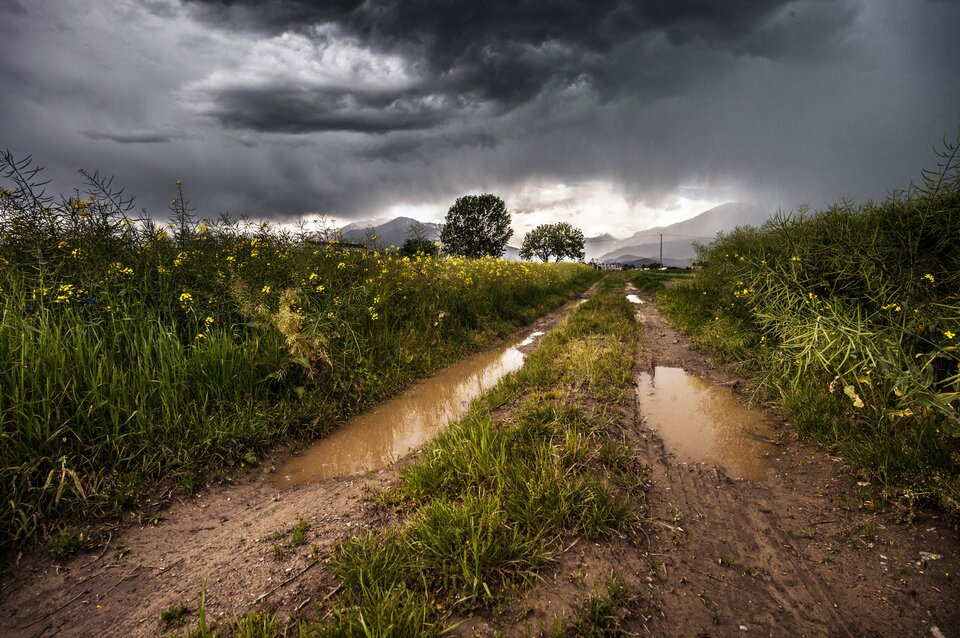
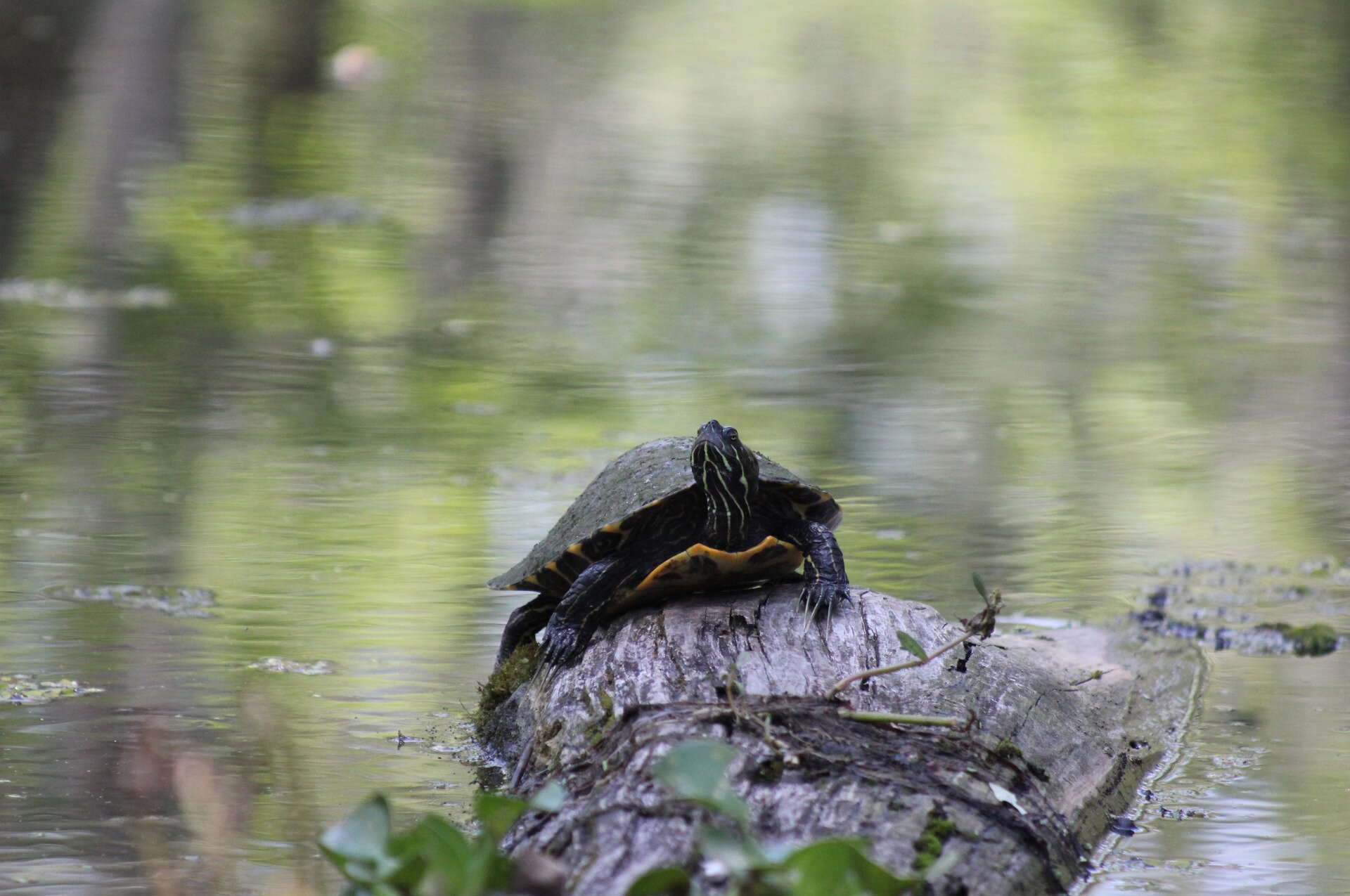
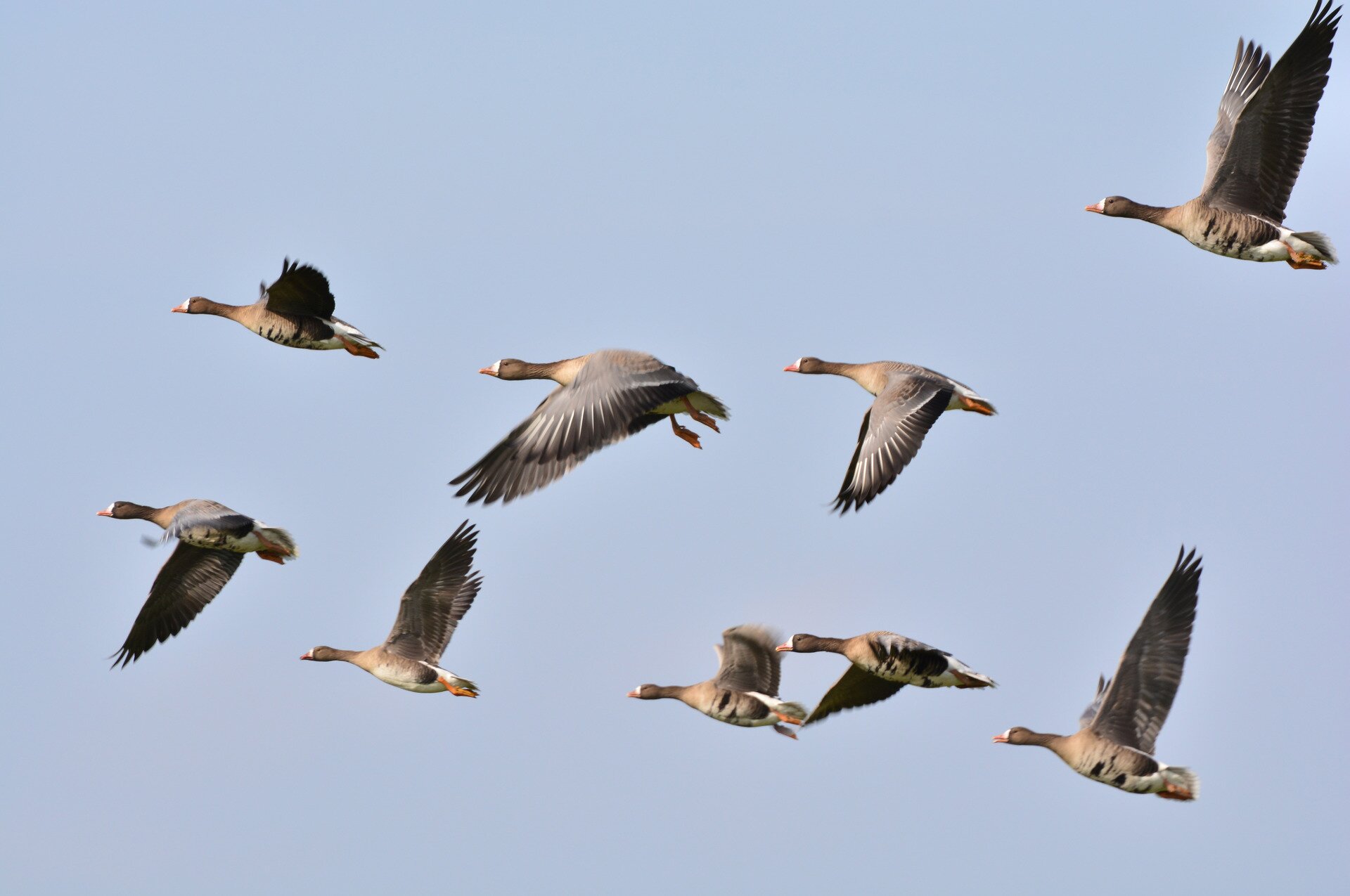
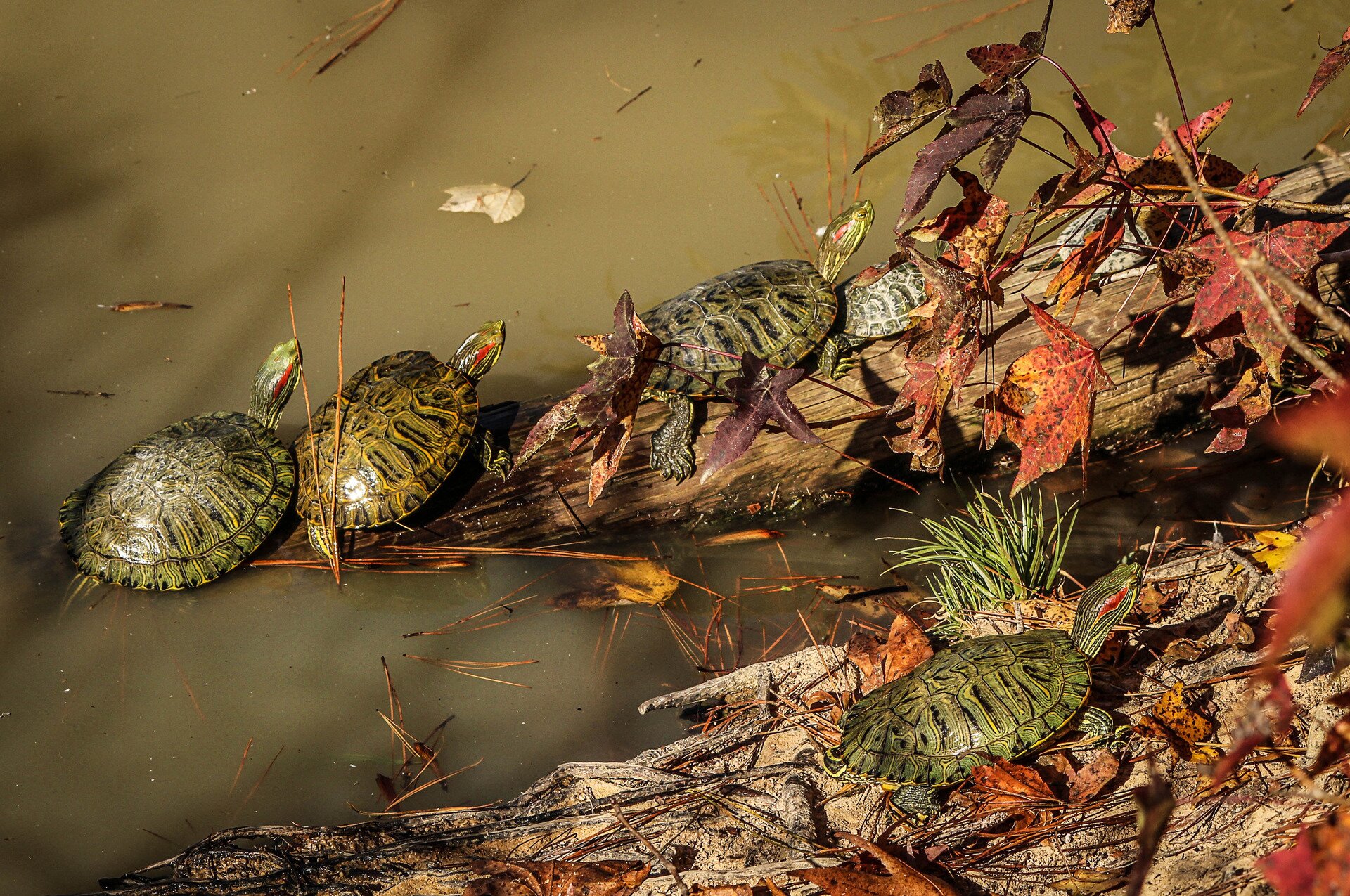
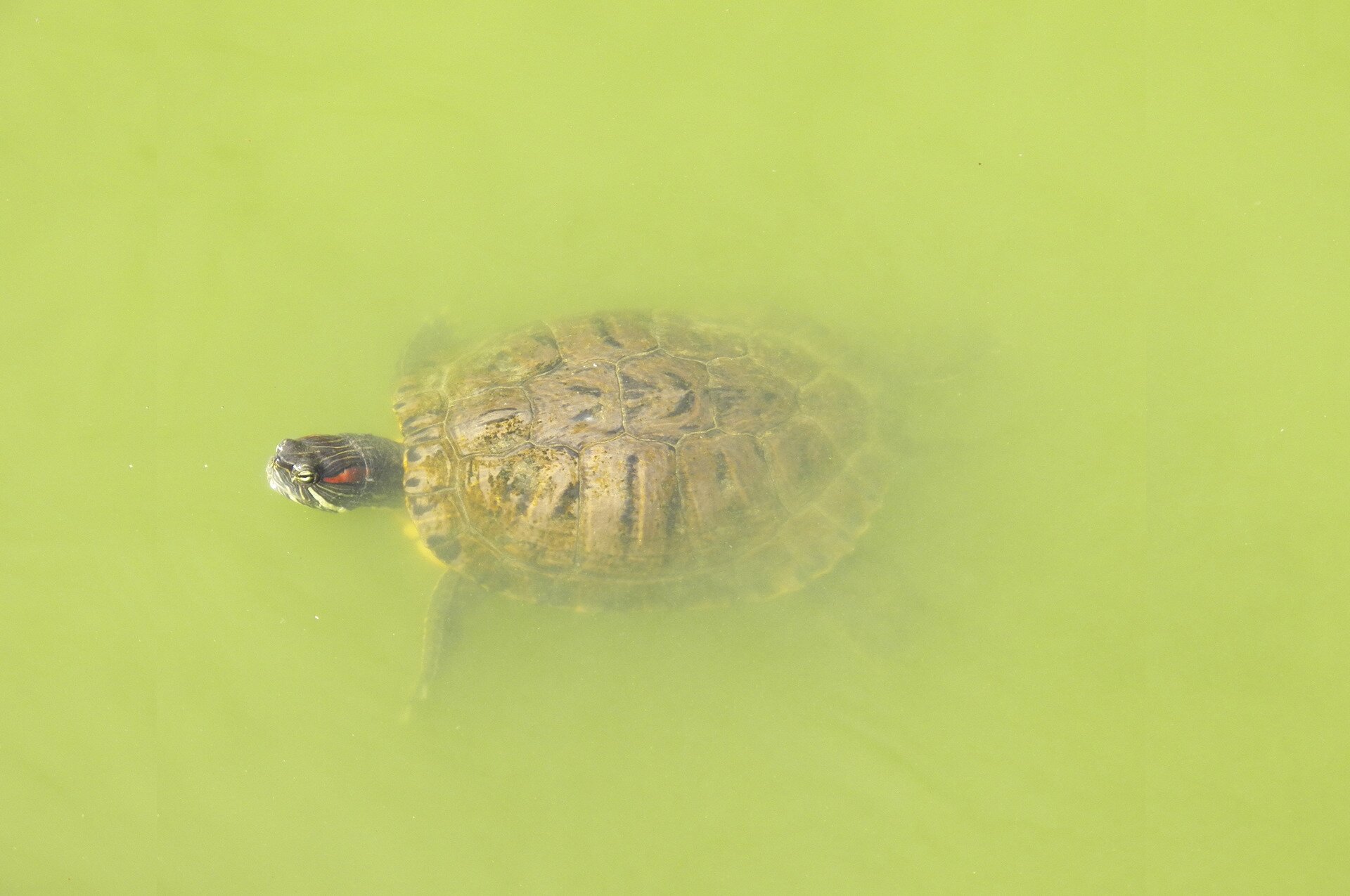
Create a plan of events in the story, using phrase equivalents (phrases without verbs). What do you notice? Do your successive image titles correspond with the plan?
How was this lesson? Did you like it? Finish selected sentences.

Keywords
summary, shortening texts, reported speech, dialogue
Glossary
streszczenie
dialog, rozmowa
osioł
kolejny
żółw
gęś
mowa zależna