Hydrogen
what the air is;
how to use the periodic table;
how can oxygen and carbon dioxide be obtained in the laboratory;
how to identify oxygen, carbon dioxide.
describe the structure of the hydrogen atom and discuss the properties of this element;
plan methods for obtaining and identifying hydrogen;
define the concept of an explosive mixture and apply safety rules in a chemical laboratory in practice;
analyse properties and application of hydrogen.
The occurrence of hydrogen in nature
Hydrogen is the most widespread element in the universe – it is the main component of stars. On Earth, it occurs in trace amounts, in natural and volcanic gas, however it forms numerous compounds, e.g. water, proteins, hydrocarbons, sugars.
Hydrogen is the element that was recorded in the periodic table as first element but it does not belong to any group. It has the smallest atomic mass, due to which it is the lightest substance in the world in all states of matter *(as gas 0.00009 g/cmIndeks górny 33, as liquid 0.07 g/cmIndeks górny 33 and as solid 0.08 g/cmIndeks górny 33 – its density in each of the states of matter is the smallest in comparison with other substances). Hydrogen forms diatomic molecules.
Obtaining hydrogen and testing its properties
Hydrogen is a combustible gas. Pure hydrogen combusts peacefully. The ignited fire torch inserted into the test tube with pure gas formed as a result of the reaction combusts peacefully. Hydrogen mixed with a small amount of air combusts with a characteristic sound.
Drop down table tabs. Find out in which mode of transport hydrogen has been used. Why its application in this form has been stopped?
Drop down the tabs. Read the texts and view photos.
Balloons and airships
Due to the low density, hydrogen was used to fill balloons and airships. Their prototype was a balloon equipped with a propeller and powered by a steam engine.
The most famous airship
One of the largest and most famous airships was the German Hindenburg, 245 m long and 41 m in diameter. With highest speed of 135 km/h it fitted up to 72 passengers and 61 crew members on board. It flew to the USA and Brazil.
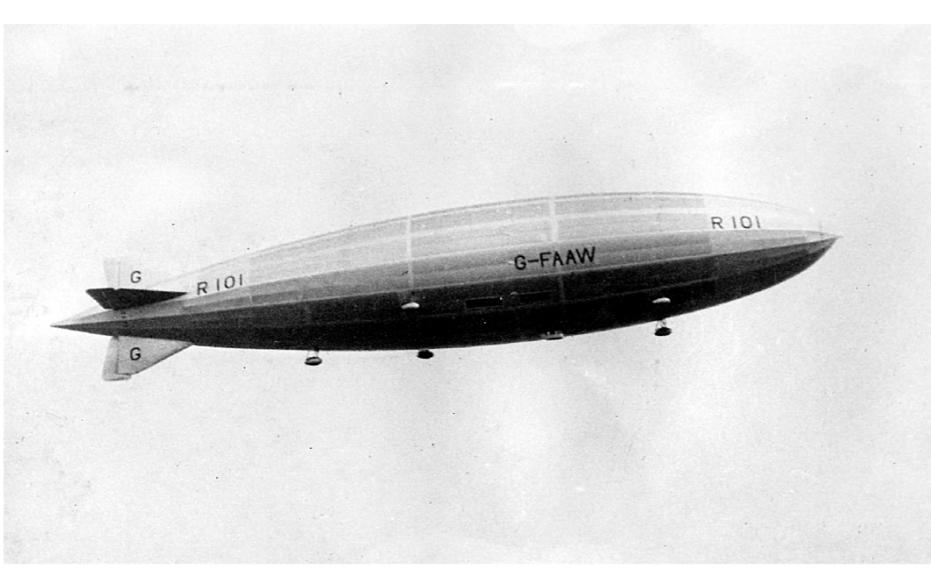
Hydrogen balloon
Initially it was filled with helium, later it was adapted to the use of hydrogen (due to the embargo imposed by the US). 200,000 m3 of gas was inflated into sixteen tanks of Hindenburg.
Disaster and the end of the era of airships
On the sixth of May 1937 during the berthing at the airport in Lakehurst (USA), the airship burned down. 35 people (13 passengers and 22 people from the crew) died in the event. The disaster ended the era of airships.

Future?
These machines, however, did not completely fall into desuetude. Today these are used for tourist flights and as advertising banners, although there are plans to use their modernized version for military and transport purposes.
Based on the text read, explain the chemical and physical properties of hydrogen. Note down your suggestions.
Watch the demonstration or conduct the experiment „Hydrogen properties testing” by following the instructions below. Write down your observations and conclusions.
What are the properties of hydrogen?
Hydrogen is a combustible gas.
conical or spherical flask,
cork with the dropper and the drainage tube,
crystallizer,
tripod with clamp,
detergent (e.g. dishwashing soap),
fire torch,
hydrochloric acid,
zinc.
Put on safety glasses and gloves.
Insert a few zinc granules into a conical or spherical flask.
Close the flask with the cork with the dropper and the drainage tube.
Place the end of the outlet tube in the crystallizer with water and detergent.
Add hydrochloric acid to the dropping funnel and open the tap.
When the foam will be formed on the surface, remove the end of the tube from the crystallizer and bring the fire torch close to the bubbles.
Draw a little liquid at the end of the tube and release the formed bubble into the air.
Hydrogen is a colourless, odourless gas, slightly soluble in water, it is the element with the lowest density, about 14 times lighter than air. It is a combustible gas – in pure form it combusts with a pale blue flame but does not support combustion. The mixture of hydrogen and oxygen under the influence of heating or sparks combusts violently – it is oxyhydrogenoxyhydrogen, formerly called Knallgas.
Applications of hydrogen
Hydrogen is a raw material for the synthesis of ammonia used in the industry for the production of artificial fertilizers. As a coolant, it is used for freezing food products. Formerly it was also used to prepare artificial ice rinks.
Hydrogen is used in hydrogen‑oxygen burners for precise metal cutting and welding, among others by jewellers. In the food industry, it is used in the margarine production process, and in the pharmaceutical industry – for the production of medicines.
Currently, a special type of battery is often used, called a fuel cell (which converts chemical energy into electricity). Liquid hydrogen is also used as a fuel for space shuttles.
Answer yes or no. Then reverse the card to check if your answer was correct.
| a mixture of hydrogen and oxygen after heating it up or under the influence of a spark explodes | yes |
| hydrogen is a combustible gas | yes |
| hydrogen can be obtained as a result of the chemical degradation of water | yes |
| hydrogen occurs on Earth in large quantities | no, it occurs in small amounts in natural and volcanic gas |
| hydrogen has the highest atomic mass | no |
| in all states of matter, hydrogen is the lightest substance in the world | yes |
| hydrogen is used in the liquid state as fuel in rockets and space shuttles | yes |
| hydrogen is used as a cooling agent for freezing food products | yes |
Which of the following sentences is true? Choose the correct answer.
- Hydrogen in the air occurs in the atomic form.
- Hydrogen is the lightest, colourfull gas that dissolves well in water.
- In the atmosphere, hydrogen occurs as a product of volcanic activity.
- In the reaction of hydrogen with metal, a hydride called ammonia is formed.
Create a multiple-choice test based on today's lesson. Then exchange your questions with a friend or classmate.
Question: ...
- ...
- ...
- ...
- ...
Summary
Hydrogen is the most widespread element in the universe. It creates diatomic molecules in the free state.
Pure hydrogen combusts but it does not support combustion. It is a colourless, odourless gas of the lowest density, about 14 times lighter than air. With oxygen, it forms an explosive mixture.
It is used for the production of ammonia, hydrochloric acid and margarine and as an ecological fuel.
Key words
Hydrogen, the lightest gas, diatomic molecule, oxyhydrogen
Glossary
tlenowodór – silnie wybuchowa mieszanina wodoru z tlenem, w stosunku objętościowym 2:1; eksplozję mogą zainicjować iskra elektryczna, płomień lub wysoka temperatura