In the meadow and in the field
what a forest is, and what conditions are present in it;
the reasons for the variability of conditions on forest floors;
how natural conditions vary in the forest throughout the changing seasons.
to compare the conditions present in meadows and in fields;
to identify why fields are fertilised;
to recognise selected species of meadow and field plants;
to recognise selected animals living in fields and meadows.
In summer it's nice to go for a walk in a meadow. So many colours, shapes and smells! In the neighbouring fieldfield, the wheat is no longer so colourful. However, it is home to and is a source of food for many organisms. By creating vast fields, we have, by chance, provided them with the ideal place to live.
Life in the meadow
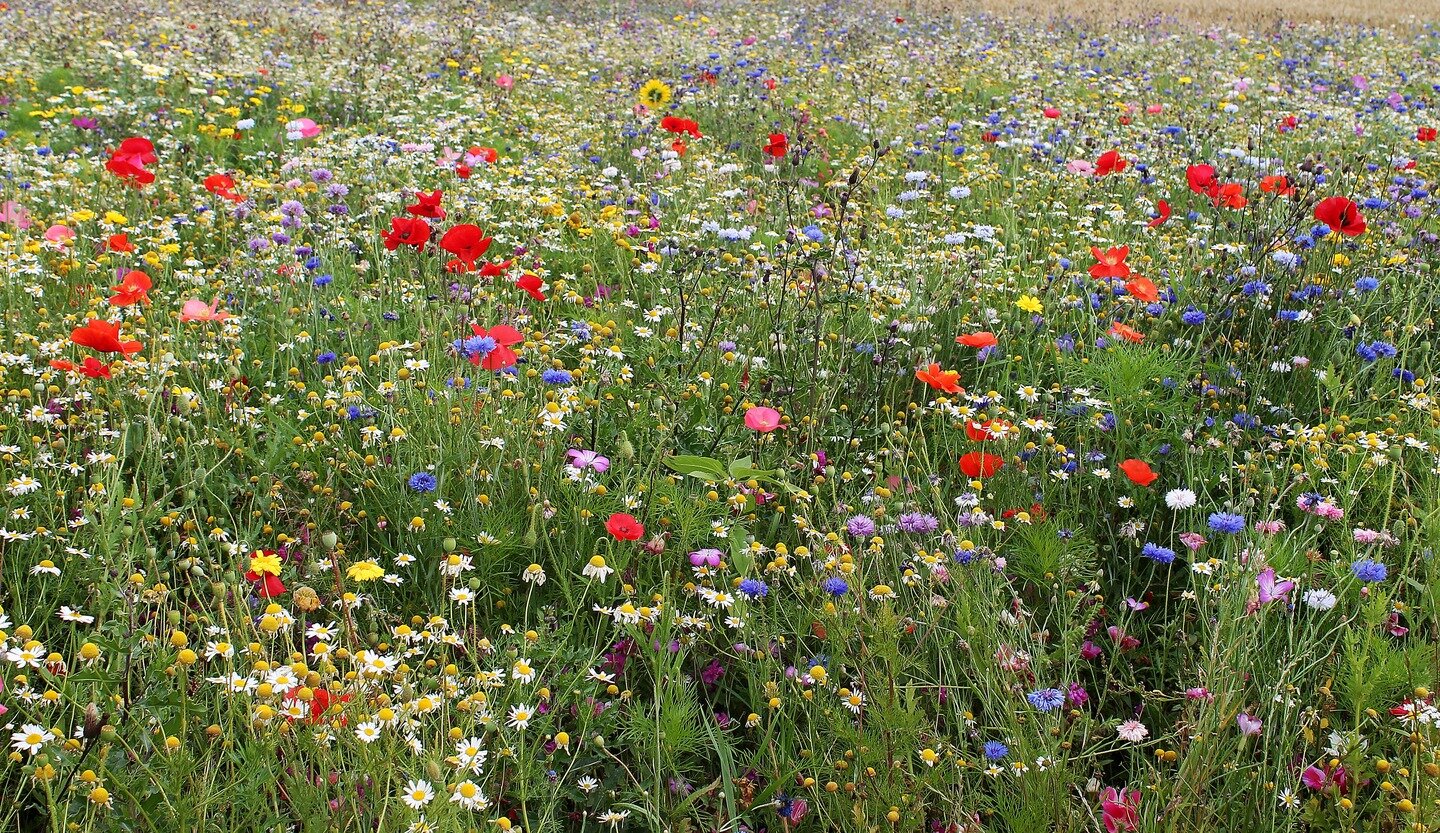
Before people cut down the majority of forests on our country's terrain, these natural grasslands, or meadowsmeadows, occurred only in valleys which were regularly watered by rivers, and on high mountain slopes. Trees couldn't grow there, because in the valleys floods destroyed them, and in the mountains the soil was too thin for their roots to be able to grow deeply enough.
Now, meadows are present over almost the whole of Poland. Forests do not grow back again, mainly because they are either mowed too regularly for hay, or farm animals graze on them. In the meadows, many species of grassgrass and other green plants grow.
Grasses quickly establish themselves in new terrains, since their roots and underground stalks grow very widely. They also store nutrients created in their leaves, protecting them from being eaten by herbivores. At the same time, their roots can be used to reproduce – in this way, grasses build a dense turf. Neither being bitten by animals nor being mowed destroys this plant; on the contrary, it stimulates the grass to grow better.
Fields
Many forests have been converted into farmland. These fields are different to meadows. In meadows, there is a huge variety of plants, whereas in a given part of a field, only one species of plant is grown every year. As a rule, the crop grown in the field is changed in the following years, while in a meadow the same plants grow for many years. Fields are ploughed every year, and meadows are never ploughed.
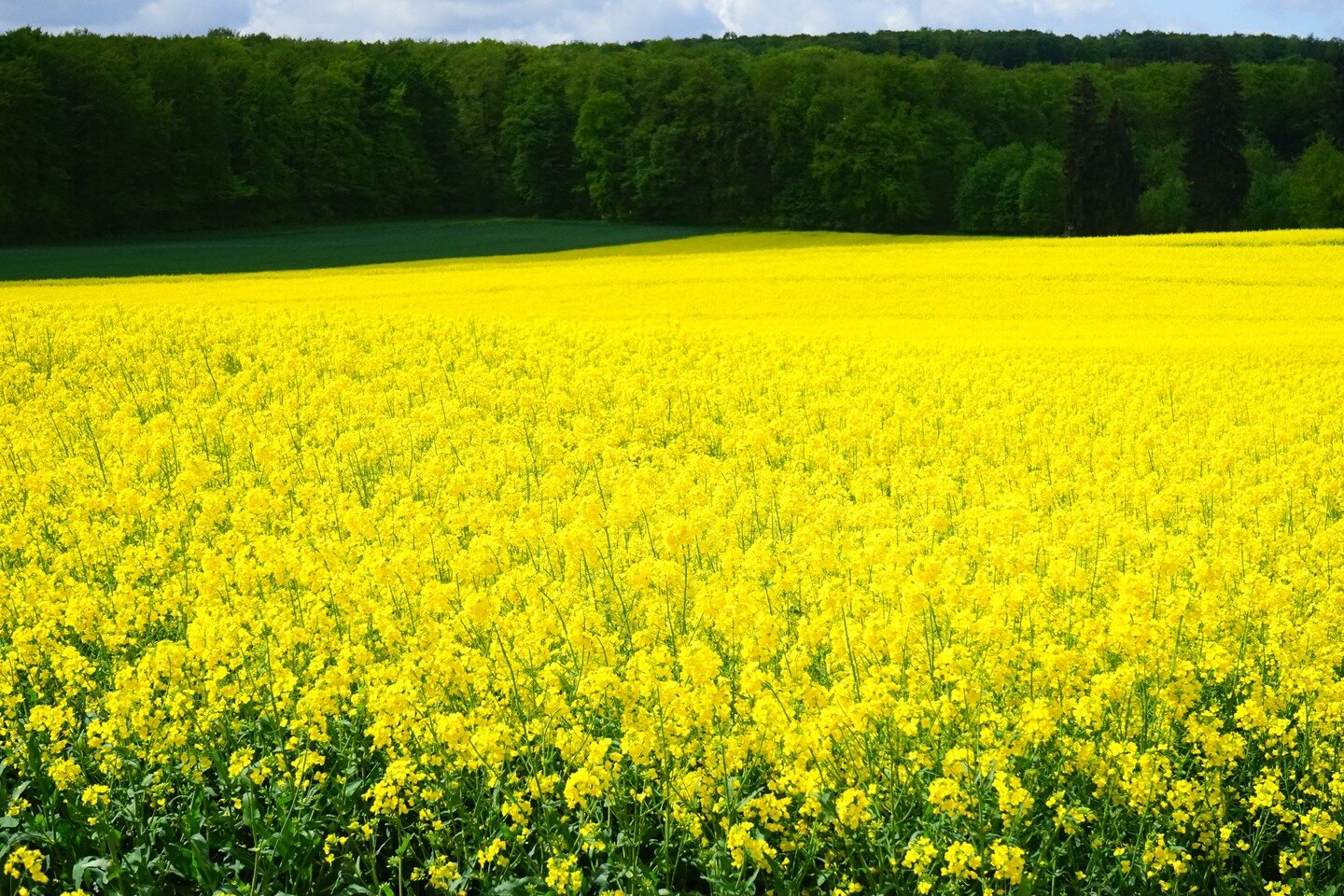
The most important trait that makes fields different from other environments is the need to regularly fertilize them. In fields after harvesting, there are not enough remains for decomposers to create humus. Therefore, the soil becomes poorer. In fields, many treatments are carried out, such as spraying with chemicals to remove unwanted plants, animals and fungus. Organisms that are unnecessary for or unwanted by agriculture are killed in this way.
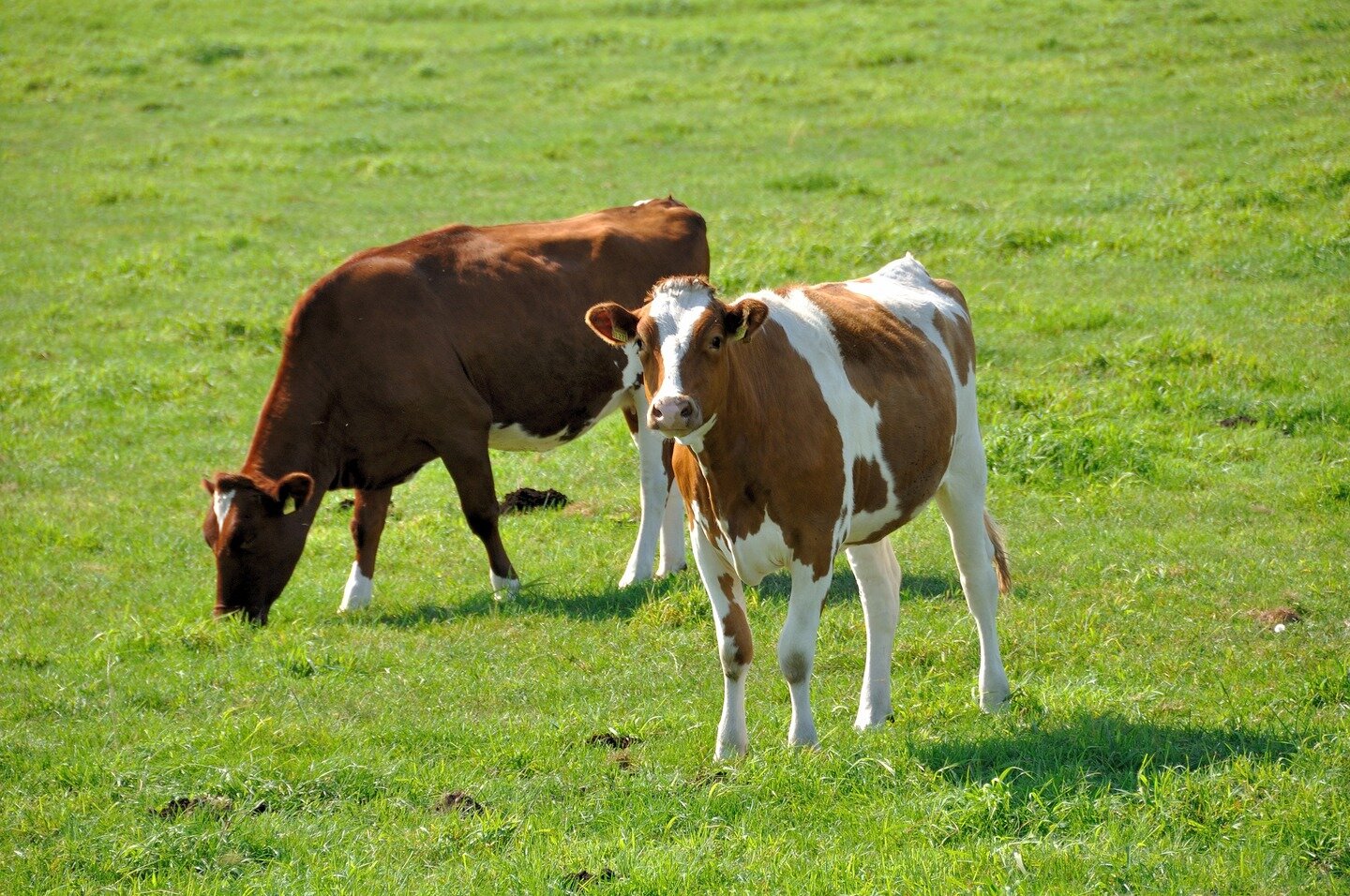
Certain meadows (both natural ones and those created by man) are used to graze such animals as cattle, horses, sheep and goats. The plants here are not only eaten but also trampled and naturally fertilised by the animals' excrement. We call areas used in such a way pasturespastures.
Meadow plants and animals
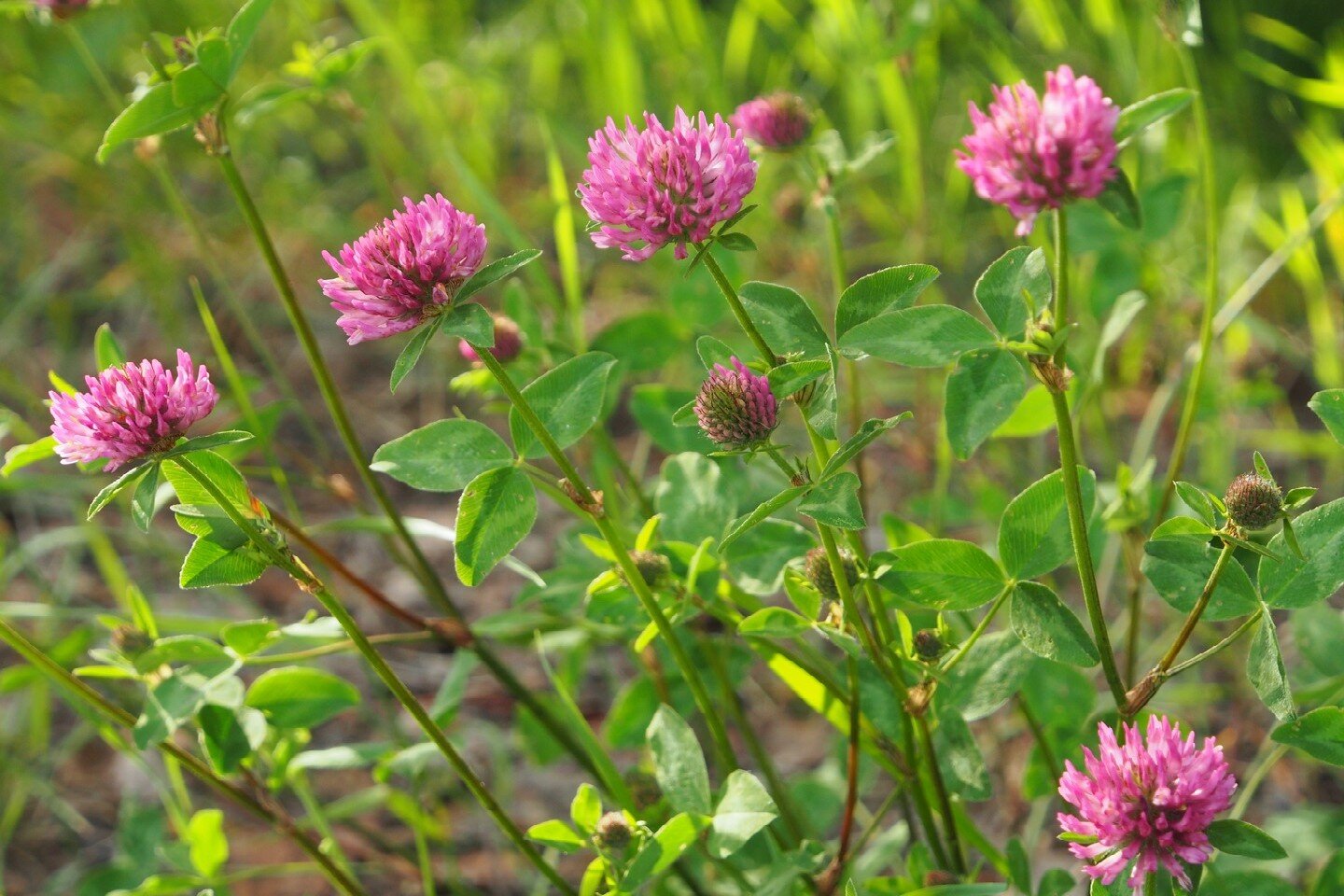
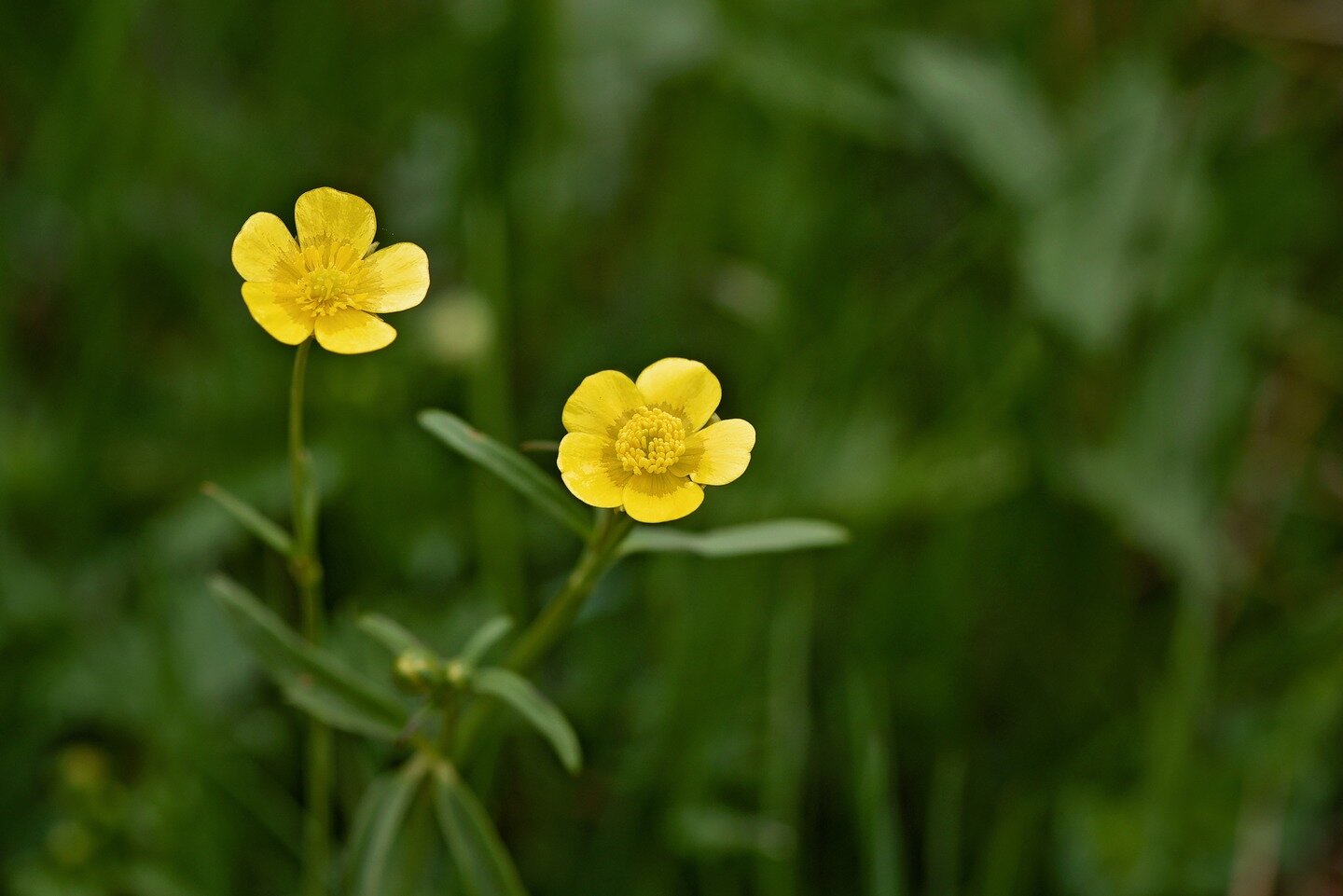
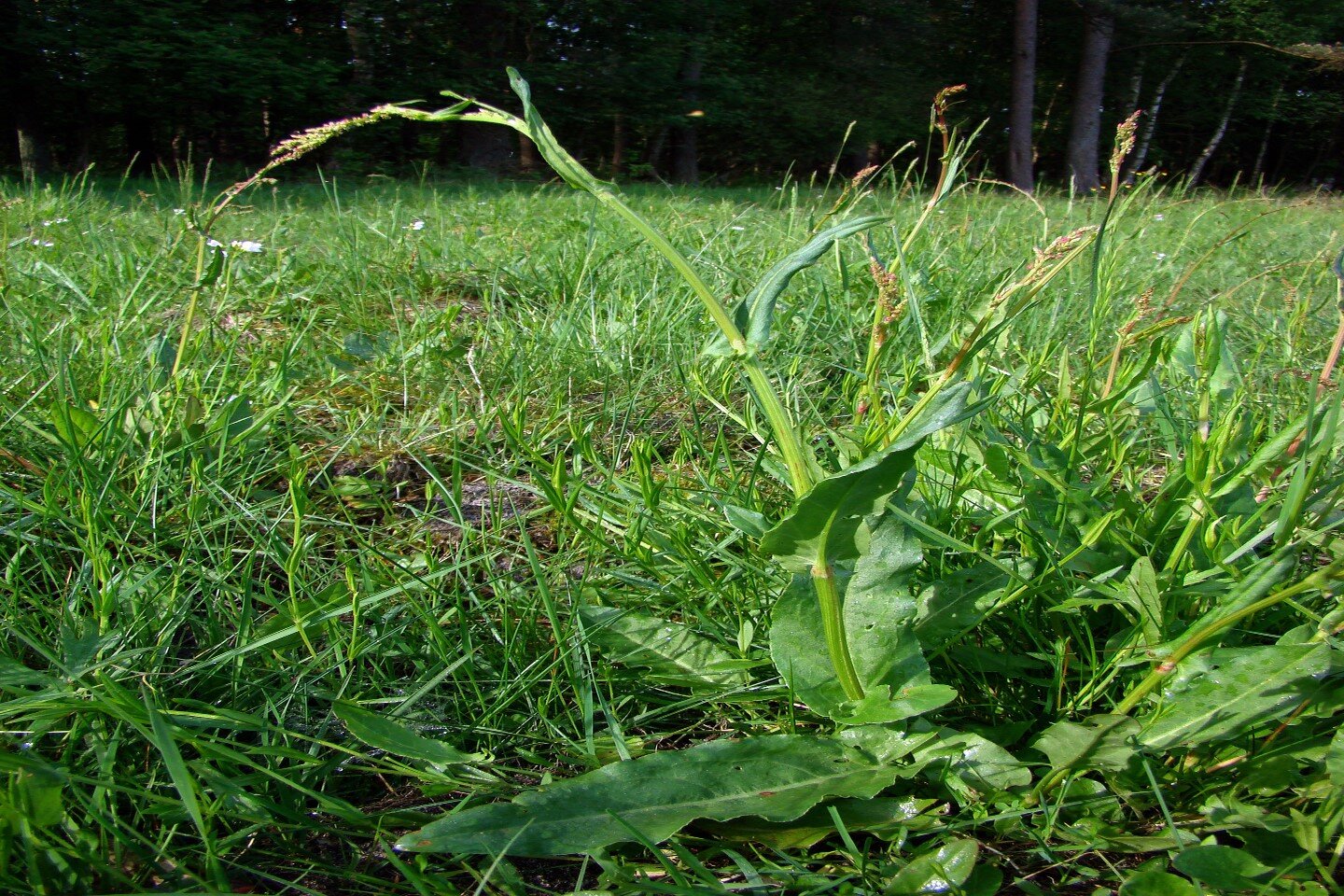
Many different plants live in the meadows in Poland. They provide feed for farm and wild animals. Many grasses can be found here, as well as clover, peavines and dandelions. Sorrel and buttercups appear in humid places. Such meadows are mown once or more times a year. In dry, poor habitats (rocks, sand and rubble) grasslands are formed, on which sheep graze. In fields, the plants which are cultivated grow, as well as other plants which spread there by themselves, without the help of man. Field margins are an important component of fields – strips of green between the fields, on which plants that are typically found in meadows grow.
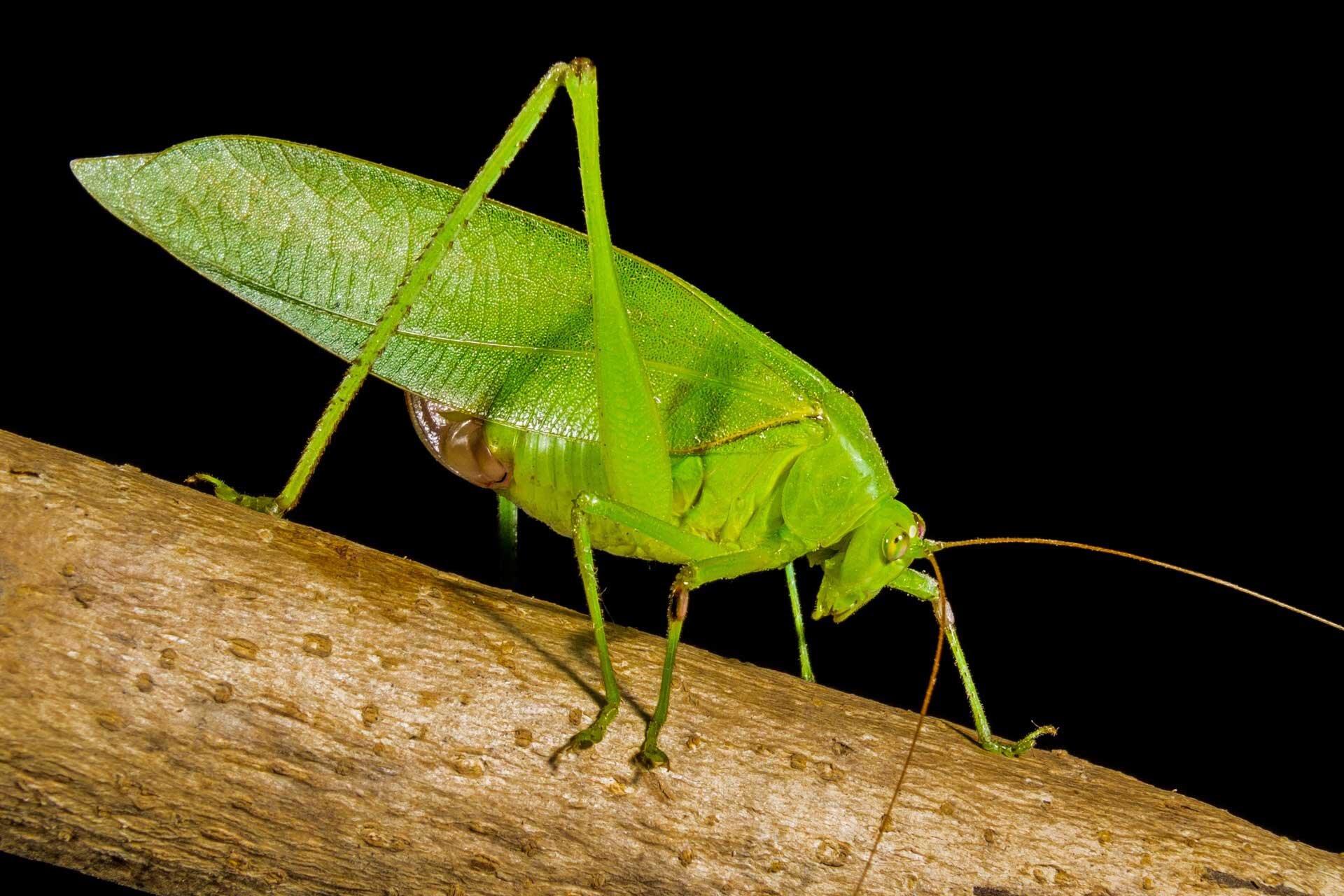
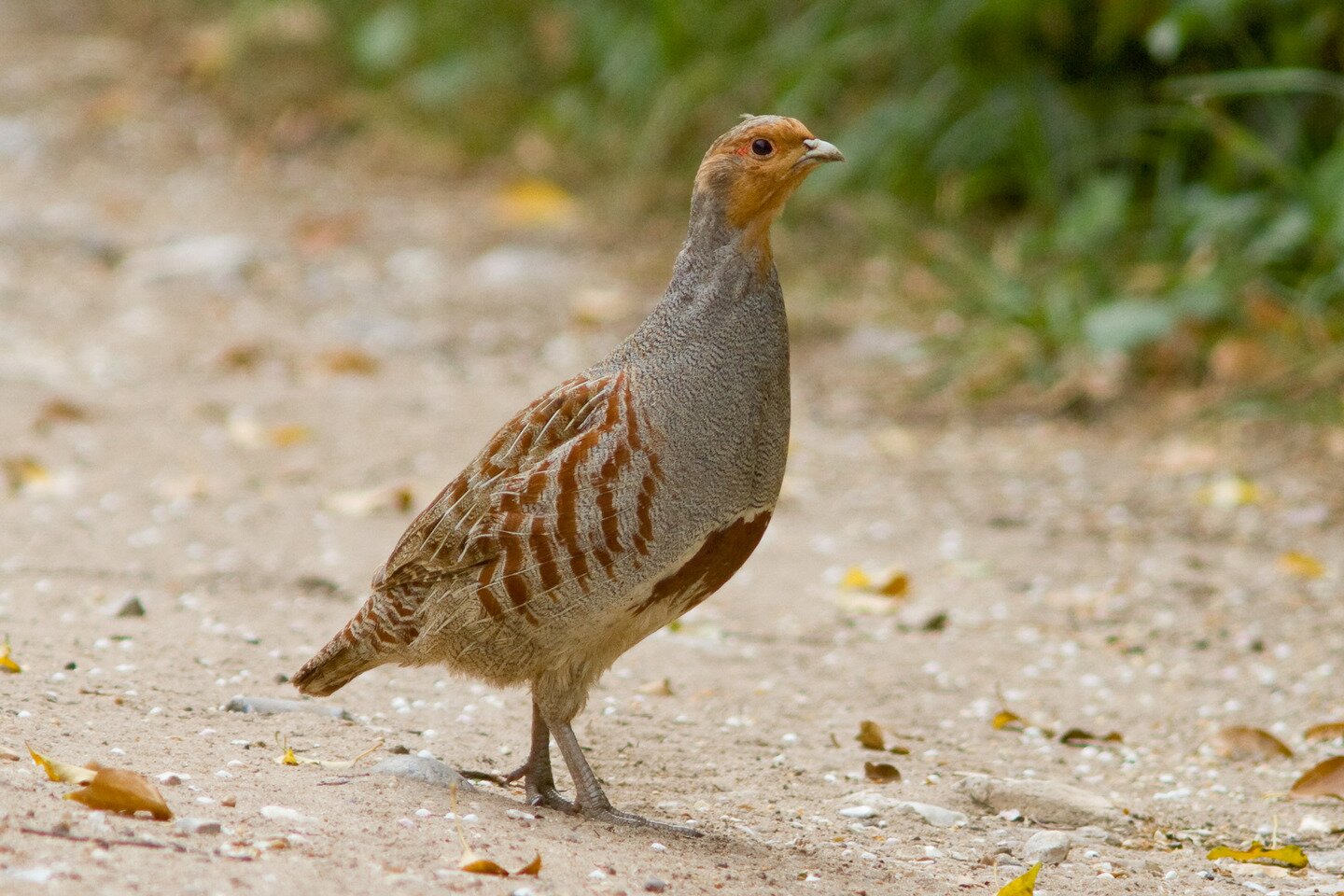
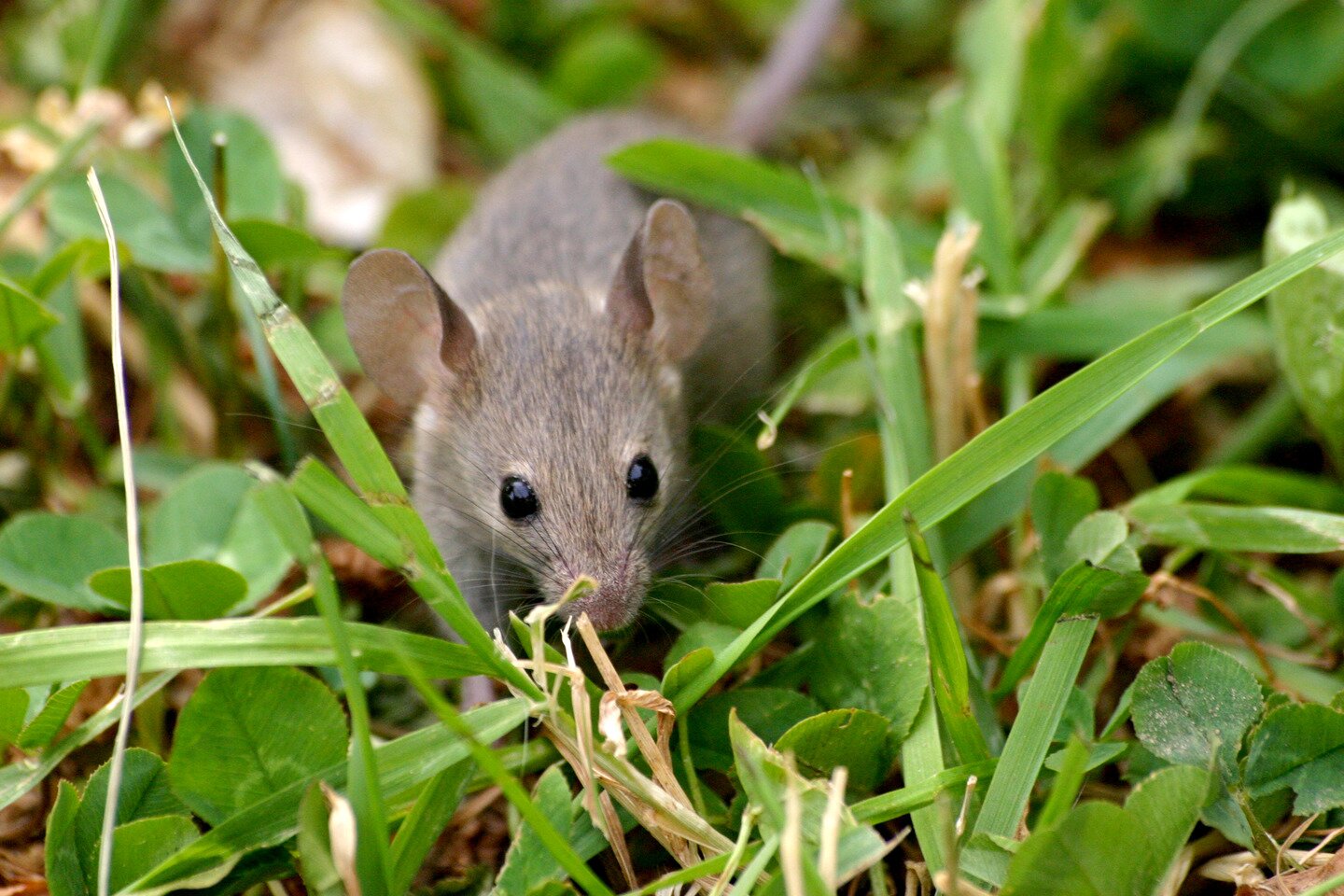
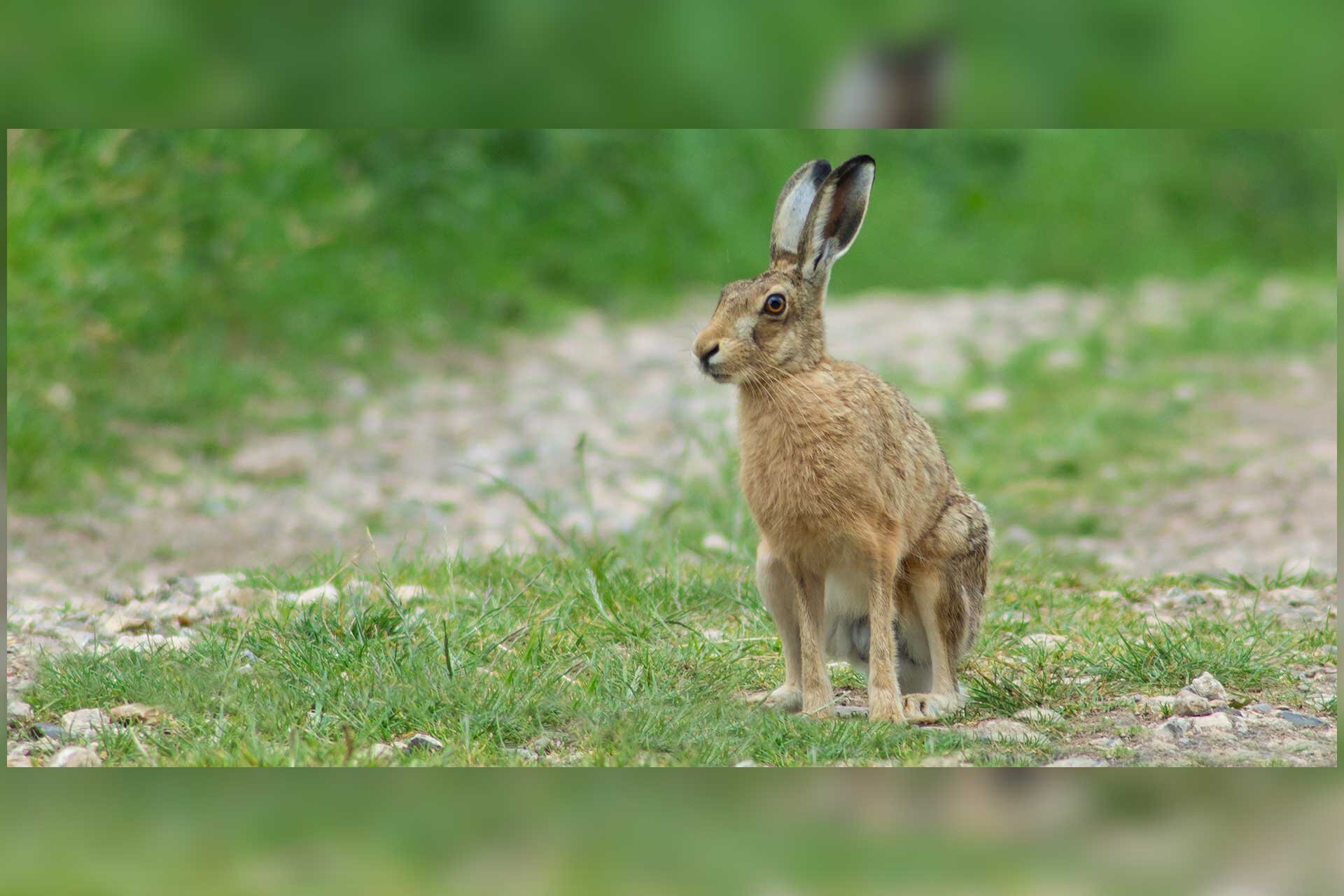
Numerous species of animals can be found in meadows, the most commonly occuring among them being invertebrates. Among insects, grasshoppers and the crickets which chirp in the evenings, must be named. There are also many butterflies, ants, bumblebees and many different spiders. Amphibians (for example, the common frog and toads) also live here, as well as reptiles – snakes and lizards. Pheasants and quail nest in meadows, and yellowhammers, goldfinch and buzzards search for food. Small mammals can also be found in meadows: mice, moles and hares.
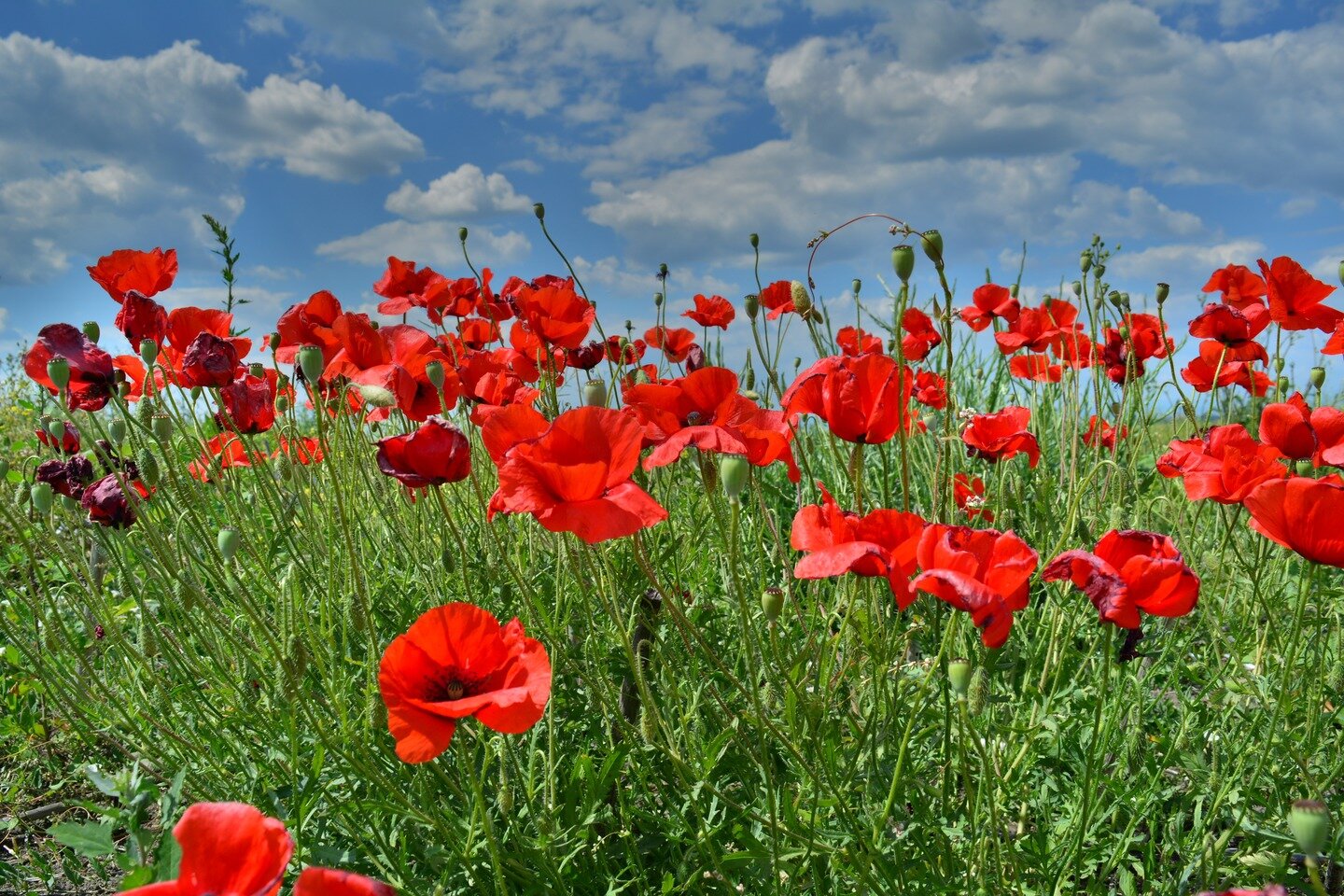
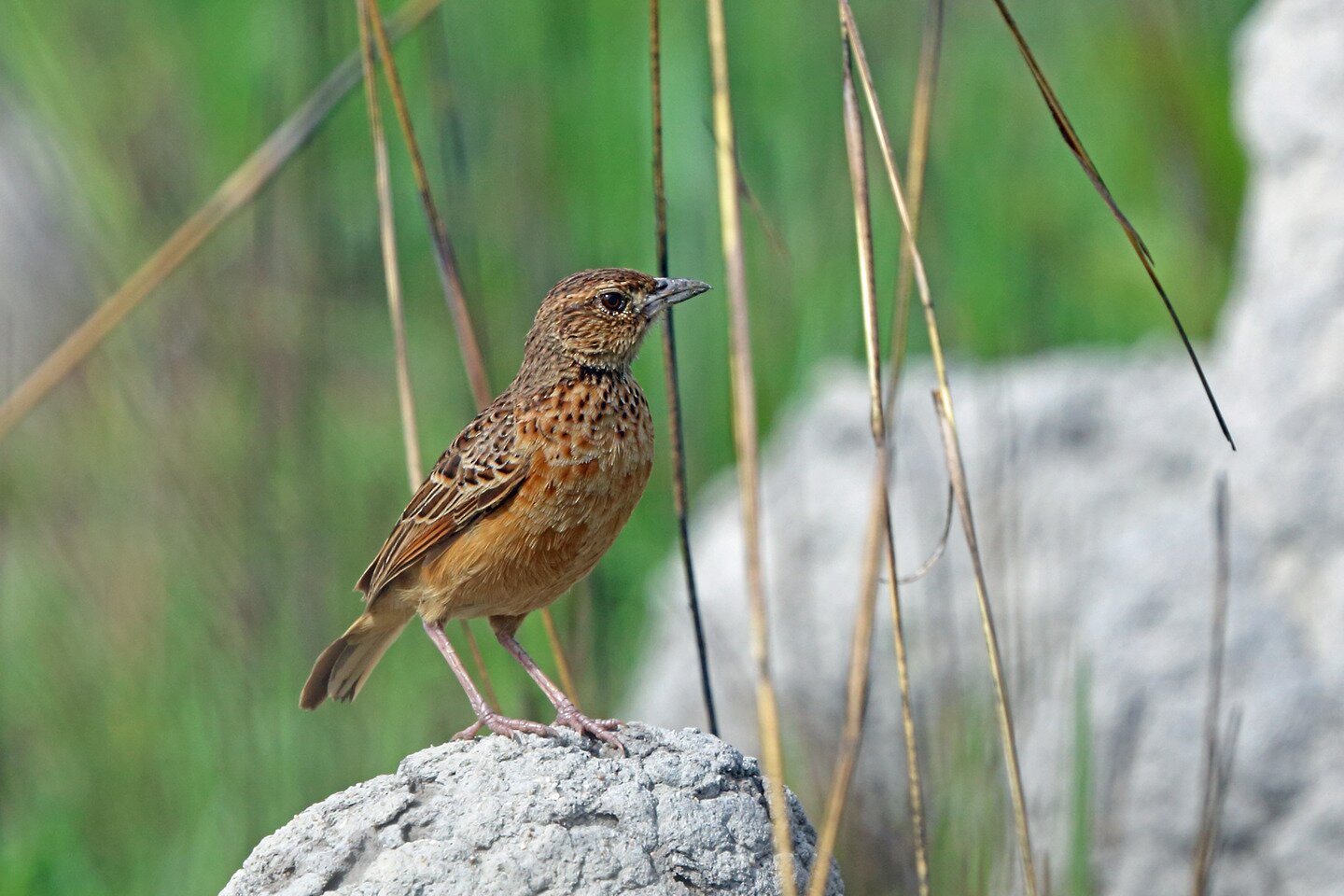
Significantly less animals live in fields used for farmland. It is most often the same animals that live in meadows. They come in search of easily available food. Storks and crows can often be found. During spring and autumn migration, large flocks of geese can be found in fields. Wild boar and deer often feed in fields close to forests. In spring, the skylark's song can be heard over the fields – a bird which nests on the ground. Fields are the ideal environment for insects, which feed on the species cultivated. Two examples are the potato beetle and butterfly caterpillars.
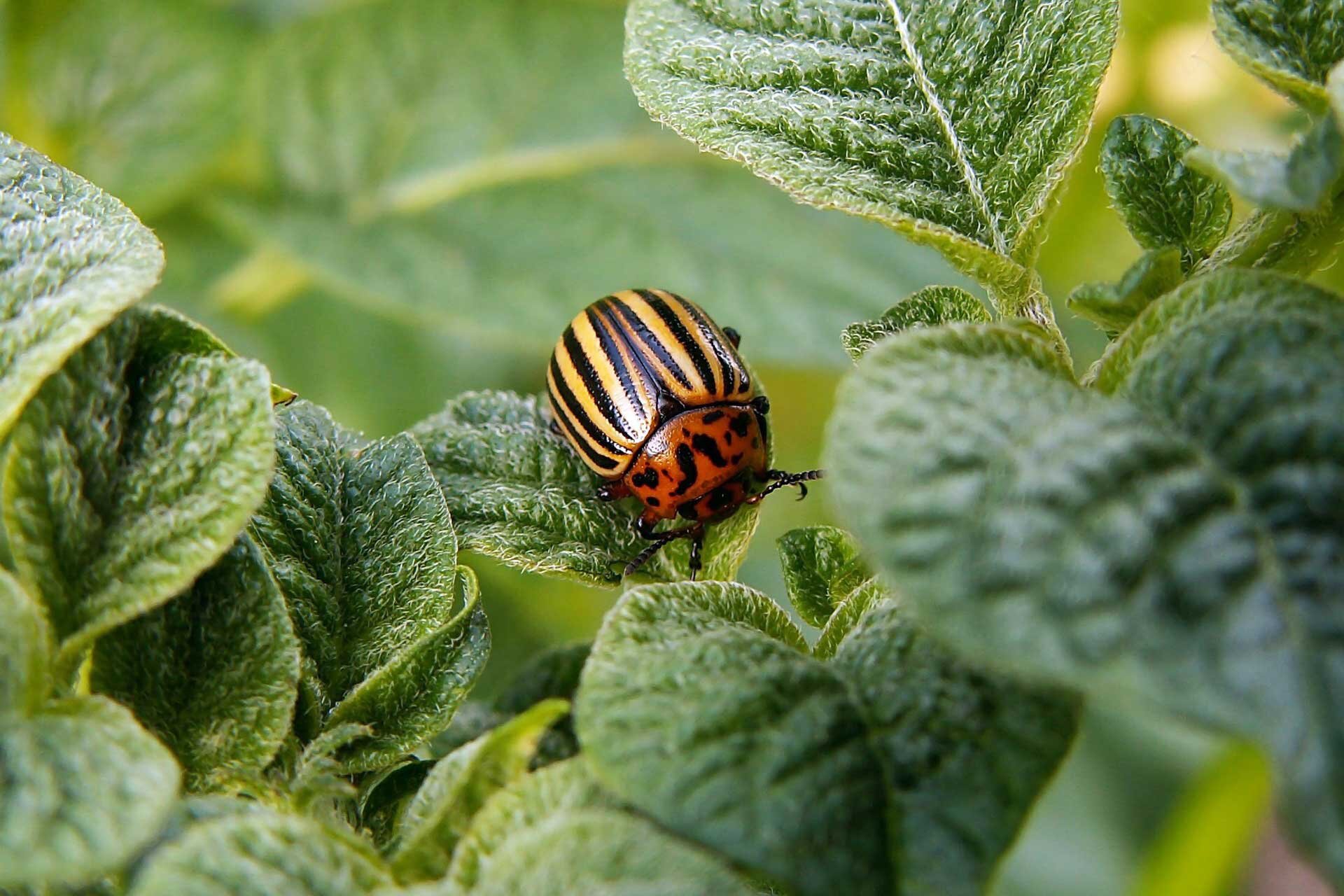
Unsuitable methods of combating insects, which are treated as farmland vermin, cause the death of a significant number of animals, to which the farmer is either indifferent, or are even his allies (for example bees).
Decide if the statements are true or false:
| True | False | |
| Grasses are the only plants that occur in meadows | □ | □ |
| Not all meadow plants are pollinated by the wind | □ | □ |
| Only invertebrates occur in meadows. | □ | □ |
| The greater the variety of plants in a meadow, the more species of meadow animals there are | □ | □ |
Summary
In the past, meadows occurred naturally in Poland only in river valleys and high in the mountains.
By cutting down forests, people contributed to an increase in the area covered by meadows and fields.
Cultivated fields are home to numerous species of plants and animals.
Many species of perennial green plants, invertebrates and vertebrates live in meadows.
Keywords
a meadow, grasses, a field
Match the pairs: English words with Polish definition.
obszar trawiasty, najczęściej ogrodzony i z dostępem do wody (naturalnej lub przywożonej przez człowieka); służy jako baza pokarmowa i teren wypasu zwierząt hodowlanych, wieloletnie rośliny zielne o pustych w środku łodygach, z których wyrastają długie i wąskie liście; są wiatropylne i mają drobne kwiaty skupione w kłosach, obszar służący różnego typu uprawom prowadzonych na gruntach rolnych, zbiorowisko roślinne składające się głównie z traw, bylin i innych roślin zielnych
| a meadow | |
| a pasture | |
| grasses | |
| field |
Glossary
łąka – zbiorowisko roślinne składające się głównie z traw, bylin i innych roślin zielnych
pastwisko – obszar trawiasty, najczęściej ogrodzony i z dostępem do wody (naturalnej lub przywożonej przez człowieka); służy jako baza pokarmowa i teren wypasu zwierząt hodowlanych
trawy – wieloletnie rośliny zielne o pustych w środku łodygach, z których wyrastają długie i wąskie liście; są wiatropylne i mają drobne kwiaty skupione w kłosach
pole – obszar służący różnego typu uprawom prowadzonych na gruntach rolnych