Is citizenship important?
Citizenship is the status of a person recognized under the law as being a legal member of a sovereignsovereign state.
Each country has its own policies, regulations and criteria as to who is entitled to ist citizenship.
You will understand the rules of granting citizenship in Poland and other states.
You will know what repatriation is.
You will know how a foreigner can apply for a Polish citizenship and what the exceptions are.
Have you ever thought what it means to be a citizen of a certain state? Are all the people living in our country citizens of Poland? What do we need citizenship for? Check what the Polish Constitution says about it.
The Constitution of the Republic of PolandChapter II, Article 341. Polish citizenship shall be acquiredacquired by birth to parents being Polish citizens. Other methods of acquiring Polish citizenship shall be specified by statutestatute.
2. A Polish citizen shall not lose Polish citizenship except by renunciation thereofthereof.
Source: The Constitution of the Republic of PolandChapter II, Article 34.
Citizenship
A person can be recognized or granted citizenship on a number of bases. Poland grantsgrants citizenship by birth (right of blood, ius sanguinis), which means that, according to the Constitution, we “inheritinherit” our citizenship from our parents, regardless of where we were born. In some states you have to be born within the country to be granted citizenship (right of the soil, birthright citizenship, ius soli) – any child born within the territory of the state (or even a ship, or a plane that belongs to this state) is granted citizenship of this state, regardless ofregardless of the citizenship of its parents. Poland uses the birthright citizenship rule sometimes, too – when the parents of a child are not known or have no citizenship themselves.
And what happens if one of the parents is Polish and the other is a foreigner? Whether the child was born in Poland or abroad, if one of the parents had a Polish citizenship, the child is entitled to a Polish citizenship as well. It is up to the parents to decide. They can choose one or decide that the child will have two citizenships, unless the law of the other state forbidsforbids such a situation. Having two citizenships does not release fromrelease from any duties towards the Polish state, nor does it limit any of the rights.
Can you remember the ways to acquire citizenship? Do you know who a stateless person is? Go through the flashcards and turn them round to check if your answers are correct.
| right of blood | we “inherit” our citizenship from our parents, regardless of where we were born |
| right of the soil, birthright citizenship | any child born within the territory of the state is granted citizenship of this state, regardless of the citizenship of its parents |
| dual citizenship | if the parents are citizens of different states, the child may be granted citizenship of both states |
| a stateless person | a person who is not recognized as a citizen by any state |
Repatriation
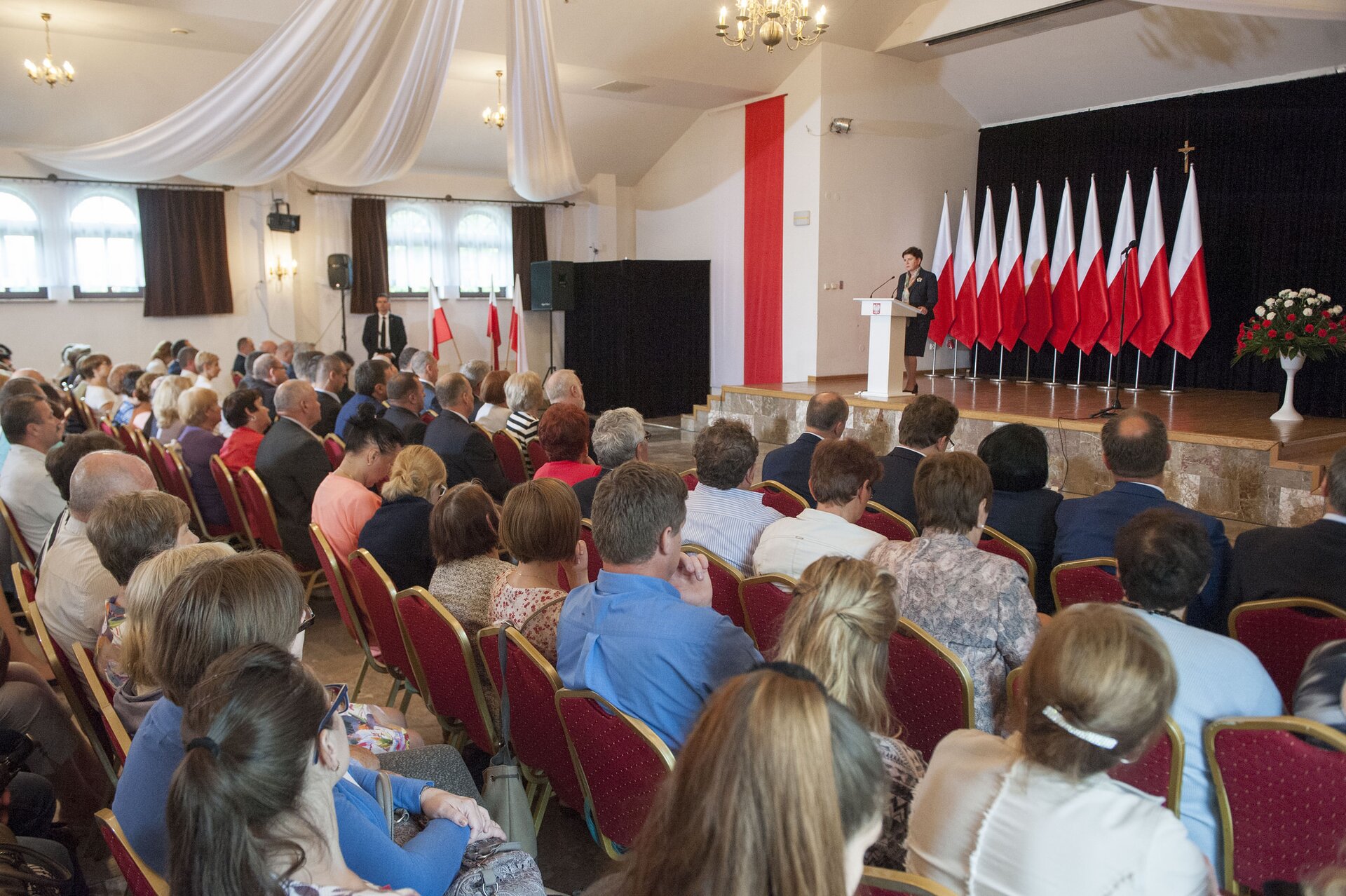
When the Polish borders were changed after the second world war a lot of Poles remained outside of the Polish new territory. Several hundred thousand of our countrymen were deported during war and Stalinist repressions far into the Soviet territory. They lived far away from their motherland, but kept the language, observed the traditions and Polish customs. To us the Polish citizenship seems obvious, we have had it since we were born, but a lot of our countrymen could only dream about it. Today, the children of the deportees are coming back to Poland – the process is called repatriation. Watch a couple of short interviews in which they share their emotions when receiving the Polish citizenship. How much does being a Polish citizen mean to you?


Foreigners
A foreigner can apply for a Polish citizenship if:
he is not dangerous to our state,
he has lived in Poland for many years,
he has a permanentpermanent source of income,
he has passed a Polish language exam.
Also a foreigner who has been married to a Pole for more than three years can apply for a Polish citizenship. The process of getting a citizenship is usually quite long, but exceptions can be made. The President of the Republic may grant Polish citizenship and he is not limited by any restrictions of the statutes.
Do you know what conditions a foreigner has to meet to acquire a Polish citizenship? Mark the people who meet the conditions.
- John Smith – an unemployed American, living in Poland for the past 10 years
- Anna Krupskaja – from Ukraine, living in Poland for 10 years, married to a Polish citizen for 5 years
- Ahmed Martabi – a citizen of Morocco, living in Poland for 13 years, running his own business
- Paul Geroux – a student from France, has had a Polish fiancee for two years now, he does not swap Polish at all
Listen to the abstract recording to review the material and new vocabulary. Then do the vocabulary exercise. Match the pairs: English and Polish words.
zwalniać od, zabraniać, zakazywać, odziedziczyć, uprawniony, bez względu na, suwerenny, nabywać, przyznawać
| sovereign | |
| authorized | |
| to grant | |
| to acquire | |
| to inherit | |
| regardless of | |
| to forbid | |
| to release from |
Keywords
repatriation, right of blood, birthright citizenship, foreigner
Glossary
suwerenny
uprawniony
przyznawać
nabywać
ustawa
tego
odziedziczyć
bez względu na
zabraniać, zakazywać
zwalniać od
stałe