Katalog interaktywny
Today, alternative sources of energy are getting more and more popular. Study the interactive catalogue to find out about their advantages and disadvantages. Will they be the main sources of energy in the future? What do you think?
Alternatywne źródła energii zyskują obecnie na popularności. Zapoznaj się z katalogiem interaktywnym, aby dowiedzieć się o ich wadach i zaletach. Czy będą one głównymi źródłami energii w przyszłości? Jak myślisz?
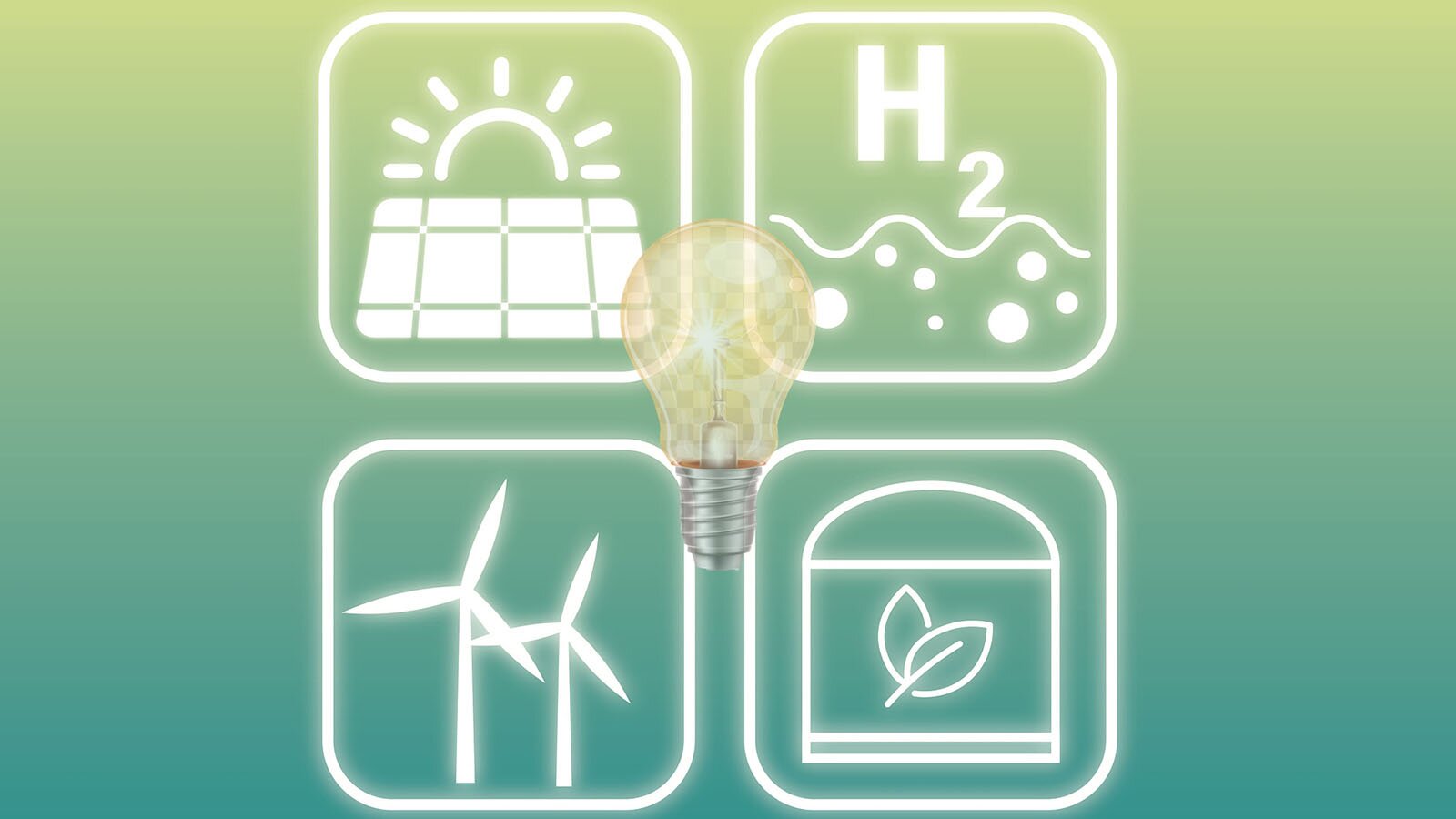
Decide which sources of energy listed below are renewable and which ones are non‑renewable.
Określ, które z poniższych źródeł energii są odnawialne (renewable), a które nieodnawialne (non‑renewable).
2) Coal renewable non-renewable
3) Sun renewable non-renewable
4) Wind renewable non-renewable
5) Water renewable non-renewable
6) Gas renewable non-renewable
Analyse the information about sources of energy and do the tasks below.
Zapoznaj się z informacjami o źródłach energii i wykonaj poniższe zadania.
Grafika składa się z dziesięciu zdjęć. Każde ze zdjęć posiada punkty interaktywne, po naciśnięciu których pojawiają się tekst oraz nagrania. Transkrypcja do nagrań znajduje się poniżej.
WAVE ENERGY‑ADVANTAGES.
To produce wave energy you need ocean waves. When they move, they make electricity. It is quite a new type of source of energy. You can find wave farms on the coasts of Portugal, the UK, Australia, and the U.S.A.
Waves have a lot of power in them, so we can make a lof of electricity from them.
Zdjęcie nr 1 przedstawia morze, na którym widoczne są spienione fale.
WAVE ENERGY‑DISADVANTAGES.
The idea is to put very big turbines in the ocean so they can make more waves. It is not an easy or cheap task to build and install them. What is more, the turbines may be harmful for living organisms in the oceans.
Wave energy cannot be produced everywhere. Only places with lots of big waves can use this method.
Zdjęcie nr 2 przedstawia spieniona wodę morską. Widoczne są wiry wodne.
SOLAR ENERGY - ADVANTAGES.
Solar power makes light and heat from the sun into electricity. To produce this type of energy we use sun rays that fall on the solar panels.
Solar panels are quiet and safe.
Zdjęcie nr 3 przedstawia dach budynku, na którym zamontowano panele słoneczne. w oddali widoczny zachód słońca.
SOLAR ENERGY‑DISADVANTAGES.
Today it is quite easy to install solar panels. They are not very expensive. However, how much solar energy you get depends on the weather.
Solar panels need a lot of space.
Zdjęcie nr 4 przedstawia farmę fotowoltaiczną, na której w rzędach ustawiono panele słoneczne.
BIOMASS ENERGY‑ADVANTAGES.
Biomass energy is made from the waste of plants. To produce energy you can use vegetable oil, wood, or food that is not good enough to sell.
This kind of energy helps us to reduce rubbish.
Zdjęcie nr 5 przedstawia liście paproci oraz łodygi.
BIOMASS ENERGY‑DISADVANTAGES.
Biomass is quite cheap, but you need to build a special place to burn it and to make electricity. You also need lots of land to grow biomass and it takes time to grow it.
When we burn biomass, it can sometimes make a bad smell.
Zdjęcie nr 6 przedstawia złączone dłonie, na których widoczny jest drobny pelet wysuszonej biomasy.
WIND ENERGY‑ADVANTAGES.
Wind energy uses wind turbines to make electricity. It is one of the cleanest forms of energy. The cost of energy production is also low.
Wind energy does not produce pollution.
Zdjęcie nr 7 przedstawia pofałdowany teren pagórków, na którym ustawiono wiatraki produkujące prąd.
WIND ENERGY‑DISADVANTAGES.
Wind turbines are expensive to build. They are also noisy, so they should be away from cities and towns. Wind turbines may be also dangerous for some animals, especially birds.
Wind turbines are big and use a lot of space.
Zdjęcie nr 8 przedstawia zbliżenie na ramiona wiatraka produkującego prąd stojącego na polach uprawnych.
NUCLEAR ENERGY‑ADVANTAGES.
Nuclear energy comes from separating atoms of uranium. To produce energy, heat and water produce steam which moves turbines that produce electricity.
Nuclear power plants can work all the time because they don’t depend on the sun or wind.
Zdjęcie nr 9 przedstawia cztery, potężne betonowe kominy elektrowni atomowej.
NUCLEAR ENERGY‑DISADVANTAGES.
Nuclear energy also produces radioactive materials. If an accident happens, they may be dangerous for people and the environment.
Nuclear power plants produce radioactive waste that can be dangerous for a long time.
Zdjęcie nr 10 przedstawia cztery, potężne betonowe kominy elektrowni atomowej, z których wydobywają się kłęby pary wodnej.
Analyse the interactive catalogue and find the odd one out in each category.
Przeanalizuj katalog interaktywny i wybierz jedną niepasującą pozycję w każdej kategorii.
2. Solar energy: non-renewable sun rays depends on weather solar panels
3. Biomass energy: renewable radioactive plants waste quite cheap
4. Wind energy: renewable needs strong wind depends on weather pollute air
5. Nuclear energy: non-renewable radioactive cheap to build lots of energy
On the basis of the interactive catalogue, analyse the sentences and decide if they present an advantage or disadvantage of the given source of energy.
Ponownie przeanalizuj katalog interaktywny i zdecyduj, czy poniższe zdania przedstawiają zalety (advantages), czy wady (disadvantages) podanego źródła energii.
2. You can install solar panels in many different places to get solar energy. advantage disadvantage
3. When you use biomass energy, there is less rubbish. advantage disadvantage
4. Wind energy doesn’t pollute the air. advantage disadvantage
5. When there is an accident at a nuclear power plant, radioactive materials may pollute the environment. advantage disadvantage
Based on the information from the catalogue, drag and drop the words to describe wind energy. Watch out! There are two words that do not match the text.
Na podstawie informacji z katalogu przeciągnij wyrazy i upuść je we właściwych miejscach, aby opisać energię wiatrową. Uważaj: są dwa dodatkowe wyrazy, które nie pasują do tekstu.
Imagine your local authorities could install one type of renewable energy source in your neighbourhood. Which one do you think would be best? Why? Write your answer in 2‑3 sentences.
Wyobraź sobie, że władze lokalne mogą zainstalować w twojej okolicy generator jednego typu energii pochodzącej ze źródeł odnawialnych. Jak sądzisz, który z rodzajów energii byłby najlepszy? Dlaczego? Napisz swoją odpowiedź w 2‑3 zdaniach.