Medicine addiction, preventing addictions, addictions of the 21st century
health is a value that has to be protected;
life choices of men highly influence their health.
to present the negative consequences of drug addiction, alcoholism, smoking.
to explain why you should not take pills unnecessary.
Addiction to medicine
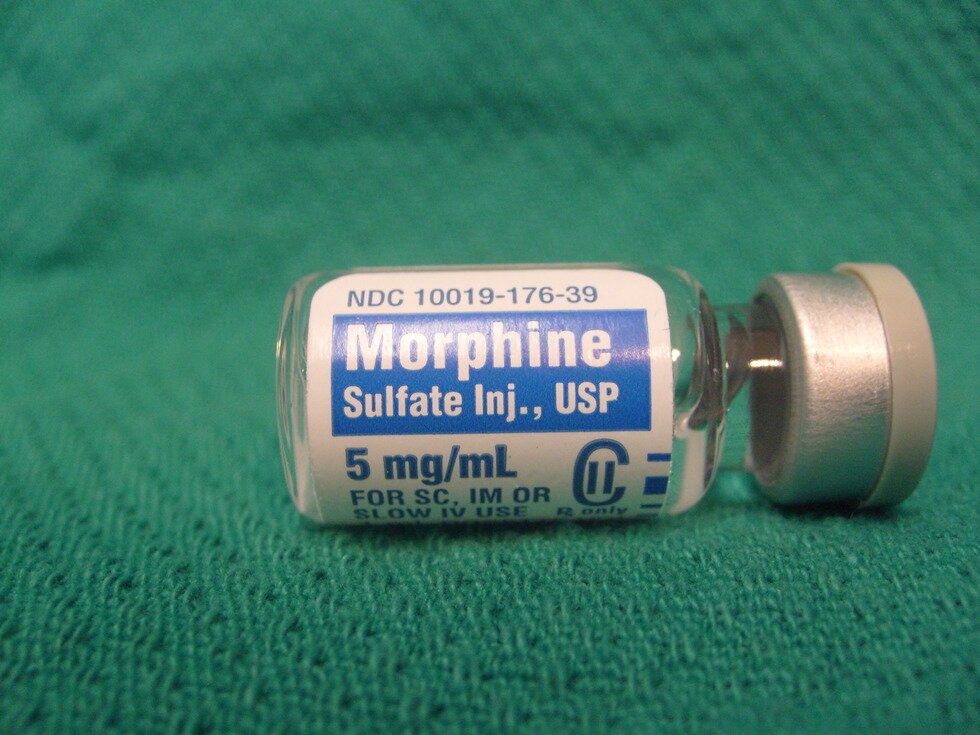
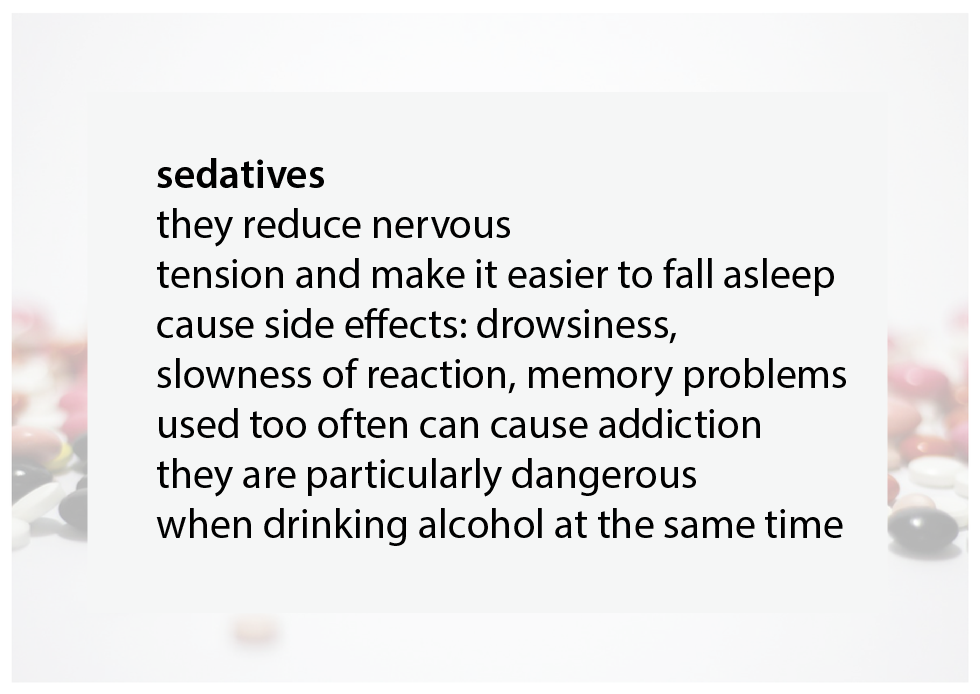
Easy access to pills and dietary supplementsdietary supplements, as well as a certain trend to take them makes us use pills, e.g. painkillers, instead of trying to solve our health or life problems. Especially popular are the sedatives and sleep medicine, performance‑enhancing drugs and painkillers, syntetic vitamins and dietary supplements or products advertised as something that helps to slim down.
Taking medicine without consulting a doctor can cause damage to the stomach, kidneys and liver, as well as addiction to medicines. Addiction to taking pills is equally as serious as alcoholism or drug addiction.
Preventing the addictions
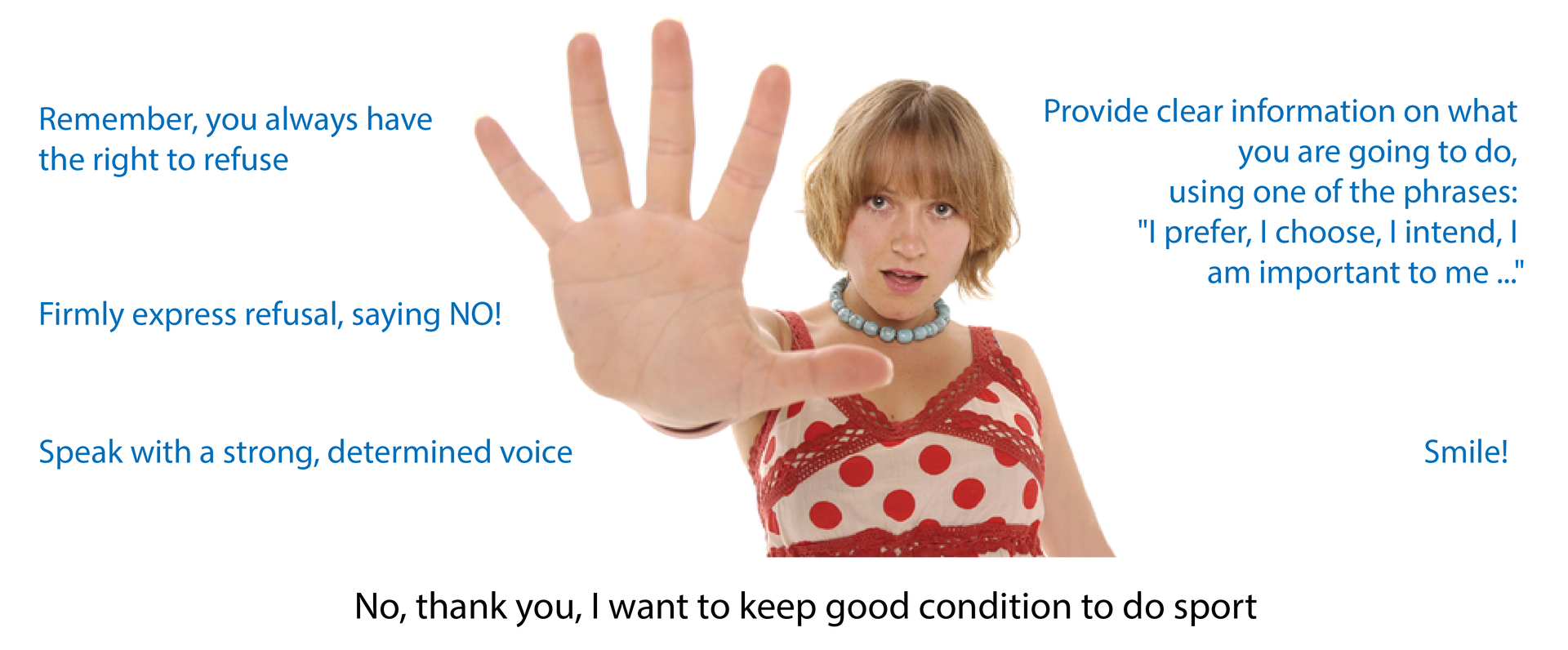
An addict is a person who has the need to use stimulantsstimulants, or the need to do a certain action, and that need is stronger than the consequences of the actions. Easy access to cigarettes, alcohol, medicines, drugs and designer drugs causes the number of addicts to increase every year. Addicts are usually unable to stop their addiction, because of severe, sometimes even dangerous consequences that breaking their habit might have for their health, also known as abstinenceabstinence. Such people need not only medical help, but mainly psychological support. Treatment of addictions is difficult because of relapses caused by changes to the brain resulting from taking the addictive substances. This is why you should never start experimenting with addictive substances and you should consequently refuse to take any of them.
Addictions of the 21st century
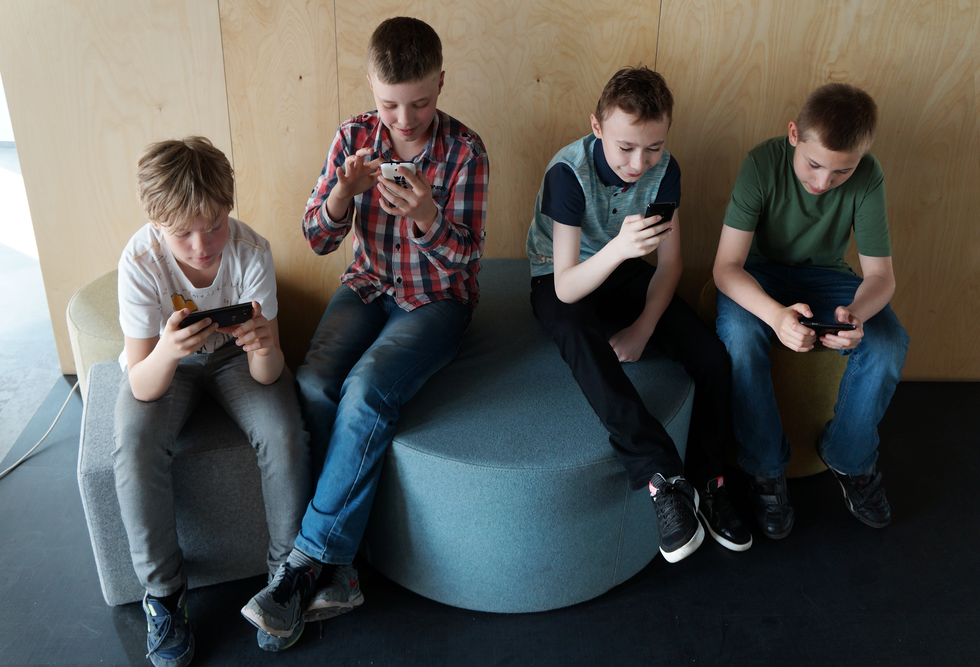
Dynamic development of technology caused new addictions to appear - addiction to the Internet, video games, mobile phone. Those addictions prevent people from properly functioning in their everyday lives.
Stages | Characteristic behaviour |
experimenting | fascination with Internet and its potential |
the need to be on‑line more often | |
occassional use | conviction that using the Internet lowers the stress levels and gives you the feeling of relief and freedom |
looking for an opportunity to be on‑line as frequently as possible | |
regular use, not connected with work or study | giving up regular contact with friends for virtual “friendships” |
neglecting your duties and your looks | |
addiction | negative emotions, tantrums in case of the lack of Internet connection |
conviction that the only attention worthy world is the virtual world |
Match the consequences of abusing medicine with the correct group.
blood pressure problems, the need to obtain the medicine, the need to take larger and larger doses of the medicine, insomnia, troubles breathing, excessive sweating, the need to feel the effect of the medicine, diarrhea, memory disorders
| psychological consequences: | |
|---|---|
| physical consequences: |
Summary
Stages of an addiction follow the above‑mentioned scheme – experimenting, occasional use, regular use, addiction.
Addiction is the strong need to take a certain addictive substance in order to feel pleasure or to get rid of negative consequences of its lack.
Taking too many medications, called addiction to medications, is mostly connected with painkillers, sedatives and sleeping pills.
How was this lesson? Did you like it? Finish selected sentences.
Keywords
addiction to drugs, new technologies, addiction
Glossary
abstynencja – powstrzymywania się od czegoś; najczęściej dotyczy odmowy spożywania alkoholu, czasem innych używek
suplementy diety – środki niebędące lekami; zawierają substancje (witaminy, minerały), których może brakować w codziennej diecie
używki – substancje lub produkty spożywcze mające wpływ przede wszystkim na układ nerwowy; należą do nich m.in. kawa, herbata, tytoń, napoje energetyzujące, narkotyki