Mosses
mosses are plants that co‑form forest undergrowth;
the body of herbaceous plants consists of such organs as the root, stem and leaves.
describe the conditions in which mosses occur;
describe the external structure of moss on the example of a Common Haircap Moss;
present the meaning of mosses.
The habitat and characteristics of mosses
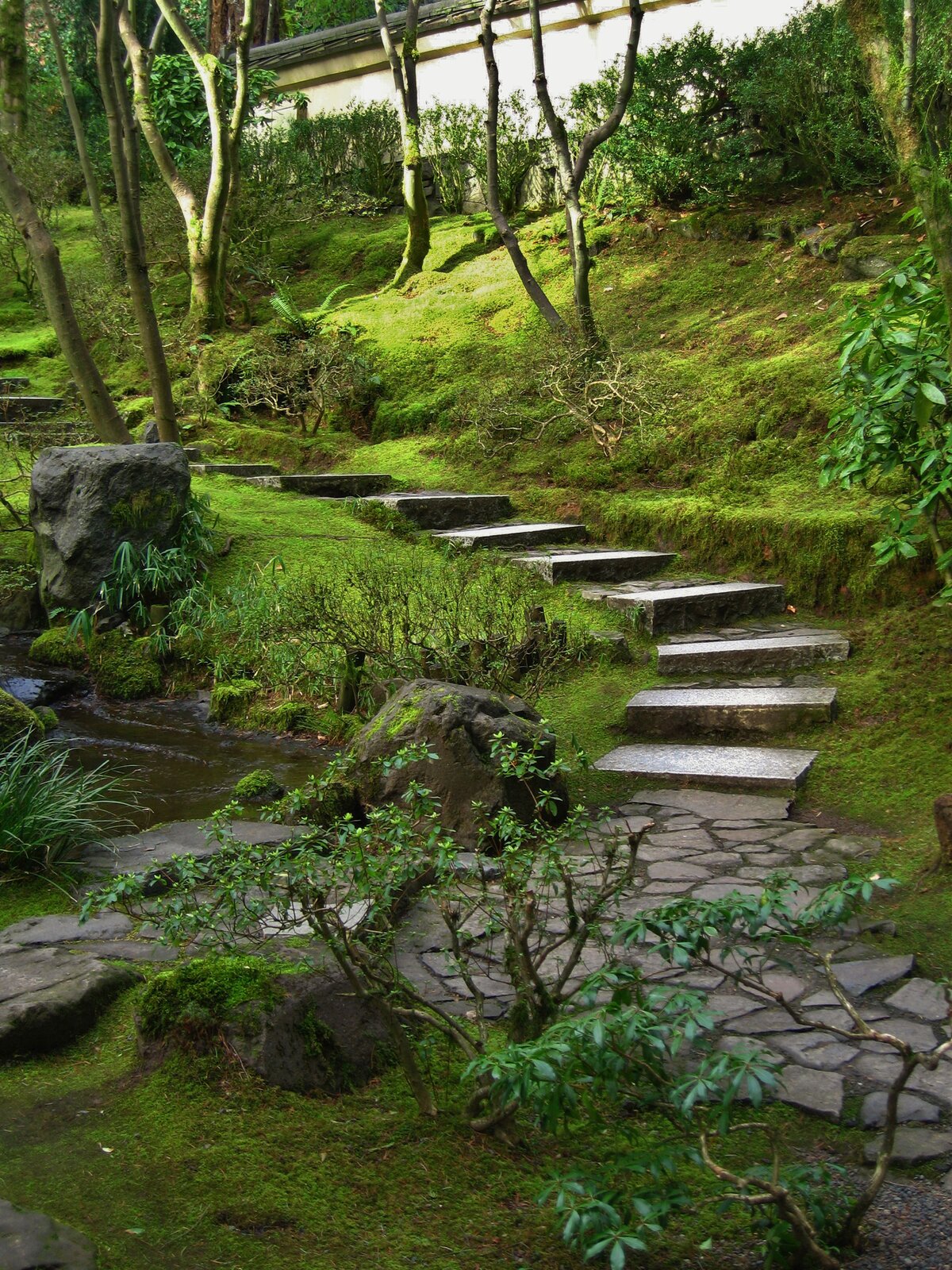
Mosses are small plants that form dense clusters looking like soft cushions, the so‑called turfs. Just as algae, they are autotrophic organisms that need water, mineral salts, carbon dioxide and light to be able to live. They are characterized by resistance to prolonged drought. A compact group of these plants can accumulate large amounts of water in numerous narrow spaces between individuals and parts of their bodies. When the ground around dries out, mosses still function well. Even when completely dried out and seemingly dead, they may continue their life processes after rehydration.
Explanation how moss absorbs and retains water.
dried specimens of moss,
saucer with water.
Place one moss plant on a saucer filled with water and observe the position of the leaflike structures.
Leave the wet plant to dry and pay attention to what happens to the leaflike structures.
Explain the observed phenomenon.
Dry plant leaflike structures adhere to the stemlike structure. Under the influence of moisture, they open wide, and while drying they come closer to the stemlike structure again. As a result, water can be stopped in narrow gaps between organs.
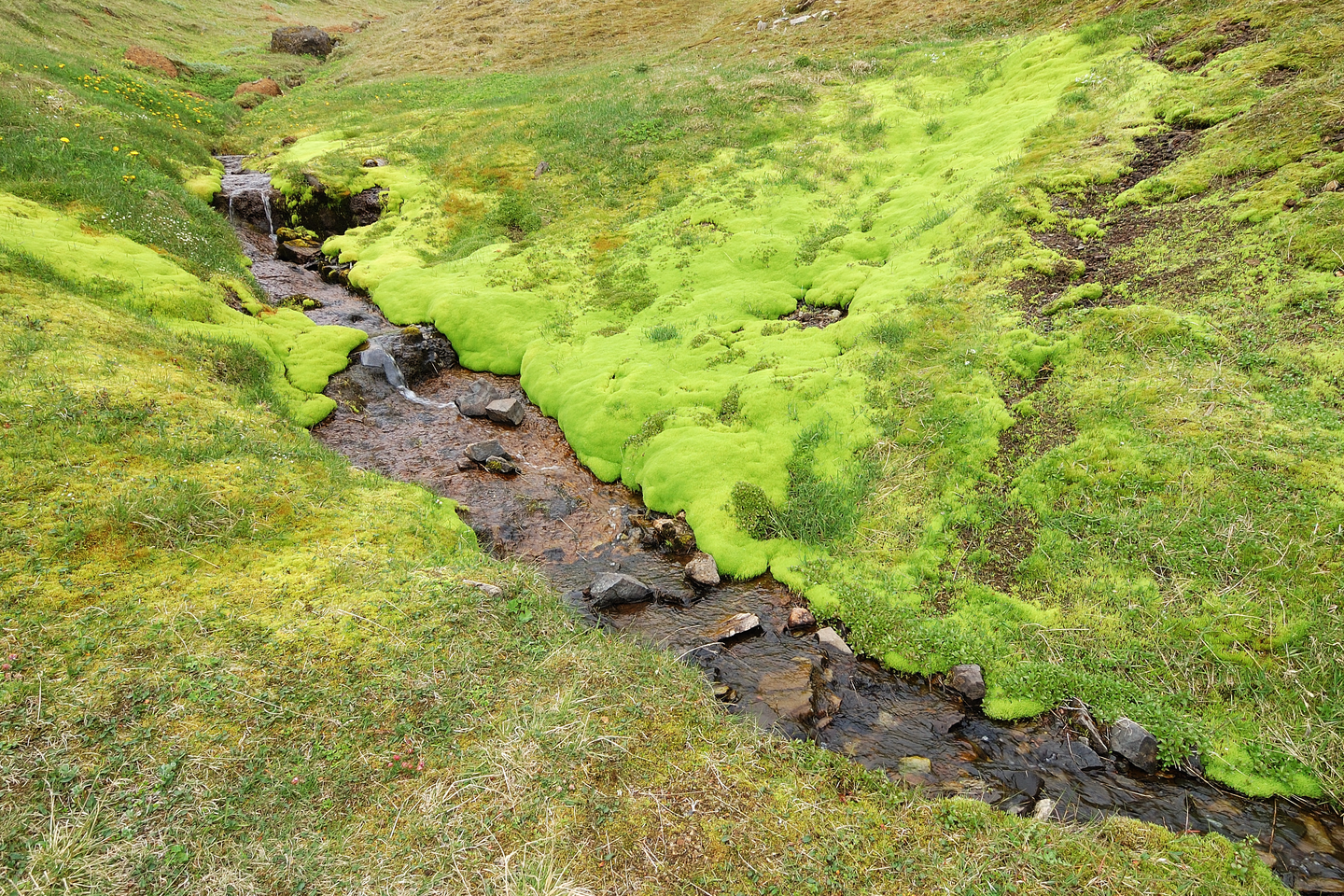
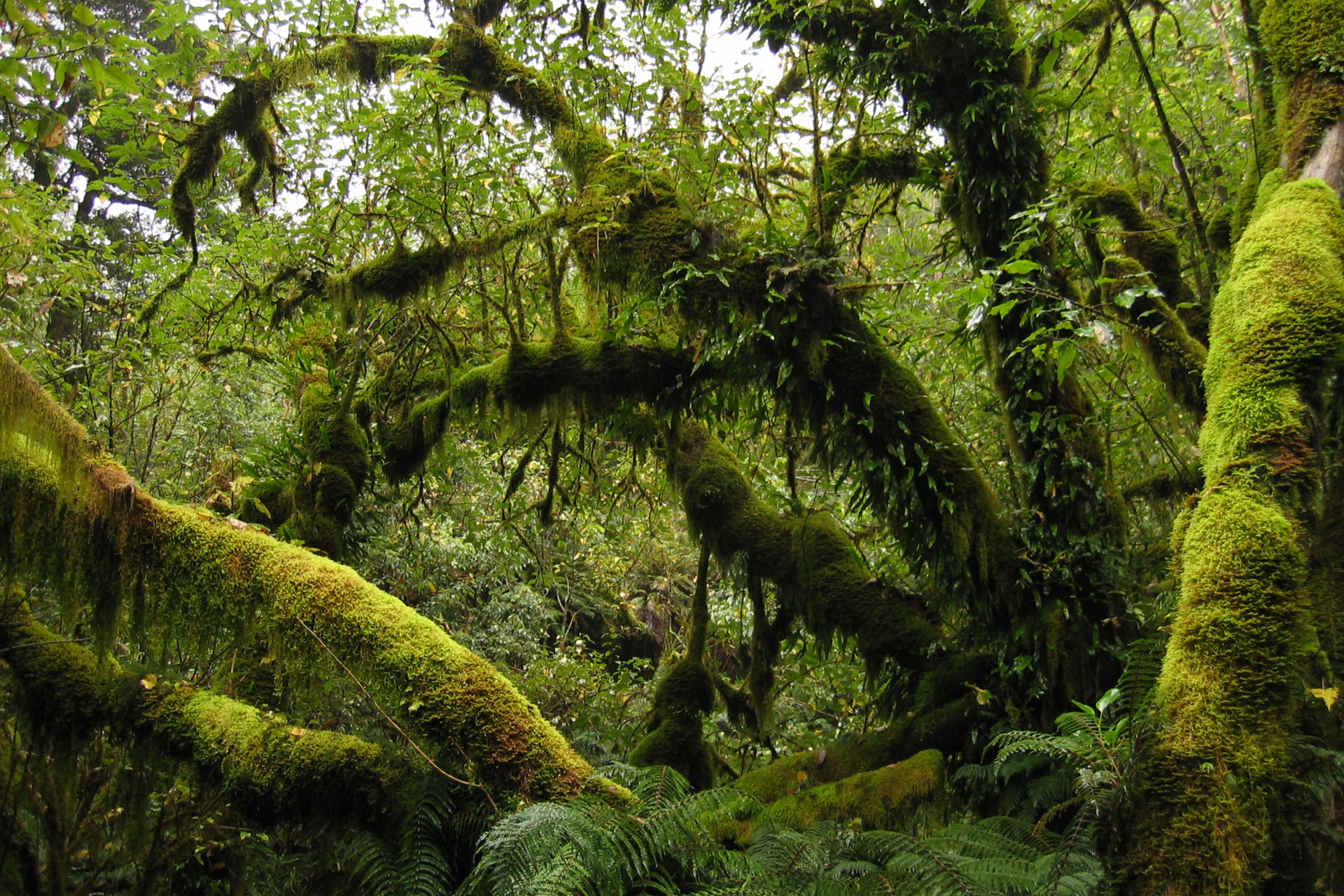
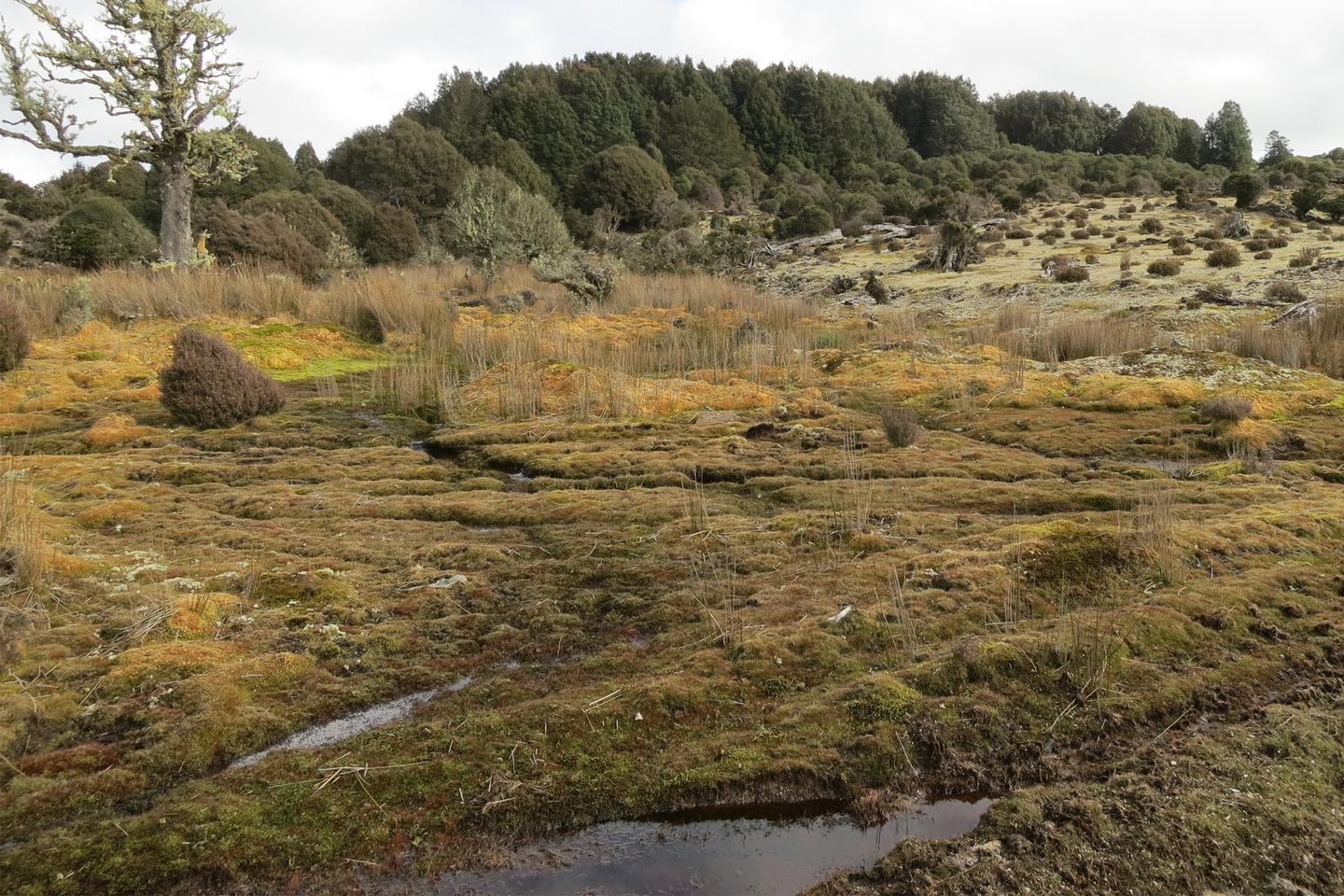
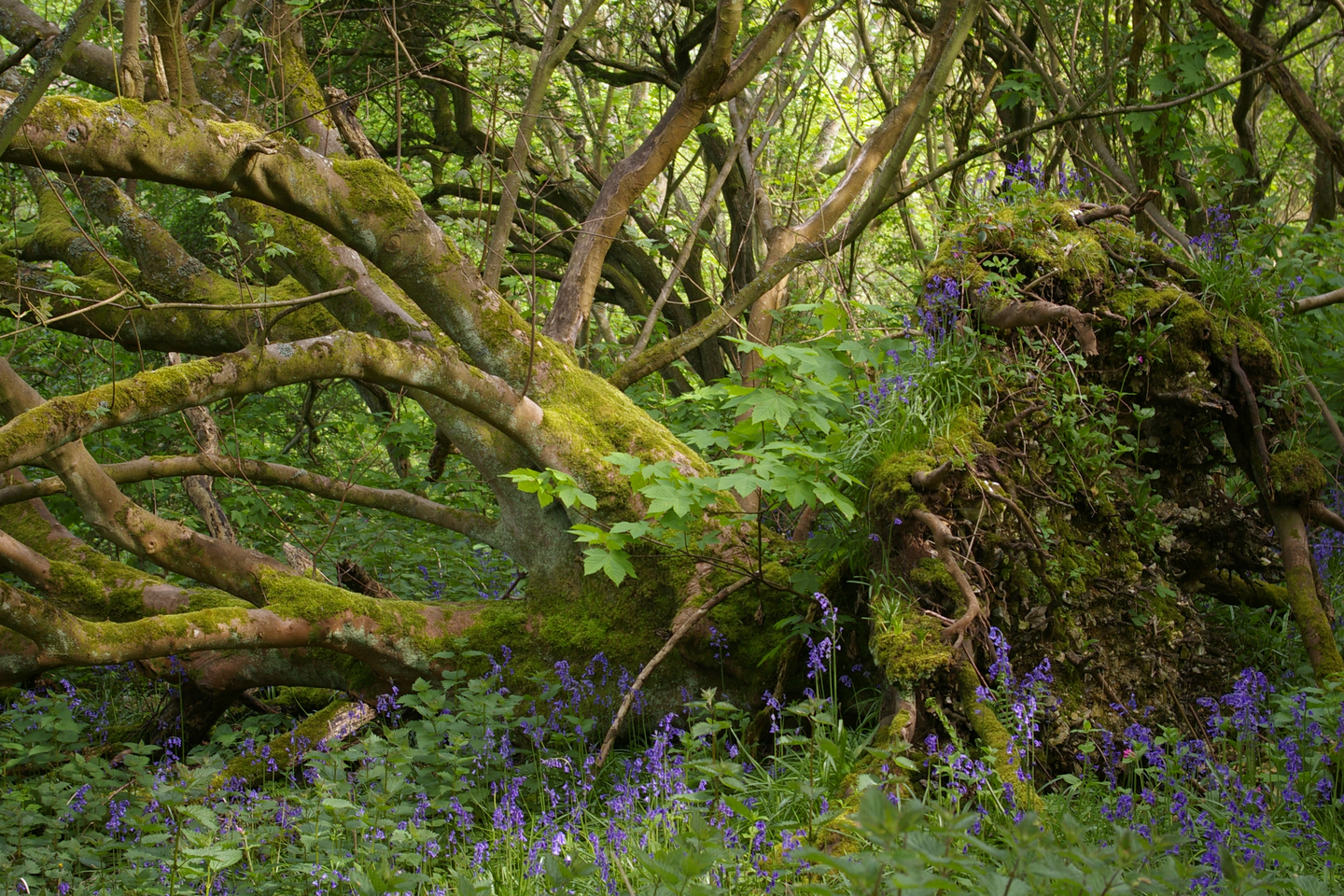
Mosses are characterized by a simpler structure than other terrestrial plants. Instead of roots they have rhizoidsrhizoids, instead of stems – stemlike structures, and instead of leaves – leaflike structures. With the use of such names, biologists inform that these organs are only to some extent similar to leaves and stems of vascular plants. They do not have a specialized tissue that conducts water and nutrients between particular parts of the plant. They have no covering tissue, so they can absorb water through the leaflike structures. Despite all, such organ structure allows including mosses in embryophytesembryophytes. They reproduce sexually and asexually through spores.
Mosses belong to cryptogams, because they create spores in the process of reproduction.
Common Haircap structure
Common Haircap grows in wet forests and meadows. It occurs in groups, forming a fluffy turf. It can be found all over Poland. It is quite large, it reaches up to 30 cm in height. Its above‑ground part is a straight or branched stemlike structure with leaflike structures. Small, green leaflike structures conduct photosynthesis, absorb and store water. It absorbs it using its entire surface from humid air, rain or dew. When it dries, it curls and sticks tightly to the stemlike structure, which reduces the surface through which the plant can evaporate water. Thin, threadlike rhizoids grow from the bottom of the stemlike structure. They serve the plant to keep it in the ground. In summer, at the top of a leafy stemlike structure grows a stalk – long, with no chlorophyll and topped with a sporangium. Small spores are formed therein. When the air is dry, sporangium cells contract, resulting in its operculum falling off and spores being released. They are spread by the wind – the farther away, the higher the sporangium is located.
Look at the illustration of the Common haircap. What functions do its individual elements perform?
Differentiation of moss organs.
tufts of tortula muralis moss collected from urban walls or streets,
magnifying glass.
white sheet of paper,
Separate the tuft of moss and look at the single plant, distinguishing the stemlike structure and the stalk.
Using a needle, spread the leaflike structures out and look at them and at the rhizoids through a magnifying glass.
Pay attention to the sporangium placed on top of the stalk.
If the sporangium is mature and dry, you can shake the spores on the sheet of paper. Specify their colour and size.
Draw and describe one moss plant.
Single specimens of moss are small, therefore the details of the structure can be identified only with the use of a magnifying glass.
The importance of mosses
Like lichens, mosses living on rocks, dunes and other inaccessible places contribute to soil formation. Their dead remains enrich the substrate with humus, preparing it for more demanding plants. Thanks to their presence, rainwater does not flow directly to rivers on the ground, but is stored in turfs. This way, mosses protect against a rapid rise in the level of water in rivers, which reduces the threat of flooding. The compact turf of these plants also protects the soil against erosion (leaching by rainwater, wind blowing). The layer of mosses and litter is the living environment of a huge number of protozoa, fungi and invertebrate animals (snails, insects, spiders) and small vertebrates (frogs, lizards, rodents).
Explain why soil in the garden and in pots is mixed with peat.
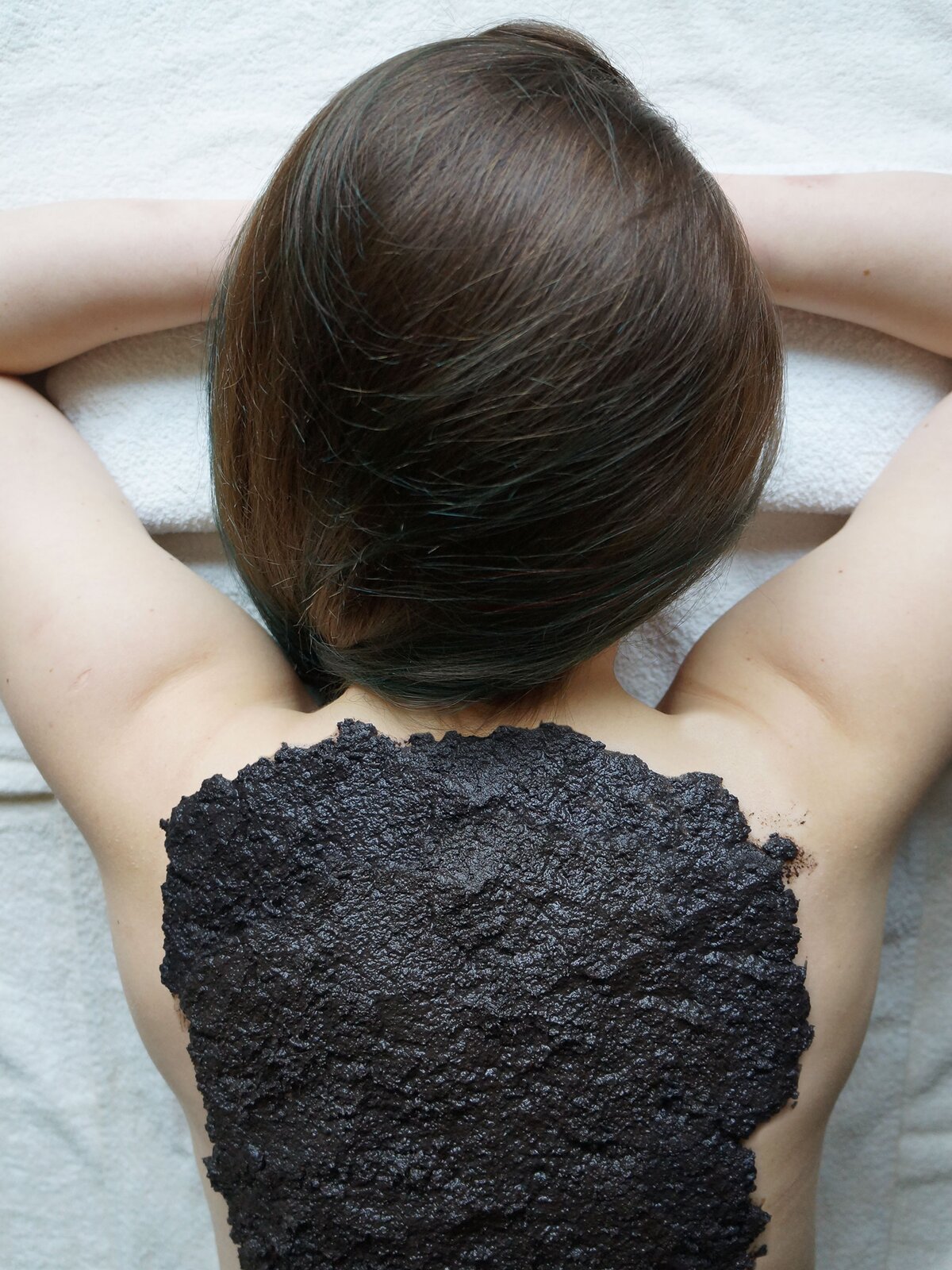
Peat has numerous applications in horticulture and agriculture, medicine and cosmetics. Crumbled peat mixed with water creates mud used for warming compresses and baths with anti‑inflammatory and bactericidal properties.

Combine the names of the fiery moss organisms with their descriptions.
attach the plant to the ground, self-sufficient part of moss, hairy part of moss with sporangium on the top, carry out photosynthesis and absorb water
| rhizoids | |
| leaflike structures | |
| stemlike structure | |
| stalk |
Summary
Mosses abundantly occur in humid land environments.
They are spore plants classified as embryophytes.
Mosses are formed from a stemlike structure on which sex organs (gametangia) are located, and a leafless stalk on which sporangium develops.
Mosses regulate the circulation of water in the environment, they are a shelter and food for animals.
Peat is used in medicine, gardening and as a source of fuel.
Discuss the adaptation in the structure of Common Haircap moss to life in a land environment.
Keywords
mosses, pioneer organisms, spores
Glossary
chwytniki – nitkowate wyrostki, za pomocą których mchy są przytwierdzone do podłoża; w niewielkim stopniu uczestniczą w pobieraniu wody i soli mineralnych.
organowce – rośliny o budowie tkankowej, których ciało jest zróżnicowane na organy: korzenie, łodygę i liście.