Naturalist's rulebook
how to handle household appliances;
how to indicate symbols warning about the numbers of substances;
that you should move carefully on the street and in the field.
indicate and name sense organs;
safely carry out experiments in the natural laboratory;
properly wear protective clothing;
observe nature and natural phenomena.
The work of a naturalist is very interesting and creates opportunities to observe many fascinating phenomena. However, it is sometimes dangerous. That is why a naturalist must know how to avoid accidents both in a laboratory, and during field work. In this chapter you will learn how to study nature in safety.
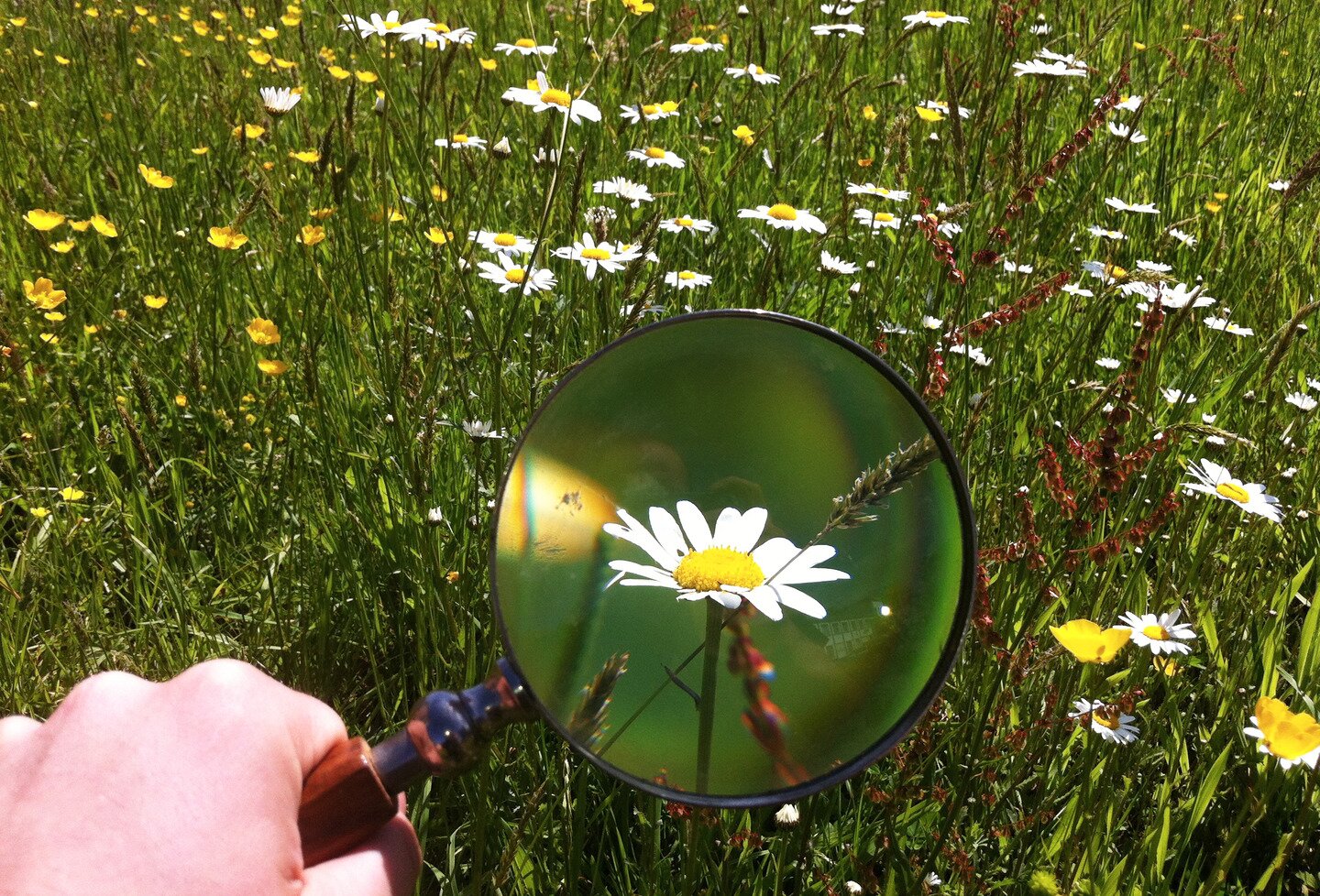
How do we study nature?
People explore their surroundings with senses. There are five basic senses: sight, hearing, smell, taste and touch.
Eye is the organ of sight. It lets us know if it is light or dark, enables us to detect movement and recognise shapes and colours. We may distinguish the latter, however, only if there is enough light. Ear is the organ of hearing and balance. It lets us hear, but also within ears there is a organ that enables us to keep the balance. Nose is the organ of smell (detecting odours). It lets us detect the presence of particles of various substances floating in the air. Tongue is humans’ organ of taste; it also detects particles of substances, but this time in food. We receive tactile sensations through cells located in the skin. They let us feel heat, cold, pressure and pain.
You should know, that the senses of taste and smell are connected. That is why when you are cold and your nose is blocked your food tastes differently.
When we observe an object or experience, we can use each of our senses. For example, by observing the changes taking place while making the dough, we use our eyes to assess the amount of ingredients added, the touch to determine whether the dough is well‑made and taste to see if we have added enough sugar. Later, making sure that the dough is baked well, we use eyesight, smell and taste to check that it is not burnt.
What senses do you use when:
you check the temperature of the water in the tub,
you are reading a book,
listening to the radio,
you watch a TV show,
you judge the taste of the drink.
Safety in the lab and in the field
We already know what senses we use to explore nature. It is now important to learn how to protect them so that nothing bad happens to us.
For certain experiments in the lab you may need sharp tools, chemical reagents or a gas burner. Remember that you should always perform dangerous experiments in the presence of an adult and use protective clothing, such as lab apron (lab coat), protective goggles and latex gloves.
Safety rules in the laboratory:
use protective clothing (eg apron); if you have long hair, tie them so that they do not bother you at work; never touch with your naked hand or try unknown substances; try not to smell them either; maintain order - it is easy to get into an accident when it is messy; experiments with fire and sharp tools perform under the care of an adult.
When you plan a field observation remember to prepare yourself well before you leave home. Carefully pack your backpack: take a binocular, notepad and pencil or pen and a camera. Do not forget to take something to eat and a bottle of water. Make sure you dress appropriately to the weather and take a first aid kit. When out in the field never approach wild animals - even those that seem small and friendly. They may be more dangerous than it seems. Some of them may carry dangerous diseases, e.g. rabies.

Film dostępny na portalu epodreczniki.pl
Nagranie filmowe przedstawiające ekwipunek przyrodnika, jaki powinien mieć do pracy wewnątrz pomieszczenia, jak i na zewnątrz
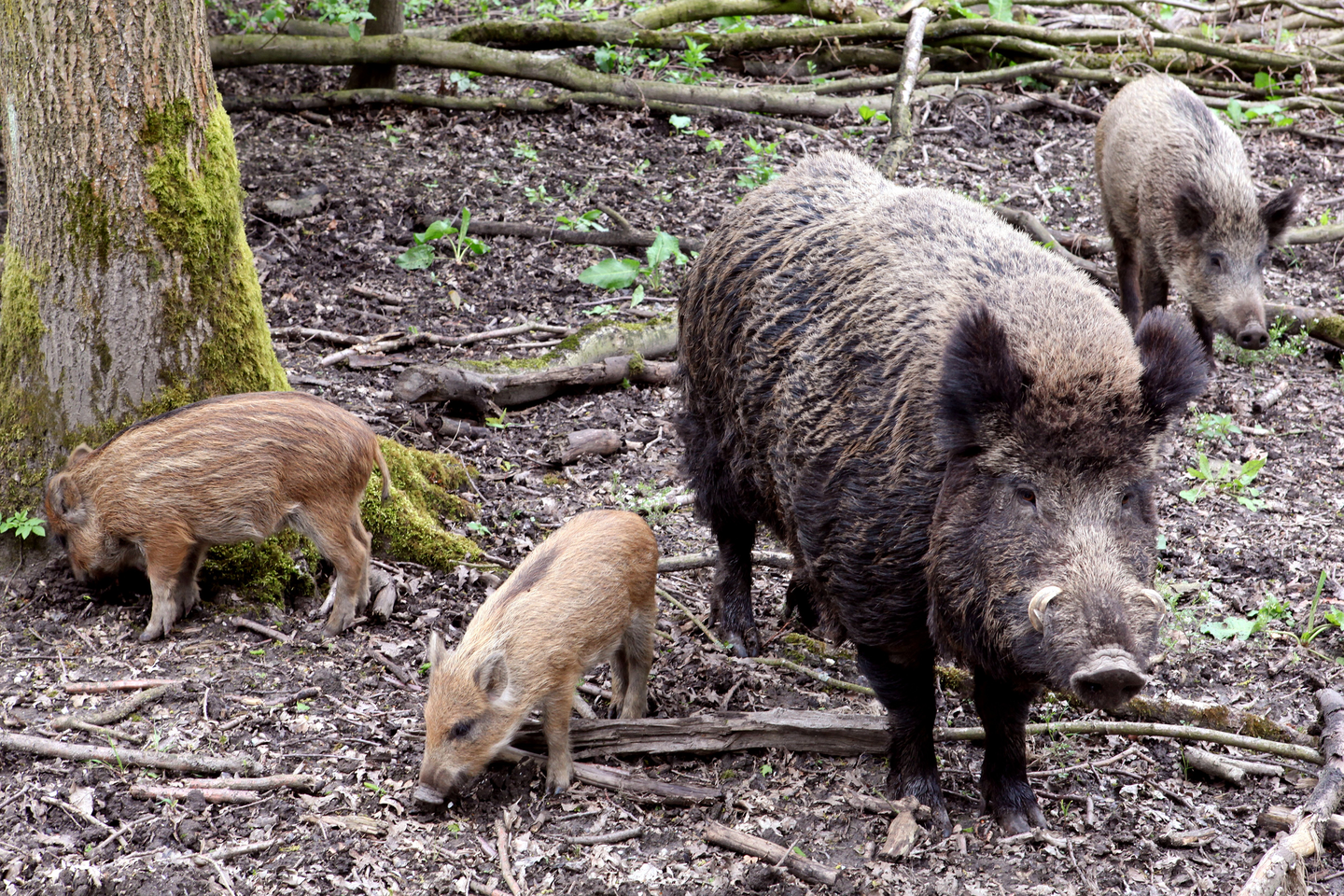
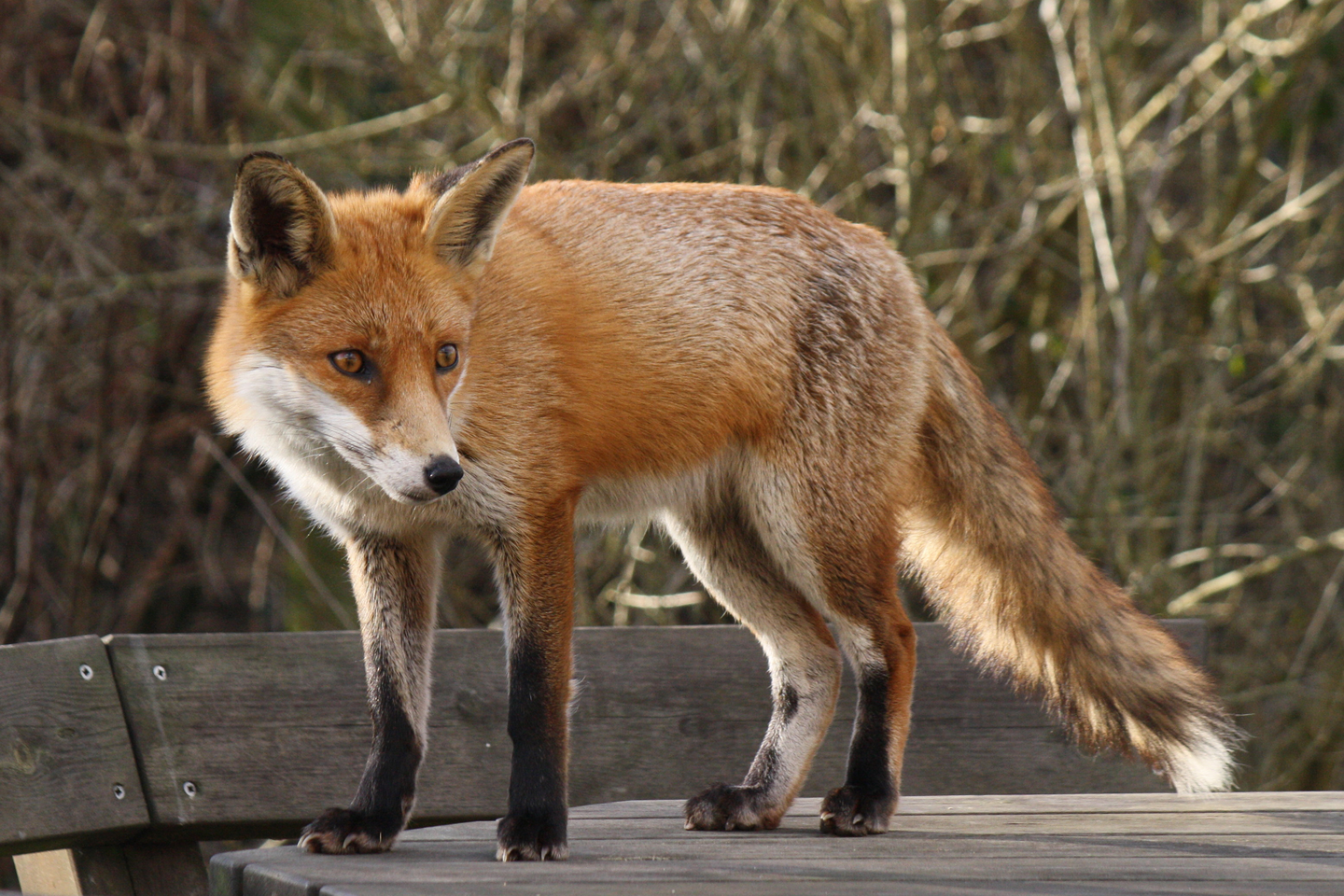

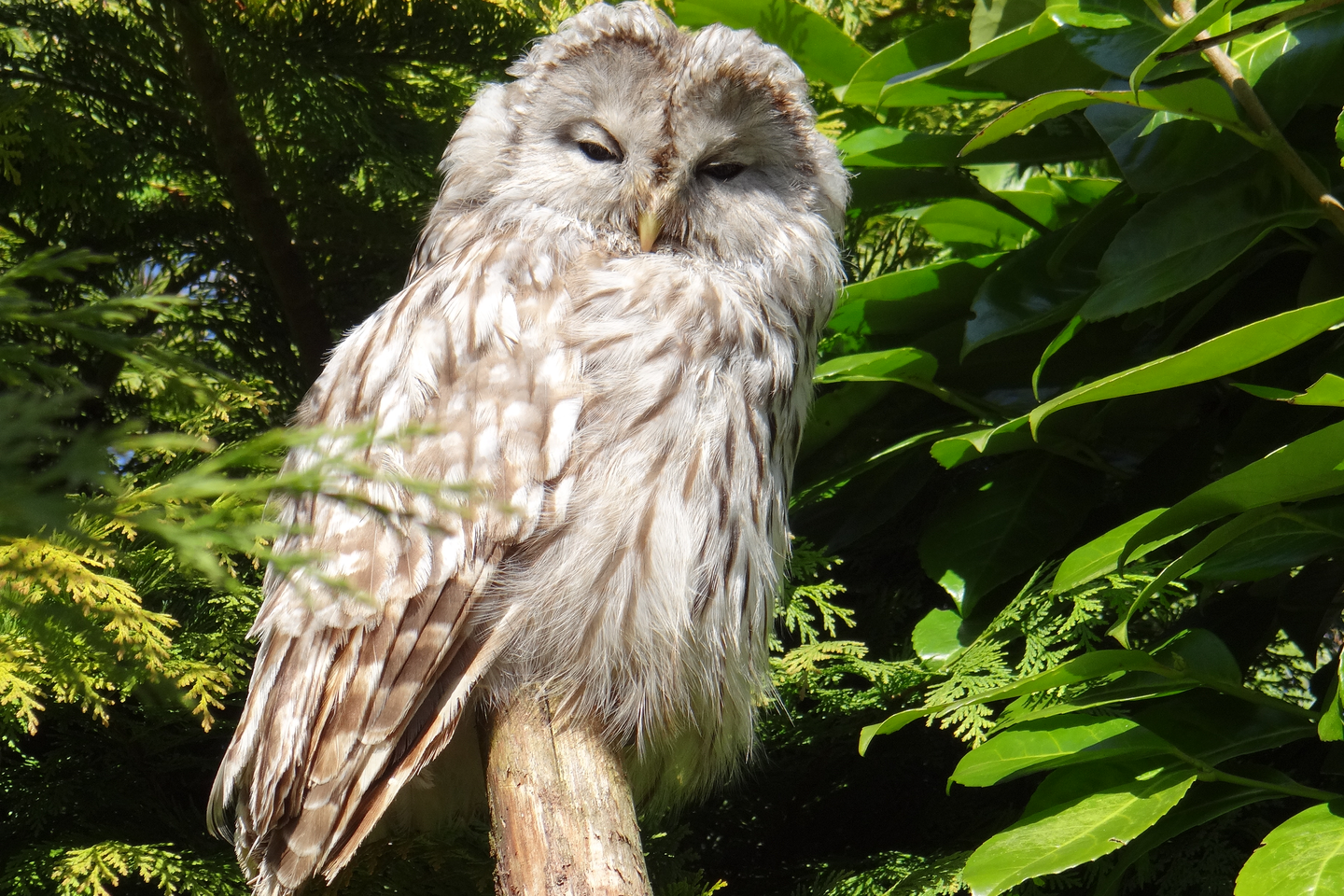
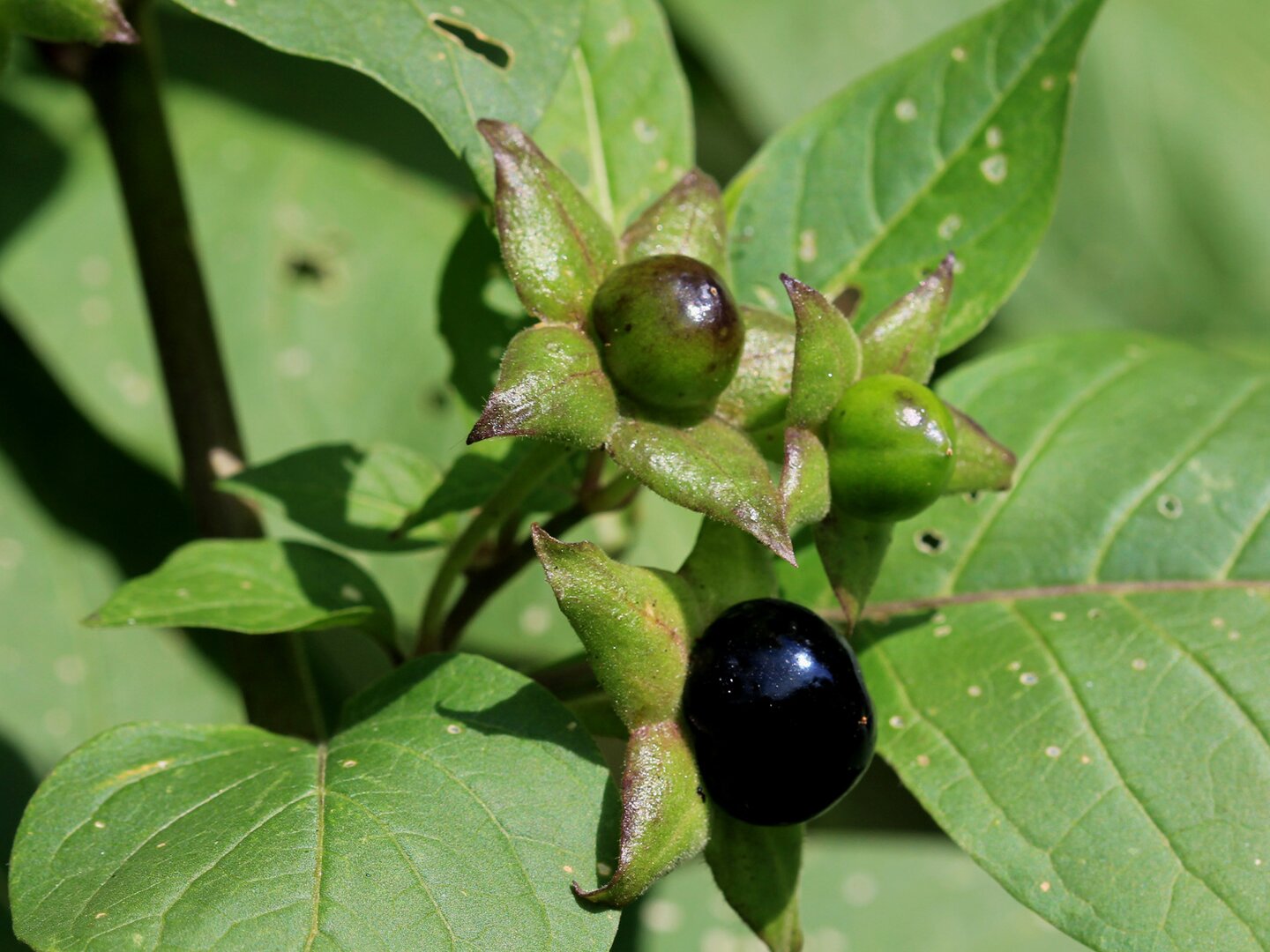
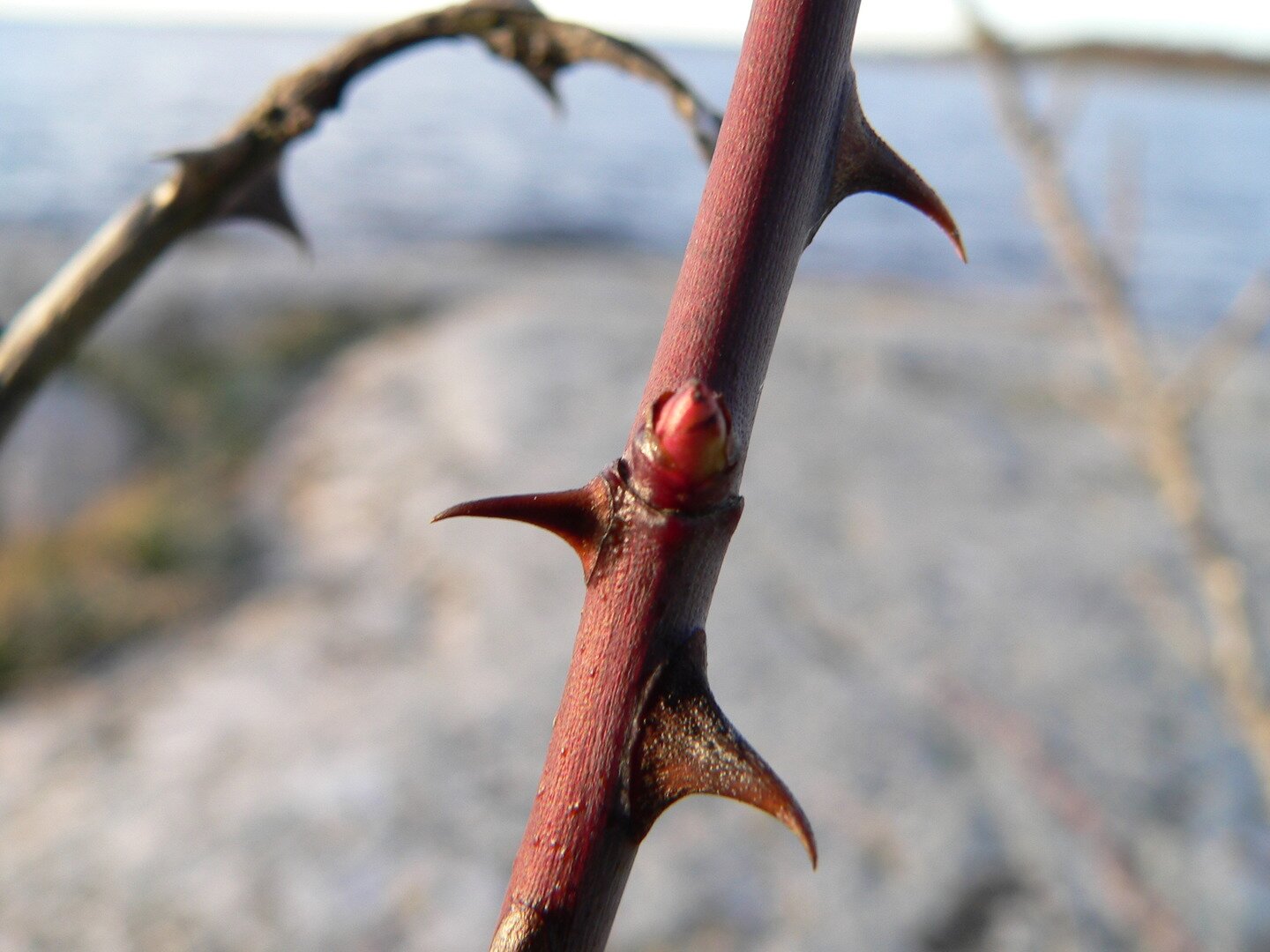
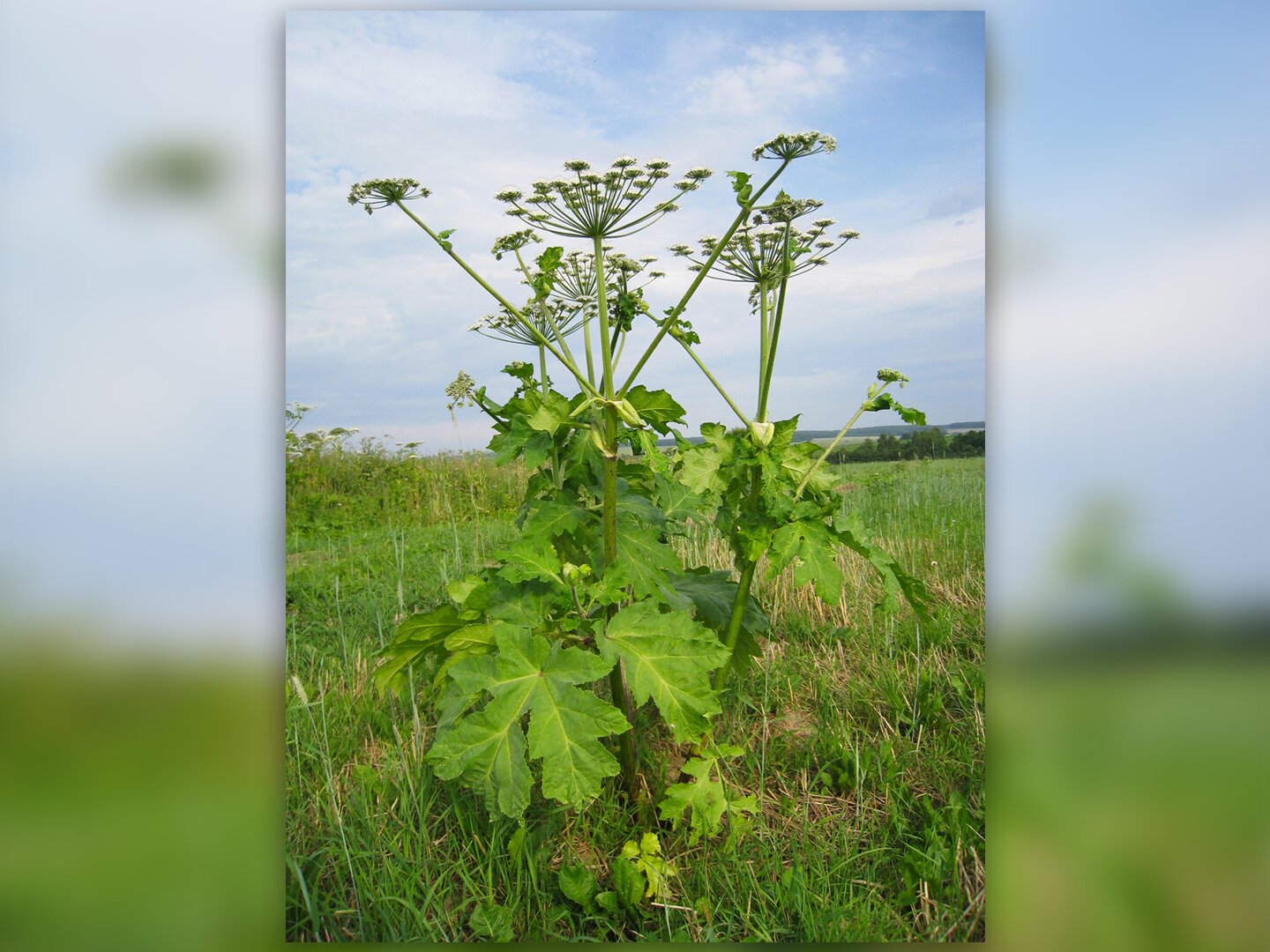
There are many fascinating places and phenomena in nature and watching them may be a unique experience. Some of them, however, are dangerous to us. Remember to observe those from a safe distance!

Exercises
Indicate if the statement is true or false.
| True | False | |
| The senses of taste and smell are related. | □ | □ |
| People only feel four flavors. | □ | □ |
| The middle ear is responsible for the sense of balance. | □ | □ |
| The senses of eyesight and taste are related. | □ | □ |
Summary
Man has five senses (sight, hearing, smell, taste and touch), thanks to which he can get to know nature.
Adequate precautions should be taken when carrying out environmental research.
Keywords
senses, microscope, magnifier
Match the pairs: English words with Polish definition.
zdolność do odbierania bodźców i informacji z otoczenia., substancje służące do przeprowadzania doświadczeń w pracowni chemicznej.
| chemical reagents | |
| senses |
Glossary
odczynniki chemiczne – substancje służące do przeprowadzania doświadczeń w pracowni chemicznej.
zmysły – zdolność do odbierania bodźców i informacji z otoczenia.