Not all rocks are hard
that in your surroundings, there are stones of varying appearance.
to name and recognize some rocks;
to determine the properties of selected rocks;
to name rocks that occur in Poland.
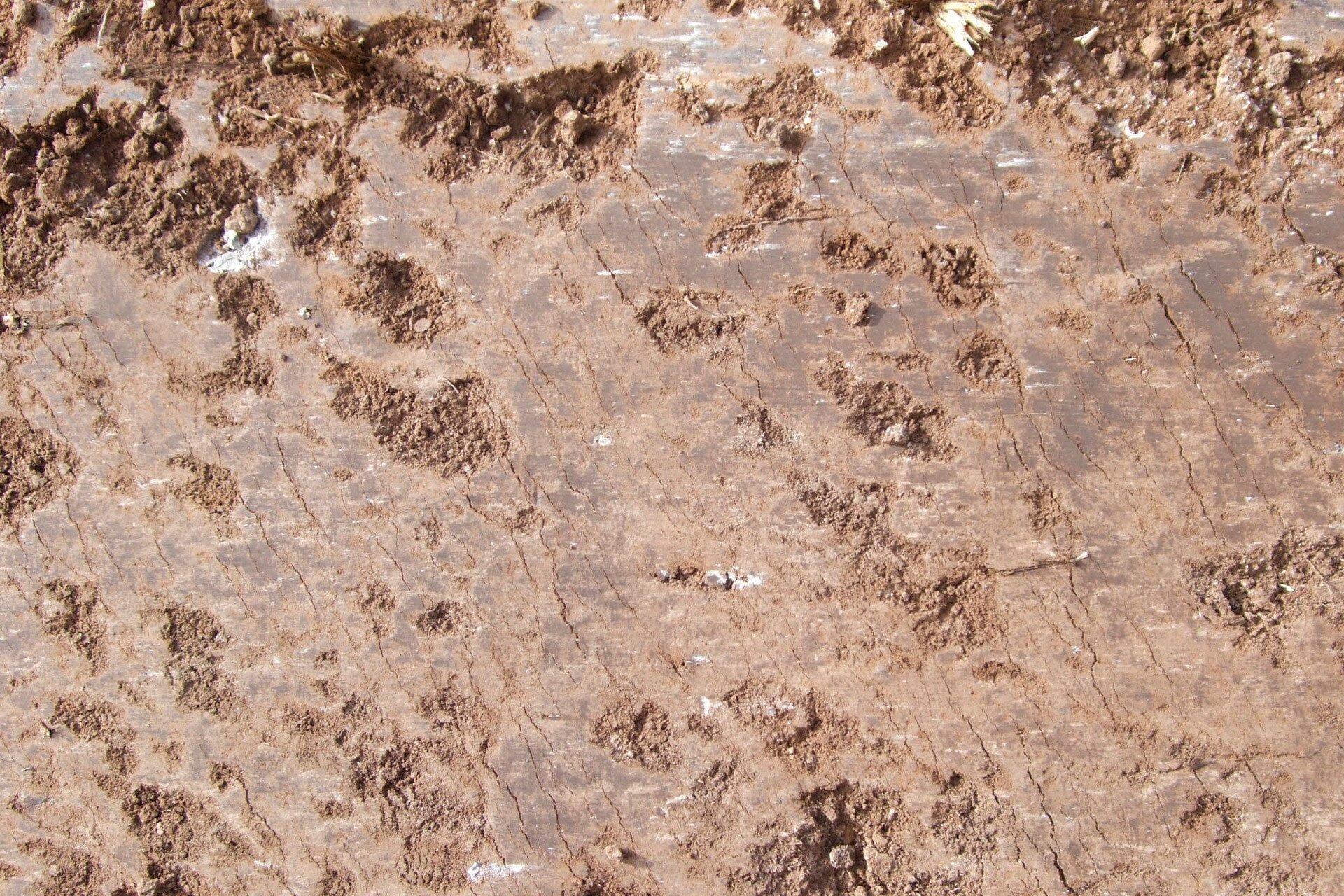
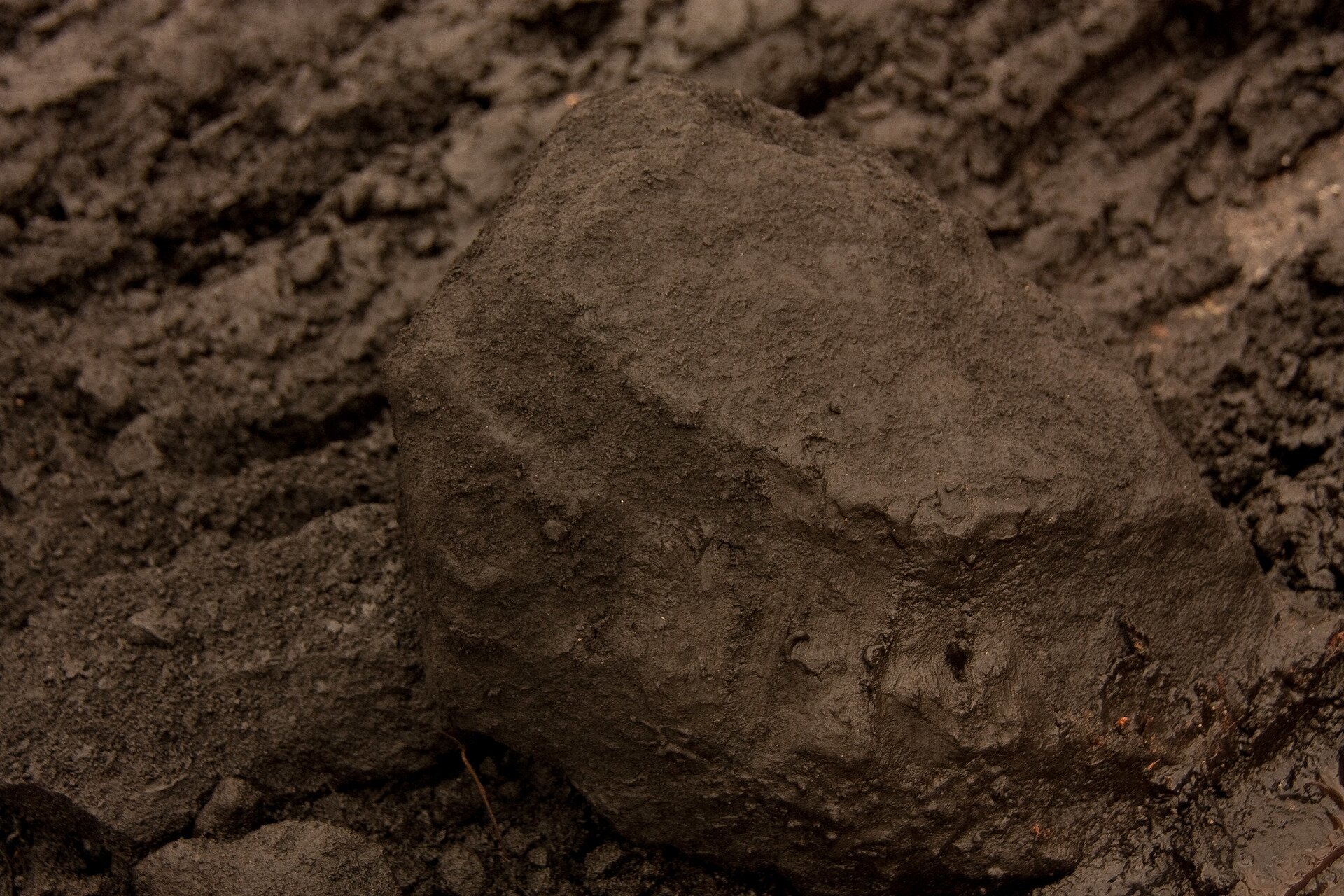
When we say that he/she is hard as a rockrock, we mean that they are strong, unyielding and unbreakable. In reality, besides the proverbial hard rocks there are also other types of rocks: soft, and even loose. Rocks include not only hard marble, but also soft clay and loose sand.
Minerals and rocks
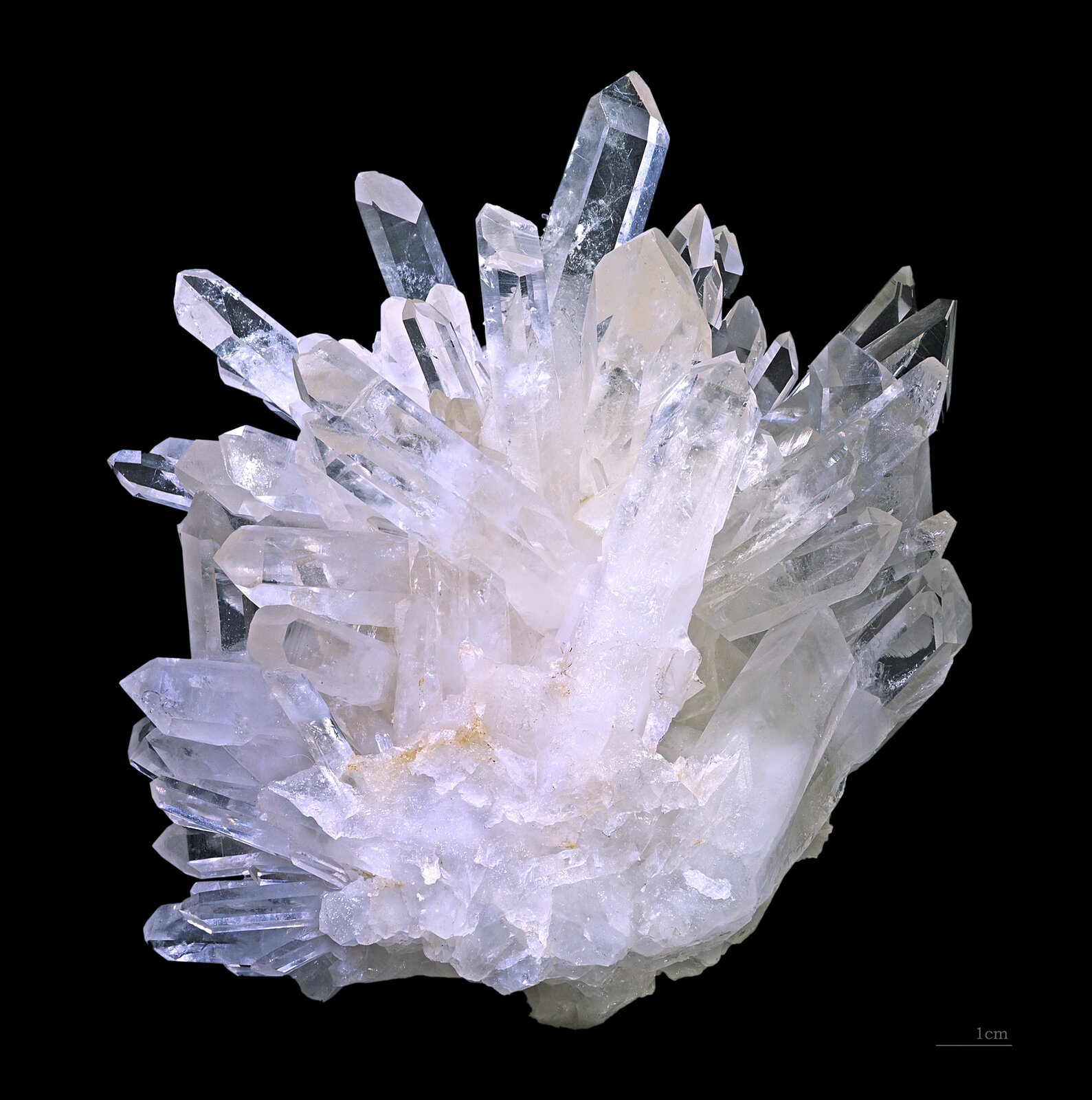
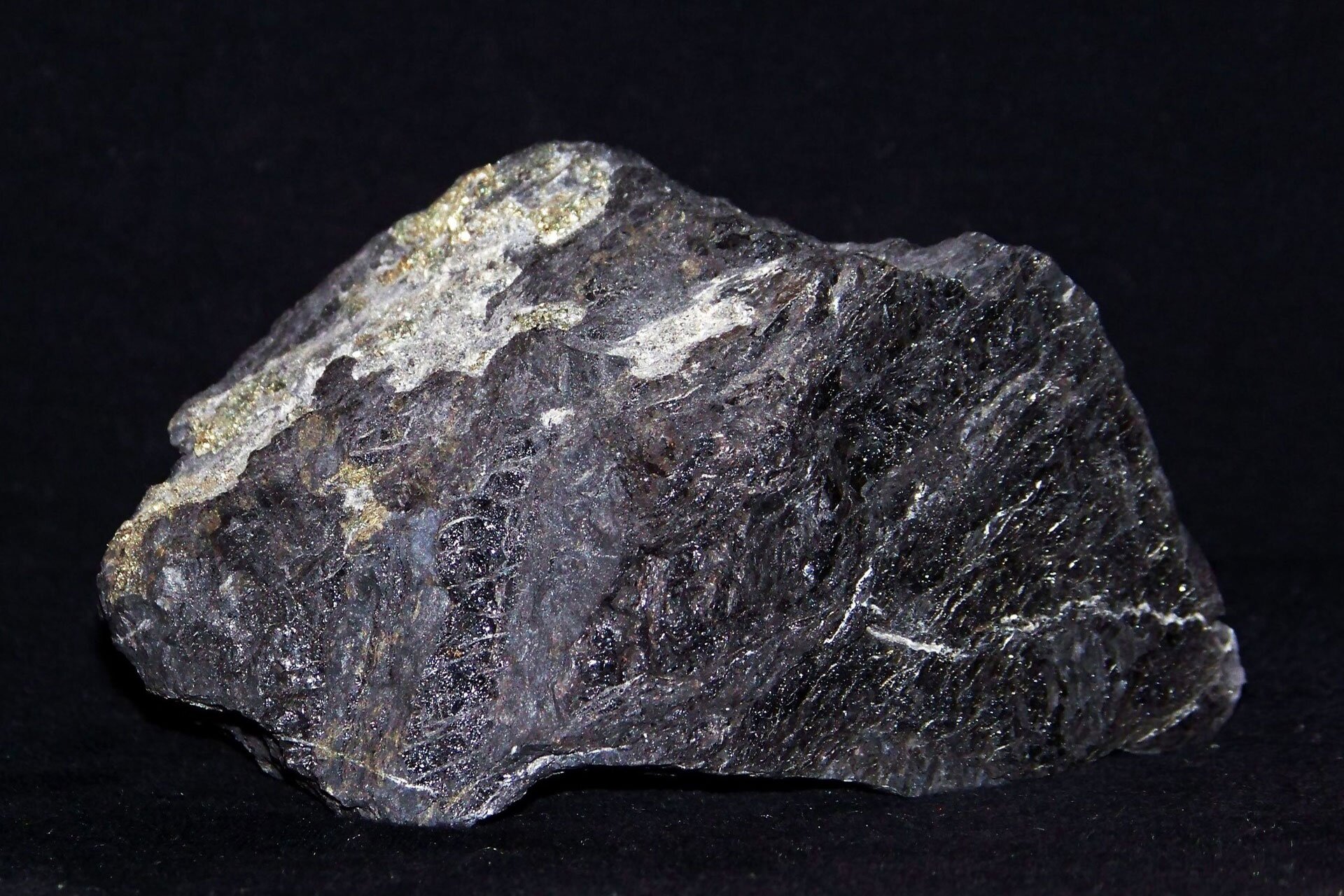
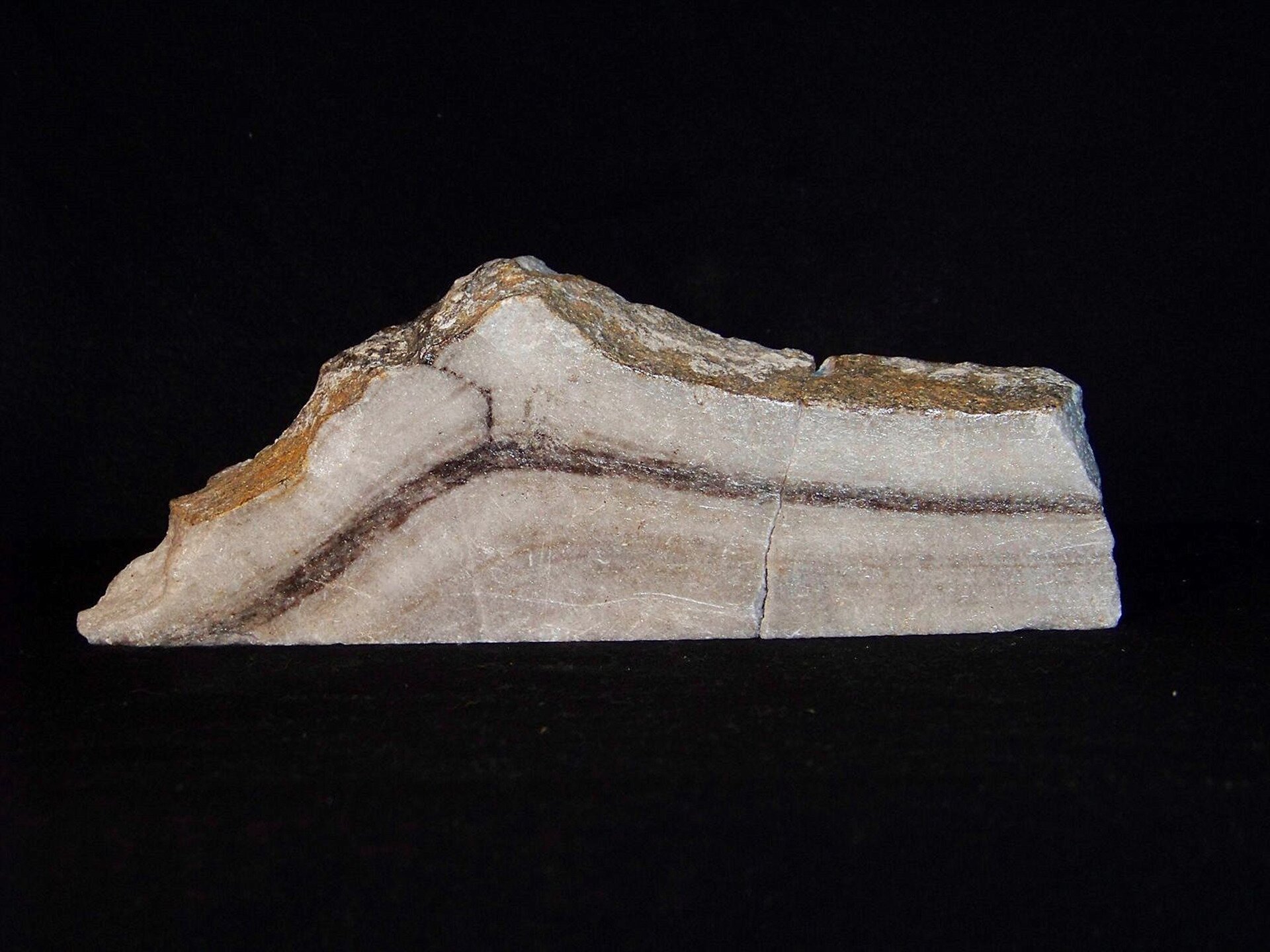
When you look around you may see some stones – they are nothing else but pieces of rocks. Rocks are groupings of one or several mineralsminerals, i.e. substances with certain properties and specific composition. Some rocks are formed as a result of cooling down of hot, liquid substance from the depths of the Earth. These are magmatic rocksmagmatic rocks. Sedimentary rocksSedimentary rocks are created by deposition of particles of other rocks and remains of living organisms. Metamorphic rocksMetamorphic rocks are formed from existing rocks that change their properties as a result of various processes inside the Earth (e.g. high temperature and pressure).
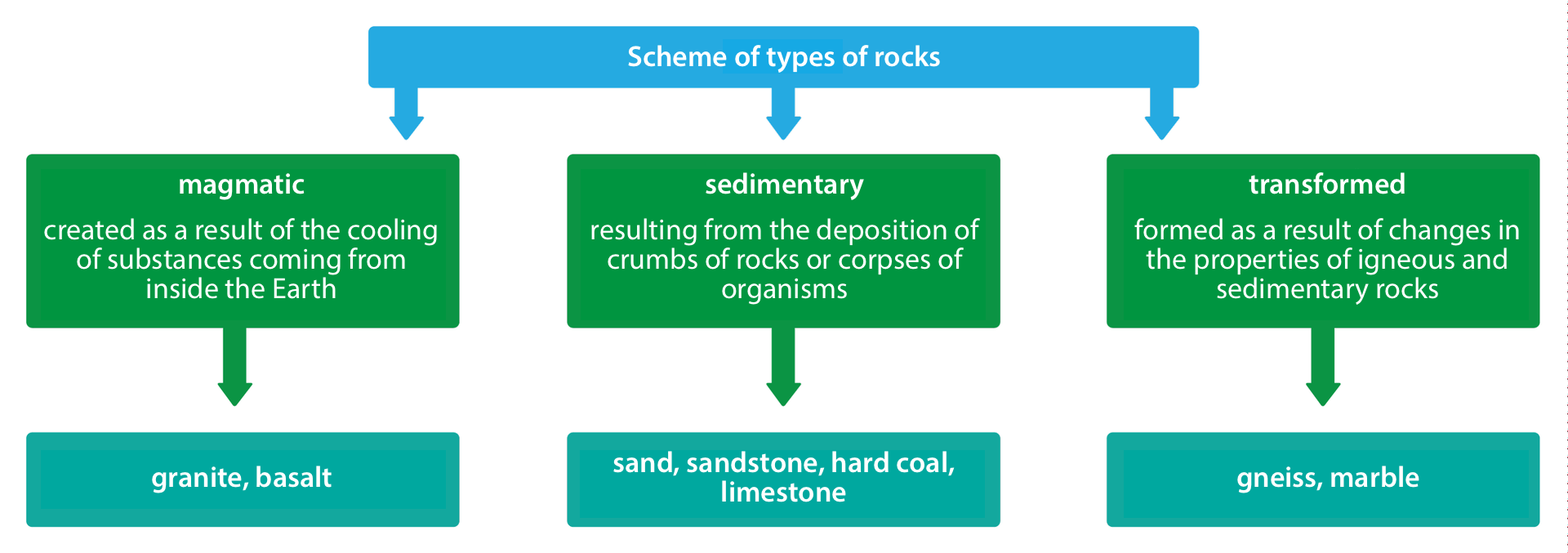
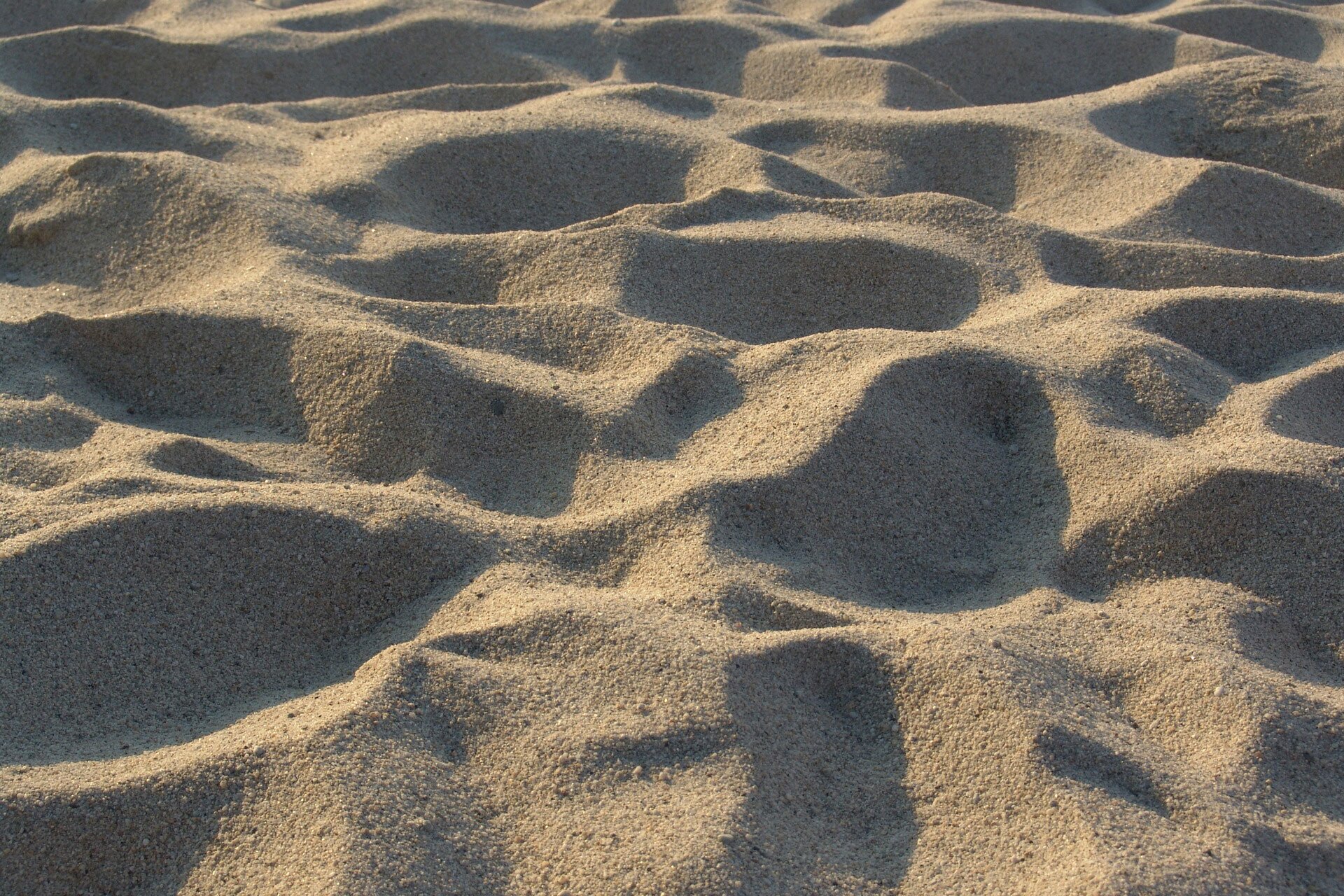
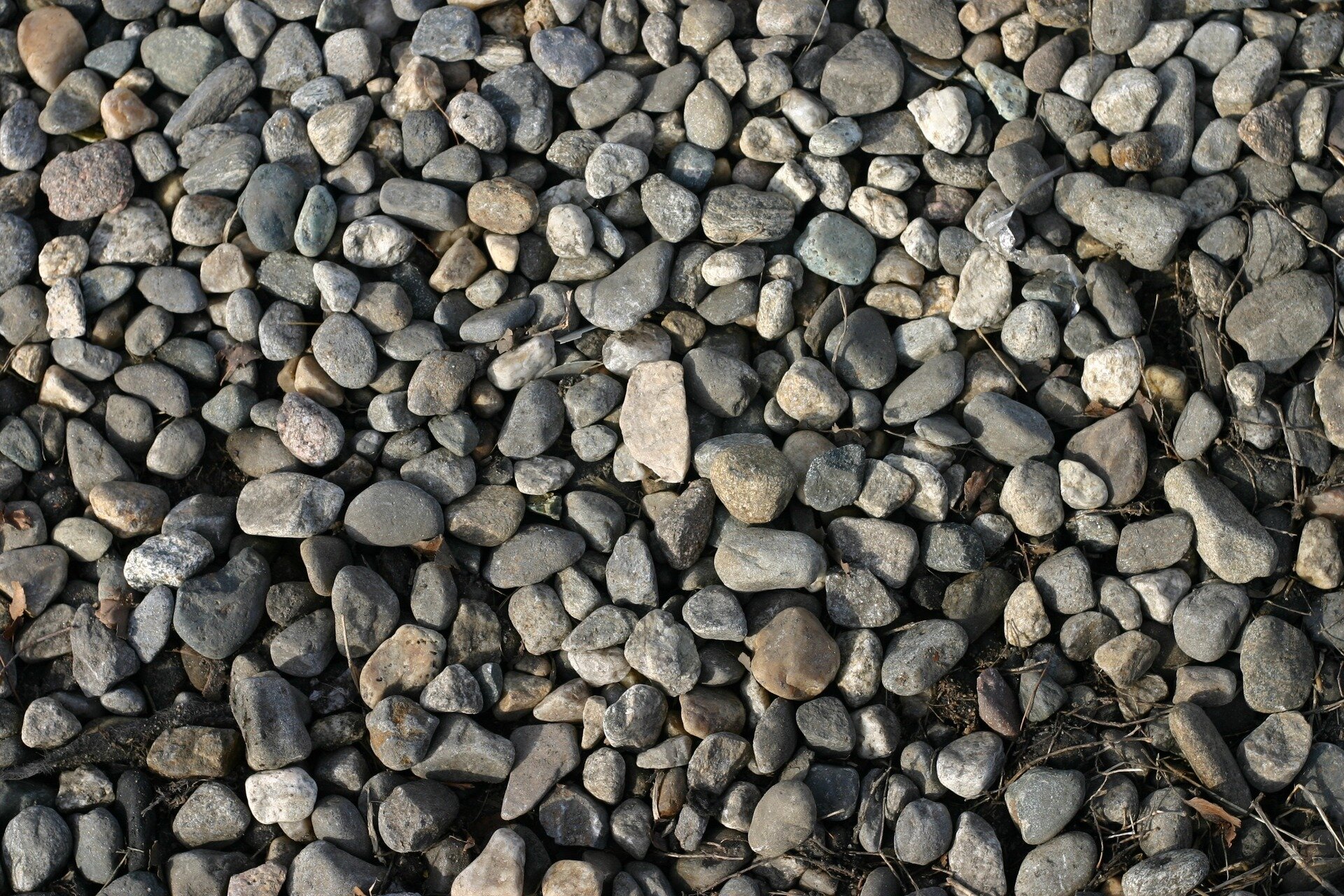
Rocks may be also subdivided by how closely mineral particles cling together. If mineral particles are loose (like in the case of sand or gravel) we speak of unconsolidated rocks. Solid rocks are those that may be crushed only by some tools. Mineral particles are strongly cemented, i.e. bound together. In everyday lives, we often encounter artificial man‑made materials; since they are not natural mineral groupings, they may not be called rocks. Such materials include concrete, bricks or school chalk.
Watch a video showing the way rocks form. What conditions are needed to form rock material?

Film dostępny na portalu epodreczniki.pl
Film przedstawia eksperyment pokazujący, jak formowane są skały. Do eksperymentu potrzebne są: owocowa guma w różnych kolorach i mikrofalówka. 3 gumy kładziemy jedna na drugą, następnie ściskamy je i wkładamy do mikrofalówki na 10 sekund. Po wyciągnięciu z mikrofalówki gumę można formować.
Rocks in Poland
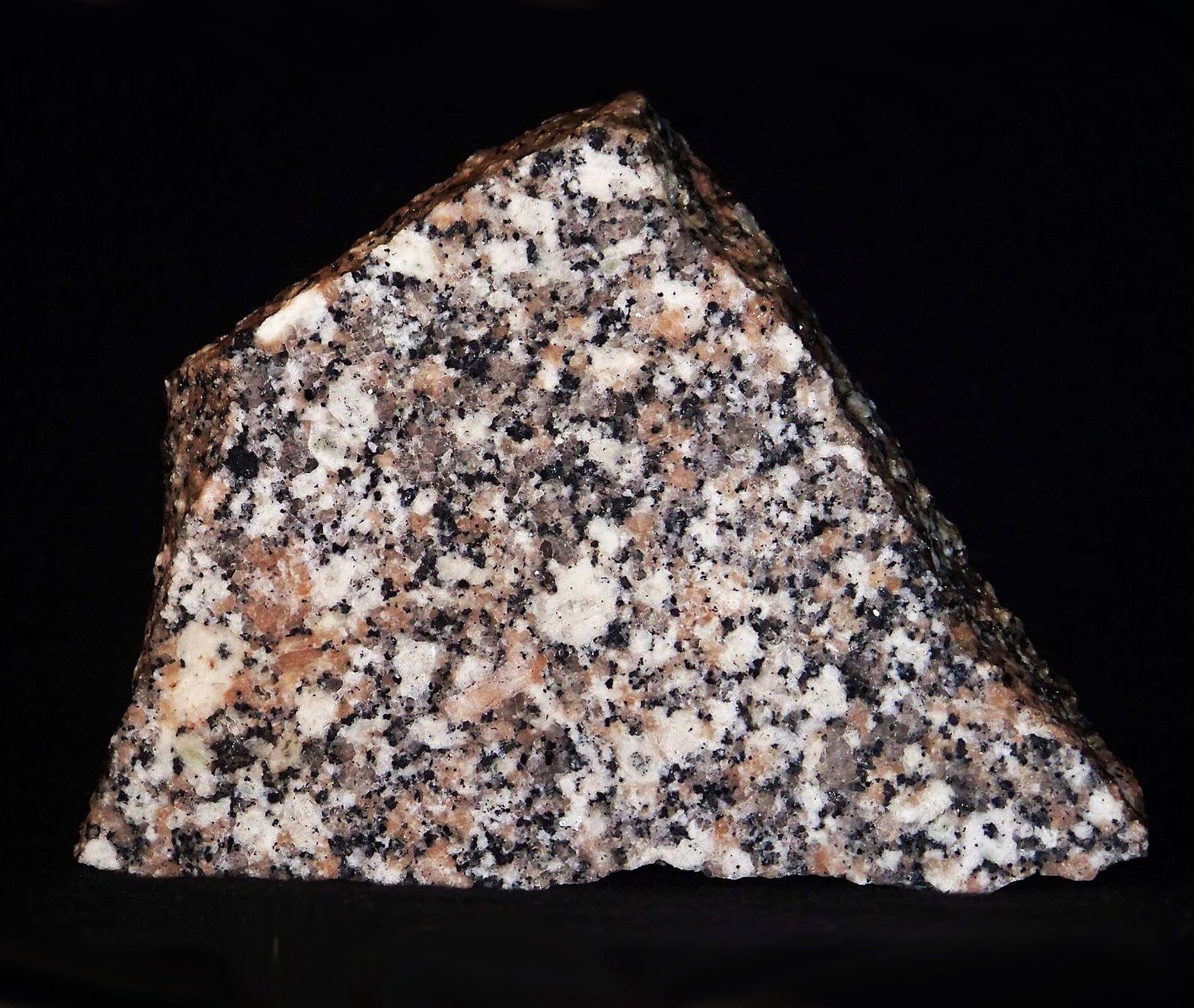
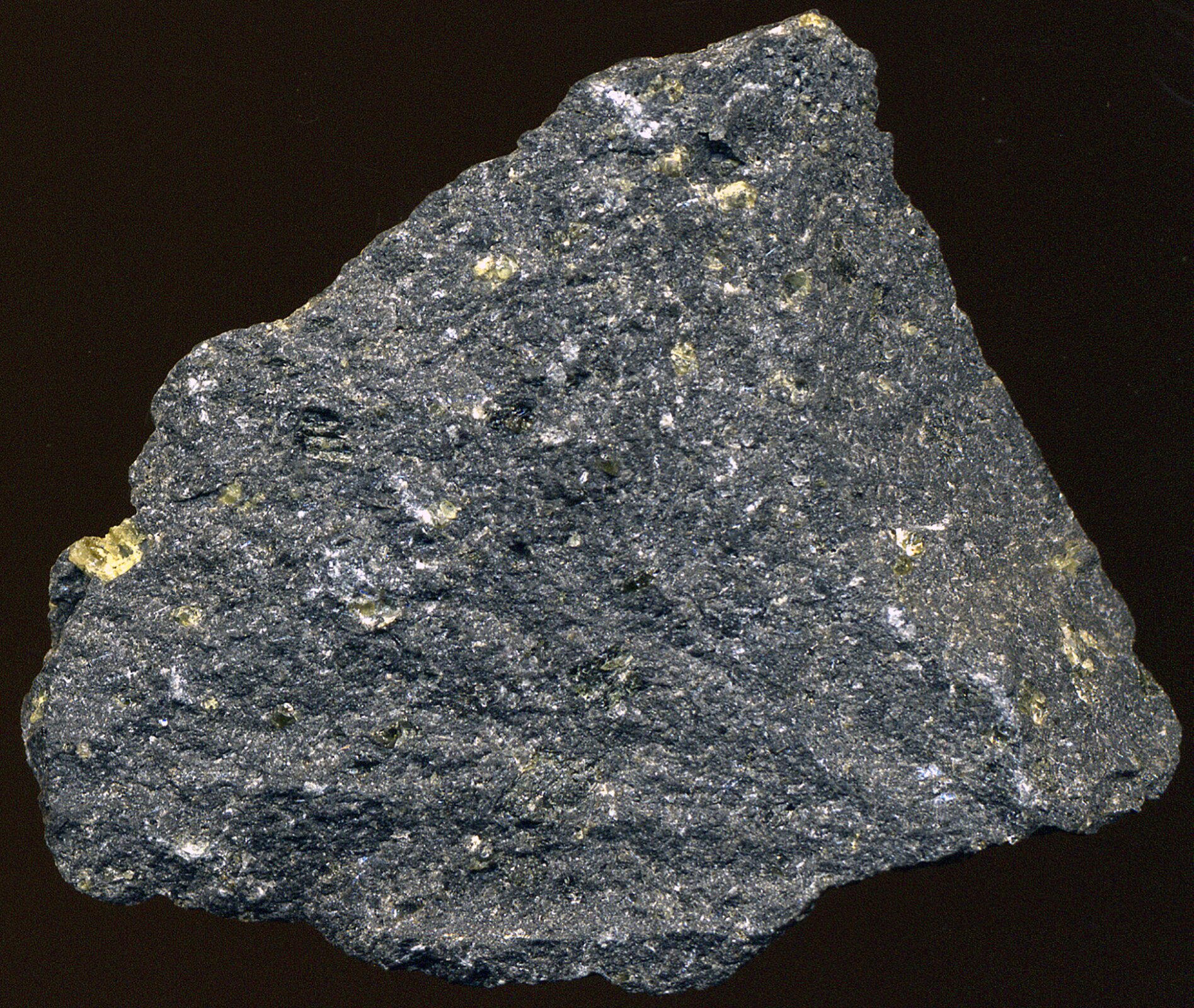
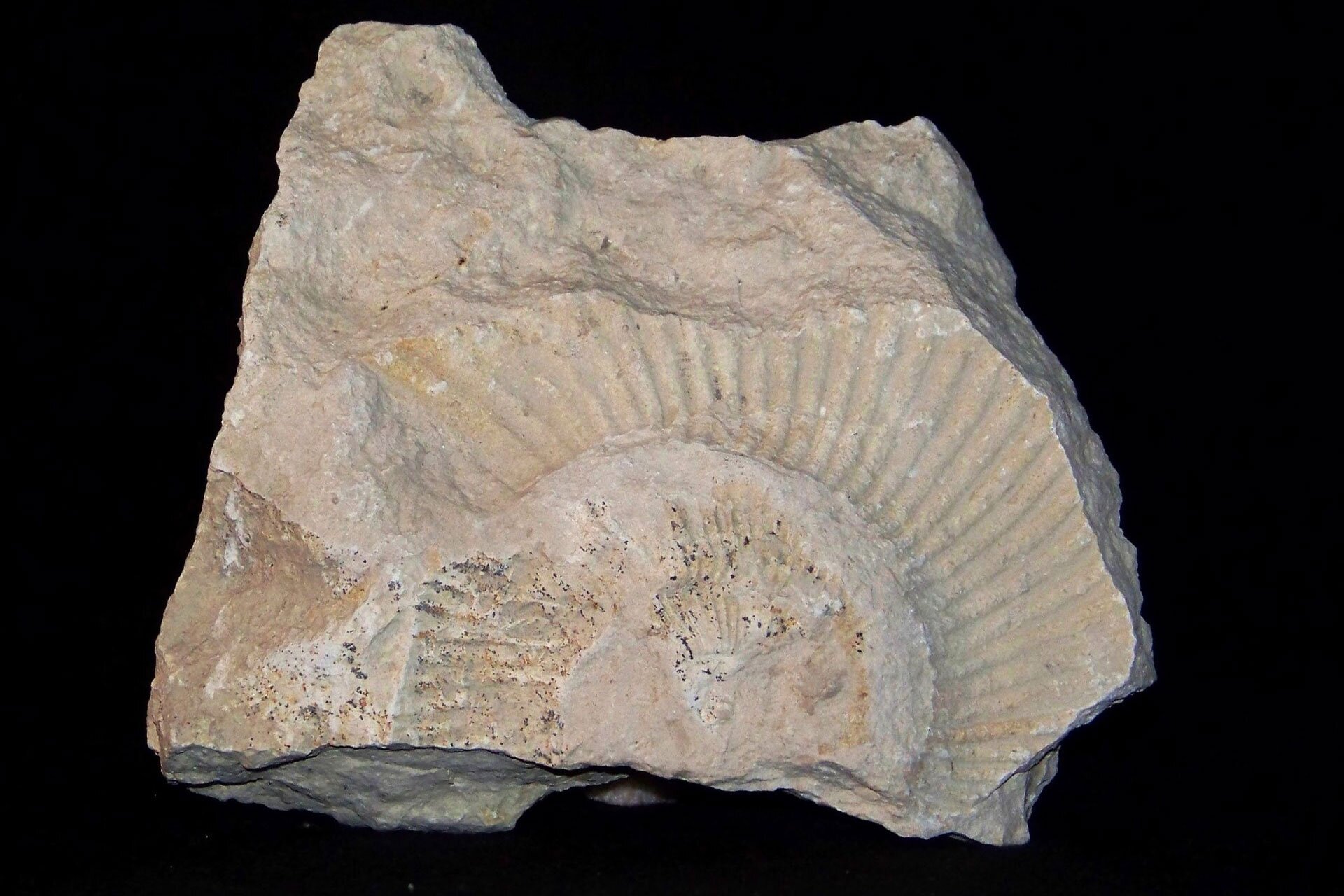
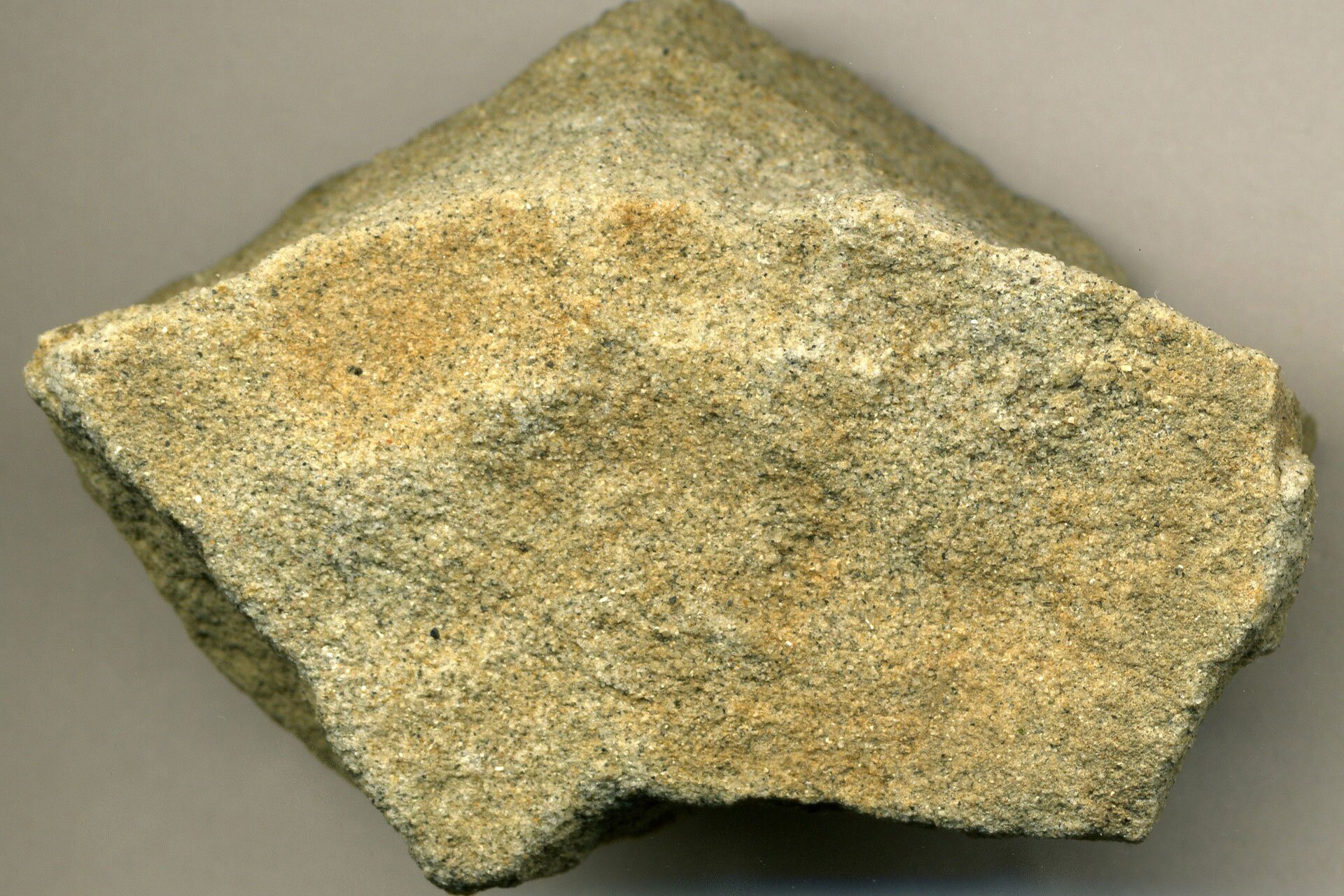
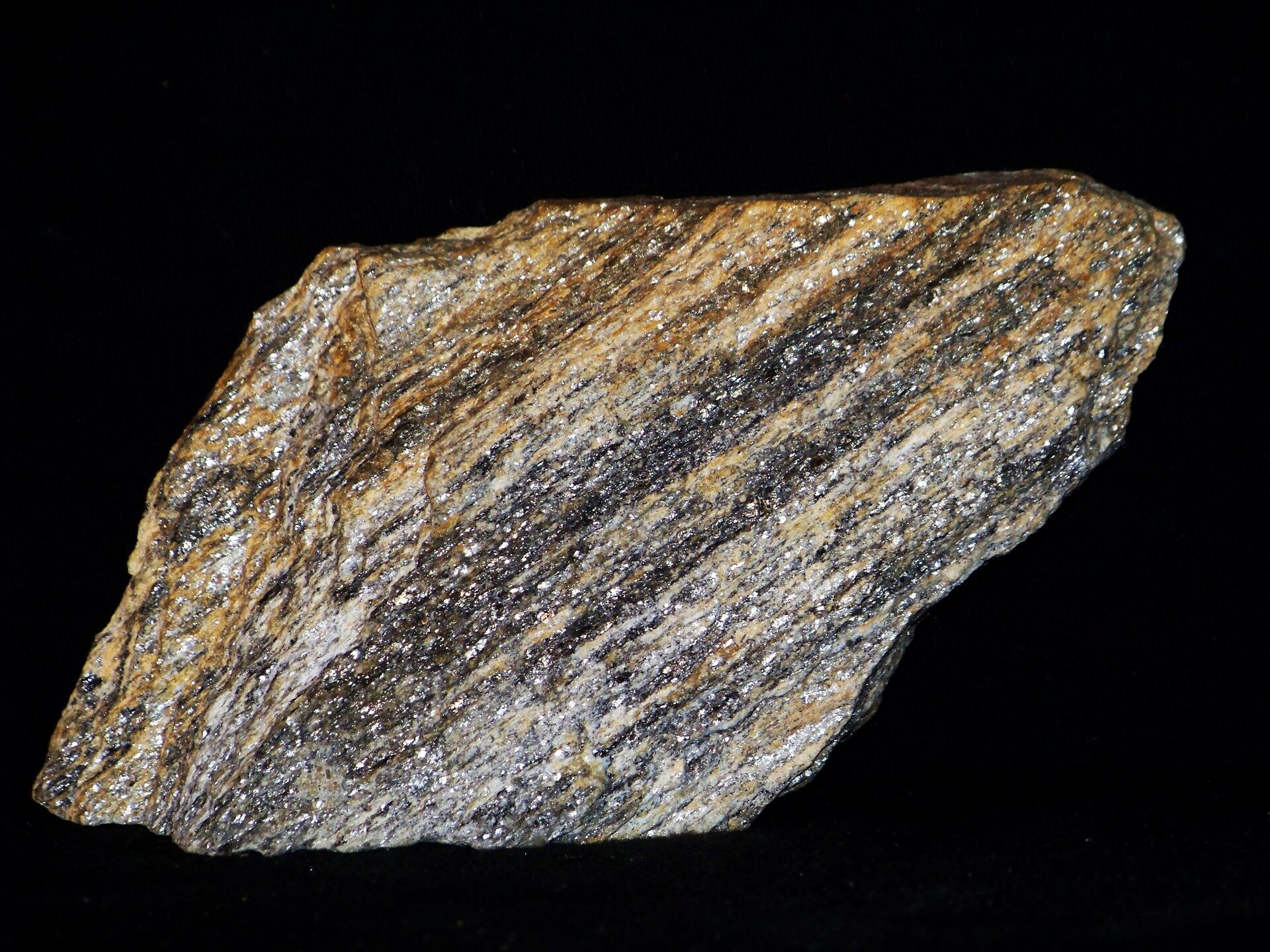
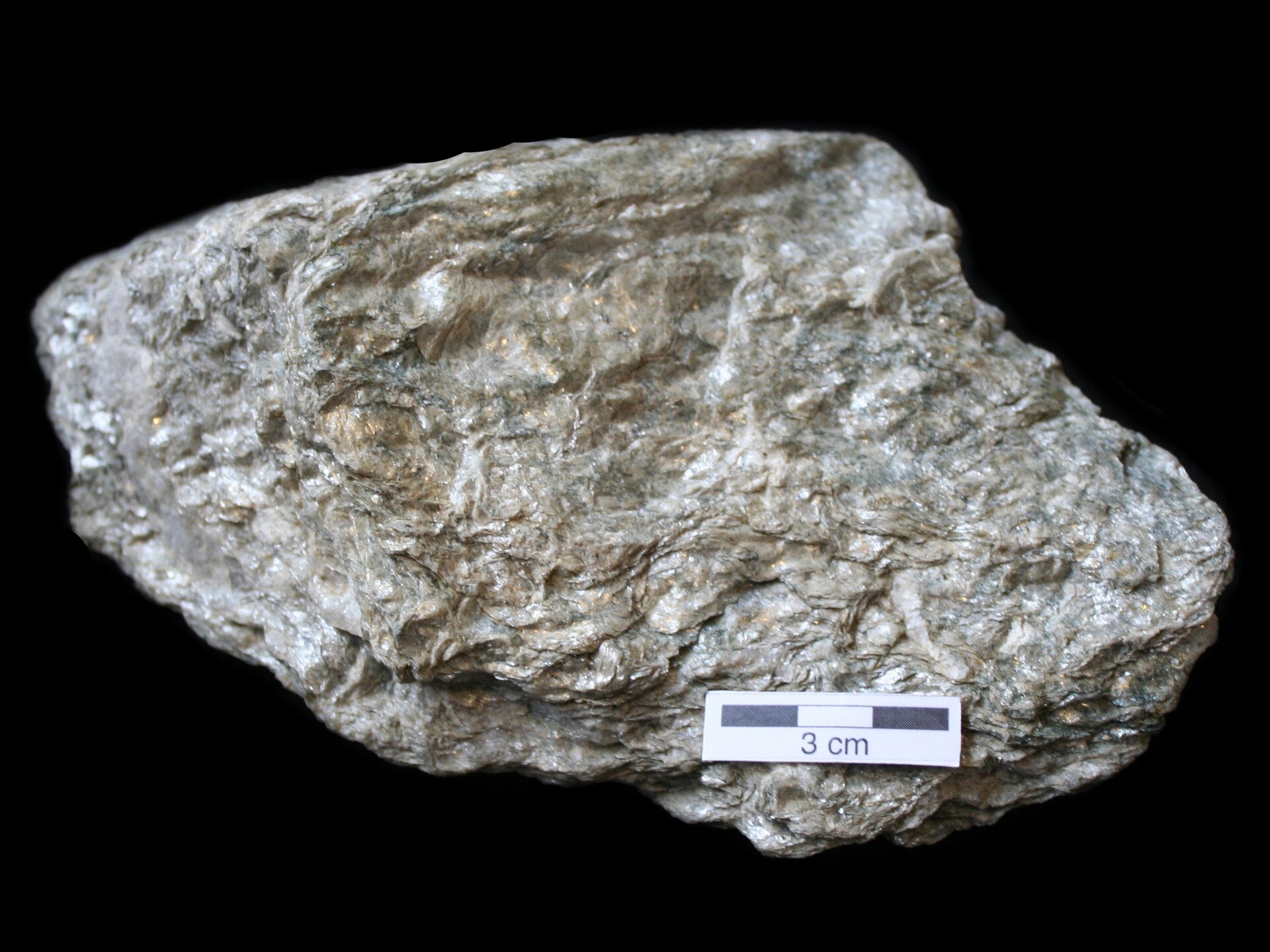
In different parts of our country we encounter different rocks on the surface of the Earth. Unconsolidated rocks predominate in the north and central Poland. Sand and clay are the most common types of rocks in those parts. Limestone is common in the uplands. Limestone is easily damaged by water and wind. That is why the landscape in places with a lot of limestone is very diverse; in such places you may encounter, for example, mushroom rocks and caves. In the uplands you may also encounter slate and sandstone. Mountains consist of resilient, hard rocks like granite, marble, gneiss and basalt.
Exercises
Match the rocks to their descriptions.
marble, limestone, granite
| magmatic rocks - formed as a result of cooling a liquid substance from the inside of the Earth | |
| sedimentary rocks - formed as a result of the deposit of crumbs of rocks or debris of organisms | |
| transformed rocks - formed from existing rocks, which change their properties under the influence of temperature and high pressure |
Choose two rocks found in Poland, which originated from the solidification of molten matter from inside the Earth.
- limestone
- sand
- sandstone
- rock salt
- basalt
- granite
Complete the text.
crumbs, organic, one, minerals
Natural clusters of ................ or several ................ form rocks. Rocks are also accumulation of ................ of other rocks or debris of ................ origin.
Summary
Minerals are the basic components of rocks.
Rocks are a natural concentration of minerals.
Due to the method of formation, rocks are divided into magmatic (e.g. granite), sedimentary (e.g. limestone) and transformed (e.g. marble).
The most common types of rocks in Poland are sand, clay, limestone, sandstones, slates, and granite.
Keywords
rock, magmatic rocks, sedimentary rocks, rocks transformed
Glossary
minerał, substancja o określonym składzie chemicznym budująca skały.
skała, naturalne skupisko jednego lub wielu minerałów.
skały magmowe, czyli skały powstające w wyniku krzepnięcia płynnej substancji z wnętrza Ziemi, np. granit.
skały osadowe, czyli skały zbudowane z okruchów innych skał, ze szczątków obumarłych roślin i zwierząt lub w wyniku wytrącenia związków z roztworu wodnego.
skały przeobrażone, czyli skały powstające we wnętrzu Ziemi i podlegające przemianie pod wpływem wysokiej temperatury i ciśnienia.