Planning the Day
that you have to perform duties at school and at home every day;
that delaying the performance of duties may cause a back log.
justify why planning skills are useful in everyday life;
plan your activities during the day independently;
set the most important tasks to be performed during the day and week;
determine the amount of time needed to perform specific activities.
What is the purpose of planning?
Imagine that a holiday trip looks like this: you pack a suitcase or a backpack, then go with your family to the train station. There you wait on the platform, looking for any train going in the direction chosen by you. You do not know when it will arrive, or when you get there. Such a journey will probably be very tiring for you.
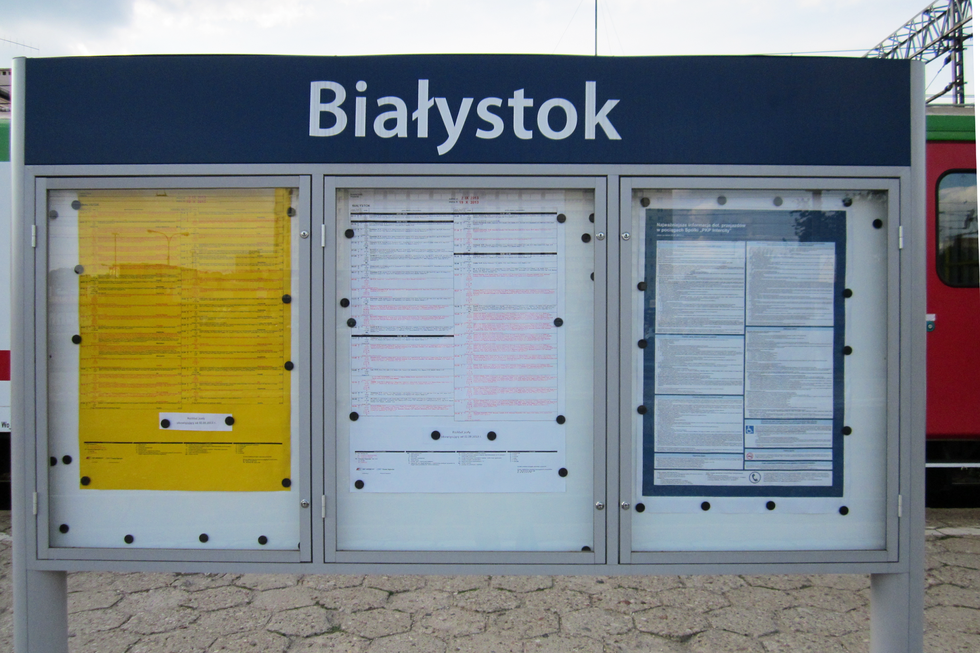
To avoid uncertainty and long waiting, use the timetable for flights or cruises. You can find them at every station and airport. Marked on them the arrival and departure times of the train or bus, and in the case of an aircraft - arrival and departure. Knowing them, you can planplan exactly. Internet search engines are also very helpful in setting a route and determining the travel time.
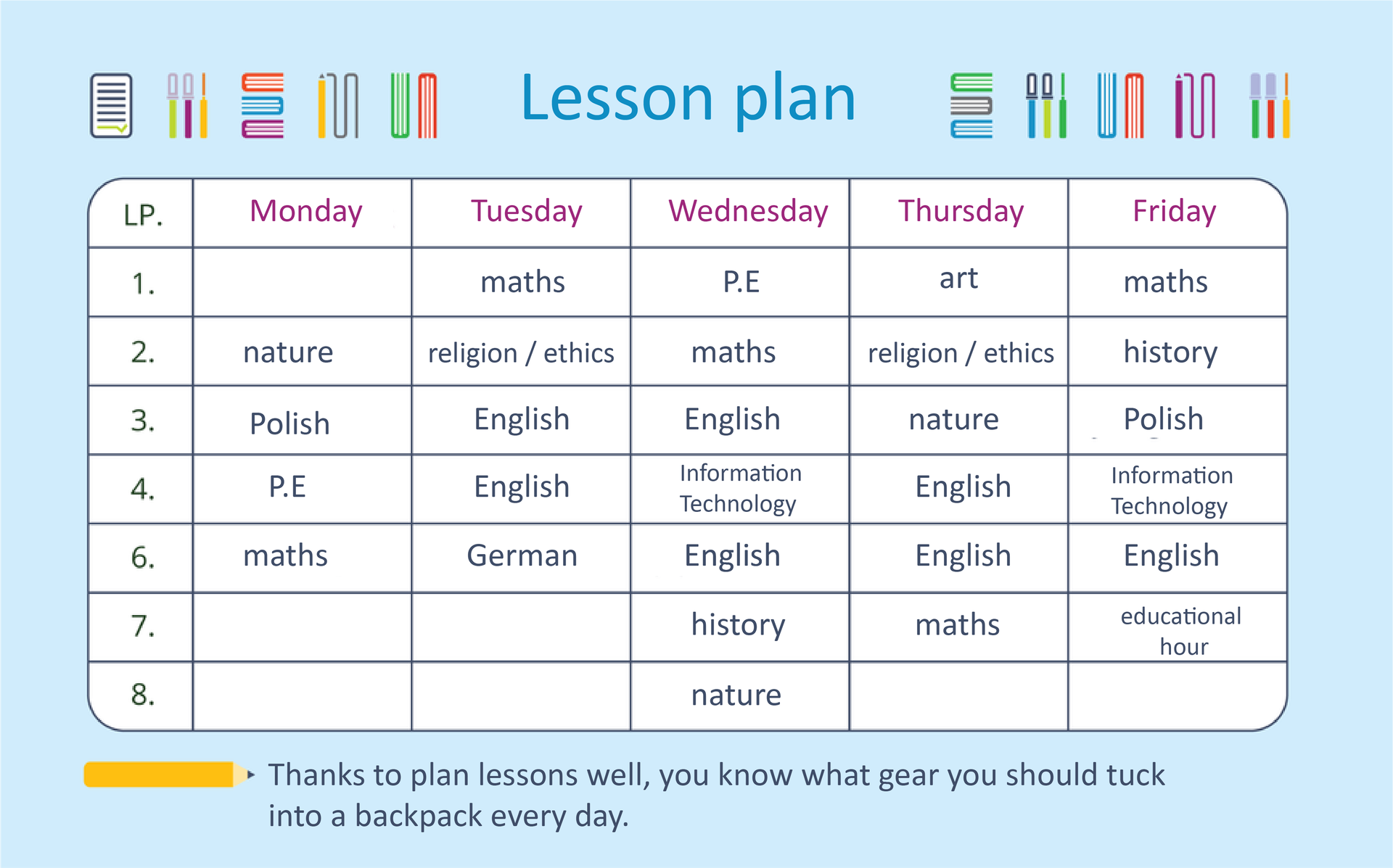
Another kind of planning is a lesson planlesson plan. Thanks to it, you know what days the lessons take place and what time they start.
How to plan effectively?
You have certain duties to perform each day and take part in various activities. Is there always enough time for everything? If not (or if you want to have more free time), try to plan your day. Thanks to this, you will perform your duties faster and more efficiently.
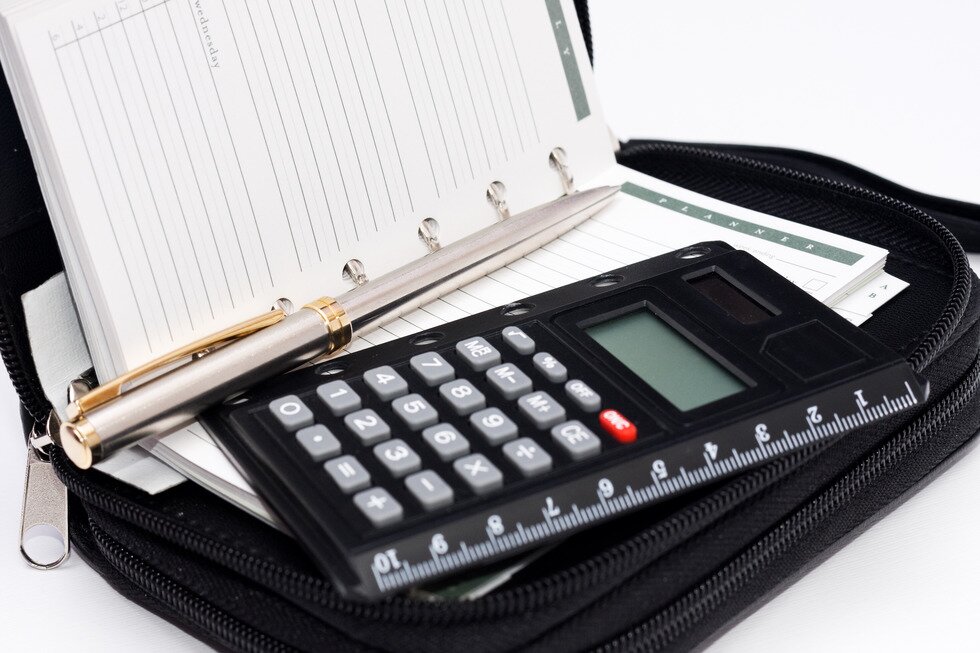
Creating a plan of the day is good to start by writing activities whose time is strictly fixed – for example, school or extra classes. Similarly, you can also plan your free time, starting, for example, by entering the broadcasting time of your favorite television program into your schedule.
During the remaining time that you have free, you can plan other activities. Remember, however, that you can not always change their date as you like. Walking with a dog or feeding animals should always be at the same time. Of course, you can go out with the dog, both at 7.00 and at 7.30, but you should not give it up.
When preparing your day plan, include both time for homework and learning, as well as rest or play. It's a good idea to plan the whole week. This will allow you to avoid situations when you will not have something to do on some days, and too many activities are waiting for you.
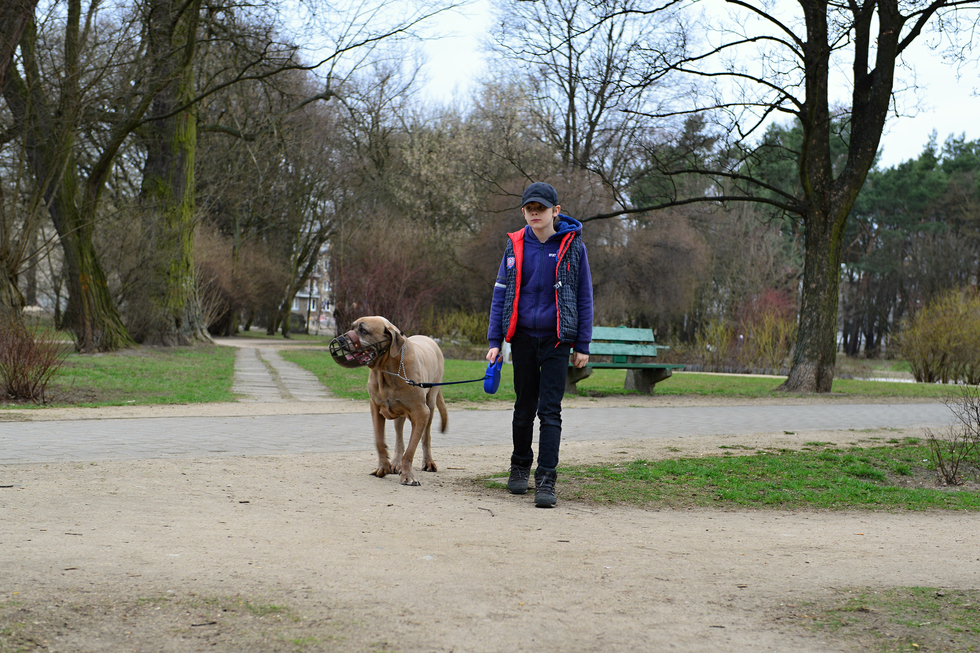
The plan of the day must be followed. If you plan to go out for a walk at 6pm with a dog, do not postpone it. Stick to your plans, even if it means you have to stop playing. It is also important to determine how long it will take you to complete the activity. At the beginning, measure how long it takes, for example, to do homework. Thanks to this you will know how much time to devote to study in your plan of the day. It's a good idea to spend a little bit more time on different activities than they really take. For example, if you do your homework every day for an average of 45 minutes, plan an hour for this activity. If you finish faster, you will gain extra free time.
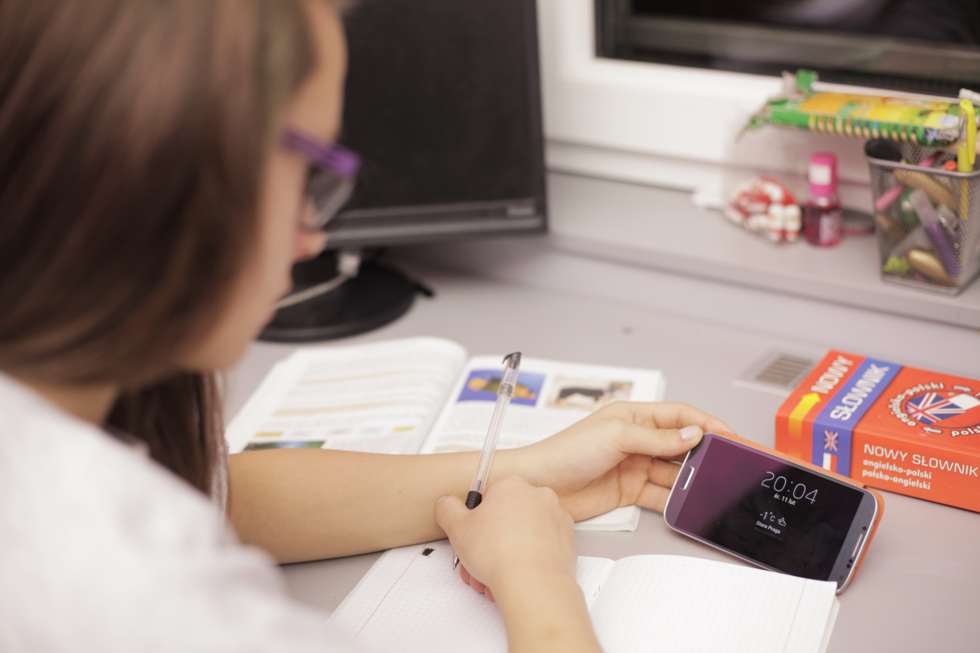
Fill in the gaps in the text, assigning the appropriate time of day to activities performed by Monika.
in the evening, In the afternoon, morning, After dinner, After lessons
Each ................................ Monika prepares to go to school - she spends several hours there. ................................ she goes to optional horse riding lessons ................................ , after returning home, Monika, her sister and her parents eat dinner. ................................ she does her homework and watches a movie or reads a book. ................................ she takes her dog for a walk.
Group activities according to their importance:
household duties, learning, plays on the computer, hobby, watching television, outdoor rest, phone calls, meetings with friends
| Very important: | |
|---|---|
| Less important: |
Summary
You can plan short sections of time (eg mornings before going to school) and longer periods (eg tasks to be completed during the week or month).
We can plan short sections of time in detail.
A good to start to planning is by identifying activities that we can not give up or that are particularly important to us.
For effective planning, it is necessary to be able to assess how much time it takes to complete individual activities.
Keywords
plan, planning, activities
Glossary
plan lekcji – spis kolejności przedmiotów szkolnych w dniu, w którym mają odbyć się zajęcia. Plan lekcji może uwzględniać godzinę i czas zajęć
planowanie – proces ustalenia celów, czynności bądź zadań przez człowieka, w określonym czasie