I: Let’s start with the basics. What is bushcraft?
Leo: Bushcraft is a set of skills and knowledge about the wilderness, the backcountry, the woods, or whatever you call nature, which helps you survive in the natural environment. Sounds very technical, but really it’s a very simple mindset, however, backed with very concrete skills. We assume that we are part of nature and should be able to coexist with it and thrive in it. Nevertheless, because we abandoned our natural habitat thousands of years ago, we need to rediscover this connection, as otherwise it may turn out to be dangerous to us.
I: And that’s why you offer courses, to help people reestablish their link with nature? What kind of people come to you to enrol in your training?
Leo: That’s right. However, it’s not the only purpose of our courses. We actually give people very practical skills which not only will help them survive in a life‑threatening situation, but they will also broaden their horizons. We teach them how to recognise edible species of plants in their neighbourhoods. We have a fantastic Foraging and Wilderness Cookery Program, after which our participants know which plants have medicinal qualities and which are poisonous. They can also identify and name trees around us. Who comes to us? All sorts of people, from parents with 6 or 7‑year‑olds to corporate executives.
I: What would you say are the absolutely basic skills every bushcrafter needs to have?
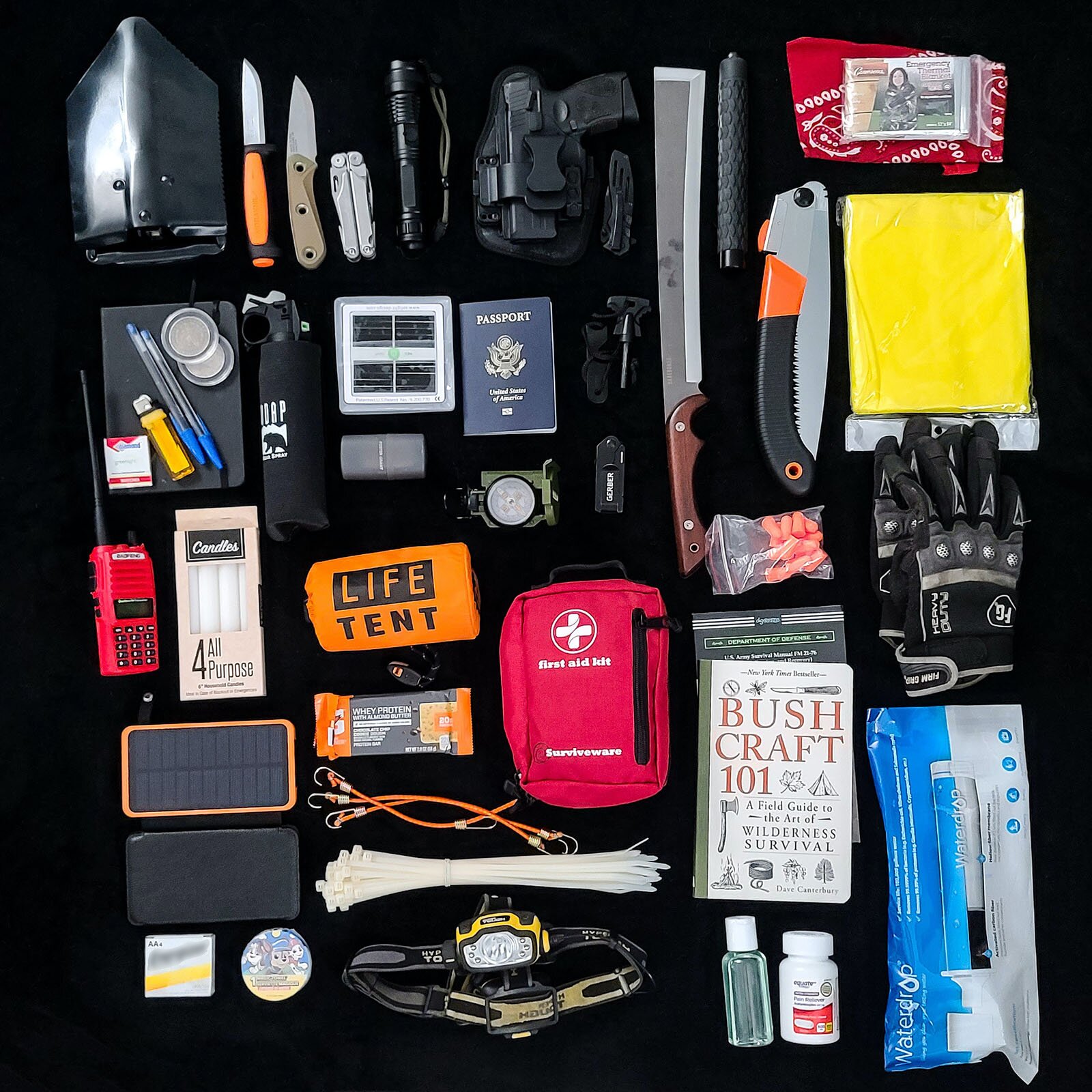
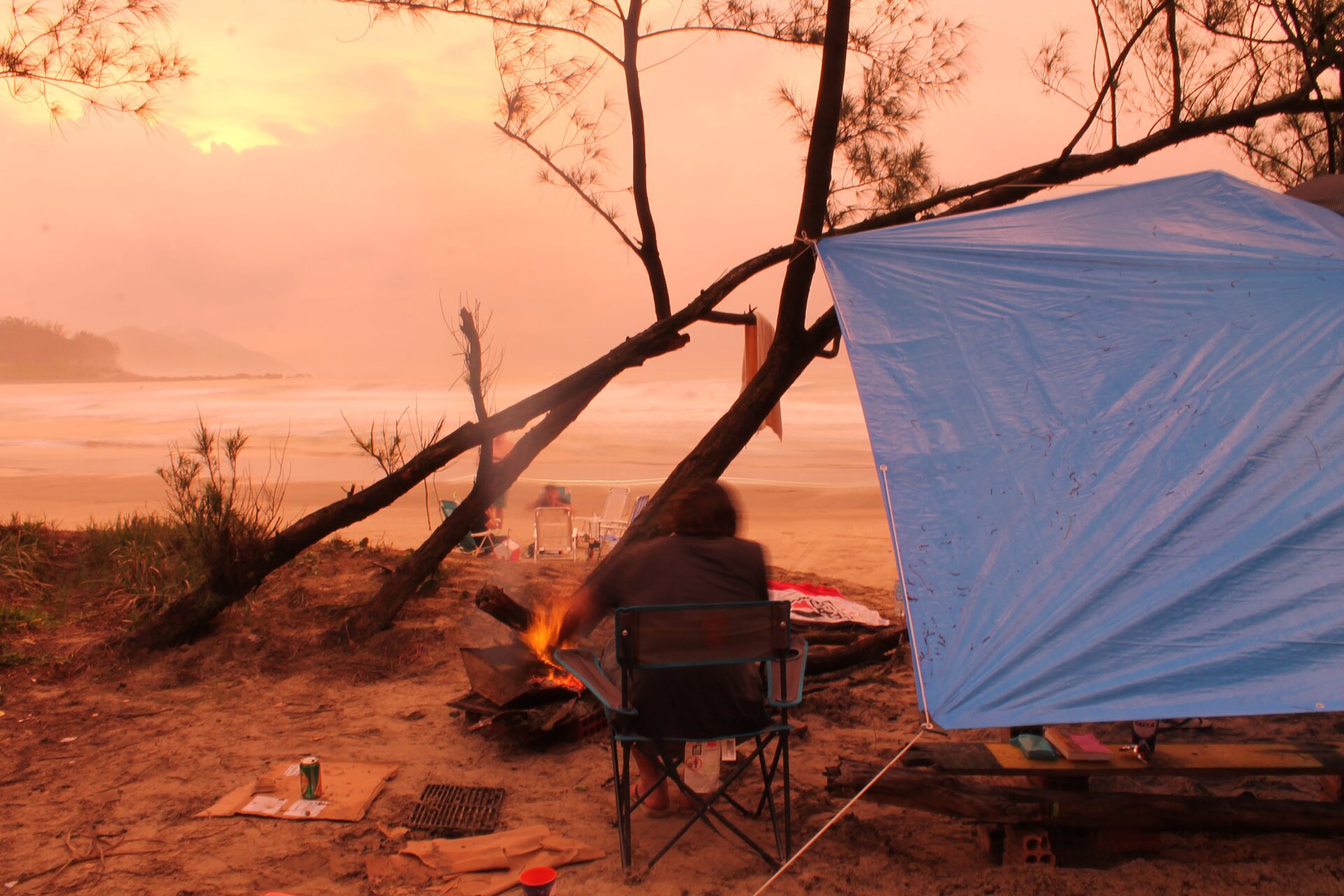
Leo: It depends a bit on the type of terrain you want to operate in, the season, and a few more aspects, but I can name the essentials. First of all, in our foundation course we teach the fundamentals of fire lighting, as many people struggle with it in good weather conditions, not to mention when it’s humid and wet. We show people how to choose and gather natural materials and how to use different sources of fire. Secondly, we demonstrate and practise constructing a thermally efficient shelter from natural materials available nearby. We also try out a number of lightweight shelters you can carry with you, such as a tarp or survival tent as it’s important to know how to use them effectively.
I: So fire lighting and shelter building. What else would you put on a list of essential bushcraft skills?
Leo: Definitely the ability to find and then purify water. Many people forget that even if you find a stream and the water looks crystal clear, it still may be bacteriologically contaminated and drinking it without prior processing, you risk some very unpleasant reactions from your digestive system, if you know what I mean. I should have started the list, though, with navigation skills. Contemporary people are very technologically dependent. Don’t get me wrong, I think that the advances of technology are great and, in many cases, save lives, but in the situation of power outage we are left helpless. That’s when map reading and the ability to use a compass come in handy. We also teach natural navigation, but that’s part of our advanced course.
I: Does it mean that you have courses for more ambitious bushcrafters as well?
Leo: It’s not really a matter of ambition, but when it’s your first ever backcountry outing, we’re not going to teach you advanced axe skills or knife sharpening techniques. First things first. We’ll discuss what suitable outdoor clothing is. Next, we’ll show you how to find your bearings and then build up on that. After the course, you will also have a better understanding of yourself. You will know how much time it takes you on average to walk a kilometre in different kinds of terrain. You will test out what the optimum weight to carry is for you. Your sense of time will be more accurate without using a watch or phone. These are abilities which may be useful in your city life as well. Our advanced courses involve learning and practising such skills as woodcrafting, making ropes from plants, cooking without pots, tracking and nature awareness, identification of the most useful plants and trees, and many others.
I: Sounds fascinating. Bushcraft and survival are the hobbies which have been growing in popularity in recent years, so a technical question: where do people go to do these outdoor pursuits? Is it legal to just sleep anywhere in the forest?
Leo: That’s a very good question. Because more and more people get hooked on these activities, this field is in urgent need of some formal regulations. Norway has got its “right to roam,” and in Poland, after a couple of years of negotiations between bushcraft associations and the authorities, a pilot scheme was introduced at the end of 2019. The body governing state‑owned forests appointed 41 areas in the whole country where bushcraft and survival activities are fully legal. The maps are available on the official website together with terms and conditions. It’s a big step forward in terms of acknowledging the existence of this sector of leisure.
I: Leo, thanks for the conversation. I hope we have encouraged a few people to spend more time in nature and to learn some new skills at the same time.
Leo: Thanks a lot!