Prezentacja multimedialna
Technology is a great innovation for the whole sporting world. The key question is whether it has any disadvantages? Can you think of a situation when officials had a problem with a recorded video? In this section you will learn more about advantages and disadvantages of using technology in particular sports.
Technologia jest wielkim wsparciem dla świata sportu. Kluczowym pytaniem jest, czy wykorzystywane w sporcie technologie mają jakieś wady. Czy przychodzi ci na myśl sytuacja, w której sędziowie sportowi mieli problem z nagraniem? W tej sekcji dowiesz się, jakie wady i zalety ma stosowanie technologii w sporcie.

Sport technology
Film dostępny pod adresem /preview/resource/R1JeBC4YCIX4n
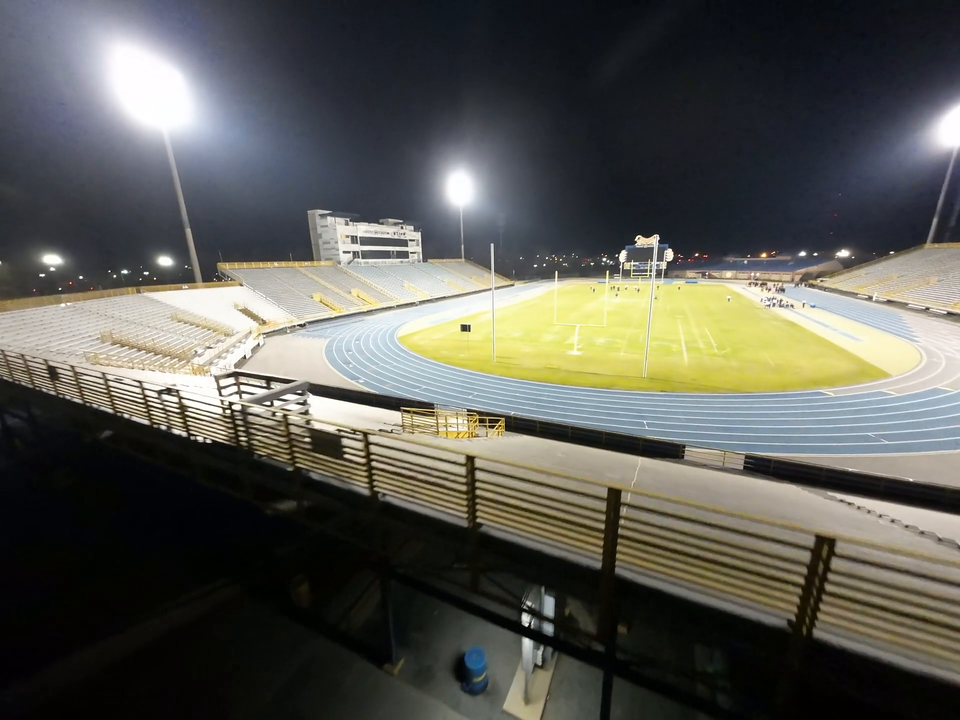
Krótki filmik przedstawia najazd kamery na stadion do footballu amerykańskiego. Na początku widoczny jest oświetlony stadion z zewnątrz. Następnie kamera prowadzi przez trybuny na płytę stadionu. Widoczna jest prostokątna, zielona murawa otoczona bieżnią. Na skraju murawy widoczne są dwa słupki, pomiędzy którymi znajduje się bramka stojąca na słupku. Potem widoczne jest zbliżenie na murawę, po której biegną zawodnicy w kierunku bramki.
In the world of sport, the matter of accuracy and correctness of certain decisions have always led to doubts. Technology’s aim is to avoid such situations and guarantee fair play. Find out about further key developments in particular disciplines, and the weak as well as the strong points of technology from three perspectives: the performers, the officials, and the spectators.
Advanced technology in swimming

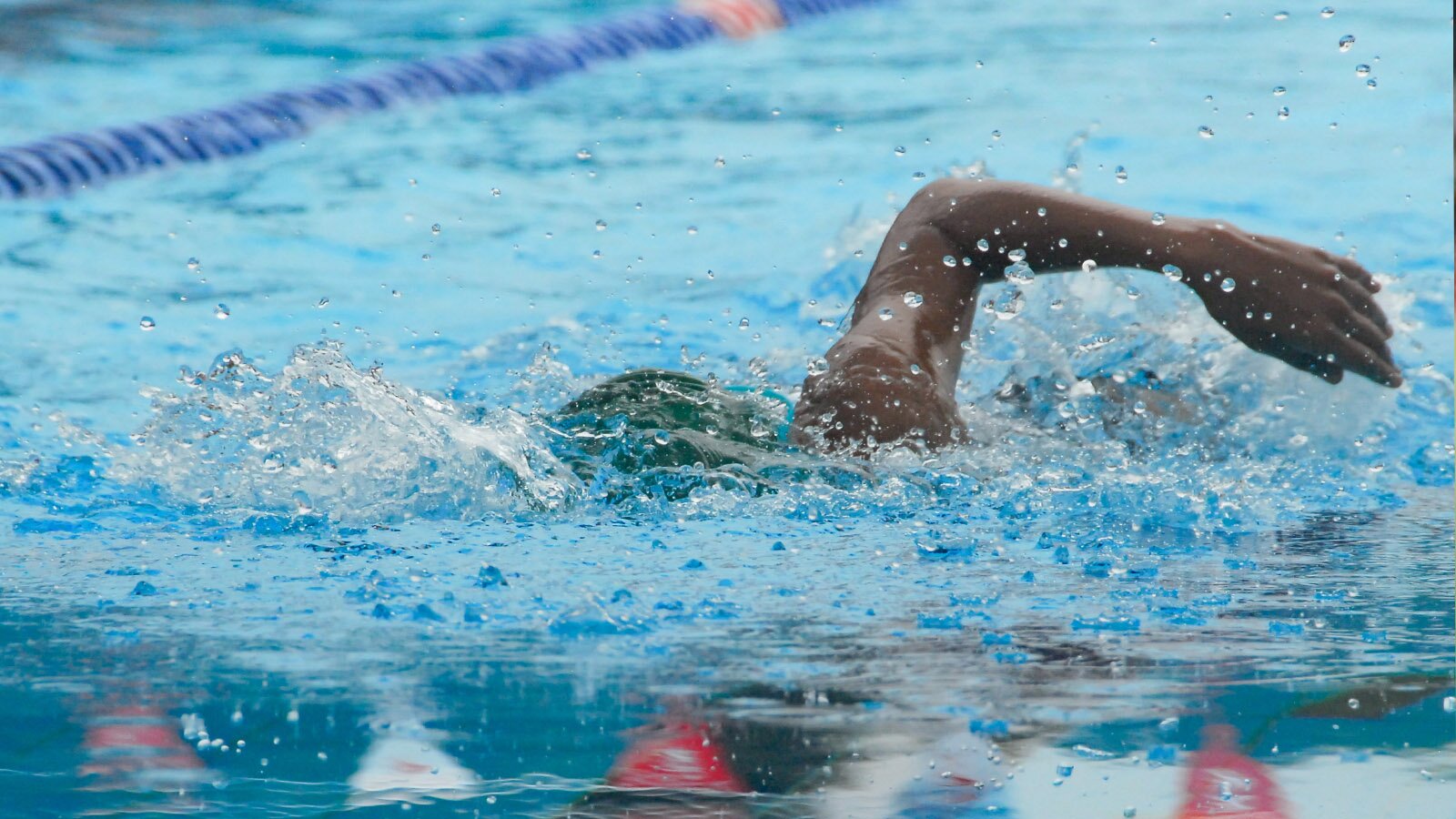
In 2000 virtual imaging in professional swimming events was introduced. It makes a line on the surface of the water to show records and virtual flags, which represent each swimmer in their lanes. A divecam films every movement the swimmer makes. Competitors wear swimsuits designed to reduce drag.
Sensors in the golf club

Film dostępny pod adresem /preview/resource/R68SZ6U986hr0
Krótki filmik przedstawia zbliżenie na równo przyciętą murawę, na której widoczna jest biała piłka golfowa. Następnie widoczna jest dolna część kija golfowego, który uderza piłkę. Piłka toczy się, a kij golfowy wraca na pozycję wyjściową.
Nowadays, computer technology helps to improve golf clubs. Woods (used for long‑distance shots) and irons (used for shorter shots), have been designed and constructed with better weight distribution and accuracy. The ball itself has also been improved, especially when it comes to its composition. A common technology in golf is swing analysis, which uses sensors attached to the club to measure speed and swing tempo.
How to move faster in cross‑country skiing?

In cross‑country‑skiing, technology influences mainly the equipment design. The skis differ in shape and length, depending on style. Cross‑country skis are pretty narrow and light, while classical skis are longer than freestyle ones, which, in turn, seem to be slipperier than classical ones. Actually, skis are thinner and lighter nowadays which has a great impact on the reduced drag that allows skiers to go faster.
Hawk‑Eye and Line‑Calling System in tennis

Hawk‑Eye and Line‑Calling System are the two most known technologies used in tennis. The first one uses high‑speed cameras placed around the playing area to track the movement of the ball and predict where it might land, while the second one consists of cameras and sensors positioned around the court that detect whether a ball has touched the lines. Both are designed to minimize human error.
Rugby; the sport with sensors

Hawk‑Eye technology was used in rugby for the first time in 2015. The video review with synchronised camera views is supposed to help officials make decisions. Rugby is one of the contact sports which put players at risk of serious injuries. That’s why sensors are hidden under the player’s jersey. They track heart rate or field position and are used by medical staff to identify possible health issues such as a concussion.
Advantages of technology from the perspective of a performer
Film dostępny pod adresem /preview/resource/R7rAVMAUQoZiL
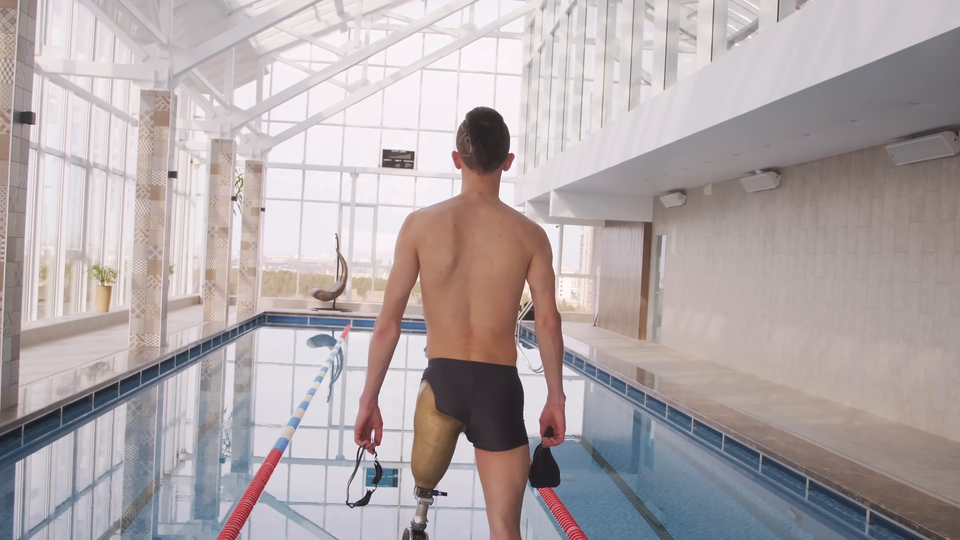
Krótki filmik przedstawia mężczyznę stojącego przy krótszej krawędzi krytego basenu, w ujęciu od tyłu. Mężczyzna jest ubrany w krótkie, ciemne szorty. Obie ręce ma opuszczone wzdłuż ciała. W lewej dłoni trzyma okulary do pływania, a w prawej trzyma czepek pływacki. Jego lewa noga od odcinka powyżej kolana w dół jest zastąpiona przed protezę. Przed nim widoczny jest basen z wydzielonymi trzema torami pływackimi, znajdujący się w wysokimi, przeszklonym pomieszczeniu.
Improvements in equipment and training help sportsmen set new records. Many decisions can be reviewed with such technology as Hawk‑Eye and slow‑motion videos to guarantee fair results and accurate measurements. Manufactured equipment, like pads or helmets, prevents serious injuries. Even if they happen, there are special chambers to speed up recovery. The positive impact of improvements in sports technology is truly remarkable! It even provides opportunities for disabled players to compete, thanks to technological innovations such as prostheses or artificial aids.
Disadvantages of technology from the perspective of a performer

As it may seem that technology only benefits the performer, let's take a look at a different angle. Some performers may not have access to certain technology due to the lack of money in comparison to their competitors from richer countries. Technology, like any other system, must be updated constantly, which is costly. Moreover, decision‑making technology may slow down and interrupt the flow of the game. Often, such challenges are likely to weaken the players’ attention and focus.
Advantages of technology from the perspective of officials

Film dostępny pod adresem /preview/resource/R1TyP4B5lkEqu
Krótki filmik przedstawia zbliżające się i oddalające się ujęcie piłki nożnej w siatce bramki. Piłka zrobiona jest z sześciokątnych połączonych pół, a na każdym polu widoczna jest flaga innego kraju, w tym między innymi flagi: Brazylii, Portugalii, Włoch, Argentyny, Anglii, Japonii, Hiszpanii.
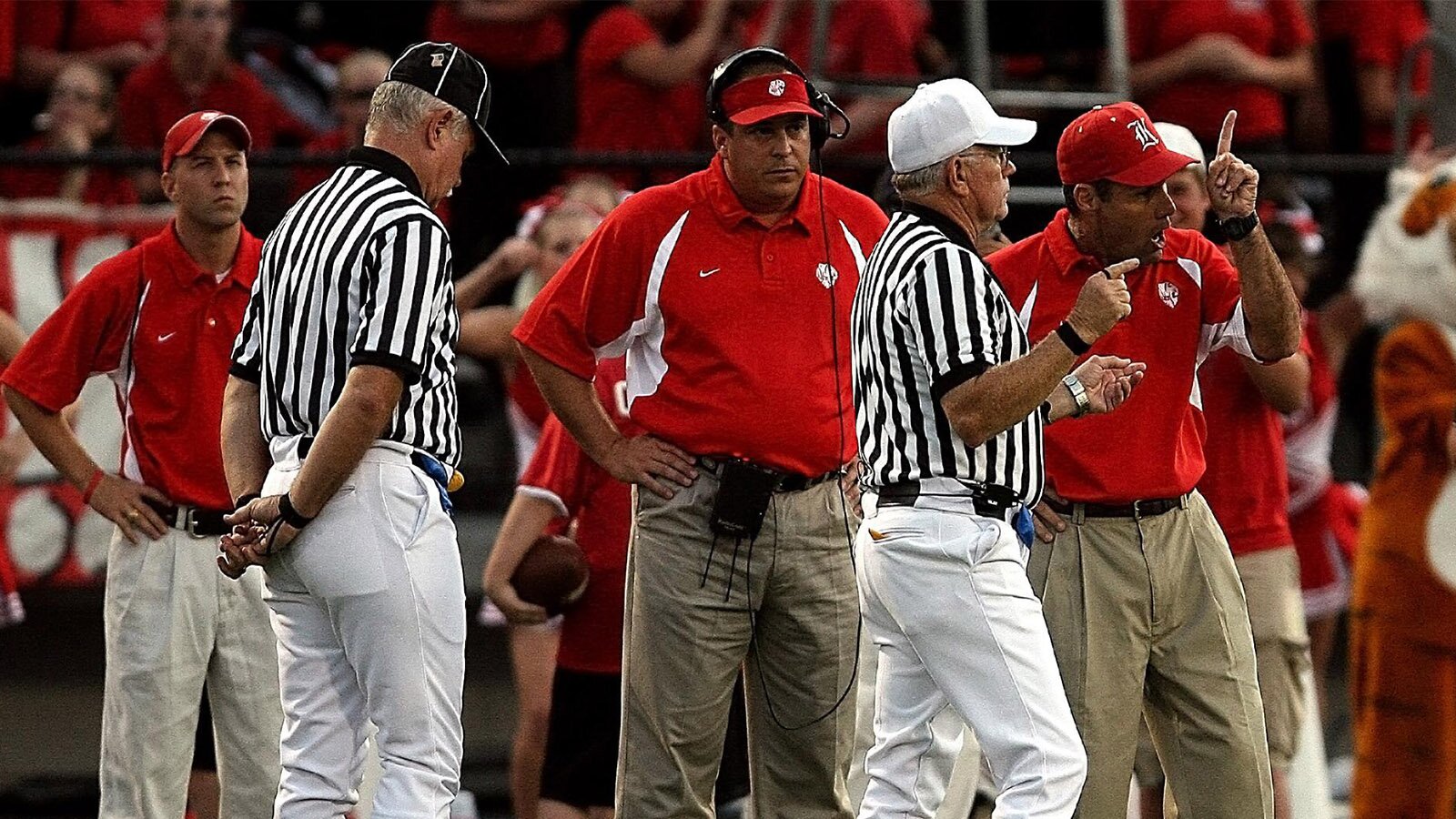
Officials find technology especially helpful. They make correct decisions and communicate easily with others during the game because they have microphones and earphones. When they’re not sure if the ball was in or out, they might ask for a review to make a more accurate decision and make sure they got it right. Simply speaking, there is less pressure and fewer on‑the‑spot decisions.
Disadvantages of technology from the perspective of officials
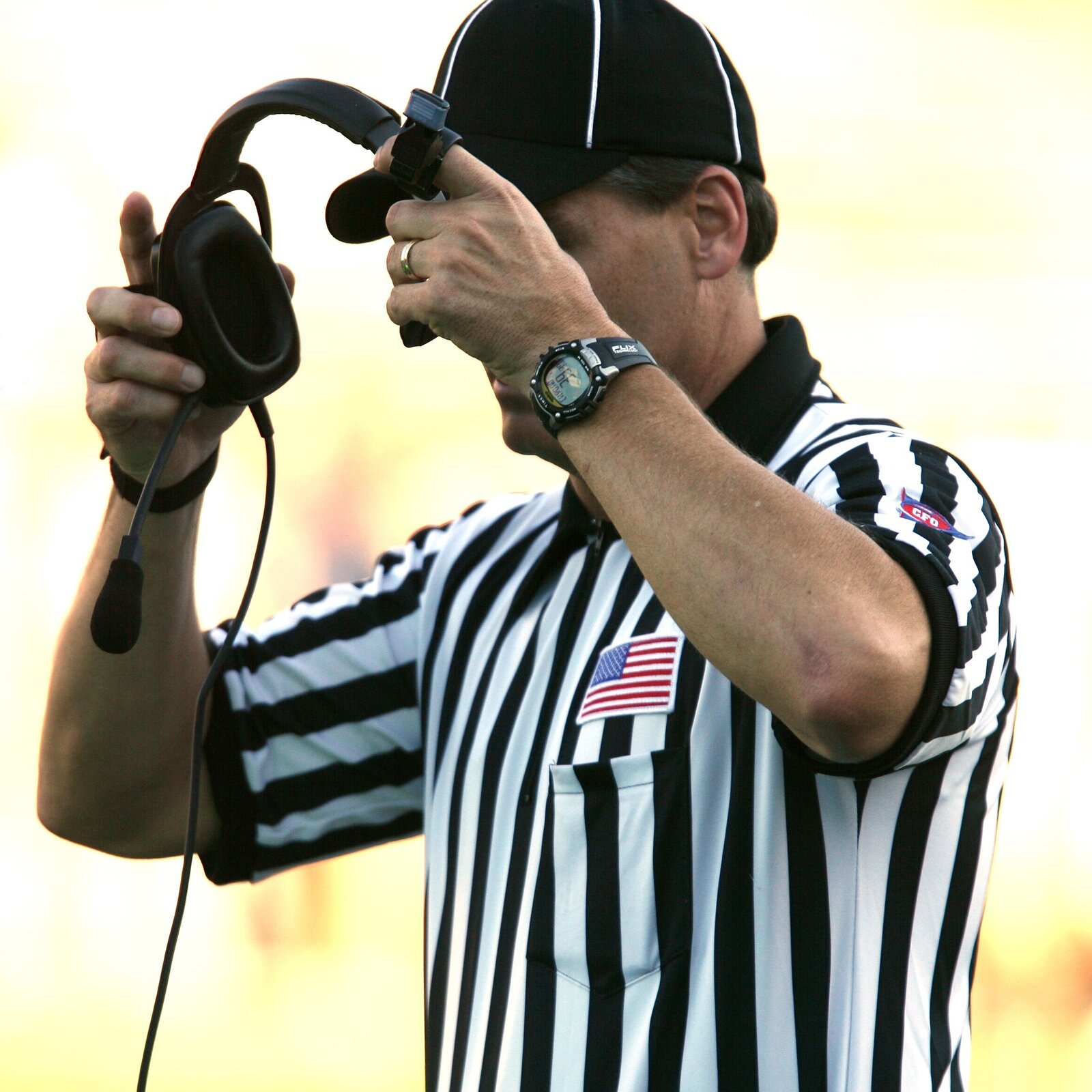
However, every coin has two sides. Technology, apart from helping officials, may also pose challenges. Like any other system, sports technology may make mistakes, putting officials at a disadvantage if they rely on it too much, limiting their ability to make independent decisions. That's why they should be extra careful and pay more attention to what is happening during the game and avoid being too dependent on the system.
Advantages of technology from the perspective of a spectator

Spectators also benefit from technology because it plays an entertaining and informative role. Those who watch the game at home are very well informed about the flow of the game, as they have a chance to observe the results from multiple camera angles and slow motion replays which enhance emotions and experiences. Spectators are surely delighted when officials make fair decisions because even if your favourite team loses, you know that the decisions were just and correct.
Disadvantages of technology from the perspective of a spectator

Can spectators actually become disappointed due to an excessive presence of technology at a sports event? As it turns out, that can indeed be the case. As viewers have good access to expert analysis which officials often don’t, they might see faulty decisions being made, which can be a devastating experience for spectators. Additionally, excessive usage of technology can lead to more breaks during the game, which some spectators may find irritating.
Based on the information from the presentation, write two advantages and two disadvantages of using technology from the perspective of:
a) a performer;
b) an official;
c) a spectator.
a) Sportsmen use…Thanks to…On the other hand… Unfortunately…
b) Technology makes it easier… Sometimes technology…
c) Spectators… There is/are still…
a) Sportsmen use special equipment to recover from serious injuries. Thanks to technology, disabled players can compete with innovative prostheses or artificial aids. On the other hand, some performers may not have access to certain technology because it's expensive. Moreover, decision‑making technology may slow down, and by that interrupt, the flow of the game.
b) Technology makes it easier for officials to make correct decisions and communicate easily with others during the game by means of microphones and earplugs. They ask for a review to make a more accurate decision. Sometimes technology slows the game down because of frequent challenges, which sometimes become a tactic against the opponents to distract their focus.
c) Spectators are well informed about the flow of the game because of the multiple camera angles and slow motion replays. Because reviews are limited, there are mistakes made during a game, which can be a hard experience for spectators. There are more breaks during the game and some spectators may find it irritating.