In today's human‑dominated world many plants and animals are at risk of extinction. Those organisms are not only beautiful and interesting, but also necessary elements of their respective environments. Unless we protect them, we will destroy nature and maybe even ourselves.
When did nature conservation start in Poland?
The first protected organism in our country was the beaver. Beaver hunting was restricted in 11th century by king Bolesław Chrobry. Bolesław Kędzierzawy, who ruled in 12th century restricted aurochs hunting. In 14th century king Kazimierz Wielki introduced penalties for felling oaks. During the reign of Władysław Jagiełło felling of yew was prohibited. A protected period from 23rd of April until the end of harvest was introduced for aurochs, tarpan, moose and european bison.
Rro4bajqqujOD
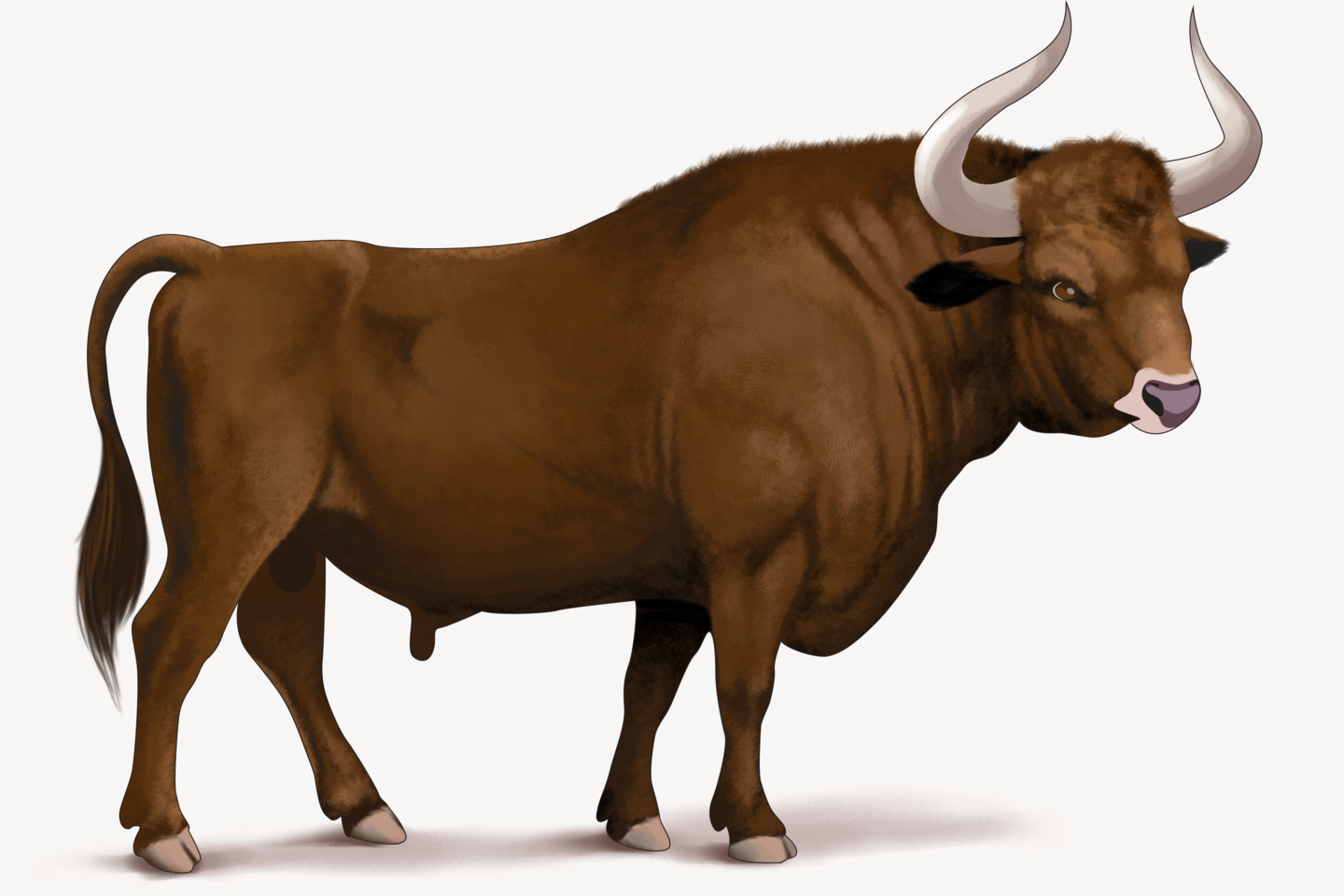
Ilustracja prezentuje rekonstrukcję wymarłego tura. Tur był masywnej budowy przypominającej bydło domowe.
Aurochs
Source: Tomorrow Sp. z o.o., licencja: CC BY 3.0.
R3MxanNCDwLfy
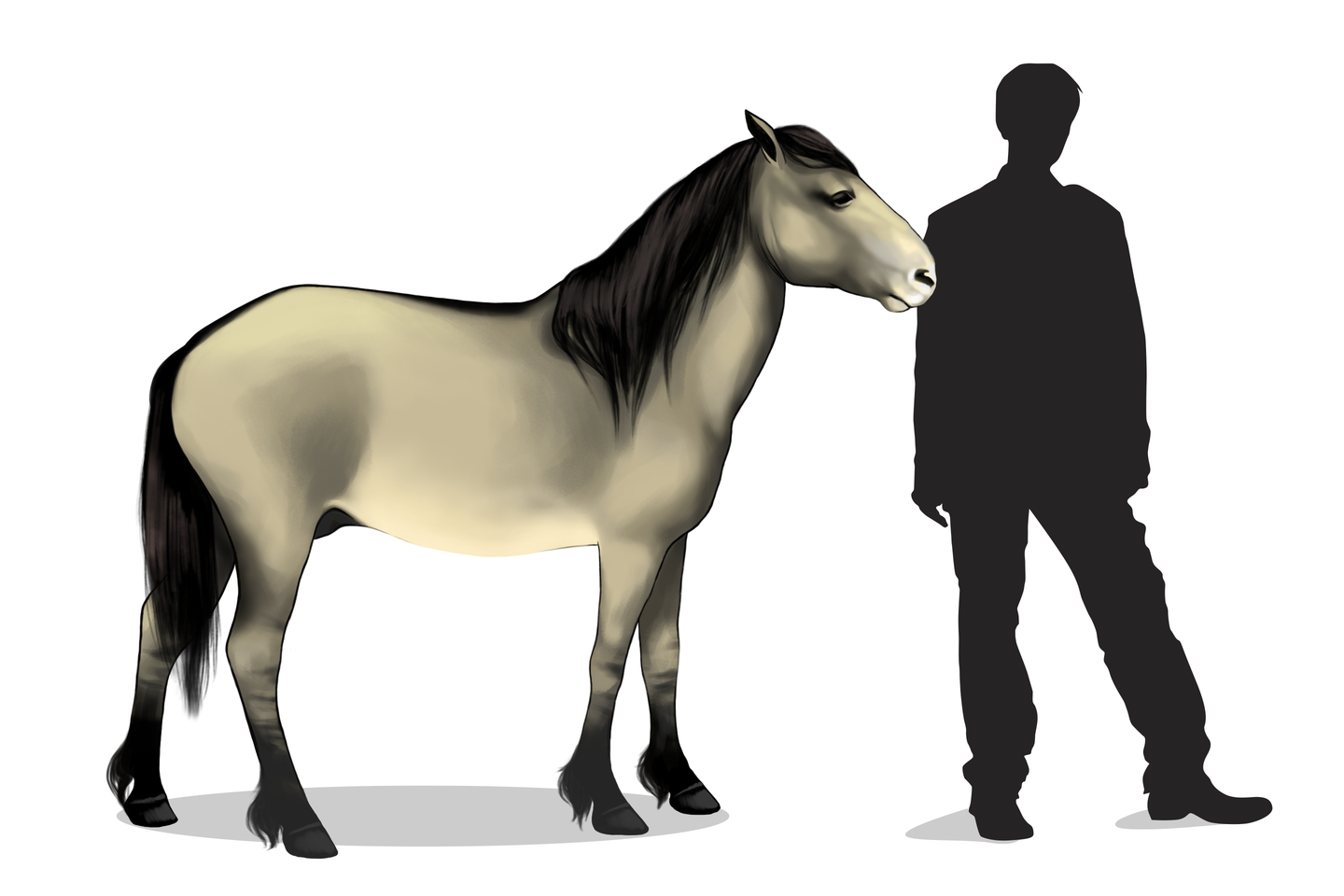
Ilustracja prezentuje wygląd niewielkiego konika polskiego, nazywanego tarpanem. Ciemna grzywa, ogon i kończyny do kolan. Ciemna pręga na grzbiecie. Umaszczenie szare. Tarpan jest wysokości człowieka.
Tarpan
Source: Tomorrow Sp. z o.o., licencja: CC BY 3.0.
R1ZfEMiaQos9r
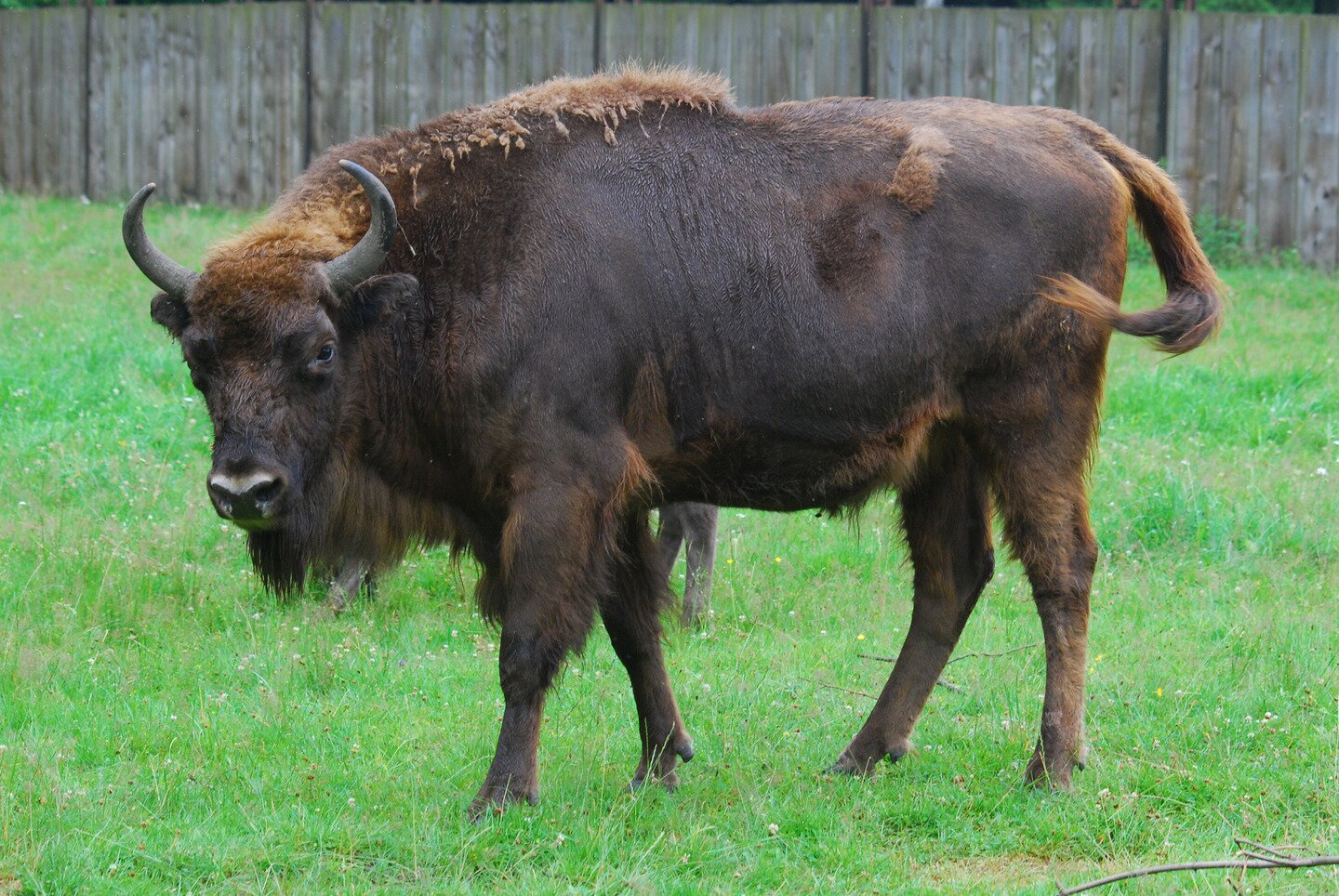
Fotografia prezentuje żubra na ogrodzonym wybiegu chodzącego po zielonej trawie. Na łbie rogi, masywne ciało.
Bison in a breeding centre
Source: Lilly M, licencja: CC BY-SA 3.0.
What is conservation of species?
Conservation of species is a form of nature protection in Poland covering over 600 plant species, ca. 700 animal species is currently protected in Poland. The purpose of species conservation is to preserve in nature species that are rare and at risk of extinction. Protected plants and fungi must not be picked and protected animals must not be hunted.
Organisms may be covered by strict or partial protection. Plants, animals and fungi under strict protection are protected all the time, while those under partial protection are only protected during specified times of the year, e.g. when they take care of their young. Partially protected plants may be collected in limited quantities, e.g. for medicinal purposes. Partially protected animals may be hunted in specified periods.
R1T2A7fj0T7PA
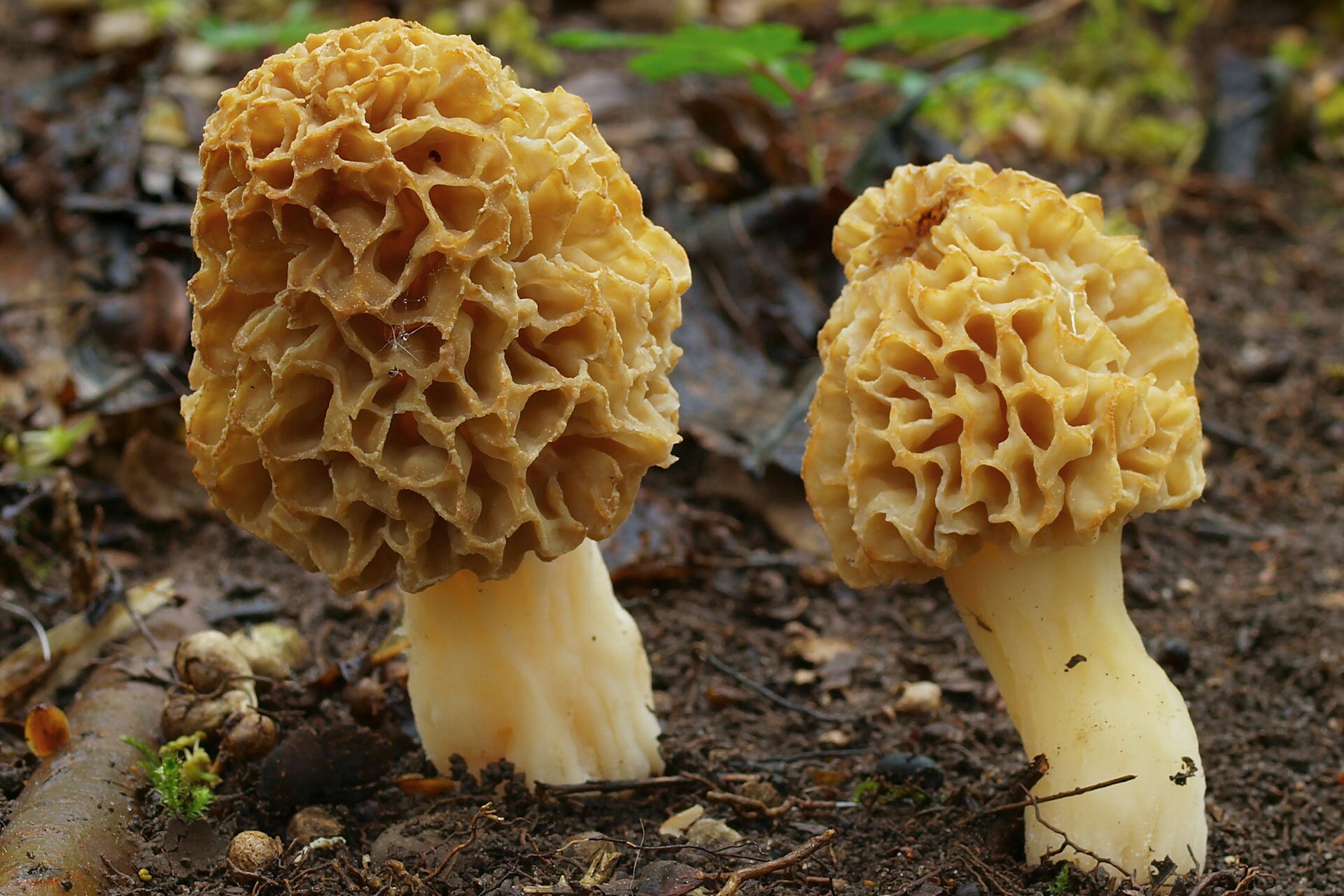
Fotografia prezentuje dwa rosnące obok siebie okazy smardza. Każdy posiada biały trzonek z brązowym gąbczastym kapeluszem.
Strict protection - morel
Source: Andreas Kunze, Wikimedia Commons, licencja: CC BY-SA 3.0.
R1eLF9EZVD2na
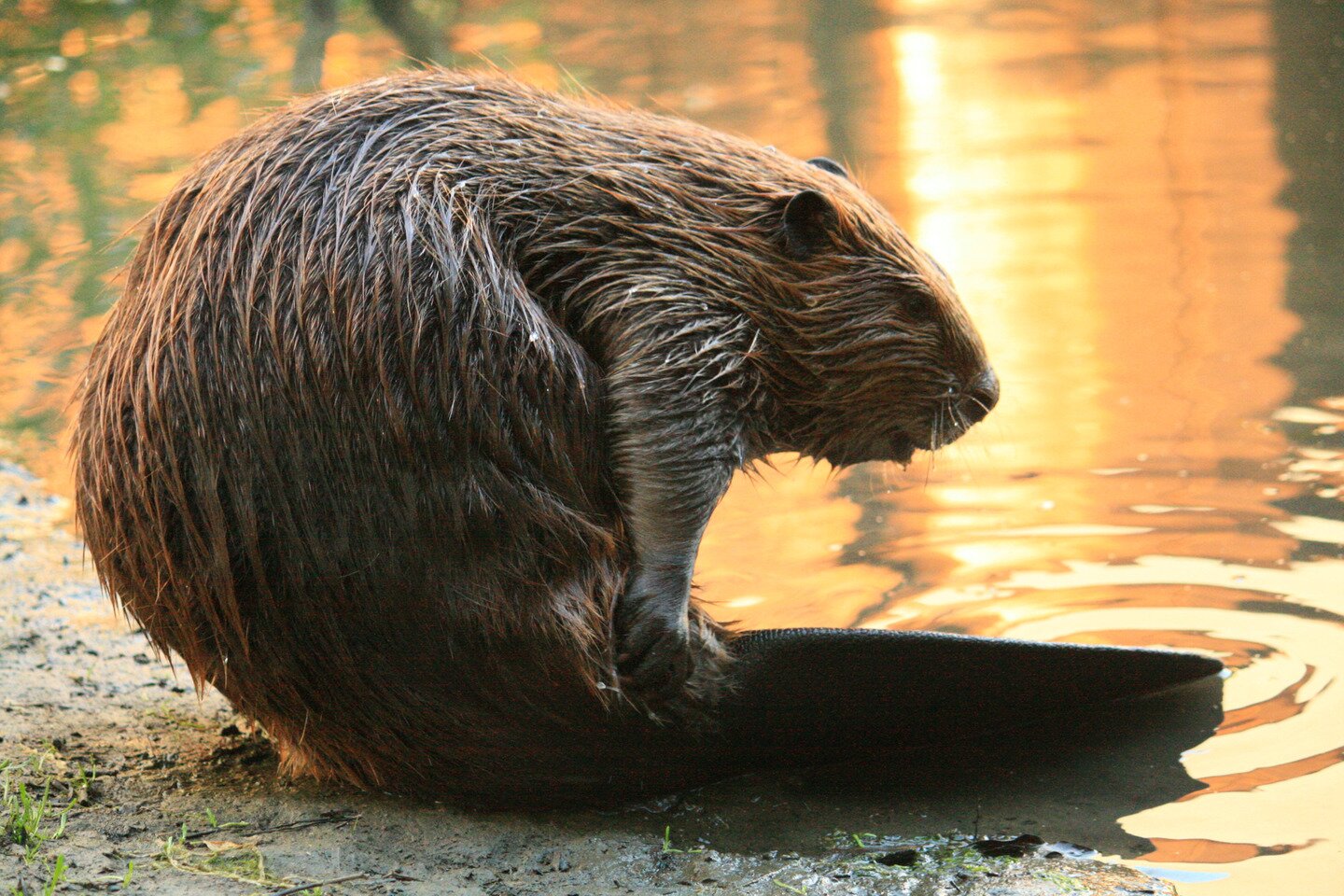
Fotografia prezentuje bobra nad brzegiem wody, w której odbijają się promienie słoneczne. Bóbr jest mokry. Ma krępy i masywny tułów. Na głowie małe uszy. Ma płaski, długi ogon. Jest brązowy.
Partial protection - beaver
Source: Cheryl Reynolds, Wikimedia Commons, licencja: CC BY-SA 3.0.
RxcomRx1sRFCN
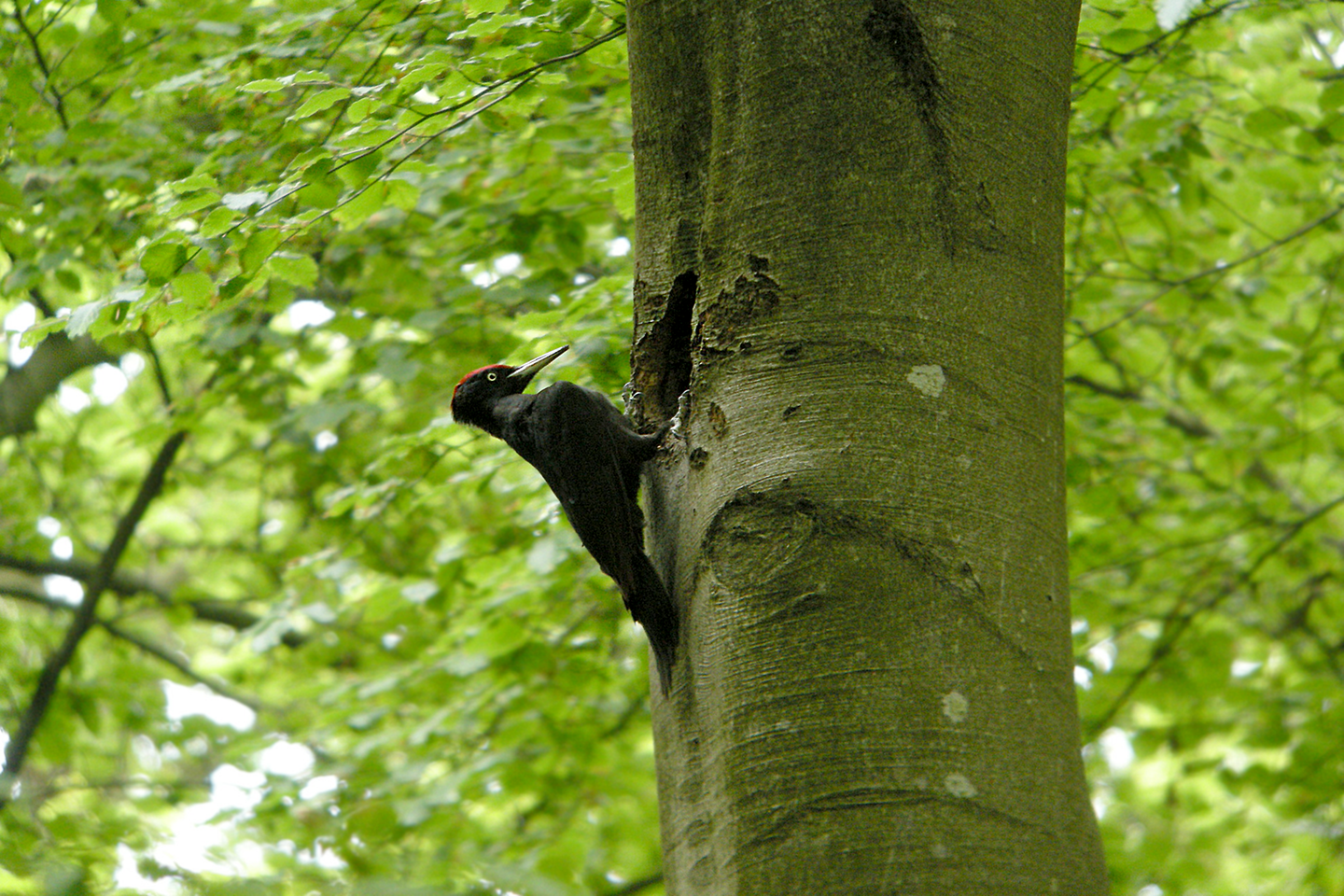
Fotografia przedstawiająca czarnego dzięcioła z czerwonym czubkiem głowy, wykuwającego dziuplę w pniu drzewa, widok z boku.
Black woodpecker
Source: Frank Vassen, www.flickr.com, licencja: CC BY 2.0.
Protected plants
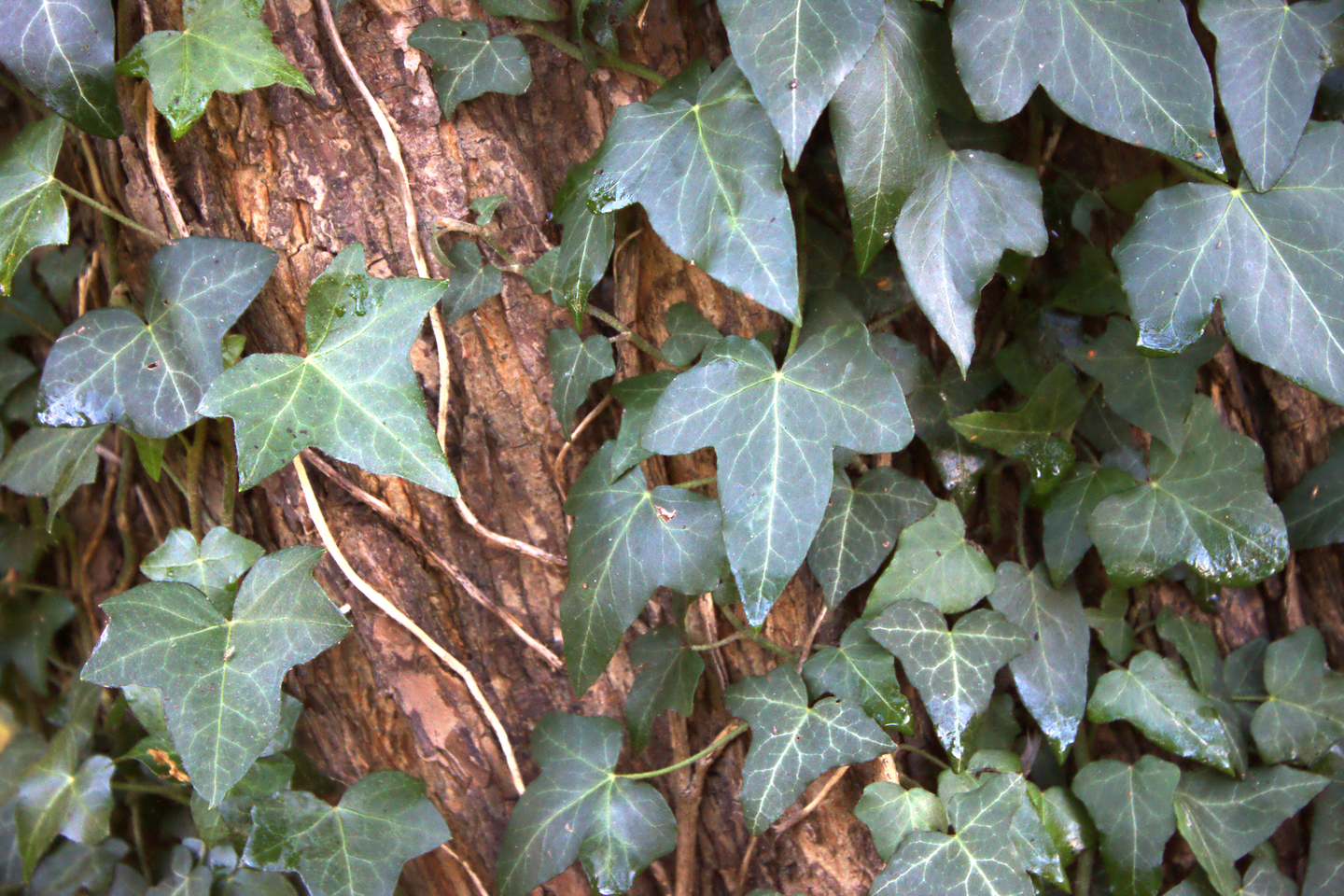
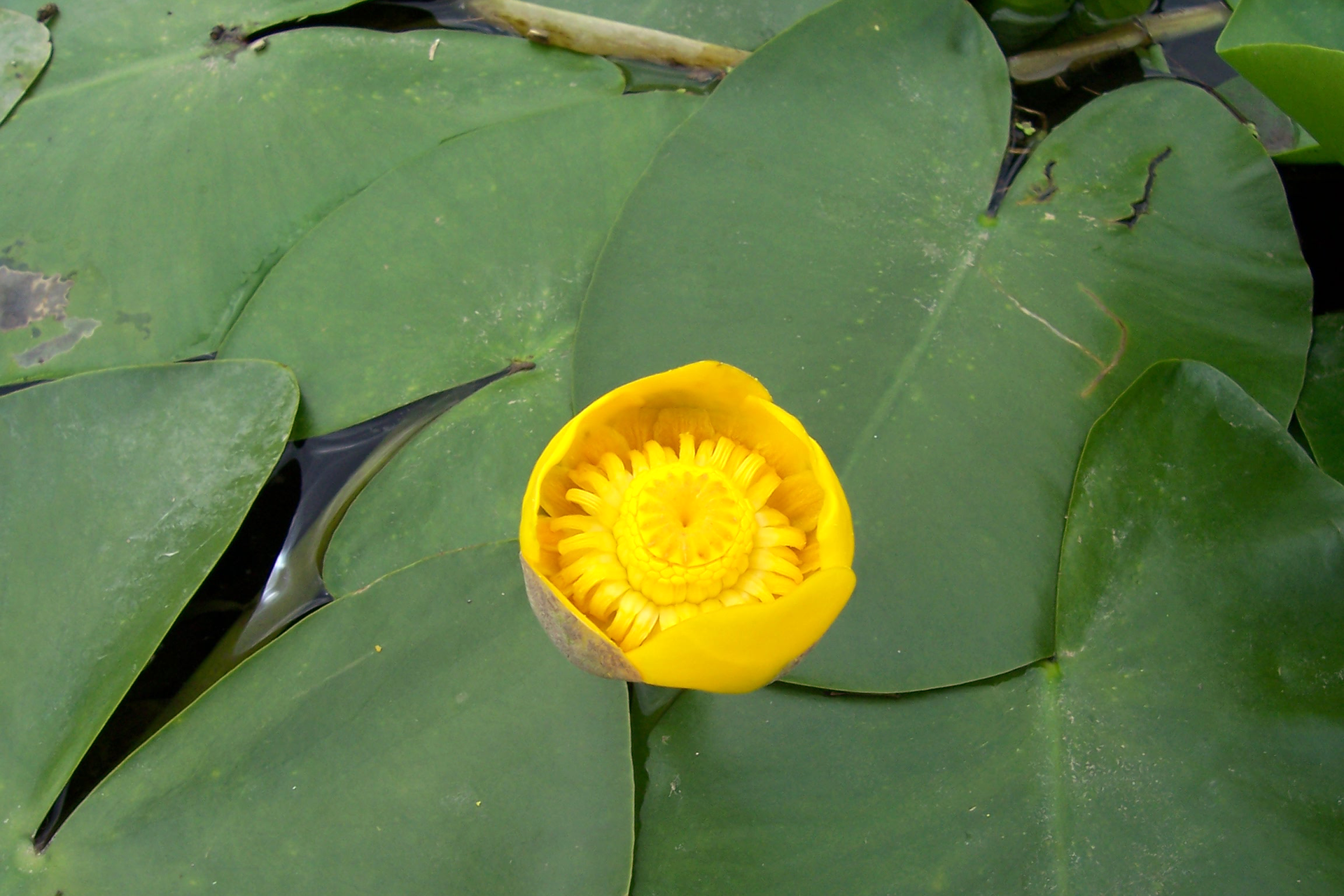
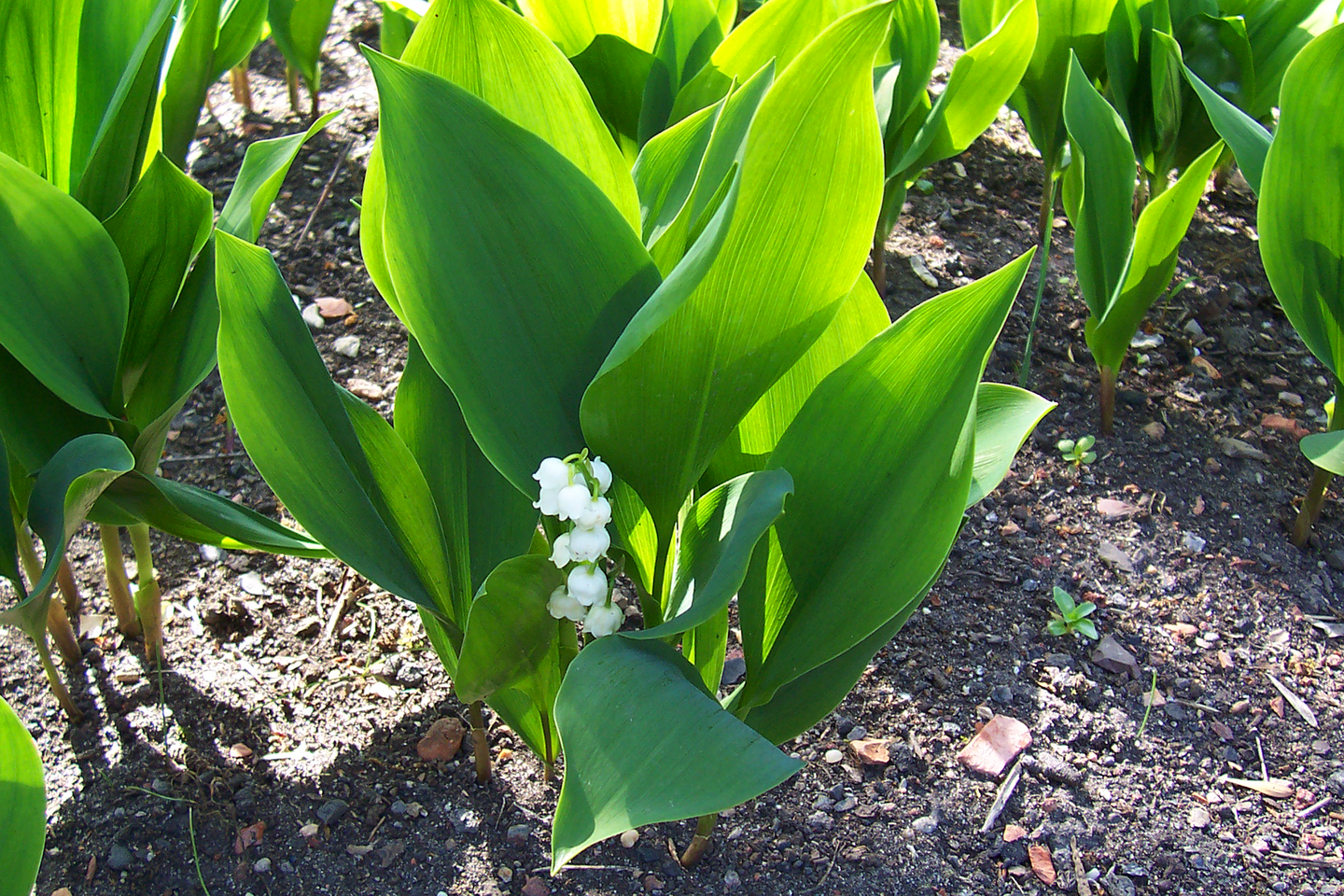
Plants under strict protection must not be intentionally destroyed, cut down or picked. It is also prohibited to sell them or take them away from our country. Plants under strict protection in Poland include yew, stone pine and mountain pine. Partially protected plants include common ivy, yellow water lily and lily of the valley. They may be harvested in specified quantities, e.g. for medicinal purposes.
RTCpShVusej98
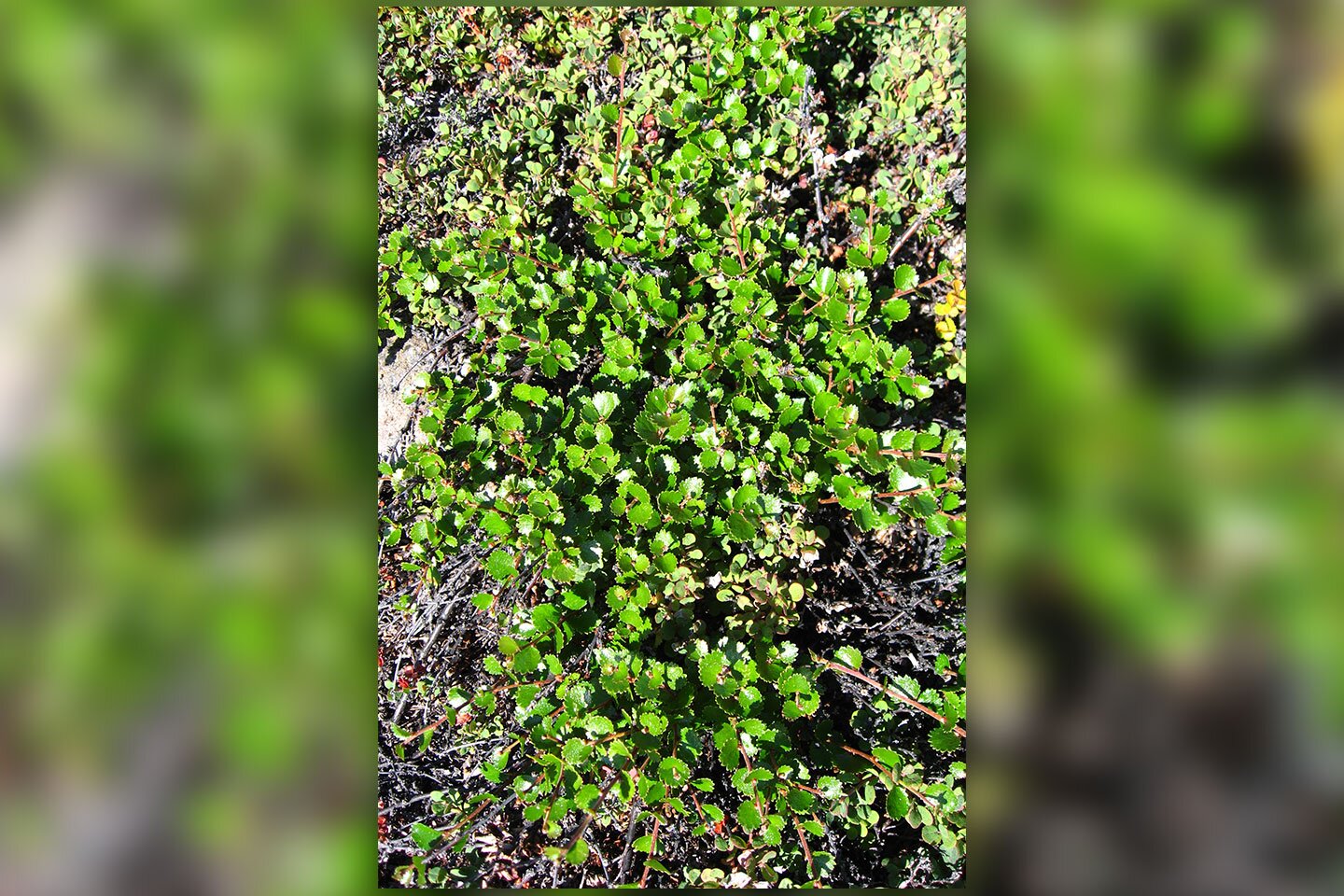
Fotografia prezentuje zdjęcie wykonane z góry, na który widać niewielkich rozmiarów zieloną brzozę karłowata.
Dwarf birch
Source: Kim Hansen, Wikimedia Commons, licencja: CC BY-SA 3.0.
RzY2FrDil4qSe
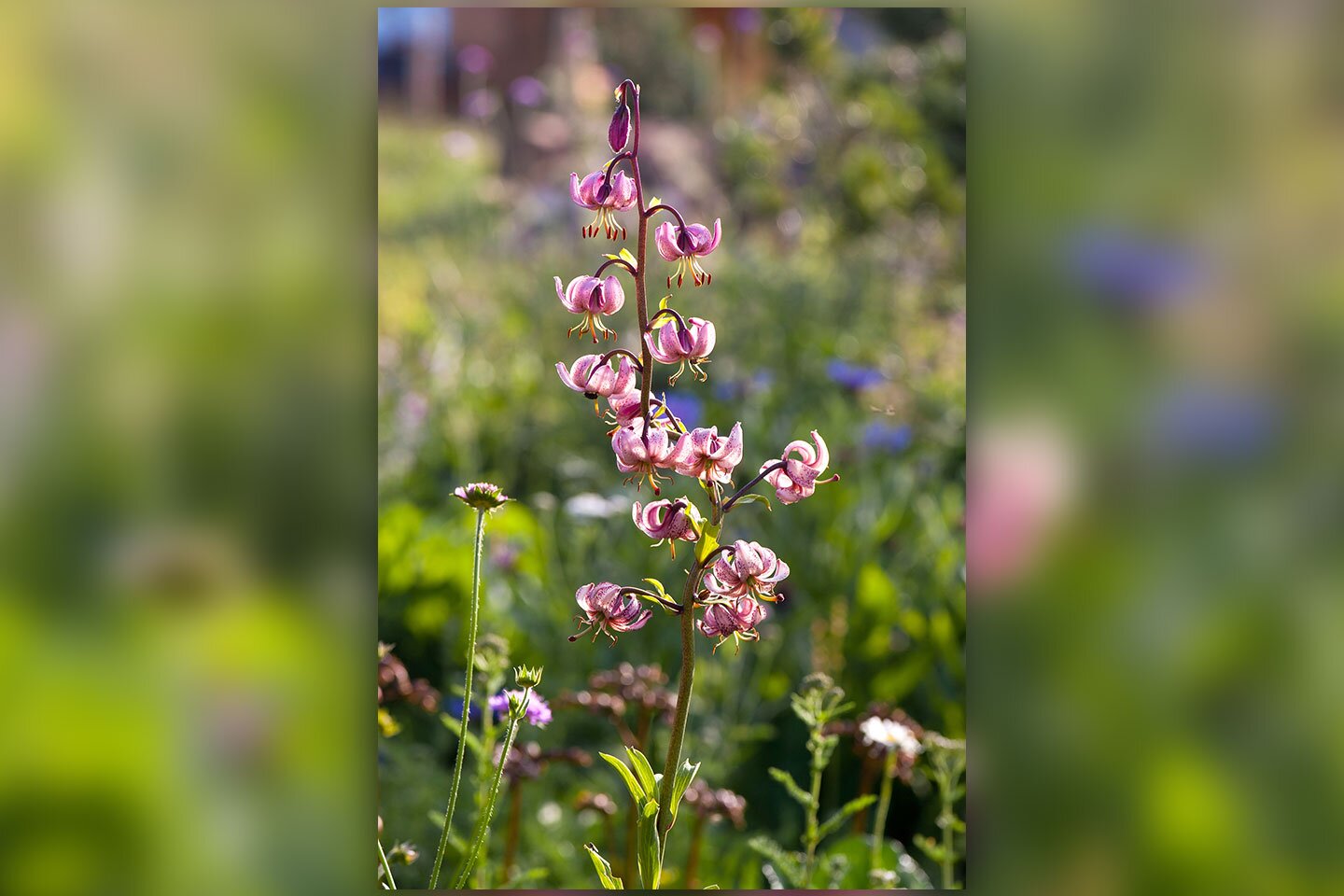
Fotografia prezentuje fioletowy kwiatostan lilii złotogłów na tle łąki. Na jednej łodydze szypułki i na nich kwiaty. Kwiaty mają płatki wywinięte do góry, więc pręciki i słupki są na zewnątrz.
Lilium martagon
Source: Michael Apel, Wikimedia Commons, licencja: CC BY-SA 3.0.
R1FLJ6xQVc0Al
Fotografia prezentuje pnącze bluszczu pospolitego na pnie drzewa.
Ivy
Source: Damian Moore, www.flickr.com, licencja: CC BY-SA 2.0.
RcycAFIVllCUq
Fotografia prezentuje żółty kwiat grążela żółtego oraz jego liście pływające na wodzie.
Yellow water lily
Source: Anglia, Wikimedia Commons, licencja: CC BY-SA 2.0.
Rj2TKpwGT7k07
Fotografia prezentuje grono z białymi kwiatami konwalii majowej oraz jej zielone lancetowate liście. Kwiaty konwalii to dzwoneczki.
Lily of the valley
Source: Konrad Kurzacz, Wikimedia Commons, licencja: CC BY-SA 3.0.
RRjgMXPv8QvOe
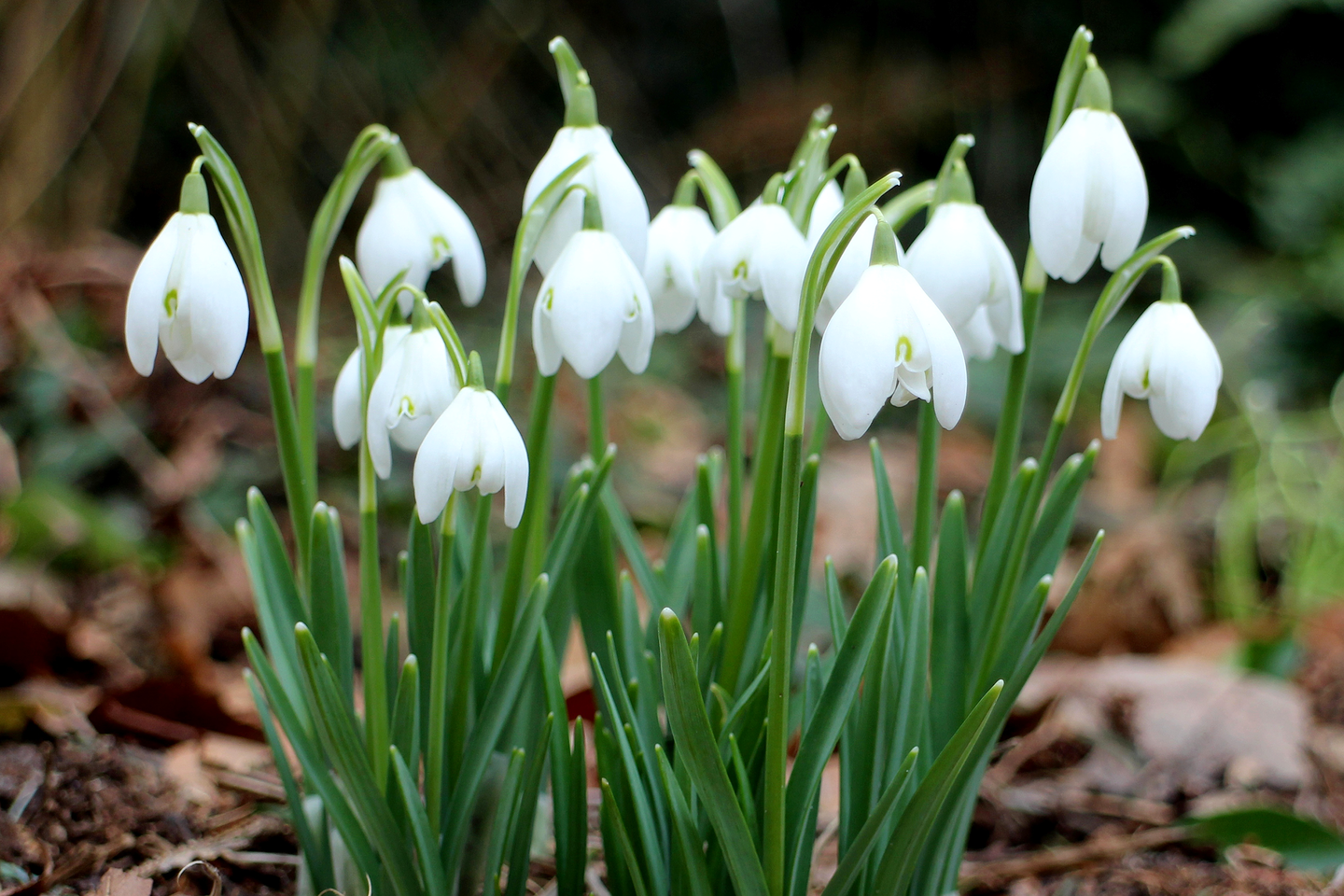
Fotografia prezentuje śnieżyczkę przebiśnieg z białymi, zwisającymi w dół kwiatami.
Snowdrop flower
Source: Dominicus Johannes Bergsma, Wikimedia Commons, licencja: CC BY-SA 3.0.
RTvoyWpt2LvIN
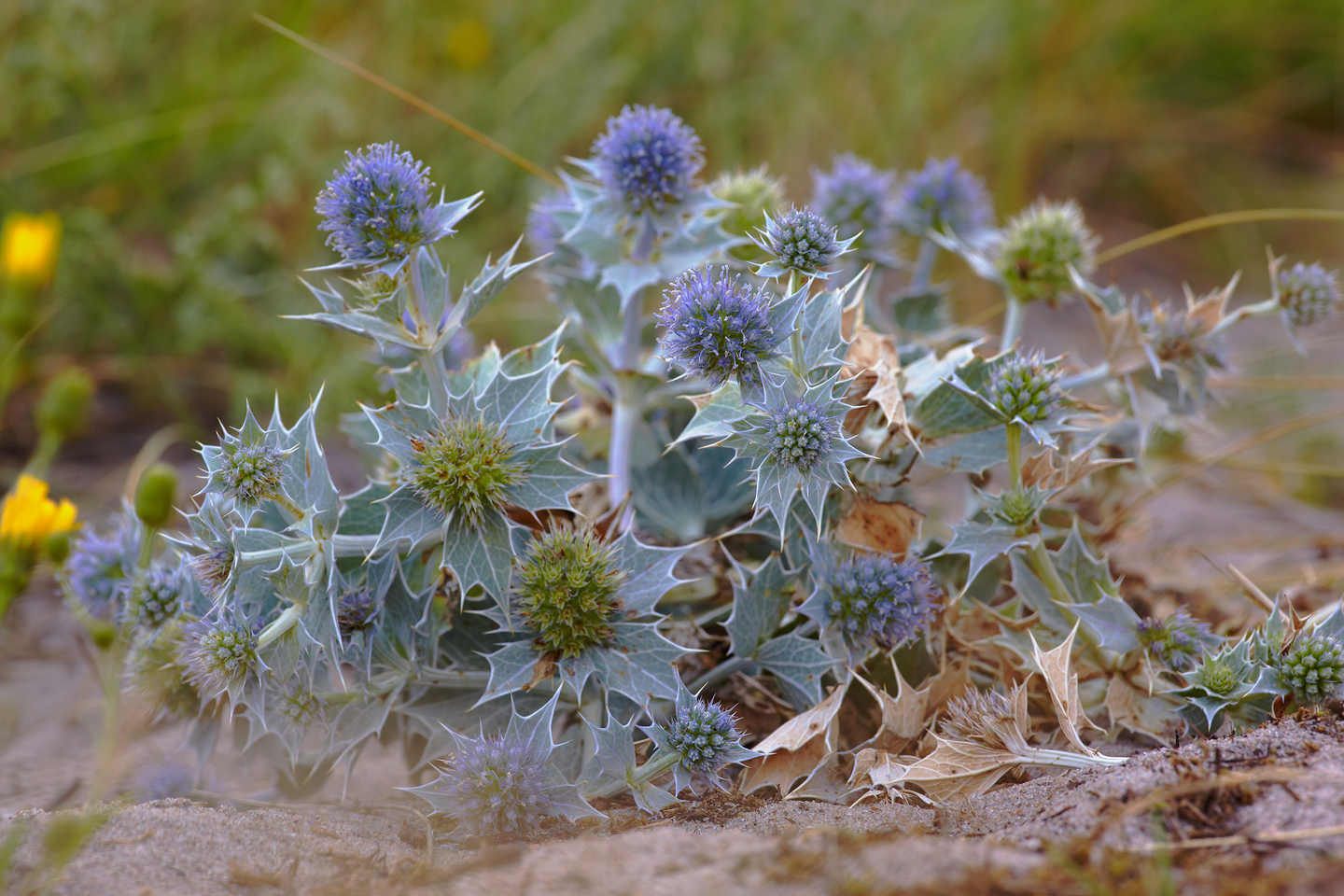
Fotografia prezentuje fioletowe kwiatostany mikołajka nadmorskiego. Liście zakończone kolcami. Kwiaty również otoczone kolcami, granatowe, zebrane w kulkę.
Sea holly
Source: Michael Apel, Wikimedia Commons, licencja: CC BY-SA 3.0.
R1N8ekEbYQDab
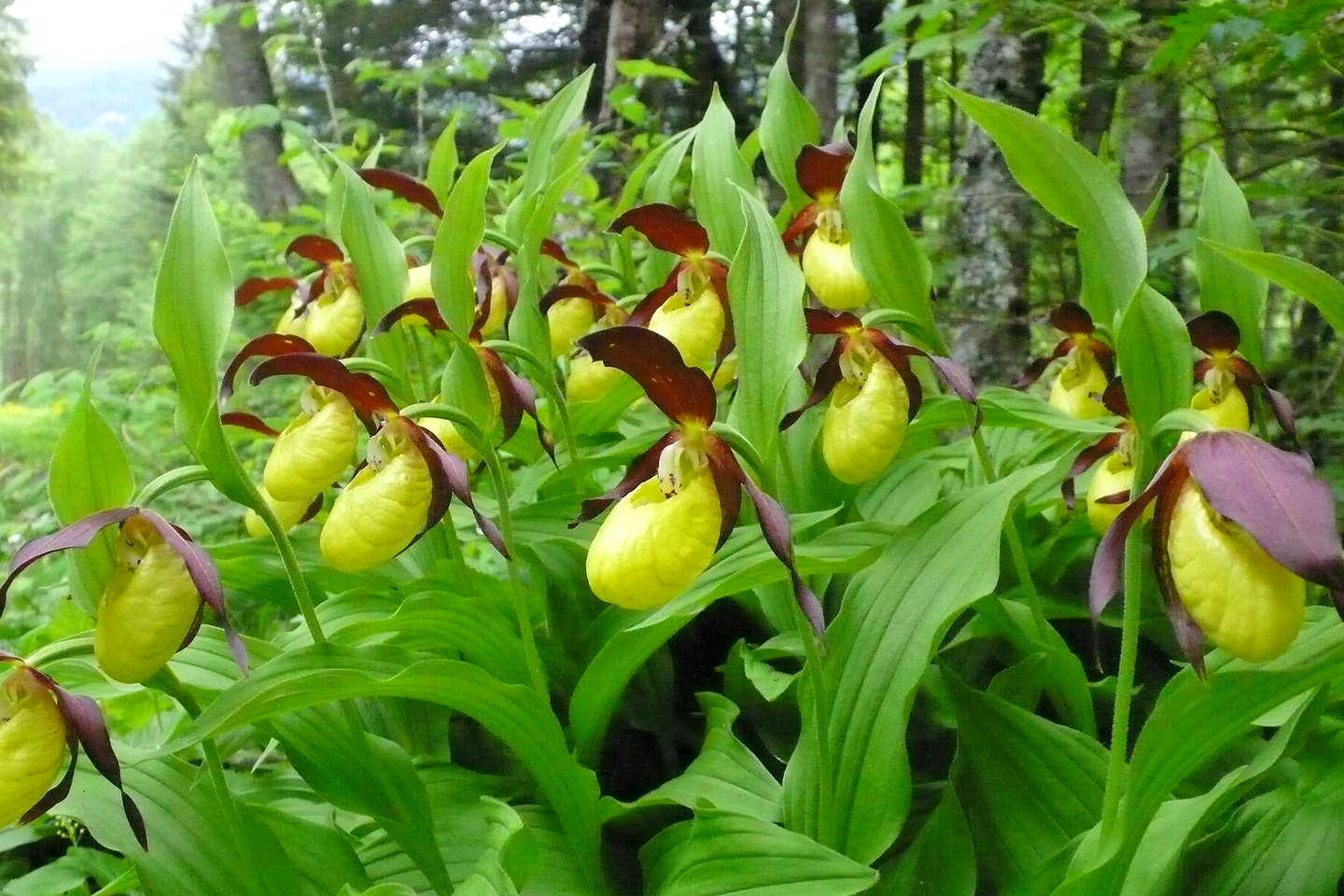
Fotografia barwna prezentuje żółto-brązowe kwiaty obuwika w oddali las. Listki okwiatu są czerwonobrunatne i odstające. Środkowy listek okółka zewnętrznego skierowany jest ku górze, dwa pozostałe listki okółka zrosły się, tworząc jeden listek skierowany w dół. W okółku wewnętrznym dwa listki skierowane są do dołu i spiralnie skręcone. Dolny listek okwiatu jest trzewikowato skręcony i krótszy od pozostałych listków okwiatu. W nasadzie posiada wąskie wejście o cytrynowożółtej barwie.
Yellow lady's slipper
Source: Manuguf, Wikimedia Commons, licencja: CC BY-SA 3.0.
R8RdfIZckuy96
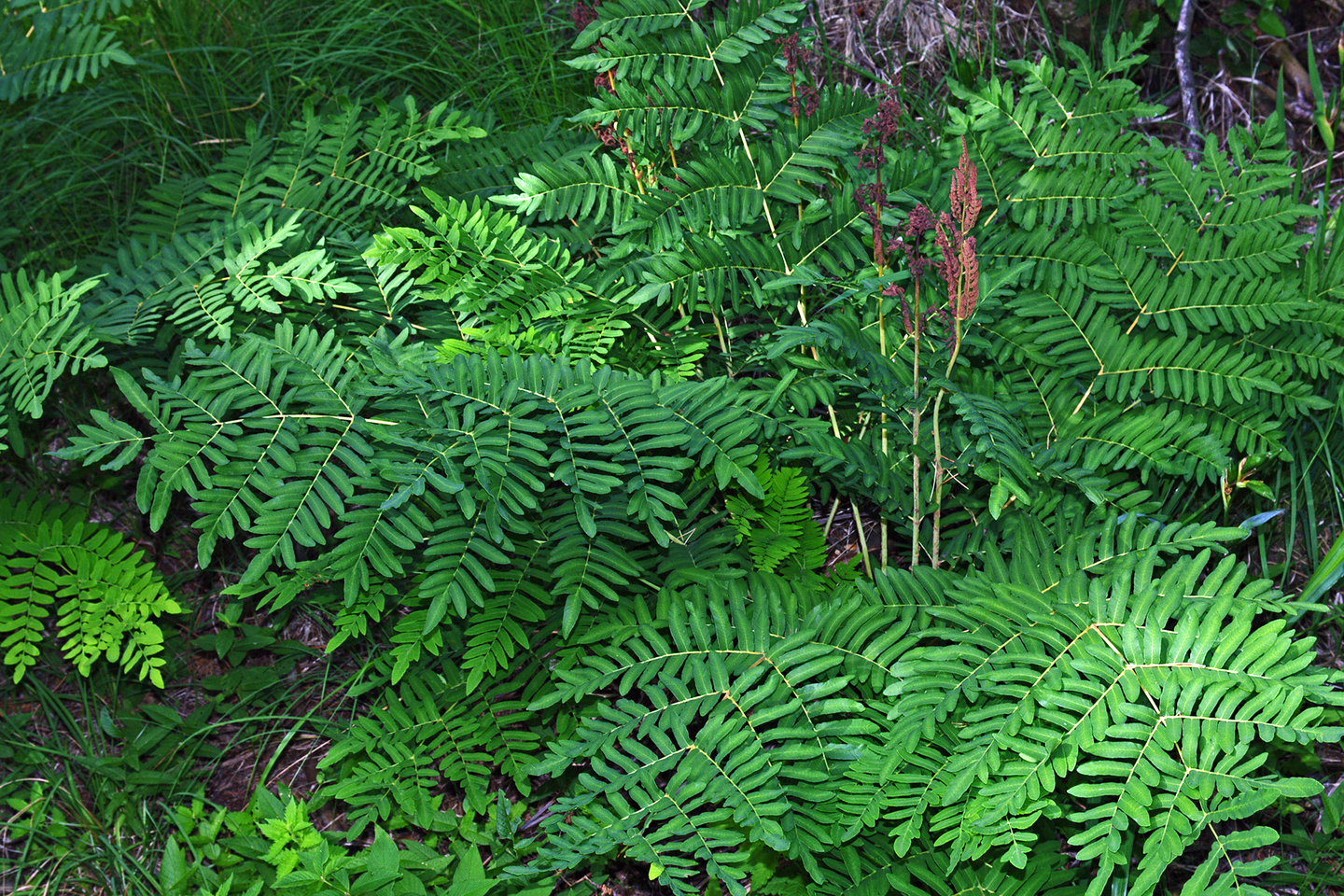
Fotografia w tonacji zielonej prezentuje pióropuszowe liście długosza królewskiego.
Royal fern
Source: Christian Fischer, Wikimedia Commons, licencja: CC BY-SA 3.0.
R1f2PfLKnL6J1
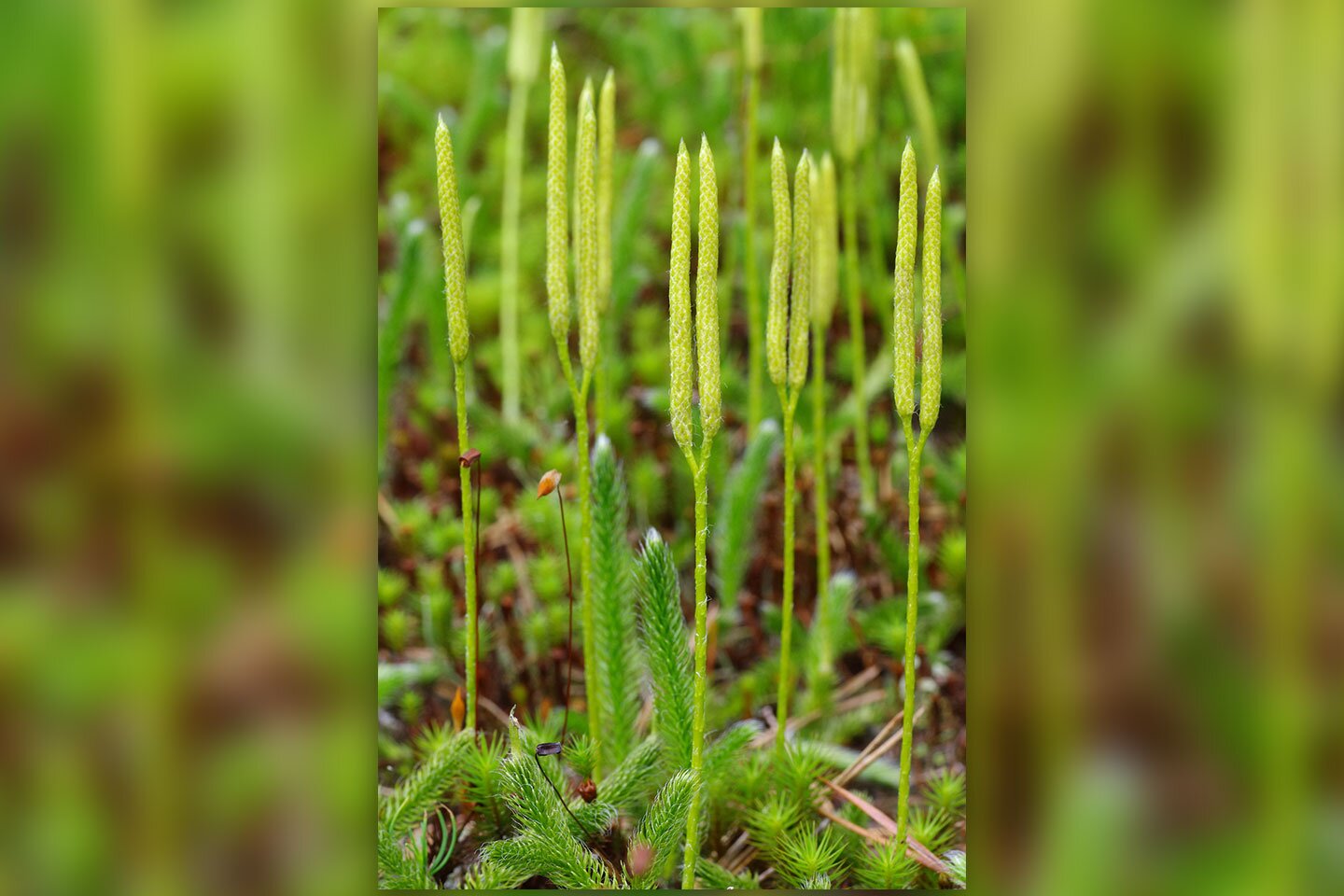
Fotografia prezentuje wzniesiony pęd widłaka goździstego. Cienkie, jasnozielone podwójne słupki na jednej łodydze.
Common club moss
Source: Christian Fischer, Wikimedia Commons, licencja: CC BY-SA 3.0.
Protected animals
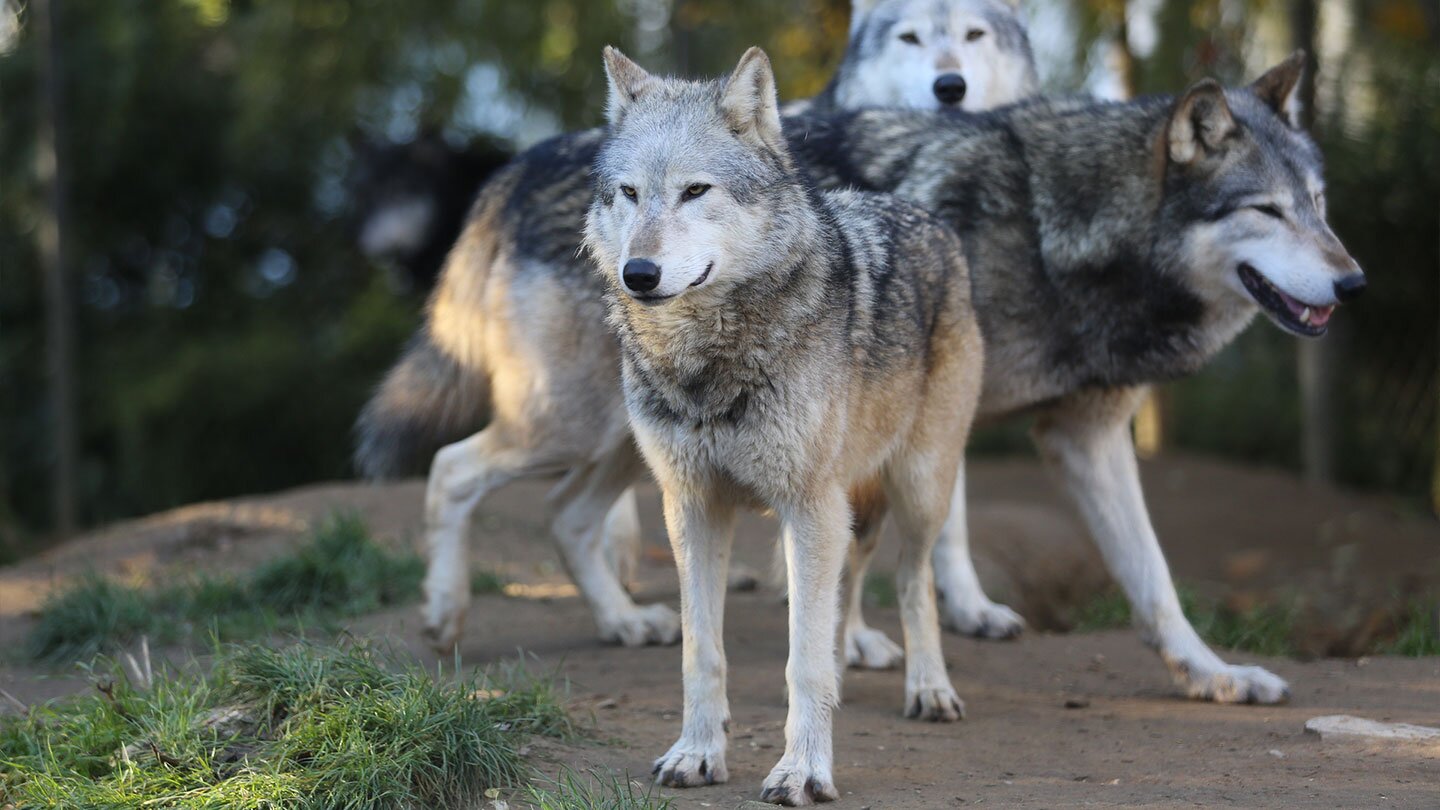
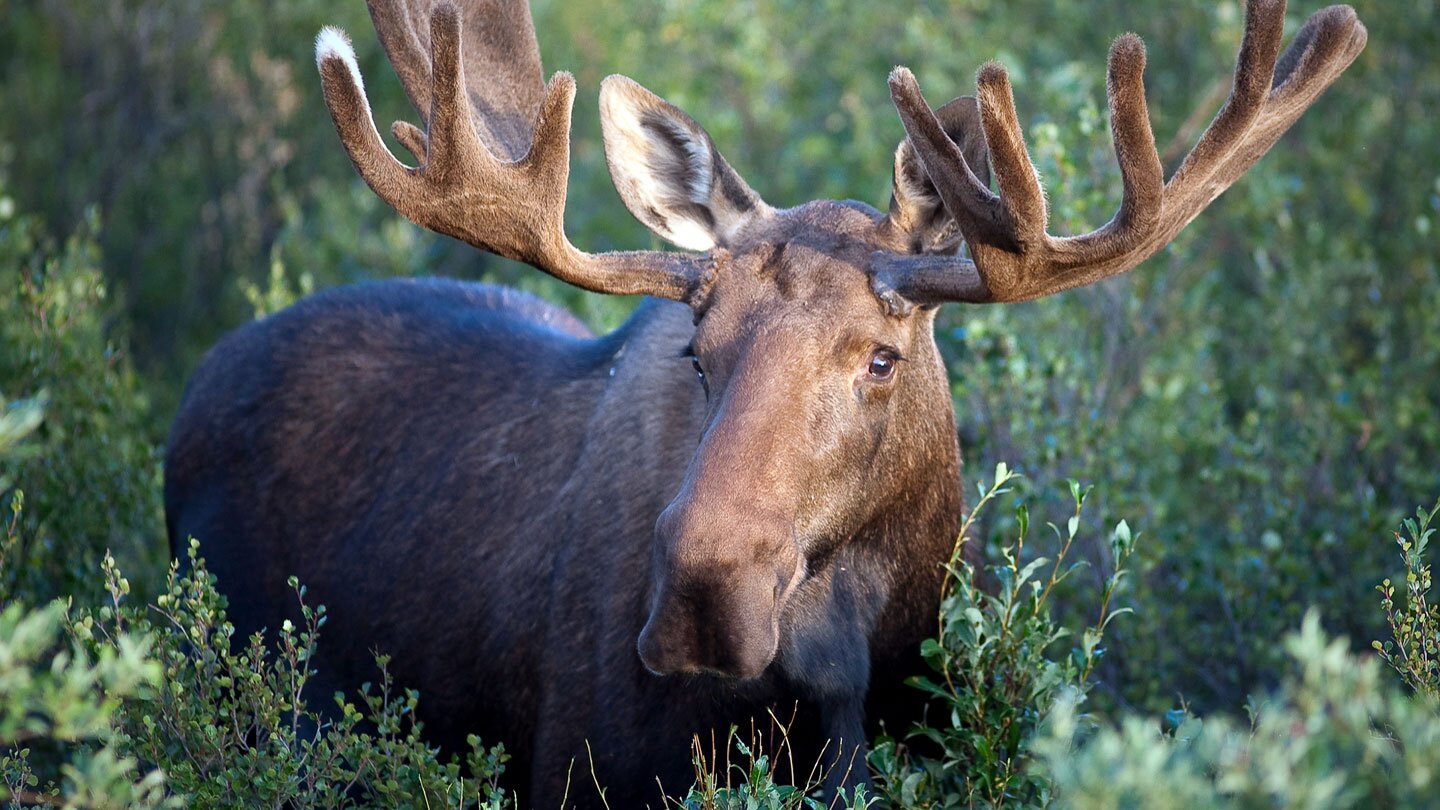
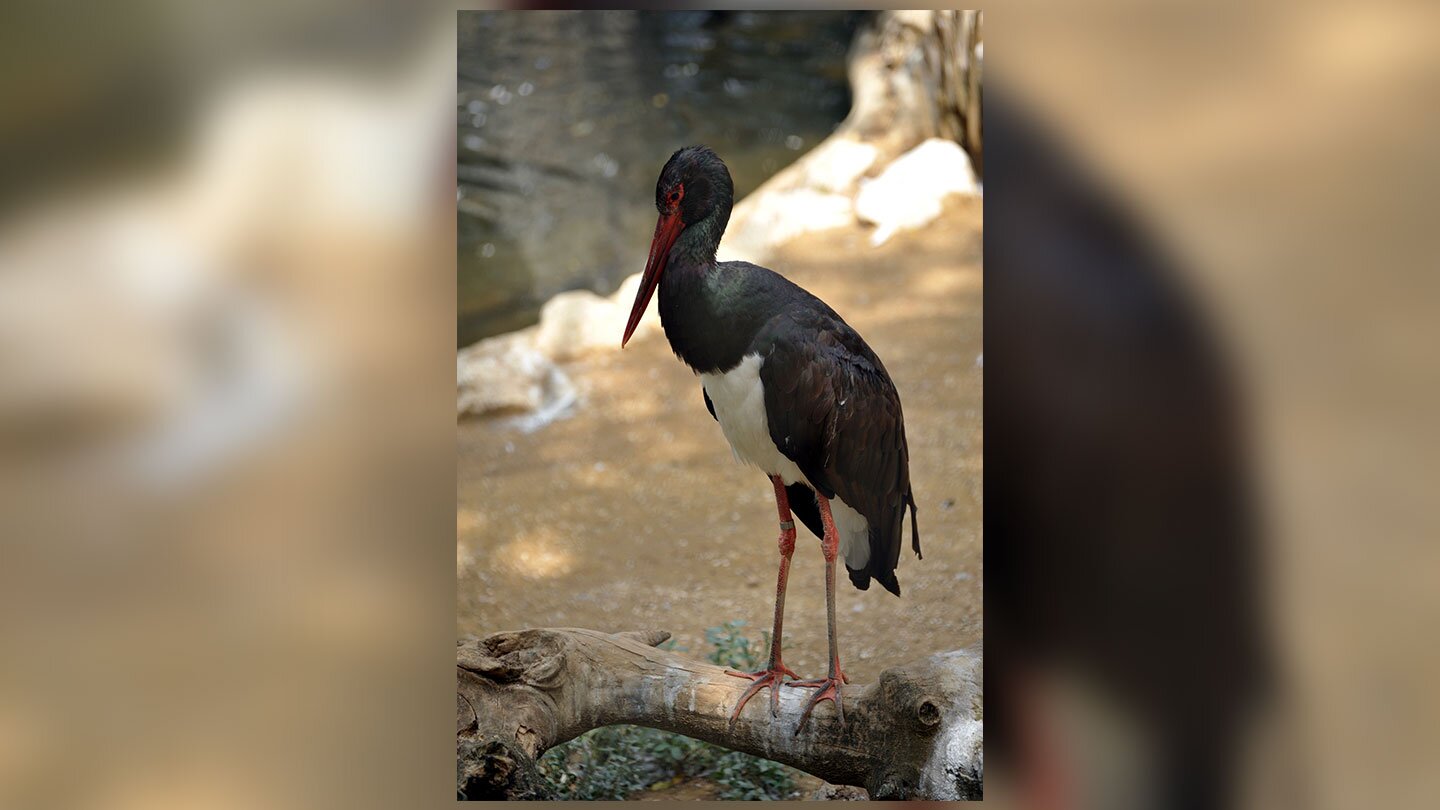
Animals under strict protection must not be killed, caught, scared and their nests, eggs or burrows must not be destroyed. They may not be disturbed when they raise their young. It is also prohibited to sell them. Animals strictly protected in Poland include all frogs and toads, lizards and snakes, majority of birds and the following mammals: mountain goats, marmots, brown bears and lynx. Many insects, some snails and spiders are protected, too.
R1P7vbU6SwalY
Fotografia prezentuje trzy wilki na tle lasu. Wilki znajdują się w różnych ustawieniach: pierwszy wilk patrzy do przodu, drugi wilk patrzy w prawą stronę, trzeci wilk widoczny jest z tyłu. Wilki są mocnej budowy. Wydają się silne i skoncentrowane, jakby obserwowały to, co dzieje się przed nimi.
Wolf
Source: Ronnie Macdonald, www.flickr.com, licencja: CC BY 2.0.
Rl1Wf2IRzs9WL
Fotografia prezentuje łosia pośród zarośli. Łoś jest jednolitej barwy brązowej, ma duże, rozłożyste, aksamitne poroże. Patrzy i łagodnie spogląda na to, co dzieje się przed nim. Otaczające go krzaki są niewysokie, dokładnie widać jego sylwetkę.
Moose
Source: Denali National Park and Preserve, www.flickr.com, licencja: CC BY 3.0.
RfCGZT5jKmrmx
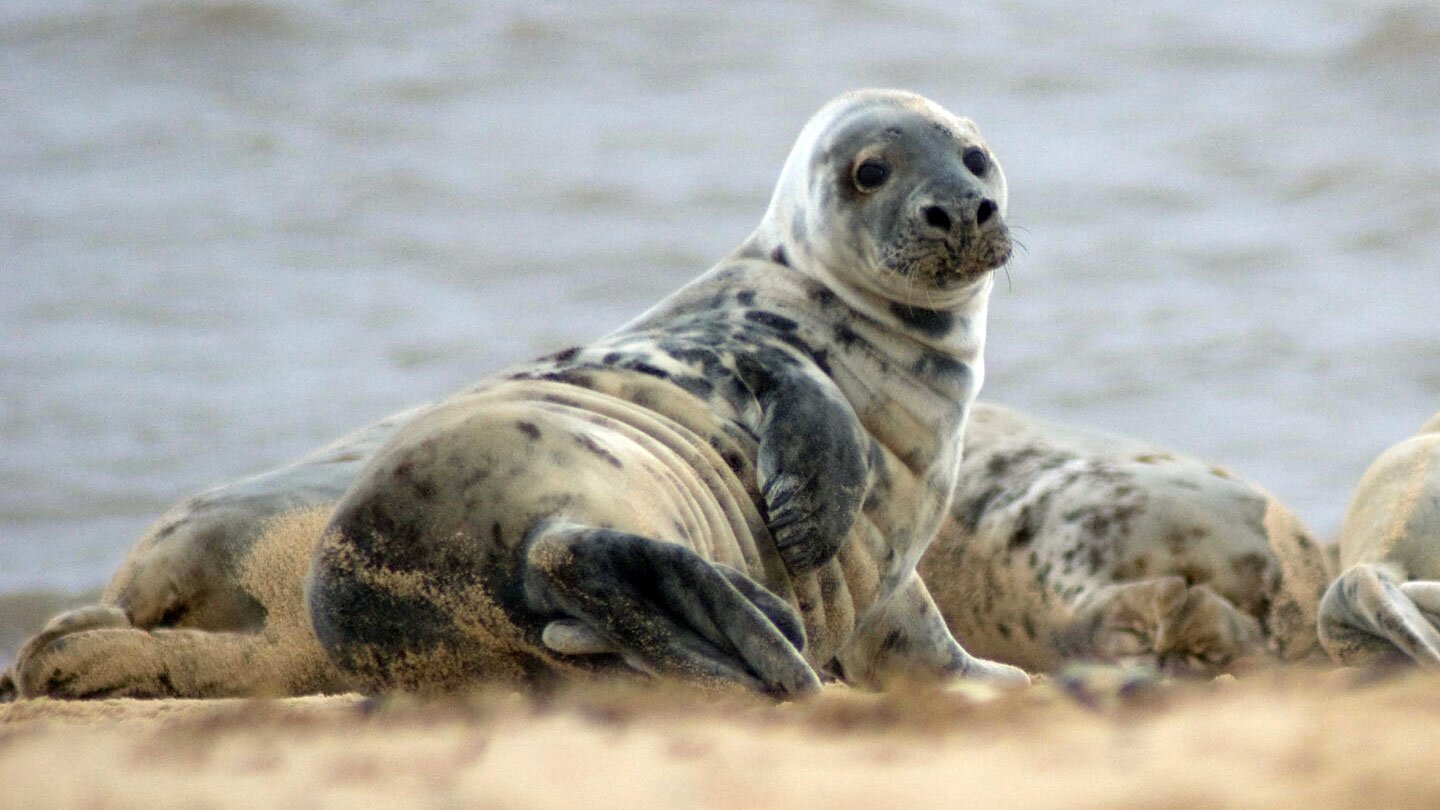
Fotografia prezentuje fokę szarą na tle morza. Foka leży na tle innych fok znajdujących się w stadzie. Widać tylko twarz jednej foki, która zwrócona jest do przodu fotografii jakby spoglądała przez ramię. Wszystkie foki są białe w szare cętki.
Grey seal
Source: Spencer Wright, www.flickr.com, licencja: CC BY 2.0.
RZ7nUPSASKXaC
Fotografia prezentuje ptaka bociana czarnego stojącego na konarze drzewa. Bocian ma czerwony dziób i nogi. Podbrzusze białe, reszta czarna. Konar drzewa znajduje się nad wodą, za bocianem widać piasek oraz zbiornik wody.
Black stork
Source: Emiliano Felicissimo, www.flickr.com, licencja: CC BY-SA 2.0.
RFZJVrpNAegBw
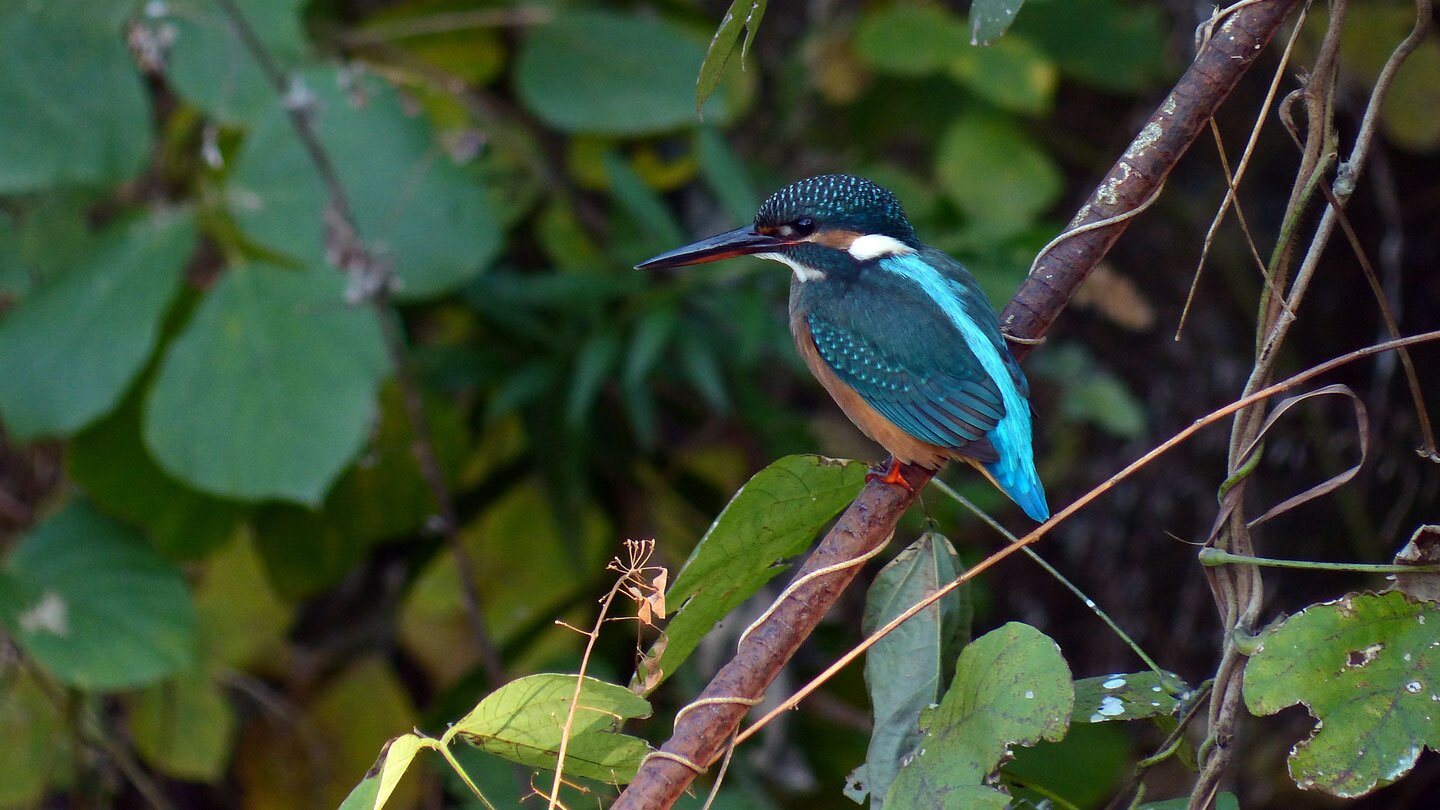
Fotografia prezentuje ptaka zimorodka siedzącego na gałęzi pośród zarośli. Niewielki ptak z nieproporcjonalnie dużą głową, długim dziobem i krótkim ogonem. Głowa i dziób są niemal długości tułowia. Z wierzchu niebieski (grzbiet jasnoniebieski), skrzydła z zielonkawym odcieniem, od spodu pomarańczowy z białym gardłem. Policzek pomarańczowy, biała plama z boku szyi.
Kingfisher
Source: harum.koh, www.flickr.com, licencja: CC BY 2.0.
RJtrwvP8jShMS
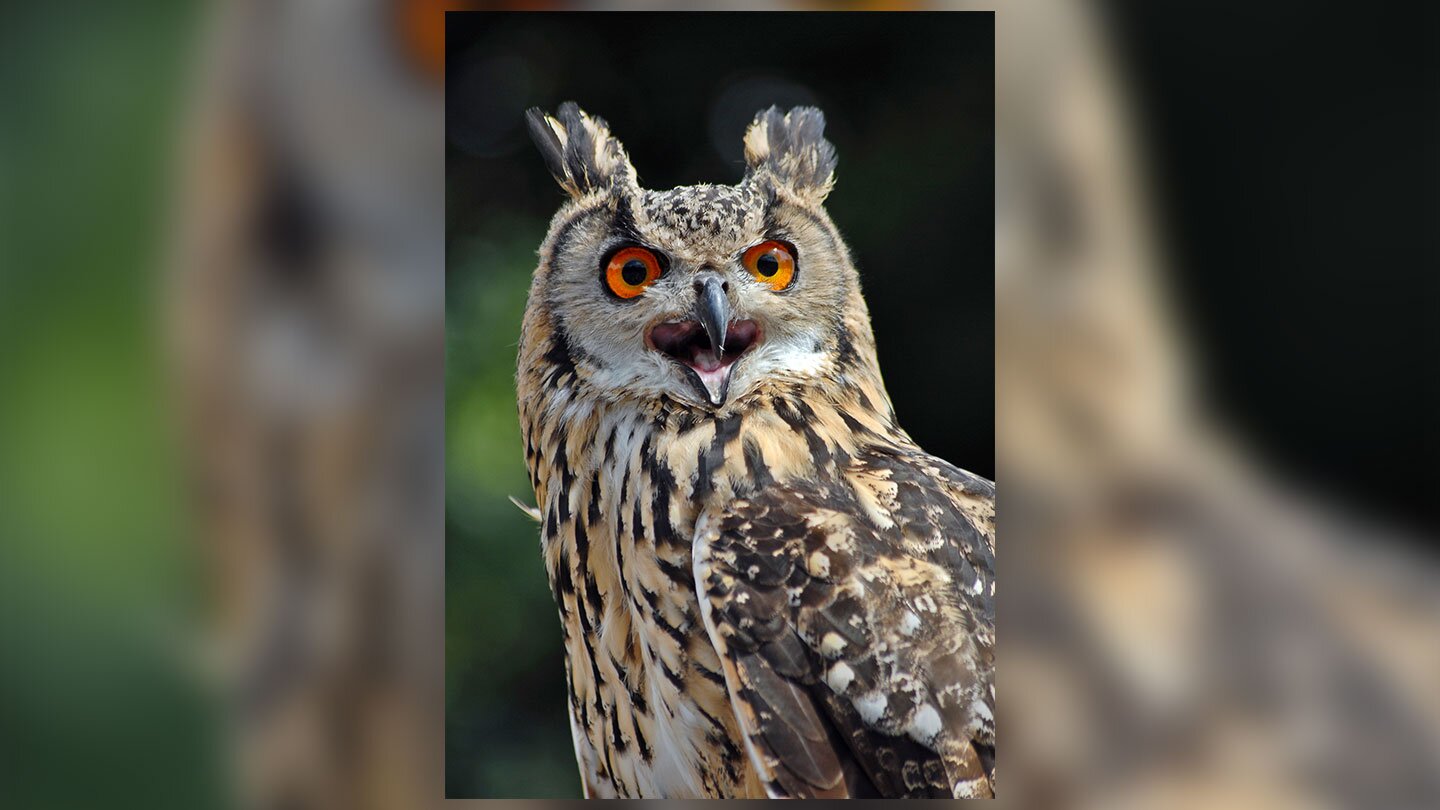
Fotografia prezentuje ptaka puchacza. Na fotografii widać tylko popiersie puchacza. Skoncentrowany spogląda przed siebie. Na szczycie głowy ma pióra szaroczarne przypominające uszy. Czarne źrenice oczu ptaka kontrastują z ciemnoczerwoną siatkówką. Upierzenie w różnych odcieniach brązu, gdzieniegdzie białe. Tło fotografii jest rozmyte.
Eagle-owl
Source: Chris Paul, www.flickr.com, licencja: CC BY 2.0.
RlbqfWg18hRif
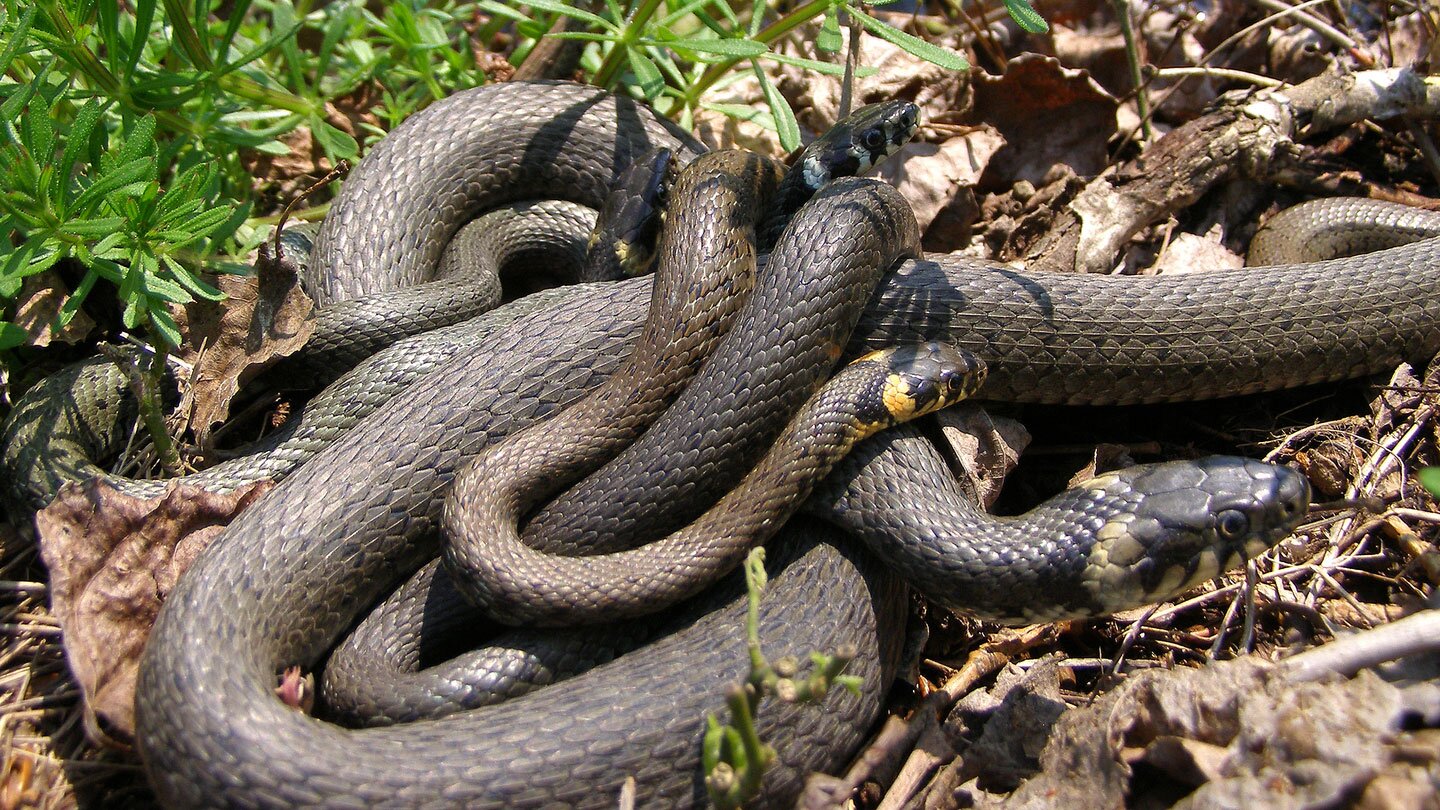
Fotografia prezentuje dwa zaskrońce pospolite na trawie. Trawa, na której leżą, jest sucha. Za nimi z tyłu widać zielone drobne rośliny. Węże są pozwijane ze sobą. Ciało brązowe lub szare. Tuż za głową dwie żółte plamki.
Grass snake
Source: Mircea Nita, www.flickr.com, licencja: CC BY 2.0.
RxqObg8zXyU8F
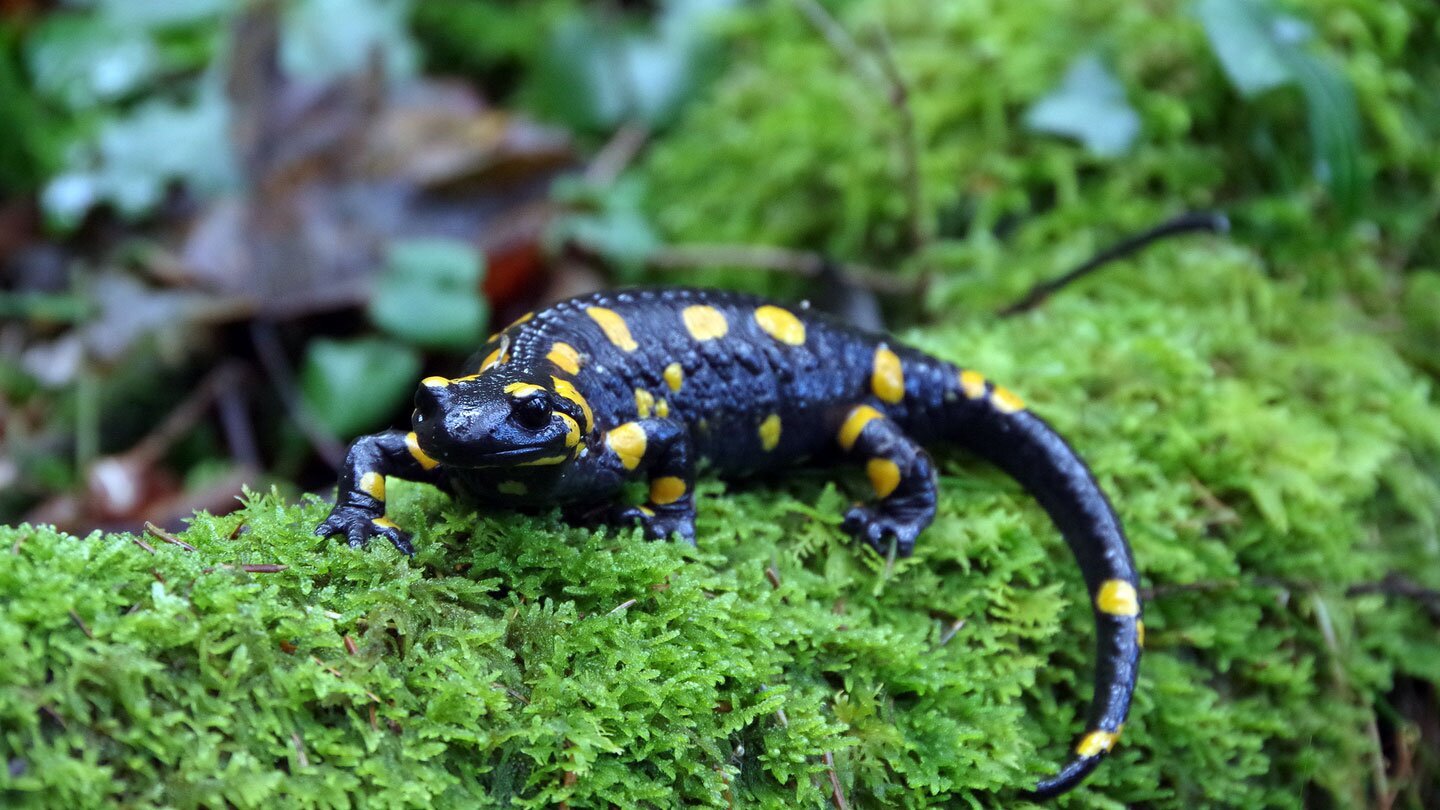
Fotografia prezentuje płaza salamandrę plamistą na mchu. Salamandra spogląda do przodu. Gałąź, na której stoi, otoczona jest bujną zieloną roślinnością. Salamandra ma ciemne ciało z żółtymi plamkami.
Fire salamander
Source: Aah-Yeah, www.flickr.com, licencja: CC BY 2.0.
R1ZPETgykNBYs
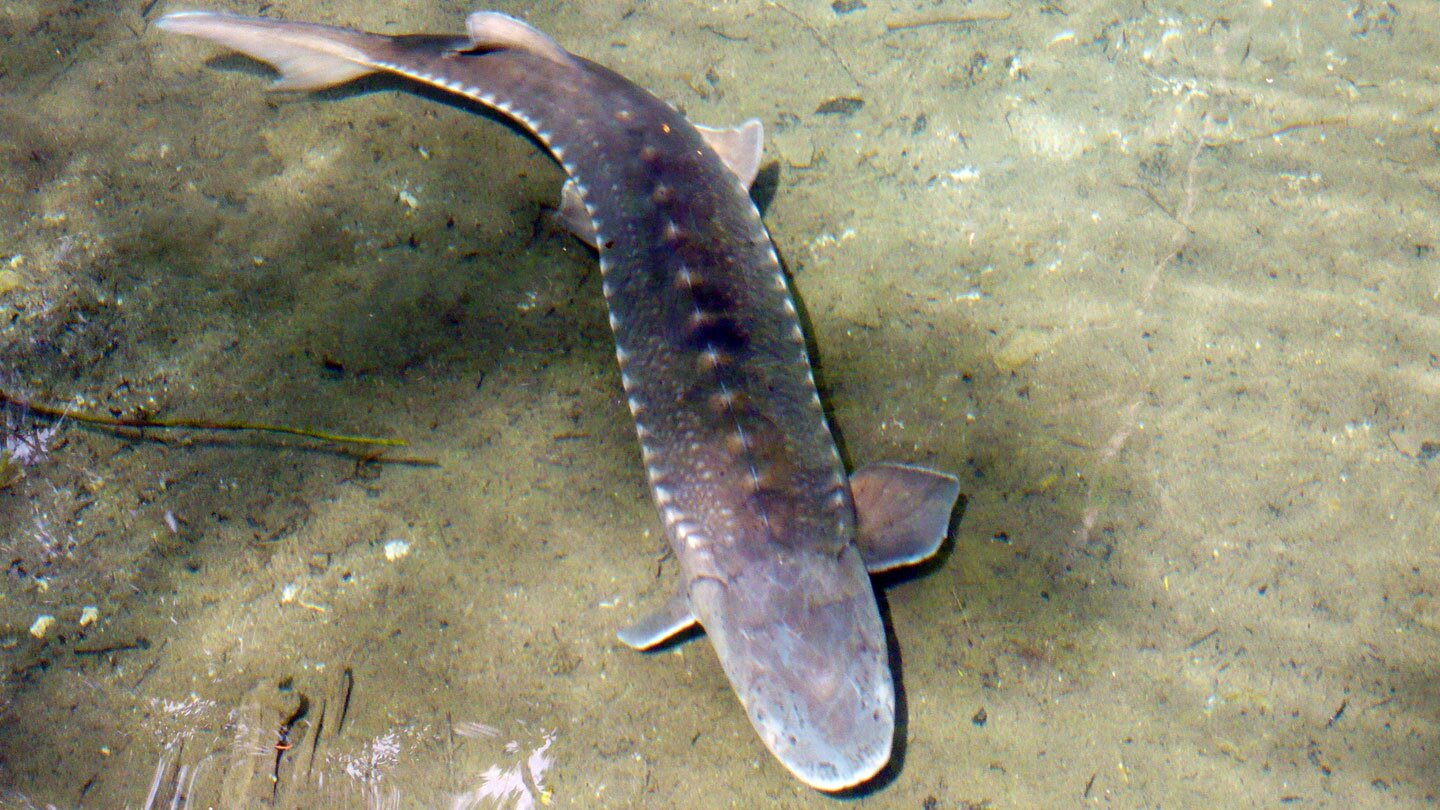
Fotografia prezentuje zdjęci dużego jesiotra zachodniego wykonane z góry. Ciało jesiotra jest długie, spłaszczone grzbieto-brzusznie. Jesiotr znajduje się w płytkim, czystym strumieniu. Jesiotr płynie do przodu.
European sea sturgeon
Source: Aah-Yeah, www.flickr.com, licencja: CC BY 2.0.
R18fLxJL4T4OG
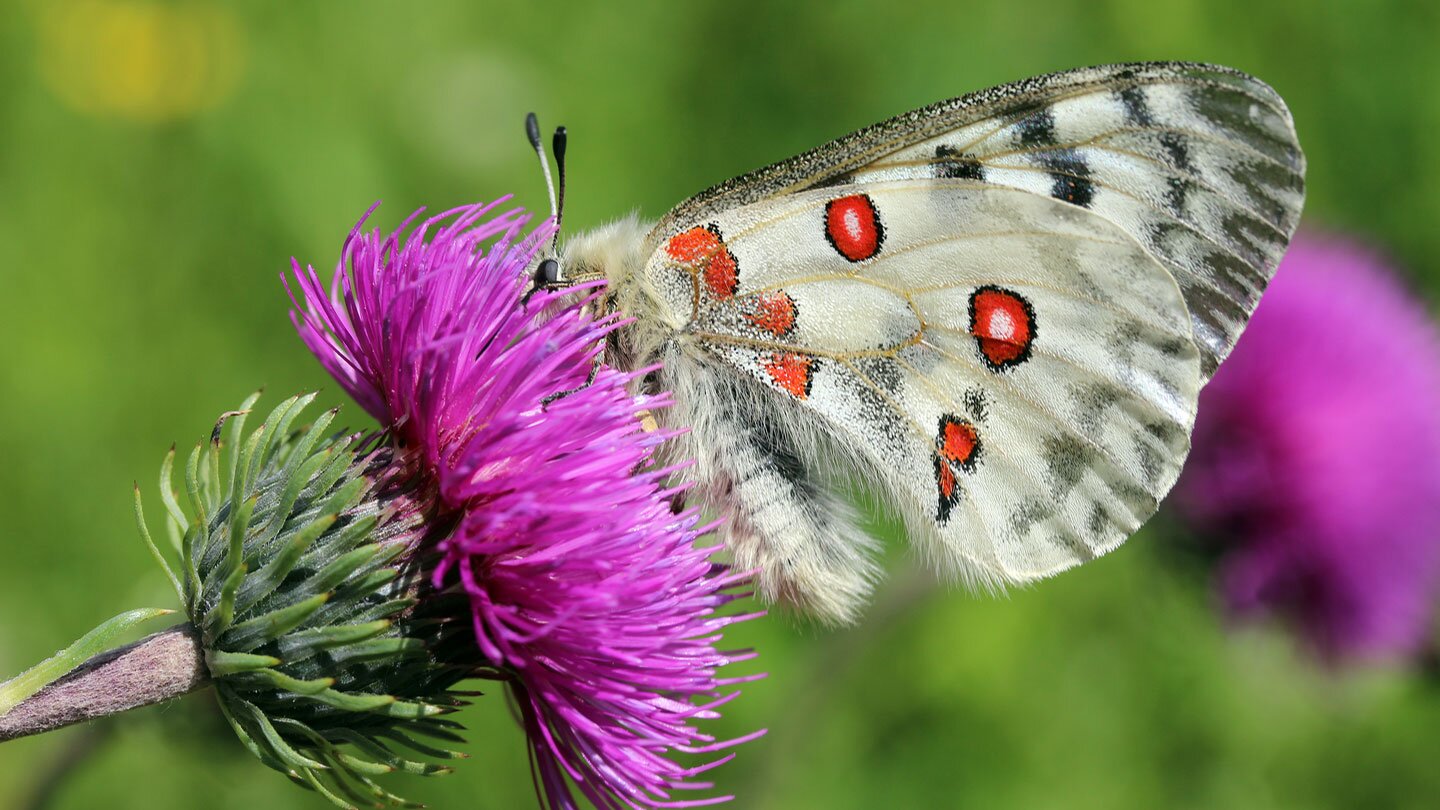
Fotografia prezentuje motyla niepylaka Apollo siedzącego na fioletowym kwiecie. Motyl przedstawiony jest z boku, z profilu. Ma złożone białe skrzydła w drobne czerwone i szare cętki. Zdjęcie znajduje się na tle lasu , tło fotografii jest nieco rozmyte.
Mountain apollo
Source: Björn S..., www.flickr.com, licencja: CC BY-SA 2.0.
Task 1
Using the Internet, find out which protected plants are near your place of residence. Are they under strict protection? Which of them did you see with your own eyes?
RAiILIvZxZ9Lg
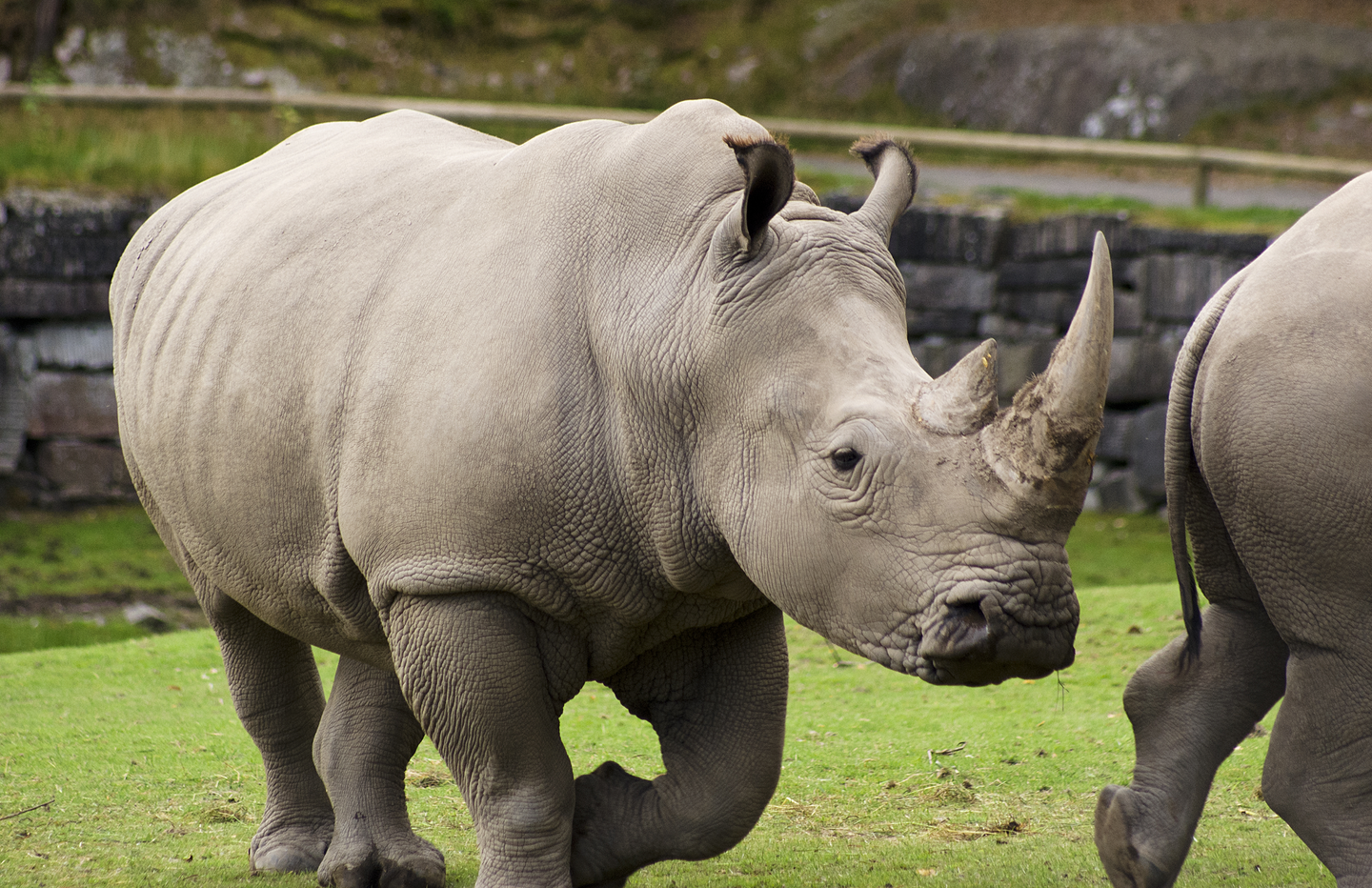
Fotografia przedstawiająca nosorożce białe na wybiegu w Nowym Zoo w Poznaniu. Nosorożec przedstawiony jest z profilu idzie za innym nosorożcem, którego widać tylko fragment. Zwierzę jest młode i silne. Ma masywne ciało, krótkie kończyny, dużą głowę z małymi uszami i oczami. Nad nosem jeden duży róg, za nim mniejszy.
A corral of white rhinos in the New Zoological Garden in Poznań
Source: Jonas Löwgren, www.flickr.com, licencja: CC BY 2.0.
R3bhJ9w43N5Nf1
Ilustracja interaktywna przedstawiająca przykłady gatunków roślin i zwierząt chronionych w Polsce: Opis:
1. snowdrop- threats: breaking flowers into bouquets, digging bulbs and transplanting into home gardens. opis:
2. gray seal- threats: hunting, fishing nets. opis: 3.sea holly- threats: afforestation of dunes on which it occurs, and picking and transplanting into home gardens. opis: 4. common ivy- threats: improper forest management, eg cutting thick trees entwined with climbing ivy. opis: 5.black woodpecker- threats: lack of old stands, mainly deciduous (over 100 years old) in which it can forge a hive. opis: 6. fire salamander- threats: loss of natural environment, water poisoning, trapping, among others for commercial purposes. opis: 7. moose- threats: forest clearing, dehumidification and management of wasteland, car accidents. opis: 8.wolf- threats: reducing the size of living environments, poaching. opis: 9.royal fern- threats: dewatering of large areas, lowering the level of groundwater. opis: 10.lady's-slipper orchid- threats: mass picking and transplanting into kitchen gardens
Ilustracja interaktywna przedstawiająca przykłady gatunków roślin i zwierząt chronionych w Polsce: Opis:
1. snowdrop- threats: breaking flowers into bouquets, digging bulbs and transplanting into home gardens. opis:
2. gray seal- threats: hunting, fishing nets. opis: 3.sea holly- threats: afforestation of dunes on which it occurs, and picking and transplanting into home gardens. opis: 4. common ivy- threats: improper forest management, eg cutting thick trees entwined with climbing ivy. opis: 5.black woodpecker- threats: lack of old stands, mainly deciduous (over 100 years old) in which it can forge a hive. opis: 6. fire salamander- threats: loss of natural environment, water poisoning, trapping, among others for commercial purposes. opis: 7. moose- threats: forest clearing, dehumidification and management of wasteland, car accidents. opis: 8.wolf- threats: reducing the size of living environments, poaching. opis: 9.royal fern- threats: dewatering of large areas, lowering the level of groundwater. opis: 10.lady's-slipper orchid- threats: mass picking and transplanting into kitchen gardens
Examples of protected plant and animals species in Poland
Source: Aah-Yeah, Christian Fischer, Damian Moore, Denali National Park and Preserve, Dominicus Johannes Bergsma, Frank Vassen, Manuguf, Michael Apel, Ronnie Macdonald, Spencer Wright, licencja: CC BY-SA 3.0.
Exercises
R15AMeJqzI6oR1
Exercise 1
Wybierz jedno nowe słowo poznane podczas dzisiejszej lekcji i ułóż z nim zdanie.
Wybierz jedno nowe słowo poznane podczas dzisiejszej lekcji i ułóż z nim zdanie.
Source: Andreas Kunze, Frank Vassen, Kim Hansen, Lilly M, Ronnie Macdonald, licencja: CC BY-SA 3.0.
R16KtiDkgxuMI
Exercise 2
Select plants and animals protected in Poland. Możliwe odpowiedzi: 1. european bison, 2. dandelion, 3. rock dove, 4. grass snake, 5. lily of the valley, 6. scots pine
Select plants and animals protected in Poland. Możliwe odpowiedzi: 1. european bison, 2. dandelion, 3. rock dove, 4. grass snake, 5. lily of the valley, 6. scots pine
Select plants and animals protected in Poland.
european bison
dandelion
rock dove
grass snake
lily of the valley
scots pine
RzasWJYAy5oiN
Exercise 3
Match the pairs: English and Polish words. keystone species Możliwe odpowiedzi: 1. wymarły w XVII wieku gatunek ssaka; przodek niektórych ras bydła domowego, 2. miejsce, w którym panują określone warunki (wilgotność, temperatura, nasłonecznienie), odpowiednie dla występujących tam organizmów, 3. gatunek niezbędny dla funkcjonowania danego ekosystemu lub mający na niego wpływ większy niż inne gatunki organizmów, 4. gatunek dzikiego konia wymarły w Polsce w XVIII wieku; przez część badaczy uważany za przodka konia domowego habitat Możliwe odpowiedzi: 1. wymarły w XVII wieku gatunek ssaka; przodek niektórych ras bydła domowego, 2. miejsce, w którym panują określone warunki (wilgotność, temperatura, nasłonecznienie), odpowiednie dla występujących tam organizmów, 3. gatunek niezbędny dla funkcjonowania danego ekosystemu lub mający na niego wpływ większy niż inne gatunki organizmów, 4. gatunek dzikiego konia wymarły w Polsce w XVIII wieku; przez część badaczy uważany za przodka konia domowego tarpan Możliwe odpowiedzi: 1. wymarły w XVII wieku gatunek ssaka; przodek niektórych ras bydła domowego, 2. miejsce, w którym panują określone warunki (wilgotność, temperatura, nasłonecznienie), odpowiednie dla występujących tam organizmów, 3. gatunek niezbędny dla funkcjonowania danego ekosystemu lub mający na niego wpływ większy niż inne gatunki organizmów, 4. gatunek dzikiego konia wymarły w Polsce w XVIII wieku; przez część badaczy uważany za przodka konia domowego aurochs Możliwe odpowiedzi: 1. wymarły w XVII wieku gatunek ssaka; przodek niektórych ras bydła domowego, 2. miejsce, w którym panują określone warunki (wilgotność, temperatura, nasłonecznienie), odpowiednie dla występujących tam organizmów, 3. gatunek niezbędny dla funkcjonowania danego ekosystemu lub mający na niego wpływ większy niż inne gatunki organizmów, 4. gatunek dzikiego konia wymarły w Polsce w XVIII wieku; przez część badaczy uważany za przodka konia domowego
Match the pairs: English and Polish words. keystone species Możliwe odpowiedzi: 1. wymarły w XVII wieku gatunek ssaka; przodek niektórych ras bydła domowego, 2. miejsce, w którym panują określone warunki (wilgotność, temperatura, nasłonecznienie), odpowiednie dla występujących tam organizmów, 3. gatunek niezbędny dla funkcjonowania danego ekosystemu lub mający na niego wpływ większy niż inne gatunki organizmów, 4. gatunek dzikiego konia wymarły w Polsce w XVIII wieku; przez część badaczy uważany za przodka konia domowego habitat Możliwe odpowiedzi: 1. wymarły w XVII wieku gatunek ssaka; przodek niektórych ras bydła domowego, 2. miejsce, w którym panują określone warunki (wilgotność, temperatura, nasłonecznienie), odpowiednie dla występujących tam organizmów, 3. gatunek niezbędny dla funkcjonowania danego ekosystemu lub mający na niego wpływ większy niż inne gatunki organizmów, 4. gatunek dzikiego konia wymarły w Polsce w XVIII wieku; przez część badaczy uważany za przodka konia domowego tarpan Możliwe odpowiedzi: 1. wymarły w XVII wieku gatunek ssaka; przodek niektórych ras bydła domowego, 2. miejsce, w którym panują określone warunki (wilgotność, temperatura, nasłonecznienie), odpowiednie dla występujących tam organizmów, 3. gatunek niezbędny dla funkcjonowania danego ekosystemu lub mający na niego wpływ większy niż inne gatunki organizmów, 4. gatunek dzikiego konia wymarły w Polsce w XVIII wieku; przez część badaczy uważany za przodka konia domowego aurochs Możliwe odpowiedzi: 1. wymarły w XVII wieku gatunek ssaka; przodek niektórych ras bydła domowego, 2. miejsce, w którym panują określone warunki (wilgotność, temperatura, nasłonecznienie), odpowiednie dla występujących tam organizmów, 3. gatunek niezbędny dla funkcjonowania danego ekosystemu lub mający na niego wpływ większy niż inne gatunki organizmów, 4. gatunek dzikiego konia wymarły w Polsce w XVIII wieku; przez część badaczy uważany za przodka konia domowego
Match the pairs: English words with Polish definitions.
wymarły w XVII wieku gatunek ssaka; przodek niektórych ras bydła domowego, gatunek dzikiego konia wymarły w Polsce w XVIII wieku; przez część badaczy uważany za przodka konia domowego, gatunek niezbędny dla funkcjonowania danego ekosystemu lub mający na niego wpływ większy niż inne gatunki organizmów, miejsce, w którym panują określone warunki (wilgotność, temperatura, nasłonecznienie), odpowiednie dla występujących tam organizmów
keystone species
habitat
tarpan
aurochs
Summary
The organisms are interdependent, for example they are food for others or feed on them themselves.
Rare and endangered species of plants, animals and fungi are protected species.
Species protection can be strict (total) or partial (eg during reproduction and rearing of the young or in some places).