Przeczytaj
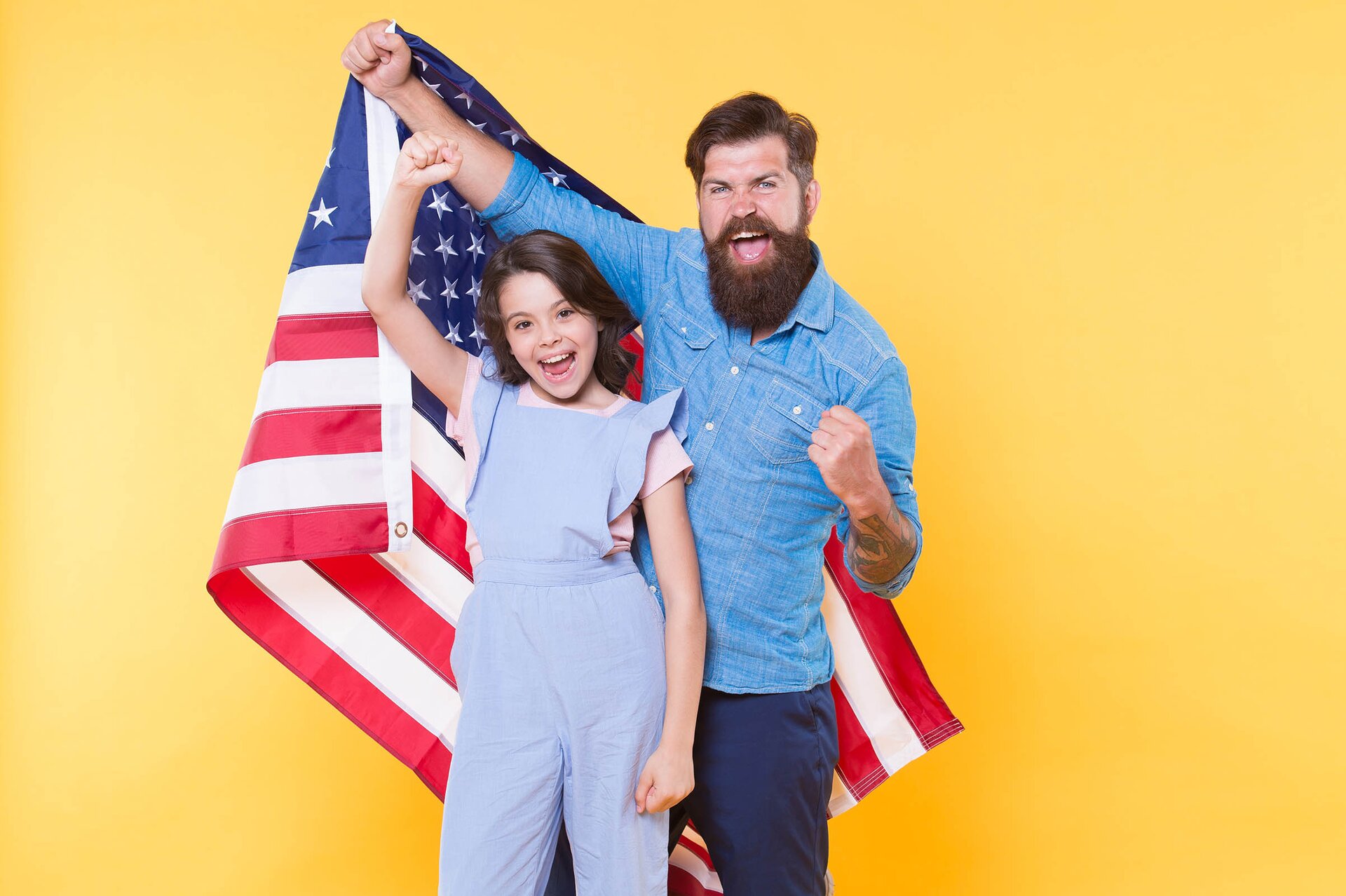
Do you know anything about Independence Day in the USA? Every year Americans celebrate their freedom on the 4th of July. Read what three American teenagers do on that day.
Czy wiesz coś na temat Dnia Niepodległości w Stanach Zjednoczonych? Każdego roku Amerykanie świętują swoją wolność 4 lipca. Przeczytasz, co tego dnia robi trójka amerykańskich nastolatków.
Read the definitions and choose the words they describe.
Przeczytaj definicje i wybierz wyrazy, które do nich pasują.
Read the text about the Fourth of July to find out how American teenagers spend it. Then, do the exercises.
Przeczytaj tekst o 4 lipca, aby dowiedzieć się, jak spędzają go amerykańscy nastolatkowie. Następnie wykonaj ćwiczenia.
Independence DayJulianne, 13, New York City
When I think of the Fourth of July, I see hanging out withhanging out with my family and eating lots of food. Every year, we go to the Hamptons where my grandparents have a summer house. We always have a family reunionfamily reunion on Independence Day. My grandma decorates the house and the garden with red, blue and white ribbonsribbons and balloons. It is the day of national pridenational pride and patriotic displayspatriotic displays so grandpa hangs the American flag on the roof. My parents, my aunts and uncles make a big barbecuebarbecue. We all spend time together talking and eating. There are hot dogs and hamburgers as well as cheese cakescheese cakes and apple piesapple pies. In the afternoon, we all have a baseball game. There are three generations of players: grandparents, parents and children. In the evening, we all go to the beach to watch beautiful fireworksfireworks. That is our tradition.
Beal, 14, Washington D.C.
There is always the biggest paradeparade in the U.S. in the morning. People come here from all over the country to take part intake part in it, as well as watch it. There are usually marching soldiersmarching soldiers, bands and drummersdrummers, dancers, cheerleaderscheerleaders, platformsplatforms with singers and scenes from important moments in our history. I play the flute in my school band and I usually march in the second row. We wear uniformsuniforms in our national coloursnational colours which are red, blue and white. You may not know that, but we, Americans, love the parades. When you don’t take part in the parade, you go to watch it. We all like wearing red, blue and white clothes and accessories like hats or funny sunglasses. We celebrate 4th July to show how much we appreciateappreciate our freedom. It is also called Independence DayIndependence Day because it was the day when American colonies declared independencedeclared independence from Great Britain. That is why my favourite moment is when we all sing the Star‑Spangled BannerStar‑Spangled Banner, which is our national anthemanthem.
Marcus, 13, Philadelphia, Pennsylvania
My city is home tois home to the famous Liberty BellLiberty Bell. On the 4th of July, the tradition is to taptap the bell 13 times in honour of the 13 colonies. The ceremony masterceremony master always says the words ‘Let freedom ring’ because the bell is our national symbol, the symbol of American freedom. There is a large crackcrack on the bell and no‑one really knows where it comes from. You can find the bell in the Liberty Bell Center in Philadelphia. Why do I know so much about it? Well, both my parents work there. That is why our 4th July is a festival that we spend together preparing Independence Day celebrationscelebrations. That is also why I never watch parades. We are busy preparing for the bell ceremony. After the official celebrations, we always go for a picnic in the park where we meet our friends and relativesrelatives. Everyone is relaxed and laid‑backlaid‑back. We have hot dogs and hamburgers. In the evenings, we go to the fireworks showfireworks show.
Źródło: Ela Borowiec, licencja: CC BY-SA 3.0.
Choose the right title for each story.
Wybierz właściwy tytuł dla każdej historii.
a) Patriotic displays are the most important
b) It’s all about family and food
c) It’s good to have a big family
2. Beal
a) How to appreciate parades
b) It’s all about accessories and national colours
c) Take part or watch it
3. Marcus
a) A family preparation for the ceremony
b) A famous bell
c) A picnic with friends and relatives
Match the words to their translations.
Dopasuj wyrazy do ich tłumaczeń.
Match the words to the pictures.
Dopasuj wyrazy do ilustracji.
Read the definitions and choose the words they describe.
Przeczytaj definicje i wybierz wyrazy, do których się odnoszą.
Read the text again and decide if the following sentences are true or false.
Ponownie przeczytaj tekst i zdecyduj, czy poniższe zdania są prawdziwe, czy fałszywe.
TRUEFALSE
2. Beal takes part in the parade with her school band.
TRUEFALSE
3. Marcus spends the 4th of July with his parents.
TRUEFALSE
4. Only teenagers play baseball in Julienne’s family.
TRUEFALSE
5. Beal understands how important freedom is.
TRUEFALSE
6. Marcus taps the Liberty bell thirteen times on the 4th of July.
TRUEFALSE
Read the text again. Then write the missing words to complete the gaps in the text below.
Ponownie przeczytaj tekst. Następnie uzupełnij luki w poniższych zdaniach.
Słownik
/ ˈænthetaəm /
hymn
/ æpl 'paɪz / / æpl 'paɪ /
szarlotki [szarlotka]
/ əˈpriːʃieɪt /
doceniać
/ ˈbɑːbəkjuː /
grill
/ bel /
dzwon
/ ˌseləˈbreɪʃn̩z / / ˌseləˈbreɪʃn̩ /
uroczystości [uroczystość]
/ ˈserɪməni ˈmɑːstə /
mistrz/mistrzyni ceremonii, prowadzący/prowadząca ceremonię
/ tʃiːz keɪks / / tʃiːz keɪk /
serniki [sernik]
/ ˈtʃɪəliːdəz / / ˈtʃɪəliːdə /
cheerleaderzy/cheerleaderki [cheerleader/cheerleaderka]
/ kræk /
pęknięcie
/ dɪˈkleəd / / dɪˈkleə /
zadeklarowali/zadeklarowały [zadeklarować]
/ ˈdrʌməz / / ˈdrʌmə /
bębniarze/bębniarki [bębniarz/bębniarka]
/ ˈfæmli ˌriːˈjuːnɪən /
spotkanie rodzinne, zjazd rodzinny
/ ˈfaɪəwɜːks / / ˈfaɪəwɜːk /
sztuczne ognie, fajerwerki
/ ˈfaɪəwɜːks ʃəʊ /
pokaz sztucznych ogni
/ ˌdʒenəˈreɪʃn̩z / / ˌdʒenəˈreɪʃn̩ /
pokolenia [pokolenie]
/ ˈhæŋɪŋ aʊt wɪð / / ˈhæŋ aʊt wɪð /
spędzając czas z [spędzać czas z]
/ ˌɪndɪˈpendəns ˈdeɪ /
Dzień Niepodległości
/ ˌɪndɪˈpendəns /
niepodległość
/ ɪz həʊm tuː / / bi həʊm tuː /
jest siedzibą [być siedzibą]
/ leɪd ˈbæk /
wyluzowany/wyluzowana
/ ˈlɪbəti bel /
Dzwon Wolności (w Filadelfii)
/ ˈnæʃnəl ˈkʌləz / / ˈnæʃnəl ˈkʌlə /
barwy narodowe [barwa narodowa]
/ ˈnæʃnəl praɪd /
duma narodowa
/ ˈʌv.ən /
piekarnik
/ ˌpætrɪˈɒtɪk dɪˈspleɪz / / ˌpætrɪˈɒtɪk dɪˈspleɪ /
dawanie wyrazu patriotyzmowi poprzez pokazywanie publicznie symboli narodowych
/ pəˈreɪd /
parada
/ ˈplætfɔːmz / / ˈplætfɔːm /
platformy [platforma]
/ ˈrelətɪvz / / ˈrelətɪv /
krewni/krewne [krewny/krewna]
/ ˈrɪbənz / / ˈrɪbən /
wstążki [wstążka]
/ stɑː ˈspæŋɡl̩d ˈbænə /
Gwieździsty Sztandar (tytuł hymnu amerykańskiego)
/ ˈteɪk pɑ:t ɪn /
brać udział
/ tæp /
stuknąć
/ ˈjuːnɪfɔːmz / / ˈjuːnɪfɔːm /
mundurki, mundury [mundurek, mundur]
Źródło: GroMar Sp. z o.o., licencja: CC BY‑SA 3.0