Przeczytaj
There are many different ways to build your house. Nowadays, you need to consider not only what you like but also what’s good for the planet. This means choosing materials and shapes that make your house eco‑friendly. Do you know what they are? Look below to find out!
Istnieje wiele różnych sposobów na budowę domu. W obecnych czasach trzeba brać pod uwagę nie tylko to, co nam się podoba, lecz także to, co jest korzystne dla naszej planety. Oznacza to wybór takich materiałów i kształtów, które sprawią, że twój dom będzie przyjazny dla środowiska. Czy wiesz, które z nich są ekologiczne? Spójrz niżej.
Igloos are said to be the perfect choice for saving energy. Do you know why? Choose all the answers that you think are right.
Igloos are said to be the perfect choice for saving energy. Do you know why? Choose all the answers that you think are correct.
Analyse the text about sustainable housing and then do the exercises in this section.
How to Build a Sustainable House?A
The idea of a sustainable housesustainable house has been around for decades, yet it’s only today that we’re beginning to appreciateappreciate how such a house design allows us to save our resourcesresources and thus the planet. Sustainable houses use recycled materialsrecycled materials and are built to require less energy to heatheat and operateoperate than traditional housing. Embrace the energetic self‑sufficiencyself‑sufficiency by producing your own energy (ideally – even more than you consume), and your impact on the environmentimpact on the environment decreasesdecreases. And although sometimes the costs of building such houses might be a bit higher, in the long runin the long run, it also saves money on bills.
B
How to build a sustainable house? Be open‑minded, because it might require abandoningabandoning some of your dreams. Think small and simple. Don’t pick a palace because it requires lots of energy to heat. The simpler the house (think cubecube or even iglooigloo), the better it holds energy. Every place where a wall is not a smooth surface is a place that leaks energyleaks energy. Another notion to let go oflet go of is opening the windows to air the houseair the house. Modern ventilationventilation technologies take care of it without letting inletting in cold air in the winter and hot in the summer. It is strange, but you’ll get used to it.
C
As Earth’s natural resourcesnatural resources are disappearing, we’re turning to renewable resourcesrenewable resources to power uppower up and heat our homes naturally. The most ecological solution is installing wind turbineswind turbines, however, the most popular one is having solar panelssolar panels that gather the energy of the sun to turn it intoturn it into electricity. Another way to use the energy of the sun is to turn your house towards it. Your roof should be exposedexposed to the sun, so it can provide the photovoltaic panels with maximum light. Strategically placed windows - huge facing the sunny side and small facing north – will allow the sun to naturally heat and light your living space.
D
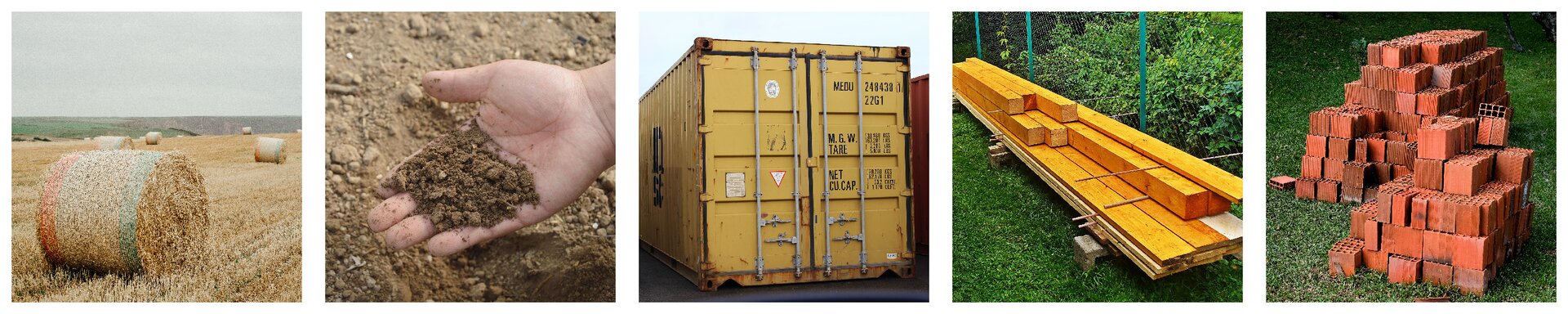
Do you fancy an original look for your simple cube or igloo? Nowadays, houses don’t necessarily need to be built with traditional bricksbricks or wood. Architects turn to such traditional materials as strawstraw or earth, which, when packed tightly, are actually very strong and can withstandwithstand pressure, water and even fire. If you’re curious what effect packed earth gives just look at Alhambra in Spain. Other, more outlandishoutlandish options, include special mushrooms, which will continue to grow when turned into walls, making them stronger than concrete! Or you can use Japanese volcanic materialvolcanic material which apparently cleans the air.
Źródło: Joanna Sobierska‑Paczesny, licencja: CC BY-SA 3.0.
Słownik
/ əˈbændənɪŋ / / əˈbændən /
porzucenie [porzucać] (to leave a place, thing, or person, usually for ever)
/ ˈeə ðə ˈhaʊs /
przewietrzyć dom (to let air from outside come in a house)
/ əˈpriːʃieɪt /
doceniać (to understand a situation and realize that it is important)
/ brɪks / / brɪk /
cegły [cegła] (a rectangular block of hard material used for building walls and houses)
/ kjuːb /
kostka (a solid object with six square sides of equal size)
/ dɪˈkriːsɪz / / dɪˈkriːs /
maleje [maleć] (to become smaller or make something become smaller)
/ ɪkˈspəʊzd / / ɪkˈspəʊz /
wystawiony [wystawić] (to make something covered or hidden able to be seen)
/ hiːt /
ogrzewać (to make something hot or warm)
/ ˈɪɡluː /
iglo (a circular house made of blocks of hard snow)
/ ɪmˈpækt ˈɒn ði ɪnˈvaɪərənmənt /
wpływ na środowisko (the effect that the activities of people and businesses have on the environment)
/ ɪn ðə lɒŋ rʌn /
na dłuższą metę (at a time that is far away in the future)
/ liːks ˈenədʒi / / liːk ˈenədʒi /
ucieka z niego energia [tracić energię] (losing energy in ways that cause an energetic deficit)
/ ˈlet ˈɡəʊ ɒv /
odpuścić
/ ˈletɪŋ ɪn / / ˈlet ɪn /
wpuszczanie [wpuszczać] (to allow someone or something to enter)
/ ˈnætʃrəl rɪˈzɔːsɪz / / ˈnætʃrəl rɪˈzɔːs /
zasoby naturalne [zasób naturalny](resources that are drawn from nature)
/ ˈɒpəreɪt /
obsługiwać (to work or cause something to work, be in action, or have an effect)
/ aʊtˈlændɪʃ /
dziwaczny (strange and unusual and difficult to accept or like)
/ paʊər ʌp /
napędzać (to provide something with energy so that it can begin to operate)
/ ˌriːˈsaɪkl̩d məˈtɪərɪəlz / / ˌriːˈsaɪkl̩d məˈtɪərɪəl /
materiały z recyklingu [materiał z recyklingu] (materials which have been treated using a special industrial process so that they can be used again)
/ rɪˈnjuːəbl̩ rɪˈzɔːsɪz / / rɪˈnjuːəbl̩ rɪˈzɔːs /
zasoby odnawialne [zasób odnawialny] (relating to forms of energy that are produced using the sun, wind etc. rather than those using fuels such as oil or coal)
/rɪˈzɔːsəs/ /rɪˈzɔːs/
tu: zasoby, surowce [zasób, surowiec] (a useful or valuable possession, such as oil or gas, that a country has and that can be sold)
/ ˌself səˈfɪʃənsi /
samowystarczalność (the fact of being able to provide everything you need for yourself, especially food, without buying from or being helped by others)
/ ˌsəʊlə ˈpænl̩z / / ˌsəʊlə ˈpænl̩ /
panele słoneczne [panel słoneczny] (a device that changes energy from the sun into electricity)
/ strɔː /
słoma (the dried, yellow stems of crops such as wheat)
/ səˈsteɪnəbl̩ ˈhaʊs /
dom, który jest wydajny energetycznie, zbudowany z materiałów przyjaznych dla środowiska oraz niemający negatywnego wpływu na środowisko naturalne (house which is energy efficient by itself, environmentally healthy, and respectful for the natural environment)
/ ˈtɜ:n ˈɪt ˈɪntə / / ˈtɜ:n ˈsʌmthetaɪŋ ˈɪntə /
zamienić to w [zamienić coś w] (to change or develop from one thing to another)
/ ˌventɪˈleɪʃn̩ /
wentylacja (the movement of fresh air around a closed space, or the system that does this)
/ vɒlˈkænɪk məˈtɪərɪəl /
materiał wulkaniczny (material from a volcano)
/wɪnd ˈtɜːbaɪnz / / wɪnd ˈtɜːbaɪn/
turbiny wiatrowe [turbina wiatrowa] (a tall structure with blades that are blown round by the wind and produce power to make electricity)
/ wɪðˈstænd /
wytrzymać (to be strong enough, or not be changed by something, or to oppose a person or thing successfully)
Źródło: GroMar Sp. z o.o., licencja: CC BY‑SA 3.0