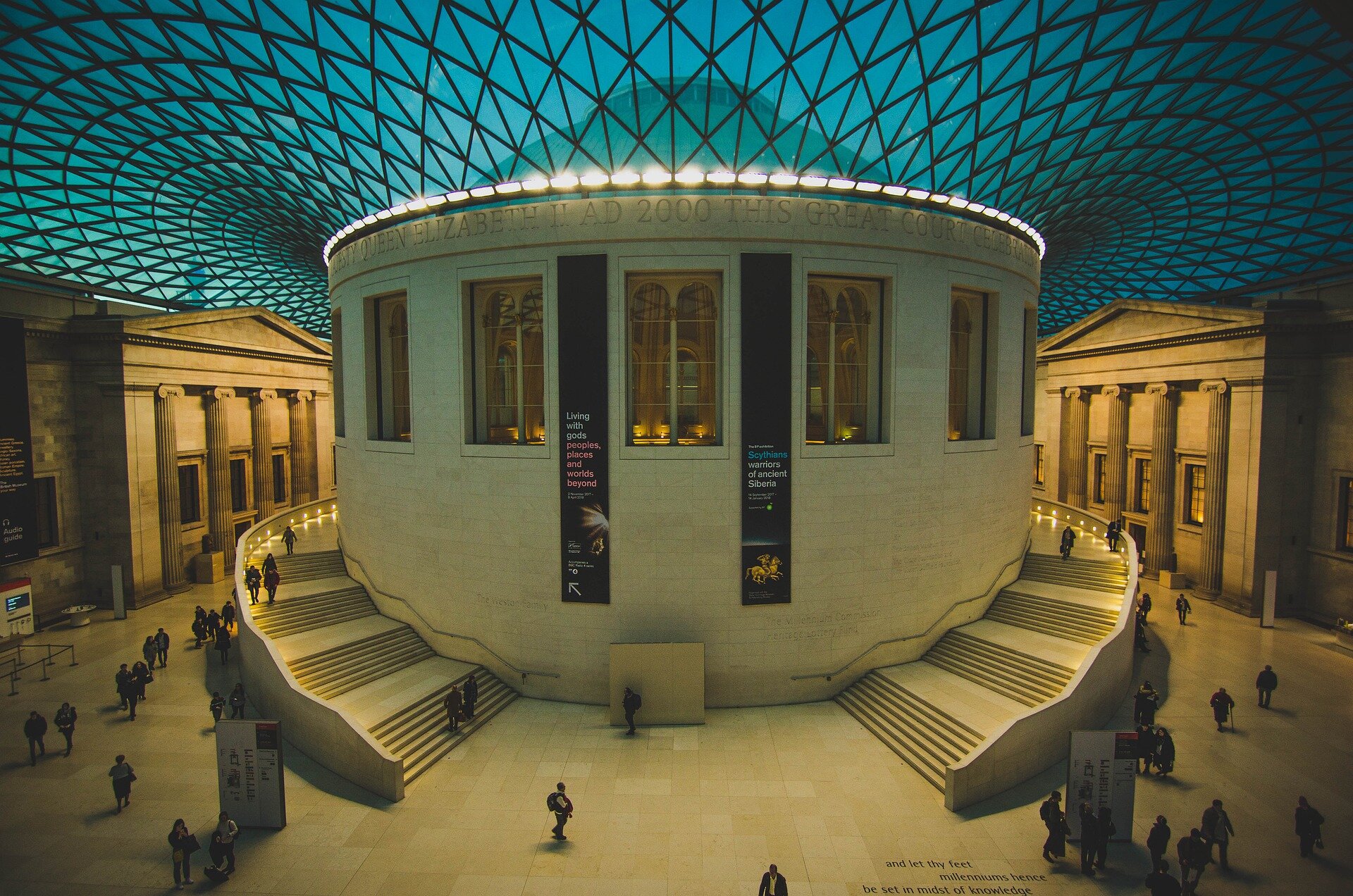
The picture below shows the British Museum, which is very famous all over the world. Study the text to learn what you can find there.
Poniższe zdjęcie przedstawia Muzeum Brytyjskie, które jest bardzo popularne na całym świecie. Przeczytaj, jakie eksponaty możesz w nim obejrzeć.
RdwSeKnDXM5hX
Zdjęcie przedstawia hol wejściowy Muzeum Brytyjskiego utrzymany w jasnych barwach. Na dziedzińcu są bardzo szerokie schody pnące się po ścianie okrągłego pomieszczenia w centralnej części holu. Sufit w całości jest szklany.
The British Museum is very beautiful inside
Muzeum Brytyjskie ma bardzo piękne wnętrze
Źródło: dostępny w internecie: https://pixabay.com/pl/ [dostęp 12.04.2022], domena publiczna.
Exercise1
Explore the description and choose what type of museum it is.
Zapoznaj się z opisem i wybierz, jakie to muzeum.
RJsVmwME1o71A
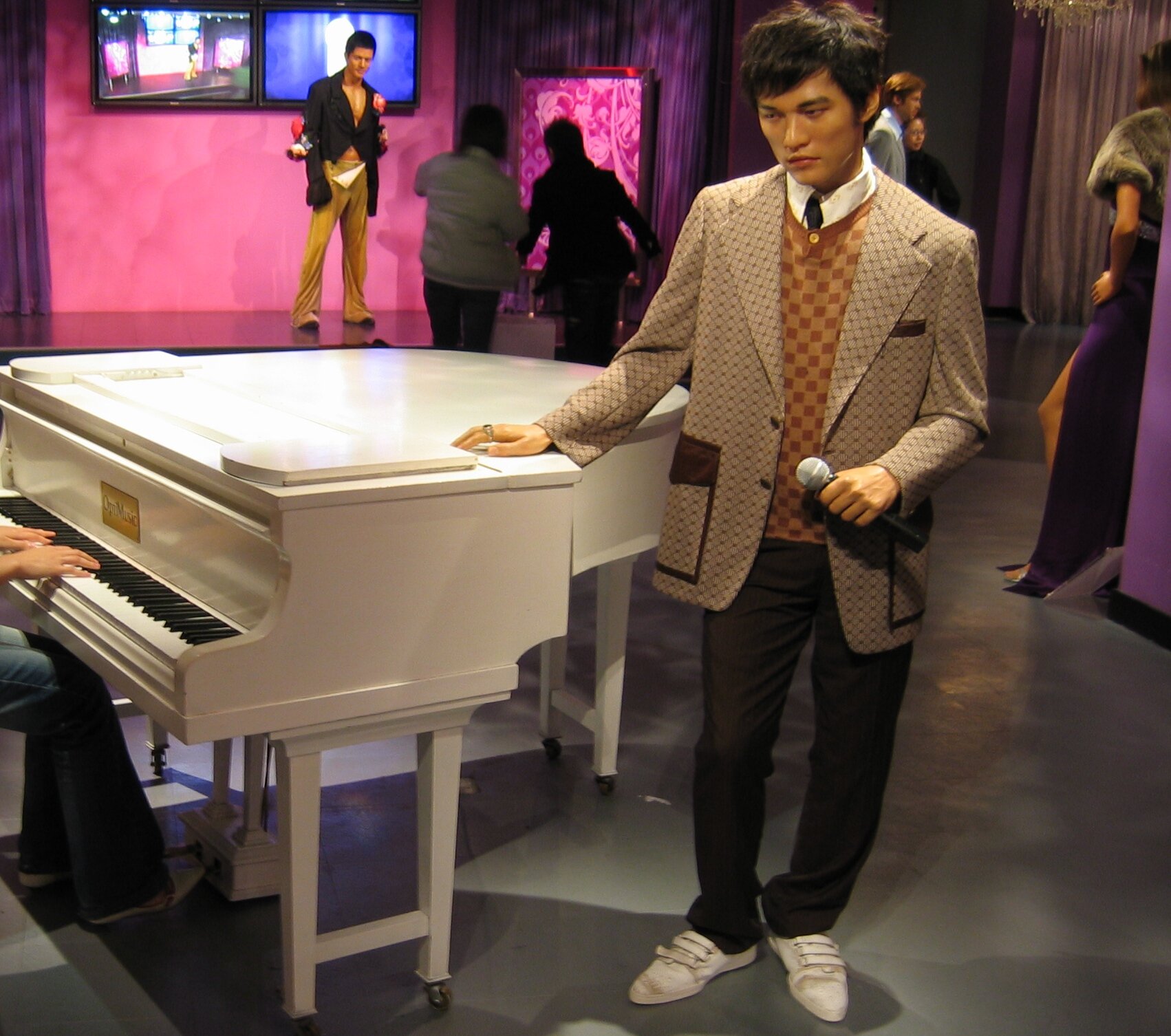
In this museum there are a lot of people who are not real people. You can see the Queen, a lot of famous musicians and some sports stars. What kind of museum is it?
Źródło: GroMar Sp. z o.o., licencja: CC BY-SA 3.0.
Exercise1
What kind of museum is it?
Zgadnij, jakie to muzeum.
R1XIYxAH3FelS
Zdjęcie przedstawia młodego mężczyznę stojącego koło białego fortepianu. Trzyma on w lewej dłoni mikrofon. Widoczne są dłonie na klawiszach fortepianu.
Źródło: dostępny w internecie: https://www.wikimedia.org/ [dostęp 12.04.2022], domena publiczna.
R1aAexbZJg8z0
Możliwe odpowiedzi: 1. museum of natural history, 2. museum of wax figures
Źródło: GroMar Sp. z o.o., licencja: CC BY-SA 3.0.
Study the text about the British Museum and do the exercises below.
Zapoznaj się z tekstem o Muzeum Brytyjskim. Następnie wykonaj poniższe ćwiczenia.
Welcome to the British Museum
Anna Olewińska‑ByliniakWelcome to the British Museum
If you’re in London, you must visit the British Museum! It’s a very big building in Great Russell Street. It’s the biggest museum in Great Britain. There are many paintingspaintings [painting]paintings and different collectionscollections [collection]collections. There are 60 rooms to visit! In one of them you can see the most important English documents, old books and maps.
Here is some basic information:
You can enterenterenter the museum for freefor freefor free.
You have to buy a ticket only for some exhibitions.
If you don’t want to wait in linewait in linewait in line, you can buy tickets onlinebuy tickets onlinebuy tickets online. Remember to printprint (verb)print them.
For groups (more than 8 people) you must pay for a tour guidetour guidetour guide.
There is a gift shopgift shopgift shop with lots of souvenirssouvenirs [souvenir]souvenirs. You can go there and buy something for your family! There are many beautiful albums and guidesguides [guide]guides.
If you can’t come to the museum, you can visit the online museumonline museumonline museum. There are lots of objectsobjects [object]objects to see. It’s not the same, but you can also learn a lot!
There are many attractionsattractions [attraction]attractions for students and children. There are lots of cultural eventscultural events [cultural event]cultural events, also for free.
You can’t bringbringbring food or drink to the museum.
The museum is closed on Mondays, so don’t plan your visit for that day.
Now that you know the detailsdetails [detail]details, come to London and plan your visit!
1 Źródło: Anna Olewińska‑Byliniak, licencja: CC BY-SA 3.0.
Exercise2
Study the text about the British Museum and choose the correct answers.
Przeczytaj tekst o Muzeum Brytyjskim i wybierz poprawne odpowiedzi.
RnghIhDVvcM72
Where is the British Museum?
In London.
In Paris.
In Glasgow.
Are there any attractions for students?
Yes, there are.
No, there aren’t.
When is the museum closed?
It’s open every day.
On Mondays.
At weekends.
How much is the ticket to the permanent collection?
It’s free.
£5.
£5 or £10.
Where is the British Museum?
In London.
In Paris.
In Glasgow.
Are there any attractions for students?
Yes, there are.
No, there aren’t.
When is the museum closed?
It’s open every day.
On Mondays.
At weekends.
How much is the ticket to the permanent collection?
It’s free.
£5.
£5 or £10.
Źródło: GroMar Sp. z o.o., licencja: CC BY-SA 3.0.
Exercise3
Match the words with their translations
Połącz wyrazy z ich tłumaczeniami.
ReOW4hQ8u23px
collection Możliwe odpowiedzi: 1. kolekcja, np. porcelany, 2. sklep z pamiątkami, 3. obraz, 4. bilet do muzeum (jakikolwiek papierowy), 5. garncarstwo pottery Możliwe odpowiedzi: 1. kolekcja, np. porcelany, 2. sklep z pamiątkami, 3. obraz, 4. bilet do muzeum (jakikolwiek papierowy), 5. garncarstwo painting Możliwe odpowiedzi: 1. kolekcja, np. porcelany, 2. sklep z pamiątkami, 3. obraz, 4. bilet do muzeum (jakikolwiek papierowy), 5. garncarstwo ticket Możliwe odpowiedzi: 1. kolekcja, np. porcelany, 2. sklep z pamiątkami, 3. obraz, 4. bilet do muzeum (jakikolwiek papierowy), 5. garncarstwo gift shop Możliwe odpowiedzi: 1. kolekcja, np. porcelany, 2. sklep z pamiątkami, 3. obraz, 4. bilet do muzeum (jakikolwiek papierowy), 5. garncarstwo
collection Możliwe odpowiedzi: 1. kolekcja, np. porcelany, 2. sklep z pamiątkami, 3. obraz, 4. bilet do muzeum (jakikolwiek papierowy), 5. garncarstwo pottery Możliwe odpowiedzi: 1. kolekcja, np. porcelany, 2. sklep z pamiątkami, 3. obraz, 4. bilet do muzeum (jakikolwiek papierowy), 5. garncarstwo painting Możliwe odpowiedzi: 1. kolekcja, np. porcelany, 2. sklep z pamiątkami, 3. obraz, 4. bilet do muzeum (jakikolwiek papierowy), 5. garncarstwo ticket Możliwe odpowiedzi: 1. kolekcja, np. porcelany, 2. sklep z pamiątkami, 3. obraz, 4. bilet do muzeum (jakikolwiek papierowy), 5. garncarstwo gift shop Możliwe odpowiedzi: 1. kolekcja, np. porcelany, 2. sklep z pamiątkami, 3. obraz, 4. bilet do muzeum (jakikolwiek papierowy), 5. garncarstwo
Źródło: GroMar Sp. z o.o., licencja: CC BY-SA 3.0.
Exercise3
Drag the words to match them with pictures.
Przeciągnij wyrazy, aby połączyć je z właściwymi obrazkami.
R19tdocsIw3RE
Źródło: GroMar Sp. z o.o., licencja: CC BY-SA 3.0.
Exercise4
Drag the words below to the correct places to make logical sentences.
Przeciągnij podane wyrażenie w odpowiednie miejsca, by stworzyć logiczne zdania.
R1cWXGAXHk9lN
You can 1. online museum, 2. free, 3. gift shop, 4. buy tickets online, 5. tour guide on the museum’s website.
Groups must pay for a 1. online museum, 2. free, 3. gift shop, 4. buy tickets online, 5. tour guide.
There are 1. online museum, 2. free, 3. gift shop, 4. buy tickets online, 5. tour guide tickets.
There are souvenirs in the 1. online museum, 2. free, 3. gift shop, 4. buy tickets online, 5. tour guide!
When you can’t come to London, you can visit the 1. online museum, 2. free, 3. gift shop, 4. buy tickets online, 5. tour guide.
You can 1. online museum, 2. free, 3. gift shop, 4. buy tickets online, 5. tour guide on the museum’s website.
Groups must pay for a 1. online museum, 2. free, 3. gift shop, 4. buy tickets online, 5. tour guide.
There are 1. online museum, 2. free, 3. gift shop, 4. buy tickets online, 5. tour guide tickets.
There are souvenirs in the 1. online museum, 2. free, 3. gift shop, 4. buy tickets online, 5. tour guide!
When you can’t come to London, you can visit the 1. online museum, 2. free, 3. gift shop, 4. buy tickets online, 5. tour guide.
Źródło: GroMar Sp. z o.o., licencja: CC BY-SA 3.0.
GRAMATYKA
Czasowniki modalnecan i must
Czasownikcanoznacza „móc, umieć, potrafić”. Gdy chcemy powiedzieć, że czegoś nie możemy, nie umiemy lub nie potrafimy, użyjemy słowacan’t.
Przykłady:
He can buy souvenirs here. – On może kupić tutaj pamiątki.
I can buy tickets online. – Mogę kupić bilety online.
We can’t bring any food to the museum. – Nie możemy wnieść żadnego jedzenia do muzeum.
Czasownik must oznacza „musieć”. Uwaga! Przeczeniem od must, czyli „nie musieć”, będziedon’t/doesn’t have to. Mustn’t oznacza „nie wolno”.
Przykłady:
I must see this painting. – Muszę zobaczyć ten obraz.
You must visit this museum. – Musisz odwiedzić to muzeum.
We don’t have to buy tickets. – Nie musimy kupować biletów.
Exercise5
Match the following words with their translations.
Połącz wyrazy z ich tłumaczeniami.
R1WYnq7snIkhP
can Możliwe odpowiedzi: 1. musieć, 2. nie móc, nie umieć, nie potrafić, 3. nie wolno, 4. móc, umieć, potrafić must Możliwe odpowiedzi: 1. musieć, 2. nie móc, nie umieć, nie potrafić, 3. nie wolno, 4. móc, umieć, potrafić can't Możliwe odpowiedzi: 1. musieć, 2. nie móc, nie umieć, nie potrafić, 3. nie wolno, 4. móc, umieć, potrafić mustn't Możliwe odpowiedzi: 1. musieć, 2. nie móc, nie umieć, nie potrafić, 3. nie wolno, 4. móc, umieć, potrafić
can Możliwe odpowiedzi: 1. musieć, 2. nie móc, nie umieć, nie potrafić, 3. nie wolno, 4. móc, umieć, potrafić must Możliwe odpowiedzi: 1. musieć, 2. nie móc, nie umieć, nie potrafić, 3. nie wolno, 4. móc, umieć, potrafić can't Możliwe odpowiedzi: 1. musieć, 2. nie móc, nie umieć, nie potrafić, 3. nie wolno, 4. móc, umieć, potrafić mustn't Możliwe odpowiedzi: 1. musieć, 2. nie móc, nie umieć, nie potrafić, 3. nie wolno, 4. móc, umieć, potrafić
Źródło: GroMar Sp. z o.o., licencja: CC BY-SA 3.0.
Exercise6
Look at the signs at the museum and choose the correct answers.
Spójrz na obrazki przedstawiające znaki w muzeum i wybierz poprawne odpowiedzi.
R1XtF8FbZ7opA
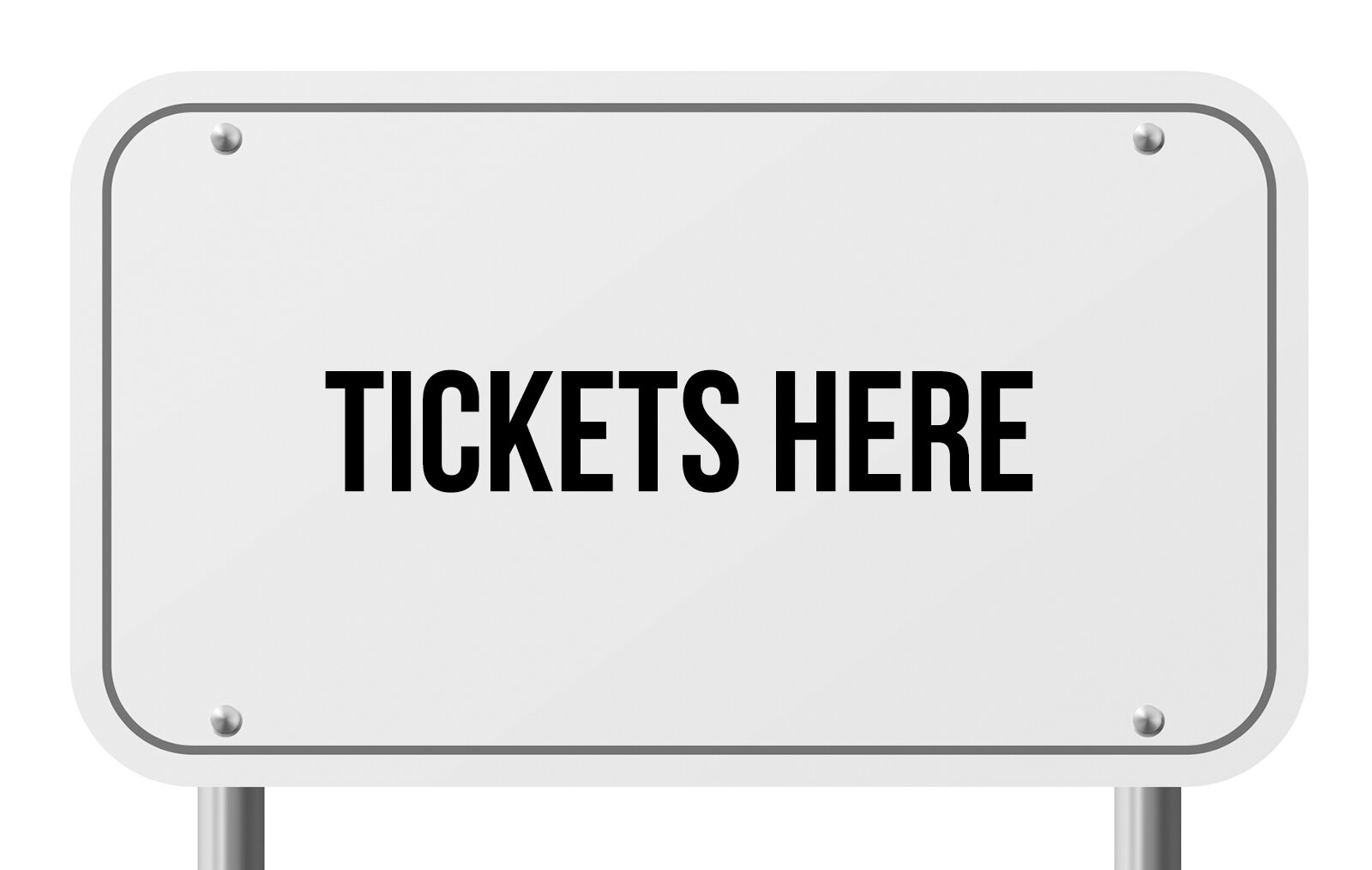
Znak z napisem: TICKETS HERE
Źródło: dostępny w internecie: https://www.freepik.com/ [dostęp 12.04.2022], domena publiczna.
R1BiflS9zw64N
Możliwe odpowiedzi: 1. You can buy tickets there., 2. You can’t buy tickets there., 3. You can buy souvenirs there.
Źródło: GroMar Sp. z o.o., licencja: CC BY-SA 3.0.
RD4ooiNQu7Oxw
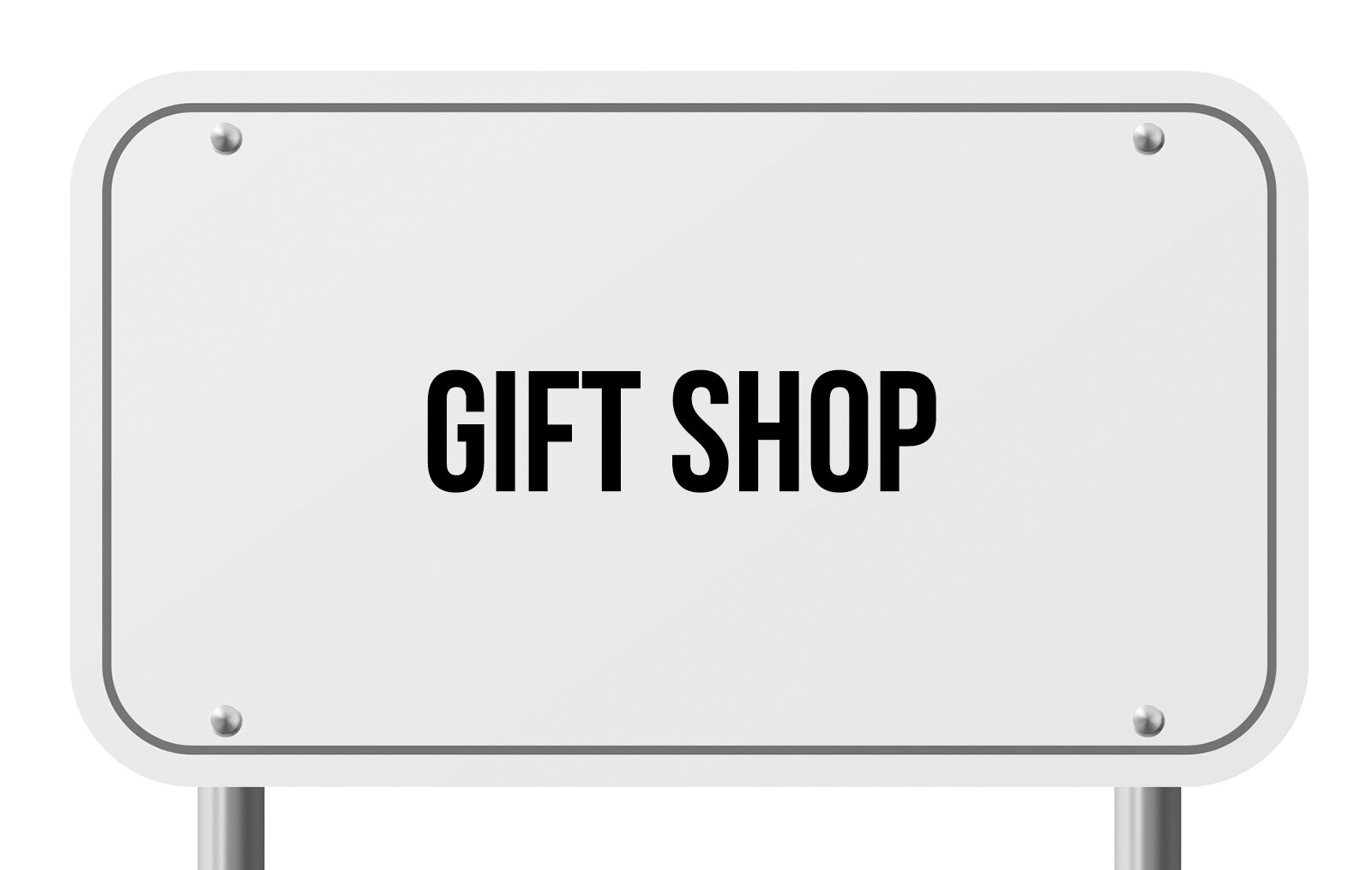
Znak z napisem: GIFT SHOP
Źródło: dostępny w internecie: https://www.freepik.com/ [dostęp 12.04.2022], domena publiczna.
R1xRIzps9rRfT
Możliwe odpowiedzi: 1. You can buy tickets there., 2. You can’t buy tickets there., 3. You can buy souvenirs there.
Źródło: GroMar Sp. z o.o., licencja: CC BY-SA 3.0.
R5BcW79yAH7Gx
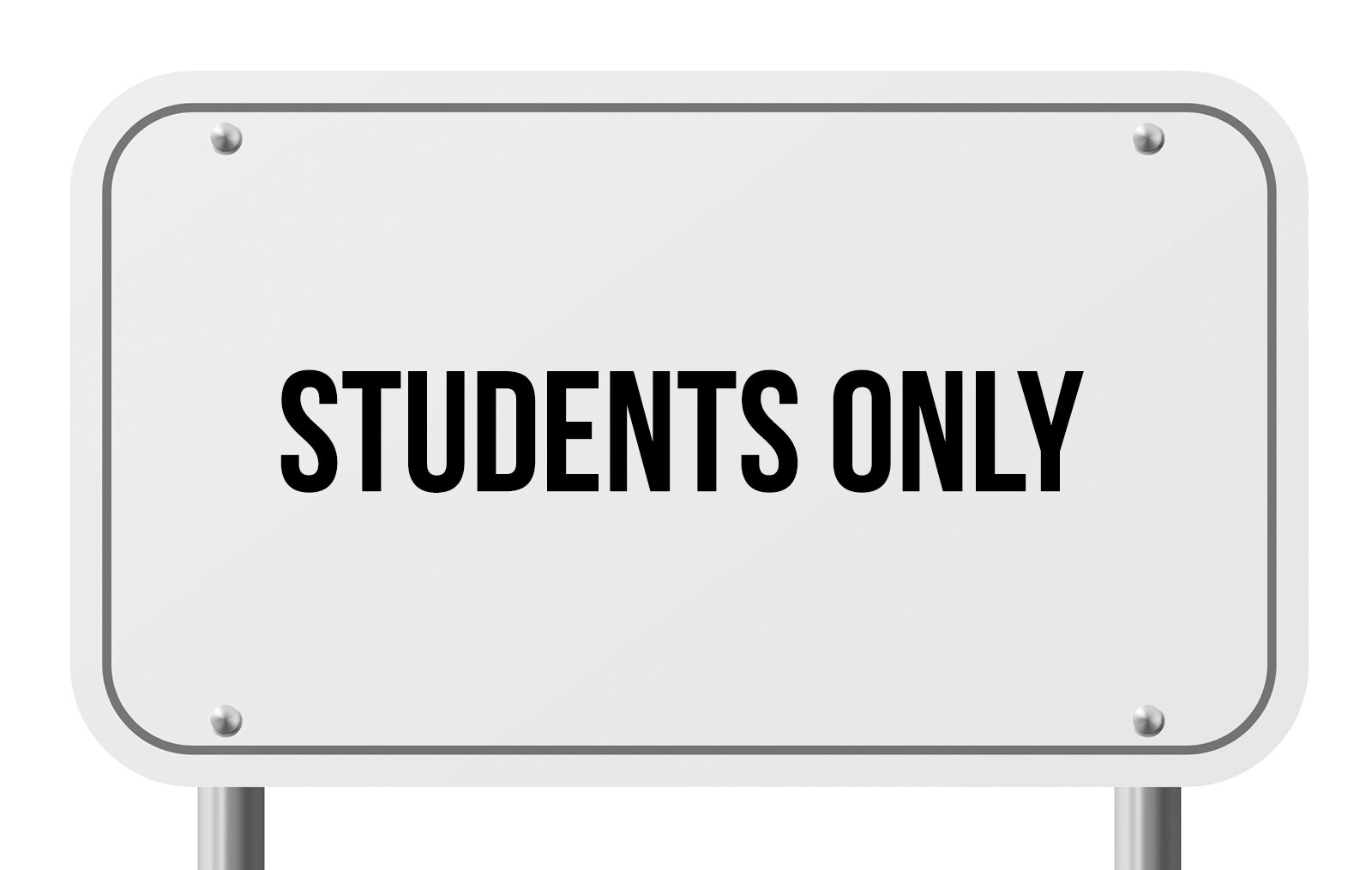
Znak z napisem: STUDENTS ONLY
Źródło: dostępny w internecie: https://www.freepik.com/ [dostęp 12.04.2022], domena publiczna.
R1HgCyt34QnDt
Możliwe odpowiedzi: 1. You can buy tickets there., 2. Don’t go there if you’re not a student., 3. You can buy souvenirs there.
Źródło: GroMar Sp. z o.o., licencja: CC BY-SA 3.0.
R19qokkmKhRxX
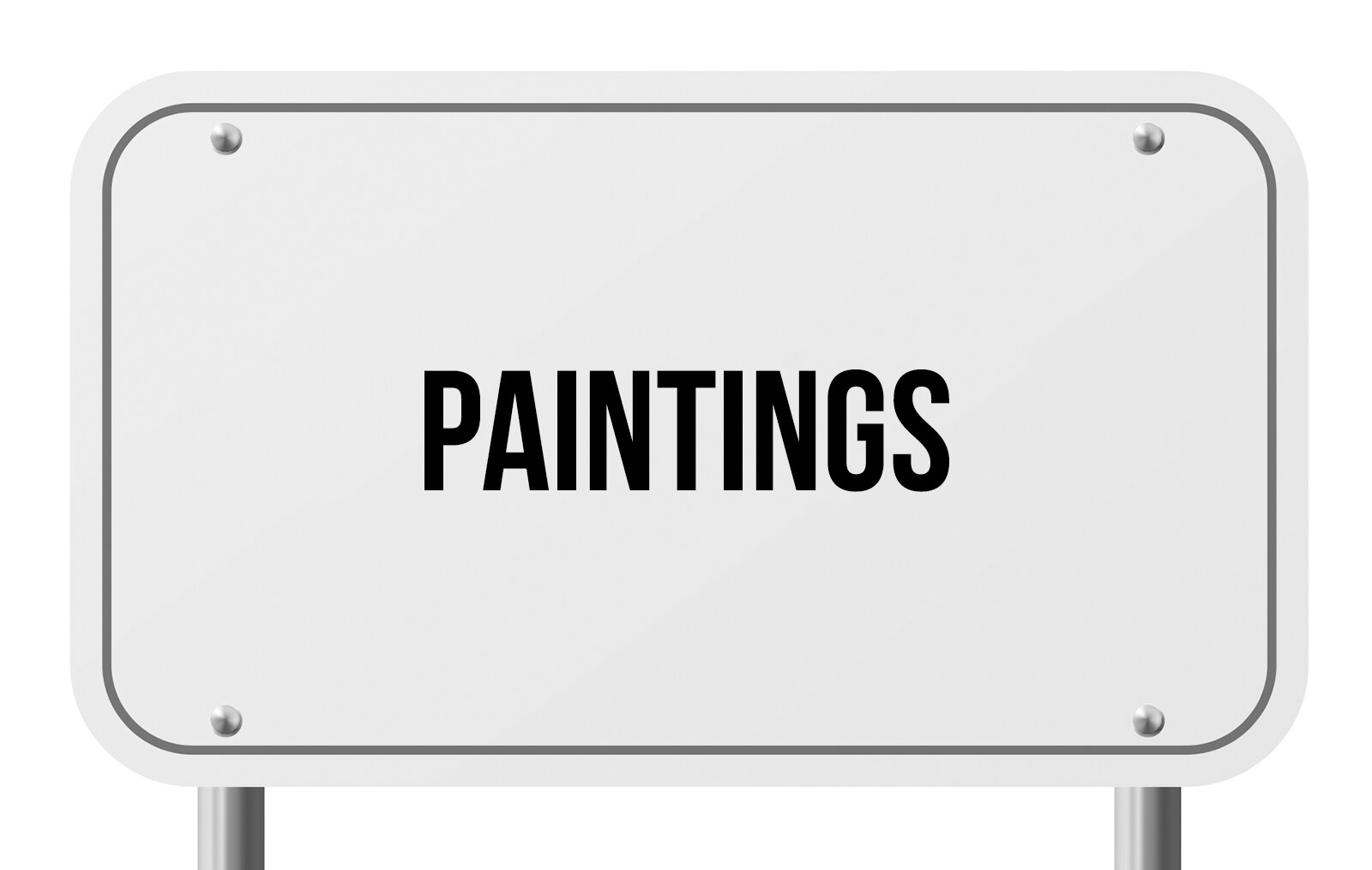
Znak z napisem: PAINTINGS
Źródło: dostępny w internecie: https://www.freepik.com/ [dostęp 2.03.2023], domena publiczna.
R16BEcmUW3mXS
Możliwe odpowiedzi: 1. You can buy tickets there., 2. You can see some paintings here., 3. You can buy souvenirs there.
Źródło: GroMar Sp. z o.o., licencja: CC BY-SA 3.0.
R1dQavzhfy8TM
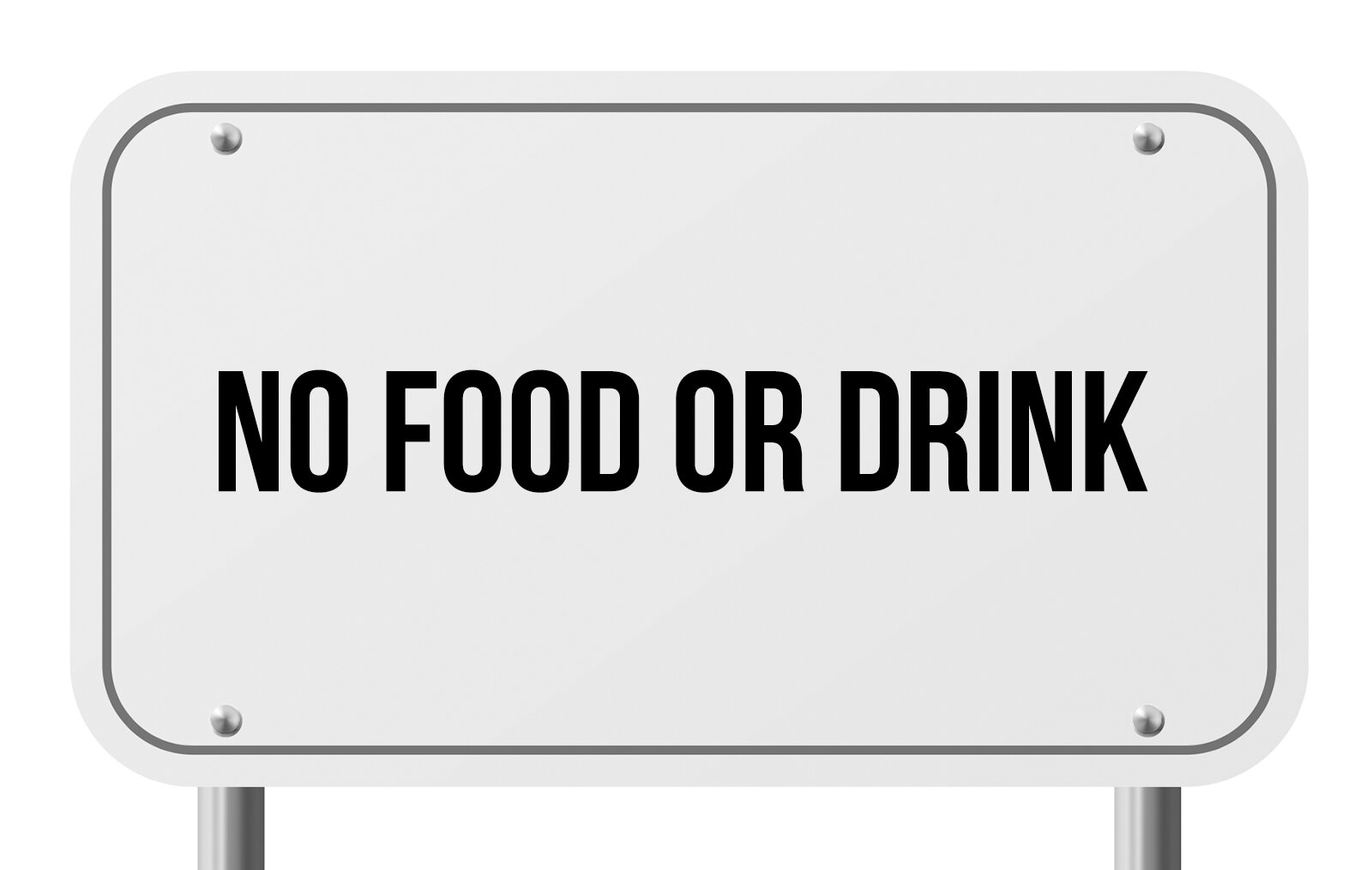
Znak z napisem: NO FOOD OR DRINK
Źródło: dostępny w internecie: https://www.freepik.com/ [dostęp 12.04.2022], domena publiczna.
R1XrLetC9PdJc
Możliwe odpowiedzi: 1. You can eat there., 2. Don’t bring any food to the museum., 3. You can buy souvenirs there.
Źródło: GroMar Sp. z o.o., licencja: CC BY-SA 3.0.
Exercise7
Drag the words to put them in the correct order and make sentences.
Przeciągnij wyrazy, aby utworzyć logiczne zdania.
R1b7iqjDQMbTX
1. 1. on Monday, 2. You, 3. visit, 4. can’t, 5. the British Museum1. on Monday, 2. You, 3. visit, 4. can’t, 5. the British Museum1. on Monday, 2. You, 3. visit, 4. can’t, 5. the British Museum1. on Monday, 2. You, 3. visit, 4. can’t, 5. the British Museum1. on Monday, 2. You, 3. visit, 4. can’t, 5. the British Museum.
1. 1. on Monday, 2. You, 3. visit, 4. can’t, 5. the British Museum1. on Monday, 2. You, 3. visit, 4. can’t, 5. the British Museum1. on Monday, 2. You, 3. visit, 4. can’t, 5. the British Museum1. on Monday, 2. You, 3. visit, 4. can’t, 5. the British Museum1. on Monday, 2. You, 3. visit, 4. can’t, 5. the British Museum.
Źródło: GroMar Sp. z o.o., licencja: CC BY-SA 3.0.
R115wGKVYsrkk
2. 1. Don’t, 2. to buy, 3. souvenirs, 4. forget1. Don’t, 2. to buy, 3. souvenirs, 4. forget1. Don’t, 2. to buy, 3. souvenirs, 4. forget1. Don’t, 2. to buy, 3. souvenirs, 4. forget!
2. 1. Don’t, 2. to buy, 3. souvenirs, 4. forget1. Don’t, 2. to buy, 3. souvenirs, 4. forget1. Don’t, 2. to buy, 3. souvenirs, 4. forget1. Don’t, 2. to buy, 3. souvenirs, 4. forget!
Źródło: GroMar Sp. z o.o., licencja: CC BY-SA 3.0.
R1YvMPTfQUnQG
4. 1. You, 2. a discount, 3. to get, 4. be, 5. must, 6. a student1. You, 2. a discount, 3. to get, 4. be, 5. must, 6. a student1. You, 2. a discount, 3. to get, 4. be, 5. must, 6. a student1. You, 2. a discount, 3. to get, 4. be, 5. must, 6. a student1. You, 2. a discount, 3. to get, 4. be, 5. must, 6. a student1. You, 2. a discount, 3. to get, 4. be, 5. must, 6. a student.
4. 1. You, 2. a discount, 3. to get, 4. be, 5. must, 6. a student1. You, 2. a discount, 3. to get, 4. be, 5. must, 6. a student1. You, 2. a discount, 3. to get, 4. be, 5. must, 6. a student1. You, 2. a discount, 3. to get, 4. be, 5. must, 6. a student1. You, 2. a discount, 3. to get, 4. be, 5. must, 6. a student1. You, 2. a discount, 3. to get, 4. be, 5. must, 6. a student.
Źródło: GroMar Sp. z o.o., licencja: CC BY-SA 3.0.
R1Y1ULQyH1cW9
5. 1. for free, 2. visit, 3. the museum, 4. You, 5. can1. for free, 2. visit, 3. the museum, 4. You, 5. can1. for free, 2. visit, 3. the museum, 4. You, 5. can1. for free, 2. visit, 3. the museum, 4. You, 5. can1. for free, 2. visit, 3. the museum, 4. You, 5. can.
5. 1. for free, 2. visit, 3. the museum, 4. You, 5. can1. for free, 2. visit, 3. the museum, 4. You, 5. can1. for free, 2. visit, 3. the museum, 4. You, 5. can1. for free, 2. visit, 3. the museum, 4. You, 5. can1. for free, 2. visit, 3. the museum, 4. You, 5. can.
Źródło: GroMar Sp. z o.o., licencja: CC BY-SA 3.0.