Przeczytaj
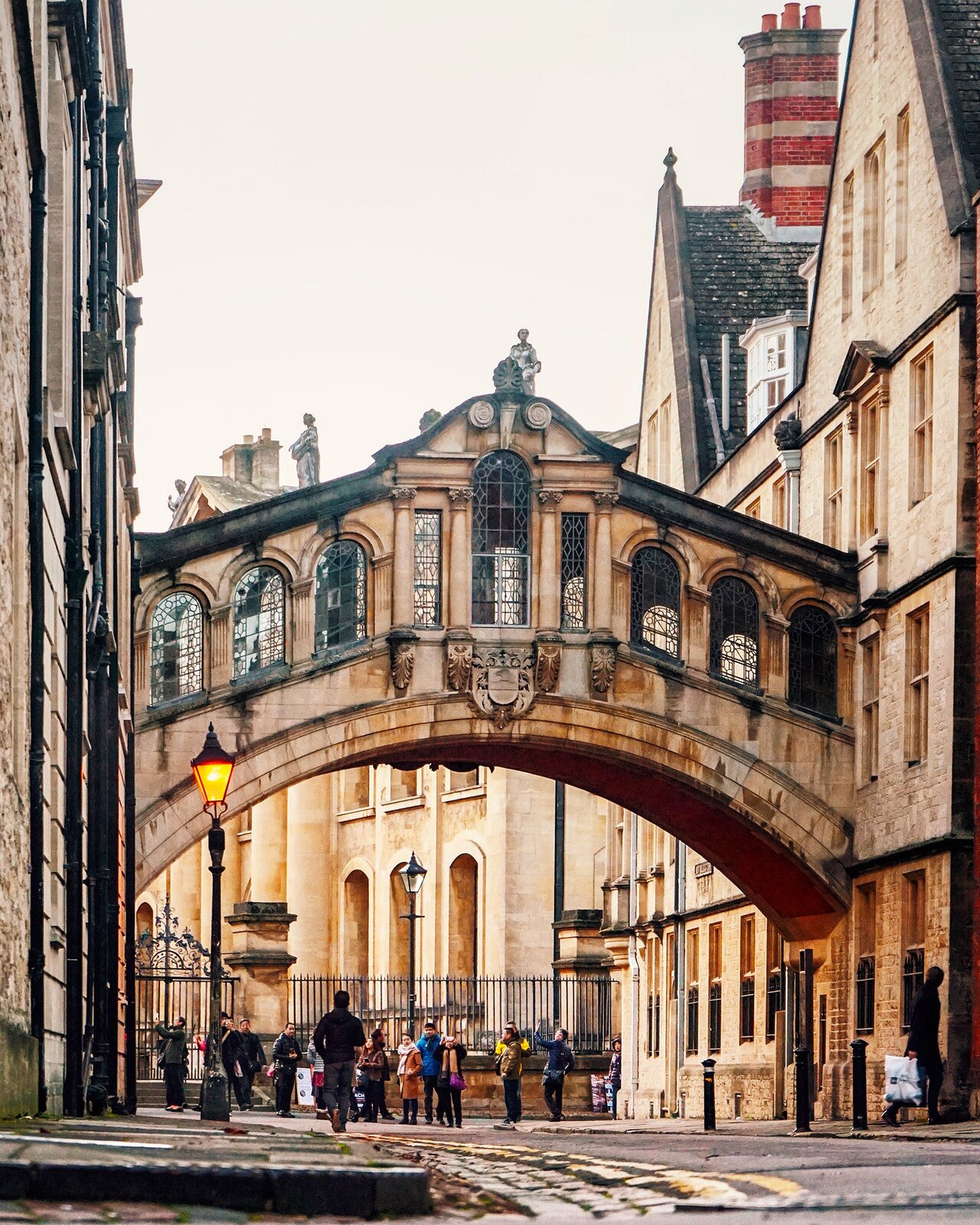
The picture below shows Oxford - the heart of one of the most prestigious universities in the world. Would you like to study there? In this lesson you are going to read a text about education systems in Great Britain and the USA.
Poniższe zdjęcie przedstawia Oxford - serce jednego z najbardziej prestiżowych uniwersytetów na świecie. Czy chciałbyś/chciałabyś tam studiować? W tej lekcji zapoznasz się z tekstem o systemach edukacji w Wielkiej Brytanii i USA.
Match the following words/expressions to their translations.
Połącz poniższe wyrazy/wyrażenia z ich tłumaczeniami.
In the grid, find the words related to education. Search up, down, forward, backward, and on the diagonal to find the hidden words. To mark the word, click its first and last letter. Check the words you don't know in the dictionary.
Znajdź w wykreślance wyrazy związane z edukacją. Mogą być podane w pionie, w poziomie, na ukos lub wspak. Aby zaznaczyć wyraz, kliknij w jego pierwszą i ostatnią literę. Sprawdź w słowniku znaczenie wyrazów, których nie rozumiesz.
Read the text and do the exercises.
Przeczytaj tekst i wykonaj ćwiczenia.
Education in UK and USABritish education system
Education in the UK is compulsorycompulsory from the ages of 5 to 16. That is, between the ages of 5 and 16, you have to go to school.
Most schools in Britain have to follow the National CurriculumNational Curriculum, a unified frameworkframework of what students should learn in each subject.
Children under the age of 5 years, may go to a nurserynursery school. At the age of 5, they go to a primary schoolprimary school – this is for children from 5 to 11 years old. After that, you go to a secondary schoolsecondary school; this is for students who are between 11 and 16 years old. At the age of 16, British students have to take their first serious exam – the so‑called GCSE - General Certificate of Secondary EducationGCSE - General Certificate of Secondary Education. After that, students may go to a sixth form college which prepares them to take A levels (Advanced Level Qualifications); these are important exams that allow you to go to university.
There are many prestigiousprestigious universities across Great Britain with the world famous Oxford and Cambridge among them. They are a group of elite, traditional universities with a very high level of education.
Great Britain is also famous for its public schoolspublic schools; the name may be misleadingmisleading because these schools are not financedfinanced by the state; they are fee‑chargingfee‑charging schools. The fees can be very high. The level of education is high as well and, most often, students have their own tutorstutors. Many British prime ministersprime ministers, well‑known politicians, or membersmembers of the royal family are graduatesgraduates of public schools. Most public school graduates go to university. Only around seven percent of all British children go to public schools, while the majority of British pupilspupils and students graduate from state, comprehensive schoolscomprehensive schools.
Some schools are boarding schoolsboarding schools, where students study and live on school premises in special dormitoriesdormitories.
American education system
The US education system differs from the British one, and very often American school names are the same as in Great Britain, but they mean something else.
In the USA, children may go to a kindergarten at the age of 5 and after that their education is mandatorymandatory. They have to start elementary school, which is also called primary school. A child who starts school is called a first graderfirst grader. Elementary schoolElementary school in the USA is for lower grades, usually up to the 4th or 5th grade. Later, children go to middle schoolmiddle school – this school is for students of middle grades – usually from 5th to 8th grade. Finally, there is high schoolhigh school. It lasts four years, from ninth grade to 12th grade. A student in the first grade of high school is called a freshmanfreshman, in the second year a sophomoresophomore, in the third year a juniorjunior, and in the fourth, final year, a seniorsenior. High schools offer secondary educationsecondary education. After high school, at the age of 16, a student in America can either leave school or enter higher educationhigher education. This is offered by both colleges and universities which follow a four‑year program. A group of élite, prestigious universities in America, for example Yale, Princeton, or Harvard, is known as the Ivy Leaguethe Ivy League. Many Ivy League graduates are renownedrenowned scientists or politicians.
Źródło: Anna Lech, licencja: CC BY-SA 3.0.
Read the sentences and choose the correct answer.
Przeczytaj poniższe zdania, a następnie wybierz poprawną odpowiedź.
- The text
a) highlights the differences between education in the UK and USA.
b) is about how to find the right school in the UK or USA.
c) gives advice on picking prestigious universities in the UK and USA.
- Many people from the royal family attended
a) comprehensive schools
b) public schools.
c) American high schools
- GCSE is
a) a school.
b) an exam.
c) a university.
- A sophomore is a student of the ... of high school.
a) second year
b) third year
c) fourth year.
- The Ivy League university is
a) Oxford.
b) Harvard
c) Cambridge.
Read the text again and decide if the following sentences are true or false.
Przeczytaj tekst ponownie, a następnie zdecyduj, czy podane zdanie są prawdziwe, czy fałszywe.
- In the UK, students can leave school at the age of 16. TRUE FALSE
- Public schools in the UK are free. TRUE FALSE
- You have to pass your A-levels to go to university. TRUE FALSE
- In the USA a 7th-grader is in a middle school. TRUE FALSE
- In the USA a junior is in the last year of school. TRUE FALSE
- The Ivy League is another name for the red brick universities. TRUEFALSE
Put the schools in the correct order. Start with the earliest stage of education.
Ułóż szkoły w odpowiedniej kolejności. Zacznij od najwcześniejszego etapu edukacji.
Słownik
/ˈeɪ ˌlev.əlz/ /ədˈvɑːnst ˈlev. əl ˌkwɒl.ɪ.fɪˈkeɪ.ʃənz/
egzaminy uprawniające do podjęcia studiów wyższych w Wielkiej Brytanii (odpowiednik polskiej matury)
/ˈbɔːdɪŋ skuːl/
szkoła z internatem
/ˈkɒlɪdʒ əv ˈfɜːðər ˌedʒʊˈkeɪʃn̩/
szkoła policealna
/ˌkɒmprɪˈhensɪv skuːl/
państwowa szkoła średnia
/kəmˈpʌlsəri/
obowiązkowy/obowiązkowa
/ˈdɔːmətri/
internat
/ˌelɪˈmentri skuːl/
szkoła podstawowa zapewniająca pierwsze 3‑4 lata nauki (w USA)
/fiː/
opłata, czesne
/fiː‑ˈʧɑːʤɪŋ/
pobierający/pobierająca opłatę, czesne
/ ˈfaɪnænst/
finansowany/finansowana
/fɜːst‑ˈgreɪdə/
pierwszoklasista/pierwszoklasistka
/ˈfreɪmwɜːk/
schemat
/ˈfreʃmən/
uczeń lub student w pierwszym roku nauki w szkole średniej lub w koledżu (w USA)
/ˌdʒiː siː es ˈiː ˈʤɛnərəl səˈtɪfɪkɪt əv ˈsɛkəndəri ˌɛdju(ː)ˈkeɪʃən/
powszechny egzamin kończący szkołę średnią w Wielkiej Brytanii (nieuprawniający do podjęcia studiów)
/ˈɡɪftɪd/
utalentowany/utalentowana
/ˈɡrædʒuət/
absolwent/absolwentka
/ˈhaɪ skuːl/
szkoła dla uczniów pomiędzy 9 a 12 rokiem nauki (w USA)
/ˌhaɪər edʒuˈkeɪʃn/
edukacja, wykształcenie wyższe
/ˈdʒuːniə(r)/
uczeń lub student na trzecim roku nauki w szkole średniej lub w koledżu (w USA)
/ˈkɪndəɡɑːtn/
przedszkole (w USA)
/liːv skuːl/
ukończyć szkołę
/ˈmændətəri/
obowiązkowy/obowiązkowa
/ˈmembə(r)/
członek/członkini
/ˈmɪdl skuːl/
szkoła dla uczniów pomiędzy 5 a 8 rokiem nauki (w USA)
/ˌmɪsˈliːdɪŋ/
wprowadzający w błąd/wprowadzająca w błąd
/ˈnæʃənl kəˈrɪkjʊləm/
podstawa programowa
/ˈnɜːsəri/
żłobek, przedszkole
/ˌpɒləˈtɪʃn/
polityk/polityczka
/preˈstɪdʒəs/
prestiżowy/prestiżowa
/ˈpraɪməri skuːl/
szkoła podstawowa
/ˌpraɪm ˈmɪnɪstə(r)/
premier
/ˌpʌblɪk ˈskuːl/
elitarna szkoła prywatna
/ˈpjuːpl/
uczeń/uczennica młodszych klas szkoły podstawowej
/rɪˈnaʊnd/
sławny / sławna
/ˌsekəndri edʒuˈkeɪʃn/
edukacja, wykształcenie średnie
/ˈsekəndri skuːl/
szkoła średnia (dla uczniów pomiędzy 11 a 16 rokiem życia)
/ˈsiːniə(r)/
uczeń lub student w czwartym roku nauki w szkole średniej lub w koledżu (w USA)
/ˈsɪkstheta ˌfɔːm ˈkɒl.ɪdʒ/
szkoła policealna przygotowująca do egzaminów A‑levels
/ˈsɒfəmɔː(r)/
uczeń lub student w drugim roku nauki w szkole średniej lub w koledżu (w USA)
/ˈsteɪt skuːl/
szkoła państwowa
/ði ˌaɪvi ˈliːɡ/
tzw. Liga Bluszczowa – grupa prestiżowych uczelni (w USA)
/ðə ˌrɔɪəl ˈfæməli/
rodzina królewska
/ˈtjuːtə(r)/
indywidualny nauczyciel/indywidualna nauczycielka
Źródło: GroMar Sp. z o.o., licencja: CC BY‑SA 3.0