Przeczytaj
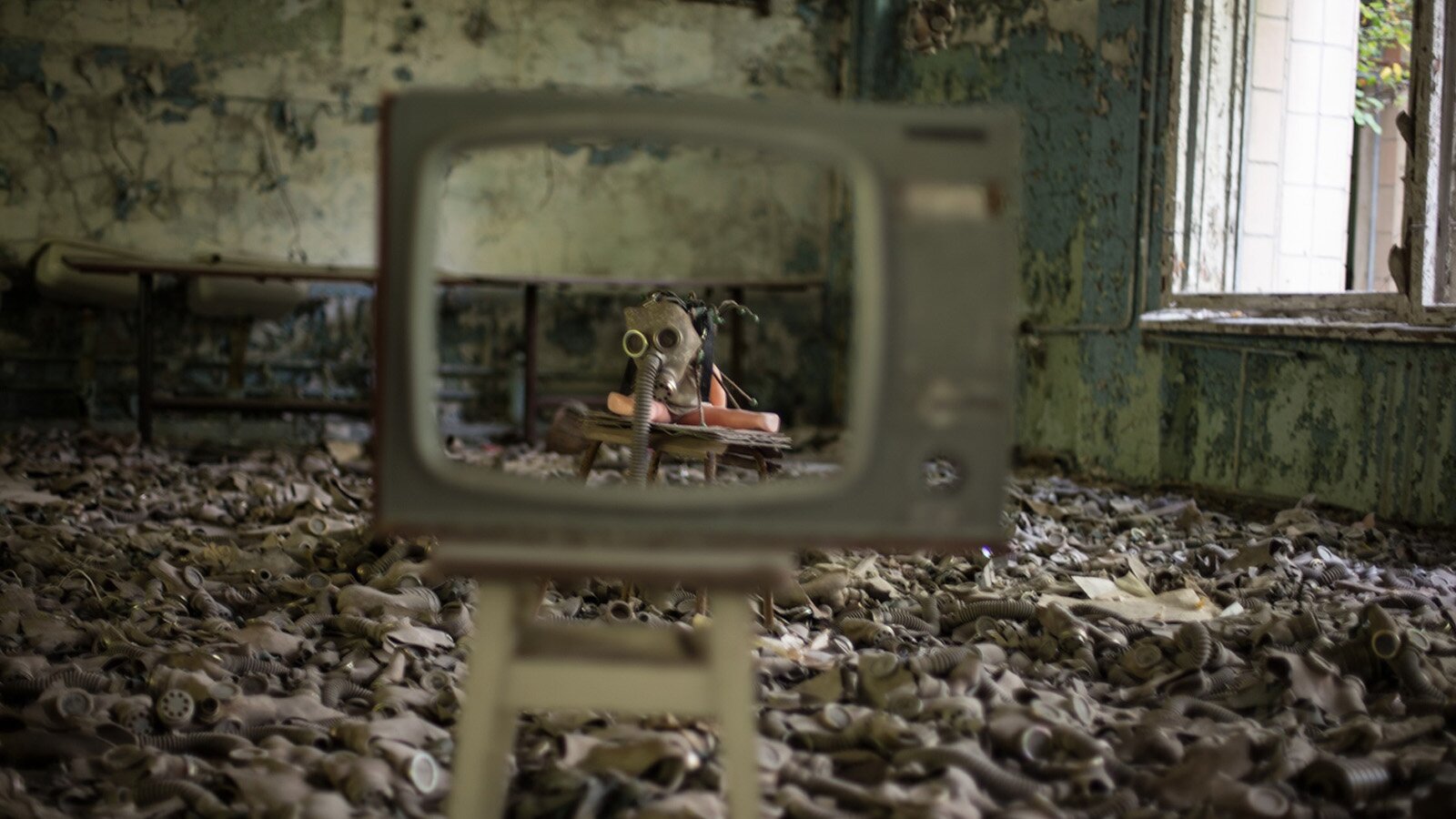
The picture below shows a room in an abandoned building of a nuclear power plant, with a doll wearing a gas mask symbolising danger still lurking around. In this section, you are going to read a text introducing you to the idea of atomic tourism. Before you read it, think: would you dare to visit a place like this? Why? Why not?
Poniższe zdjęcie pokazuje pomieszczenie w opuszczonym budynku elektrowni nuklearnej; widać na nim lalkę w masce gazowej symbolizującą wciąż obecne tam zagrożenie. W tej sekcji przeczytasz tekst objaśniający ideę turystyki atomowej. Zanim się z nim zapoznasz, zastanów się: czy odważyłbyś się/ odważyłabyś się odwiedzić takie miejsce? Dlaczego? Dlaczego nie?
Read the text and see if atomic tourism could be your thing.
Nuclear InterestsAtomic tourismAtomic tourism, also called nuclear tourismnuclear tourism, is quite a new phenomenon, gaining more and more popularity. People interested in this form of leisure want to learn something more about the Atomic AgeAtomic Age, so they travel to sites where atomic weaponsatomic weapons were detonated or where you can see missiles silosmissiles silos, and visit museums dedicated to nuclear warfarenuclear warfare. While you can go to the beach or other places any time you want, the places connected to nuclear zonesnuclear zones, especially those in the USA, usually allow tours only once a year, adding to the secrecy and mystery of the Atomic Age. Still, thousands of tourists travel long distances to see these remote nuclear wastelands.
One of the most popular destinations is Chernobyl – the site of the worst nuclear disasternuclear disaster in human history, which happened on 26th April, 1986, when one of the reactors of the Soviet nuclear power plant exploded. In 2011, the Ukrainian government deemeddeemed the location safe and opened it to tourists, allowing them to tour the ghost town of Pripyat, feed catfish in the nuclear plant’s cooling pond, and view the sarcophagussarcophagus built over the plant.
The United States has a lot of places interesting for an atomic tourist. Oak Ridge in Tennessee, which was home to uranium enrichment power plantsuranium enrichment power plants producing atomic bombs, is one of the three secret cities chosen for the Manhattan ProjectManhattan Project during World War II. Hanford nuclear reservation, the United States’ most contaminatedcontaminated nuclear site, allows visitors to tour the B reactor, which featuresfeatures exhibits on the lives of people who helped build the bomb. The Trinity Site in New Mexico is another unique site, as it is where the first atomic bomb was tested. Bikini Atoll, where the first tests of nuclear weapons were carried out, was at some point a very popular diving spot.
Then there is Hiroshima in Japan, the first city to be destroyed by a nuclear weapon during World War II, killing 30% of its population. Today the Hiroshima Peace Memorial, with its characteristic domedome, is a United Nations World Heritage Site and serves as a reminderreminder of the devastation that the bomb caused. Finally, Fukushima, also in Japan, is the most recent location of a nuclear accident caused by a 15‑metre tsunami which followed a massive earthquake, disabling the cooling system of the nuclear plant’s reactors. Currently, only small scale tours, mostly private, are organised around the accessible areas.
There are some concerns as to whether sites like Chernobyl or Fukushima are safe enough for tourists. According to experts, radiationradiation levels inside the exclusion zoneexclusion zone vary widely from location to location and even though they are said to be low (similar to those on a trans‑Atlantic flight), visitors are advised to be educated about the risk and cautiouscautious, and not to touch or disturb anything without wearing a mask and gloves, as there is still radioactive dustradioactive dust coating many objects there. Generally, these places can be safe, but it depends on how people behave.
While it is true that atomic tourism offers a truly unique vacation experience, it is also controversial, especially when tourists visit the sites of nuclear catastrophes, such as Fukushima, where thousands of people died. On the one hand, it is good that such places regain some functionality, but on the other, should we turn them into tourist trapstourist traps just for the sake of revitalising the economy there?
Źródło: Agnieszka Sękiewicz‑Magoń, licencja: CC BY-SA 3.0.
a) they are located far away.
b) not much is known about them.
c) they are accessible for tours during a limited time only.
2. What activities are tourists allowed to do in Chernobyl?
a) Sightseeing in the nearby town.
b) Feeding cats.
c) Cooling down in a pond.
3. Where in the United States is there the most nuclear pollution?
a) Oak Ridge.
b) Trinity Site.
c) Hanford Reservation.
4. Why is visiting sites like Chernobyl potentially hazardous?
a) Because of the radiation levels.
b) Because of the dust there.
c) Because of a long flight across the Atlantic.
5. What is the main purpose of the text?
a) To warn the readers against the consequences of the use of nuclear weapons.
b) To explain what a new type of tourism involves.
c) To encourage the readers to visit the described sites.
Answer the question in 2–3 sentences.
Have you heard of atomic tourism before? Which information surprised you the most and why?
Would you like to visit any of the sites mentioned? Why? Why not?
What do you personally think of the idea of nuclear tourism?
Słownik
/ əˌtɒmɪk ˈeɪdʒ /
epoka atomowa, era atomowa (a period in history after the detonation of the first nuclear weapon when nuclear technology was developed)
/ əˌtɒmɪk ˈtʊərɪzəm /
turystyka atomowa (a recent form of tourism in which people learn about the Atomic Age by travelling to significant sites in atomic history)
/ əˌtɒmɪk ˈwepənz / / əˌtɒmɪk ˈwepən /
broń atomowa (a weapon in which energy is provided by nuclear fission)
/ ˈkɔːʃəs /
ostrożny/ostrożna (showing or having caution; wary; prudent)
/ kənˈtæmɪneɪtɪd / / kənˈtæmɪneɪt /
skażony/skażona, zanieczyszczony/zanieczyszczona [skazić, zanieczyścić] (made impure by the addition of a harmful or undesirable substance)
/ diːmd / / diːm /
uznał [uznać] (to judge or consider)
/ dəʊm /
kopuła (a round roof)
/ ɪkˈskluːʒn̩ ˈzəʊn /
strefa zamknięta (an area where people are not allowed to go or where they are not allowed to do a particular thing, for example because it would be dangerous)
/ ˈfiːtʃəz / / ˈfiːtʃə /
zawiera, prezentuje [zawierać, prezentować] (to have as a feature or make a feature of)
/ mænˈhætn̩ ˈprɒdʒekt /
Projekt Manhattan (American top‑secret research project whose aim was to develop a functional atomic bomb)
/ ˈmɪsaɪlz ˈsaɪləʊz / / ˈmɪsaɪlz ˈsaɪləʊ /
silosy z pociskami rakietowymi [silos z pociskami rakietowymi] (a vertical cylindrical structure constructed underground, for the storage and launching of missiles)
/ ˈnjuːklɪə dɪˈzɑːstə /
katastrofa nuklearna (a very bad accident involving, e.g. a nuclear power plant)
/ ˈnjuːklɪə ˈtʊərɪzəm /
turystyka nuklearna (travel to places connected with nuclear research and technology, places where there have been atomic explosions, or places related to peaceful or wartime use of nuclear energy)
/ ˈnjuːklɪə ˈwɔːfeə /
wojna jądrowa (a war in which nuclear weapons are used)
/ ˈnjuːklɪə ˈzəʊnz / / ˈnjuːklɪə ˈzəʊn /
strefy nuklearne [strefa nuklearna] (an area connected to the use of nuclear energy or weapons)
/ ˌreɪdɪˈeɪʃn̩ /
promieniowanie (energy, especially heat, that comes from a particular source)
/ ˌreɪdɪəʊˈæktɪv dʌst /
pył radioaktywny (the radioactive particles that settle to the ground after a nuclear explosion)
/ rɪˈmaɪndə /
przypomnienie (something that recalls the past)
/ sɑːˈkɒfəɡəs /
sarkofag (here: a concrete dome built over the plant)
/ ˈtʊərɪst ˈtræps / / ˈtʊərɪst ˈtræp /
pułapki turystyczne [pułapka turystyczna] (a place that attracts and exploits tourists by charging them high prices)
/ jʊˈreɪnɪəm ɪnˈrɪtʃmənt paʊə plɑːnts / / jʊˈreɪnɪəm ɪnˈrɪtʃmənt paʊə plɑːnt /
elektrownie działające na bazie wzbogaconego uranu [elektrownia działająca na bazie wzbogaconego uranu] (a power plant using enriched uranium as fuel to produce energy)