Przeczytaj
The world is full of different professions. Some of them are extremely popular while the others not so much. A good example of the latter are horse whisperers. Have you ever heard of this occupation? Can you tell what a horse whisperer does? The chances are that you can’t, but don’t worry! The text in this section will help you familiarise yourself with this elusive profession.
Świat jest pełen różnych zawodów. Niektóre z nich cieszą się ogromną popularnością, a inne niekoniecznie. Do tych ostatnich należy profesja zaklinacza koni. Czy słyszałeś/słyszałaś kiedyś o tym zawodzie? Potrafisz powiedzieć, co robi zaklinacz lub zaklinaczka koni? Być może nie, ale nie martw się! Tekst w tej sekcji pomoże ci zapoznać się z tym wymykającym się jednoznacznej klasyfikacji zawodem.
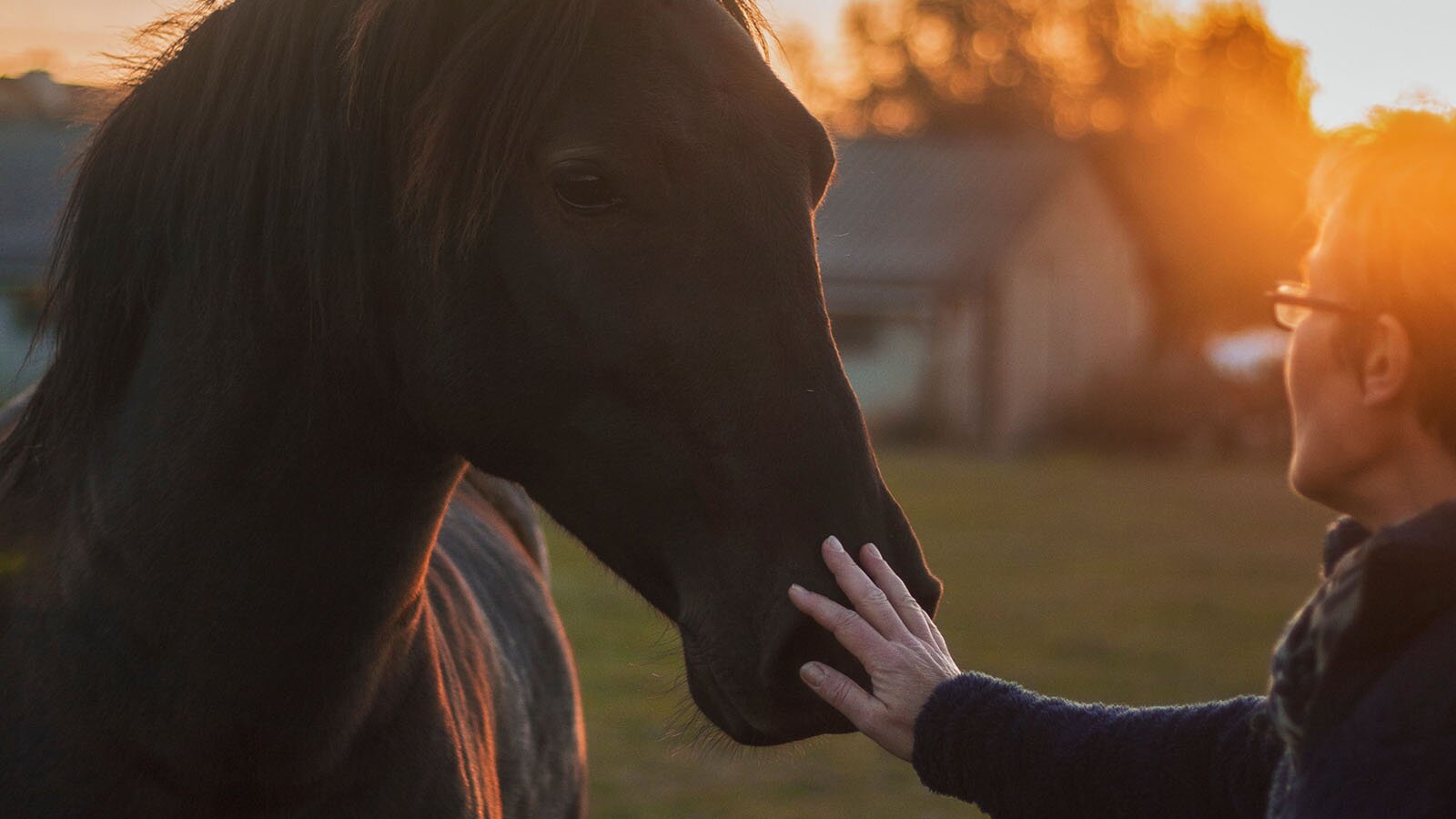
Read the text about the profession of horse whisperer and then do the tasks.
Horse WhisperersHorse whispering sounds like something straight out ofstraight out of a fantasy film, but it’s in fact quite mundanequite mundane. Horse whisperersHorse whisperers are nothing more than horse trainers who’ve masteredmastered a specific type of communication with those fascinating animals. As a horse whisperer, I’m more than happy to explain my profession to you.
In the wildIn the wild, horses use body languagebody language to interact with each other. As such, very observantobservant people can tell how the horses feel just by their actions. Unlike humans, they hardly ever rely on sounds and instead, use the equivalent ofequivalent of human gestures or posturespostures to show their emotions. For example, did you know that horse’s ears can tell a whole story? The way they move or the direction in which they point show a horse whisperer how the horse feels and thus, how to approach it.
When I was starting my career, I saddledsaddled a horse and saw him move his ears backward a few times. I remember thinking “he insisted he was willing to work with me!” Then, a more experienced trainer approached us, pointed at the horse, and said “He asked you to pay attention to his condition.” As it turned out, the horse was in a bit of pain and the non‑verbal cues were very subtle and similar to another emotion!
Following those signssigns makes training and working with horses much easier. They are intelligent animals who recognise when someone tries to communicate with them. At the same time, however, they strongly rely on their instincts, especially the herdherd instinct, so being aware of that helps too. Horse whisperers use their knowledge to build trust and later bond withbond with an animal. Their approachapproach is calm, gentlegentle, and respectful. Instead of “breaking” the horsebreaking” the horse to make it submitmake it submit, they try to make it feel understood.
When are the horse whisperers the most useful? Usually in a situation where a horse has behavioural issuesbehavioural issues and needs specific adjustmentsspecific adjustments. A horse whisperer can identify the problemidentify the problem and fix it. Furthermore, horse whisperers are great trainers of young horses. They can teach them how to work under a saddlesaddle. Horse owners who are having issues with their mountsmounts or simply want to strengthenstrengthen the bond between themselves and their animals greatly appreciate horse whisperers. That’s because even small issues may lead to distrustdistrust and limitlimit what one can do with their horse.
One time, a ranch ownerranch owner begged me to do something about his beloved stallionstallion. Apparently, he stopped listening to commandscommands and refused to ride at all. I asked the owner to give me some time with the mount. I knew I could make him willing to work again and you know what? I did! He just needed a few whispering sessions to let go oflet go of his distrust.
As you can see, horse whisperers are useful to have around!
Źródło: Zuzanna Kościuk, licencja: CC BY-SA 3.0.
2. Unlike people, horses rely on such non-verbal cues as 1. makes them submit, 2. specific adjustments, 3. body language, 4. signals, 5. commands, 6. limits, 7. behavioural issues, 8. postures instead of using sounds to communicate.
3. Horse whisperers are against breaking horses because the process 1. makes them submit, 2. specific adjustments, 3. body language, 4. signals, 5. commands, 6. limits, 7. behavioural issues, 8. postures instead of making them bond with the trainer.
4. Horses with 1. makes them submit, 2. specific adjustments, 3. body language, 4. signals, 5. commands, 6. limits, 7. behavioural issues, 8. postures can greatly benefit from working with horse whisperers.
5. When a horse doesn’t trust you, it greatly 1. makes them submit, 2. specific adjustments, 3. body language, 4. signals, 5. commands, 6. limits, 7. behavioural issues, 8. postures what you can do with it.
6. Horse whisperers make the horses follow 1. makes them submit, 2. specific adjustments, 3. body language, 4. signals, 5. commands, 6. limits, 7. behavioural issues, 8. postures without making them submissive.
Who are horse whisperers and what do they do? Share what you’ve just learnt in your own words using 4–5 sentences.
He asked me not to open hismy door.
2. “At the moment, stay here,” she said to us.
He told us to stay herethere at that moment.
3. “Don’t try this at home,” he told the group.
He told the group not to try thisthat at home.
4. “Come to my movie night,” she said to me.
She insisted on me coming to hermy movie night.
5 “Come to the training next week,” my coach told me.
My coach instructed me to come to the training the following weeknext week.
6. “Open the door right now,” she told him.
She ordered him to open the door right nowimmediately.
Słownik
/ əˈprəʊtʃ /
podejście do czegoś
/ bɪˈheɪvjərəl ˈɪʃuːz / / bɪˈheɪvjərəl ˈɪʃuː /
problemy behawioralne [problem behawioralny] (an issue with one’s behaviour)
/ ˈbɒdi ˈlæŋɡwɪdʒ /
język ciała (the conscious and unconscious movements and postures by which attitudes and feelings are communicated)
/ ˈbɒnd wɪð ˈsʌmbədi /
nawiązać z kimś więź, stworzyć z kimś silną więź
/ ˈbreɪkɪŋ ðə hɔːs / / ˈbreɪk ə hɔːs /
ujeździć (make the horse let itself be ridden)
/ kəˈmɑːndz / / kəˈmɑːnd /
polecenia [polecenie]
/ dɪsˈtrʌst /
brak zaufania
/ ɪˈkwɪvələnt ɒv /
odpowiednik (czegoś)
/ ˈdʒentl̩ /
delikatny/delikatna
/ hɜːd /
stado (a large group of animals, especially hoofed mammals, that live together or are kept together as livestock)
/ hɔ:s ˈwɪspərəz / / hɔ:s ˈwɪspərə /
zaklinacze koni [zaklinacz/zaklinaczka koni]
/ hɔ:s ˈwɪspərɪŋ /
zaklinanie koni
/ aɪˈdentɪfaɪ ðə ˈprɒbləm /
rozpoznać problem
/ ɪn ðə waɪld /
na wolności, w naturalnym środowisku
/ ˈlet ˈɡəʊ əv ˈsʌmthetaɪŋ /
pozbyć się czegoś, odpuścić
/ ˈlɪmɪt /
ograniczyć
/ ˈmeɪk ˈɪt səbˈmɪt / / ˈmeɪk wʌn səbˈmɪt /
sprawić, że się podporządkuje [sprawić, że ktoś się podporządkuje]
/ ˈmɑːstəd / / ˈmɑːstə /
opanował/opanowała [opanować] (wiedzę)
/ maʊnts / / maʊnt /
wierzchowce, konie [wierzchowiec, koń]
/ ˌnɒn ˈvɜːbl̩ kjuːz / / ˌnɒn ˈvɜːbl̩ kjuː /
wskazówki niewerbalne [wskazówka niewerbalna] (bez użycia słów)
/ əbˈzɜːvənt /
tu: spostrzegawczy/spostrzegawcza
/ ˈpɒstʃəz / / ˈpɒstʃə /
postawy [postawa]
/ rɑːntʃ ˈəʊnə /
właściciel/właścicielka rancza
/ kwaɪt mʌnˈdeɪn /
całkiem przyziemne
/ ˈsædl̩ /
siodło (a seat fastened on the back of a horse or other animal for riding, typically made of leather and raised at the front and rear)
/ ˈsædl̩d / / ˈsædl̩ /
dosiadłem/dosiadłam konia [dosiąść konia]
/ saɪnz / / saɪn /
sygnały [sygnał]
/ spəˈsɪfɪk əˈdʒʌstmənts / / spəˈsɪfɪk əˈdʒʌstmənt /
określone drobne zmiany [określona drobna zmiana]
/ ˈstælɪən /
ogier (an uncastrated adult male horse)
/ streɪt aʊt ɒv /
prosto z (czegoś)
/ ˈstreŋthetan̩ /
umacniać
Źródło: GroMar Sp. z o.o., licencja: CC BY‑SA 3.0