Przeczytaj
Apart from other renewable energy sources, the power of rivers and seas can help to limit the use of fossil fuels and make our planet cleaner. You’re going to read a text about how water energy is used to produce electricity.
Poza innymi odnawialnymi źródłami energii, siła rzek i mórz może pomóc w ograniczeniu zużycia paliw kopalnych i tym samym zmniejszyć zanieczyszczenie naszej planety. Przeczytasz tekst o tym, w jaki sposób energia pochodząca z wody jest wykorzystywana do produkcji energii elektrycznej.
Match the words with their translations.
Drag the words to match them with pictures.
Get familiar with the text about different ways people produce electricity with the power of moving water. Then, do the exercises.
The Energy of WaterThe energy of moving watermoving water is one of the oldest sources of power used by humans. Archaeological discoveries prove that water millswater mills were already built by ancient Greeks and Romans to grindgrind grain. In addition to this, water energy was used to sharpensharpen tools, cut wood in sawmillssawmills, crush rocks, and even produce paper.
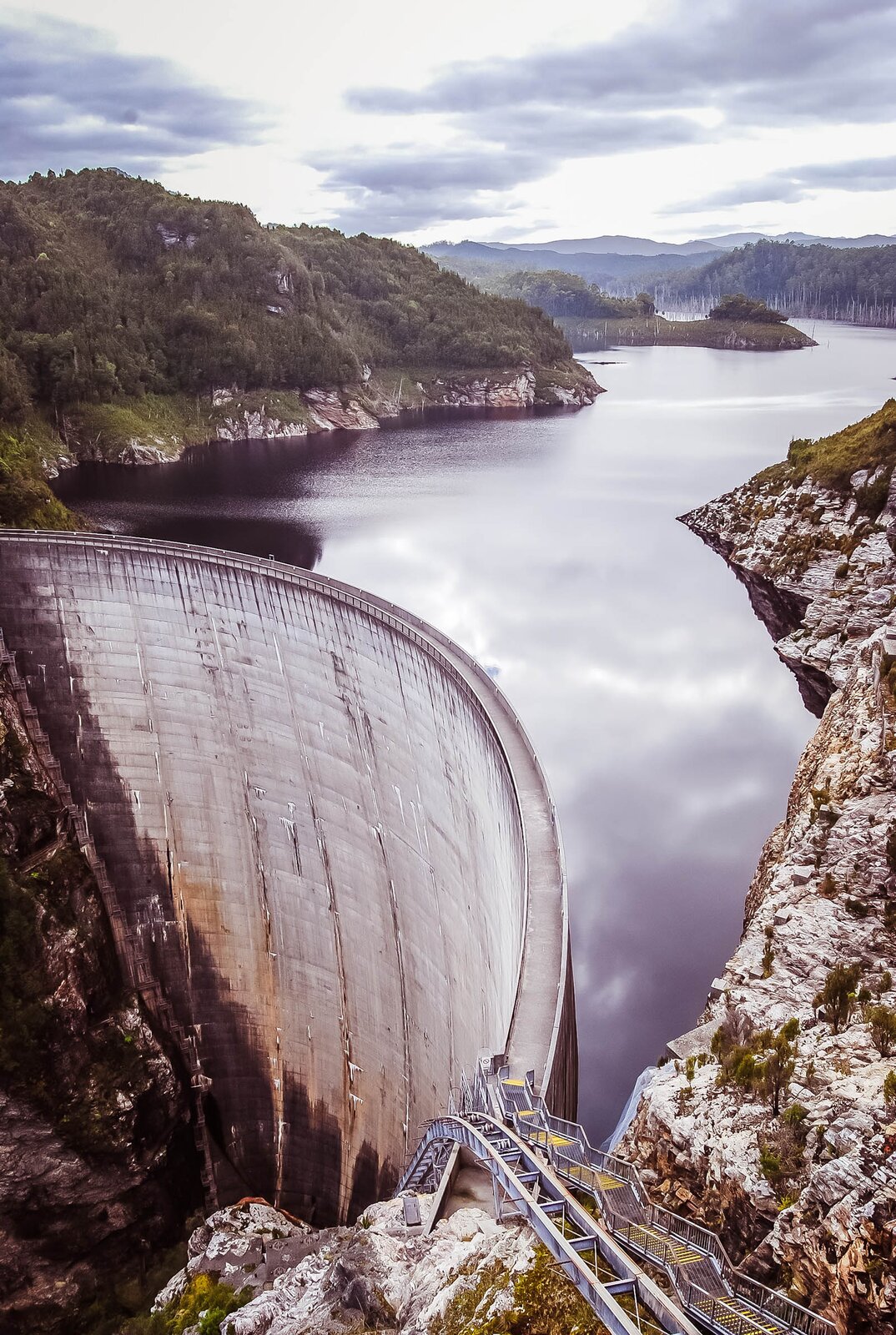
Contemporary times have brought new ways people can utiliseutilise hydropowerhydropower. One of the most popular constructions powered by water are water power plantswater power plants. Around 70% of all the renewable electricity generated on Earth is hydroelectricityhydroelectricity. Hydroelectric power plantsHydroelectric power plants are usually placed near rivers or waterfalls. River currentscurrents push and turn turbinesturbines which generate electricity. To make the run of riversrun of rivers strong enough, people slow them down by building damsdams, which stop part of the river water from flowing. The water gets very deep and floods the area around, creating a lake. The largest hydroelectric power plant is at The Three Gorges Dam in China, which holds backholds back the Yangtze River. It is 2,335 metres long and 185 metres tall, and has enough generatorsgenerators to produce 22,500 megawattsmegawatts of power. However, many scientists argue that building the dam had a very negative influenceinfluence on local ecosystemslocal ecosystems and contributedcontributed to water shortageswater shortages in many towns and cities. Also, after the building of the dam was finished, water flooded many villages forcing residents to move away.
Ocean tidestides are another great source of water energy that we could start using to produce electricity. Tides are movements of sea water caused by the gravity of Earth and the Moon. They happen regularly and reach great heights in some parts of the world. The largest working tidal power stationtidal power station is Sihwa Lake in South Korea, but building such facilities is still at an experimental stage in most other countries, and it is very expensive. Another disadvantage is that ocean tides only happen twice per day, so these power plants cannot produce electricity continuously.
In addition to that, there are water power plants which turn the energy of sea waves into electricity. Wave power plantsWave power plants are not very popular yet, but a few experimental installations exist in different parts of the world. The technology seems very promising because, unlike ocean tides, sea waves occur all the time, so wave power stations can produce electricity continuously. We shall have to wait some time to see if they become a more popular source of energy.
Źródło: Marcin Legeżyński, licencja: CC BY-SA 3.0.
Study the text and choose the correct answer.
a) are a popular way to use the power of water nowadays.
b) were used to produce food in the past.
c) are too expensive to build nowadays.
2. Building dams
a) seems to have both pros and cons.
b) definitely helps the environment.
c) was popular among ancient Greeks and Romans.
3. Critics of hydroelectricity
a) complain of the cost related to building the facilities.
b) say that it might lead to lack of water.
c) favour the use of fossil fuels.
4. Tidal power stations
a) make use of the energy of rivers.
b) are very common all over the world.
c) are powered by gravity.
5. Wave power stations
a) cannot generate power continuously.
b) may become popular in the future.
c) use dams to produce hydroelectric power.
Analyse the text again and decide if the following sentences are true or false.
2. The largest river dam is situated in South Korea. TRUEFALSE
3. Building dams may have a negative effect on wildlife. TRUEFALSE
4. Tides are movements of water in seas and oceans. TRUEFALSE
5. Currently, there aren’t many wave power plants in use. TRUEFALSE
Study the text above again and imagine you are writing a fact sheet about hydroelectricity for the school newspaper. Describe the advantages of hydro energy and explain basic facts related to it. Write 6‑7 sentences.
Słownik
/ ədˈvɑːntɪdʒɪz / / ədˈvɑːntɪdʒ /
zalety [zaleta]
/ kəˈtæstrəfɪz / / kəˈtæstrəfi /
katastrofy [katastrofa]
/ kənˈtrɪbjuːtɪd / / kənˈtrɪbjuːt /
przyczyniło się [przyczyniać się]
/ kənˈvɜːʃn̩ /
przemiana
/ ˈkʌrənts / / ˈkʌrənt /
prądy (tu: rzeczne) [prąd (tu: rzeczny)] (the movement of water in a river or sea)
/ dæmz / / dæm /
zapory [zapora]
/ dɪˈpend ɒn /
zależą od [zależeć od]
/ flʌd kənˈtrəʊl /
kontrola przeciwpowodziowa
/ fləʊ /
przepływ
/ ˈfri: əv ˈkɑ:bən ˈfʊtprɪnt /
wolne od śladu węglowego
/ ˈdʒenəreɪtəz / / ˈdʒenəreɪtə /
generatory [generator] (a machine for producing electricity)
/ ˌɡrævɪˈteɪʃn̩əl fɔːs /
siła grawitacji
/ ɡraɪnd /
mielić
/ ˈhɑːmfəl ˈɡæsɪz ənd fjuːmz /
szkodliwe gazy i spaliny
/ həʊldz ˈbæk / / ˈhəʊld ˈbæk /
wstrzymuje [wstrzymywać]
/ ˈhaɪdrəʊ plɑːnts / / ˈhaɪdrəʊ plɑːnt /
elektrownie wodne [elektrownia wodna]
/ ˌhaɪdrəʊɪˈlektrɪk paʊə plɑːnts / / ˌhaɪdrəʊɪˈlektrɪk paʊə plɑːnt /
hydroelektrownie, elektrownie wodne, elektrownie produkujące prąd elektryczny z wykorzystaniem energii spadku wody [hydroelektrownia, elektrownia wodna] (power plants producing electricity using the energy of falling water)
/ ˌhaɪdrəʊɪˈlektrɪk /
energia elektryczna z elektrowni wodnych (electricity that is produced by the force of fast‑moving water such as a river)
/ ˈhaɪdroˌpɑːwr /
energia z elektrowni wodnych (renewable source of energy that generates power by means of a dam)
/ ˈɪnflʊəns /
wpływ
/ ɪˈnɪʃl̩ ˌbɪldɪŋ kɒst /
początkowy koszt budowy
/ lɑːst fəˈrevə /
trwać na zawsze
/ ˈləʊkl̩ ˈiːkəʊsɪstəmz / / ˈləʊkl̩ ˈiːkəʊsɪstəm /
lokalne ekosystemy [lokalny ekosystem]
/ mɪˈkænɪkl̩ ˈenədʒi /
energia mechaniczna
/ ˈmeɡəwɒts / / ˈmeɡəwɒt /
megawaty [megawat]
/ ˈmuːvɪŋ ˈwɔːtə /
płynąca woda
/ ˈneɡətɪv ɪmˈpækt /
zgubny, negatywny wpływ
/ reɪz ðə levl əv ˈwɔːtə /
podnieść poziom wody
/ rɪˈlaɪəbl̩ /
stabilne, niezawodne, wiarygodne
/ ˈrɪvəsaɪd kəˈmjuːnɪtɪz / / ˈrɪvəsaɪd kəˈmjuːnɪti /
społeczności nadrzeczne [społeczność nadrzeczna]
/ ˈrəʊtəz / / ˈrəʊtə /
wirniki [wirnik]
/ ˈrʌn əv ˈrɪvəz / / ˈrʌn əv ˈrɪvə /
przepływ wody w rzekach [przepływ wody w rzece]
/ ˈsɔːmɪlz / / ˈsɔːmɪl /
tartaki [tartak]
/ ˈʃɑːpən /
ostrzyć
/ spɪnz / / spɪn /
wiruje [wirować]
/ ˈthetaretn̩ ðə laɪvz /
zagrażać życiu
/ ˈtaɪdl̩ paʊə steɪʃn /
elektrownia pływowa (a station where power is generated by the natural rise and fall of ocean tides)
/ taɪdz / / taɪd /
pływy morskie [pływ morski]
/ ˈtɜːbaɪnz / / ˈtɜːbaɪn /
turbiny [turbina]
/ ˈjuːtɪlaɪz /
wykorzystywać
/ ˈwɔ:tə mɪlz / / ˈwɔ:tə mɪl /
młyny wodne [młyn wodny]
/ ˈwɔ:tə paʊə plɑːnts / / ˈwɔ:tə paʊə plɑːnt /
elektrownie wodne [elektrownia wodna, elektrownia, która wykorzystuje wodę zgromadzoną w zaporach, a także płynącą w rzekach do wytwarzania energii elektrycznej] (a power station that uses water stored in dams as well as flowing in rivers to generate hydroelectric power)
/ ˈwɔ:tə ˈʃɔːtɪdʒɪz / / ˈwɔ:tə ˈʃɔːtɪdʒ /
niedobory wody [niedobór wody]
/ ˈwɔ:tə səplaɪ /
zasób wody
/ weɪv paʊə plɑːnts / / weɪv paʊə plɑːnt /
elektrownie falowe [elektrownia falowa, elektrownia maremotoryczna, w której energia elektryczna wytwarzana jest przez wykorzystanie ruchu fal morskich lub oceanicznych w górę i w dół] (a power station, also known as ocean wave energy, whose electricity is generated by harnessing the upward and downward movement of ocean waves)
/ ˈwaɪldlaɪf ˈhæbɪtæts / / ˈwaɪldlaɪf ˈhæbɪtæt /
siedliska dzikich roślin i zwierząt [siedlisko dzikich roślin i zwierząt]
Źródło: GroMar Sp. z o.o., licencja: CC BY‑SA 3.0