Przeczytaj
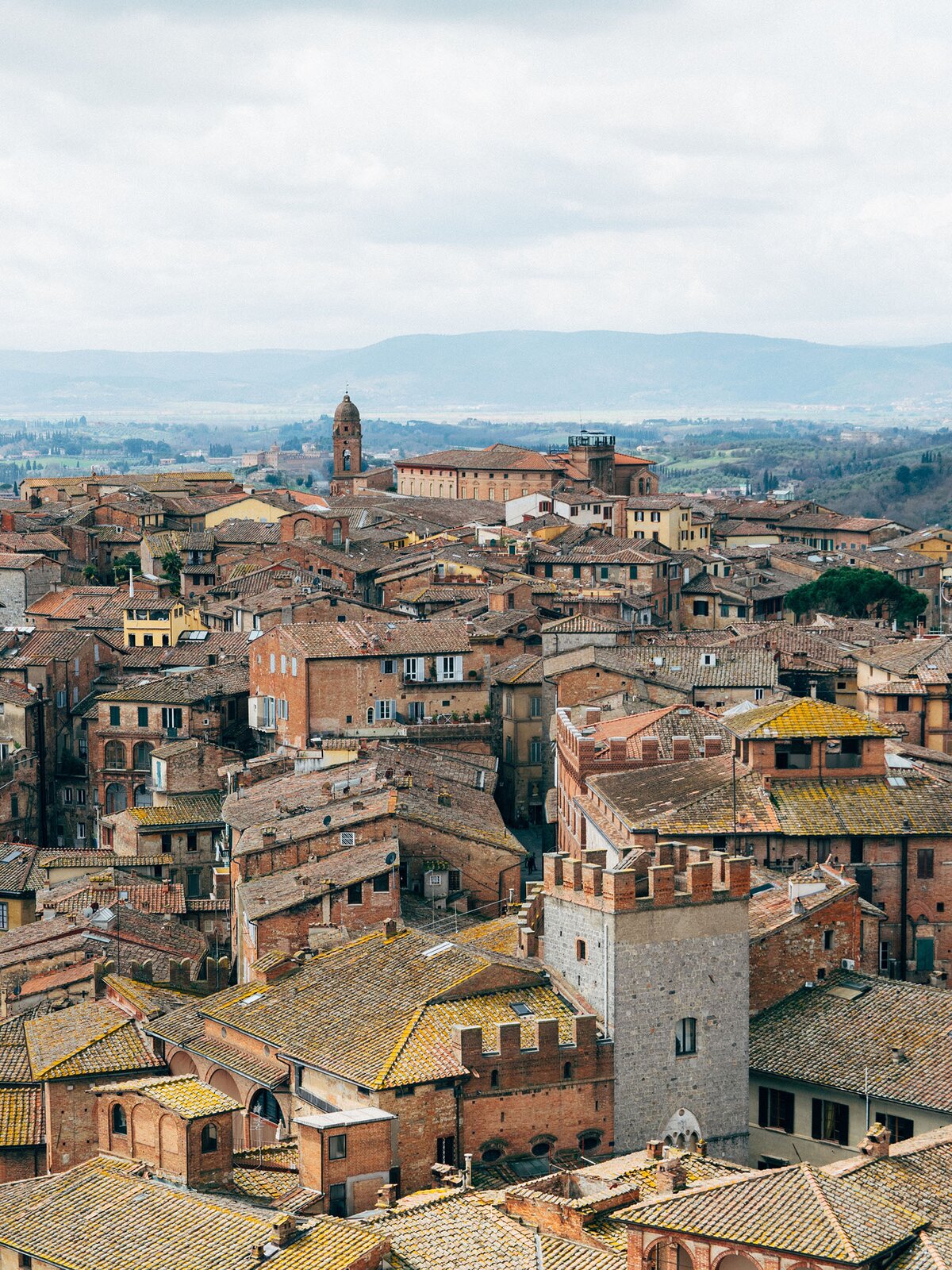
The picture below shows a variety of historic houses with unique architectural styles. However, humans have not always lived in such houses. Our civilisation has significantly progressed since prehistoric times and with it, so has our housing. In this section you will read an article on the history of houses and their evolution through time. Before you read it, think: what types of houses do you know, and how have our houses changed over time since prehistory?
Poniższa ilustracja przedstawia przeróżne historyczne domostwa reprezentujące unikalne style architektoniczne. Ludzie nie zawsze mieszkali w takich domach. Wraz z dynamicznym postępem cywilizacyjnym kształt ludzkich siedzib zmieniał się nieraz diametralnie. W tej sekcji przeczytasz artykuł na temat historii domów i ich ewolucji na przestrzeni wieków. Zanim zaczniesz lekturę, zastanów się: jakie znasz typy domostw i jak według ciebie zmieniły się one od czasów prehistorycznych?
Read the text and do the exercise(s) below.
The Evolution of HousesWe’ve come a long waycome a long way in terms of where we live. The houses we live in now, urban blocks of flats, are relatively modern and have been around for only a century or so. The human race did not have houses at the beginning at all, at least not in the modern sense of the word. Early humans were nomadicnomadic hunter‑gatherershunter‑gatherers. They didn’t have permanent places to live, because they had to be on the move constantly in pursuit of prey and new places to forage. They built simple, temporary shelterstemporary shelters using the materials they had at hand, for example, wood or leaves. We still find such practices among nomadic tribes such as the African Bushmen.
Caves were also frequently used as human dwellingsdwellings, because they were available and did not require any construction. There is a great amount of archeological evidencearcheological evidence of people living in caves as early as 46,000 years ago, for example, the extraordinary cave art in places like Altamira in Spain or Lascaux in France. Usually, people wouldn’t live in such places permanently, but treated them as temporary shelters.
Later in history, as civilisation advanced and people specialised in certain skills like hunting, fishing, or raising animals, they started building episodicepisodic or periodicperiodic dwellings, such as tentstents or yurtsyurts. These houses could be moved easily once the animals needed to relocate, or once the tribe was moving onto a new territory. It was also easy to abandonabandon such dwellings in case of danger. Archaeological evidence clearly shows examples of entire villages being left behind once the tribe had been threatened or had decided it was time to leave.
When did humankind decide to settle downsettle down? It happened during the period which started about 4500 BC. It was the time when we invented agricultureagriculture, and this brought aboutbrought about a great civilisational revolution called the NeolithicNeolithic. It was then that we no longer had to travel to find food and means of subsistencemeans of subsistence. Instead, we were able to settle on a patch of landpatch of land and tend to the crops. It was then that humans started to build permanent housing. Initially, houses had been made from simple materials such as mudmud and strawstraw. Later, around 4000 BC, we started using bricks. The first ones had been air‑dried. Then, we learned how to fire the clayfire the clay to make it hard. It’s about that time that the processes of urbanisation began, as the earliest cities date roughly to 4000 BC. New inventions allowed for the construction of palaces, castles, and vastvast defensivedefensive structures like city wallscity walls.
Talking about developments in technology, we must mention concrete. The first recorded use of concrete structures dates to about 1300 BC. The ancient Greeks and Romans used it frequently, but it wasn’t the same concrete we use today. It consisted of crushed limestonelimestone and sometimes of volcanic ashvolcanic ash. What is fascinating is that, with a few isolated exceptions, concrete went out of use then for around 1,400 years, after the fall of the Roman empire in 476 AD. It returned and was used again on a great scale again only because researchers of the past had found ancient manuscripts that described the technique. So concrete wasn’t really used much in the mediaeval times at all. Modern cement was invented at the beginning of the 19th century, in 1824.
Industrialisation caused another huge revolution. It brought densely‑populateddensely‑populated blocks of flats, as people were migrating to cities on a mass scale in search of work in factories. That’s how we came to live in tiny studio apartmentsstudio apartments.
What’s the future of housing? Modern times exhibit an unprecedentedunprecedented proliferationproliferation of the types of houses: elaborate glass skyscrapers, automated smart‑homes, 3d‑printed houses3d‑printed houses. With the advent of the AnthropoceneAnthropocene we have seen a multitudemultitude of materials, forms, and designs. We’ve really come a long way from the caves!
Źródło: Anna Posyniak‑Dutka, Tomasz Wiśniewski, licencja: CC BY-SA 3.0.
a) are mostly about 100 years old.
b) have been used as dwellings for a bit more than 100 years.
c) were first designed as a form of dwelling slightly less than 100 years ago.
2. Early humans did not have permanent dwellings, because
a) they moved from place to place looking for food.
b) they didn’t have appropriate materials to build them.
c) they continued a tradition of African Bushmen.
3. People started constructing periodic dwellings such as tents and yurts
a) when they decided they couldn’t live in caves permanently.
b) when they often abandoned their villages.
c) when they became more skilled at keeping animals.
4. Soon after agriculture became part of humankind’s life
a) people swapped seeking food for growing it.
b) people started buying pieces of land to settle on them.
c) people initiated a civilisational revolution.
5. This sentence is true about building materials:
a) bricks were used later than concrete.
b) mud and straw were used for producing early forms of concrete.
c) out of bricks, concrete, and cement, the last one is the most modern invention.
6. Small flats in large blocks of flats were brought about with
a) the development of industry.
b) the invention of cement.
c) the beginning of the Anthropocene.
Type your answers to the questions below. Write 2‑3 sentences in each case.
Based on the text, explain why at the beginning people did not have houses.
What change made people build the first periodic dwellings?
Using the information from the text, summarise the history of concrete.
Using the ideas from this unit, write a 130‑180 word blog entry on what you think had the greatest impact on the houses we live in. Try to include a variety of past grammatical structures. Remember to:
greet the audience and get them involved;
introduce the topic;
give some facts about the evolution of housing;
make a decision on which fact you find most interesting and why.
Słownik
/ thetari:ˈdi: ˈprɪntɪd ˈhaʊzɪz / / thetari:ˈdi: ˈprɪntɪd ˈhaʊs /
domy budowane metodą drukowania 3D [dom budowany metodą drukowania 3D]
/ əˈbændən /
opuścić, porzucić
/ ˈæɡrɪˌkʌltʃə /
rolnictwo
/ ˌeɪnʃənt ˈmænjʊskrɪpts / / ˌeɪnʃənt ˈmænjʊskrɪpt /
starożytne manuskrypty [starożytny manuskrypt]
/ ˈænthetarəpəsiːn /
antropocen (the current geological age, viewed as the period during which human activity has been the dominant influence on climate and the environment)
/ ˌɑːkiəˈlɒdʒɪkl̩ ˈevɪdəns /
dowody archeologiczne [dowód archeologiczny]
/ ˈblɒks əv flæts / / ˈblɒk əv flæts /
bloki mieszkaniowe [blok mieszkaniowy]
/ ˈbrɔːt əˈbaʊt / / brɪŋ əˈbaʊt /
spowodowali/spowodowały [spowodować] (to cause something to happen)
/ ˈkeɪv ɑːt /
sztuka naskalna
/ sɪˈment /
cement
/ ˈsɪti wɔːlz /
mury miejskie
/ ˈkʌm ə lɒŋ ˈweɪ /
przebyć daleką drogę
/ dɪˈfensɪv /
obronny/obronna
/ ˈdensli ˈpɒpjʊleɪtɪd /
gęsto zaludnione [gęsto zaludniony/zaludniona]
/ daɪˈrekts / / daɪˈrekt /
tu: dowodzić
/ ˈdwelɪŋz / / ˈdwelɪŋ /
siedliska, domy [siedlisko, dom] (a place of living, a house)
/ ˌepɪˈsɒdɪk /
tymczasowe [tymczasowy/tymczasowa]
/ faɪə ðə kleɪ /
wypalać glinę
/ ˈfɒrɪdʒ /
tu: szukać pożywienia
/ ˈgreɪzɪŋ ɡraʊndz / ˈgreɪzɪŋ ɡraʊnd /
pastwiska [pastwisko]
/ ˈhɜːdɪd / / hɜːd /
napędzał/napędzała [napędzać]
/ ˌhjuːmənˈkaɪnd /
rasa ludzka
/ ˈhʌntə ˈɡæðərəz / / ˈhʌntə ˈɡæðərə /
łowcy‑zbieracze [łowca‑zbieracz]
/ ɪnˌdʌstriəlaɪˈzeɪʃn /
uprzemysłowienie (the development of industries in a country or region on a wide scale)
/ ˈlaɪmstəʊn /
wapień
/ miːnz əv səbˈsɪstəns /
środki utrzymania (the means such as food and shelter, necessary to support life)
/ ˌmedɪˈiːvl̩ /
średniowieczne [średniowieczny/średniowieczna] (relating to the Middle Ages)
/ ˈmʌdbrɪk /
cegła z błota
/ mʌd /
błoto
/ ˈmʌltɪtjuːd /
bogactwo
/ ˌniːəˈlɪthetaɪk /
neolit (the later part of the Stone Age, marked by use of tools and early agricultural practices)
/ nəʊˈmædɪk /
nomadyczny/nomadyczna, wędrowny/wędrowna (moving from place to place, wandering)
/ ˈpælɪs /
pałac
/ ˈpɑːstərəl /
pasterskie [pasterki/pasterska]
/ ˈpætʃ əv lænd /
skrawku ziemi [skrawek ziemi]
/ ˌpɪərɪˈɒdɪk /
okresowe [okresowy/okresowa]
/ ˈpɜːmənənt ˈdwelɪŋz / / ˈpɜːmənənt ˈdwelɪŋ /
stałe schronienia [stałe schronienie]
/ preɪ /
ofiara łowna
/ prəˌlɪfəˈreɪʃn̩ /
proliferacja (rozprzestrzenianie)
/ pəˈsjuːt /
foreign lang='pl'>pogoń
/ ˈskaɪskreɪpə /
drapacz chmur
/ ˈsetl̩ daʊn /
osiedlić [osiedlać]
/ smɑːt həʊmz / / smɑːt həʊm /
inteligentne domy [inteligentny dom] (dom, w którym zastosowana jest technologia smart)
/ strɔː /
słoma
/ ˈstjuːdɪəʊ əˈpɑːtmənts / / ˈstjuːdɪəʊ əˈpɑːtmənt /
małe mieszkanie, kawalerka (a small apartment designed for one or two people, a studio flat)
/ ˈtemprəri ˈʃeltəz / / ˈtemprəri ˈʃeltə /
tymczasowe schronienia [tymczasowe schronienie]
/ tend tu ðə krɒps /
dbać o uprawy
/ tents / / tent /
namioty [namiot]
/ traɪbz / / traɪb /
plemiona [plemię]
/ ʌnˈpresɪdentɪd /
bezprecedensowy/bezprecedensowa (one that has never happened before)
/ ˈɜːbən /
miejski/miejska (connected with a city)
/ ˌɜːbənaɪˈzeɪʃn /
urbanizacja (the process of creating a city)
/ vɑːst /
ogromny/ogromna
/ vɒlˈkænɪk æʃ /
pył wulkaniczny
/ ˈjʊrts / / ˈjʊrt /
jurty [jurta]