Przeczytaj
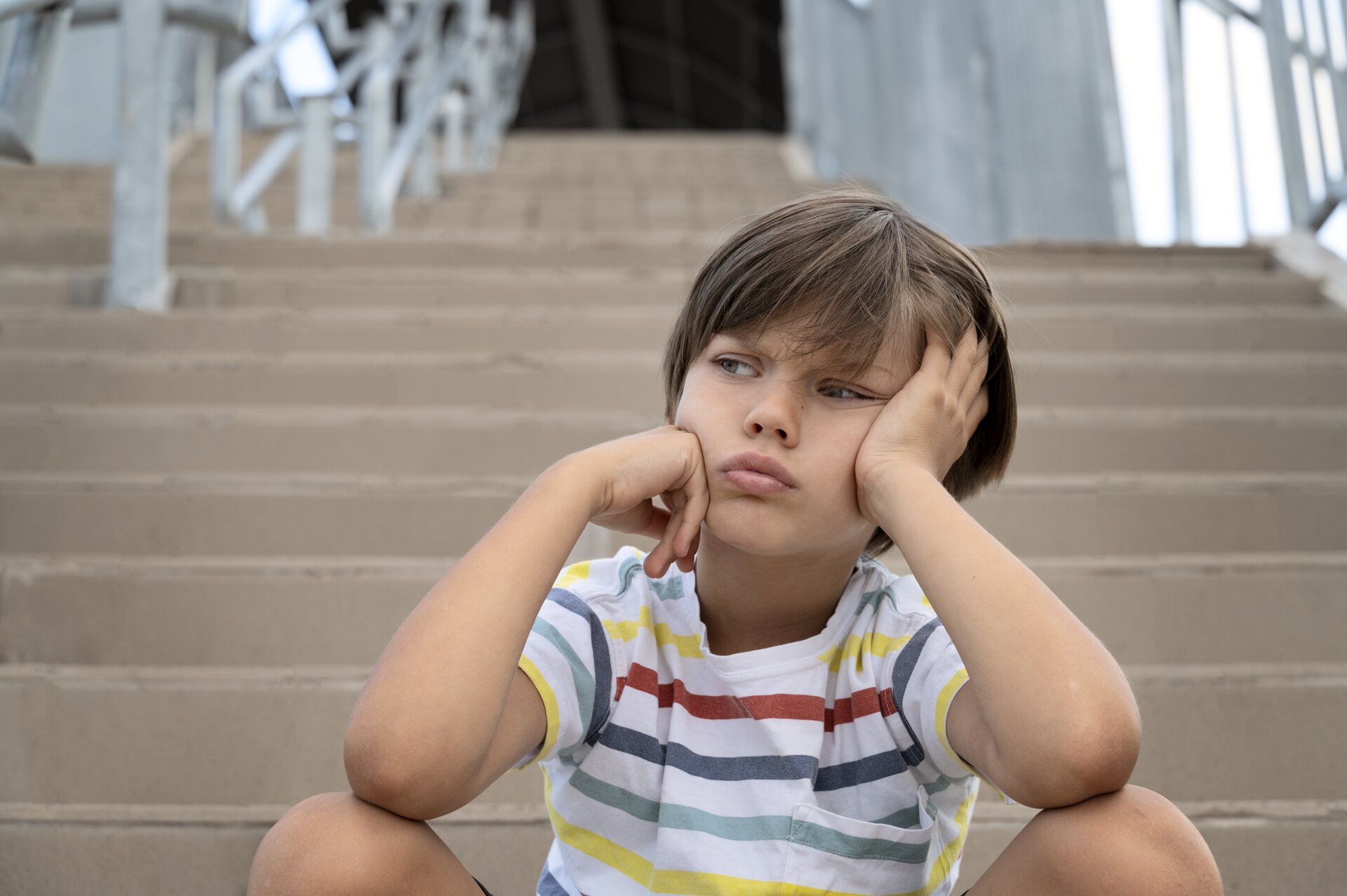
The picture below shows a person in trouble. You’re going to read a text about mistakes that people make.
Na poniższym zdjęciu widać osobę, która popadła w kłopoty. Przeczytasz tekst o tym, jakie błędy popełniają różni ludzie.
Match the words with their Polish translations.
Połącz wyrazy z polskimi tłumaczeniami.
Read the text below and do the exercises.
Przeczytaj poniższy tekst i wykonaj ćwiczenia.
Don’t Make the Same Mistake TwiceCan you remember the last time you were in trouble? What did you do wrongdo wrong? Was it your faultfault? Did you do it on purposeon purpose, or by accidentby accident? Whatever it was, you should know that everyone makes mistakes. It is important to learn a lessonlearn a lesson from this experience and try not to do the same thing again.
Kids often make mistakes. They are usually very honest and say things openly. That’s why their mistakes are quite funny and adults quickly forgiveforgive them. A four‑year‑old can point at a young woman and say, “She is old.” It’s because a young kid sees anyone above the age ofabove the age of 10 as old.
But children can do bad things when they know they shouldn’t do them. They paint on the walls in their houses, make a messmake a mess or get dirty. These things happen when children are bored. Parents sometimes get angry at them but they know these things happen. Their anger is gone when a son or a daughter hughugs and kisses them and says “I’m sorry.”
Teenagers often fall into trouble at home and school. They make errorserrors on a test, misbehavemisbehave during a lesson or forget things a lot. These are all very common situations which are part of growing up. Saying “I’m sorry” isn’t always enough, sometimes teens have to make it rightmake it right, too.
Of course, we can’t forget about practical jokes. These can be very creative. But they can make someone feel embarrassedembarrassed, too. They are often practiced on the 1st April (April Fool’s Day) and nobody should feel bad then.
When you make a mistake, it’s always best to say sorry and try to do better the next time. Learn your lesson and move onmove on.
Źródło: Marta Hilgier, licencja: CC BY-SA 3.0.
Read the text again and decide if the following sentences are true or false.
Przeczytaj tekst ponownie, a następnie zdecyduj, czy podane zdania są prawdziwe, czy fałszywe.
TRUEFALSE
2. Children cause trouble when they have nothing to do.
TRUEFALSE
3. It’s enough to hug and kiss your parents when you do something wrong.
TRUEFALSE
4. Every time you do something wrong, you have to do something for someone to correct the mistake.
TRUEFALSE
5. On April Fool’s Day, you can play jokes on people.
TRUEFALSE
Read the text and choose the correct answer.
Przeczytaj tekst, a następnie wybierz prawidłową odpowiedź.
a) you should say it’s your fault.
b) you shouldn’t think about it very long.
c) you should forget about it.
2. Kids often make little mistakes
a) because they are honest.
b) when they are with their parents.
c) when they want to be bad.
3. Parents get angry with their kids
a) because they get bored easily.
b) when the children don’t say sorry.
c) when they colour the walls.
4. According to the article, teenagers can be in trouble
a) when they make one mistake on a test.
b) because they forget things all the time.
c) when they are honest.
5. Practical jokes are
a) not funny.
b) not creative.
c) often creative.
Read the text again and drag the words to fill in the gaps.
Przeczytaj tekst ponownie, a następnie przeciągnij wyrazy w odpowiednie luki.
Słownik
/ əˌbʌv ði ˈeɪdʒ ɒv /
w wieku powyżej... lat
/ ˌeɪprəl ˈfuːlz ˈdeɪ /
prima aprilis
/ ˈbaɪ ˈæksɪdənt /
przez przypadek
/ 'du: rɒŋ /
zrobić nie tak
/ ɪmˈbærəst /
zawstydzony/zawstydzona
/ ˈerəz / / ˈerə /
błędy [błąd]
/ 'fɔːlt /
wina
/ fəˈɡetfəl /
zapominalski/zapominalska
/ fəˈɡɪv /
wybaczać
/ 'hʌɡ /
przytulać
/ ɪn ˈtrʌbl̩ /
w kłopotach/tarapatach
/ lɜːn ə ˈlesn̩ /
wyciągnąć wnioski
/ ˈmeɪk ə mes /
robić bałagan
/ ˈmeɪk ɪt 'raɪt /
naprawić coś
/ ˌmɪsbɪˈheɪv /
źle się zachowywać
/ 'muːv ɒn /
żyć dalej
/ ˈɒn ˈpɜːpəs /
celowo
/ ˈpræktɪkl̩ 'dʒəʊks / / ˈpræktɪkl̩ 'dʒəʊk /
psikusy, kawały, dowcipy [psikus, kawał, dowcip]
Źródło: GroMar Sp. z o.o., licencja: CC BY‑SA 3.0