Przeczytaj
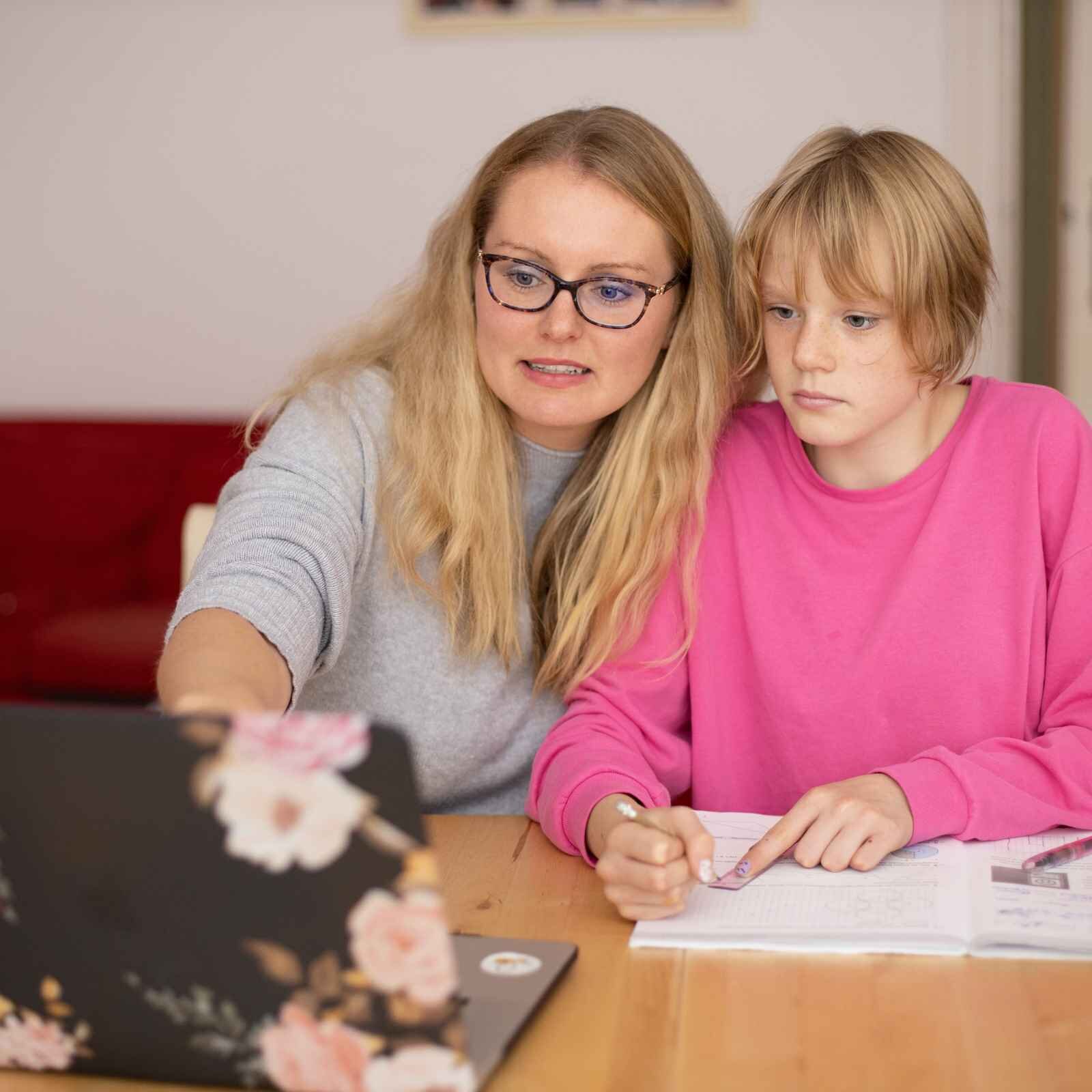
Not everyone goes to school. Some people study at home. Their parents become their teachers. Tutors may be involved as well. Is homeschooling something that you’d like to try? You’re going to read a text about it, so you can form an opinion on the subject.
Nie każdy chodzi do szkoły. Niektórzy uczą się w domu. Ich rodzice stają się ich nauczycielami. W całym procesie mogą też brać udział korepetytorzy. Czy nauczanie domowe to coś, czego chciałbyś/chciałabyś spróbować? Przeczytasz tekst na ten temat, aby móc wyrobić sobie opinię.
Match the words to their Polish translations.
Dopasuj wyrazy do ich polskich odpowiedników.
Read the text below and do the exercises.
Przeczytaj poniższy tekst i wykonaj ćwiczenia.
Home Education? Is it for you?More and more families are looking for better education for their kids. Parents want their children to develop their talents, have fun in learning new things or face challengesface challenges without giving upgiving up. What they don’t want is teaching the kids like every other student. So, parents often choose a solution which is becoming more and more popular in Poland—homeschoolinghomeschooling.
Homeschooling is a special way of learning where students study at home with their parents' help. In the United States about 2.5 million children learn in the homeschooling system. In Poland, there are now around 14,000 homeschoolershomeschoolers, but the number is still growing. Homeschooling is legal in Poland, children aged 6 to 18 can be homeschooledhomeschooled. However, there is no complete freedom here. The child must be enrolled in a regular school. And in order to be promoted to the next grade, students take examstake exams in individual subjects.
There are many good things about homeschooling. First, parents can choose what to teach based onbased on their child's interests, and there's no strict dress codedress code, so they can wear comfy clothes while studying. Another advantage is flexibilityflexibility. Parents can make a scheduleschedule that works best for their child, giving them more time for subjects they enjoy. They can also pickpick teaching materials that make learning fun and easy, like interactive websites, games or practical activities.
However, homeschooling might mean fewer chances to be with peerspeers, so students may not develop social skillssocial skills as much. To fix this, parents can arrange playdatesplaydates or join homeschooling groups. What is more, there is a need for discipline. Without school rules, the family has to work them outwork them out on their own. Sometimes, without a regular school routine, students can fall behindfall behind in their studies. Therefore it is really important for parents to keep an eyekeep an eye on their progressprogress and help them catch upcatch up if needed.
Homeschooling has good points like individual learning and flexibility. But it can also have challenges, such as fewer social interactionssocial interactions. With parents' support and the right resourcesresources, homeschooling can be a really great choice.
What do you think?
Źródło: Barbara Bednarczyk, licencja: CC BY-SA 3.0.
Read the text and choose the correct answer.
Po przeczytaniu powyższego tekstu wybierz prawidłową odpowiedź.
Read the text again and drag the words from the box to fill in the gaps.
Przeczytaj tekst ponownie, a następnie przeciągnij wyrazy z ramki w odpowiednie luki.
- Other times, they live a 1. limited exposure, 2. homeschooling, 3. home education, 4. regulations, 5. peers, 6. flexible schedule, 7. rules, 8. vast, 9. unschooling, 10. civilisation distance away from 1. limited exposure, 2. homeschooling, 3. home education, 4. regulations, 5. peers, 6. flexible schedule, 7. rules, 8. vast, 9. unschooling, 10. civilisation.
- There aren’t 1. limited exposure, 2. homeschooling, 3. home education, 4. regulations, 5. peers, 6. flexible schedule, 7. rules, 8. vast, 9. unschooling, 10. civilisation and 1. limited exposure, 2. homeschooling, 3. home education, 4. regulations, 5. peers, 6. flexible schedule, 7. rules, 8. vast, 9. unschooling, 10. civilisation, for example, concerning how you dress.
- Many people believe that the advantage of homeschooling is a 1. limited exposure, 2. homeschooling, 3. home education, 4. regulations, 5. peers, 6. flexible schedule, 7. rules, 8. vast, 9. unschooling, 10. civilisation.
- However, 1. limited exposure, 2. homeschooling, 3. home education, 4. regulations, 5. peers, 6. flexible schedule, 7. rules, 8. vast, 9. unschooling, 10. civilisation is only the final step of 1. limited exposure, 2. homeschooling, 3. home education, 4. regulations, 5. peers, 6. flexible schedule, 7. rules, 8. vast, 9. unschooling, 10. civilisation.
- One disadvantage is that children have limited contact with 1. limited exposure, 2. homeschooling, 3. home education, 4. regulations, 5. peers, 6. flexible schedule, 7. rules, 8. vast, 9. unschooling, 10. civilisation.
- Many people believe that 1. limited exposure, 2. homeschooling, 3. home education, 4. regulations, 5. peers, 6. flexible schedule, 7. rules, 8. vast, 9. unschooling, 10. civilisation to social life is the worst thing about 1. limited exposure, 2. homeschooling, 3. home education, 4. regulations, 5. peers, 6. flexible schedule, 7. rules, 8. vast, 9. unschooling, 10. civilisation.
Find the verbs in the text that best fit the sentences.
Wyszukaj takie czasowniki, które najlepiej pasują do poniższych zdań.
Słownik
/ beɪst ɒn /
oparty na
/ ˈkætʃ ʌp /
nadgonić
/ ˈdres kəʊd /
zasady ubioru
/ ɪnˈrəʊld tu ə skuːl / / ɪnˈrəʊl /
zapisany do szkoły [zapisać do szkoły]
/ feɪs ˈtʃæləndʒɪz /
stawiać czoła wyzwaniom
/ ˌfleksəˈbɪlɪti /
elastyczność
/ fɔːl bɪˈhaɪnd /
mieć zaległości
/ ˈɡɪvɪŋ ʌp / / ɡɪv ʌp /
poddawanie się [poddawać się]
/ ˌhəʊmˈskuːl ˈsʌmbədi /
uczyć kogoś w domu
/ ˌhəʊmˈskuːləz / / ˌhəʊmˈskuːlə(r) /
dzieci uczące się w domu [dziecko uczące się w domu]
/ ˌhəʊmˈskuːlɪŋ /
edukacja domowa
/ kiːp ən aɪ /
obserwować
/ pɪəz / / pɪə /
rówieśnicy [rówieśnik]
/ pɪk /
wybierać
/ ˈpleɪˌdeɪts / / ˈpleɪˌdeɪt /
zabawy [zabawa]
/ prəˈɡres /
postęp
/ rɪˈzɔːsɪz / / rɪˈzɔːs /
środki [środek]
/ ˈʃedʒ.uːl /
plan zajęć
/ ˈsəʊʃl ˌɪntəˈrækʃn̩z / / ˈsəʊʃl ˌɪntəˈrækʃn̩ /
interakcje społeczne [interakcja społeczna]
/ ˈsəʊʃl skɪlz / / ˈsəʊʃl skɪl /
umiejętności społeczne [umiejętność społeczna]
/ ˈteɪk ɪɡˈzæmz /
podchodzić do egzaminów
/ ˈwɜ:k ðəm ˈaʊt / / ˈwɜ:k ˈsʌmthetaɪŋ ˈaʊt /
wypracować je [wypracować coś]
Źródło: GroMar Sp. z o.o., licencja: CC BY‑SA 3.0