Przeczytaj
Have you ever wondered what it’s like to be a famous pro in sports? They must earn a whole lot of money, but what is the cost? Read this interview with Ernst Vendermeyer, a professional athlete, and find out.
Zastanawiałeś/Zastanawiałaś się kiedyś, jak to jest być sławnym zawodowym sportowcem? Tacy ludzie muszą zarabiać masę pieniędzy, ale ile ich samych to kosztuje? Przekonasz się o tym, czytając wywiad z zawodowym sportowcem Ernstem Vendermeyerem.
Match words with their definitions.
Połącz wyrazy z definicjami.
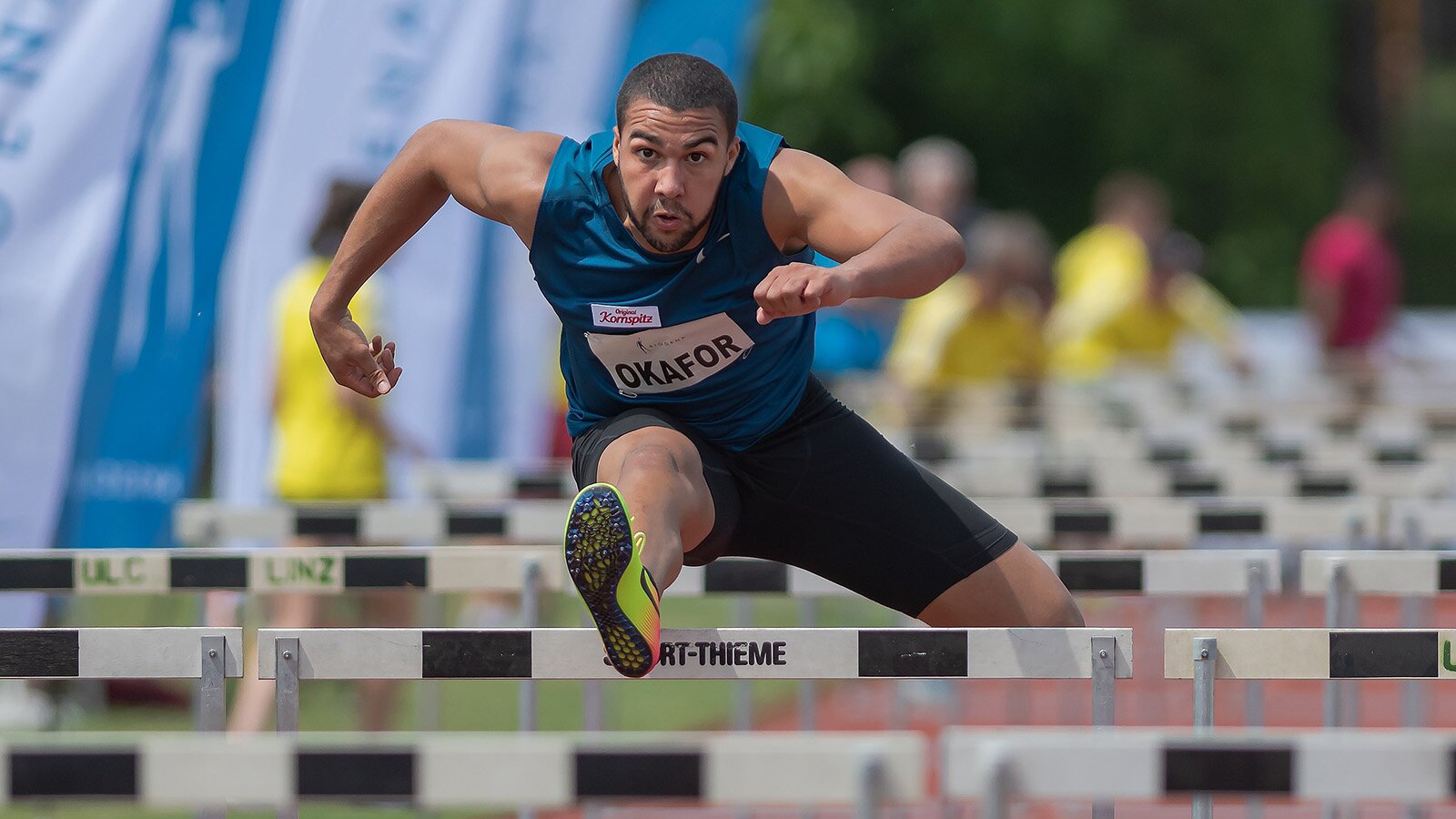
Read the interview with Ernst Vendermeyer, a professional hurdler, and do the exercises.
Przeczytaj wywiad z zawodowym płotkarzem Ernstem Vendermeyerem i wykonaj ćwiczenia.
The Life of a Professional Athlete: Is It All Sweat and Tears?A newspaper reporter has asked a professional athlete, Ernst Vendermeyer, about what it is like to be the best.
Is it really all sweat and tears?
I won’t lie to you, it often really is, but I wouldn’t change my job for the world!
Oh, really? Why not?
Because I love my job, even if it's hard. I enjoy every moment of it. Plus, I have a lot of mental preparationmental preparation.
Mental preparation? As in: how you feel about yourself?
Well, yes, but not only. If you want to think about being a professional, you need to work on your physical strengthstrength and your mental strengthmental strength at the same time, every day.
Okay, so how do you do it?
If you focus on the details, you will see that a professional athlete’s job is no piece of cakepiece of cake. You have to follow a strict daily routinedaily routine and a regular workout planworkout plan. Also, there are health check‑upshealth check‑ups, consultations with nutritionistsnutritionists, psychologists, physiotherapistsphysiotherapists, and the list goes on. My life is very busy but it’s very rewardingrewarding, too!
Then what does your daily routine look like?
I get up at 6 o’clock every day. I start the day with a little bit of stretchingstretching. Then, I eat the first meal of the day. It consists ofconsists of foods such as whole‑grain cereal with nuts and fruit. Then I go to “work,” which is my training. First, I work with my coachwork with my coach. When I practise, I start with a bit of joggingjogging, then I move on to really intenseintense workouts. This eats up all my energy, so after that I allow myself to have a full meal. My typical lunchtypical lunch consists of proteins and vegetables, for example, salmon with broccoli. In the afternoon, I come back to exercise. I do various training sessionstraining sessions, depending on my needs and the weather. Then I go back home and have dinner. For my typical dinnertypical dinner, I usually have two sandwiches and some vegetables. I don’t go out with friends, have parties, or drink alcohol. I simply go to bed. After all, I want to be on the podiumbe on the podium!
Źródło: Zuzanna Kościuk , Daria Wieliczko, licencja: CC BY-SA 3.0.
Read the interview and choose the sentence that best summarises it.
Przeczytaj wywiad, a następnie wybierz zdanie, które najlepiej go podsumowuje.
Read the text again and decide if the following sentences are true or false.
Przeczytaj tekst ponownie, a następnie zdecyduj, czy podane zdania są prawdziwe, czy fałszywe.
TRUEFALSE
2. Ernst believes physical preparation is the only thing that matters.
TRUEFALSE
3. Ernst’s daily routine consists of meals, training, and sleep.
TRUEFALSE
4. Ernst doesn’t meet with people or party.
TRUEFALSE
5. Ernest follows a strict daily routine to stand on a podium.
TRUEFALSE
Read the interview again and answer the questions in 1–2 sentences.
Przeczytaj wywiad ponownie, a następnie odpowiedz na każde z pytań 1–2 zdaniami.
Ernst knows that the life of a professional athlete is hard, but he still chose it. Why?
How many meals does Ernst eat?
What are the things that Ernst doesn’t do?
Słownik
/ bi ˈɒn ðə ˈpəʊdɪəm /
być na podium
/ kənˈsɪsts ɒv / / kənˈsɪst ɒv /
tu: składa się z [składać się z]
/ ˈdeɪli ruːˈtiːn /
codzienne zajęcia, ustalony rytm dnia
/ heltheta 'tʃek ʌps / / heltheta 'tʃek ʌp /
kontrole lekarskie [kontrola lekarska]
/ ɪnˈtens /
intensywne (o treningach)
/ ˈdʒɒɡɪŋ /
jogging, bieganie
/ ˈmentl̩ ˌprepəˈreɪʃn̩ /
przygotowanie mentalne
/ ˈmentl̩ streŋtheta /
siła psychiczna
/ njuˈtrɪʃənɪsts / / njuˈtrɪʃənɪst /
dietetycy/dietetyczki [dietetyk/dietetyczka]
/ pi:s əv keɪk /
bułka z masłem, coś łatwego
/ ˌfɪzɪəʊˈthetaerəpɪsts / / ˌfɪzɪəʊˈthetaerəpɪst /
fizjoterapeuci/fizjoterapeutki [fizjoterapeuta/fizjoterapeutka]
/ rɪˈwɔːdɪŋ /
dający/dająca satysfakcję
/ streŋtheta /
siła fizyczna
/ ˈstretʃɪŋ /
rozciąganie
/ ˈtreɪnɪŋ ˈseʃn̩z / / ˈtreɪnɪŋ ˈseʃn̩ /
sesje treningowe [sesja treningowa]
/ ˈtɪpɪkl̩ ˈbrekfəst /
typowe śniadanie
/ ˈtɪpɪkl̩ ˈdɪnə /
typowy obiad
/ ˈtɪpɪkl̩ ˈlʌntʃ /
typowy lunch
/ ˈwɜːkaʊt plæn /
plan treningowy
/ ˈwɜ:k wɪð ə kəʊtʃ /
pracować z trenerem
Źródło: GroMar Sp. z o.o., licencja: CC BY‑SA 3.0