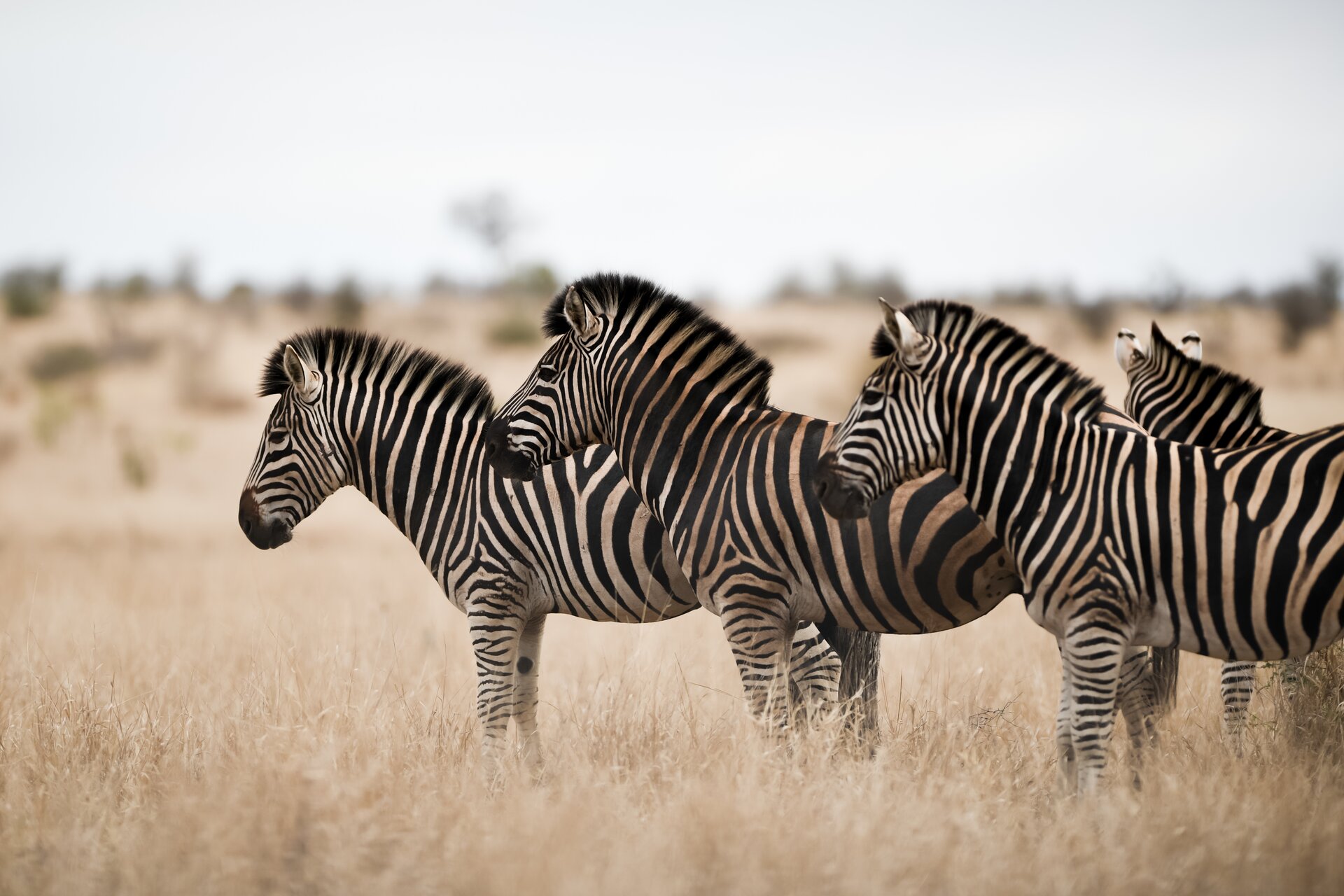
Animals are beautiful and we all love them. The picture below shows zebras that live in the savannah. In this section, you’re going to study a text about some animals and places where they live.
Zwierzęta są pięknymi stworzeniami i wszyscy je kochamy. Poniższa ilustracja pokazuje zebry które mieszkają na sawannie.W tej sekcji poznasz informacje o niektórych zwierzętach oraz ich siedliskach, czyli miejscach, w których mieszkają.
R148vnab7GXmB
Zdjęcie przedstawia zebry stojąca na sawannie. Widoczne są trzy zebry, zwrócone w lewo, stojące jedna za drugą. W tle widoczna jest wypłowiała słomkowa trawa, a w oddali rozmyte pojedyncze krzaki.
Where do these animals live?
Gdzie mieszkają te zwierzęta?
Źródło: dostępny w internecie: https://www.freepik.com/ [dostęp 10.03.2022], domena publiczna.
Źródło: GroMar Sp. z o.o., licencja: CC BY-SA 3.0.
Study the information about different animals, then do the exercises.
Przeczytaj informacje o wybranych zwierzętach a następnie wykonaj ćwiczenia.
Where do they live?
AnetaWilemska‑RudnikWhere do they live?
Animals are amazing. There is a lot to know about them. Some animals live in the mountains, others in the forest. There are also animals that live in hot deserts, seas or lakes. Some run fast, others swim well. Do you know which animals have no brains? Which are smellysmellysmelly? Here are some facts about different animals.
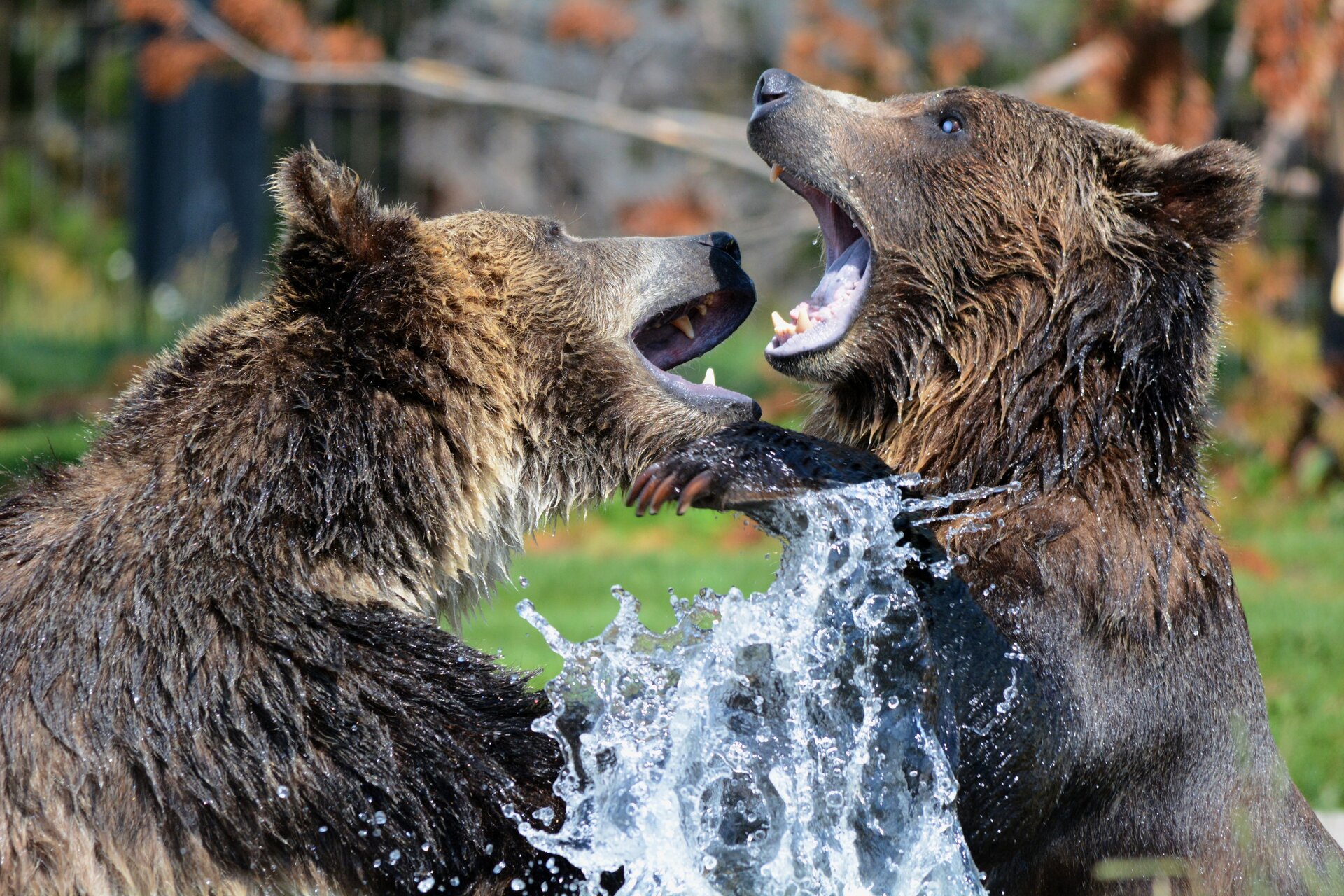
(1) BEARS
RiBWuXJky9iHQ
Zdjęcie przedstawia dwa niedźwiedzie brunatne. Czworonożne stworzenia z wydłużonym pyskiem, porośnięte brązowym futrem.
Źródło: dostępny w internecie: https://pexels.com/ [dostęp 9.10.2022], https://pixabay.com/ [dostęp 9.10.2022], domena publiczna.
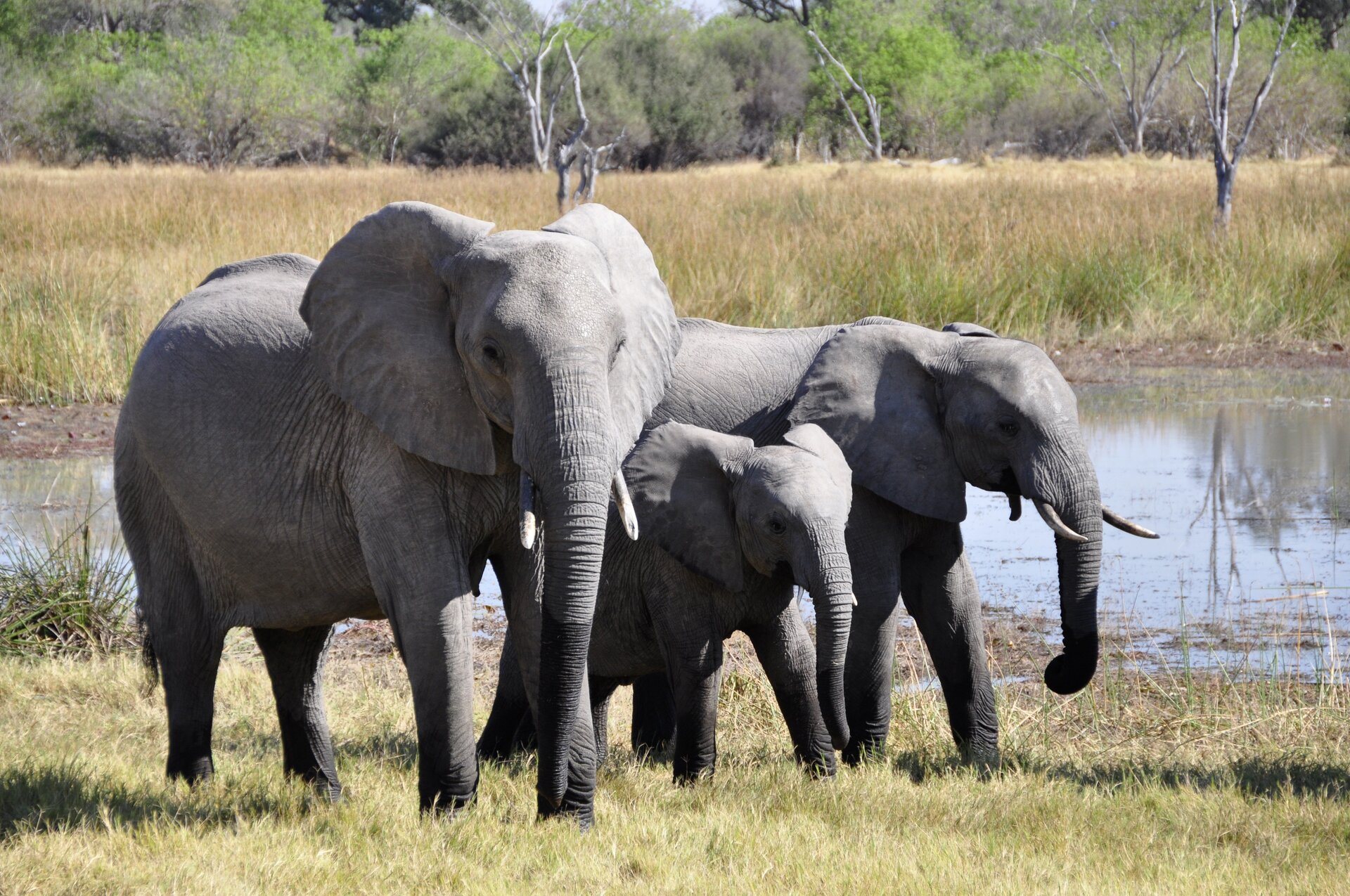
Zdjęcie przedstawia trzy słonie. Czworonożne zwierzęta, z bardzo dużymi uszami, kłami oraz długą trąbą zamiast nosa. Na fotografii są dwa dorosłe słonie a między nimi mały słonik.
Źródło: dostępny w internecie: https://pexels.com/ [dostęp 9.10.2022], https://pixabay.com/ [dostęp 9.10.2022], domena publiczna.
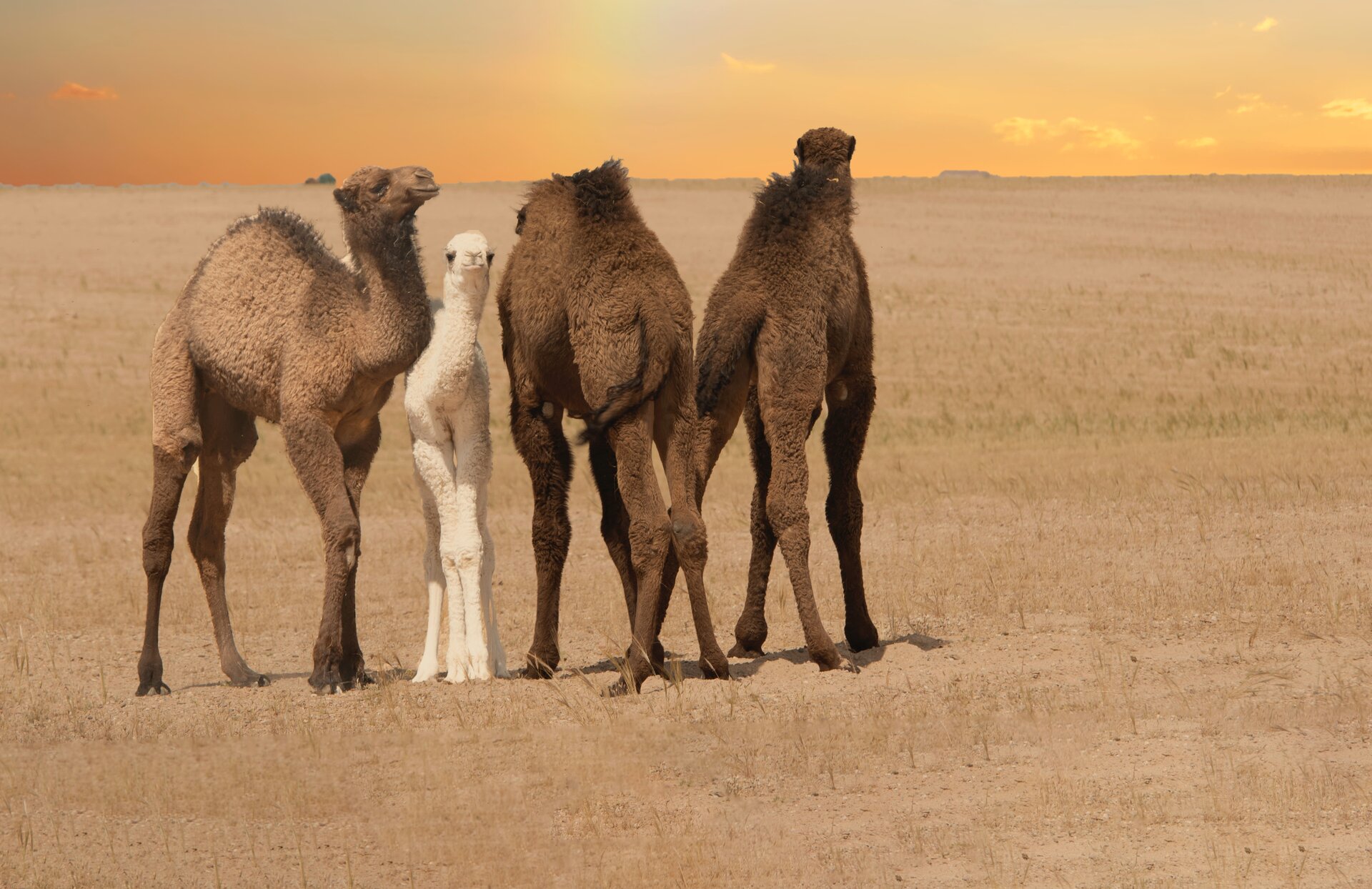
Zdjęcie przedstawia 4 wielbłądy. Dwa odwrócone tyłem oraz dwa przodem, trzy z nich są brązowe, a jeden jasny - beżowy. Zwierzęta ukazane na zdjęciu to czterokopytne stworzenia na długich nogach, z garbem na plecach, porośnięte sierścią.
Źródło: dostępny w internecie: https://pexels.com/ [dostęp 9.10.2022], domena publiczna.
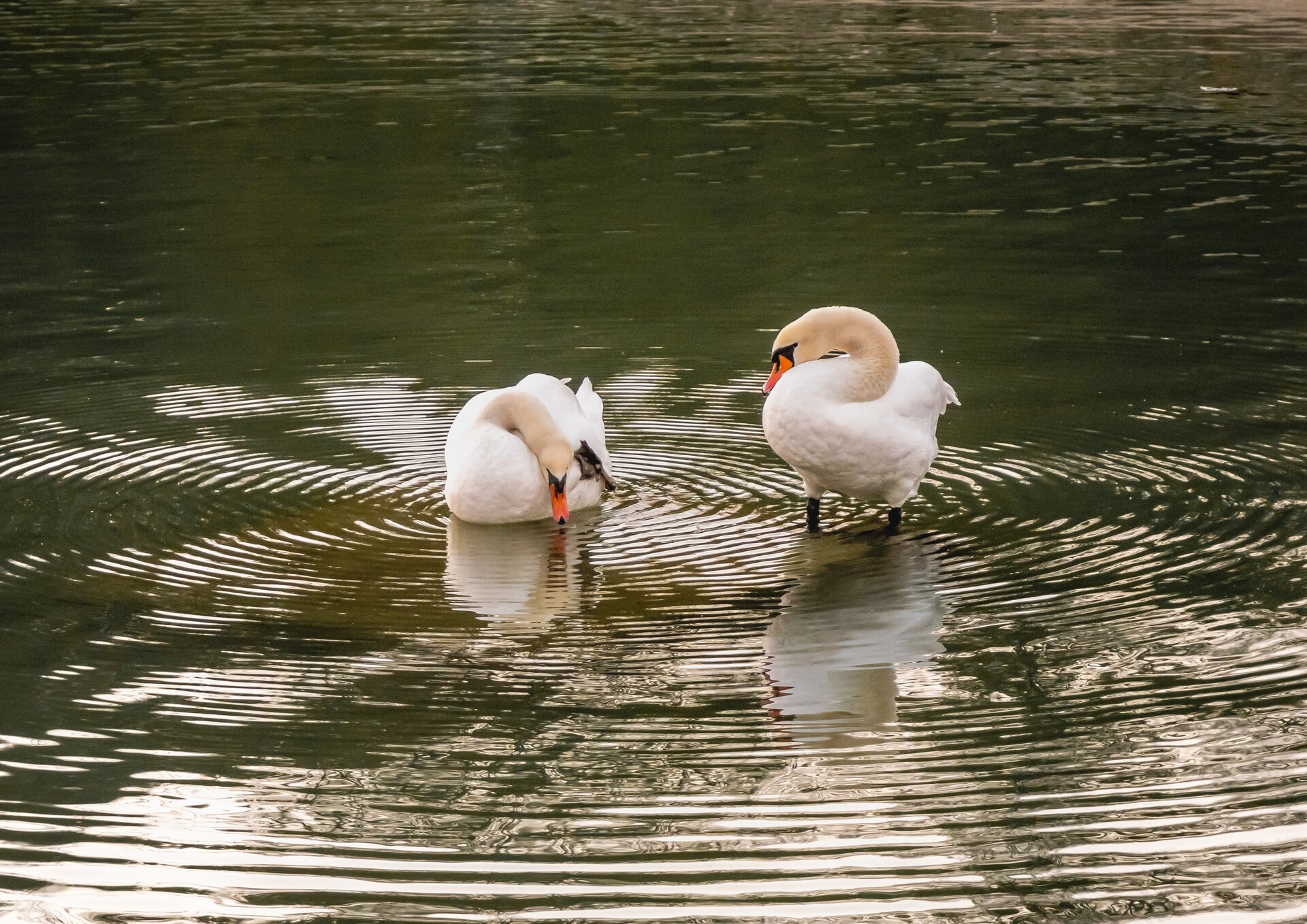
Zdjęcie przedstawia dwa łabędzie. Ptaki stojące na dwóch, czarnych nogach w wodzie, trzymające białe skrzydła przy sobie, wzdłuż białego tułowia, mają pomarańczowe dzioby do których prowadzi biała szyja.
Źródło: dostępny w internecie: https://pexels.com/ [dostęp 9.10.2022], domena publiczna.
1 Źródło: AnetaWilemska‑Rudnik, licencja: CC BY-SA 3.0.
Exercise2
Based on the information above, drag the words to fill in the gaps.
Na podstawie informacji z tekstu przeciągnij wyrazy w odpowiednie luki w zdaniach.
RI4YIOfn6ndOP
Swans can swim and fly very well and they live in 1. desert, 2. jungle, 3. lakes, 4. forest, 5. ears, 6. mountains.
Camels live in the 1. desert, 2. jungle, 3. lakes, 4. forest, 5. ears, 6. mountains and their milk is the healthiest in the world.
Bears are very big and intelligent mammals and you can find them in the 1. desert, 2. jungle, 3. lakes, 4. forest, 5. ears, 6. mountains.
Foxes live in the 1. desert, 2. jungle, 3. lakes, 4. forest, 5. ears, 6. mountains and are very smelly.
Elephants have big 1. desert, 2. jungle, 3. lakes, 4. forest, 5. ears, 6. mountains and tusks and live in the 1. desert, 2. jungle, 3. lakes, 4. forest, 5. ears, 6. mountains.
Swans can swim and fly very well and they live in 1. desert, 2. jungle, 3. lakes, 4. forest, 5. ears, 6. mountains.
Camels live in the 1. desert, 2. jungle, 3. lakes, 4. forest, 5. ears, 6. mountains and their milk is the healthiest in the world.
Bears are very big and intelligent mammals and you can find them in the 1. desert, 2. jungle, 3. lakes, 4. forest, 5. ears, 6. mountains.
Foxes live in the 1. desert, 2. jungle, 3. lakes, 4. forest, 5. ears, 6. mountains and are very smelly.
Elephants have big 1. desert, 2. jungle, 3. lakes, 4. forest, 5. ears, 6. mountains and tusks and live in the 1. desert, 2. jungle, 3. lakes, 4. forest, 5. ears, 6. mountains.
Źródło: GroMar Sp. z o.o., licencja: CC BY-SA 3.0.
Exercise3
Match the names of the animals with correct descriptions.
Połącz nazwy zwierząt z odpowiednimi opisami.
R16OH3WdJmybw
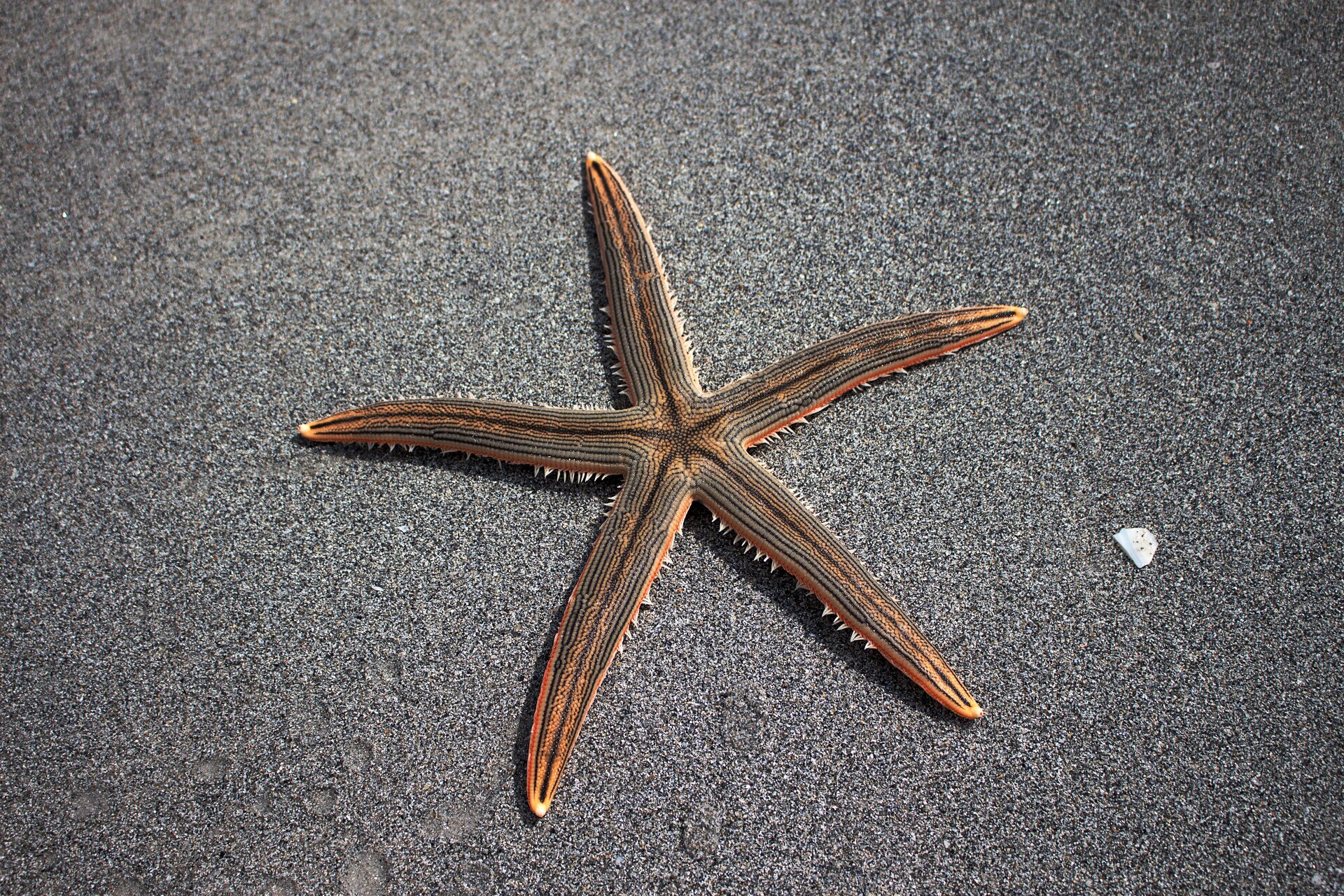
They don’t have blood and they can’t live in fresh water. Możliwe odpowiedzi: 1. camel, 2. swans, 3. foxes, 4. elephants, 5. starfish They’re very big, and have thick skin and long trunks. Możliwe odpowiedzi: 1. camel, 2. swans, 3. foxes, 4. elephants, 5. starfish This animal can live without water for many days. Możliwe odpowiedzi: 1. camel, 2. swans, 3. foxes, 4. elephants, 5. starfish They are very elegant, but can be aggressive. Możliwe odpowiedzi: 1. camel, 2. swans, 3. foxes, 4. elephants, 5. starfish They live in the forests and eat smaller animals. Możliwe odpowiedzi: 1. camel, 2. swans, 3. foxes, 4. elephants, 5. starfish
They don’t have blood and they can’t live in fresh water. Możliwe odpowiedzi: 1. camel, 2. swans, 3. foxes, 4. elephants, 5. starfish They’re very big, and have thick skin and long trunks. Możliwe odpowiedzi: 1. camel, 2. swans, 3. foxes, 4. elephants, 5. starfish This animal can live without water for many days. Możliwe odpowiedzi: 1. camel, 2. swans, 3. foxes, 4. elephants, 5. starfish They are very elegant, but can be aggressive. Możliwe odpowiedzi: 1. camel, 2. swans, 3. foxes, 4. elephants, 5. starfish They live in the forests and eat smaller animals. Możliwe odpowiedzi: 1. camel, 2. swans, 3. foxes, 4. elephants, 5. starfish
Źródło: GroMar Sp. z o.o., licencja: CC BY-SA 3.0.
Exercise3
What animal are they talking about? Play the recordings and match them with the answers.
O jakich zwierzętach mowa? Posłuchaj nagrań i połącz je z nazwami opisywanych zwierząt.